Substance Abuse and Poverty in India: A Vicious Cycle
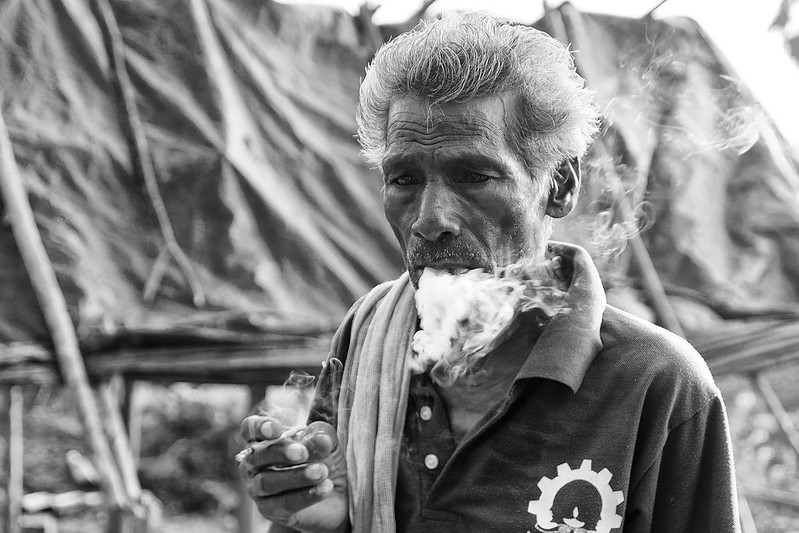 Most Indian films begin with a smoking or tobacco prevention advertisement. The stories in these ads primarily surround low-income families and occasionally a middle-income home. This inference stands as testimony to the common knowledge of the interconnection between substance abuse and poverty in India.
These substances have led to serious addiction among young and old generations alike. They have also played roles in increasing fatal road accidents, criminal activity and, of course, poverty. Over the years, the government has focused on building rehabilitation centers and raising awareness among the public.
That being said, the lower-income strata of the Indian economy still show higher risks of falling into substance abuse and the subsequent negative consequences. This has prompted the Indian government to give more attention to dismantling the nuances surrounding the issue.
An Overview of Substance Abuse and Poverty in India
In the last two decades, several researchers have focused on the correlation between poverty and substance abuse. Substance abuse in the form of chewing tobacco, consuming alcohol and cannabis remained the point of study. Results suggest that populations residing below the poverty line are more prone to abusing and getting addicted to these substances.
A 2016 PubMed study reported that 72% of abusers in its sample were laborers or individuals from lower-income strata. Furthermore, slum areas have emerged as key regions for substance abuse among children, including glue and other inhalants. Children often turn to these substances to cope with harsh living conditions, such as extreme cold or unsanitary environments.
Thirdly, substance abuse is also highly prevalent among convicted offenders. A 2025 study found that moderate substance users exhibited higher risks of criminal behavior, while low-level users showed lower risks of unstable or criminogenic traits. These findings highlight the harmful effects of substance use on impoverished communities and underscore the additional risk factors to which these substances expose vulnerable populations.
Substances as Cause and Effect of Being Poor
When looking at causative factors for the correlation of substance abuse and poverty in India, more complex aspects arise. Experts state that most tobacco and alcohol industries target customers from low-income families. They keep prices and accessibility cheap with discounts to facilitate affordability.
Industry leaders present these substances as an escapism for people with low incomes from their harsh realities. Many studies state that people turn to substances as a coping mechanism to endure the hardships of everyday life. However, the result is that these substances further deteriorate living conditions.
Statistics show that tobacco use increases the likelihood of a household being pushed into poverty by 3.4% to 3.7%. Furthermore, addicted individuals often spend large portions of their limited income on tobacco or alcohol. Addiction and increased substance use also lead to major diseases, such as cancer and liver cirrhosis.
This, in turn, pushes households further into poverty, especially since these individuals are often the primary earners in their families. Thus, substance abuse both initiates and sustains a vicious cycle within impoverished communities in India.
Why Does Breaking the Cycle Matter?
A vicious cycle, such as the one between substance abuse and poverty in India, requires targeted attention. Experts say that breaking the cycle requires increased awareness and education. While the ideal solution would be the elimination of these substances, moderating use or preventing addiction can be a starting point.
Intervention and awareness strategies remain the foremost requirement in combating substance abuse, which contributes to poverty. Over the years, the government has worked to include these topics in school curricula and many outreach programs exist today. Many NGOs also conduct regular awareness sessions in impoverished communities, educating people about the harmful effects of substance use.
These sessions play a vital role in raising awareness and caution among people exposed to these substances. Furthermore, governments and nonprofits have established numerous correctional and rehabilitation institutions to help those addicted to tobacco, alcohol and cannabis.
Governmental Schemes and Correctional Institutions
The Indian government has introduced several intervention strategies to reduce and mitigate the negative impacts of substance abuse. A detailed report published in 2023 explored the various programs launched in the last two decades, including the National Tobacco Control Program (NTCP). The NTCP, introduced in 2007–2008, works strategically to cover all regions of the nation.
This task force takes a multifaceted approach to preventing tobacco addiction and abuse. It organizes awareness programs for the public, collaborates with schools to educate children and partners with NGOs to help affected individuals quit. The NTCP has also partnered with the WHO to set up 19 tobacco cessation clinics since 2005.
The report also states that the latest Global Adult Tobacco Survey (GATS) shows a rise in smokers planning to quit, increasing to 55.4% from 46.6% in the previous GATS survey.
Looking Ahead
In India, as in any other country, experts describe poverty as a multifaceted problem requiring a multifaceted solution. Identifying pain points, such as the connection between substance abuse and poverty in India, helps officials address these issues with the right strategies. As a result, many individuals can break free from the harmful risks posed by these recreational substances and improve their lives.
– Shafika Fathima
Shafika is based in Chennai, India and focuses on Good News and Global Health for The Borgen Project.
Photo: Flickr
