Health Care in Rural India
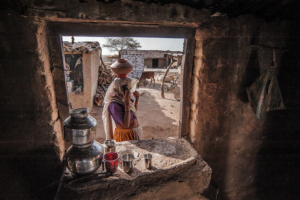 India is the most populous country in the world, home to some 1.4 billion people. It is a very diverse nation, both demographically and geographically. India is still a developing country; therefore it faces a lot of challenges in terms of healthcare. Health care in rural India, in particular, faces many challenges and obstacles. Access to quality health care is still an elusive goal for many Indians living in rural areas of the country.
Background
According to the country’s Ministry of Finance, approximately 65% of Indians live in rural areas. As with many other countries, India also faces a divide between urban and rural areas. People living in rural areas face significant obstacles that hinder their access to proper health care. Rural areas face a lack of qualified medical professionals, inadequate medical supplies and limited awareness regarding diseases. There is a need to improve health care access in rural India. Proper health care is a right that all humans have. Access to quality health care in rural India needs to be reformed and expanded.
The National Health Mission (NHM)
The Indian government has implemented measures to improve access to proper health care. In 2013, New Delhi launched the National Health Mission (NHM). The purpose of this mission is to improve health care access in rural and underserved areas. The NHM encompasses two sub-missions: the National Rural Health Mission (NRHM) and the National Urban Health Mission (NUHM).
The mission aims to expand proper health care access to underserved areas in India. Additionally, the government has also launched a health insurance program (Ayushman Bharat) in 2018. This program provides free health care access to poorer Indians who cannot afford private health care services. Under Ayushman Bharat, the government established Health and Wellness Centers (HWCs) throughout the country. These centers aim to bring health care access closer to the people.
First-Hand Problems
The Borgen Project spoke with Arjun Singh, an immigrant from India, on the topic of health care in rural India. Mr. Singh has witnessed first hand the problems that rural areas face in accessing health care. Mr. Singh grew up in a small village in northwestern India. Specifically, he grew up in Rajasthan, a large state situated in western India. Rajasthan is located in the desert. It is a mostly rural state.
Around 75% of people in Rajasthan live in rural areas. Mr. Singh states how difficult it was for him and his family to get access to proper health care. He states that village clinics have inadequate medical infrastructure and they’re routinely understaffed. There is a shortage of qualified medical personnel. One study stated that around 45% of personnel are absent from subcenters and aid posts.
However, Mr. Singh has clarified that things may be different now than they were during his time in India. In the decades since he left India, health care access in rural areas has improved. He stated how government initiatives such as the National Health Mission and Ayushman Bharat have made significant strides in improving rural access to proper and quality health care.
– Samriddha Aryal
Samriddha is based in Centreville, VA, USA and focuses on Global Health for The Borgen Project.
Photo: Flickr
