• Link to X
  • Link to Facebook
  • Link to Instagram
  • Link to TikTok
  • Link to Youtube
  • About
    • About Us
      • President
      • Board of Directors
      • Board of Advisors
      • Financials
      • Our Methodology
      • Success Tracker
      • Contact
  • Act Now
    • 30 Ways to Help
      • Email Congress
      • Call Congress
      • Volunteer
      • Courses & Certificates
      • Be a Donor
    • Internships
      • In-Office Internships
      • Remote Internships
    • Legislation
      • Politics 101
  • The Blog
  • The Podcast
  • Magazine
  • Donate
  • Click to open the search input field Click to open the search input field Search
  • Menu Menu

Tag Archive for: COVID-19

Posts

Children, Gender Equality, Global Poverty

4 Organizations Improving Education in Sierra Leone

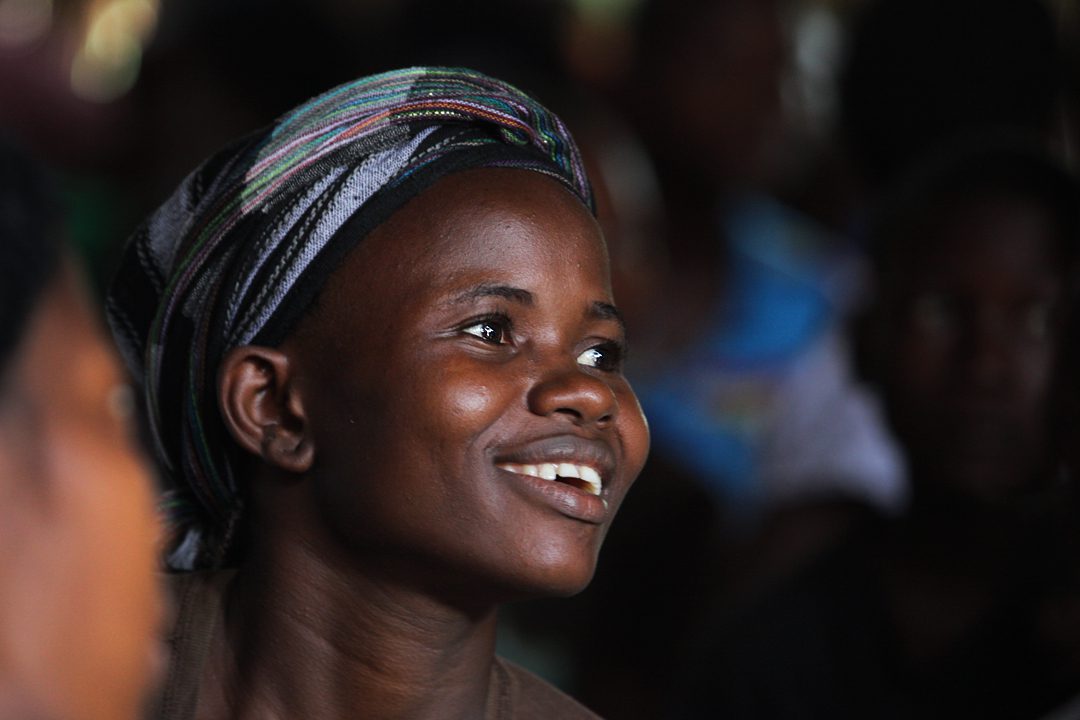
Education in Sierra LeoneMany important improvements in educational outcomes have occurred in Sierra Leone since 2015, especially for women and children. The country is bouncing back from the civil war, Ebola crisis and other serious challenges. This progress is partially owed to organizations that help children go to school. Several NGOs and community-based actors support education in Sierra Leone. Here is a small glimpse into the work of many.
4 Organizations Improving Education in Sierra Leone

  1. Street Child: Street Child’s goal is to improve the educational prospects of the world’s poorest and most marginalized children. Since its founding, the organization has helped more than 250,000 children escape poverty and go to school.  It originally started by improving education in Sierra Leone, where it began a project for 100 children in a small northern village. It has since expanded to serve children in ten other countries. Some of its work involves providing young girls with school supplies and giving families financial support. The organization also trains teachers and supplies classroom materials.
  2. Mother’s Club: After setbacks and challenges from the Ebola outbreak, mothers in Sierra Leone began organizing to ensure their children would receive a full education. Mother’s Clubs are village and community-based networks that sell products to fund their children’s schooling. Profits from farming, tye-dyeing, gardening and soap making pay for school supplies, books and uniforms. Thanks to these self-starters, with aid from international partners like UNICEF, communities can help drive positive educational outcomes.
  3. Girls Access to Education (GATE): Funded by U.K. Aid and its partners, Girl’s Access to Education (GATE) aims to help girls from disadvantaged households go to school and enables out-of-school girls to resume their education. Importantly, it also empowers communities to create their own solutions. The net enrollment rates in both primary and secondary education have consistently increased since 2013, due in part to their work. Where the literacy rate for girls ages 15-24 was less than 40% in 2005, that figure rose to 62.7% in 2018. The gap between male and female literacy rates continues to drastically decrease as well. This speaks to an overwhelmingly positive impact on Sierra Leone’s children and youth.
  4. Teach for All: Teach for All is a network of education partners and nonprofits who work together to help inspire change on a global scale. The organization announced Teach for Sierra Leone as its latest partner in July 2020. Similarly to other actors, Teach for Sierra Leone is community-driven and recognizes educational disparities in the country as an urgent issue. They aim to bridge education gaps by recruiting women and teachers from under-resourced schools whose efforts will help break the cycle of global poverty.

A Brighter Future

Overall, these organizations play a critical role in improving access to education in Sierra Leone. Currently, many schools have been disrupted due to COVID-19, but now radio lessons bridge the learning gap until reopening. So long as outside actors continue to provide foreign aid, assist in educational outcomes and empower communities, children in Sierra Leone will be able to reach their fullest potential.

– Rachel Moloney
Photo: Flickr

August 26, 2020
https://borgenproject.org/wp-content/uploads/borgen-project-logo.svg 0 0 Kim Thelwell https://borgenproject.org/wp-content/uploads/borgen-project-logo.svg Kim Thelwell2020-08-26 11:39:492020-08-26 15:51:024 Organizations Improving Education in Sierra Leone
Aid, Global Poverty

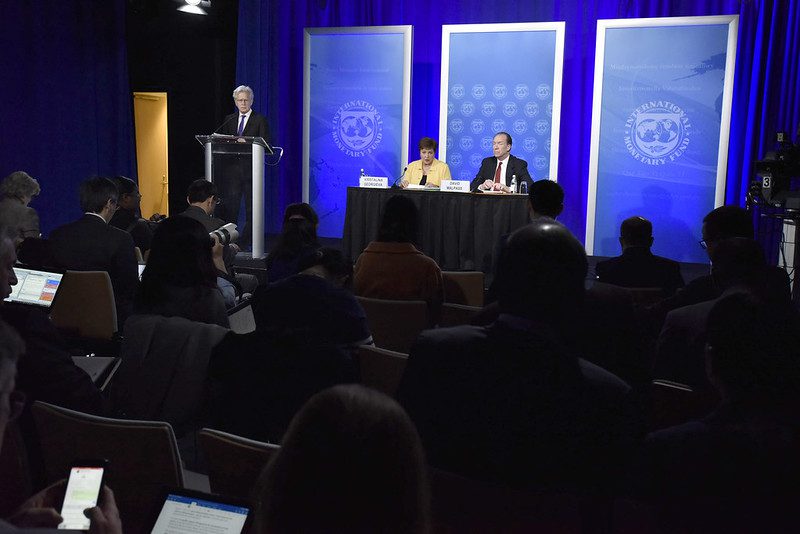
Fast Track COVID-19 Facility: Interview With Egypt’s World Bank Team

Fast Track COVID-19 FacilityAs of July, the World Bank committed $7.9 million in COVID-19 treatment and prevention aid to Egypt with the Fast Track Covid-19 Facility project. To find out more about this aid, The Borgen Project has interviewed the World Bank’s team of Egypt correspondents.

Interview With the World Bank’s Team of Correspondents

1. Could you speak more about why Egypt qualifies for the World Bank’s new Fast Track COVID-19 Facility and why the World Bank spurred this initiative?

“In March, the World Bank’s Board of Directors approved a package of fast-track financing to assist countries in their efforts to prevent, detect and respond to the rapid spread of COVID-19. The Bank organized and approved the fast track facility to quickly get resources to countries dealing with a fast-moving, global public health crisis.

As an IBRD* member, Egypt qualified for $50 million funding, the maximum amount available under the Facility based on the criteria of population size.

More information on the World Bank Group’s COVID-19 operational response is available on our website.”

*IBRD, the International Bank for Reconstruction and Development, consists of countries that are pre-approved for World Bank lending.

2. What organizations in Egypt will receive this funding? Why are these organizations chosen?

“The World Bank’s Egypt office worked closely with our counterparts in the Ministry of Health and Population to design the project, with funds that continue to support:

  1. procuring and distributing medical equipment and supplies necessary for the COVID-19 response
  2. health worker training
  3. operations of specifically designated quarantine, isolation and treatment centers
  4. mobilization of rapid response teams in contact tracing of COVID-19 cases
  5. development of contextualized messaging platforms and tools to improve public awareness of COVID prevention
  6. innovative monitoring and evaluation of social distancing strategies including community mobilization.

After receiving the funds, the Government of Egypt decides which organizations are chosen to execute specific parts of the project, such as the procurement of equipment. As part of the project, the World Bank’s technical experts continue to advise the Government of Egypt on technical issues related to the execution and evaluation of the project.”

3. What strategies does the World Bank use to ensure its funding avoids corrupt hands?

“With all of its operations, the World Bank has zero tolerance for fraud and corruption, and we take very seriously our obligation to ensure that the Bank’s funds are used for clearly defined activities and reach affected communities.

Emergency financing provided by the World Bank is subject to the same high level of safeguards as regular financing, including reporting requirements and oversight requirements. With the COVID-19 Facility, as in all World Bank operations, we have put checks and balances into place to help address fiduciary risks.

Additionally, the World Bank Group’s sanctions system ensures that fraud and corruption impacting WBG-financed activities are addressed efficiently and fairly, and that a strong deterrence message is complemented with a focus on prevention and integrity compliance programs.

More information on the World Bank’s procurement framework can be found on our website.”

– Rory Davis
Photo: Flickr

August 24, 2020
https://borgenproject.org/wp-content/uploads/borgen-project-logo.svg 0 0 Kim Thelwell https://borgenproject.org/wp-content/uploads/borgen-project-logo.svg Kim Thelwell2020-08-24 10:55:032020-08-26 10:00:47Fast Track COVID-19 Facility: Interview With Egypt’s World Bank Team
Global Poverty

Hunger in Spain Amid COVID-19

A photo of people in the country to represent who hunger in Spain can impact.
With more than 10 years of recovery from the eurozone crisis that was particularly devastating to Spain, the nation’s economy has been relatively successful and demonstrated steady growth. Despite this recovery, Spain’s poverty rate has risen since the crisis. Its unemployment rate is also more than double the EU average, with concerning levels of youth unemployment. Lockdowns due to COVID-19 have only worsened conditions, causing food insecurity for millions of Spaniards. Prior to the pandemic, Spain had maintained a consistent low hunger rate similar to those of other EU countries at just 2.5%. Amid the COVID-19 lockdowns, Spain’s government and outside organizations are trying to help those who have been impacted by hunger in Spain.

The Impact of Lockdowns

Prior to the pandemic, Spain had high poverty or near poverty rates as well as high unemployment rates. While hunger rates had been kept low, there is a fine line between poverty and going hungry.

Since Spain went into lockdown, 1.6 million people have been assisted by The Red Cross in order to feed themselves and their families. This is more than five times the amount helped in 2019. In Madrid, more than 100,00 people are looking to neighborhood charities and government services for aid. The demand for basic necessities has also risen by more than 30% since the pandemic hit.

Governmental Response

In May 2020, Spain’s government, led by Pedro Sanchez, introduced a minimum monthly payment to protect vulnerable families. The plan “will cost around €3 billion per year, will help four out of five people in severe poverty and benefit close to 850,000 households, half of which include children.” Since his election in 2018, the prime minister had spoken of plans to implement this subsidy, but the pandemic accelerated this process.

Accessing Government Aid

Local organizations report that accessing government services is difficult and can be a source of shame for newly affected families. These government systems can also become overwhelmed, thereby more difficult to access. People can also be blocked from registering if they do not have adequate documentation. This leaves charities and neighborhood organizations to provide additional food and supplies for those who cannot access government aid. Foodbank providers also report that an influx of informal economy workers and tourism employees have been turning to food banks since Spain implemented its strict lockdown.

Looking to the Future

The government responded to increased hunger in Spain with subsidies to help citizens put food on the table. However, Spain is also a popular destination for a record number of immigrants, many of whom do not have access to these subsidies due to the lack of documentation. The service industry, which suffered immensely under lockdowns, was also the primary employer of foreigners in Spain. This is where local groups can and are stepping in to make a positive change, trying to reach those who lack access to governmental resources. 

– Elizabeth Stankovits
Photo: Flickr

August 23, 2020
https://borgenproject.org/wp-content/uploads/borgen-project-logo.svg 0 0 Kim Thelwell https://borgenproject.org/wp-content/uploads/borgen-project-logo.svg Kim Thelwell2020-08-23 13:30:362020-08-19 10:32:52Hunger in Spain Amid COVID-19
Children, Global Poverty

5 Facts About Poverty in Timor-Leste

Poverty in Timor-Leste
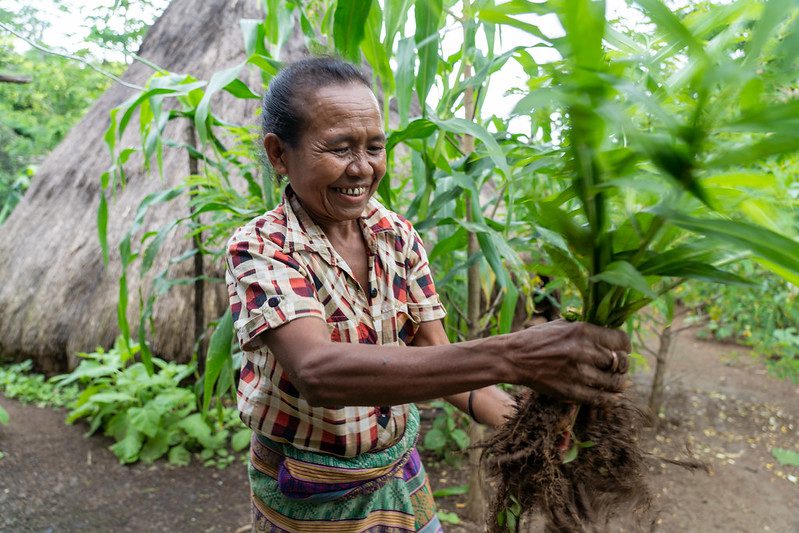
Timor-Leste, also known as East Timor, is one of the least-known countries in the world. Situated between Papua and Indonesian West Timor, Timor-Leste’s economy depends largely on the production of hydrocarbon from offshore natural gas. Most people living there do agricultural work harvesting corn, rice, coconuts, coffee and sweet potatoes. To produce additional income, locals create textiles and baskets, carved ivory, pottery and handicrafts. Politically, Timor-Leste has had a turbulent past. Independence from Indonesia came at a cost in 1999, with hundreds killed by militants. The territory became a sovereign state in May 2002 and since then the government has grappled with the issue of poverty.

Facts about Poverty in Timor-Leste:

1. Investments in Human Capital

Timor-Leste’s population is 1.3 million, of which about 42% are living in poverty, down from 50% in 2007. Standards of living have improved in the past decade, with the Human Capital Index, or investments in human capital, reaching 0.43 in 2017. However, the country still needs to increase earnings and train a more skilled workforce.

2. Health Care for Women and Children

For every 1,000 babies born in 2018, 46 will die within five years. Yet child mortality has decreased by 41% since 2013. Timor-Leste has also made strides in its maternal mortality rate, which has been reduced from 694 per 100,000 live births in 2000, to 142 in 2017.

It is important to note that the country has one of the youngest populations on earth. In 2015, 42% of the populace was made up of children ages 0 to 14. This has created a high dependency ratio of 82% for young people in the working-age population. Timor-Leste’s government has been making an effort to expand education and to help it is citizens be healthier. More progress is needed in terms of providing food to fight malnutrition and in maintaining the health of its children.

3. Big Strides in Education

The government has made significant efforts to educate children and the country is investing in building schools. From 2003 to 2015, the secondary school enrollment ratio went from 46.4% to 76.8%. Still, Timor-Leste needs to invest even more resources in its younger generation.

4. Access to Food

From 2016 to 2018, the prevalence of undernourishment was 24.9% and the rate of malnutrition in children under five was 9.9%. In response, the government has established feeding programs in schools and health centers.

5. Sustainable Infrastructure

In 2019, the World Bank created a Country Partnership Framework which will support Timor-Leste in using its natural resources for sustainable infrastructure. Its initiatives include investing in human capital and promoting gender equality; investing in the digital and transportation sectors; encouraging economic growth led by the private sector and promoting tourism and agribusiness. While these efforts are helping with poverty in Timor-Leste, the COVID-19 pandemic has brought gains in this area to a standstill.

The Pandemic has Slowed Progress

The COVID-19 pandemic has created new challenges for Timor-Leste. According to the Global Health Observatory, there are only 59 hospital beds per 120,000 people. Complicating matters, only 5% of the country’s budget is dedicated to the health sector. Petroleum prices have dropped, and given its dependency on oil and trade, Timor-Leste’s per capita GDP could fall as low as negative 3.7% in 2020, and 4% in 2021. In addition, while the country has received medical support from UNICEF and other organizations, it will not receive as much help now, as countries are dealing with their own pandemic situations.

As of June 9, 2020, Timor-Leste’s government planned to give each home $15 in electricity credits and $100 per month. However, more needs to be done, since social and health services are limited, and over 40% of the populace is below the poverty line. It is the government’s hope that when the pandemic recedes, they will be able to pick up where they left off in the fight against poverty in Timor-Leste.

– Sarah Betuel

Photo: Flickr

August 22, 2020
https://borgenproject.org/wp-content/uploads/borgen-project-logo.svg 0 0 Kim Thelwell https://borgenproject.org/wp-content/uploads/borgen-project-logo.svg Kim Thelwell2020-08-22 07:30:242024-05-29 23:22:135 Facts About Poverty in Timor-Leste
Education, Global Poverty

Book Aid International Contributes to Education in Africa during COVID-19


The COVID-19 pandemic has dramatically changed lives around the world, affecting economies, living situations and posing the lingering question: what happens next? One of the major aspects of life affected by the pandemic in all communities is education. According to UNESCO, COVID-19 has directly affected the education of 1.06 billion children worldwide as of July 2020. With school closures and cases continuing to surge, the nature of teaching has been forced to shift considerably. In Africa, different countries are determining how to proceed with precautions to keep students, educators and their families safe while still facilitating education. The Ministry of Education in Senegal, for example, is providing educational aid in the form of online learning and resources. For those who may not have internet access, however, this makes receiving education challenging. Book Aid International, an organization providing books to children across 26 African countries, is seeking to correct this challenge by administering online educational tools as well as resources that do not require an internet connection.

Book Aid International

Book Aid International’s central mission is to provide books to children in poverty. The organization accomplishes this goal by organizing talented staff members and garnering donations for its cause. In 2019, Book Aid International was able to provide 1.2 million books to children across 26 countries. Distributing books to those in poverty allows for educational growth and increased opportunities for the future. Not only does this organization positively impact education, but also the healthcare industry. Through partnerships in 2018 with Elsevier and Elsevier USA, over 154,000 medical textbooks were donated to hospitals and schools to aid students pursuing healthcare careers.

COVID-19 and Book Aid International

During the COVID-19 pandemic, Book Aid International is developing an improved vision for the rest of 2020. The organization is continuing with book distributions in areas where it has established partnerships, but is also working toward providing e-resources to various communities. COVID-19 has forced many schools around the world to shut down completely. Some can provide online learning but in rural countries, online access may not be available to every student. However, in areas that Book Aid International has given aid, teachers can provide students with books donated by the organization, helping to close the gap between those with internet access and those without. With these resources, children can learn to read while schools are closed.

Adapting to a new routine can be difficult, especially for educators who want to aid their pupils. Having a book to read at home can inspire and help children exercise their minds and prepare for returning to school as the global situation continues to develop. While COVID-19 has presented several disruptions to this pursuit, efforts like that of Book Aid International can provide students with the resources they need to succeed at home.

– Brooke Young
Photo: Flickr

August 21, 2020
https://borgenproject.org/wp-content/uploads/borgen-project-logo.svg 0 0 Kim Thelwell https://borgenproject.org/wp-content/uploads/borgen-project-logo.svg Kim Thelwell2020-08-21 12:08:112024-12-13 18:02:07Book Aid International Contributes to Education in Africa during COVID-19
Global Poverty, Homeless, Homelessness, Refugees and Displaced Persons

Homelessness in the Syrian Arab Republic

Homelessness in the Syrian Arab Republic
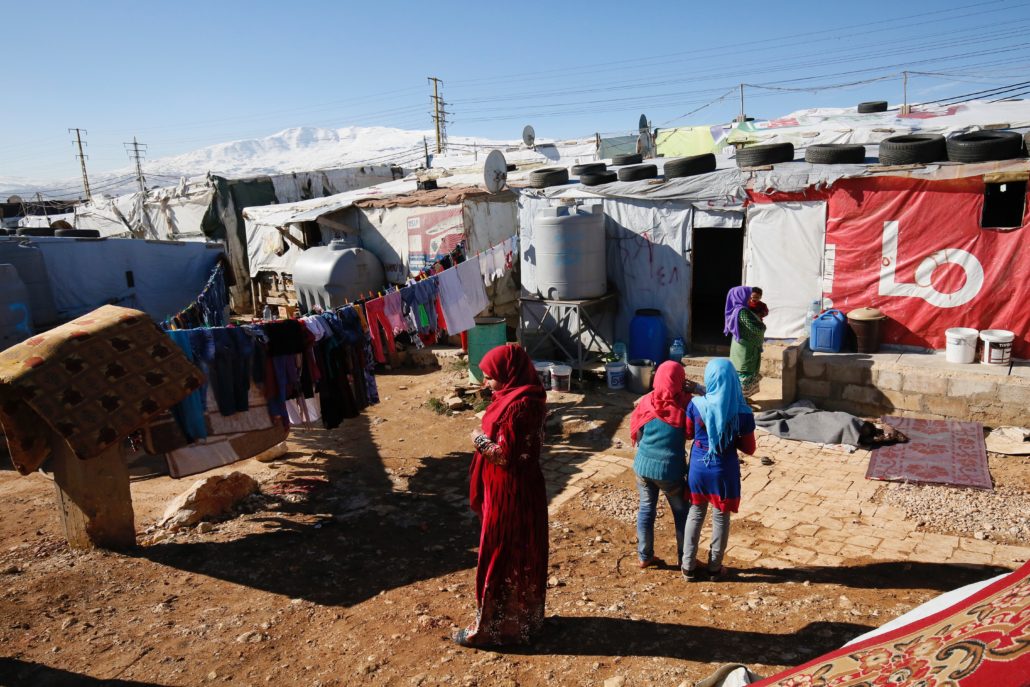
The Syrian Arab Republic, also known as Syria, is a Middle Eastern country with a population of more than 17 million people. In addition to facing the COVID-19 pandemic, the country is in the midst of a civil war. Civilian populations are the victims of war crimes, chemical weapons, displacement and deprivation of basic necessities each and every day. This article aims to break down the causes and effects of homelessness in the Syrian Arab Republic.

How the Crisis Began

In hopes of improving democracy, the Syrian population began to protest in 2011. Instead of listening to their concerns, Syrian President Bashar al-Assad worked to silence them. A civil war began as a result.

Russia and Iran support President Bashar al-Assad, opposing the Syrian Democratic Forces, which includes Turkey as well as Western and Gulf countries. These foreign nations have partnered with an oppressed indigenous group, the Kurds, to inhibit the efforts of Bashar al-Assad and his allies. While Turkey supports the Syrian rebels, the nation also feels threatened by the Kurds’ desire to be independent. To make matters worse, terrorist organizations like ISIS and Al-Qaeda have flourished amid this instability. The United States has withdrawn from the region under the Trump administration, but many countries are still involved.

4 Facts about Homelessness in the Syrian Arab Republic

  1. Internal displacement: According to the United Nations, more than 6.5 million people are internationally displaced within Syria. In 2018, CNN reported that 180,000 children had to leave their homes in as little as three weeks. While many were fleeing violence, others had no choice but to sell essential belongings like furniture — and eventually their homes — to afford basic necessities. Many Syrians, including 35-year-old Awad Abu Abdu, feel robbed and exploited of their life earnings as they received far less than what their properties were worth.
  2. Relocation: As a result of the violence, up to 4.5 million Syrians have been forced to relocate to areas where it is too difficult to receive aid. This is partly because Russians have blocked humanitarian assistance in areas controlled by the Syrian government, as this aid was provided against the will of their close ally, President Bashar al-Assad. The United Nations also reports that 70% of Syrians do not have access to clean water due to collapsed infrastructure. Another 9 million do not have enough food, including 1 million who are on the brink of starvation. Many Syrians relocated closer to the Turkish border, hoping to receive aid and escape the violence. However, as of July 2020, Russia and China successfully convinced the United Nations Security Council to close one of the two crossings from Turkey to Syria, arguing that only one was necessary to provide aid to Syrians. This has put a tremendous strain on resources.
  3. Combatting homelessness: The United Nations High Commissioner of Refugees (UNHCR) is currently working with 15 governmental and non-governmental organizations to reduce homelessness in Syria. In 2018, UNHCR was able to provide 456,986 Syrians with shelter assistance, including 108,790 who were in need of emergency shelter assistance. UNHCR also provided 8,425 Syrians with shelter kits and 6,085 with tents. Additionally, the organization rehabilitated 2,586 emergency rooms and upgraded 6,697 homes to make them livable again.
  4. Other successful aid: As of June 2020, the European Union and the United Kingdom, along with several other countries, have pledged $7.7 billion to combat the worsening humanitarian crises in Syria and to support neighboring countries who are struggling to help the 5 million refugees who have fled to their countries. This is significant progress toward the $10 billion that the U.N. said is needed to combat the crisis. The fact that so many countries are willing to provide aid suggests that there may be hope for Syria.

Despite these pledges to help, however, poverty, displacement and homelessness in the Syrian Arab Republic remain severe. Efforts to address the crisis are still deeply underfunded, and more action needs to be taken. Please contact local representatives and find out how to support poverty-reduction organizations to help.

– Rida Memon
Photo: Flickr

August 19, 2020
https://borgenproject.org/wp-content/uploads/borgen-project-logo.svg 0 0 Kim Thelwell https://borgenproject.org/wp-content/uploads/borgen-project-logo.svg Kim Thelwell2020-08-19 10:32:342024-05-29 23:18:48Homelessness in the Syrian Arab Republic
Global Poverty

COVID-19 in Yemen

COVID-19 in Yemen
“Over the past five years, I can’t count the number of times I’ve thought that surely things can’t get more desperate in Hodeidah, [Yemen,]” writes Salem Jaffer Baobaid for The New Humanitarian. Fortunately, fighting and airstrikes have ceased in the city, but the Yemeni Civil War still rages on in other parts of the nation. Now, however, COVID-19 promises to further complicate the situation in Yemen. According to UNICEF, approximately 80% of the Yemeni people require humanitarian aid, which is around 24 million people nationwide. Amid the terror and destruction, hospitals are shutting down, leaving people more vulnerable than ever to the biological dangers of COVID-19 in Yemen. To understand the state of addressing the pandemic in Yemen, one must be aware of the conflict unfolding, how COVID-19 affects the conflict and what assistance is being provided to the Yemeni people.

Where Did This Violence Come From?

After the Arab Spring demonstrations in 2011, former President Ali Abdullah Saleh is replaced through a Gulf Cooperation Council (GCC) deal placing Abdrabbuh Mansour Hadi, his deputy, into power. Houthis, the other major group in the conflict, are pushing against Hadi’s power and Saudi influence in the region. In 2014, the Houthis took control over the capital, Sanaa, Yemen, which led to more violence and airstrikes led by Saudi Arabian forces. However, the Houthis are known to be supported by Iran informally, though there are rumors of financial and military support as well.

COVID-19 in Yemen Amid Conflict

Amid airstrikes, city-wide takeovers and alleged coups, the Yemeni people have been largely forgotten. Hospitals all over the nation have shut down due to physical damage and shortages of fuel and medical resources. Only 51% of hospitals and clinics were functioning as of 2015. Meanwhile, over 300 districts in Yemen do not have a single doctor operating within their borders. Due to hospital shutdowns, there are 675 Intensive Care Unit (ICU) beds and only 309 ventilators available. These numbers demonstrate the very real threat posed by COVID-19. Lack of reliable reporting and economic struggles have only deepened the struggle to contain COVID-19 in Yemen.

On April 2, 2020, a Houthi news organization reported the first case of COVID-19 in Yemen, but this was retracted only for another news release to be published around a week later. As of June 2020, the nation reports 1,100 cases and over 300 deaths, placing the startling mortality rate near 25%.

COVID-19 is also creating economic troubles for Yemen’s citizens. Many people in Yemen are reliant on remittances, or money being sent to them from a relative outside of the country. However, COVID-19 has led to economic recessions and copious layoffs all over the world. As a result, people who have lost jobs are unable to send money back to Yemen.

As the nation struggled to grapple with the loss of remittances and a surge in COVID-19 cases, Yemen also lost international aid that it relied on. The United States alone cut $73 million of aid to Yemen in April 2020 as a response to its own COVID-19 crisis, according to Oxfam.

Assisting the Yemeni People

Amid such chaos, nonprofit groups are moving in to fight for the underdog. Oxfam stands out as one of the most effective groups. Oxfam is currently working to help families in small refugee settlements throughout the nation. There Oxfam digs wells to increase accessibility to clean water in addition to passing out “hygiene kits” that include mosquito nets, wash bins, water jugs and more.

Oxfam is also heavily involved in educating people on how to avoid contracting diseases such as COVID-19 in Yemen. Meanwhile, there are groups working in the United States government to stop its halt on funding for the crisis in Yemen.

– Allison Moss
Photo: Flickr

August 19, 2020
https://borgenproject.org/wp-content/uploads/borgen-project-logo.svg 0 0 Kim Thelwell https://borgenproject.org/wp-content/uploads/borgen-project-logo.svg Kim Thelwell2020-08-19 07:50:442020-08-19 07:50:44COVID-19 in Yemen
Activism, Food Insecurity, Global Poverty, Humanitarian Aid

Food Insecurity in Iraq

Food Insecurity in Iraq
Decades of conflict in Iraq have effectively destroyed what was once the center of human civilization. Many view Iraq as a country very costly to the U.S.—another war from which the U.S. must recover. However, the international community’s job is not done. Today, millions of Iraqis are displaced and suffer from food insecurity, a problem that the government has struggled to control. This article will delve into the background of food insecurity in Iraq and what various groups are doing to combat it.

Governance Issues

The oil industry accounts for 90% of Iraqi government revenue. The crash of oil prices caused a $40 billion deficit in the Iraqi budget, cutting this revenue in half. Iraq’s government has been unable to properly fund various institutions. Combined with a 66% rise in population since 2000, this has placed immense stress on the country’s food supply. Constant conflict and the corrupt management of resources have hindered any ability to keep up with this population boom. USAID labels just under one million Iraqis as food insecure. The World Food Program, however, estimates that this number is closer to two million.

While much focus is on obtaining aid from the international community, Iraq has not necessarily focused as much on reforming its own institutions governing agricultural industry networks. Iraq’s State-Owned Enterprises are involved in every step of food production, processing and distribution. The government attempts to distribute food products and support the industry through its bloated Public Distribution System (PDS), which in 2019 cost $1.43 billion, and its yearly $1.25 billion effort to buy wheat and barley from Iraqi farmers at double the international price. Despite these expensive programs, Iraq still ends up importing 50% of its food supply.

Inefficient growth, processing and distribution methods and a reliance on food imports place Iraq in a delicate position. They are susceptible to global food chain supply network failures and the threat of a budget collapse due to the crash of oil prices. Such an occurrence would likely cause the food system to implode without the current level of government intervention. These governance issues, on top of decades of conflict and displacement, have exacerbated food insecurity in Iraq.

The Pandemic

The COVID-19 pandemic has exposed many of the aforementioned issues confronting the Iraqi food supply. Cases in Iraq have skyrocketed during May and June as Iraqis faced the decision of staying home without reliable state support and suffering from lack of income or holding onto their jobs and risking infection.

The pandemic has worsened the already pervasive levels of poverty and food insecurity. Inefficient state institutions and bureaucracy have combined with the pandemic to display the fragility of the Iraqi food supply. There have already been severe shocks in the global supply chain. For a government that relies on imports for 50% of its food supply, this pandemic could cause the crisis of food insecurity in Iraq to spiral. The Iraqi government has faced issues of governance for decades. The pandemic has only emphasized these issues while placing millions of Iraqis at further risk of conflict and disaster.

Humanitarian Efforts

The stark problem of food insecurity in Iraq has caught the eye of many different aid organizations, both in the U.S. government and the intergovernmental level. USAID, the primary U.S. foreign aid organization, has spent years trying to help meet Iraqis’ basic humanitarian needs, especially in the face of seemingly endless conflict. USAID has provided almost $240 million in emergency food assistance to Iraqis since FY 2014. This money goes toward food vouchers, food baskets and cash for food, all under the coordination of the World Food Program (WFP), which the UN Food and Agriculture Organization (FAO) established with the UN General Assembly.

USAID has also supported WFP efforts to create an electronic distribution platform for Iraq’s PDS, which would allow Iraqis to update their locations, use biometrics for identification and improve overall access to food supplies. The WFP, in turn, supports 280,000 internally displaced Iraqis and 76,000 Syrian refugees in Iraq, providing monthly food support mainly through cash transfers. It also provides local, healthy food for over 324,000 schoolchildren in Iraq. The organization is currently looking to expand cash transfers and food access to over 35,000 refugees and 10,000 internally displaced people in response to the COVID-19 pandemic.

The FAO has worked with the WFP in Iraq by focusing on agricultural sustainability. To improve food security and Iraqi self-reliance, the FAO has supported livestock production through capital, seeds, fertilizer and resources to counter disease. It also uses “cash-for-work activities” to enhance local markets and support infrastructure in addition to its efforts to promote labor-saving technology to counteract food insecurity in Iraq.

Looking Forward

Poor food access has been an issue for many years, but the pandemic is making the situation worse. Constant conflict and a lack of effective governance are both serious obstacles to creating a stable food environment for Iraqis, but there is a significant commitment from the international community to shore up Iraqi agricultural sustainability and provide support to individual Iraqis. While many are still in dire need of access to food, organizations like these provide hope for the fight against food insecurity in Iraq.

– Connor Bradbury
Photo: Flickr

August 18, 2020
https://borgenproject.org/wp-content/uploads/borgen-project-logo.svg 0 0 Kim Thelwell https://borgenproject.org/wp-content/uploads/borgen-project-logo.svg Kim Thelwell2020-08-18 12:10:012024-05-29 23:18:58Food Insecurity in Iraq
Global Poverty

Hunger in South Africa: 5 Facts and What’s Being Done

Hunger in South AfricaSouth Africa is the southernmost country on the continent of Africa. The country has 11 official languages and more than 56 million people with ethnic and religious diversity. The country has struggled with several issues such as food insecurity, poverty and a poor healthcare system. Here are five facts to know about hunger in South Africa.

5 Facts About Hunger in South Africa

  1. More than 6 million people in South Africa experienced hunger in 2017. In the northern region of the country called Limpopo, 93% of households had stable access to food in 2017. On the other hand, only 66.5% of households in Northern Cape had adequate access to food. The number of people who experience hunger has decreased in the last decade because of efforts made by the government. However, this data still shows the severe situation of food insecurity in South Africa.
  2. Of these 6 million people, approximately 2.5 million were children. In 2017, the majority of young children who lived in an urban area experienced hunger. Moreover, Black children are more vulnerable to hunger and poverty compared to other racial groups. Along with hunger, these kids experience severe poverty and are unable to access education and healthcare.
  3. Food insecurity has a direct association with men’s violence against their partners. A study conducted in South Africa shows that men experiencing food insecurity are more likely to be violent toward their intimate partners. Hunger and financial hardship affect people’s mental health and behaviors and, subsequently, the quality of their relationships.
  4. Recurring drought affected about 37.44 % of rural regions in South Africa. Repeating drought and flooding have damaged the ability to produce food in South Africa. These climate conditions make it difficult for poor households to produce their own food to feed themselves when they do not have enough income to buy food.
  5. The effect of COVID-19 on hunger in South Africa: The country had more than 300,000 people test positive for COVID-19 by July 18, 2020. The national lockdown and decreasing income negatively affect people’s ability to purchase food. Besides, people have little to no access to food because of the lack of an effective system for food distribution during the lockdown. Despite the government’s support for unemployed and children, more people than before are in need of support to access food.

Actions Taken by Multiple Nonprofit Organizations

Several nonprofits are taking action to address the challenges of hunger in South Africa. Food Forward SA collects surplus food from farmers and distributes them to the people in need in six regions of South Africa. Since rural areas and children are more vulnerable to food insecurity, the organization carries out the programs to provide food. Moreover, the organization has launched a Youth Internship Program. In this program, young South Africans can gain practical experience and learn about logistics and food safety.

In addition, the EACH 1 FEED 1 project by the Nelson Mandela Foundation distributes grocery items purchased by donors and financial donations to communities in need. Also, the South African Food Sovereignty Campaign tackles the systematic issues of food insecurity in the country and provides a place for other food distributing organizations to increase effectiveness and communicate with each other.


Although multiple nonprofit organizations and the government are working to deal with hunger in South Africa, the country still has a severe situation that requires urgent help.

– Sayaka Ojima
Photo: Flickr

August 18, 2020
https://borgenproject.org/wp-content/uploads/borgen-project-logo.svg 0 0 Jennifer Philipp https://borgenproject.org/wp-content/uploads/borgen-project-logo.svg Jennifer Philipp2020-08-18 08:45:352024-05-29 23:18:45Hunger in South Africa: 5 Facts and What’s Being Done
Global Poverty

Pool Testing Helping Rwanda Control COVID-19

Some developing countries are using a forgotten testing method called pool testing to control COVID-19 spread. This method requires fewer tests, costs less and provides a quicker turnaround time than the traditional method of testing each person individually. This article will explain three main points about this form of testing:

How Pool Testing Works

The basic principle behind pool testing is as follows: between five and 50 samples are collected from different individuals. These samples are then all mixed together and tested as one big pool. If the pool results are negative, it can be safely assumed that none of the individuals are COVID positive. If the pool results are positive, each individual’s sample must be tested separately to determine which sample contained the positive test.

In regions expected to have generally low rates of positive tests, this method saves an enormous amount of materials, as well as reduces cost for individuals and government agencies. A recent paper that details the optimal algorithms behind the testing hypothesizes that this method could reduce costs by a factor of “ten to a hundred or more.” The paper also recorded data from real-world settings. They took 1,280 real samples from Rwanda, and found only 1 positive test. It only took 64 total tests rather than the 1,280 it otherwise would have taken.

Pool testing was originally developed in the 1940s to test US army drafts for syphilis, by Robert Dorfman. Developing countries such as Rwanda and Ghana have been the first to implement this strategy in response to COVID-19. This form of testing is most effective, though, in regions with an expected low density of positive tests. In an area where lots of positive tests are expected, such as New York City, a large pool would more often come back positive, requiring more tests. This would mitigate much of the benefits that this form of testing provides.

Rwanda and Ghana’s Success With Pool Testing

Rwanda has responded quickly and effectively to COVID-19, partially due to recent experiences with other outbreaks, but also in part because of pool testing. The country is home to 12.3 million people, but has only reported five deaths. Similarly, Ghana has seen impressive results. As of July 22, the country, with 30 million people, has only had 153 deaths.

The Chinese city of Wuhan, the former epicenter of the pandemic, was able to conduct over 6.5 million tests in only nine days due to the utilization of pool testing.

Applications for developing countries in the future

As was mentioned earlier, pool testing is far more effective in areas with a lower density of positive cases. Most of Africa, home to lots of poor and developing countries, has yet to see the cases spike as they have in Western Europe and the United States. Since pandemics have the potential to cause far more damage to economically fragile countries, implementation of pool testing as early as possible would be incredibly beneficial for developing countries. Since costs are a particularly pressing issue for poor countries, pool testing’s reduction in costs would help immensely. Beyond mere financials, the logistical problem of the raw number of tests is aided through pool testing.

Novel solutions to the COVID-19 crisis exist. Strategies such as preemptive pool testing in developing countries could save millions of dollars and, more importantly, thousands upon thousands of lives. Developing countries should implement pool testing whenever possible, and continue to search for unique solutions to help minimize the negative impacts of COVID-19.

– Evan Kuo
Photo: Department of Defense

August 17, 2020
https://borgenproject.org/wp-content/uploads/borgen-project-logo.svg 0 0 Kim Thelwell https://borgenproject.org/wp-content/uploads/borgen-project-logo.svg Kim Thelwell2020-08-17 12:35:072020-08-18 05:36:00Pool Testing Helping Rwanda Control COVID-19
Page 18 of 23«‹1617181920›»

Get Smarter

  • Global Poverty 101
  • Global Poverty… The Good News
  • Global Poverty & U.S. Jobs
  • Global Poverty and National Security
  • Innovative Solutions to Poverty
  • Global Poverty & Aid FAQ’s
Search Search

Take Action

  • Call Congress
  • Email Congress
  • Donate
  • 30 Ways to Help
  • Volunteer Ops
  • Internships
  • Courses & Certificates
  • The Podcast
Borgen Project

“The Borgen Project is an incredible nonprofit organization that is addressing poverty and hunger and working towards ending them.”

-The Huffington Post

Inside The Borgen Project

  • Contact
  • About
  • Financials
  • President
  • Board of Directors
  • Board of Advisors

International Links

  • UK Email Parliament
  • UK Donate
  • Canada Email Parliament

Get Smarter

  • Global Poverty 101
  • Global Poverty… The Good News
  • Global Poverty & U.S. Jobs
  • Global Poverty and National Security
  • Innovative Solutions to Poverty
  • Global Poverty & Aid FAQ’s

Ways to Help

  • Call Congress
  • Email Congress
  • Donate
  • 30 Ways to Help
  • Volunteer Ops
  • Internships
  • Courses & Certificates
  • The Podcast
Scroll to top Scroll to top Scroll to top