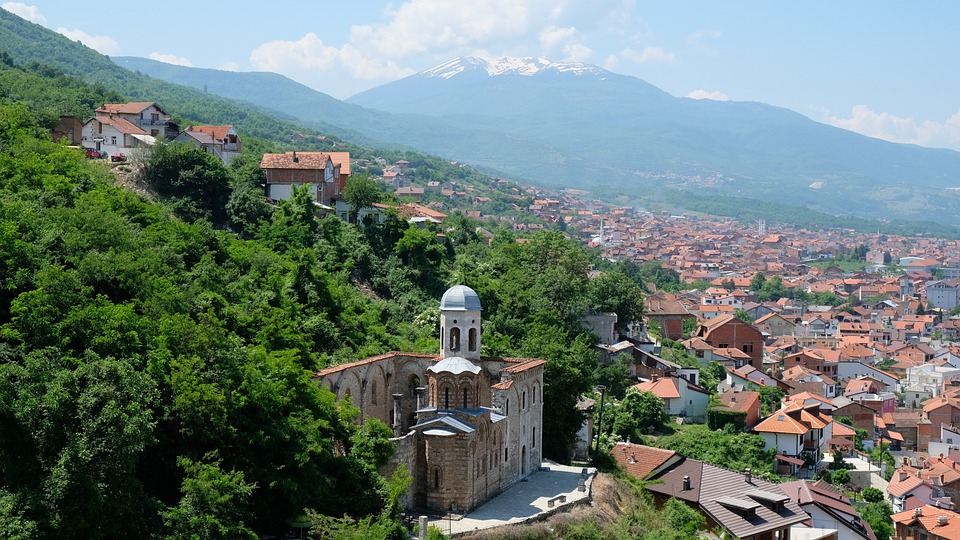
 The World Bank has secured aid for Kosovo to help the country’s water security efforts during the COVID-19 pandemic. On June 10, 2020, the World Bank approved a budget of $27.4 million to invest in aid to address water insecurity in Kosovo. The new “Kosovo Fostering and Leveraging Opportunities for Water Security Program,” implemented nationwide, will reach struggling regions within the country, such as Morava e Binces — the driest area of all.
COVID-19 and Water Security
In a statement from the World Bank, the manager for Kosovo, Marco Mantovanelli, stated that addressing Kosovo’s water crisis is even more important during the COVID-19 pandemic. Access (or lack thereof) to clean water for drinking and sanitation has a direct impact on the COVID-19 crisis. The World Bank representative described clean water as an “essential barrier to preventing virus spread and protecting human health from COVID-19 and similar diseases.”
The World Resources Institute (WRI) reports that hand washing is one of the primary combatants against a disease like COVID-19. Additionally, both water management and security impact the spread of a disease like COVID-19. Without proper storage, water shortages occur and people have limited access to water for sanitation. Water management (pollution control and distribution) directly impacts the quality and quantity of water accessible to the population. WRI reports that improving both domestic and industrial water waste treatments improves water quality and helps improve issues related to water use for sanitation and health.
Water in Kosovo
Kosovo’s water crisis is only worsened by the virus as the crisis existed before the COVID-19 pandemic. The issues of water pollution are rooted in Kosovo even from when it was a province in the former Yugoslavia. It was the most polluted province then and now, a majority of the Kosovo municipalities have no form of treatment plants for wastewater. Additionally, the World Bank reports that Kosovo has the lowest water storage level in the region — as well as high pollution levels.
The new water security plan will address some key issues in water security. These issues include management of resources, water storage, addressing natural disasters and their impacts, dam safety, updating equipment and facilities and general emergency preparedness.
The Impact on Struggling Regions in Kosovo
While the entire country will benefit from the plan, the strategy will specifically benefit the driest region in Kosovo — Morava e Binces. Morava e Binces has had significant problems with water access for its civilian population. The region has suffered greatly with water access interruptions. Some of these interruptions last hundreds of days. However, with the implementation of the new plan, the World Bank estimates 190,000 people will be positively impacted in the Morava e Binces region alone.
The World Bank’s approved aid will begin work on installing new and updated equipment, replan the water storage processes, and make additional renovations to dam maintenance and safety. This aid program is an essential step in ending water insecurity in Kosovo. While the COVID-19 pandemic has complicated an already existing, water security problem within Kosovo, government initiatives are a good, forward step.
– Kiahna Stephens
Photo: Pixabay
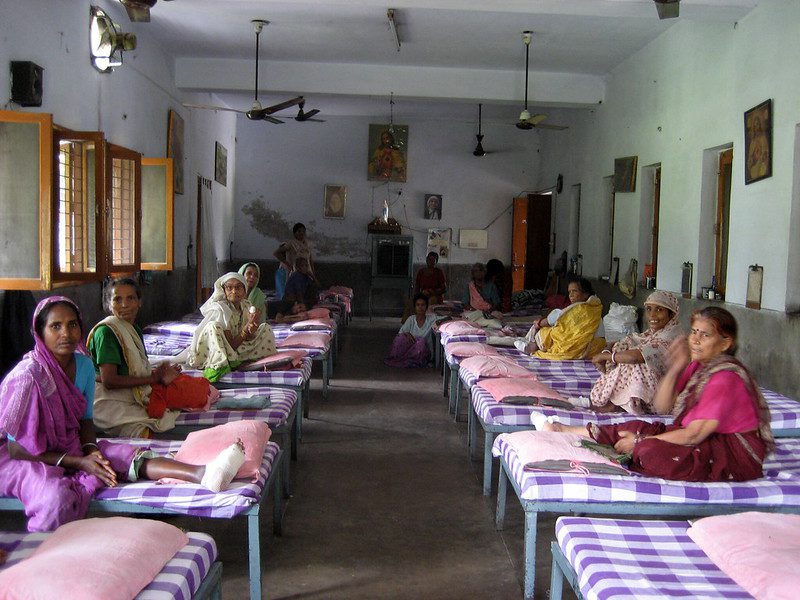 Leprosy is a disease that plagues India. More than
 The children of Japan face a unique and difficult kind of poverty. Around 3.5 million
  Andorra, one of Europe’s smallest and oldest countries, does not boast full European Union membership. Instead, sandwiched between Spain and France’s
  Having been
  On a world map of the distribution of COVID-19 cases, the situation looks pretty optimistic for Africa. While parts of Europe, Asia and the United States are shaded by dark colors that implicate a higher infection rate,
  It is common knowledge that countries, businesses and individuals would benefit the environment by reducing their own emissions. Reducing pollution will slow the rapid rate of climate change and could also significantly aid the health of the global population. In fact, on average, air pollution limits each person’s life expectancy by two years. Experts estimate that air pollution is the “greatest risk to human health,” and that the effects are even worse in less-developed areas. Here are five facts about the negative effects of pollution in developing countries.
 The COVID-19 pandemic has indubitably altered the way goods and services are distributed. India, a country that relies heavily on agriculture, is an example of how agricultural economies falter in the face of a pandemic. India has the second-largest arable land area in the world, with a coastline of over 7,500 kilometers. In fact, agriculture is