• Link to X
  • Link to Facebook
  • Link to Instagram
  • Link to TikTok
  • Link to Youtube
  • About
    • About Us
      • President
      • Board of Directors
      • Board of Advisors
      • Financials
      • Our Methodology
      • Success Tracker
      • Contact
  • Act Now
    • 30 Ways to Help
      • Email Congress
      • Call Congress
      • Volunteer
      • Courses & Certificates
      • Be a Donor
    • Internships
      • In-Office Internships
      • Remote Internships
    • Legislation
      • Politics 101
  • The Blog
  • The Podcast
  • Magazine
  • Donate
  • Click to open the search input field Click to open the search input field Search
  • Menu Menu

Archive for category: Women’s Rights

Developing Countries, Global Poverty, Women's Rights

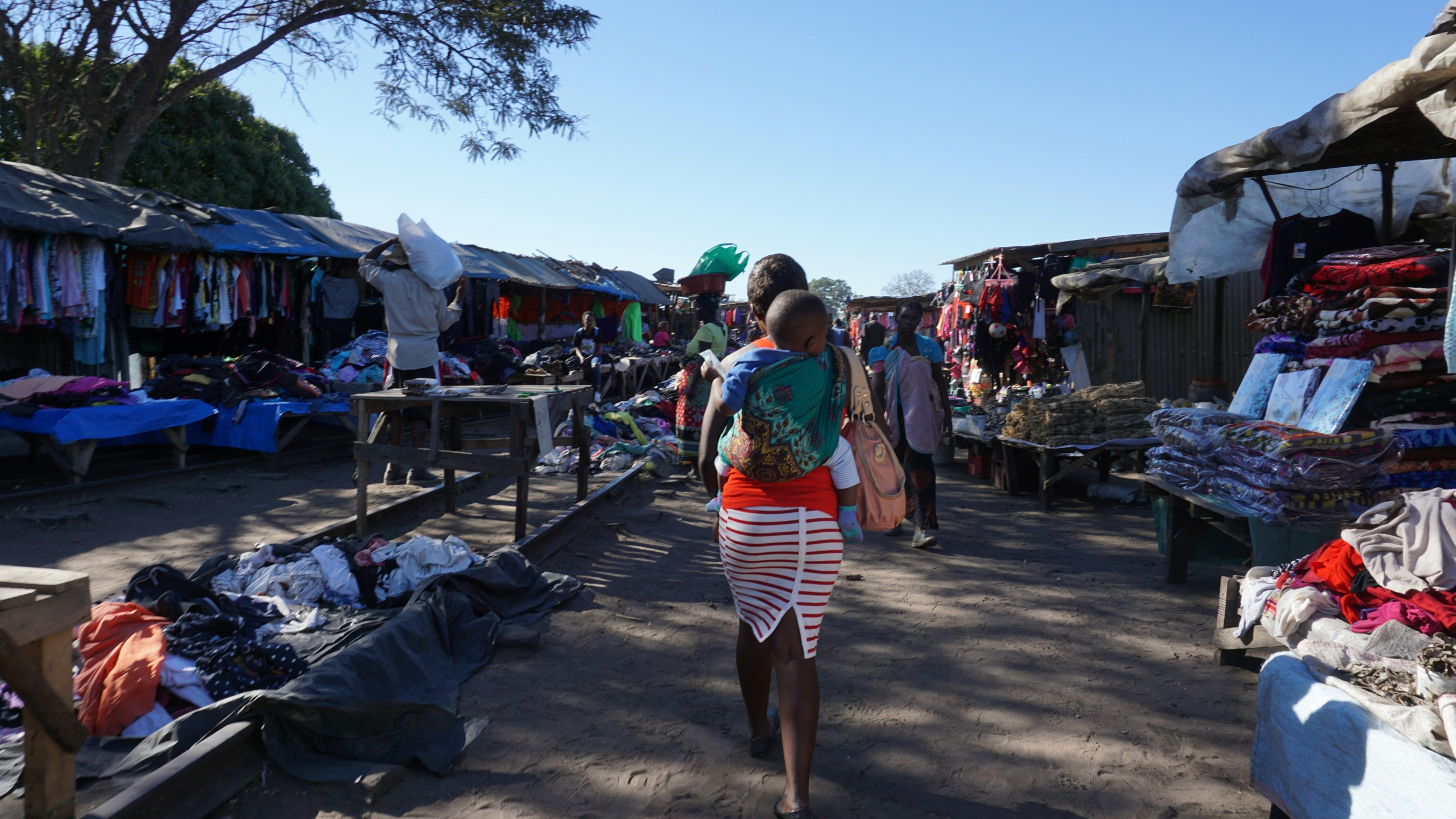
Reducing the Gender Wage Gap in Zambia

Gender Wage Gap in ZambiaThe variation in pay between men and women, also known as the gender wage gap, is a prominent focus of the fight against poverty. According to the U.N. Women’s 2023 report, for every dollar men are paid, women in East and Southern Africa earn 81 cents. The International Labour Organisation’s (ILO) Committee of Experts on the Application of Conventions and Recommendations (CEACR) recognized the large gender wage gap in Zambia and advised the government to “step up its efforts to take more proactive measures, including with employers’ and workers’ organizations, to raise awareness, make assessments, and promote and enforce the application of the principle of equal remuneration for men and women for work of equal value.”
Understanding the Gender Wage Gap

In the 2023 Global Gender Gap Index rankings, Zambia ranked 85th out of 146 countries, with a score of 0.699. The Global Gender Gap Index considers education, health, politics and economic involvement. On the scale of the score, zero equals imparity whilst parity equals one. Zambia’s Index decreased from 0.723 in 2022 to 0.699 in 2023.

In terms of the economy, account ownership of either a bank account or a mobile money service was lower for women (45%) than men (52.5%). This difference helps to understand the gender wage gap. Although the rate of women working in vulnerable employment remains at 80.1% in Zambia, the number of female workers in vulnerable employment has decreased since 1991.

Education is a huge part of tackling the gender wage gap in Zambia and on a global scale. In 2024, the U.N. Women launched its economic empowerment strategy to champion clearer accountability for plans to achieve gender equality. These goals include U.N. Women working together with organizations such as UNICEF and the World Bank to advocate for gender equality.

Improving Education

UNICEF and the London Stock Exchange Group Foundation created Zambian Girls 2030. This scheme emerged because of the Zambian government’s “Vision 2030” aiming for the country to become a middle-income nation by 2030. The number of girls dropping out of education after completing primary school is almost double that of boys of the same age. Zambian Girls 2030 involved internships focusing on science, technology, engineering and mathematics (STEM) subjects and the girls who participated in the program met women working in these industries, including accountants and business owners. Between 2016 and 2018, almost 10,000 girls participated in the initiative’s school clubs, whilst 233 girls had the opportunity to complete the internship. Zambian Girls 2030 provided education opportunities to girls in Zambia which could further help reduce the gender wage gap.

One reason why girls drop out at a higher rate than boys after leaving primary school is the lack of transport. Between 2012 and 2022, World Bicycle Relief and the Ministry of Education in Zambia provided 36,977 girls living in rural areas with Buffalo Bicycles so they could attend school. This removal of one barrier to their education meant that these girls were 19% less likely to drop out of school than those without access to bicycles and the amount of lessons missed fell by 28%.

Financial Literacy

Mother’s Union is a women-led organization that addresses trafficking, unemployment and the financial empowerment of women. Across Zambia, more than 12,000 Mother’s Union members campaign against violence against women and advocate health awareness schemes.

Mother’s Union has been running the Literary and Financial Education Programme (LFEP) since 2000. The program educates both men and women. Therefore, the environment is one where both men and women realize the importance of furthering women’s education and how they can contribute to the household income.

The Girls’ Education and Women’s Empowerment and Livelihoods (GEWEL) project has helped 96,000 women in Zambia to access support and opportunities. Projects such as these could challenge the gender wage gap by giving women the opportunity to have a more active role within the economy. The project links with the Zambia Agribusiness and Trade Project, which aims to stop the challenges farmers face. Therefore, these two projects combine to allow women the opportunity to succeed through accessing opportunities within agribusiness.

Numerous initiatives are working to fight gender inequality in Zambia. By understanding the extent of gender equality, these schemes are addressing the causes of the gender wage gap.

– Amy Fox

Amy is based in Birmingham, UK and focuses on Good News for The Borgen Project.

Photo: Unsplash

July 22, 2024
https://borgenproject.org/wp-content/uploads/borgen-project-logo.svg 0 0 Jennifer Philipp https://borgenproject.org/wp-content/uploads/borgen-project-logo.svg Jennifer Philipp2024-07-22 01:30:112024-12-13 18:03:14Reducing the Gender Wage Gap in Zambia
Developing Countries, Global Poverty, Women's Rights

Addressing Poverty and Gender Inequality in Pakistan

Gender Inequality in PakistanAccording to the World Bank, Pakistan’s poverty rate is 40.1%, about the same as in 2018. However, when accounting for population growth, approximately 7 million more Pakistanis are living in poverty today. Pakistan has faced several setbacks in combating poverty, such as its slow economic growth in the last six years.

However, there is another facet of Pakistan’s poverty that is equally important to consider. Women are disproportionately represented among the nation’s vulnerable communities, with 75% of Pakistan’s extremely impoverished population being women and girls. This phenomenon, sometimes referred to as the “feminization of poverty,” is critical to consider when attempting to address the country’s poverty rate.

Gender Inequality in Pakistan

Pakistan ranks low on global gender inequality indexes. The nation ranked 145th out of 146 countries on the World Economic Forum’s 2024 Global Gender Gap Index, which examines the current state and evolution of gender equality across four categories: Economic Participation and Opportunity, Educational Attainment, Health and Survival and Political Empowerment. Pakistan’s performance in each domain warrants brief discussion.

  • Economic Participation and Opportunity: In 2023, only 24% of women aged 15–64 participated in the workforce, compared with 81% of men in the same age range. Reasons for this gap include lower salaries (the gender wage gap was about 34% in 2022) and discriminatory work environments. Moreover, traditional gender roles discourage women’s participation in the workforce, establishing men as wage earners for their families and expecting women to perform more domestic tasks such as caring for their home and children.
  • Educational Attainment: As of 2021, the average number of years of education was 3.9 for women and 6.4 for men across the country — while these numbers varied by region, in all provinces, 10% or fewer of women completed secondary school. As of October 2022, the literacy rate for men in Pakistan was 69.3%, compared with 46.5% for women.
  • Health and Survival: About 27% of women in Pakistan experience intimate partner or domestic violence throughout their life, according to a United Nations (U.N.) report in 2023. Furthermore, only 51% of Pakistani women perceived their communities to be safe. While the nation has passed laws and policies against violence, implementing and enforcing them remains a challenge. Many women have little access to services such as police and social support that ensure their safety and protection.
  • Political Empowerment: Women’s representation in parliament remains limited. As of 2023, women held only 20.4% of seats in Pakistani national parliaments.

How Does Gender Inequality Affect Poverty in Pakistan?

Pakistan’s adherence to traditional gender roles limits educational, occupational and political opportunities for women. But how does this account for the disproportionate share of women among the country’s poor? According to the U.N., gender disparities in poverty stem from women’s lack of access to economic resources and financial independence. Pakistan’s substantial gender gap in economic participation reveals this disparity. Lower literacy rates and education levels also reinforce these numbers. Education is essential to securing a well-paying job — fewer years of schooling reduce a woman’s economic opportunities and serve as an obstacle to overcoming poverty.

Addressing Gender Inequality in Pakistan

While Pakistan needs to make considerable progress to overcome gender inequality, some organizations are currently working to provide more opportunities for Pakistani women. The U.N. Women Pakistan supports U.N. initiatives to implement global gender equality standards in Pakistan and encourages the Pakistani government to comply with those standards. Recent efforts include creating committees for the Convention on the Elimination of All Forms of Discrimination Against Women and strengthening Pakistan’s Women Development Departments.

The Women’s Parliamentary Caucus also works to influence gender-related legislation in Pakistan. The nonpartisan caucus works with international organizations to strengthen women’s rights and implement policies combating gender inequality in Pakistan. It recently organized a roundtable titled “Gender Responsive Budgeting for Women’s Empowerment in Pakistan,” during which it addressed various gender-related topics, including women’s lack of access to educational and medical facilities in rural areas and the prevalence of gender bias against national and provincial women legislators.

Pakistan’s gender gap in educational and economic participation is substantial. While the U.N. Women Pakistan and the Women’s Parliamentary Caucus are working toward improving educational and financial opportunities for women, much more work remains to reduce gender inequality in Pakistan. Bridging the gender gap will help diminish the feminization of Pakistan’s impoverished population—a major step in addressing the nation’s poverty rate as a whole.

– Lana Swindle

Lana is based in Princeton, NJ, USA and focuses on Global Health and Politics for The Borgen Project.

Photo: Flickr

July 8, 2024
https://borgenproject.org/wp-content/uploads/borgen-project-logo.svg 0 0 Lynsey 2 https://borgenproject.org/wp-content/uploads/borgen-project-logo.svg Lynsey 22024-07-08 07:30:372024-07-07 14:48:17Addressing Poverty and Gender Inequality in Pakistan
Global Poverty, Women's Empowerment, Women's Rights

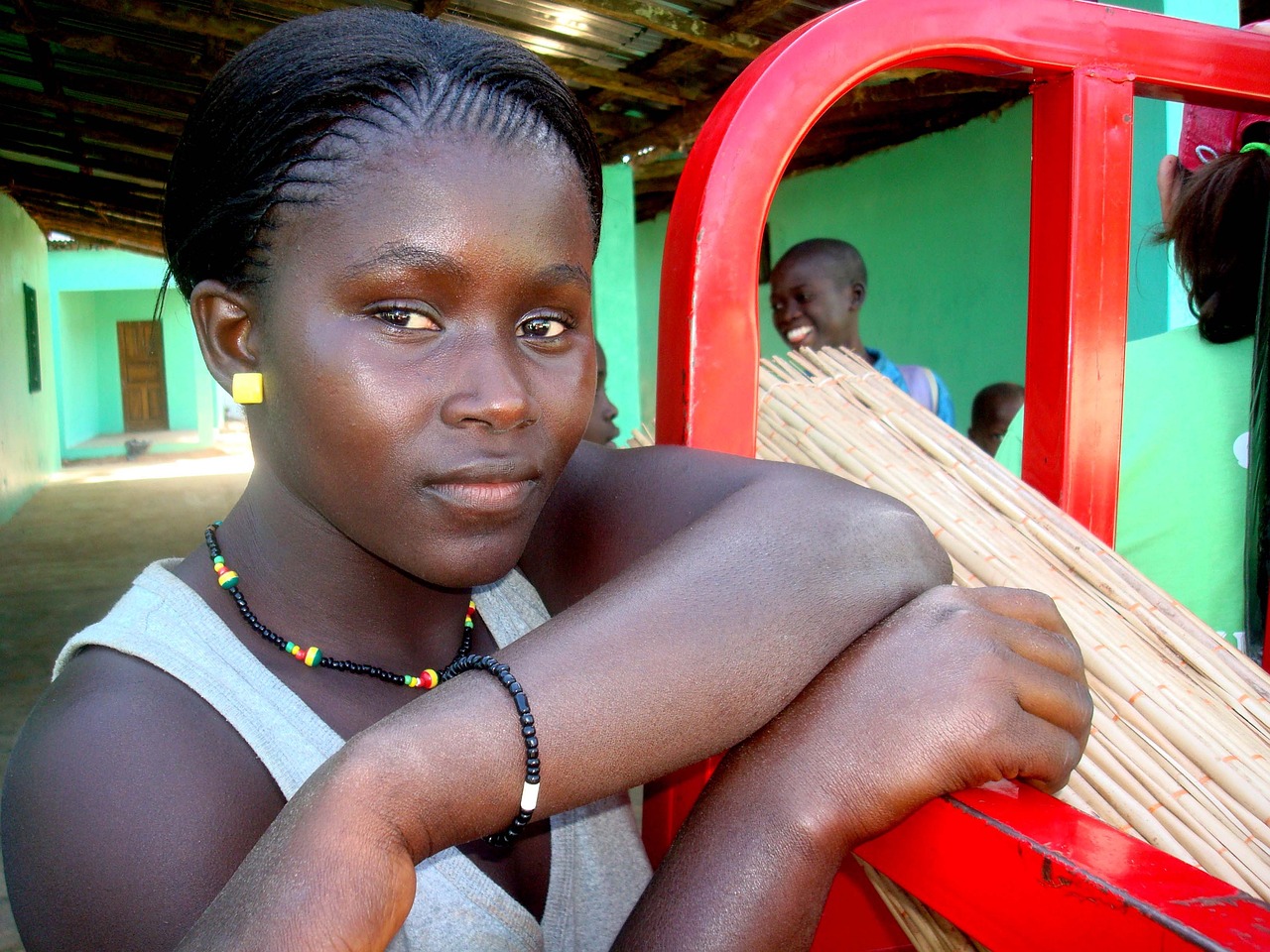
Poverty and Women’s Rights in Guinea-Bissau

Women's Rights in Guinea-BissauGuinea-Bissau is a small country located on the west coast of Africa and is a former colony of Portugal, from which it declared independence in 1974. Despite political and governmental challenges, including constitution changes and a coup d’Etat, the country has made efforts to protect women’s rights in Guinea-Bissau in key sectors such as labor, security and health measures.

Women in the Workforce

Developing nations such as Guinea-Bissau often face cultural and familial challenges that hinder women’s involvement in the workforce. Globally, the female labor force participation rate, which is the proportion of the female population that is 15 or older who are economically active is 48.8%. This figure rose dramatically, from just 2.63% in 1979. Additionally, the female unemployment rate in Guinea-Bissau is 2.8%. This is a low figure, especially in comparison with other developing nations across Africa and the Middle East. While the potential for progress remains, the data regarding workforce participation is an indicator of progressive change in female poverty and women’s rights in Guinea-Bissau.

Domestic Security for Women

As it stands, the Guinea-Bissau constitution does not explicitly prohibit violence against women or harmful practices to women’s health and safety. To improve female safety across Guinea-Bissau, the country adopted measures such as the Convention on the Elimination of All Forms of Discrimination Against Women (CEDAW) in 1985 and a National Action Plan per U.N. Resolution 1325 in 2011. However, Guinea-Bissau experiences high levels of governmental corruption and impunity for gender-based violence, as well as a stark lack of prosecution for cases of rape. This makes the legal advancements that promote women’s safety ineffective and reinforces gender disparity and poverty regarding domestic security.

Maternal Mortality

A vital measure of women’s health in a country is maternal mortality. One measure of maternal mortality is the number of maternal deaths per year. In 2020, Guinea-Bissau experienced 464 maternal deaths, down from 743 in 1997. In comparison, a developed country such as the U.S. experienced only 19 maternal deaths per 100,000 live births in the same year. While data shows improvements in maternal safety in Guinea-Bissau, these numbers are severe and have serious consequences for women’s health.

In 2020, 3.12% of women in Guinea-Bissau were expected to die from pregnancy-related causes, according to Our World in Data. This statistic is abysmal, but women’s health in childbearing and birth can be dramatically improved through investment in maternal care, safe and sterile deliveries, improved nutrition and better hygiene and sanitation. UNICEF provides training and technical support to community health workers “to upgrade the skills of midwives as in some cases poor obstetric care has contributed to high maternal death rates.”

FGM in Guinea-Bissau

Female Genital Mutilation (FGM) is a practice across developing nations in Africa, Asia, and the Middle East that has serious health consequences for the girls who experience FGM. In 2011, Guinea-Bissau passed the Federal Law to Prevent, Fight and Suppress Female Genital Mutilation. This law defines FGM, as well as criminalizes the performance, the failure to report incidents, the participation of medical professionals in the act, and the procurement or arrangement of FGM.

While this law is a significant step in reducing FGM and its culture across Guinea-Bissau, it is necessary to reiterate the impact of the weak legal system and corrupt government in the country. Due to these challenges, there is no data regarding prosecutions under the updated criminal code that FGM laws fall under. However, data does exist on the prevalence of FGM across Guinea-Bissau. From the ages of 15-49, an average of 52.1% of women experience FGM, with lower rates along the coast and extreme rates inland (95.8% of women in the Gabú region), according to the 28 Too Many report. Thus, poverty and women’s rights in Guinea-Bissau are strongly hindered by the prevalence of FGM, as the practice creates unsafe and unhealthy realities for women and girls across the country.

The Future of Women’s Rights

Women’s rights in Guinea-Bissau have increased with a global movement to involve women in the workforce, promote their safety and protect their health. Fortunately, numerous NGOs and non-profit organizations carry out important work in improving the well-being of women in Guinea-Bissau. For example, the FGM/C Research Initiative (FGMCRI) continues the work of the 28 Too Many Charity, which provides essential research and recommendations for ending FGM in countries that allow the practice to continue, including Guinea-Bissau. FGM is a difficult problem to measure and research, so the work of FGMCRI has provided other charities and organizations like the U.N. with the research needed to adjust goals and interventions.

Another organization operating in Guinea-Bissau is Effective Interventions which has been in operation for just two years. This NGO conducts randomized controlled trials to improve maternal and child health and literacy. In doing so, Effective Intervention can accurately measure the outcomes of their trials, which are either expanded or discarded depending on program success rates. Thus far the organization has succeeded in five projects that have improved maternal mortality rates and increased literacy rates in children.

Despite extensive challenges to women’s rights in Guinea-Bissau, these organizations provide hope to the women experiencing the challenges, and to the future generations of women who will continue to improve conditions.

– Carlie Duggan

Carlie is based in Newtown, PA, USA and focuses on Global Health for The Borgen Project.

Photo: Pixabay

July 1, 2024
https://borgenproject.org/wp-content/uploads/borgen-project-logo.svg 0 0 Jennifer Philipp https://borgenproject.org/wp-content/uploads/borgen-project-logo.svg Jennifer Philipp2024-07-01 01:30:212024-06-30 10:22:36Poverty and Women’s Rights in Guinea-Bissau
Global Poverty, Women's Empowerment, Women's Rights

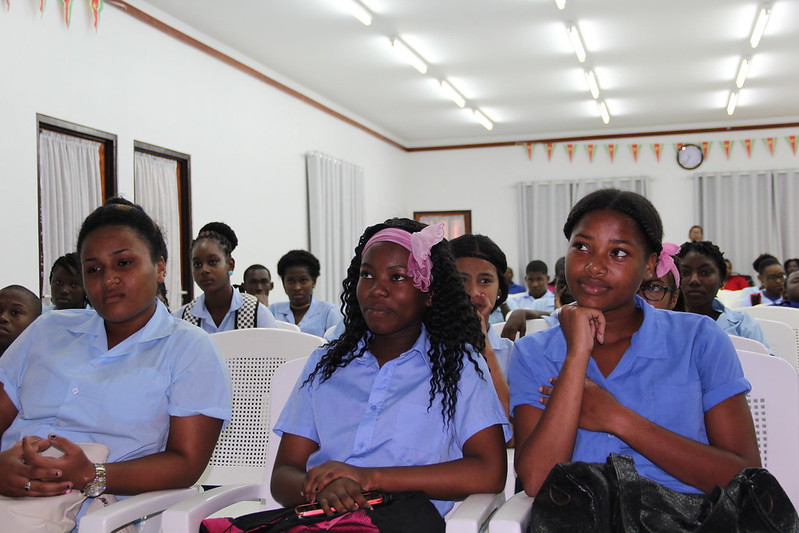
Women’s Rights in Suriname

Women's Rights in SurinameArticle 35 of the Surinamese Constitution states that men and women are equal before the law. Recent studies indicate that 13.6% of women and 14% of men live below the international poverty line, showing fairly equal levels of poverty among both genders in Suriname. However, these numbers fail to capture the economic disparities that women face due to unpaid labor, health risks and social roles. Suriname’s coastal location makes it severely prone to flooding, and this is one contributor to women’s disadvantageous position in society. Women’s traditional role in society, unique health risks and limited participation in decision-making disproportionately impact women during flooding and increase poverty rates among Surinamese women.
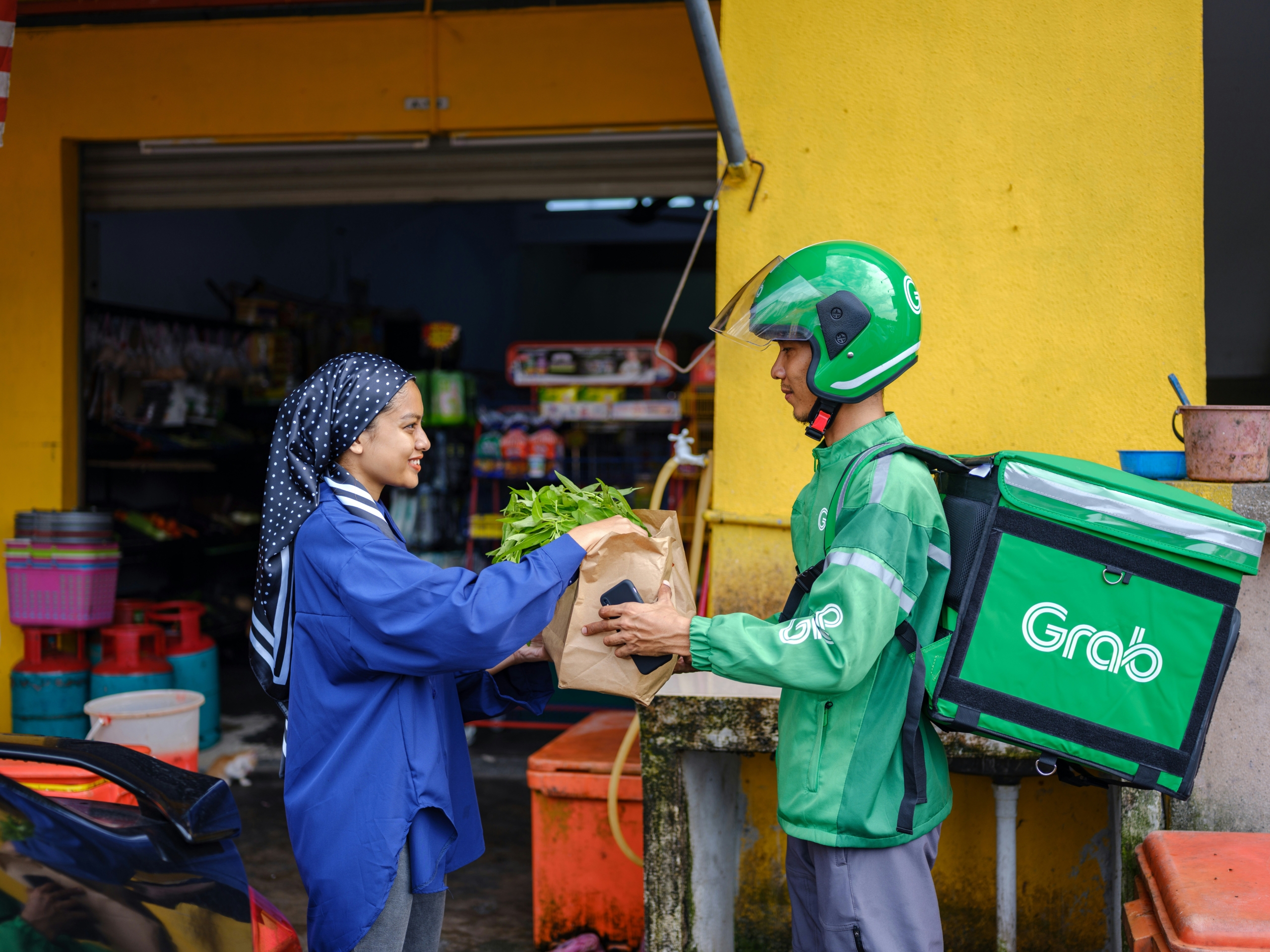
Traditional Role of Women

In Suriname, gender roles are clearly defined, and women are responsible for household chores or raising children. Because they spend so much of their time doing unpaid work, they have fewer opportunities to seek paid employment. This financial dependency on the men in the household reinforces women’s lower position in society. Additionally, cultural practices in Suriname restrict women’s freedom of movement, meaning males must accompany them if they walk outside their homes or villages. Moreover, flooding exacerbates this issue because infrastructure damage makes travel difficult. This limited mobility hinders women from finding employment or education, making the traditional role of women a primary reason why women face higher rates of poverty than men, according to the 2023 Gender and Disaster Risk Management (DRM) report.

Health Risks

Flooding results in contaminated water, which disproportionately affects women because they use this water while doing household chores. This increased exposure heightens their chance of contracting waterborne illnesses, according to the 2023 DRM report. When floods compromise women’s health, they cannot fully participate in society or pursue higher education or employment. This perpetuates the cycle of inequality because women suffering from poor health are less productive and will be more likely to remain in poverty.

Limited Participation and Decision Making

In Suriname, women hold only 29.4% of seats in national parliament. The average percentage of women in parliament in the LAC is 32.8%, so Suriname is slightly lower than the regional average, according to the 2023 DRM report. Because women in Suriname have limited representation in decision-making about disaster management or response efforts, policymakers overlook women’s needs during a flood. Even if women want to participate in decision-making, societal expectations and systemic discrimination create barriers for them. Lack of input from women in decision-making causes important issues like equal pay or maternity leave to not be prioritized, which hinders women’s economic opportunities and increases the risk of poverty.

Ilse Henar Foundation for Women’s Rights

Flooding in Suriname has enlarged the gender poverty gap, and the Ilse Henar Foundation for Women’s Rights is working to correct this. Founded in 1996 to commemorate the 15th anniversary of the National Women’s Movement, this NGO aims to protect the rights of women, establish non-discrimination policies in Surinamese law and alleviate poverty for all. One of its most notable accomplishments was helping draft legislation to eliminate sexual harassment in workplaces in Suriname. By focusing on women’s rights, the Ilse Henar Foundation is ensuring that women have legal protection from harassment or discrimination, creating a safer work environment. This incentivizes women to seek employment, lifting them out of poverty.

Conclusion

Flooding in Suriname exacerbates the challenges faced by women, highlighting the urgent need to address gender disparities. Empowering women in disaster management is crucial because their inclusion in decision-making ensures that their needs are translated into policies. The Ilse Henar Foundation for Women’s Rights does exactly that, advocating for women’s rights in Suriname and ensuring their equal participation in decision-making processes. These actions foster an environment where women in Suriname can thrive economically because they are more willing to join a workforce that is free of harassment and discrimination.

– Sophia Manole

Sophia is based Bellevue, WA, USA and focuses on Good News for The Borgen Project.

Photo: Flickr

June 30, 2024
https://borgenproject.org/wp-content/uploads/borgen-project-logo.svg 0 0 Jennifer Philipp https://borgenproject.org/wp-content/uploads/borgen-project-logo.svg Jennifer Philipp2024-06-30 07:30:412024-06-30 01:41:44Women’s Rights in Suriname
Gender Wage Inequality, Global Poverty, Women's Rights

Gender Wage Gap in Singapore

Gender Wage Gap in SingaporeThe latest updates showed that the unadjusted gender wage gap between male and female full-time employees aged 25 to 54 in Singapore has been narrowed down from 16.3% in 2018 to 14.3% in 2023, according to the released infographic figures from the Ministry of Manpower (MOM). According to United Nations data, Singapore ranks as “the second-most unequal developed economy in the world.” “Singapore does not have an official poverty line … Most Singaporeans are not aware of the scale and depth of poverty in Singapore,” stated a report from the Singapore Management University’s Lien Center for Social Innovation.

Unequal Earnings

The gender dimension is one of the most significant contributors to economic disparity and poverty in Singapore. Recent data from MOM highlights that women, despite having equivalent working hours and qualifications, earn less than men. These unequal earnings impact women’s financial stability, limiting their access to essential services such as health care and hindering their ability to save adequately in the Central Provident Fund (CPF). Women have about 40% less CPF savings compared to men, which underscores why 64% of women, versus 38% of men, depend on immediate family members for assistance with medical expenses, according to a 2010 health-care financing study by the National University of Singapore and Singapore Health Services.

The adjusted gender gap involving human capital and the labor market is 6.0% in 2023, lower than 6.7% in 2018. According to MOM’s report, the adjusted gap “is the unexplained component from the decomposition, which is the remaining gender pay gap between men and women employees after adjusting for both human capital and labor market factors where data was available.” The report considered, particularly, the occupational segregation of male and female employees as the main driver behind the gender wage gap in Singapore.

The report concluded three factors that could impact women’s choice of occupations: personality and skills; psychological traits; social norms and values. “These factors would continue to influence one’s choice of occupation, their career progression and earnings,” according to the report.

Unfair Treatment

A recent survey implied that in 2023, female employees still think they are not treated fairly regarding job compensation. In Singapore, 59% of investigated women employees said that they had an unfair base salary, and only 33% of them felt they were satisfied with the payment. Although the job market enhanced advocacy for diversity and encouraged women to have career paths in STEM, the fight against gender wage bias still has a long journey. 

The gender pay gap is a concerned issue for the government and society in Singapore. In 2022, the White Paper on Singapore Women’s Development aimed to support female employees in acquiring equal wages and flexibility in the workplace. In a total of 115 pages, the White Paper gave a call to all Singaporeans to equal job opportunities, caregiver support, mindset shifts in the workplace, etc. 

Minister Tan See Leng said that a closure in the gender wage gap in Singapore might need a “multi-pronged approach.” Fortunately, the Singapore government is striving for more equality in the job market by partnering with schools, industry, and the community to implement the SG Women in Tech movement, aiming to train and involve more talented female employees in the tech industry. 

Tan also mentioned that the government has been advocating for equal sharing of caregiving responsibilities in families by “increasing Government-paid paternity leave from two weeks to four weeks.” MOM has introduced a guideline on Flexible Work Arrangement (FWA) to assist employee’s requests for FWA. The government will also introduce the Workplace Fairness Legislation that sets goals to protect employees from discrimination in the workplace, according to the National Trades Union Congress (NTUC).

Increase in PMET Occupations

By 2018, the number of women who have at least a diploma qualification rose to 71%, which is almost double higher than that in 2002, according to a 2020 report. While traditional occupations such as nurse and accountant still significantly represent women’s labor market in Singapore, there is a large increase in women’s share among professionals, managers, executives and technicians (PMETs). From 2018 to 2023, the percentage increase in female PMET occupations is 2.5% more than that in males, according to MOM.

With the aid of Flexible Work Arrangements, women now have increasing participation in economic activity by enjoying equal educational and workplace opportunities. In the past decade, female employment for ages 25-64 increased from 69.2% to 76.6%, and the employment gap with men has decreased from 20.1 to 12.4 percentage points.

The Singapore government also works with the Council for Board Diversity to improve women’s share on the boards of the top 100 companies listed on the Singapore Exchange (SGX). The percentage of women on boards increased from 7.5% in 2013 to 22.7% in 2023. Statutory Boards also had a nearly 10% increase in women’s representation, according to a 2024 report.

– Cindy Hong

Cindy is based in Milpitas, CA, USA and focuses on Business and Celebs for The Borgen Project.

Photo: Unsplash

June 25, 2024
https://borgenproject.org/wp-content/uploads/borgen-project-logo.svg 0 0 Jennifer Philipp https://borgenproject.org/wp-content/uploads/borgen-project-logo.svg Jennifer Philipp2024-06-25 01:30:432024-06-23 13:41:45Gender Wage Gap in Singapore
Global Poverty, Women and Female Empowerment, Women's Rights

Addressing Gender Wage Inequality in Uganda

Addressing Gender Wage Inequality in UgandaDespite Uganda making significant strides in women’s participation in the labor force, wage disparities continue to reflect broader gender inequalities in the country’s workforce. Women in Uganda face substantial wage disparities compared to men, with women earning 32.3% less than men monthly. This stark reality highlights the ongoing issue of wage inequality in Uganda.

Household Dynamics and Marital Status

In Uganda, labor market participation varies significantly between men and women, influenced by household type and marital status. Men consistently have higher employment rates across all categories. The gender employment gap is smallest in single-person households, at 3.9 percentage points (p.p). This gap increases slightly to 4.1 p.p for households with one child and 4.6 p.p for those with two children. The largest disparity occurs in households with more than one adult and no children, where the gap widens to 10.8 p.p. Marital status further affects this gap, with married women facing more significant challenges in the labor market than their single counterparts, often due to childcare and family responsibilities. Additionally, the gender employment gap widens among individuals with secondary and tertiary education, particularly as the number of children in the household increases. This complexity is another facet of wage inequality in Uganda.

Working Hours and Education

Analysis reveals that women tend to work fewer hours than men across all education levels. While women aged 15 to 24 work more hours, the gap widens as they enter older age brackets, with women aged 25 to 64 working significantly fewer hours. Moreover, occupational segregation is particularly pronounced among individuals with secondary education, where more than half of women and men would need to swap jobs to achieve occupational parity. 

Occupational Segregation

Occupational segregation plays a significant role in perpetuating gender wage disparities. Women in Uganda often work in lower-paying sectors such as agriculture, informal trade and domestic work. Men, on the other hand, dominate higher-paying sectors like manufacturing, construction and technology. In the highest-skill occupational group, which includes legislators and managerial workers, women are also underrepresented across all categories. Interestingly, in this group, women earn 8.5% more than men on average. However, a glass ceiling is evident, as the gender pay gap is larger among the top 10% of wage earners.

Government Efforts to Address Gender Wage Inequality

Although the government has made significant strides in fostering gender equality through its policies, gender inequality persists. Uganda has formulated gender-responsive policies and strategies to enhance gender equality and empower women and girls, in line with the constitution, which prohibits discrimination and promotes women’s rights.

Key initiatives include:

  • National Development Plan (NDP II) (2015–2020). Emphasizes affirmative action and gender equality in national planning.
  • National Gender Policy (2007) and National Action Plan on Women (2007). Guide gender mainstreaming across sectors.
  • Integration of Global Agenda 2030 Sustainable Development Goals (SDGs). Particularly focusing on SDG 5, which aims to achieve gender equality and empower all women and girls.

High-level policymakers have developed and endorsed a comprehensive set of priority gender indicators, known as the National Priority Gender Equality Indicators (NPGEIs). These indicators, aligned with global commitments, integrate into the national standard indicator framework to systematically track progress on gender equality.

Recommendations by the World Bank

The World Bank proposed that to close gender gaps in economic empowerment, policy actions need to be taken in three key areas:

  • Provision of Support to Growth-Oriented Enterprises. This involves supporting women entrepreneurs to help them transition from micro-enterprises to larger, more profitable businesses.
  • Addressing Women’s Time Poverty. Expanding access to early childhood education programs and implementing appropriate childcare models are essential to alleviate the care burden on women, allowing them to complete their education, acquire marketable skills and work outside the household.
  • Re-orienting Employment Programs. A dedicated government agency should focus on transitioning women from subsistence-level work to more growth-oriented sectors. This requires national strategies that recognize women’s diverse skills, set clear participation targets and include a high-level champion to guide these efforts.

Looking Forward

Uganda’s commitment to bridging the gender wage gap holds promise for more equitable economic development. Targeted policies and ongoing initiatives aimed at supporting women in the workforce could foster significant progress in combating wage inequality in Uganda. With continued governmental and community support, Ugandan women can potentially achieve greater economic empowerment and contribute more fully to the nation’s prosperity.

– Teniola Yusuf

Teniola is based in the United Kingdom and focuses on Good News for The Borgen Project.

Photo: Flickr

June 17, 2024
https://borgenproject.org/wp-content/uploads/borgen-project-logo.svg 0 0 Precious Sheidu https://borgenproject.org/wp-content/uploads/borgen-project-logo.svg Precious Sheidu2024-06-17 07:30:442024-06-17 01:53:40Addressing Gender Wage Inequality in Uganda
Global Poverty, Women's Empowerment, Women's Rights

Bridging the Gender Wage Gap in Laos: Progress and Challenges

Gender Wage Gap in LaosIn Laos, a Southeast Asian country, an ongoing challenge affects its socio-economic landscape: the gender wage gap. Women in Laos face significant wage disparities compared to their male counterparts. According to the United Nations Population Fund (UNFPA), women in Laos only earn around 77% of what men earn. The Lao government has been making steady strides towards narrowing the gender wage gap in Laos in recent years.

Understanding Laos’ Gender Wage Gap

Several factors contribute to the gender wage gap in Laos. One significant factor is the concentration of women in low-skill sectors such as informal employment, where wages are typically lower and job security is precarious, according to UNFPA. Women also often face barriers to career advancement and leadership positions due to the unequal nature of family care and responsibilities placed on them. In Laos, women make up only 21.9% of Parliament. The disparity is more present in rural areas, with entrenched traditional gender roles and limited access to education and employment opportunities. This in turn exacerbates poverty among women.

Closing the Gap

Recognizing the importance of addressing the gender wage gap and women’s poverty, the Lao government has implemented various initiatives aimed at promoting gender equality and empowering women in the workforce. One such initiative is the Fourth National Plan of Action on Gender Equality, which the government renewed in 2021 to mainstream gender perspectives into national policies and programs.

Under this strategy, the government has introduced measures to improve access to education and vocational training for women, enhance women’s participation in decision-making processes, and eliminate discriminatory practices in the labor market. The government also has taken further steps to enact legislation to promote equal pay for equal work and strengthen enforcement mechanisms to address wage discrimination.

Before the renewal of the Fourth National Plan of Action on Gender Equality, The Third National Plan of Action on Gender Equality achieved several significant milestones in advancing gender equality and women’s rights from 2016 to 2020. For instance, the government allocated education funding for 1,200 students, with approximately 78% of the recipients being girls. Additionally, the government provided training to 563 underprivileged students in rural areas, with approximately 69% of the participants being girls. As a result, the number of students enrolled in vocational institutions increased by 5,420 between 2015 and 2016, with female students making up approximately 41% of the total enrollment. The Fourth National Plan of Action on Gender Equality aims to build upon these achievements and further advance gender equality in Laos.

The Role of Empowerment

In addition to governmental efforts, non-governmental organizations play a crucial role in addressing the gender wage gap and reducing women’s poverty in Laos. One notable example is the Lao Women’s Union, a grassroots organization that works to empower women and promote gender equality across various sectors.

The Lao Women’s Union significantly contributed to the increase in female elected officials in the 2016 8th National Assembly Election. The Union actively promoted the importance of gender balance in political roles to the Lao citizens. Consequently, there was a notable 2.9% rise in the number of women elected compared to the previous 7th National Assembly Election, according to the Fourth National Plan of Action.

Another key organization that has contributed significantly is The Asia Foundation. The Asia Foundation is an international non-profit organization that has been collaborating with Laos since 1958. In 2011, The Asia Foundation announced a scholarship for women undergoing education in Science, Technology, Engineering and Mathematics (STEM) fields, to promote equal gender representation in these traditionally male-dominated fields. The scholarship aided 84 women in completing their education at the National University of Laos, and the subsequent introduction of 42 new candidates between 2020 and 2021.

Addressing Poverty Among Women

Poverty among women in Laos remains an issue. The gender wage gap worsens economic inequalities, making it harder for women to lift themselves and their families out of poverty. By addressing the gender wage gap, Laos can significantly reduce poverty. This has been demonstrated by the Poverty Reduction Fund’s Road Maintenance Groups program implemented in 2017. The program aimed to encourage women to partake in quality jobs to increase female representation in the labor force. Women from all across Laos, especially those from some of Laos’ poorest villages, were provided with the skills and training needed to repair roads in rural Laos. Evaluations following the program found that women were 77% more likely to become consistent income earners, and the monthly wages of women who participated in the program increased by an average of $19.

Ensuring equal pay for equal work and improving women’s access to higher-paying jobs and educational opportunities will not only empower women but also contribute to the overall economic development of the country. As women gain financial independence and stability, they can better support their families and communities, leading to a more prosperous and equitable society.

Continued efforts by both governmental and non-governmental actors are essential to dismantle systemic barriers, challenge gender norms, and create an inclusive and equitable labour market where women have equal opportunities to thrive and succeed. By prioritizing gender equality and investing in women’s empowerment, Laos can unlock the full potential of its workforce and foster sustainable development for all its citizens.

– Jennifer Lee

Jennifer is based in Toronto, Canada and focuses on Good News for The Borgen Project.

Photo: Flickr

June 10, 2024
https://borgenproject.org/wp-content/uploads/borgen-project-logo.svg 0 0 Jennifer Philipp https://borgenproject.org/wp-content/uploads/borgen-project-logo.svg Jennifer Philipp2024-06-10 01:30:152024-06-09 09:20:14Bridging the Gender Wage Gap in Laos: Progress and Challenges
Global Poverty, Women's Empowerment, Women's Rights

Issues Affecting Women’s Rights in Tonga

Women's Rights in TongaTonga is a country in the South Pacific that has often been praised for the richness of its culture and traditions. However, Tonga also faces significant challenges in ensuring women’s rights and gender equality. Despite progress, Tonga continues to rank low on global gender equality indices, highlighting the need for continued efforts to address these issues. Here are the top issues related to women’s rights in Tonga:

Gender-Based Violence (GBV)

GBV remains a pervasive issue in Tonga. An estimated 5,000 to 10,000 women (between 31% and 62% of all women) in Tonga experience intimate partner violence yearly. However, nongovernmental organizations (NGOs), such as the United Nations Women, have been working to combat such pervasive statistics. As a result, Tonga has implemented a “no drop” policy that stipulates due process for such cases once they are reported. This policy stipulates that when a case of gender violence comes in, it has to be given priority and cannot be dropped until it has been resolved.

Education and Economic Inequities

Tongan girls are not as well represented in primary education, with a Gender Parity Index of 88, which is lower than the developing country average of 96. The situation improves in secondary and tertiary education, with parity indexes of 97 and 98, respectively. However, despite these improvements, Tongan women still make up only 39% of the nonagricultural workforce.

Women make up 43% of income earners in subsistence farming, paid work and entrepreneurship. However, there is a significant disparity in earnings, with Tongan women earning, on average, only 47% of what men earn.

Equal inheritance rights on divorce and during employment, which are taken for granted in developed countries, are also not available to Tongan women, impeding their ability to participate fully in business activities. Women are also prohibited from owning land in the Tongan economy.

Political Representation

In the November 2010 elections, the majority of seats in Parliament were filled democratically for the first time. Yet no women were elected in this or the next election in 2014, when only 16 female candidates stood as people’s representatives but only received 7% of the vote. Throughout the history of Tonga’s Parliament, only three women have been appointed to ministerial positions.

However, the Tonga Women’s Action for Change (TWAC), a network of professional women, brings together a group of women from various backgrounds to talk about the low level of women’s representation in Parliament. The network aims to encourage women’s participation in the country’s elections.

Efforts of the Tongan Government

In recent years, Tonga has pursued national planning measures in support of its women. A national Gender and Development (GAD) policy was adopted in 2001 and reviewed in 2011. Additionally, in 2010, the government introduced a new policy allowing women maternity protection in the civil service and initiated nationwide consultation on the potential ratification of the Convention on the Elimination of all Forms of Discrimination Against Women (CEDAW).

Further, the government is trying to strengthen the National Women’s Machinery through initiatives such as gender-based budgeting. This will ensure that these national, regional and international commitments are taken seriously. Continued efforts and a collective commitment to gender equality can help Tonga move toward a more equitable and just society for all its citizens.

– Sakshi Bhagat

Sakshi is based in Kolkata, West Bengal, India and focuses on Global Health and World News for The Borgen Project.

Photo: Flickr

June 9, 2024
https://borgenproject.org/wp-content/uploads/borgen-project-logo.svg 0 0 Lynsey 2 https://borgenproject.org/wp-content/uploads/borgen-project-logo.svg Lynsey 22024-06-09 07:30:282024-06-08 13:20:49Issues Affecting Women’s Rights in Tonga
Developing Countries, Global Poverty, Women's Rights

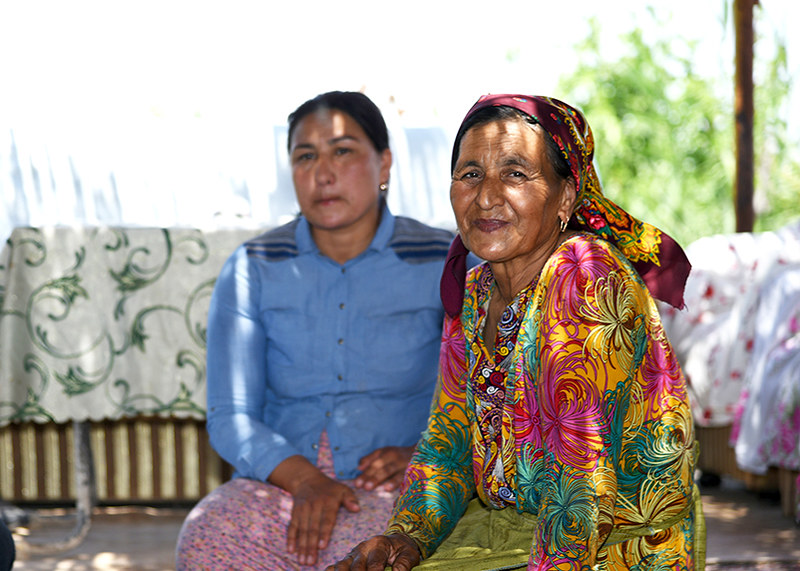
Women’s Rights in Timor-Leste

Women's Rights in Timor-LesteWomen in Timor-Leste were pivotal in the war for independence from Indonesia, with many actively involved in “FALINTIL” armed resistance groups from as early as 1974. Despite this, there is a distinct lack of recognition for women’s contributions in political, economic and social spheres in the country, alongside a hierarchical culture of abuse. However, the work of organizations such as the United Nations (U.N.) Women and the International Women’s Development Agency (IWDA) has allowed Timorese women to gain agency. Still, much more progress must come to see a safe and prosperous environment for women’s rights in Timor-Leste to blossom.

The History of Timor-Leste

Under Indonesian Occupation, Timorese people were brutally repressed through “military forces detaining, torturing, executing and forcibly disappearing tens of thousands of people.” Amnesty International estimates that 200,000 out of the then 600,000 population were killed between 1975 and 1999. Human rights groups documented systemic violence throughout the ’80s and ’90s.

The conflicts left 70% of the infrastructure decimated by the time of their independence in 2002 and much of the rural infrastructure that provides people with adequate food, water, health care provisions and more remains unusable. Women had a crucial role during the war for independence, making up 60% of the Clandestinos, a secret support network that smuggled supplies and information to the rebels.

What Problems Are Women Facing?

  1. Deep poverty: Despite a low unemployment rate of 1.5% (2022 estimate), 29.7% of the employed population lives below $2.15 a day and more than 40% of the entire population lives below the national poverty line. This disproportionately affects women, as due to the patriarchal nature of the rural areas, there is widespread inequality and discrimination toward women, resulting in only 20% of Timorese women being a part of the paid workforce.
  2. Domestic violence: In Timor-Leste, sexual and gender-based violence and domestic violence are rife, with the IWDA finding that 59% of women have experienced intimate partner violence. This epidemic of violence is the legacy that the Indonesian occupation left, as tales of sexual violence toward women by Indonesian soldiers are frequent. This continued into modern life, as 40-60% of Timorese women have experienced “some type of violence.”
  3. Lack of recognition of women in social, economic and political spheres: The conflicts in Timor-Leste before its independence left nearly half of Timorese women as the sole providers for their families, as they had become widowed. However, there remains a significant gap in the number of women who get paid for their labor compared to men, with 80% of women working without pay. Politically, women only lead 5% of the country’s village councils despite making up almost half of the country’s population.

Progress for Women in Timor-Leste

In the last two decades, massive progress has been made despite the legacy of violence and injustice toward women. In 2012, in response to the gender disparities prevalent in society, the new government mandated that parties’ lists include at least 33% of women in the new constitution. This demonstrates a growing commitment to women’s rights in Timor-Leste, resulting in a remarkable surge in female representation in politics, with women now occupying 38% of the seats in the National Parliament, the highest proportion in the Asia Pacific region. The Gender and Constitution Working Group, established by U.N. Women, has played a pivotal role in advancing women’s rights by advocating for their inclusion in the new constitution.

The 2010 Law Against Domestic Violence represents a significant step in acknowledging and addressing the issue of domestic violence against women in Timor-Leste. By recognizing domestic violence as a criminal offense, the law grants essential rights to women. Although the full implementation of this law is still underway nationwide, efforts are being made to raise awareness and educate the public. Organizations like the Covalima Community Centre (CCC) are actively involved in these efforts, contributing to progress in informing and empowering communities regarding domestic violence.

This group is dedicated to empowering women in the Covalima district of Timor-Leste by providing education on leadership and enhancing their skills, enabling them to make meaningful contributions to the social, political and economic spheres. Established by IWDA, this organization has played a pivotal role in its work. By 2016, its efforts had a tangible impact, with the number of Village Chiefs elected to Suco or village-level government, nearly doubling. This increase can be attributed, at least in part, to the diligent work of the CCC in providing leadership training to candidates.

The Future of Women’s Rights in Timor Leste

Timorese women have advocated for their own future, through innovative grassroots organizations like East Timor Women Australia (ETWA), which supports women in the handicrafts industry. Additionally, nongovernmental organizations such as U.N. Women have played a crucial role in successfully enshrining women’s rights in the new constitution. While strides have been made, the journey toward achieving equal rights for women in Timor-Leste remains incomplete.

A pervasive culture of domestic violence persists as a significant challenge, demanding ongoing attention and action. Nevertheless, there are signs of progress as the government of Timor-Leste has taken steps to address this issue. The approval of a National Action Plan on Gender-Based Violence in 2017, with another awaiting governmental approval, demonstrates a commitment to combatting gender-based violence. While progress may be slow, it is clear that the hard work and self-advocacy of the Timorese women is working.

– Elizabeth Keith

Elizabeth is based in Lancaster, UK and focuses on World News for The Borgen Project.

Photo: Flickr

May 15, 2024
https://borgenproject.org/wp-content/uploads/borgen-project-logo.svg 0 0 Lynsey 2 https://borgenproject.org/wp-content/uploads/borgen-project-logo.svg Lynsey 22024-05-15 07:30:442024-05-15 01:21:06Women’s Rights in Timor-Leste
Global Poverty, Women's Empowerment, Women's Rights

Improving the Rights of Marshallese Women

Marshallese WomenAccording to the Constitution (1979, Rev 1995) of the Republic of the Marshall Islands (RMI), “Every person has the right to freedom of thought, conscience and belief; to freedom of speech and of the press; to the free exercise of religion; to freedom of peaceful assembly and association; and to petition the government for a redress of grievances.”

However, according to multiple organizations canvassing for gender equality, an unacceptable degree of gender “inequality” exists for women of the RMI. The tradition of matrilineal heritage, unratified discrimination rights of Marshallese women and extensive evidence of “gender inequality” combined challenge the validity of women’s rights. Moreover, 54% of women who have encountered domestic violence refrained from reporting the incidents due to either perceiving the abuse as justified or fearing reprisal.

Furthermore, they cited reasons such as a lack of awareness about their rights, the financial implications of legal proceedings and/or the distance to access courts. Therefore, the Committee on the Elimination of Discrimination Against Women (CEDAW) has stated that the Constitution of the RMI needs to be amended by including a definition of discrimination and addressing discrimination against women.

Matrilineal Tradition

The RMI is one of a few countries that maintains traditional matrilineal property systems. In this system, the property is passed down by the maternal, not the paternal line. Despite potentially having substantial land rights in the RMI, many women reside away from their ancestral land, which results in a loss of respect, influence and security, as they often relocate to their spouse’s land, away from their support networks.

Furthermore, by limiting women’s involvement in public office and electoral politics while prioritizing the education and advancement of men, commercial enterprises have marginalized women, relegating them to powerless and insignificant roles within their society.

Women’s Rights Organizations

According to the Pacific Community of the Organization of Human Rights and Social Development (HRSD), Marshallese women are entitled to equality, dignity, education and trust. The challenges of gender inequality faced by women and girls, as well as the rights of Marshallese women, remain focal points for numerous women’s organizations. Some of these organizations include:

  • United Nations (U.N.) Women in the Pacific: This group has been working with governments and nongovernmental organizations in the region to fight against gender inequality, “empower women and build more inclusive societies.”
  • Pacific Women Lead (PWL): This organization aims to ensure “Pacific women and girls are safe and equitably share in resources, opportunities and decision-making with men and boys.” Within five months of its inception, the group coordinated funding for seven projects in the Pacific.
  • Women United Together Marshall Islands (WUTMI): This is a prominent women’s organization dedicated to advocating for the rights and well-being of Marshallese women. WUTMI has played a crucial role in raising awareness about issues such as domestic violence and the prevention of substance abuse by women and girls.

Final Remark

The rights and dignity of Marshallese women are deeply rooted in both tradition and written laws. Supported by many women’s organizations, the rights of Marshallese women remain subjects of ongoing explanation, analysis and debate.

– Pamela A. Fenton
Photo: Flickr

May 10, 2024
https://borgenproject.org/wp-content/uploads/borgen-project-logo.svg 0 0 Lynsey 2 https://borgenproject.org/wp-content/uploads/borgen-project-logo.svg Lynsey 22024-05-10 07:30:202024-05-10 01:00:29Improving the Rights of Marshallese Women
Page 7 of 41«‹56789›»

Get Smarter

  • Global Poverty 101
  • Global Poverty… The Good News
  • Global Poverty & U.S. Jobs
  • Global Poverty and National Security
  • Innovative Solutions to Poverty
  • Global Poverty & Aid FAQ’s
Search Search

Take Action

  • Call Congress
  • Email Congress
  • Donate
  • 30 Ways to Help
  • Volunteer Ops
  • Internships
  • Courses & Certificates
  • The Podcast
Borgen Project

“The Borgen Project is an incredible nonprofit organization that is addressing poverty and hunger and working towards ending them.”

-The Huffington Post

Inside The Borgen Project

  • Contact
  • About
  • Financials
  • President
  • Board of Directors
  • Board of Advisors

International Links

  • UK Email Parliament
  • UK Donate
  • Canada Email Parliament

Get Smarter

  • Global Poverty 101
  • Global Poverty… The Good News
  • Global Poverty & U.S. Jobs
  • Global Poverty and National Security
  • Innovative Solutions to Poverty
  • Global Poverty & Aid FAQ’s

Ways to Help

  • Call Congress
  • Email Congress
  • Donate
  • 30 Ways to Help
  • Volunteer Ops
  • Internships
  • Courses & Certificates
  • The Podcast
Scroll to top Scroll to top Scroll to top