• Link to X
  • Link to Facebook
  • Link to Instagram
  • Link to TikTok
  • Link to Youtube
  • About
    • About Us
      • President
      • Board of Directors
      • Board of Advisors
      • Financials
      • Our Methodology
      • Success Tracker
      • Contact
  • Act Now
    • 30 Ways to Help
      • Email Congress
      • Call Congress
      • Volunteer
      • Courses & Certificates
      • Be a Donor
    • Internships
      • In-Office Internships
      • Remote Internships
    • Legislation
      • Politics 101
  • The Blog
  • The Podcast
  • Magazine
  • Donate
  • Click to open the search input field Click to open the search input field Search
  • Menu Menu

Archive for category: Women’s Rights

Global Poverty, Women's Empowerment, Women's Rights

Radio Begum: A Lifeline for Afghan girls 

Radio BegumSilence is the most powerful instrument of oppression. After regaining control of Afghanistan in 2021, the Taliban have silenced Afghan women and girls in almost every aspect of life: enforcing a systematic attack on women’s rights. This has made Afghanistan virtually unlivable for women and girls, with the situation representing the world’s most severe women’s rights crisis. Within this critical context, Afghan journalist Hamida Aman founded Radio Begum, which provides a lifeline of hope for Afghan women and girls.

The “Gender Apartheid” in Afghanistan

The Taliban are “methodically and intentionally‘” enforcing a system of gender-based segregation – which Afghan activists, like Dr Sima Samar, describe as a “gender apartheid.”

Dr Samar, who witnessed the collapse of the Taliban’s previous regime in 2001, never imagined seeing such extreme violations of women’s rights reoccur just two decades later. Yet, over the last three years, the Taliban have enacted numerous laws banning girls from going to secondary school, accessing employment, the justice system and even public spaces. Most recently, the oppression of women has reached a new extreme, with a ban prohibiting “women’s voices from being heard in public.”

A female teacher in Afghanistan said:  “In my province, we had girls that could be singers, professors, athletes and politicians. Now we have nothing left. All of those talents are in jail, left the country or now live in hiding. Families rush to marry their daughters because they are afraid the Taliban may take them for marriage. Most girls are forced to marry. This is a nightmare I never imagined to happen.”

The Power of Radio to Educate

Radio is a powerful tool in resisting the Taliban’s oppression of women and girls. It provides one of the main sources of information for Afghans, with 72% of the population having access to a radio, as of 2015. This widespread accessibility allows the radio to serve as an important educational platform for Afghan girls.

Recognizing this, Radio Begum emerged in 2021 to support, empower and educate Afghan women and girls. Its daily radio broadcasts currently provide remote schooling and educational support to 5.9 million Afghan girls.

However, Radio Begum is just one part of the wider mission led by its founder, Hamida Aman. Her NGO, The Begum Organization for Women (BOW), brings together a network of social activists, health professionals and journalists who produce broadcasts from Paris to more than 19 provinces in Afghanistan. With support from UNESCO, BOW even extends its support beyond education, producing content dedicated to women’s mental health, gender-specific healthcare and domestic violence, according to UNESCO.

Additionally, with funding from the International Programme for the Development of Communication (IPDC),  BOW has further expanded its reach by integrating radio, satellite TV and internet broadcasting to ensure more girls across Afghanistan can access education for free. Whilst Radio Begum cannot put a stop to the oppression of women and girls, Hamida Aman emphasizes that “by keeping our radio on, by keeping our voices loud, we are resisting,” UNESCO reports.

The Need for International Support

Radio Begum offers a critical lifeline for Afghan women and girls. Despite significant obstacles, BOW’s work exemplifies Afghan women’s resilience and resistance to the Taliban, as they continue to develop innovative ways to support and empower Afghan girls. However, BOW must secure further international funding to ensure Radio Begum continues to provide Afghan women and girls with access to education, employment and leadership opportunities.

Yet, despite the severity of the situation, the international community has failed to take sufficient action. Indeed, Amnesty International and activists, like Sima Samar, continue to call for the establishment of an independent international accountability mechanism to hold the Taliban accountable for their crimes under international law.

– Georgia Wells

Georgia is based in London, UK and focuses on Good News and Technology for The Borgen Project.

Photo: Flickr

November 30, 2024
https://borgenproject.org/wp-content/uploads/borgen-project-logo.svg 0 0 Jennifer Philipp https://borgenproject.org/wp-content/uploads/borgen-project-logo.svg Jennifer Philipp2024-11-30 01:30:032024-11-29 09:29:01Radio Begum: A Lifeline for Afghan girls 
Gender Equality, Global Poverty, Women's Rights

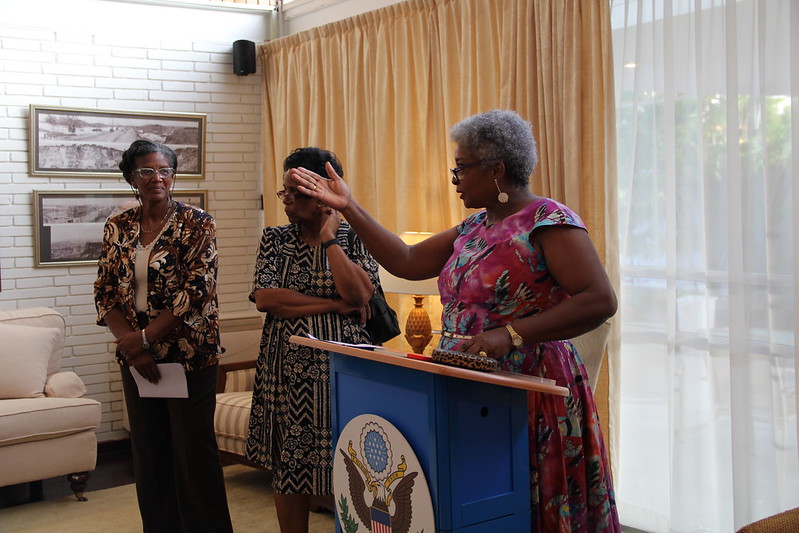
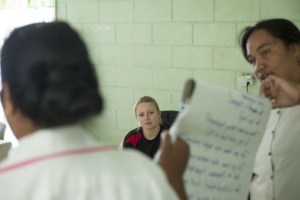
Women’s Rights in Seychelles: Progress and Pathways Forward

Women's Rights in SeychellesSeychelles ranks highly on global gender equality scales, but efforts to protect and advance women’s rights remain vital. This island nation continues to tackle legal, social and economic challenges to create an inclusive society for women with a focus on positive outcomes and progressive changes.

Legal Frameworks and Policy Solutions

Seychelles is a signatory to the Convention on the Elimination of All Forms of Discrimination Against Women (CEDAW) and the Southern African Development Community (SADC) Protocol on Gender and Development. These agreements shape national policies guiding efforts to reduce discrimination in education, health care and access to legal rights.

The policy provides a roadmap for engaging both men and women in the national workforce. For example, Seychelles has recently started capacity-building workshops to encourage more women to enter traditionally male-dominated fields like agriculture, where women account for only 6% of the workforce.

In early 2023, a capacity-building workshop held in collaboration with the Department of Agriculture and Family Affairs identified key areas of support, such as access to time-saving technologies, farming inputs and agricultural land. These efforts have already led to increased participation of women in agriculture, addressing the previous gender gap. The government aims to reach hundreds of women through these initiatives by 2025.

Tackling Gender-Based Violence

Gender-based violence (GBV) remains a concern in Seychelles despite legal protections. Surveys reveal that 41% of Seychellois believe a woman reporting GBV might face criticism or harassment. Though 91% of Seychellois disapprove of physical discipline against women, societal attitudes make it difficult for many victims to come forward. However, solutions are emerging. Police reform initiatives have been implemented, focusing on training officers to respond better to GBV cases. Support groups and shelters have also been established to help victims feel safer when reporting abuse.

Economic Empowerment

While Seychelles has made strides in education—women now outnumber men in tertiary enrollment—economic empowerment remains a challenge. Women are still underrepresented in high-income sectors, particularly in agriculture, business leadership and technology. To address this, the government has introduced training programs to help women access higher-paying jobs and entrepreneurial opportunities. Capacity-building efforts, supported by international agencies, promote women’s economic participation in traditionally male-dominated sectors.

Representation in Leadership

Seychelles is known for its relatively high representation of women in government, with women holding about 22.9% of the seats in the national parliament. Despite this achievement, the representation of women in corporate and political leadership positions remains a challenge. In response, the government has introduced leadership development programs aimed at increasing the number of women in senior positions, especially in politics and the corporate sector. These initiatives focus on mentoring young women and providing leadership training to help them rise through the ranks.

Conclusion

Seychelles has made notable progress in promoting women’s rights, particularly in education and political participation. Ongoing efforts, including police reforms, economic empowerment programs and awareness campaigns, are steadily addressing persistent challenges like gender-based violence and economic inequality. Continued collaboration between the government, international organizations and local communities will be key to achieving gender equality. By focusing on solutions and real progress, Seychelles is moving toward a future where women can fully exercise their rights and contribute to national development.

– Fiza Meeraj

Fiza is based in London, UK and focuses on Global Health for The Borgen Project.

Photo: Flickr
October 30, 2024
https://borgenproject.org/wp-content/uploads/borgen-project-logo.svg 0 0 Lynsey 2 https://borgenproject.org/wp-content/uploads/borgen-project-logo.svg Lynsey 22024-10-30 07:30:372024-10-30 00:50:53Women’s Rights in Seychelles: Progress and Pathways Forward
Global Poverty, Women's Empowerment, Women's Rights

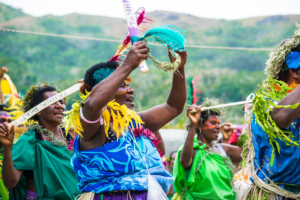
Women’s Rights in Vanuatu

Women’s Rights in VanuatuVanuatu is located in the South of the Pacific Ocean, about 1750 km (1087.4 miles) east of Australia. This island is known for its rich cultural heritage and beautiful nature; nevertheless, behind this beauty, women in Vanuatu are in a constant struggle, facing significant challenges in their fight for equal rights. Despite considerable progress in recent years, women’s rights in Vanuatu remain challenged by numerous obstacles, including early marriage, domestic violence and limited access to education, as they strive for equality.

Access to Education

Women’s rights are significantly impacted by limited access to education, with a noticeable gender disparity favoring boys. Cultural norms often prioritize boys’ education, leading to higher dropout rates among girls. Economic constraints force families to choose which children to send to school, usually favoring boys.

Additionally, early marriage and domestic responsibilities further limit girls’ ability to continue their education. Efforts by the government and nongovernmental organizations (NGOs) aim to address these disparities through policies and programs promoting girls’ education. Still, community awareness and involvement are crucial in changing attitudes and ensuring equal opportunities for all children.

Early Marriage Among Girls

In Vanuatu, girls can marry with their parents’ consent at the age of 16. As a result, it is common to see early marriages, especially in remote areas. In some regions, traditions suggest that a girl is ready for marriage and intercourse as soon as she begins menstruating. Girls who marry at a young age often lack the maturity and resources to assert their rights, making them more vulnerable to abuse. Early marriages can perpetuate cycles of poverty and dependency, which can lead to increased domestic violence.

Domestic Violence

The majority of women in Vanuatu, 60%, have experienced sexual and physical violence in their lives. These women also face emotional abuse, often worsened by traditional gender roles that disregard such violence. A strong movement is emerging as women join forces to end domestic violence in Vanuatu. Rallying under the slogan “In unity, our advocacy becomes a chorus,” these committed women are working relentlessly to fight domestic violence and advance gender equality.

Their united efforts involve raising awareness, supporting victims and advocating for stronger legal protections. By standing together, they amplify their voices and become a powerful force for change, aiming to create a safer and more just society for all women on the Island.

Organizations Addressing the Issues

The Vanuatu Women’s Center (VWC) is working on several projects, including the Family Protection Unit, which provides legal aid and counseling to survivors of domestic violence. It also conducts community education programs that aim to raise awareness about women’s rights and gender-based violence. In 2022, the organization hosted a workshop with 17 participants from eight villages across the Island, educating them about gender, discrimination, sex, gender equality and stereotypes.

Furthermore, the Department of Women’s Affairs (DWA) is involved in initiatives like the Gender Equality and Women’s Empowerment Policy, which aims to improve women’s access to education, health care and economic opportunities. It also supports local women’s groups to promote gender equality. International organizations like the United Nations Development Programme (UNDP) and the United Nations Children’s Fund (UNICEF) are also backing projects such as the Girls’ Education Project, which focuses on increasing school enrollment and retention rates for girls. They also support programs that aim to delay early marriages by educating communities about the importance of keeping girls in school.

Conclusion

While Vanuatu faces significant challenges regarding early marriage, education and domestic violence, there is a growing movement toward positive change. Efforts by local and international organizations are beginning to bear fruit, with increased awareness and advocacy leading to more educational opportunities for girls and stronger protections against domestic violence. As the community continues to unite to support women’s rights, there is hope for a brighter, more equitable future for all women in Vanuatu.

– Maria Urioste

Maria is based in Maspeth, NY, USA and focuses on Good News for The Borgen Project.

Photo: Flickr

October 16, 2024
https://borgenproject.org/wp-content/uploads/borgen-project-logo.svg 0 0 Lynsey 2 https://borgenproject.org/wp-content/uploads/borgen-project-logo.svg Lynsey 22024-10-16 07:30:072024-10-16 02:04:13Women’s Rights in Vanuatu
Gender Wage Inequality, Global Poverty, Women's Rights

Organizations Fighting the Feminization of Poverty in Africa

Organizations Fighting the Feminization of Poverty in AfricaAfrica, the world’s second-largest continent, shares borders with the Mediterranean Sea, the Red Sea, the Indian Ocean and the Atlantic Ocean. It holds the highest extreme poverty rates globally, with 23 of the 28 poorest countries, where poverty rates exceed 30%. With the poverty line set at $1.90 per day, Africa’s poverty rate is estimated at 35.5%. Over the past decade, the disparity between the poverty rates of women and men has widened, a trend often described as “the feminization of poverty.” While the continent has one of the highest rates of female labor participation ─second only to Asia─ vulnerable employment (such as unpaid family work) remains the norm.

Women Against Poverty

Compared to others, households led by women face a one-third higher risk of poverty, an issue often referred to as “the feminization of poverty,” which highlights the disproportionate number of women and children among the poor. In response, Women Against Poverty (WAP), a nongovernmental charity founded in Tanzania in 2012 by Mary Gemela and Cresensia Shirima, works to improve the socioeconomic conditions of girls and women in vulnerable conditions. The organization champions an agroforestry transformation in the developing world. It aims to substantially increase the use of working trees on smallholder rural landscapes, thereby ensuring food, nutrition, income, health, shelter, energy and a regenerated environment for women in these communities.

African Women’s Development Fund

Since its founding in 2001, the African Women’s Development Fund (AWDF) has been funding women-led organizations across Africa. AWDF supports grassroots, local and civil social movements that empower women. The foundation uses a philanthropic approach shaped by its early financial challenges to support feminist movements. Understanding the vital role of financial stability in building and maintaining organizations, AWDF commits to providing feminist groups with the necessary funding.

A wide array of organizations advocating for African women receives grants from AWDF. To qualify, organizations must be women-led, employ a staff that is at least 70% female, have operated for over three years and maintain a structured governance system dedicated to empowering African women. Eligible organizations can receive funding between $2,000 and $100,000. Over the past 22 years, 1,555 women’s rights and feminist organizations in 47 African countries and five Middle Eastern countries have received a total of $4.7 million from AWDF.

United Nations Women Africa

Globally, for every 100 men aged 25 to 34 living in extreme poverty, there are 122 women in the same age group. In sub-Saharan Africa, this disparity increases, with 127 women for every 100 men experiencing extreme poverty. Providing gender-responsive services, production resources, and market access in agriculture, industry and trade can significantly enhance the economic empowerment of women and youth in Africa. United Nations (U.N.) Women aim to empower up to 2 million women through regional and national interventions that increase income and build assets, wealth and business leadership. The program increases women’s access to productive resources and business services, addresses policy and regulatory barriers and enhances women’s participation in and benefits from the extractive industry, agriculture and trade. It also focuses on developing women’s and youth’s agribusiness and entrepreneurship skills across the value chain.

Looking Ahead

The feminization of poverty in Africa highlights women disproportionately affected by economic hardship. Organizations such as Women Against Poverty (WAP) and the African Women’s Development Fund (AWDF) are working to change this by providing women with the tools and resources needed to improve their livelihoods. Additionally, U.N. Women Africa is focused on empowering women through access to business opportunities and addressing policy barriers, ensuring that women can play a key role in driving economic growth and poverty reduction. These ongoing efforts are essential for fostering long-term development and creating a more equitable future.

– Minji L. Kim

Minji is based in Seoul, South Korea and focuses on Good News for The Borgen Project.

Photo: Flickr

September 24, 2024
https://borgenproject.org/wp-content/uploads/borgen-project-logo.svg 0 0 Precious Sheidu https://borgenproject.org/wp-content/uploads/borgen-project-logo.svg Precious Sheidu2024-09-24 07:30:312024-09-24 01:10:14Organizations Fighting the Feminization of Poverty in Africa
Gender Equality, Global Poverty, Women's Rights

Women’s Rights in Cabo Verde

Women’s Rights in Cabo VerdeCabo Verde has been and continues to actively address women’s rights and promote female empowerment through its law-making and advocacy efforts. Consequently, the country offers a beacon of hope for women and girls in Sub-Saharan Africa. There is also work being done to transform the tourism sector to improve women’s rights in Cabo Verde.

Women’s Rights in Cabo Verde

Cabo Verde has made notable developments regarding women’s rights, with the government recognizing gender equality as a critical issue that must be addressed. In 2011 a law protecting women and girls against gender based violence was introduced as well as a legal framework. Since then, continued work has been put in place to uphold the rights of women in the court of law. Despite these efforts, the deep rooted nature of misogyny presents itself as a barrier to achieving gender equality in Cabo Verde. 

Gender Equality and Cabo Verde’s Tourism Sector

Cabo Verde depends on its tourism sector for approximately 25% of its GDP, driving the country rapidly forward in terms of its economic state and quality of life for citizens. As a result of Cabo Verde’s flourishing tourist engagement, there is an abundance of job opportunities available. However, the sector faces limitations regarding female participation. This poses a threat to tourism reaching its full potential as well as a threat to female empowerment and women’s rights in Cabo Verde. 

Women in Cabo Verde struggle to exercise their rights due to the systemic, deep-rooted nature of misogyny. This ensures that women are presented with less accessible educational opportunities, lower-paying and unstable jobs, expectations to uphold traditional values within the household and the threat of gender-based violence. As a result of these challenges, poverty disproportionately affects the women of Cabo Verde, representing, “53% of the poor population as well as 54% of the population in extreme poverty.” This hinders their ability to effectively participate in the tourism sector and hinders their personal economic potential.

Gender Mainstreaming

Recognizing the gender inequality within the tourism sector, U.N. Women and ICIEG came together to develop an action plan to address this through gender mainstreaming, making Cabo Verde one of the earliest tourist countries to do so. Gender mainstreaming involves creating policies that consider the interests and concerns of both men and women, with this action plan focusing on institutional strengthening, training and capacity building and women’s quality and empowerment. However, upon enacting the action plan, it faced complexities. Gender norms and societal expectations of women affect their career choices, often opting for gender-stereotyped, less entrepreneurial positions. The U.N. Women’s office additionally closed down in Cabo Verde which put the action plan on hold from 2017. 

In order to combat these challenges, in 2021 ITCV and ICIEG combined efforts to resume the action plan, also moving forward with new recommendations from the World Bank Group Gender strategy to guarantee that it is as gender responsive as possible, ensuring women ‘better, safe, and more jobs.’ Cabo Verde’s persistence through setbacks highlights their genuine commitment to protecting and improving women’s rights, paving the way for a positive future.

– Imogen Prince

Imogen is based in Oxford, UK and focuses on Good News for The Borgen Project.

Photo: Flickr

September 23, 2024
https://borgenproject.org/wp-content/uploads/borgen-project-logo.svg 0 0 Jennifer Philipp https://borgenproject.org/wp-content/uploads/borgen-project-logo.svg Jennifer Philipp2024-09-23 01:30:512024-09-22 23:04:37Women’s Rights in Cabo Verde
Advocacy, Women's Empowerment, Women's Rights

Gender Advocacy in Suriname

gender advocacy in SurinameSuriname is a developing country located just above the equator in northern South America, though it is also part of the Caribbean Community. Dutch colonial governance defined its history, but the nation gained independence in 1975. Despite its small size, the country is famous for its plentiful natural resources and vast rainforest cover. As one of the U.N.’s Sustainable Development Goals (SDGs), gender equality is an important point of action for Suriname due to its links to poverty reduction and economic growth. In 2022, the Ministry of Home Affairs held a brainstorming session on how the nation could address SDG 5 to “achieve gender equality and empower all women and girls”. This drew out equal economic participation, gender issues at work and respect for women’s voices as key to a sustainable future.

Gender advocacy in Suriname has come in various forms, from promoting women’s job opportunities to increasing their political representation. The country has made progress, such as increased labor force participation from 41.4% in 2011 to 44.3% in 2022. However, the World Bank also found that behind such statistics, nine in every 50 women aged 15-49 are in vulnerable employment positions, as of 2022.

Economic Opportunities

One important aim for the country is setting women up for economic success, uplifting women out of poverty and instilling financial stability. The Ministry of Home Affairs has targeted this by establishing its 2021-2035 Gender Vision Policy. This highlighted sector disparities, unequal access to economic resources and difficulties in women accessing formal work. Its answer to these issues was gender mainstreaming, allowing the application and monitoring of gender-responsive policies across departments.

While the full success of this vision is yet to be seen, the agricultural sector has already seen an increase in female participation from 4.65% in 2011 to 5.68% in 2022, according to the World Bank.

Women’s Economic Empowerment (WEE), which is a program that focuses on supporting women-owned businesses in Suriname, also advocates for women’s professional development. The project is part of the Suriname Energy, Oil and Gas Summit and originated in 2023. It aims to achieve gender advocacy by boosting the participants’ pitching, leadership and networking skills to empower women working in the sector.

Legal and Political Representation

Gender equality is established on a basic level in the Surinamese Constitution, as Article 35 declares that “Man and woman are equal before the law,” according to the Gender Vision Policy document. The Gender Vision Policy aims that beyond this “all legislation will have been adapted, strengthened and approved and implemented to promote gender equality and to eliminate gender-related discrimination.” In particular, this will involve intersectionality to address the discrimination against Indigenous women, promotion of equal pay and prevention of forced marriages.

Hope for the achievement of these aims can be inferred from the increasing political representation of women in Suriname. From 2011 to 2022, the proportion of seats held by women in national parliaments has increased from 11.8% to 29.4%, according to the World Bank.

However, men still hold over double as many seats in parliament as women, so closing the gap is a long-term priority for the country.

Women’s Health

Menstrual and reproductive health are vital points of action for gender advocacy in Suriname. Addressing these issues allows women and girls to reach their full potential. As a part of this, the American Medical Women’s Association (AMWA) has been working in Suriname on its mission to improve women’s health. Launched in 2021, its initiative to end period poverty has involved the provision of period pad kits. The First Lady of Suriname also received one of these kits in 2023. The Ministry of Public Health in Suriname has also addressed women’s health via a workshop in 2023 in collaboration with the United Nations Population Fund (UNFPA).

The importance of family planning to gender equality and poverty reduction raised, which is particularly relevant when the country’s contraceptive prevalence dropped from 47.2% in 2010 to 38.7% in 2018, according to the World Bank. The workshop showed positive aims for practical engagement, empowerment of women and raising awareness of their options.

Gender Advocacy in Suriname: Final Thoughts

Suriname currently scores 77 out of 100 in an index rating on the life cycle of a working woman, according to the World Bank. While progress in employment and politics has been significant, family commitments and social norms still hold women back. Gender advocacy in Suriname must maintain its diverse range of aims as well as the uniting principles of equality and empowerment.

– Daisy Outram

Daisy is based in Kent, UK and focuses on Good News for The Borgen Project.

Photo: Flickr

September 18, 2024
https://borgenproject.org/wp-content/uploads/borgen-project-logo.svg 0 0 Naida Jahic https://borgenproject.org/wp-content/uploads/borgen-project-logo.svg Naida Jahic2024-09-18 01:30:002024-09-17 02:01:06Gender Advocacy in Suriname
Africa, Global Poverty, Women's Rights

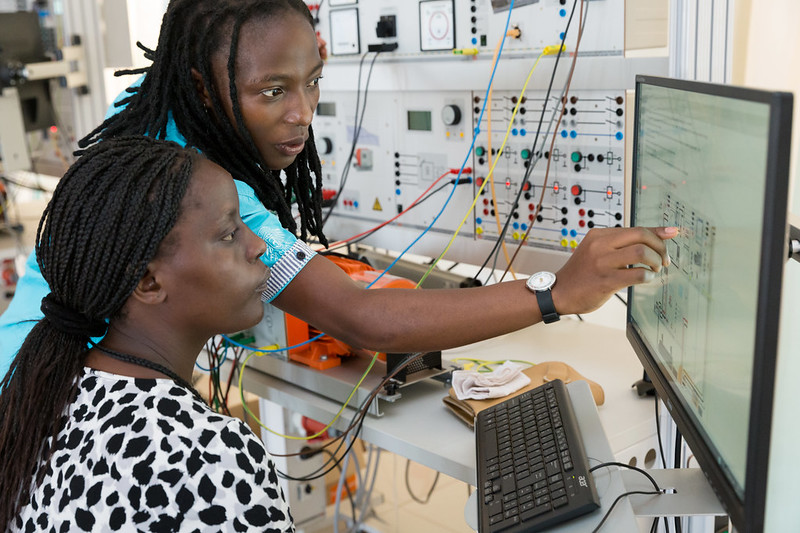
African Women in Science: Alleviating Poverty

African Women in ScienceWomen and men are equally capable in the fields of science, technology, engineering and mathematics (STEM), yet external barriers continue to marginalize women, exacerbating the gender gap. These disparities are even more pronounced in Africa, where both access to and completion of higher education are limited, with less than 30% of women graduating in STEM fields in sub-Saharan Africa. They are also significantly underrepresented in leadership roles – globally, women hold only 24% of leadership roles in the tech industry.

Despite these challenges, many African women in science work on innovations to alleviate poverty and improve public health. Their efforts highlight the role of women in science and show how scientific advancements can drive social and economic progress. Here are three inspiring examples of women and organizations making a significant impact in the fight against poverty.

Corine Ngufor

Each year, Cameroon reports more than 2.7 million cases of malaria, according to USAID. For its people, this means missing work and school often – significantly impacting both economic and educational opportunities. The fight to eradicate malaria has become a priority for the Cameroonian Government. Corine Ngufor’s work – inspired by her personal experience with malaria growing up in Cameroon – is a remarkable step forward.

As a medical entomologist with a PhD from the London School of Hygiene and Tropical Medicine, Ngufor has innovated mosquito net fabrication. While insecticide-treated nets have saved millions of lives in the past decades, mosquito resistance has diminished their effectiveness. To combat this, many researchers have advocated for dual-insecticide nets. Ngufor’s lab identified chlorfenapyr as the effective second insecticide to pair with pyrethroid, a product already used on nets.

Her improved mosquito nets – officially named Interceptor G2 – have prevented 13 million malaria cases and saved 25,000 lives between 2019 and 2022, as reported by STAT News. Corine Ngufor’s work in reducing malaria cases is also crucial in poverty alleviation because healthier communities lead to increased productivity and less financial strain due to medical expenses.

Revital Healthcare

While vaccines for polio and measles are effective in combating these diseases, many African countries face challenges due to a shortage of syringes, leading to the reuse of needles and the transmission of “blood-borne pathogens” such as HIV and hepatitis B. Additionally, the COVID-19 pandemic exacerbated this issue by creating a shortage of syringes in Africa – where 80% come from Asia – disrupting routine vaccinations for children across the continent. It highlighted the need to improve Africa’s self-reliance in syringe production, an indispensable medical tool.

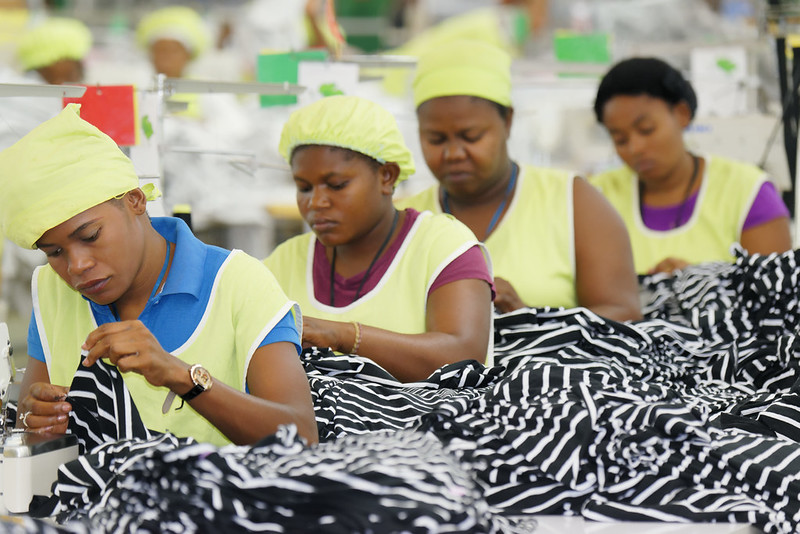
Thus, to prevent the reuse of needles and ensure the availability of syringes on the continent, Revival Healthcare – Africa’s largest medical device manufacturer based in Kenya – started manufacturing auto-disable syringes in 2021 with a $4 million grant from the Gates Foundation. These syringes become inoperative after the plunger has been used, preventing reuse, and they aim to produce 300 million of them annually.

Beyond providing life-saving medical equipment, Revival Healthcare also supports women in science. With an 80%  female workforce, the company creates job opportunities that help reduce poverty by improving families’ financial stability and access to vital resources. Revival Healthcare empowers women economically and encourages them to pursue education and careers in the medical field.

Rachel Sibande and mHub

According to the 2023 UNESCO Global Education Monitoring Report, 89% of learners in sub-Saharan Africa still lack access to a computer and 82% do not have an Internet connection at home. This digital gap limits young people’s ability to gain the skills needed in today’s world, further hindering their employability prospects.

To address this challenge, Malawian computer scientist Rachel Sibande founded mHub in 2014. As Malawi’s first technology and innovation center, mHub has been instrumental in reducing poverty across Africa by empowering young innovators and promoting local technology solutions. As of 2023, mHub has trained more than 40,000 young people in technology, technical and business skills.

In 2020, the hub launched the Digital Malawi project, providing digital skills and business opportunities to youth across the country – supporting more than 500 young people, with some receiving $2,500 in seed capital.

mHub also champions African women in science and technology through its Girls for Code program, which equips young girls with skills in robotics, machine learning, and mobile application development – reaching 323 girls across 15 schools. By advancing technological proficiency and promoting gender equality in STEM fields, mHub fosters innovation and drives economic growth throughout Africa.

Africa Women in Science: Making a Change

African women in science are making a significant impact on reducing poverty through innovation. Despite facing challenges like limited access to education and underrepresentation in STEM, women such as Corine Ngufor, the team at Revital Healthcare and Rachel Sibande are leading the way. Their work in health, technology and medical improvement is bettering lives, boosting economies and promoting gender equality. As they continue to inspire future generations, the role of African women in science will grow, contributing to a better future for the continent.

– Alissa Naydenova

Alissa is based in Colchester, Essex, UK and focuses on Technology and Global Health for The Borgen Project.

Photo: Flickr

September 16, 2024
https://borgenproject.org/wp-content/uploads/borgen-project-logo.svg 0 0 Naida Jahic https://borgenproject.org/wp-content/uploads/borgen-project-logo.svg Naida Jahic2024-09-16 01:30:462024-09-16 01:21:06African Women in Science: Alleviating Poverty
Gender Equality, Global Poverty, Women's Rights

Fragility and Rule of Law in Afghanistan: Women’s Rights at Risk

Fragility and Rule of Law in AfghanistanThe Taliban, an Islamic fundamentalist group, returned to power in 2021 after a 20-year insurgency. Following its ousting by a United States (U.S.)-led invasion in 2001, the group regrouped across the border in Pakistan. Within a decade they began reclaiming territory in Afghanistan. Since its return to power, the Taliban has severely threatened Afghan civil rights and liberties. The group has revived practices similar to its oppressive rule in the late 1990s. The United Nations (U.N.) mission in Afghanistan has reported numerous human rights violations. Journalists face intimidation, press freedoms have been sharply curtailed and several news organizations, including The Daily Afghanistan, have shut down. Additionally, the Taliban has reinstated the Ministry for the Promotion of Virtue and Prevention of Vice, known for enforcing bans on activities deemed un-Islamic during its previous rule.

The Current State of Women’s Rights

Women’s rights in the region have been eradicated. According to Amnesty International, Afghanistan ranks last for women’s rights globally, positioned at 177 out of 177 countries on the Women’s Peace and Security Index for 2023/2024. It is the only country that restricts girls’ access to education beyond the sixth grade and prohibits women from working for nongovernmental organizations.

The Ministry for the Promotion of Virtue and Prevention of Vice has expanded its authority to control personal behavior and enforce punishments rigorously. This expansion is based on a 114-page document with 35 articles dictating nearly every aspect of life in Afghanistan. “We assure you that this Islamic law will greatly aid in promoting virtue and eliminating vice,” said ministry spokesman Maulvi Abdul Ghafar Farooq. The ministry’s enforcers have the authority to detain and fine law violators.

Article 13, focused on avoiding temptation, mandates that women must conceal their figures, cover their faces and refrain from making eye contact with men who are not family members. Article 15 prohibits women from traveling without a male guardian or interacting with unrelated men. Acting Minister Mohammad Khalid Hanafi emphasized that there would be “no compromise in the enforcement of Islamic laws.”

Fragility and Rule of Law in Afghanistan

The collapse of the previous government has led to a significant breakdown in legal protections for women: ​​

  • Replacement of Existing Laws. The Taliban has replaced the existing legal framework with its strict interpretation of Sharia law, abolishing many rights and protections that women previously enjoyed under the Afghan constitution and civil code.
  • Arbitrary Implementation. The new legal system often applies rules arbitrarily, lacking consistent application and due process. This unpredictability further undermines the rule of law and leaves women vulnerable to rights violations.
  • Limited Access to Justice. Under the new regime, women face severe limitations. Many formal legal institutions have ceased to function or now exclude women entirely. This effectively denies them any recourse to legal protection or dispute resolution.

International Responses

The U.N. has been at the forefront of condemning the Taliban’s actions and advocating for women’s rights in Afghanistan:

  • The U.N. Security Council Resolution 2681 (2023) called for the immediate removal of all restrictions violating the rights of Afghan women and girls. 
  • The U.N. Secretary-General António Guterres has characterized the situation in Afghanistan as “gender apartheid.” The U.N. Special Rapporteur on Afghanistan, Richard Bennett, has called on the Taliban to release women human rights defenders and respect all human rights of women and girls.
  • Many countries have used diplomatic channels to express their concerns. The United Kindom (U.K.) The ambassador to the U.N. denounced the Taliban’s actions as “medieval misogyny above humanitarian need.” Multiple U.N. member states, including Albania, Ecuador, Malta and Spain, have characterized the situation as gender apartheid in U.N. Security Council sessions.

Legal and Policy Initiatives

Several legal and policy initiatives are being pursued to address the fragility of the rule of law in Afghanistan. 

  • Codifying Gender Apartheid: Efforts are underway to codify gender apartheid as a crime against humanity, potentially involving the International Criminal Court (ICC) in addressing systematic discrimination against women in Afghanistan. U.N. experts have called for investigations into the Taliban, holding them accountable for human rights violations based on gender, which amount to gender persecution.
  • Targeted Sanctions: Some nations are exploring the implementation of targeted sanctions against specific Taliban leaders responsible for rights violations. This approach aims to increase pressure on decision-makers within the Taliban regime. 
  • Humanitarian Aid Principles: Calls are intensifying for principled engagement in humanitarian aid. Furthermore, demands are being made for the Taliban to immediately lift the ban on Afghan women working for the U.N. and NGOs. There is also a push for supporting the full and safe participation of women in humanitarian decision-making and delivery, alongside increased support for humanitarian organizations, particularly those led by Afghan women.
  • Accountability Mechanisms: There are growing calls for accountability, a key feature in truly upholding the rule of law. Advocates demand that perpetrators of international human rights and humanitarian law violations face accountability. They emphasize the need to address gender persecution and other abuses targeting diverse women and girls.

Looking Ahead

The fragility of the rule of law in Afghanistan underscores the challenges of maintaining legal protections in unstable political environments. This situation highlights the need for robust international mechanisms to safeguard human rights and uphold the rule of law in fragile states.

– Hannah Ravariere-Moakes

Hannah is based in London, UK and focuses on Politics for The Borgen Project.

Photo: Flickr

September 7, 2024
https://borgenproject.org/wp-content/uploads/borgen-project-logo.svg 0 0 Precious Sheidu https://borgenproject.org/wp-content/uploads/borgen-project-logo.svg Precious Sheidu2024-09-07 01:30:032024-09-07 00:44:51Fragility and Rule of Law in Afghanistan: Women’s Rights at Risk
Global Poverty, Nonprofit Organizations and NGOs, Women's Rights

How Womankind Worldwide Transforms Women Lives in Kenya

How Womankind Worldwide is Transforming Women’s Lives in KenyaWomankind Worldwide is a women’s rights organization advocating for change through partnerships with organizations worldwide. It envisions a fairer world where women have equal opportunities. The organization works with 28 partners across 13 countries. Womankind Worldwide has supported 18 million women through community organizations. The organization prioritizes improving women’s lives in Kenya as part of its global efforts. For more than 30 years, Womankind Worldwide has collaborated with diverse groups worldwide to combat the oppression of women.

The Context of Women’s Lives in Kenya

Kenya is a lower-middle-income country and women’s employment rate is 60.3% compared to men’s at 70.4%. In Kenya, young women are particularly vulnerable to the threat of poverty because of their limited participation in the economy. Women are disproportionately responsible for unpaid care work therefore limiting their ability to complete paid work. Although the 2010 constitution committed to a more diverse government so that women would be able to make important decisions about their future, this promise has not been fulfilled. Key promises included women and men having the right to equal treatment and having the right to equal protection. 

In 2023, The World Bank Group reported that Kenya stood above Sub-Saharan’s average of 72.6 out of 100 in the Women, Business and the Law Index. In comparison, Kenya’s index was recorded at 80.6. This score increase was a consequence of stopping gender discrimination in employment and the enforcement of domestic violence legislation. Furthermore, the report suggested that women’s lives in Kenya could be further transformed by making 14 weeks of paid maternity leave mandatory and allowing women to be business owners in the same way as men. 

There have been successes in the improvement of women’s rights in Kenya. For example, the 2012 Passage of the Land Act and the Land Registration Act increased women’s rights over their marital property. Moreover, for the first time, the 2015 Passage of the Protection against Domestic Violence Act addressed domestic violence. United Nations (U.N.) Women’s Strategic Plan 2023-2026 outlines U.N. Women Kenya’s plan until 2026. This includes enhancing women’s participation in governance, creating legislative frameworks to promote the inclusion of women in leadership and advocating for accountability for gender-responsive service delivery. 

Womankind Worldwide’s Aim

In July 2024, Womankind Worldwide’s two new Co-CEOs spoke about the future of the organization’s focus on pursuing equality. Writing on the organization’s website after their appointment, Co-CEO Disha Sughand described envisioning Womankind Worldwide growing ‘an aligned supporter base through our ambitious 2030 strategy’. In addition, Co-CEO Diana Njuguna explained how Womankind Worldwide’s mission is to dismantle ‘power dynamics that prevent community-based organizations from taking their rightful place in the movements’. Womankind Worldwide focuses on working in partnership with women’s rights organizations. The organization continues to take steps to establish collaboration as an important part of the fight for equality.

Partners

The Centre for Rights Education and Awareness (CREAW), one of Womankind Worldwide’s partners, was founded in 1999. This nongovernmental organization’s focus is predominantly on women’s rights. CREAW has continuously applied pressure to guarantee equal political participation of women so that the 2010 constitution could be put into action. 

Another partner is Women Challenged to Challenge (WCC), who support the participation of women with disabilities in political, social and economic life. For example, WCC trained 25 service providers from Baringo County in Kenya, which included police officers and teachers. They were trained in how to assist people with hearing impairment. Therefore, women’s lives in Kenya are being transformed by Womankind Worldwide’s support for organizations such as WCC. 

Federation of Women Lawyers – Kenya (FIDA Kenya) offers women and their children free legal aid. Overall, its 1400 women lawyers and advocates have helped more than 3 million women. When they are disproportionately economically disadvantaged, help in the form of legal aid makes a significant difference to women’s lives in Kenya. 

Another organization that partners with Womankind Worldwide and is making a difference in women’s lives in Kenya is the Polycom Development Project (Polycom Girls). This project helps those impacted by sexual violence and exploitation. Polycom provides access to education, sanitation and sports. 

2030 Strategy

In its 2030 strategy, Womankind Worldwide outlines its aims for a future where all genders enjoy equal rights. It creates spaces for learning and exchange to help improve personal and social well-being. Womankind Worldwide identifies goals that include dividing power with its partners through sharing opportunities. Its 2030 strategy also includes guiding the agenda so that its partner’s voices are heard to influence change. Also, Womankind Worldwide generates funding for women’s rights and its partner organizations. 

Looking to the Future

Increasing women’s participation in political leadership is an important part of the future of Kenya. Womankind Worldwide is prioritizing putting the 2010 constitution into action through its partnership with nonprofit organizations. Womankind Worldwide works to increase the visibility of its partners and, specifically, Polycom Girls recognizes this. Its work includes emphasizing Polycom’s work to the United Kingdom (U.K.) government to help empower women. Womankind Worldwide has built partnerships across the world to help improve the rights of women. The organization is committed to opening spaces where women can have a say in what they want to change in the world. Transforming women’s lives in Kenya continues to be a focus of these ongoing partnerships in a move toward a fairer world. 

– Amy Fox

Amy is based in Birmingham, UK and focuses on Good News for The Borgen Project.

Photo: Flickr

September 5, 2024
https://borgenproject.org/wp-content/uploads/borgen-project-logo.svg 0 0 Precious Sheidu https://borgenproject.org/wp-content/uploads/borgen-project-logo.svg Precious Sheidu2024-09-05 07:30:092024-09-04 14:25:40How Womankind Worldwide Transforms Women Lives in Kenya
Aid, Women & Children, Women's Empowerment, Women's Rights

Female Starvation in Gaza

Female starvation in GazaThe October 2023 attack by Hamas has left irreversible damage on the whole city of Gaza. Every hour, two mothers are killed and nearly 1 million more have been left to live amongst the rubble without safe shelter and without enough food or clean water to survive. Food insecurity and starvation affect women in Gaza in multiple ways. “U.N. Women estimates that at least 557,000 women in Gaza are facing severe food insecurity, and find themselves facing old and new gender-based vulnerabilities.”

Female Starvation in Gaza

For the sick and injured, for pregnant women and breastfeeding mothers, there is virtually no medical help left. Not only is there no medical help left, but breastfeeding mothers are using 25% of their body’s energy just by feeding their children, in comparison the brain only uses 20%. Therefore, mothers especially are starving and desperately fighting to also keep their children alive. “The situation is particularly concerning for mothers and adult women, who often prioritize feeding others over themselves and report greater difficulty accessing food compared to men, leading many to skip meals or reduce their intake to ensure their children are fed,” the U.N. reports.

“Seven out of 10 women interviewed by U.N. Women reported weight loss in the last 30 days, and more than half experience frequent dizziness.” This statistic truly represents the female starvation in Gaza. “I prefer to give the children food first. Then as a mother, I might not eat so I can feed my children. That’s just how life is now. That’s motherhood,” a mother displaced to Rafah, southern Gaza said.

WFP and Action Against Hunger

The World Food Programme (WFP) has warned that it can only meet 20% of its monthly targets, leaving thousands of families at risk of starvation. This 80% is consistently being shown, especially when one in five pregnant women in a central Gaza clinic struggle with malnourishment. Despite high demands, only a small percentage of people receive help. The WFP is assisting more than 1 million people a month in Gaza due to 96% of the population in the city of Gaza being in a crisis level of hunger or worse.

In Gaza, Action Against Hunger has supported more than 200,000 women and girls through their water, sanitation and hygiene services, alongside food baskets, according to its website. In particular, it has a program to “prevent malnutrition among pregnant and breastfeeding mothers and children under 5 years old.”

WEFAQ

Wefaq Society for Women and Child Care, a local women’s organization, is managing to maintain help and support through the hazardous living conditions that are so very prominent in Gaza today. It provides hot meals through the community kitchen to help reduce the rates of hunger within the female population. Winter clothes and accessories are provided alongside blankets and mattresses for comfort and warmth. Hygiene kits, and other essential items like menstrual supplies, milk and nappies for babies. WEFAQ also provides counseling to help aid and rebuild women’s confidence in themselves and their communities.

The female starvation situation in Gaza is very obviously going to be an ongoing issue but through the support of multiple organizations like AAH and WEFAQ, women will finally get the support they truly need.

– Sadie Virgin

Sadie is based in Newport, Wales, UK and focuses on Good News for The Borgen Project.

Photo: Unsplash

August 22, 2024
https://borgenproject.org/wp-content/uploads/borgen-project-logo.svg 0 0 Naida Jahic https://borgenproject.org/wp-content/uploads/borgen-project-logo.svg Naida Jahic2024-08-22 01:30:182024-08-21 09:40:27Female Starvation in Gaza
Page 5 of 41«‹34567›»

Get Smarter

  • Global Poverty 101
  • Global Poverty… The Good News
  • Global Poverty & U.S. Jobs
  • Global Poverty and National Security
  • Innovative Solutions to Poverty
  • Global Poverty & Aid FAQ’s
Search Search

Take Action

  • Call Congress
  • Email Congress
  • Donate
  • 30 Ways to Help
  • Volunteer Ops
  • Internships
  • Courses & Certificates
  • The Podcast
Borgen Project

“The Borgen Project is an incredible nonprofit organization that is addressing poverty and hunger and working towards ending them.”

-The Huffington Post

Inside The Borgen Project

  • Contact
  • About
  • Financials
  • President
  • Board of Directors
  • Board of Advisors

International Links

  • UK Email Parliament
  • UK Donate
  • Canada Email Parliament

Get Smarter

  • Global Poverty 101
  • Global Poverty… The Good News
  • Global Poverty & U.S. Jobs
  • Global Poverty and National Security
  • Innovative Solutions to Poverty
  • Global Poverty & Aid FAQ’s

Ways to Help

  • Call Congress
  • Email Congress
  • Donate
  • 30 Ways to Help
  • Volunteer Ops
  • Internships
  • Courses & Certificates
  • The Podcast
Scroll to top Scroll to top Scroll to top