• Link to X
  • Link to Facebook
  • Link to Instagram
  • Link to TikTok
  • Link to Youtube
  • About
    • About Us
      • President
      • Board of Directors
      • Board of Advisors
      • Financials
      • Our Methodology
      • Success Tracker
      • Contact
  • Act Now
    • 30 Ways to Help
      • Email Congress
      • Call Congress
      • Volunteer
      • Courses & Certificates
      • Be a Donor
    • Internships
      • In-Office Internships
      • Remote Internships
    • Legislation
      • Politics 101
  • The Blog
  • The Podcast
  • Magazine
  • Donate
  • Click to open the search input field Click to open the search input field Search
  • Menu Menu

Archive for category: Women’s Rights

Global Poverty, Women's Rights

Women’s Rights in Eritrea

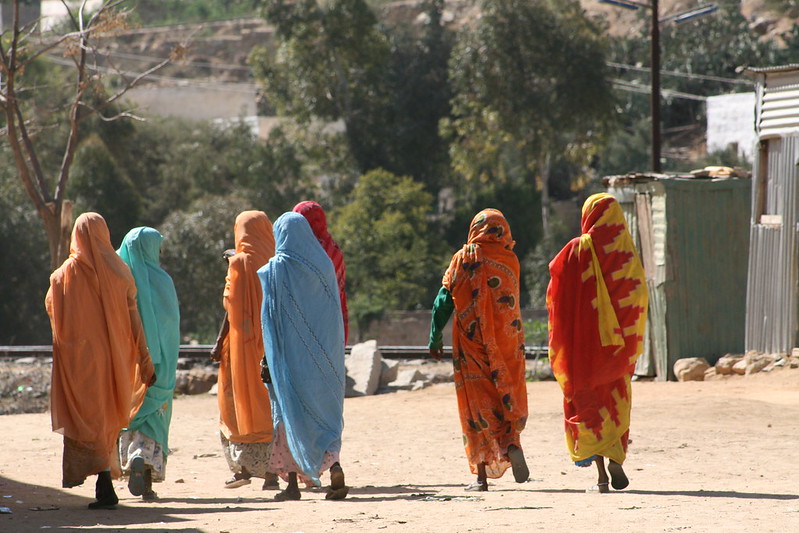
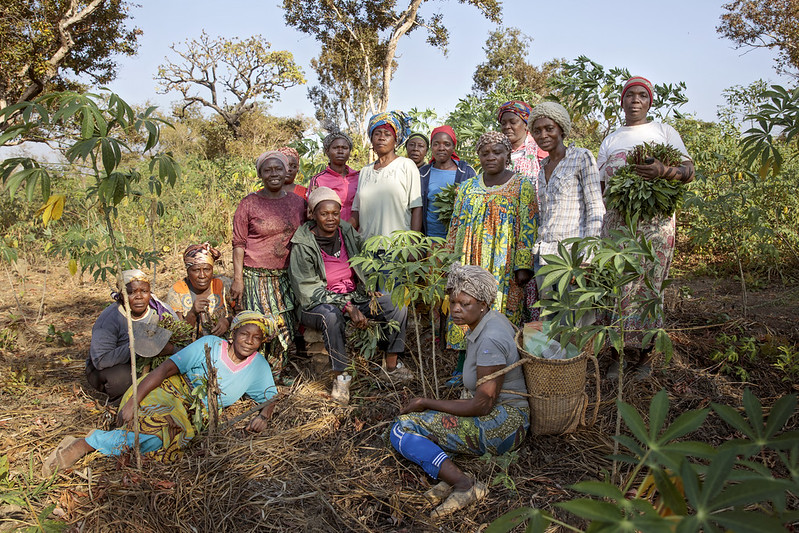
Women’s Rights in EritreaWomen have played a pivotal role in the building of the Northeastern African country of Eritrea. After a 30-year-long conflict, Eritrea achieved independence from its neighboring country of Ethiopia. During the war, Eritrean women made up one-third of the army. They actively participated in combat, breaking from previous societal patterns of gender inequality and discrimination. The historical work of Eritrean women to the liberation of the nation paved the way for gender inequality awareness and ensuring women’s rights in Eritrea.

Advancing Women’s Rights in Eritrea

In 1979, 14 years before the end of the conflict, the National Union of Eritrean Women (NUEW) began its operations. The organization advocates for civil laws that protect women’s rights in Eritrea. Some other points of action by NUEW include work toward fair access to educational resources and minimizing poverty among Eritrean women. A 2023 UNDP report states that ever since Eritrea became independent, gender equality became a key focus of the Eritrean government.

Eritrean women today hold governmental positions and get empowerment through freedom of land ownership, amongst other gender equality reforms outlined in the country’s constitution. According to a 2020 report by the Convention on the Elimination of All Forms of Discrimination Against Women (CEDAW), women occupied 22% of the parliament seats. Improved literacy also shows the progress of women’s rights in Eritrea. The literacy rates for girls increased from 54.8% in 2008 to 68.9% in 2018.

However, additional data shows that there is still more work necessary in advancing women’s rights in Eritrea. The World Bank Gender Landscape shows a 14% gap in labor force participation between the genders. It also shows that in the national parliament, men occupy 3.5 seats for every seat that women occupy.

Female Genital Mutilation (FGM)

Despite Eritrea’s progress in gender equality as a result of women’s wartime contributions, women’s rights in Eritrea remain at risk.  Traditions and cultural norms prevent the full attainment of gender equality.

The practice of female genital mutilation (FGM) has had a steady decline since the 2007 ban. While this significantly reduced the harmful practice, a UNICEF 2021 report shows that FGM still takes place in some rural areas. In 2010, the prevalence of FGM was as high as 33.2% among girls under 15. In 2016, the percentage decreased to 3.8% among the same population.
The UNFPA-UNICEF Joint Programme is working toward the complete eradication of the practice by 2030.

With the Ministry of Health, of Labor and Social Welfare as well as the National Union of Eritrean Women, the program aims for its collaborative approach to work as a primary tool for the eradication of FGM. The engagement of the different institutions helps with the discussion of FGM beyond culture and tradition. They hold community events and open and communal conversations regarding this particular issue.

The program aims to raise awareness of its physical dangers and related health concerns, as well as introduce girls’ and women’s rights into the conversation. The same 2021 UNICEF report shows that 425 community events to discuss FGM took place in 2019 across a multitude of villages in Eritrea.

Human Rights Concern Eritrea (HRCE)

Elizabeth Chyrum founded Human Rights Concern Eritrea (HRCE), a nonprofit organization that highlighted different concerns regarding women’s rights in the country in 2017. The organization reported a continuous violation of women’s rights in the country and, therefore the breach of the U.N. Convention on the Elimination of All Forms of Discrimination Against Women (CEDAW). According to HRCE, Eritrean women are at high risk of suffering from sexual abuse practices, stating that the subject is still taboo within parts of the nation.

HRCE’s targeting actions toward helping women in Eritrea include conducting interviews and research to better understand human rights violations against Eritrean women. The nonprofit also issues calls to action for the Eritrean government and aid agencies, advocating for easy access to sanitary products for women, protection of women in detention centers and support for women who are victims of harassment.

The Future

Alongside the work of organizations such as UNICEF and NUEW, the UNDP has proposed the Global UNDP Gender Equality Strategy for the years 2022 to 2025.

This strategy uses the “Six Signature Solutions” for the advancement of women’s rights in Eritrea. Instead of focusing on gender equality alone, the strategy targets other topics of concern, like the environment and governance, according to a 2023 UNDP report. UNDP looks at gender inequality in the environment and assesses that extreme weather, such as droughts, highly affects the livelihood of Eritrean women.

Among other advancements, the “Six Signature Solutions” aims to empower women by improving their access to business ownership. By also targeting governance, the UNDP looks for gender inequality in public institutions and does so by, among other initiatives, designating gender focal points in governmental offices.

Despite the country’s notable advancements, persistent challenges still threaten the full implementation of gender equality in Eritrea. Efforts by its government, alongside national and international organizations, highlight ongoing violations and emphasize the collective commitment that is needed to advance gender equality in the country.

– Paula Pujol-Gibson
Photo: Flickr
February 5, 2024
https://borgenproject.org/wp-content/uploads/borgen-project-logo.svg 0 0 Borgen Project https://borgenproject.org/wp-content/uploads/borgen-project-logo.svg Borgen Project2024-02-05 01:30:342024-06-11 00:18:08Women’s Rights in Eritrea
Global Poverty, Women's Rights

Community Initiatives in Malawi Are Fighting for Women’s Rights

Initiatives in MalawiMalawi is a landlocked country in southern Africa known for its beautiful highlands and expansive lakes. Occupying territory next to the East African Rift Valley, Malawi, a predominantly agricultural society, relies heavily on cash-crop agriculture, including tea and tobacco production. Despite the country’s great strides in development, gender inequality remains pervasive amongst the population. U.N. Women report that the average birth rate among girls aged 15 to 19 is 137.6 per 1,000 women since 2015. Additionally, 42.1% of women aged 20 to 24 were married before their 18th birthday and 16.6% of women older than 15 years old reported incidents of physical or sexual violence at the hands of their male partners in 2018. Overall, the prevalence of gender-based discrimination and violence has prompted several local community groups to lead initiatives in Malawi supporting women’s rights.

United Nations Population Fund (UNFPA) Malawi

UNFPA Malawi is a U.N. agency initiated by the United Nations Development Assistance Framework, which is a planning process offering financial and technical assistance to support Malawi’s development. UNFPA Malawi’s Gender Equality and Women Empowerment program is currently supported in 13 districts, working alongside the Malawi Government and nongovernmental organizations to empower young girls and women. 

UNFPA’s Sexual and Reproductive Health and Rights program advocates for increased access to reproductive and health care services for women in Malawi. The program introduced Basic Emergency Obstetric and Newborn Care within multiple community health services, an initiative aimed at reducing maternal mortality rates among young women. 

Girls Not Brides Malawi

A recent roundtable discussion saw Amal Clooney, Melinda French Gates, Michelle Obama, representatives from Girls Not Brides Malawi and a high court judge from the Women’s Lawyers’ Association speak about forced child marriage in Malawi. Mrs. Clooney presented several advocacy routes with the help of Girls Not Brides Malawi to aid the country’s legislation in ending child marriages and allocate financial resources within the Government of Malawi’s national budget.

Following the roundtable, President Chakwera’s announced an increase in his efforts to end forced child marriage. President Chakwera plans to work with the Minister of Gender and the Minister of Justice to adjust laws not in accordance with the minimum marriage age. Furthermore, Mrs. Clooney met with President Chakwera to standardize domestic legislation in accordance with the standards upheld by the SADC Model Law on Eradicating Child Marriage and Protecting Children Already in Marriage. 

Mlirima Development Network

The Mlirima Development Network is a UNFPA-supported group that combats gender-based violence and child marriage across Malawi. The network trains community leaders on the importance of advocating for gender equality through UNFPA’s Safeguard Young People program. Currently, the program empowers survivors of child marriage and domestic violence while raising awareness of the dangers of brutality against women in each district. 

The network has rescued 30 girls from child marriage, using resources at their disposal to finance the girls’ education and enroll them in schools. Group Village Heads such as Group Village Head Fraiton Pintu in Chikwawa work alongside the network to dismantle harmful traditions hindering the future of young girls in their communities. Presently, Group Village Head Pintu is implementing bylaws to reform traditional initiation ceremonies by choosing progressive young women to teach the next generation of girls. 

Community Action Groups

Community Action Groups are cohorts created to counter domestic and sexual violence against women in Mangochi, a township in southern Malawi. The absence of efficient reporting systems prompted UNFPA and the Embassy of Iceland in Malawi to support 44 CAGs across three traditional villages in Mangochi: Chowe, Lulanga and Makanjira. Furthermore, the establishment of CAGs encourages more women to speak out against their abusers, with 208 cases of violence reported through the groups since 2022. 

A Look Ahead

Local communities continue to build on the initiatives in Malawi conducted by the UNFPA, advocating for the rights of women and girls across the country. On the other hand, the importance of this work is not lost upon the citizens of Malawi, many of whom recognize gender equality as a human right and strive to empower the next generation of young people willing to fight for women’s freedoms.

– Megha Gupta
Photo: Flickr

January 30, 2024
https://borgenproject.org/wp-content/uploads/borgen-project-logo.svg 0 0 Yana Chukur https://borgenproject.org/wp-content/uploads/borgen-project-logo.svg Yana Chukur2024-01-30 01:30:092024-01-29 01:00:01Community Initiatives in Malawi Are Fighting for Women’s Rights
Global Poverty, Women's Rights

Women’s Rights in Romania

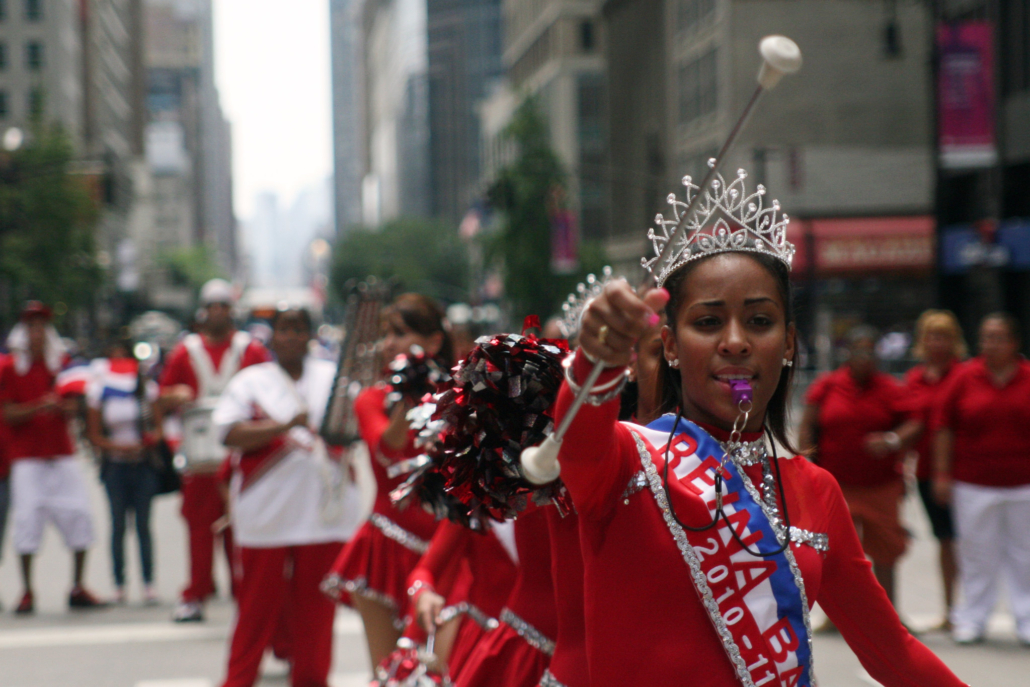
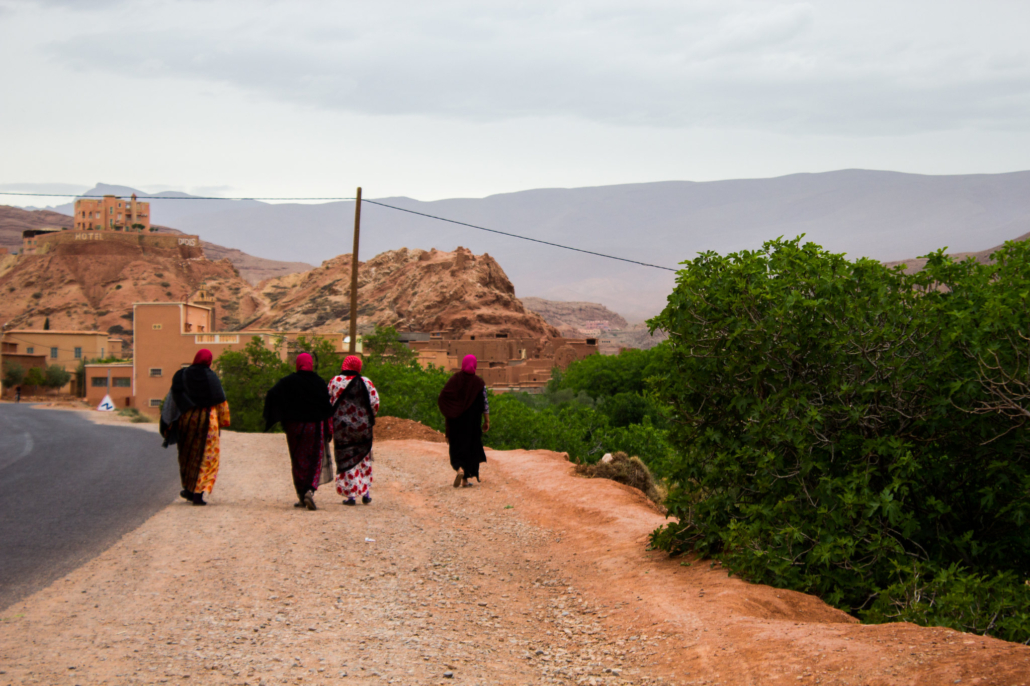
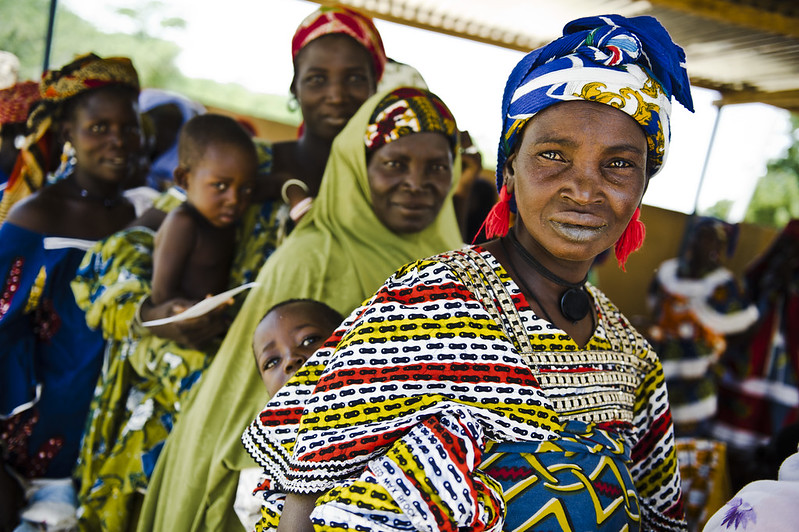
Women’s Rights in RomaniaRomania has had a turbulent past with its role as a close ally of the Soviet Union, and its own revolution which led to the collapse of communism in 1989. As a new era dawned upon the country, the democratization process began. Over the decades, efforts toward gender equality have improved women’s rights in Romania but issues still exist, especially among marginalized groups like the Romani.
The Economy and Unemployment

Despite increased prospects and economic development, progress was plodding, and the 2009 financial crisis deepened issues for the Romanian government. This resulted in legislation concerning women’s rights facing relegation to the backbench as politicians scrambled to rescue the country from financial catastrophe.

While there have been continuous changes in legislative provisions, the dissolution of the National Agency for Equal Opportunities between women and men in July 2010 exposed the inequalities between men and women within the professional sector. The agency had been the national gender equality machine, committed to improving the position of women within the workforce. Austerity measures because of the 2009 financial crisis led to its dissolution.

Between 2008 and 2012, the increase in long-term unemployment was higher for women by 5%.

Minority Discrimination

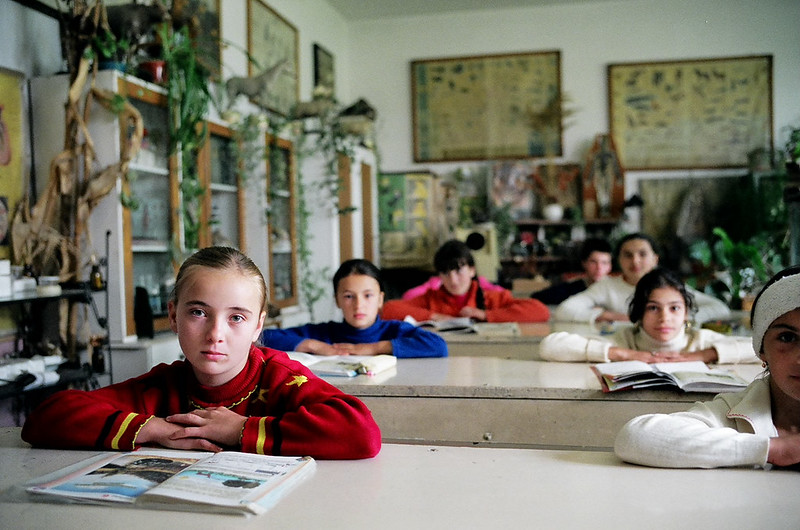
The education rates drop among girls in the Romani community, an ethnic minority who make up 8.32% of Romania’s population. It is important to note that Romani women are not the same as Romanians- the Romani are an Indo-Aryan ethnic group who traditionally lived a nomadic lifestyle.

Education highlights the inequality between provisions available with only 68% of girls receiving secondary education in urban cities, dropping to a staggering 42% in rural areas. Roma boys spend on average, 6.71 years in education while Roma girls spend around 5.66 years. When compared with their non-Roma counterparts who spent 10.95 and 10.7 years respectively, the difference is apparent.

It is common knowledge that Romani women suffer from increased discrimination due to prejudice against the ethnic minority group. Almost a quarter of Romani women in Romania have had no formal education and most of the group have stated that they are discriminated against by employers. As much as 39% of Romani women had not earned any income in the last year and 54% worked informally in jobs that provided no benefits or work agreements.

Gender-Based Violence

There have been increased calls on the Romanian government to protect women from the high rates of sex trafficking and domestic violence. The country has been listed by the U.N. as one of the greatest hotspots for human trafficking.

According to Valentina Rujoiu, a professor at the University of Bucharest’s Faculty of Sociology and Social Assistance, Romania is “stuck in the middle ages” regarding domestic violence. The shame and dishonor surrounding victims of domestic abuse often prevent them from speaking out. Rujoiu also argues that the laws in Romania are not working. On average, it takes 33 days for a restraining order to come into effect, and for many, this is too late.

In a report released by the U.N.’s Human Rights Office, the working group recommended that “the [Romanian] government should also take all the necessary measures to prevent early marriage and drop out of schoolgirls and to ensure human rights-based sexuality education in schools”.

The report also highlighted the issue of forced marriage and teen pregnancies. There is little access to prenatal care and the breastfeeding rate is three times lower than in the European Union (EU), further emphasizing the ongoing problem of early years development.

Hope and Empowerment

Smaller NGOs are operating in Romania to combat gender inequality. Centrul Filia is a feminist NGO from Bucharest, active in the field of gender equality research. The organization aims to build a society in Romania whereby women’s rights and diverse needs are respected and equal opportunities are available to all.

The organization’s direct community work, advocacy activism and research analysis help to build a more accurate image of gender inequality in Romania, as well as supporting women through increasing public awareness on reproductive and sexual rights. Its work with the Romanian government in improving the legislative framework and effective implementation of public policies has also transformed the organization into a powerful pressure group.

According to the U.N., there is a need for more improvements to empower women in Romania, ensuring that they can reach their full potential within professional and personal spheres. Currently, ongoing efforts by NGOs similar to Centrul Filia represent positive steps in the right direction to improve women’s rights in Romania.

– Maryam Rana
Photo: Flickr

January 23, 2024
https://borgenproject.org/wp-content/uploads/borgen-project-logo.svg 0 0 Lynsey Alexander https://borgenproject.org/wp-content/uploads/borgen-project-logo.svg Lynsey Alexander2024-01-23 07:30:562024-01-23 02:24:06Women’s Rights in Romania
Global Poverty, Women's Rights

Challenges and Change: Women’s Rights in Dominica

Women’s Rights in DominicaCurrently, women’s rights in Dominica are not the same as men’s and legislation is not prioritizing them. However, with Sylvanie Burton as the newly elected, first female, indigenous President of Dominica, change could be on the horizon.

Challenges

Although some strong educational achievements have allowed women to have professional careers, there is a severe lack of legislation to protect them in the working environment in Dominica. For example, there is currently no legislation or criminal penalties to prevent or punish gender discrimination and sexual harassment in the workplace; therefore women are vulnerable to inequality and aggression due to the lack of government action on constitutional gender equality.

Moreover, career development is a challenge for women in Dominica, as, despite the high rate of women in education that should allow them to pursue professional careers, men hold most managerial positions in the workplace, preventing women from climbing up the career ladder and developing their profession. Furthermore, parenthood is challenging for employed mothers as legislation entitles women to less than 12 weeks of maternity leave.

Indeed, employment legislation regarding women’s rights in Dominica does not currently prioritize their safety, career development or well-being, limiting the opportunities for women. Women have a right to pursue a career, have a family, and, importantly, feel safe at their place of employment; the legal barriers preventing this are infringing on women’s right to independence.

Progress for Women’s Rights in Dominica

However, progressive change for women’s rights in Dominica has been witnessed; the Dominican Women’s Development Centre has worked valiantly for 33 years to help Dominican women fight gender inequality and gender-based violence. This organization helps more than 10,000 women and their families every year; it has a variety of programs and hotlines to cater to all women’s needs, such as parenting programs and domestic violence hotlines, these organizations provide crucial support to women battling gender inequality.

Institutional change for women’s rights in Dominica may be on the horizon with recent domestic political developments. For example, women currently hold more than 37% of seats in the Dominican Parliament, showcasing that women are proudly taking up political space and roles, making Dominican politics a more inclusive space.

 But one could argue that the largest political change for women’s rights in Dominica was the recent election of the first indigenous woman as President, Sylvanie Burton, in September 2023. President Burton is an active advocate of women’s and children’s rights to escape abuse and exploitation. She plans to draw more attention to the serious issues women and children face, along with young men, in hopes of rectifying gender inequality in Dominica. Indeed, this has already been demonstrated; President Burton appointed the deserving candidate, Marie Therese Johnson, as the Head of the Citizenship by Investment Unit (CIU), and therefore showcases her dedication to empowering women and gender diversity.

Looking Ahead

President Burton’s election into office and women taking up more political space are huge milestones in Dominican politics that signify the state’s progressive movement towards gender equality and have created a spark of hope for the future, as now many are valiantly fighting for the rights of Dominican women.

– Abigail Tidball
Photo: Flickr

December 13, 2023
https://borgenproject.org/wp-content/uploads/borgen-project-logo.svg 0 0 Yuki https://borgenproject.org/wp-content/uploads/borgen-project-logo.svg Yuki2023-12-13 07:30:012023-12-11 08:24:09Challenges and Change: Women’s Rights in Dominica
Global Poverty, Women's Rights

Organizations Improving Women’s Rights in Morocco

Women’s Rights in MoroccoMorocco is beginning to enhance its human rights records, and while there has been some success, it still has several problems pertaining to gender biases and women’s rights. These issues in women’s rights include little control over who they choose to marry, little influence in their finances and a lack of control over their careers. Part of the issue when it comes to lack of control in their careers is women in Morocco have little access to education. Many girls do not get to attend school because they cannot afford it or do not live close enough. Another portion of girls never get to attend school as they get forced to marry young. Women’s rights in Morocco are facing several issues, but there are organizations that are beginning to address them. 

The High Atlas Foundation

The High Atlas Foundation is an organization that the Peace Corps founded to support the Moroccan community. The organization emphasizes helping women’s rights in Morocco. This organization has a Family Literacy program that the EU supports. It aims to promote lifelong learning by addressing literacy problems. This program has three branches: teaching young women basic literacy, enhancing access to pre-primary education and empowering women socioeconomically. This initiative is beginning to allow women to be more involved in education, which benefits them career-wise. 

This program extends beyond just education and gives women the opportunity to build financial independence and contribute to the economy. The High Atlas Foundation has worked to cultivate a strong network of individuals who lead four-day self-discovery IMAGINE workshops. In this program, Moroccan women learn about their legal and human rights. Currently, more than 380 women have attended one of these workshops in Marrakech, Al Haouz, Essaouira, Mohammedia, Oujda and Boujdour.

Education for All 

Another organization that is benefitting Moroccan Women is Education for All. Few Moroccan women have access to education. This is due to parents not being able to afford lodging or transportation for school, or parents who would rather their daughters stay home. Education for All is taking a stand against this as half of the country is not literate, and in rural areas, up to 83% of women are illiterate. It is taking a stand by building and running high-quality boarding houses for girls 12-18. Everything from beds to meals to access to technology will be free. Since September 2009, it has built five homes. As of 2017, it had a total of 185 girls in its program. 

Amal 

Amal is a nonprofit training center dedicated to serving the female Moroccan population. It is striving to make changes in the community like closing the unemployment gap and teaching new job skills. As Amal operates as a restaurant, the main set of skills these women pick up is kitchen-based. This includes practical cutting, cooking and cleaning skills. Additionally, students attend classes for education in hygiene, security, service and language skills. These skills allow women to find jobs outside of the program and begin to support themselves. 

Looking Ahead

The state of women’s rights in Morocco is a complex and challenging issue, with women facing significant barriers in areas such as education, career opportunities and personal autonomy. However, amid these challenges, there is a glimmer of hope as several organizations are actively working to address and improve the situation. The High Atlas Foundation has taken a proactive approach by implementing a Family Literacy program that focuses on enhancing women’s access to education. Education for All is another impactful organization dedicated to breaking down barriers to education for girls in Morocco. Amal, a nonprofit training center, stands out by addressing the unemployment gap among women in Morocco. 

These organizations collectively exemplify the positive impact that targeted interventions can have on improving women’s rights in Morocco. While challenges persist, the efforts of these organizations provide a beacon of hope for a future where women in Morocco can enjoy greater autonomy, education and economic independence.

– Sara Agosto
Photo: Flickr

December 4, 2023
https://borgenproject.org/wp-content/uploads/borgen-project-logo.svg 0 0 Yuki https://borgenproject.org/wp-content/uploads/borgen-project-logo.svg Yuki2023-12-04 01:30:472024-06-04 01:09:00Organizations Improving Women’s Rights in Morocco
Child Marriage, Global Poverty, Women's Rights

Child Marriage and Women’s Rights in Burkina Faso

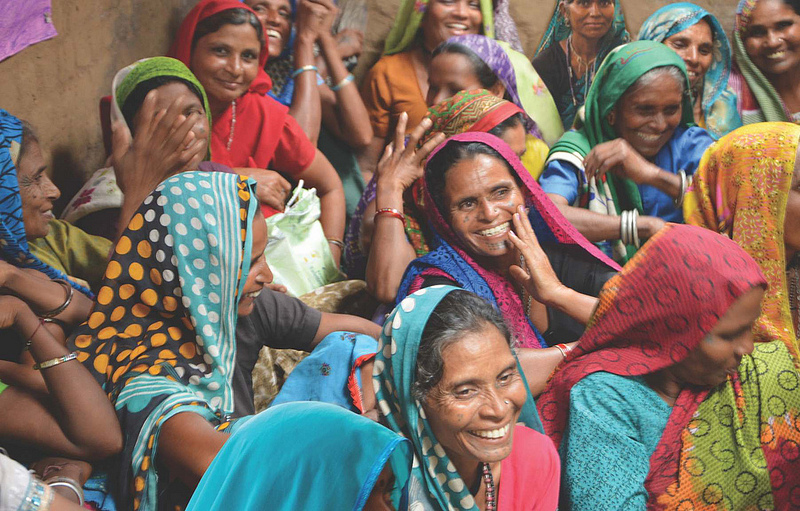
Women's Rights in Burkina FasoBurkina Faso, home to 3 million child brides, grapples with one of the highest child marriage rates in the world. Shockingly, of these children, 500,000 girls are married before the age of 15. This deeply ingrained practice finds its roots in a complex web of factors from tradition to poverty and, most importantly, gender inequality. Child marriage not only strips girls of their childhoods but also robs them of the opportunity to enjoy their rights and reach their full potential. It perpetuates a cycle where girls’ voices are silenced, their dreams dashed and their aspirations sacrificed. Ending this practice means empowering girls to be healthy, to continue their education and to participate actively in development.
The Impact

The consequences of child marriage reverberate throughout the lives of girls and young women in Burkina Faso. A lack of education is one of the most common outcomes. As the adolescent birth rate is 132.3 per 1,000 women aged 15–19, girls who marry early are more likely to drop out of school to raise their children. 

Furthermore, the health implications of these rights violations for girls cannot be overlooked. Burkina Faso has one of the highest rates of maternal mortality in the world, with one in every twenty-two women succumbing to pregnancy-related causes. By simply providing education to these girls surrounding sex education, alongside improved health care programs in place, these deaths could be dramatically reduced. These alarming statistics underscore the urgent need for comprehensive solutions that empower girls and women to make informed choices about their lives, their health and their futures.

A Glimmer of Hope

That being said, despite these shocking statistics, Burkina Faso as a nation does recognize the need for change, and recent developments demonstrate this. As of February 2020, the Burkina Faso government had announced its dedication to eradicating early, non consensual marriage for girls by raising the legal age of marriage to 18 and ensuring that in Burkina Faso’s criminal code, forced marriage is clearly outlawed. 

A year later, in July 2021, Burkina Faso also committed to a five-year journey of action to improve gender equality by 2026 by investing $40 million into the development of legal as well as social change to end not only child marriage but gender-based violence, female genital mutilation and more. These efforts demonstrate a genuine commitment to protecting the rights of girls and women throughout the country. 

Impact: Success Stories and Empowering Change 

In Burkina Faso, where conflict disrupts education and pressures some families into early marriages, stories of resilience and hope emerge. 

At the Sainte Maria Goretti shelter, a beacon of hope, over one hundred young women have sought refuge, each with a determination to rekindle their dreams. Sister Veronique, a guardian at the shelter, has been witness to their incredible journeys. “Some have faced violence, while others endured hardships that would daunt the bravest,” she shared. Veronique takes care of girls like Evelyne, 16, whose grandfather planned to force her to marry an older man after an attack on their village caused them to flee.

“I overheard his intentions and made the courageous choice to find refuge here,” said Evelyne. “I’m still a child, and on top of that, I want to study,” she emphasized. While Evelyne’s parents eventually located her at the shelter, social worker support and their recognition of Evelyne’s passion for learning convinced them to let her continue her education. 

These stories radiate the indomitable spirit of young girls in Burkina Faso, who, even in the face of adversity, stand resolute in their pursuit of education and dreams. Their journeys embody the transformative power of enabling girls to make choices that shape their own lives and futures, encapsulating the promise and hope for women’s rights in Burkina Faso.

A Hopeful Path Forward

In Burkina Faso, the battle against child marriage is ongoing, but there is a glimmer of hope that lights the way for women’s rights in Burkina Faso. The prevalence of this harmful practice is gradually decreasing as legal reforms and awareness campaigns gain momentum. While there is much work ahead, the path forward is clear: By breaking the cycle of child marriage, we not only empower individual girls but also pave the way for an entire generation to rise, thrive and shape a brighter future for women’s rights in Burkina Faso.

– Phoebe Abrahams
Photo: Flickr

November 22, 2023
https://borgenproject.org/wp-content/uploads/borgen-project-logo.svg 0 0 Yuki https://borgenproject.org/wp-content/uploads/borgen-project-logo.svg Yuki2023-11-22 07:30:472023-11-19 06:49:06Child Marriage and Women’s Rights in Burkina Faso
Global Poverty, Women's Rights

Ensuring Secure Land Rights for Women Alleviates Poverty

Secure Land Rights for Women
Land ownership plays an important role in the fight against global poverty. Secure land rights for women living in poverty allows them to live a more “healthy, safe and productive life,” according to the World Bank. According to the United Nations (U.N.), more than 380 million women and girls lived in extreme poverty in 2022 with projections of more women living in extreme poverty by 2030 than present-day if current trends continue in sub-Saharan Africa. Women need direct access to land for “gender equality, food security, health, family welfare, protection from sexual violence and other forms of physical abuse,” the World Bank stresses. The risk of women facing domestic violence decreases eight times when women have land ownership rights.

Benefits of Secure Land Rights for Women

As of 2023, according to the U.N., women account for only “one in five landholders” worldwide despite making up 43% of global agricultural workers and producing “80% of food in developing countries.” In some countries where women lack secure land rights, when women become widows, their inlaws may force them off their husband’s property/land, leaving them without arable land from which to derive income and sustenance for themselves and their children, the U.N. explains. More than 100 countries continue to deny the right for women to inherit their husband’s property. Secure land rights for women increase economic empowerment and food security, mitigating multi-dimensional and fiscal poverty in the developing world.

Women’s Land Rights and its Impact on Children

Women’s land rights have a significant impact on children’s quality of life by strengthening food security, health and welfare and education. In developing nations where women cannot be title holders of land, many mothers cannot afford to send their children to school due to low household incomes.

The U.N. highlights that by empowering women through land rights, household nutrition can improve due to access to agricultural produce available for both sustenance and income. In fact, children would face a 33% lower risk of being severely underweight if women had stronger property and inheritance rights. Furthermore, women tend to prioritize the well-being of their families in their choices both nutritionally and generally.

Women’s Land Rights and Productivity

Secure land rights for women also help alleviate global poverty by increasing productivity. This is visible in Tanzania, where as of 2023, more than 80% of women are engaged in the agricultural industry. In Tanzania, women with stronger land rights earn up to 3.8 times more income and are more inclined to have their own personal savings. According to the U.N., global hunger would decrease by 17% (equating to about 150 million people) if “women had the same access to productive resources as men” to rise out of poverty and achieve economic independence.

The U.N. reports that, through traditional knowledge, women are able to “find innovative solutions to address desertification, land degradation and drought.” This is visible in areas such as Jordan, where a women-run plant nursery began with the aim of producing drought-resistant seedlings for land restoration.

Examples of Progress in Securing Women’s Land Rights

In 1956, the government of India created the Hindu Succession Act to give equal inheritance rights to both sons and daughters. Amended in 2005, the act explicitly gives daughters rights to their parents’ land and property. However, a 2013 U.N. Women’s survey found that one in four women did not know they had any right to inherit family land with just one in eight women inheriting parts of their family land. Furthermore, the study also found that fears of creating conflict in the family held women back from claiming their rightful share of land.

The Landesa’s Girl Project, run by Landesa, an organization dedicated to securing land rights for millions of families, collaborated with the Indian government in 2010, in the states of Andhra Pradesh, Bihar and Madhya Pradesh, to educate children both girls and boys about women’s land rights, helping to close the gap between policy and practice. The initiative has enabled women to improve their socio-economic prospects through better awareness and access to information about their right to ownership of land.

In Sierra Leone, ownership of land for women is an economic resource as women depend on the land for their livelihood and subsistence. Lack of ownership limits their economic opportunities and leaves them vulnerable to displacement, violence and extreme poverty. The introduction of the Customary Land Act and the Land Commission Act in 2022 has helped promote gender equality throughout Sierra Leone. The Customary Land Act has meant that the liquidation of family-owned land requires both the consent of the husband and wife.

Moreover, in Sierra Leone, the National Land Commission Act mandates the formation of a committee to regulate land administration, stipulating that a minimum of 30% of the committee members must be women. This provision aims to empower women and enhance their rights and control over land.

Secure land rights for women help alleviate global poverty, which is why SDG 5 (the goal to reduce gender inequality) and SDG 1 (the aim to eradicate poverty) go hand-in-hand.

– Kishan Patel
Photo: Flickr

October 3, 2023
https://borgenproject.org/wp-content/uploads/borgen-project-logo.svg 0 0 Kim Thelwell https://borgenproject.org/wp-content/uploads/borgen-project-logo.svg Kim Thelwell2023-10-03 01:30:462023-09-29 03:24:30Ensuring Secure Land Rights for Women Alleviates Poverty
Gender Equality, Global Poverty, Women's Rights

Progress Report on Women’s Rights in Lesotho

Women’s Rights in LesothoThe status of women’s rights in Lesotho has seen slow but gradual improvement. Progress has been made in areas such as domestic abuse, poverty, sexual violence, economic opportunity and access to health care. Government initiatives, paired with NGOs and international institutions, have been the main driver towards achieving equality for women in Lesotho. 

Background on Lesotho

Lesotho is a landlocked country located in South Africa. The former Basutoland won independence in 1966 from the United Kingdom and recognized itself as the Kingdom of Lesotho. A constitutional government was then instituted in 1993 after a brief span of military rule. It acquired a semblance of political stability following the constitutional reforms in the late 1990s. 

Lesotho is classified as a lower-middle-income country. In 2022, 34.7% of the population was experiencing poverty, living on only $2.15 per day.

Definition of Women’s Rights

Women’s rights involve issues such as freedom from sexual violence, the right to vote, to hold public office, to work, to education and to own property. The United Nations Entity for Gender Equality and the Empowerment of Women (U.N. Women) is the U.N. entity committed to empowering women and promoting gender equality. Their vision of equality involves the following:

  • Elimination of discrimination against women and girls.
  • Empowerment of women.
  • Achievement of equality between women and men as partners and beneficiaries of development, human rights, humanitarian actions and peace and security. 

The Current Status of Women’s Rights in Lesotho

Internationally, Lesotho ranks very low on women’s rights. According to the Human Development Report 2021/2022, the country ranks 144 out of 191 worldwide on gender equality. As a result, women are more likely to live in poverty than men due to discriminatory practices that limit their employment opportunities.

Women in Lesotho face high rates of domestic abuse and sexual assault. A survey in 2018 reported that 16.5% of women ages 15–49 were victims of physical and/or sexual assault from a current or former partner within the last year. 

A lack of quality health care services is a major issue. With little access to necessary medical procedures, women become susceptible to high infant and maternal mortality rates. An underdeveloped health care sector also weakens the official capacity to mitigate virus outbreaks. Women in particular are disproportionately affected by HIV, as 27.3% live with the virus, compared to 17.4% of men.

Lastly, women are politically underrepresented in local government. Lesotho’s population was measured at 2.3 million as of 2022. Although women make up 50.7% of the population, as of February 2021, women held 23.3% of the seats in parliament. 

The Progress

Despite these ongoing issues, the status of women’s rights in Lesotho has improved. Regarding women’s health, the rate of infant and maternal mortality is decreasing. This is a direct consequence of the 86.6% increase in health care professionals attending live births.

The government has also passed legislation to enhance the status of women’s rights in Lesotho. In the last two decades, the government has passed The Sexual Offenses Act, The Anti-Trafficking Persons Act and the Local Government Elections Act, the latter of which sets a quota for women’s representation in local government.

The recent growth of the garment industry has had a major impact on poverty reduction. Currently, the garment industry produces 20% of the country’s GDP. While many men in Lesotho travel to South Africa to work in mines, it is women who find employment in clothing factories. Women make up 80% of the factory workforce. Such job opportunities mean women no longer have to rely solely on a man’s ability to provide.

To further reduce poverty the World Bank has adopted the Country Partnership Framework 2024–-2028 for Lesotho. This strategy focuses on three long-term outcomes:

  1. Increasing employment via the private sector by improving the enabling environment for micro to medium enterprise growth, fostering private investment and job creation.
  2. Enhance human capital outcomes by raising the quality of education/health/social protection.
  3. Strengthen climate resilience by optimizing natural resource allocation and increasing access to climate-resilient infrastructure.

Conclusion

Lesotho is still struggling with high rates of HIV/AIDS and relatively low gender inequality. Yet clear progress has been made on women’s rights. These improvements serve as a sign of hope that greater swaths of the population in Lesotho are experiencing longer, more stable and more enriching lives.

– Nicholas Jaramillo
Photo: Pixabay

October 2, 2023
https://borgenproject.org/wp-content/uploads/borgen-project-logo.svg 0 0 Yuki https://borgenproject.org/wp-content/uploads/borgen-project-logo.svg Yuki2023-10-02 23:51:392024-05-30 22:32:25Progress Report on Women’s Rights in Lesotho
Gender Equality, Global Poverty, Women's Rights

7 Facts About Gender Equality in Lithuania

Gender Equality in Lithuania
Lithuania ranks ninth in the world for gender equality, according to the World Economic Forum’s Global Gender Gap Report for 2023. Here are seven facts about gender equality in Lithuania.

7 Facts About Gender Equality in Lithuania

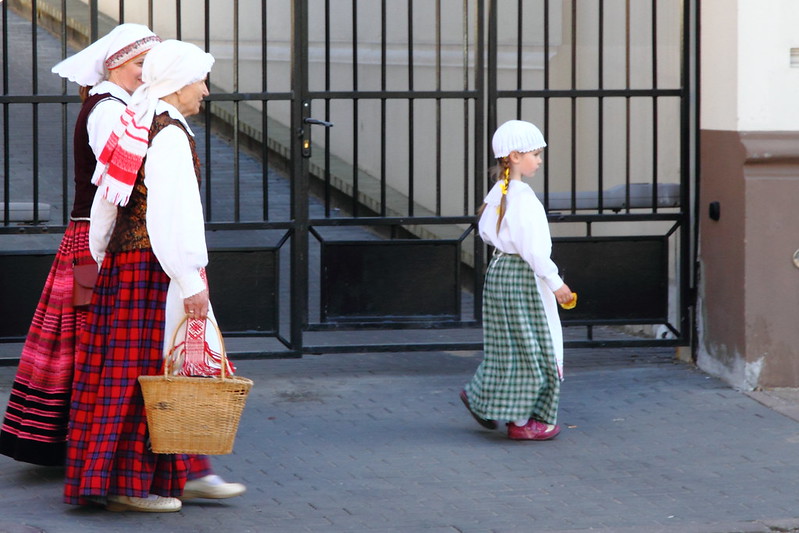
  1. Women’s Day in Lithuania: Women’s Day in Lithuania is celebrated annually on November 2. It marks the day in 1918 when Lithuanian women received the right to vote. To acknowledge the momentous 100th anniversary since women gained suffrage, the capital city of Vilnius put up several female-inspired pedestrian crosswalk lights in 2018 in place of the traditional male symbol.
  2. The Effects of COVID-19: The spread of COVID-19 had a disproportionate effect on men’s and women’s involvement in household tasks. In particular, 2021 saw 57% of women in contrast to 13% of men in Lithuania holding the sole responsibility of childcare. This 44% divide exists as one of the larger gender gaps throughout the European Union (EU). Similarly, in 2021, 70% of women in comparison to a significantly lower 8% of men reported holding the responsibility of household caretaking duties. These duties were also more strenuous for women as 16% of women devoted more than four hours a day toward chores compared to 5% of men.
  3. The Gender Pay Gap: The gender pay gap still persists in Lithuania, despite the country being recognized for equality. Reports indicate that women earn approximately 14% less than men. In addition, according to the State Social Security Fund Board in 2021, women-dominated sectors still see a disparity in pay with their wages generally being lower than their male counterparts. Gender statistics provided by CreditInfo Lithuania also underscore 72 out of 81 professional fields in Lithuania where men traditionally earn more than women. While these statistics can be impacted by complex features including childcare leave and the number of men and women in an individual sector, it is evident that the country can do more to address this gap.
  4. Violence Against Women: Violence against women ranging from domestic abuse to femicide is a crucial matter to address throughout the EU with 788 women killed by a partner or relative across 17 member states in 2020, according to the European Institute for Gender Equality EIGE). Additionally, 13 women from Lithuania contributed to that total. To address violence against women, in June 2013, Lithuanian officials signed the Istanbul Convention — a human rights treaty dedicated to tackling violence against women. However, the convention remains unratified which demonstrates the need for more action to combat violence against women in Lithuania.
  5. Female Prime Minister: Lithuania elected the first female president of Lithuania in May 2009, almost a century after women had gained the right to vote. However, even the first national election in 1920 saw women alongside men occupying positions of power as parliamentarians. Currently, female politician Ingrida Šimonytė acts as the prime minister of the nation. Furthermore, female politicians Aušrinė Armonaitė and Viktorija Čmilytė-Nielsen represent the Freedom and Liberal parties respectively.
  6. Gender Equality: Among the member states in the EU, Lithuania received a score of 60.6 out of 100 in the 2022 Global Gender Equality Index. The country’s highest scores in the index lie in the fields of work, a measurement of fair access to employment and work benefits between men and women, and health, which compares gender equality in access to quality health services. For the aspects of work and health conditions, Lithuania received scores of 73.9 and 82.7 respectively. However, in other indicators such as time, which measures the sum of time between men and women dedicated to domestic tasks, Lithuania scored only 50.6.
  7. The Law on Equal Opportunities for Women and Men: For years, the Lithuanian government has enacted legislation to address gender equality. The Law on Equal Opportunities for Women and Men was adopted in 1998 and the Law on Equal Treatment came into place in 2005. These laws worked to “forbid any discrimination – whether direct or indirect – on the grounds of sex.” Moreover, lawmakers amended these laws in 2016 and reflected changes including a ban on the priority given on the basis of gender, a prohibition on requiring job candidates to disclose personal class and familial information and a bar on discrimination against women as a result of pregnancy, childbirth or nursing.

Looking Ahead

While Lithuania is one of the top countries for gender equality, it still has some room to improve. With the continued efforts of the Lithuanian government, women’s rights should see even further improvements in the years to come.

– Katrina Girod
Photo: Flickr

September 30, 2023
https://borgenproject.org/wp-content/uploads/borgen-project-logo.svg 0 0 Kim Thelwell https://borgenproject.org/wp-content/uploads/borgen-project-logo.svg Kim Thelwell2023-09-30 01:30:102023-09-25 23:14:137 Facts About Gender Equality in Lithuania
Global Poverty, Women's Rights

3 Ways Women’s Rights in Kazakhstan are Tackling Poverty

Women's Rights in Kazakhstan
Women’s rights in Kazakhstan have been an uphill climb within the country. Moreover, Kazakhstan’s poverty rates appear to be linked to gender inequality. In 2020, the unemployment rate of women was 5.4%, whereas it was only 4.4% for men. This contrast shows how focusing on women’s rights could ease the country’s overall poverty rate. 

Kazakhstan is the largest landlocked country, with immense economic potential due to the vast mineral resources in its landscape. The country has seen widespread economic growth since the 1991 collapse of the Soviet Union, as it is a former Soviet republic.

Kazakhstan has also managed to maintain a low poverty rate of 5.2% in 2021. However, this is a slight increase, as the poverty rate was 4.3% in 2019.

This increased poverty rate is likely a consequence of the COVID-19 pandemic. However, strengthening women’s rights in Kazakhstan has proven to enrich the country’s economy through technology and the job market. 

Notably, Kazakhstan is a pacesetter for Central Asian female equality on some fronts. Kazakhstan ranked 65th in the Global Gender Gap Report 2022, with its neighboring countries, Mongolia and China, ranking 70th and 102nd. With this in mind, here are three ways women’s rights in Kazakhstan are developing, and how they are alleviating Kazakh poverty. 

Job Opportunities

As of 2022, a gender wage gap of 21.7% still favors men in Kazakhstan. However, this gap has been gradually reducing. A study in 2006 revealed a wage gap of about 40%.

While there has been improvement, the persisting gender wage gap can be attributed to a societal perception that men should primarily be the household breadwinners. A 2022 Central Asia survey highlighted that two-thirds of participants held the belief that women should prioritize domestic roles over work.

The COVID-19 pandemic disproportionately impacted the female workforce. Between 2019 and 2020, the Kazakh male labor force participation rate rose from 74.8% to 75.5%. However, the Kazakh female labor force participation rate dropped from 66% to 63.7%. Although female employment rates are increasing, a 10% disparity remains between men and women. 

To tackle this, NGOs such as the Wonder Foundation operate in Kazakhstan to provide women and girls with skills to seek employment. Since 2015, the Wonder Foundation has directly impacted 406 girls. 

The Foundation supports the Kumbel Training Centre, a program that focuses on girls from rural areas. Participants undergo a 10-month training to assist them in finding employment in hospitality, tourism and catering. 

Legislation

Gender equality has been a priority of the Kazakh government in recent decades. In 1998 the country established the National Commission on Women, Family and Demographic Policy. The commission pushes for equal economic opportunities for women, strengthening the family unit and combating violence against women.

More recently, the Concept of Family and Gender Policy until 2030 aims to increase the number of women in decision-making roles to 30% by 2030. In 2022, it was 25%. 

Legislation such as this combats poverty in Kazakhstan because it aims to balance domestic responsibilities within the household. Currently, women spend three times more than men undertaking unpaid domestic roles.

Technology

In June 2023, Kazakhstan was the chair of the Dialogue of Women of Central Asia. The platform focused on female roles in technology. Events like this promote the increasing integration of Central Asian women into the labor force.

Speaker of the lower house of the Kazakh government, Yerlan Koshanow, noted: “Women in Central Asia are actively involved in the development of information and communication technologies, leaving no stone unturned in the stereotypical perception that it is not a woman’s job.”

The Womentech Network is mobilizing female ambassadors all over the globe, including Kazakhstan. Ainur Abilbayeva, Dana Aubakirova and Laura Tlepina are among the Kazakh representatives. The program aims to connect more than 100,000 women globally in their annual global conference supporting female tech spaces. 

In an incredibly fast-paced and technological society, it is crucial women possess digital literacy skills. These skills provide opportunities for women within the job market, which reduces Kazakhstan’s poverty rate. Kazakhstan is making positive strides in this field, with the internet access rate for women being 84.9% in 2022. Yet, the country has an added challenge due to its varying landscapes. More rural areas have limited internet access which can hinder this progression. Women make up over half of the rural population.

The Accessible Internet National Project aims to give all Kazakhstan residents internet of at least 100 Mbit/s, covering 3,000 villages. In addition, a new 5G is going to be implemented in many cities and regional centers. In the next few years, this scheme will greatly increase Kazakh digital literacy, subsequently providing opportunities for all. This will particularly benefit the dense female populations in rural areas. 

Providing Kazakh women and girls with transferable skills, alongside the support of NGOs and the government, will reduce overall poverty in Kazakhstan. Women have a greater chance of facing poverty than men due to disparities in employment and opportunities. Thus, career prospects, legislation and digital literacy for women are three ways women’s rights in Kazakhstan are tackling poverty.

– Beth Brown
Photo: Flickr

August 31, 2023
https://borgenproject.org/wp-content/uploads/borgen-project-logo.svg 0 0 Lynsey Alexander https://borgenproject.org/wp-content/uploads/borgen-project-logo.svg Lynsey Alexander2023-08-31 07:30:432023-08-29 02:58:143 Ways Women’s Rights in Kazakhstan are Tackling Poverty
Page 9 of 41«‹7891011›»

Get Smarter

  • Global Poverty 101
  • Global Poverty… The Good News
  • Global Poverty & U.S. Jobs
  • Global Poverty and National Security
  • Innovative Solutions to Poverty
  • Global Poverty & Aid FAQ’s
Search Search

Take Action

  • Call Congress
  • Email Congress
  • Donate
  • 30 Ways to Help
  • Volunteer Ops
  • Internships
  • Courses & Certificates
  • The Podcast
Borgen Project

“The Borgen Project is an incredible nonprofit organization that is addressing poverty and hunger and working towards ending them.”

-The Huffington Post

Inside The Borgen Project

  • Contact
  • About
  • Financials
  • President
  • Board of Directors
  • Board of Advisors

International Links

  • UK Email Parliament
  • UK Donate
  • Canada Email Parliament

Get Smarter

  • Global Poverty 101
  • Global Poverty… The Good News
  • Global Poverty & U.S. Jobs
  • Global Poverty and National Security
  • Innovative Solutions to Poverty
  • Global Poverty & Aid FAQ’s

Ways to Help

  • Call Congress
  • Email Congress
  • Donate
  • 30 Ways to Help
  • Volunteer Ops
  • Internships
  • Courses & Certificates
  • The Podcast
Scroll to top Scroll to top Scroll to top