• Link to X
  • Link to Facebook
  • Link to Instagram
  • Link to TikTok
  • Link to Youtube
  • About
    • About Us
      • President
      • Board of Directors
      • Board of Advisors
      • Financials
      • Our Methodology
      • Success Tracker
      • Contact
  • Act Now
    • 30 Ways to Help
      • Email Congress
      • Call Congress
      • Volunteer
      • Courses & Certificates
      • Be a Donor
    • Internships
      • In-Office Internships
      • Remote Internships
    • Legislation
      • Politics 101
  • The Blog
  • The Podcast
  • Magazine
  • Donate
  • Click to open the search input field Click to open the search input field Search
  • Menu Menu

Archive for category: Women’s Rights

Gender Equality, Global Poverty, Women's Rights

Gendered Wages and the Gender Wage Gap in Barbados

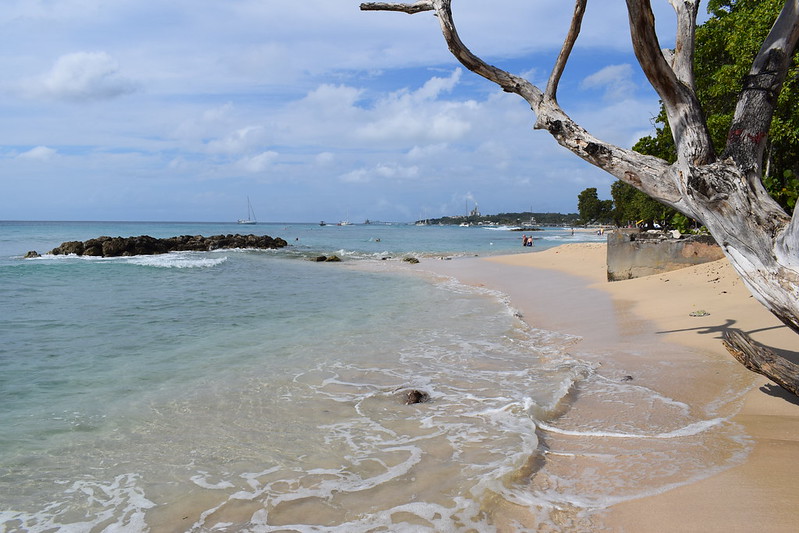
Gender Wage Gap in BarbadosWhen picturing Barbados many people imagine golden beaches and sunny skies, yet this is not always the reality. Barbados, located in the Caribbean Sea, is one of the many places in the world that still experiences gender inequality. According to the World Economic Forum, in Barbados, “women earn about 86.8% of their male counterparts.” This means that even in today’s modern age, women are still experiencing a huge pay difference from men. Due to experiencing a larger pay difference than men, women in Barbados are more likely to experience poverty. As well as this, according to the U.N., “more women than men tend to fall below the poverty line.”

The Issue

The gender pay gap seems to be something of the past, but the evidence in places such as Barbados shows that this is not the case at all and that the gender wage gap remains. Women are continually experiencing negative stigma and inconsistencies in working conditions such as wages and this statistic only serves to highlight this problem. Women who are experiencing a gender wage gap are experiencing this due to, “a population’s cultural beliefs and attitudes toward women.” This means that many countries are still harboring negative and sexist attitudes towards women, which needs to change for the gender wage gap in Barbados and around the world to fully close.

Tackling the gender pay gap in places like Barbados could create better living conditions as well as more opportunities for jobs around the world. The gender wage gap in Barbados highlights the inequalities that are still prevalent between men and women, and studies show that “countries with more gender equality tend to be happier.” Improving gender equality and the gender pay gap benefits both men and women.

The Future

Mother’s Union is fighting for gender equality across the globe and support women who are in these places striving for equality as well as providing a safe space for women to talk. Since 1913, the Mother’s Union has more than 2,000 members who help reach out to women and support them in Barbados. The Mother’s Union has many different outreach programs in Barbados such as counseling services and skills training. In 2023 it also celebrated its 110th year anniversary.

– Kiera Egars

Kiera is based in Leeds, UK and focuses on Politics and World News for The Borgen Project.

Photo: Flickr
April 18, 2024
https://borgenproject.org/wp-content/uploads/borgen-project-logo.svg 0 0 Jennifer Philipp https://borgenproject.org/wp-content/uploads/borgen-project-logo.svg Jennifer Philipp2024-04-18 10:02:342026-04-16 10:11:54Gendered Wages and the Gender Wage Gap in Barbados
Global Poverty, Inequality, Women and Female Empowerment, Women's Rights

Career Building Initiatives for Working Women in Kazakhstan

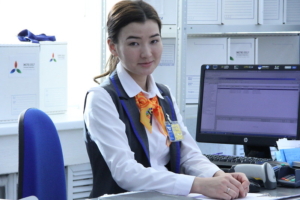
Working Women in KazakhstanKazakhstan has taken several steps to encourage and protect employed women, including implementing legal safeguards and diversifying political representation. Despite these efforts, there are still disparities between women and men in the workforce. On average, women are 10% less likely to participate in the paid workforce. Similarly, according to the World Bank, women are less likely to be business owners, with 71% of businesses run by men as opposed to 29% run by women. In addition, almost a quarter of working women in Kazakhstan are vulnerably employed, meaning that there are little to no protections in place to guard against economic shocks.

The most notable disparity for working women in Kazakhstan is their participation in domestic labor. A study by the World Bank notes that “women in Kazakhstan spent 19% of their day and men spent 6.3% of their day on unpaid work.” This means that working women in Kazakhstan spend approximately three times more energy and time on domestic tasks in addition to their paid jobs than their male counterparts.

Combating Gender Stereotypes in Kazakhstan

The Asian Development Bank (ADB) notes that gender stereotyping persists among Kazakh citizens. For instance, men are more likely to seek higher education, especially technical and vocational education, as women remain associated with the domestic sphere. Cultural norms in Kazakhstan are generally positive toward gender equality, however, women are less likely to be seen as political and business leaders. Instead, there is a widespread expectation of women to assume roles associated with family. 

The Kazakhstan Country Gender Assessment urges Kazakhstan to implement strategies to diversify the workforce and make jobs more accessible to women. It highlights gender equality in diverse sectors as an important theme to be mainstreamed into initiatives to build regional knowledge platforms. Furthermore, it encourages the country to implement initiatives such as raising awareness on gender equality, career or leadership advising services for female students and empowering female perspectives, especially on a government level. 

Operation Mercy’s Comprehensive Approach

Several initiatives aim to create opportunities for working women in Kazakhstan. A notable program that promotes female empowerment is Operation Mercy, founded in 1991. It advocates the Self Help Approach, which encourages women to cultivate self-worth on an individual and community level. In addition, it specifically focuses on impoverished communities and relationship building on an interpersonal, community and faith-based level, providing education services through academic establishments. The operation’s ongoing programs cover taboo topics, such as STDs, unwanted pregnancy and trafficking, all of which disproportionately affect young women. By providing this information, Operation Mercy motivates young Kazakh women to prioritize their well-being, enabling them to focus on their careers and futures. Each year, the organization serves more than 2,000 students.

Skill-Building for Women in STEM

In Astana, a skill-building marathon organized by the United Nations Development Programme (UNDP) specifically targeted women in STEM, hosting 37 women with science education backgrounds. The Skillathon aimed at demonstrating to participants how to develop soft skills for career advancement and promote research. The seminars began by raising awareness around the importance of dismantling prejudice and stereotypes in the STEM field and empowering women to showcase their knowledge and skills, leading by example for future generations. In addition, the initiative led sessions to sharpen technical skills, like communication, commercialization of scientific projects and systems thinking.

Gender Equity in Renewable Energy

Efforts by the U.S. Agency for International Development (USAID) to promote gender equity in Kazakhstan’s renewable energy sector addresses the low participation rate of women, which stands at a mere quarter of the workforce. Recognizing the historical gender imbalance, USAID has initiated training events, site visits and networking opportunities aimed at breaking down barriers for women in this field. Furthermore, USAID’s introduction of internship opportunities in 2019 is a strategic move to create more inclusive employment prospects within the energy sector.

Looking Forward

As Kazakhstan continues to address gender disparities in the workforce, initiatives like Operation Mercy, the UNDP Skillathon, and USAID’s focus on renewable energy offer promising pathways toward greater equality and empowerment for women. These efforts, aimed at breaking down barriers and promoting female participation across diverse sectors, lay the groundwork for a more inclusive and equitable future.

– Anna Williams

Anna is based in Burlington, VT, USA and focuses on Good News and Global Health for The Borgen Project.

Photo: Flickr
April 15, 2024
https://borgenproject.org/wp-content/uploads/borgen-project-logo.svg 0 0 Precious Sheidu https://borgenproject.org/wp-content/uploads/borgen-project-logo.svg Precious Sheidu2024-04-15 01:30:462024-04-15 01:28:01Career Building Initiatives for Working Women in Kazakhstan
Global Poverty, Women's Empowerment, Women's Rights

Strides Towards Women’s Rights in Saint Lucia

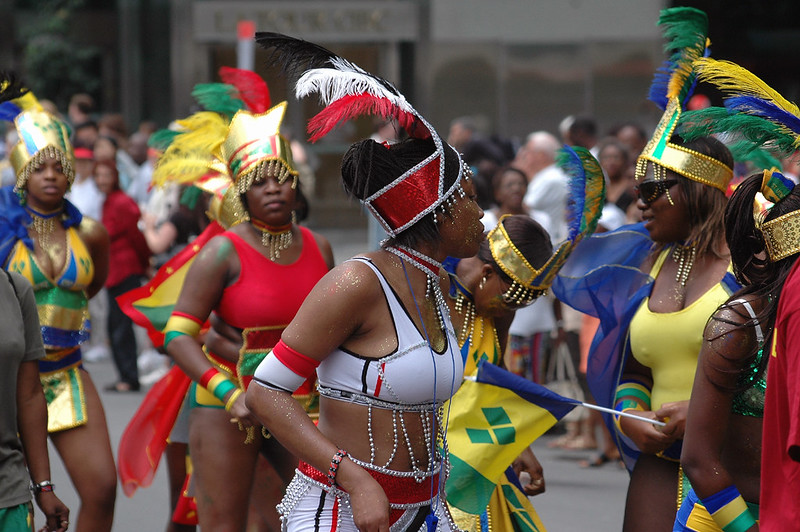
Women's Rights in Saint LuciaSaint Lucia, a country in the Caribbean, is considered a constitutional monarchy run by a multiparty parliamentary system. While the government works to improve women’s rights in Saint Lucia, there are still issues that persist. It is the perfect example of a country that has made significant progress in combating global poverty but is still in need of support and improvement.

Concerns for Women in Saint Lucia

Top concerns in this country include domestic violence, educational attainment, low wages, instability in the workforce and holding positions of power. 

A Women Count Data Hub research study found a difference in unemployment rates between men and women in Saint Lucia. The unemployment rate for women was 17%, compared to men’s 13.8%. 

In addition, a 2019 national report by the Generation Equality Forum, a convention that prioritizes global gender equality, identified legal reform as a significant factor contributing to such problems.

Legal Reforms for Women’s Rights in Saint Lucia

A slowdown in the judicial process contributes to challenges relating to the mistreatment of women, including an uptick in crime and violence, low prosecution rates for criminals and limited services for processing sex-related crimes. In 1955, the United Nations introduced the Beijing Declaration and Platform of Action Act (BPfa), which highlights specific challenges in the fight for women’s rights worldwide, including Saint Lucia.

Beyond identifying specific obstacles, the Beijing Declaration and Platform of Action Act outline recommendations that would address gender inequities related to victims of sexual violence, financial literacy, building enterprise and more. 

Raise Your Voice Saint Lucia

Additional measures have been taken on the ground. Most notable is Raise Your Voice Saint Lucia, an organization founded in 2012 that is led by women and for women. According to the organization’s mission statement, the purpose is to empower women and children victims of domestic violence through resources that will provide them with the necessary economic and social skills to thrive.

To combat food insecurity among women and children, the organization established the Food Box Program, assisting over 3,000 women and children in Saint Lucia in gaining access to food.

In addition, the organization established a safe housing project and documented helping over 100 victims of abuse and domestic violence. The organization provides victims of gender-based violence with access to secure housing and rental support, empowering self-autonomy among women in abusive scenarios. This initiative paints a clear picture; support for women experiencing violence and abuse is highly critical.

Beijing Declaration and Platform of Action Act (BPfa)

A poverty assessment report found that 17.4% of households led by men were poor. In contrast, 20.4% of households led by women were poor. This divide shows an apparent inequity between men and women when it comes to poverty levels. Such measures outlined in the BPfa suggest that eliminating poverty among women is a top priority as strategic initiatives and solutions are put in place by the government and organizations doing the groundwork.

Other problems, including hunger and domestic violence, can be traced back to poverty. It is an all-encompassing term that can lead to further instability in the lives of individuals. 

On a broader scale, the Ministry of Education, Sustainable Development, Innovation, Science, Technology, and Vocational Training serves to help all citizens of Saint Lucia access equitable educational experiences. 

While not explicitly geared towards women, the ministry offers a variety of resources, including Book Bursary Programmes. This program was introduced in 2002 and actively works toward assisting parents and guardians of children who are unemployed. It provides textbooks and builds literary skills to help women gain the skills needed to attain a more diverse job. 

The BPfA also outlines the importance of expanding access to technology. This will encourage job diversification amongst women due to job segregation among women and women in the workforce. 

Access to such resources continues to expand. In 2019, five information communication and technology centers opened in Gros Islet, a village in Saint Lucia. ICT centers are facilities that provide technological services, typically to larger communities.

A Look Ahead

Overall, there will always be achievements, setbacks and significant challenges in addressing global poverty. Increased government support can play a critical role in tackling gender inequities and poverty in Saint Lucia. Continued support from government and federal agencies is necessary to advance women’s rights and eradicate poverty everywhere.

– Dominic Samaniego
Photo: Flickr

April 1, 2024
https://borgenproject.org/wp-content/uploads/borgen-project-logo.svg 0 0 Jennifer Philipp https://borgenproject.org/wp-content/uploads/borgen-project-logo.svg Jennifer Philipp2024-04-01 01:30:152024-06-04 01:09:01Strides Towards Women’s Rights in Saint Lucia
Global Poverty, Women and Female Empowerment, Women's Rights

Nepal Knotcraft Centre: Macrame Fighting Poverty

Nepal Knotcraft CentreAccording to the World Bank, Nepal is considered one of the slowest developing countries in Asia, with illiteracy rates as high as 90% and frequent natural disasters. While agriculture provides most of the jobs in Nepal, there is still significant opportunity for expansion. Unfortunately, women and girls who lack education and financial resources are often vulnerable to human trafficking. To address this issue, the Nepal Knotcraft Centre (NKC) employs women and girls, providing them with safe jobs and pay to help themselves while also benefiting the country’s culture and environment. Shyam Badan Shrestha founded Nepal Knotcraft Center, a social enterprise, in 1984. The center aims to employ socially and economically deprived Nepalese women to create authentic Nepali products to sell using recyclable materials.

Helping Women

NKC employs hundreds of women from every ethnic group in Nepal. The center sends teams to remote regions to train women and girls in producing goods for the company, which equips them with the necessary skills to work for the company and become self-sufficient employees.

It is worth noting that all artisans receive salaries from the company. The Nepal Knotcraft Centre also offers education scholarships to younger girls from the families working for them. Even a small wage immensely benefits poor women, often transforming their situation into a two-income household and granting them pocket money that they don’t need to request from husbands or fathers to spend on luxuries like toys and clothes for the family.

Helping the Environment

The Nepal Knotcraft Centre uses macramé techniques and a wide variety of sustainable materials to make its products. When the company began in the ’80s, it would import cotton just like any regular enterprise. However, over time, it aimed to create an authentic Nepali product. Therefore, it expanded to using various materials based on indigenous knowledge, such as corn, wheat, bamboo, pine, banana, cardamom, hyacinth, rice, cattail and papyrus. All these materials require different weaving skills and result in various products.

NKC creates Nepali culture using all-natural and sustainable materials without generating any waste. The Himalayan mountains of Nepal have approximately 140,000 tons of artificial waste, which is why NKC has partnered with the Avni Center for Sustainability. They regularly strip down hiking waste, such as ropes and tents, which the craftswomen use in their projects. NKC is gradually moving beyond mere sustainability to fully recycled products.

Helping Nepal

NKC bases all its products on a traditional Nepali macramé knotted design. It sells earrings, purses, baskets, placemats and woven seats. These products are available for purchase worldwide, allowing people worldwide to connect with Nepali culture. These products carry a deep cultural significance for Nepal. By setting up a website to teach and sell Nepali macramé art, NKC is promoting Nepali culture in the international market. Furthermore, this initiative helps preserve the culture and prevent it from dying out in Nepal.

– Varsha Pai
Photo: Pexels

March 22, 2024
https://borgenproject.org/wp-content/uploads/borgen-project-logo.svg 0 0 Lynsey 2 https://borgenproject.org/wp-content/uploads/borgen-project-logo.svg Lynsey 22024-03-22 07:30:552024-03-21 04:45:55Nepal Knotcraft Centre: Macrame Fighting Poverty
Africa, Global Poverty, Women and Female Empowerment, Women's Rights

Women’s Rights in Burkina Faso

Women's Rights in Burkina FasoBurkina Faso is a country in West Africa that is part of the Sahel region. The nation is among the poorest in the world, ranked by the Human Development Index (HDI) at 184 out of 194 in the 2021-2022 HDI report. Nearly half of the population lives below the poverty line and due to a lack of women’s rights in Burkina Faso, women in particular struggle to escape.

Women in Society

There are different communities and ethnic groups across the country that vary in the way that they treat women. However, generally, there is a deep-rooted acceptance that women are beneath men in terms of social standing. The strict gender roles mean that women do not have assets of their own. They have no right to inheritance and cannot own land or have credit. Women are, therefore, forced to obtain permission from their husbands for many activities, especially to make payments.

Sexual Health

This lack of autonomy impacts their everyday activity and health. Due to transportation and medication fees, they cannot take themselves or their children to the hospital without prior permission. As well as this, they have no power to insist that their husband uses contraceptives. With a culture of polygamy and levirate, there is a high risk of sexually transmitted infections (STIs) and contraceptives are incredibly important.

In general, there is limited access to sexual, reproductive and maternal services throughout the country. A lack of facilities combined with a lack of independence means that it is tough for women to get the help that they need, leading to high maternal mortality rates, high birth rates and illegal abortions.

Women in Education

For change to occur, it is vital to have women in positions of power. However, according to the United Nations (U.N.) Women, in 2021, Burkina Faso’s women took up only 6.3% of the seats in parliament. There are a multitude of social factors that dissuade girls from pursuing their education. This in turn affects the number of those who can fight for women’s rights in Burkina Faso.

Once a woman is married, their time is taken up by unpaid domestic labor. Education becomes less of a priority. Child marriage is a significant concern in Burkina Faso, with approximately 52% of women in 2018 between the ages of 20 and 24 married before the age of 18. It is believed that investing in a young girl’s education is futile as she will marry into a family very soon.

The fear of physical and sexual abuse in schools also influences a girl’s decision to continue her education. This abuse can be from both students and teachers, creating an association that school can result in unwanted pregnancies. As a result, 50% of the young female population in Burkina Faso are not in education or employment.

SWEDD

It has become clear to the government and the World Bank that investing in women is important for economic growth and social welfare. The World Bank’s Vice President for Western and Central Africa, Ousmane Diagana, says that “by investing in women and girls, countries will build resilient communities that can bounce back from crises and adapt to rising threats, such as climate change and fragility.”

The Sub-Saharan Africa Women’s Empowerment and Demographic Dividend (SWEDD) initiative was launched by the World Bank in 2015. The project addresses issues of child marriage, education and gender-based violence in Burkina Faso and across the Sahel region. Across the region, 3420 safe spaces have been established, providing vital support. Additionally, more than 7000 midwives have been deployed to rural areas, contributing to improved maternal and child health. SWEDD also works toward changing the mindset of both men and women to uproot internalized ideals about women’s rights in Burkina Faso.

SWEDD works with people from across the Sahel region who have an audience. More than 9000 religious leaders, 35 musicians and 17 footballers used its platforms to raise awareness and stimulate dialogue. Increasing resources and facilities is insufficient if women can’t use them. This is why social and behavioral change is necessary for women in Burkina Faso to gain independence and take control of their future.

– Liz Johnson
Photo: Flickr

March 18, 2024
https://borgenproject.org/wp-content/uploads/borgen-project-logo.svg 0 0 Lynsey 2 https://borgenproject.org/wp-content/uploads/borgen-project-logo.svg Lynsey 22024-03-18 01:30:162024-03-17 04:26:10Women’s Rights in Burkina Faso
Global Poverty, Women's Empowerment, Women's Rights

Advancing Women’s Rights in Georgia

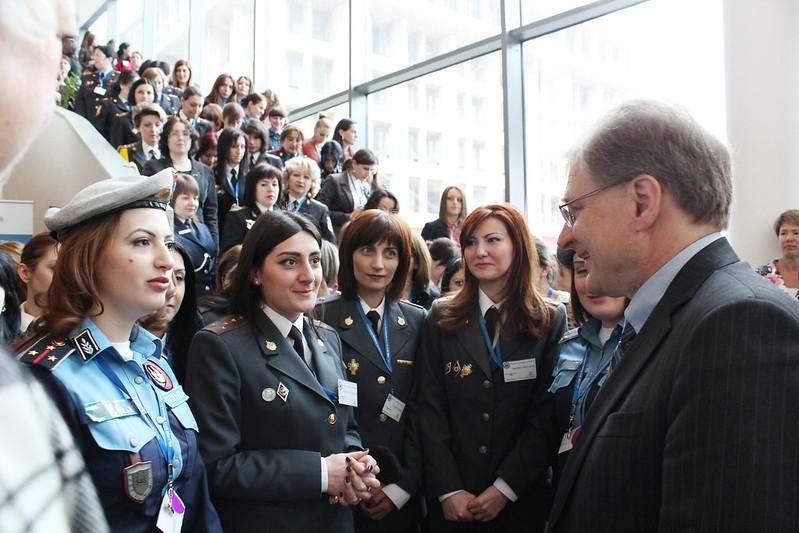
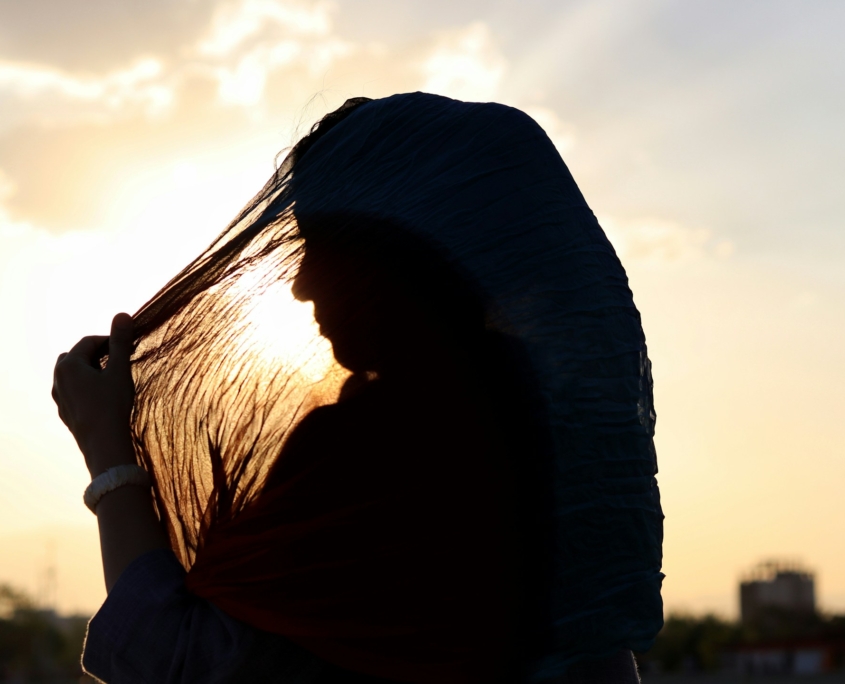
Women's Rights in GeorgiaTraditional gender norms and stereotypes in Georgia have led to inequality between men and women. A lack of equality between men and women’s rights has led to issues such as a 21.4% gender wage gap at a monthly level, a lack of women’s representation in political processes and poor education for women. However, there are four main areas where various projects are improving women’s rights in Georgia
Legislative Reforms

There have been numerous legislative reforms the government implemented to help protect women’s rights in Georgia. For example, in September 2022, the Government approved the second National Strategy for the Protect of Human Rights in Georgia for 2022-2030, which includes a whole chapter that focuses on gender equality. One major legal reform is the Istanbul Convention, which the Council of Europe adopted in 2011, stating that violence against women is a human rights violation and a form of discrimination. This was an incredibly important reform due to the high rates of physical and sexual violence against women in Georgia. According to the EU4GenderEquality: Reform Helpdesk, 6% of women in Georgia are victims of physical and/or sexual violence and there is a 14% rate of child marriage, compared to 1% of boys married before the age of 18.

In 2017, the Georgian government ratified the Istanbul Convention, confirming its commitment to combatting violence against women. Legislation reforms are important for protecting women’s rights in Georgia, as certain laws treat violence against women as a punishable offense, therefore encouraging women to report any instances of violence and rape.

Education and Awareness Programs

Another issue affecting women’s rights in Georgia Is the lack of comprehensive education for girls and women. Many girls drop out of school early due to child marriage. According to Girls Not Brides, in 2018, 48% of women between the ages of 20-49 were married before the age of 18 and only 29% completed upper secondary education, 14% completed vocational education and 8% completed higher education.

The ongoing education system reform aims to make education more flexible and modern and it focuses on quality education outcomes. The government developed a funding system to support inclusive education for children of all genders and special education needs. In 2018, the government also developed informational databases to collect data on persons with disabilities, including girls with disabilities in education, to help improve the quality of their education.

Furthermore, in 2019, “GITA launched a program for 3,000 advanced IT specialists in highly demanded professions.” The number of women and girls’ enrollment in the courses “has increased significantly” where “at least 45% of the beneficiaries of the Agency’s ICT courses are women,” according to U.N. Women.

U.N. Women reports that “GITA is also running STEAM boot camps where participants are chosen following strict gender balance, to ensure there are equal amounts of male and female participants enrolled.” Ensuring that women and girls have equal access to education is incredibly important, as it helps them to gain independence to the ability to seek employment later in life.

Women’s Participation in Politics

Efforts to increase women’s representation in political and decision-making processes could help to empower women and encourage more women to participate in leadership roles, leading to equality. Only 11% of women in Georgia are parliamentarians in national and local governments, meaning that there’s still a lot of work necessary. However, electoral reforms in Georgia established compulsory gender quotas to create gender balance in the party list in the elections. Although women’s participation in politics remains low, this is still a huge step towards gender equality.

Economic Empowerment

Economic empowerment is crucial for reducing gender disparities and financial independence.  In 2020, the government introduced the Law of Georgia on Labour Assistance, which aims to support Georgians find employment. Furthermore, it added a provision on equal pay for work of equal value to the Labour Code, meaning that employers must ensure equal pay for men and women for the equal work they perform, according to the EU4GenderEquality: Reform Helpdesk.

In addition to this, the government’s SME Development Strategy of Georgia 2021-2025 aims to promote the development of women’s entrepreneurship in small and medium-sized enterprises (SMEs). The government aims to achieve this through “popularising the Women’s Empowerment Principles (WEPs), improving gender statistics in state programs, promoting women’s participation in state programs, strengthening women’s digital skills and the capacity building of state agencies to enable them to mainstream gender in their programs,” according to the EU4GenderEquality: Reform Helpdesk.

Overall, while there is still a lot of work necessary to help advance women’s rights in Georgia, the country has come a long way in its commitment to providing gender equality.

– Bethany O’Connell
Photo: Flickr

February 26, 2024
https://borgenproject.org/wp-content/uploads/borgen-project-logo.svg 0 0 Naida Jahic https://borgenproject.org/wp-content/uploads/borgen-project-logo.svg Naida Jahic2024-02-26 03:00:372024-02-25 07:52:13Advancing Women’s Rights in Georgia
Global Poverty, Inequality, Women, Women & Children, Women's Empowerment, Women's Rights

Gender Inequality: A Pop-Up Restaurant in Afghanistan

Gender Inequality: A Pop-Up Restaurant in AfghanistanBanowan-e-Afghan is a pop-up restaurant in Afghanistan that opened in 2023.  A couple of women comfortably lounge across the wooden tables; some reading books, listening to music, or, conversing with others. Suddenly, a tantalizing aroma disseminates across the atmosphere. A cordial woman wearing a hijab and white apron walks over and places a symphony of flavors in front of the seated women. These women enjoy the delight while finally finding a special community of safety, security and opportunity.

Amidst a bustling street in Northwestern Kabul, a small intimate sanctuary is present. From mantoos (lamb-filled dumplings) to bolani (vegetable-stuffed flatbread) this welcoming Afghani abode serves a wide range of traditional and Western foods. However, this restaurant is not your ordinary dine-in. Instead, it is the result of the first step taken by a courageous woman toward a greater national vision.

Gender Inequality in Afghanistan

Gender inequality has been a persistent and perennial issue in Afghanistan. In 2021, despite prior positive efforts against this concern, all progress was nullified due to the Taliban’s inception. The Taliban has issued 80 edicts, including 54 contradicting women’s rights and freedom. Additionally, women were banned from visiting parks, gyms, public bathing houses and constrained girls’ education beyond the sixth grade.

To prevent further Taliban abuse, these Afghani women were forced into surveillance, assault, arbitrary detention, torture and exile. As a result of these restrictions and more, it has been a norm for women to not leave their homes. Women harassment is ubiquitous and even a simple errand or stroll down the street can put a woman in danger. On top of that, in rural Afghanistan, society forbids women from stepping out of the house without a mahram (a male relative by blood).

Societal restrictions also limit women’s job opportunities, prohibiting them from working in NGOs or government jobs. The women’s only chance of employment is in the private sector, but many women are hesitant to do this because of the risk it puts them in. Nonetheless, Samira Muhammadi believes in utilizing this opportunity to provide hope for a more women-friendly future.

By Women, For Women

Muhammadi, the owner of this unique pop-up restaurant in Afghanistan, launched it with a mission to provide women with a safer, more trustworthy and serene haven. In a typical Afghani restaurant, there is a separate family section for only women accompanied by male relatives. Despite this, male threats still endanger women.

Therefore, this rare pop-up restaurant addresses this widespread caveat. For starters, the restaurant is exclusively by women, for women. In other words, all the employees and customers are only women. This allows both the employees and the customers to feel more secure and surrounded by people going through similar circumstances. Instead, these women reclaim their true authentic selves, freely choose their attire and recultivate their public life which has been unethically stripped from them. With this substantial solution, powerful relationships are developed over mouth-watering meals in an elevated state of joy and laughter.

Empowerment Through Employment

In addition, this pop-up restaurant directly supports women facing poverty in Afghanistan. It provides unprivileged women with job and work opportunities in a field that adheres to their talents. The workforce of this restaurant consists solely of women taking refuge at a local women’s shelter, the Afghan Women Skills Development Center (AWSDC). Furthermore, many women living on the streets and in substandard living conditions have approached Muhammadi to work at her restaurant. Most of these women tend to be widows or the sole breadwinner in their families, making them desperate for money as they are the primary source of income. Ultimately, this restaurant provides impoverished women a ticket out of financial deprivation and can provide food and shelter for their families.

Today, the restaurant has hired more than 17 employees including 10 chefs and 7 waitresses. Most of the employees are around the age of 20, the youngest being 13 and the oldest being 40 years. However, all of these employees have gone through rough hardships and dreadful turmoil such as family violence, domestic abuse, parental drug addiction and more. Working at this restaurant allows them a second chance to positively invigorate their lives.

Future Plans

As this pop-up restaurant flourishes and evolves, Muhammadi plans to provide more job opportunities to unfortunate women, as well as more adequate salaries. She also wants to expand the size of the restaurant, to host mini-exhibitions for women to display handicrafts like clothes or jewelry for customers to purchase.

Inspired by her own experience and odyssey, Muhumadi wants to continue to enhance women’s lives in Afghanistan. “I thought these vulnerable women should have a source of income,“ Muhammadi says.

– Sai Sidharth Kanyaboena
Photo: Unsplash

February 18, 2024
https://borgenproject.org/wp-content/uploads/borgen-project-logo.svg 0 0 Precious Sheidu https://borgenproject.org/wp-content/uploads/borgen-project-logo.svg Precious Sheidu2024-02-18 07:30:322024-02-17 08:23:44Gender Inequality: A Pop-Up Restaurant in Afghanistan
Global Poverty, Women's Rights

Women’s Rights in Cameroon

Women's Rights in CameroonAfter 56 years of independence, with almost 50% of the population being women, the condition of women’s rights in Cameroon is still dire. Followed by rebel groups, COVID-19 and inflation due to the Ukrainian War, Cameroon is facing gender-based violence. In Cameroon, 979,000 people need gender-based violence services, with 94% of them being women and girls.

Politics

In 1949, under British and French rule, women in Cameroon submitted a petition to the U.N. They demanded the elimination of racial discrimination, increased economic opportunities and better economic services for women and children. The New Constitution 2012 and the 2015 National Gender Policy got more women elected to cities, legislatures and senators. In 2020, women in Cameroon occupy 33% of parliamentary seats, compared to only 11% at the beginning of 2000. Nonetheless, the total time in parliament is still dominated by men, at 95%.

Education

About 70% of Cameroonian girls are illiterate. Cameroon’s Ministry of Women’s and Children’s Empowerment notes that only 80% of girls attend school. It is also reported that 40% of Cameroonian girls drop out in their fourth and fifth years of primary school.

According to cultural norms and expectations of women in Cameroon, they assume that they do not need education like boys. The main barriers for women to education are poverty, early marriage and early pregnancy

Improving Women’s Rights in Cameroon

Some organizations advocating for the rights of women and girls in Cameroon include:

1. Women for a Change Cameroon (WFAC)

Founded in 2009, WFAC is a feminist advocacy organization working with and for women’s sexual and reproductive health rights, leadership and development. Through the African Women’s Development and Communications Network (FMNET), WFAC educates women and girls on gender equality and sexual reproductive health. By strengthening women’s voices, WFAC is committed to the advancement of women, gender health and complete service to society.

2. Women in Alternative Action Cameroon (WAA)

WAA Cameroon was founded in 2004 with a vision to promote communities free from gender-based violence, stigmatization, discrimination and exclusion of women, youth and girls in Cameroon and the Central African sub-region. The nonprofit supports young people by allowing them to speak out, discuss and promote peace in their environment.

3. Mother of Hope Cameroon

Mother of Hope Cameroon (MOHCAM) is a nonprofit youth and women’s organization in the North West Region of Cameroon. MOHCAM promotes and fosters the rights and development of youths and women. The organization advocates and fights against all forms of abuse faced by youths and women in homes, schools and communities.

– Afra Amirah
Photo: Flickr

February 18, 2024
https://borgenproject.org/wp-content/uploads/borgen-project-logo.svg 0 0 Lynsey 2 https://borgenproject.org/wp-content/uploads/borgen-project-logo.svg Lynsey 22024-02-18 02:30:582024-02-22 02:45:38Women’s Rights in Cameroon
Gender Equality, Global Poverty, Women's Rights

Women’s Rights and Gender Equality in Lithuania

Gender Equality in LithuaniaThe principle of equal opportunity and equal treatment has been held since 1992, but recent years have marked a period of change in gender equality initiatives in Lithuania. Before then, few movements or government legislations existed that encouraged great institutional change in gender equality, particularly in industries such as science and research.

Governmental Gender Equality Initiatives

The Ministry of Social Security and Labour is in charge of equality policy in Lithuania and ensuring that their strategies are effectively implemented.  In 2021, this government group took on responsibility for ensuring gender equality as a core value in the work of the nation’s central government. The ministry also had an internal structure named the Equal Opportunities and Equality between Women and Men Group, which oversees government policy on anti-discrimination and gender equality. This group has eight employees, two of whom work strictly on gender-based issues.

Initiatives in the Workplace

In 2016, the Ministry of Social Security and Labour implemented the initiative “Municipal Success Code- Gender Equality.” This project aims to reduce gender disparities regarding both the right to work and rights at work by purposely targeting issues such as the wage gap between genders and public education on the impacts of this inequality. This project ran until December 2019.

This program tackled the gender pay gap in municipalities by raising public awareness, identifying factors that determine equality and developing targeted solutions. Consequently, in 2017, a list of gender-based inequality indicators was compiled, encompassing nine key factors: “demography, knowledge, participation in the labor market, access to social services, economic power (resources), authorities and decision-making, health and health services, domestic violence and time.” This list of specifics meant that the correct targeted measures could be issued to the appropriate people and areas.

Lithuania’s movements towards women’s rights in the workplace have made an impact. The percentage of unemployed females (5.5%) stands slightly lower than the unemployment rate of men, which is currently at 7%. However, there is still progress to be made in this sector, as the proportion of females spending time on unpaid chores remains at 18.7%, which is notably higher than the male figure of 9%.

Women’s NGOs in Lithuania

“According to data from the Lithuania’s Women’s Information Centre, there were 63 women’s NGOs in existence on 1 January 1999.” Although there is no “umbrella term” involving all organizations for women in Lithuania, the Lithuanian Women’s Association embraces 12 member organizations. Additionally, 18 women’s organizations are involved in this association’s coordination council and the Women’s Information Centre was founded as a mediator for all the organizations in the nation. This has been monumental for women’s rights.

For instance, these initiatives sped up the implementation of the Law on Equal Opportunities, which benefits women’s rights in the opportunity to and ability to engage in public life. Additionally, it focuses on improving sectors such as transport and infrastructure. Another significant example was their cooperation to engage in protests against “quotas established for men during the entrance examinations at the Kaunas Institute of Technology in 1998.” These quotas were put in place by the university itself, demonstrating the severity of institutional gender bias. This powerful initiative meant that these quotas were soon abolished.

Initiatives Against Violence Against Women

Violence against women is a serious problem in Lithuania. The 2014 European Union Agency for Fundamental Rights survey data results demonstrated that, since the age of 15, 31% of women in Lithuania have experienced physical and/or sexual violence. The Network of Specialized Assistance Centres was set up by NGOs and has been in place since 2012. This initiative set up centers to support victims of violence, educate them on how and where they can receive this aid and help in restoring interpersonal relationships with family members.

Further, in 2012, the Lithuanian government initiated an Inter-Institutional action plan focused on crime prevention and the control of violence, with a particular emphasis on violence against women. In 2015, more than 8,000 women received assistance through these centers. Lithuania currently operates 17 specialized support centers to aid women who are victims of domestic violence.

Looking Ahead

Thanks to these efforts, Lithuania ranks ninth globally for gender equality, as reported by the World Economic Forum’s Global Gender Gap Report for 2023. Elements of gender equality can be seen in the social aspects of everyday life in Lithuania. For instance, the literacy rate of males and females aged 15 and above stands at 99.8%. With the ongoing support of the Lithuanian government, the fight for gender equality is certainly progressing in the right direction and can be expected to strengthen even further.

– Eva McMonigle
Photo: Flickr

February 16, 2024
https://borgenproject.org/wp-content/uploads/borgen-project-logo.svg 0 0 Lynsey 2 https://borgenproject.org/wp-content/uploads/borgen-project-logo.svg Lynsey 22024-02-16 07:30:242024-02-15 03:46:38Women’s Rights and Gender Equality in Lithuania
Global Poverty, Women's Rights

Women’s Rights in Luxembourg

Women’s Rights in LuxembourgWomen’s rights in Luxembourg have progressed in the last five decades. This progress includes closing the gender pay gap, cultural shifts toward equality in the monarchy, and leveraging the country’s primary industries to invest in resources for women. Because of the high cost of living and significant immigration into Luxembourg, however, poverty for working populations, or in-work poverty, continues to affect more vulnerable demographics, particularly women. The Government of Luxembourg continues to work to address these challenges.

Robust Support for Women’s Rights in Luxembourg

The Luxembourg Government prioritizes equality through the sponsorship of the electoral Ministry of Equality Between Women and Men. These efforts have seen significant success: at -.2%, Luxembourg has the lowest gender pay gap in the world.

The Grand Duchess, Maria Teresa, puts the protection of women’s rights in Luxembourg at the “heart of her social and humanitarian engagements”. Duchess Teresa started an initiative in 2019 to support victims of domestic violence and abuse.

Beyond government, Luxembourg is leveraging its expertise in international finance to vie for women’s rights. The Government of Luxembourg kickstarted a 3-year partnership with U.N. Women to, “catalyze global markets, leverage public-private initiatives and design new financial instruments.”

Among the goals of the partnership are the creation of bonds in the Luxembourg Stock Exchange that invest in gender parity (a category currently occupied by 1% of thematic bonds), as well as moving to align gender-sensitive policy to achieve the United Nation’s Sustainable Development Goals.

Women and the Working Poor

Although the strides Luxembourg has made have been historic and momentous, there are still areas of struggle unique to its demographics, many of these chiefly affecting women.

Despite having the highest GDP per capita in the European Union, Luxembourg has some of the highest levels of working poverty, particularly for women (ranking 1st in the EU with a 13.5%  poverty rate among working women). However, the overall at risk of poverty rate is lower than the European average. This means that in-work poverty is a more significant challenge for women in Luxembourg than in other countries in the European Union.

Approximately half of Luxembourg’s population is of foreign origin. For both women and men immigrating into the country, they have no voting rights. Working poverty remains a low priority for policymakers as a result. The Luxembourg Chamber of Deputies does address poverty generally however, which can aid in reducing the impacts of in-work poverty on the most sensitive populations, such as immigrants who are employed but affected by in-work poverty.

In-work poverty largely affects single parents, a higher percentage of which are women. The high cost of living, highlighted by housing costs, can contribute to greater poverty levels for those in lower wage quartiles. For 91% of the most disadvantaged households, housing costs can make up more than half of disposable income.

In addition to ongoing Government actions, one nonprofit, Femmes en détresse A.S.B.L provides housing and support for women experiencing violence in addition to legal, social and economic assistance. Located in the city of Luxembourg, Femmes en détresse was founded in June 1979 by a working group of women’s rights activists. Its aim was to create, develop and manage a shelter for women in distress, offering women and their children effective protection against gender based violence. They function as a shelter as well as a national 24/7, 365 hotline to support women in Luxembourg.

On the international level, the Government of Luxembourg joined as a member state to the U.N.’s national action plan. Christened the Luxembourgish Child Guarantee National Action Plan (NAP), the policy intends to focus on reducing poverty by enabling access to housing and education for children of foreign parents, targeting some of the most disadvantaged populations in the country when it comes to poverty.

This is especially significant for women and girls. In Luxembourg, women and girls age 10 and up spend 14.4% of their time on unpaid domestic work. Increasing access to housing can help to bridge this gap as it increases the likelihood of labor-saving technologies such as washing machines and stoves.

Conclusion

Overall, Luxembourg continues to make historic strides toward equality for women in and out of the workplace, and in international markets. The need for ongoing reform to provide infrastructure for the working poor who have immigrated to Luxembourg, policy support for single parents, and continuous focus on increasing legislation championing immigrants are among some of the primary foci for the Government of the State when it comes to women’s rights in Luxembourg in the coming decade.

– Ava Johnson
Photo: Flickr

February 14, 2024
https://borgenproject.org/wp-content/uploads/borgen-project-logo.svg 0 0 Yana Chukur https://borgenproject.org/wp-content/uploads/borgen-project-logo.svg Yana Chukur2024-02-14 01:30:552024-02-12 04:00:10Women’s Rights in Luxembourg
Page 8 of 41«‹678910›»

Get Smarter

  • Global Poverty 101
  • Global Poverty… The Good News
  • Global Poverty & U.S. Jobs
  • Global Poverty and National Security
  • Innovative Solutions to Poverty
  • Global Poverty & Aid FAQ’s
Search Search

Take Action

  • Call Congress
  • Email Congress
  • Donate
  • 30 Ways to Help
  • Volunteer Ops
  • Internships
  • Courses & Certificates
  • The Podcast
Borgen Project

“The Borgen Project is an incredible nonprofit organization that is addressing poverty and hunger and working towards ending them.”

-The Huffington Post

Inside The Borgen Project

  • Contact
  • About
  • Financials
  • President
  • Board of Directors
  • Board of Advisors

International Links

  • UK Email Parliament
  • UK Donate
  • Canada Email Parliament

Get Smarter

  • Global Poverty 101
  • Global Poverty… The Good News
  • Global Poverty & U.S. Jobs
  • Global Poverty and National Security
  • Innovative Solutions to Poverty
  • Global Poverty & Aid FAQ’s

Ways to Help

  • Call Congress
  • Email Congress
  • Donate
  • 30 Ways to Help
  • Volunteer Ops
  • Internships
  • Courses & Certificates
  • The Podcast
Scroll to top Scroll to top Scroll to top