• Link to X
  • Link to Facebook
  • Link to Instagram
  • Link to TikTok
  • Link to Youtube
  • About
    • About Us
      • President
      • Board of Directors
      • Board of Advisors
      • Financials
      • Our Methodology
      • Success Tracker
      • Contact
  • Act Now
    • 30 Ways to Help
      • Email Congress
      • Call Congress
      • Volunteer
      • Courses & Certificates
      • Be a Donor
    • Internships
      • In-Office Internships
      • Remote Internships
    • Legislation
      • Politics 101
  • The Blog
  • The Podcast
  • Magazine
  • Donate
  • Click to open the search input field Click to open the search input field Search
  • Menu Menu

Archive for category: Women’s Rights

Global Poverty, Women's Empowerment, Women's Rights

Fighting for Women’s Rights in Poland

Fighting for Women’s Rights in PolandPoland’s government is abandoning its commitment to fighting for women’s rights in Poland by pursuing to withdraw from its violence against women treaty. Zbigniew Ziobro, Poland’s justice minister, introduced a petition in July 2020 calling for Poland’s withdrawal from the landmark treaty.

Abandoning the Violence Against Women Treaty

Known as the Istanbul Convention, the treaty aimed at protecting women and girls from violence. Populist and nationalist governments target the Istanbul Convention, arguing it threatens “traditional families” for violence against women embedded within cultural traditions.

The head of the Law and Order party, otherwise known as PiS, Jarosław Kaczyński, is the final judge of government policy and has publically stated that Poland must avoid Western values in order to maintain its traditional, Catholic culture.

Caroline Hickson, the Regional Director at International Planned Parenthood Europe, has mentioned women’s rights in Poland are “at stake as their support systems are taken apart through relentless attacks.” She adds that “women will be completely abandoned by the State with no safety net.”
Human rights activists and high-ranking politicians within Europe are fighting this proposition to abandon the treaty. Polish MEP Sylwia Spurek remarked last year that the new European Commission was “a year wasted both for human rights, for the rule of law and for the climate.”

Spurek has thus transferred to the Greens group in the European Parliament (the EU’s law-making branch), promoting the Greens’ progressive role within parliament. Spurek believes that all women in every European country must be guaranteed their rights regardless of conservative rules, “no matter how politicians […] talk about counteracting violence against women.”

Fighting for Women’s Rights

Poland has a history of fighting for democracy in the past decades. MEP Terry Reintke, speaking on behalf of the Greens group, notes that “now [the group] will have someone from Poland who can represent Polish citizens in the Green group.”

Polish Prime Minister Mateusz Morawiecki is resisting the ultra-conservative efforts that harm women’s rights in Poland. While the PiS government subverts women’s rights in Poland, Morawiecki instead looks to avoid further hurting ties with the European Union (EU), noting Poland must be more pragmatic about its relations within the EU in order to avoid pressure and loss of funds.

Actions to Protect Women’s Rights

The political discourse that attacks women’s rights in Poland leaves women helpless and vulnerable. Currently, constructive talks are being held by experts from Europe’s leading human rights body, a group of Council of Europe, aiming to keep the treaty in place to protect women’s rights in Poland.

The group argues the Istanbul Convention does not seek “to be traditional or modern.” Instead, the group states the treaty looks to protect women’s rights in Poland.

The European Commission is also urging Poland not to leave the Istanbul Convention. The commission is concerned with Poland’s “step backward in time,” as Dutch MEP Samira Rafaela remarks. Helena Dalli, the equality commissioner of the EU, deems the convention “is the gold standard in terms of policy” in relation to women’s rights in Poland and globally. By mid-2021, Dalli petitions to make violence against women a “eurocrime,” in which the EU would instate minimum penalties for member states.

While Poland’s government has not yet made the decision to abandon the accord, the consideration still remains. Poland’s government members, the EU and humanitarian organizations must continue to fight for women’s rights in Poland. By protecting women and girls from violence, the country can take one step closer in gender equality, security and justice.

– Danielle Lindenbaum
Photo: Flickr
September 15, 2020
https://borgenproject.org/wp-content/uploads/borgen-project-logo.svg 0 0 Jennifer Philipp https://borgenproject.org/wp-content/uploads/borgen-project-logo.svg Jennifer Philipp2020-09-15 07:30:122024-05-30 07:55:52Fighting for Women’s Rights in Poland
Global Poverty, Women's Rights

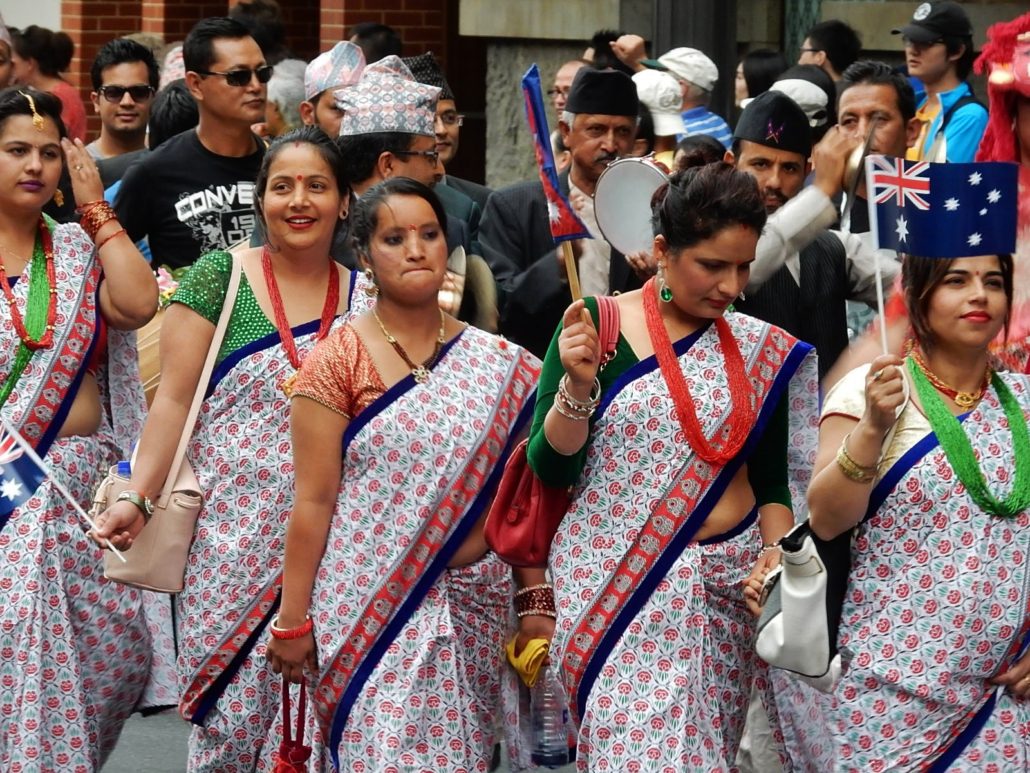
The Fight for Women’s Rights in Nepal

Women's Rights in Nepal
To women in Nepal, the thought of gender equality and the solidification of women’s rights is difficult to imagine. In Nepal, people discriminate against women socially, legally, culturally and physically. In an interview with thinkEQUAL, a project by the World Bank, a woman in Nepal said that “Women have fewer rights. If there was equality, life would be easier for us.” Here is some information about women’s rights in Nepal.

Poverty and Land Ownership for Women in Nepal

Nepal, home of Mount Everest, is a small country landlocked between China and India. In Nepal, gender inequality exists in marriages, property, menstruation and occupations. It also dramatically contributes to the number of impoverished women living in the country. The number of impoverished people in Nepal has steadily decreased from 25.2% in 2011 to 21.6% in 2018. However, women and men are nowhere near equal in terms of poverty.

The Nepalese constitution provides some protection for female citizens. However, the country has not fully enforced this protection. For instance, in Nepal, only 19.7% of women own land, and of that percentage, only 11% have control over their land. Thus, many Nepalese women’s lives fall into the hands of their husbands or fathers. The concept of owning land is essential to provide and promote women’s rights in Nepal. This is because it encourages men to see women as equals rather than a sexual or monetary object.

Marriage and Labor for Women in Nepal

Oftentimes, because women have little autonomy, their families arrange marriages for them. In Nepal, child marriage is extremely common, with 37% of girls merrying before 18 years of age. The pervasiveness of child marriage further diminishes women’s rights in Nepal. Child marriage reinforces traditionally domestic practices like staying home and taking care of young children. This is because these adolescents are often quick to become pregnant.

Since these young women are busy at home with their children, this leads to great disparities in the workplace. This further contributes to women’s poverty and, at times, a lack of respect and dignity from their male counterparts. In Nepal, the female labor force is less than half of the male labor force. Only 26.3% of women are in the workforce. Additionally, the national gross domestic product leaves out a woman’s unpaid domestic work. This further devalues the work that women perform, and further entrenching the patriarchal ideal Nepal runs on.

Menstruation in Nepal

Perhaps the most common instance of gender inequality in Nepal is the surplus of period poverty. Chhaupadi, a menstrual taboo custom in Nepal and other Asian countries, still exists despite its criminalization in 2017 by the Nepalese government. Chhapaudi occurs during menstruation and has existed for hundreds of years, despite many attempts for the practice to dissolve. The word Chhaupadi comes from a Nepali word that translates to some type of impurity. The practice of Chhaupadi forbids women and girls from staying in their homes. It also forbids them from participating in family or daily activities because they are menstruating.

While they are menstruating, people consider these women toxic. Therefore, they must stay in small huts, sometimes smaller than a closet, far from family members and friends. Rocks and mud typically make up the walls of these huts. The women essentially cannot leave until menstruation is over. Yet, due to the construction of these huts and environmental circumstances, at least one female dies every year from Chhaupadi. Oftentimes, it is due to the cold temperatures, animal attacks or smoke inhalation. During menstruation, women cannot return to their homes. This is because the tradition has made them and their families fear that bad fortune will come to them. Despite the efforts for ending Chhaupadi, the tradition is deeply ingrained in the minds of Nepalese people. As many as 89% of menstruating girls face discrimination.

Organizations Helping Nepalese Women

Despite the traditions and societal structure that dampen women’s rights in Nepal, nonprofit organizations based in the U.S. and abroad are hard at work to save, support and uplift Nepalese women. Organizations like the Women’s Foundation Nepal and Womankind Worldwide are making strides for women in Nepal. As a result of the work Womankind Worldwide has done with other Nepalese-based organizations, the Nepali Congress Party has shifted its focus to female leadership, reserving two seats for Dalit (oppressed) women. Additionally, Womankind Worldwide partnered with the Feminist Dalit Organization (FEDO). As a result, three Dalit women trained by FEDO joined the Nepalese Dalit Movement.

Through the Women’s Foundation Nepal, community programs have emerged. These programs provide safe shelter and psychological and legal help to victimized women and children. Since 1995, the Women’s Foundation Nepal has run a women’s shelter that currently houses over 70 women and children.

Nepalese women need more changes to ensure their success and welfare. Until then, several organizations have taken a stand. They will continue to foster a safe, comfortable and liveable environment for Nepalese women.

– Caitlin Calfo
Photo: Flickr

September 14, 2020
https://borgenproject.org/wp-content/uploads/borgen-project-logo.svg 0 0 Kim Thelwell https://borgenproject.org/wp-content/uploads/borgen-project-logo.svg Kim Thelwell2020-09-14 13:46:202024-12-13 18:02:13The Fight for Women’s Rights in Nepal
Global Poverty, Women's Rights

Examining Women’s Rights in Azerbaijan

Women’s Rights in Azerbaijan
In 1919, Azerbaijan became the first Muslim majority country to grant the right of suffrage to its female population. Following this, the country experienced half a century of Soviet rule, which maintained the right of women to suffrage, as well as established government provisions to ensure representative equality. When the country became an independent republic in 1991, one of the greatest challenges was that though government rules guaranteed women’s rights in Azerbaijan and equality, social norms and rules still inhibited women from reaching their full potential.

Once independent, the first measure Azerbaijan took in 1998 to safeguard women’s rights was the implementation of the State Committee on Women’s Problems (SCWP). Moreover, shortly following in 2000, the president decided to enforce “state policy regarding women in the Republic of Azerbaijan.” These both identified which roles women could participate in regarding social and state administration. This marked a period of growth in female participation in Azerbaijan where women received easier access to running businesses, working in the government and participating in the military.

Women’s Rights in Azerbaijan Today

Today in Azerbaijan, female activists work diligently to change the attitudes of society and to increase the representation and safety of their country’s women. Most of these women operate through non-governmental organizations (NGOs), which people have come to know as the government’s “third sector.” This third sector is able to work on philanthropic policy that increases access to education, health care and women’s representation.

NGOs provide women access to the political field that societal prejudices usually exclude them from. In fact, men hold over 90% of all of the highest offices in the country (ministers, chairs, etc.) and around 80% of judicial positions, meaning that women lack the foundational representation in public office that would ensure that others hear their voices. Through the NGOs, women are able to affect policy without submitting themselves to a political process that is not yet ready to accommodate them.

Domestic Violence

Some of the larger issues these women are fighting against are domestic violence and access to reproductive healthcare for women. About 74.2 % of husbands beat their wives, and on average, women report only 44 rapes nationally per year though estimates have determined that there are many more that go unreported due to societal condemnations of victims of rape. To combat this violence against women, activists have worked to first change the attitudes of both men and women who traditionally see domestic violence and rape as just a part of gender relations.

As for reproductive health care, NGOs have primarily worked to establish more health care centers and women’s crisis centers because there is a severe lack of them throughout the country, specifically in rural areas. As they establish these centers, activists have worked to distribute education, hoping to establish generations of Azerbaijani citizens who recognize the necessity of women’s health care.

Women’s Association for Rational Development (WARD)

One of these NGO leaders, Shahla Ismayil, has been working since 1998 through her organization: Women’s Association for Rational Development (WARD). She stated that the mission of WARD “is based on the notion that full democracy, justice and development cannot be reached if there is any distinction, exclusion, or restriction made on the basis of gender, age, religion, ethnicity and affiliation.” One such way she has accomplished this is through her gender school, which exposes civil and academic society to the issues of women. Her organization has also established a maternity school, both as a way to ensure women remain safe in childbirth, while also encouraging other women to pursue careers as midwives.

Like many other nations on earth, there is still quite a bit that needs to occur to maintain women’s rights in Azerbaijan so that the country sees complete gender equality. However, due to the dedication of female leaders and policymakers, the country is seeing great strides in reaching equality.

– Mary Buffaloe
Photo: Flickr

September 12, 2020
https://borgenproject.org/wp-content/uploads/borgen-project-logo.svg 0 0 Kim Thelwell https://borgenproject.org/wp-content/uploads/borgen-project-logo.svg Kim Thelwell2020-09-12 05:54:572024-05-30 07:52:37Examining Women’s Rights in Azerbaijan
Global Poverty, War, Women, Women's Rights

Afghan Women Aid War-Torn Communities

afghan womenAlthough Afghanistan’s Constitution, ratified in 2004, forbids discrimination and declares that “man and woman, have equal rights and duties before the law,” gender inequality still persists. Women are repeatedly denied opportunities for social, educational and economic advancement, leaving 80% out of the workforce and only 8% with more than a primary education. Gallup surveys conducted in 2018 identify Afghan women as the “least satisfied women in the world,” with more than half reporting that they would permanently leave the country if given the opportunity due to discrimination, food insecurity and violence. The good news, however, is that the United Nations Mine Action Service has enacted a new initiative in Afghanistan’s Bamiyan province that mobilizes women to escape poverty and empowers them to clear war-torn communities of the remnants of war.

Poverty and Conflict

The World Bank estimates that the number of people living in areas overwhelmed by conflict has doubled since 2007, a rate that has increased alongside poverty expansion. People living in fragile and conflict-affected situations, or FCS, are 10 times more likely to be poor. Forty-three of the world’s most impoverished countries are classified as FCS regions. Proximity to conflict directly affects education, infrastructure, health and the economy. In violent areas, children are less likely to travel to school, families are more likely to suffer long-term medical conditions and communities lose valuable opportunities for monetary mobility and advancement.

The Taliban has sustained a significant presence in Afghanistan for over a decade and has remained a constant threat. More than 1,400 people were killed or injured by landmines in Afghanistan in 2018, a number that has tripled since 2012. Mines and other explosives are certainly detrimental to infrastructure after detonation, but unexploded devices can be equally as destructive. Construction projects are largely avoided for fear of encountering an explosive during the building process. This leaves many areas without roads, essential buildings and airports, all assets that could play a role in reducing poverty.

Dauntless De-Miners

The United Nations Mine Action Service (UNMAS) began a de-mining pilot program in 2018, featuring 14 brave Afghan women in Afghanistan’s Bamiyan province. After receiving training from the UNMAS de-mining experts, the women strap on Kevlar vests and sport protective face shields that enable them to search the soil using massive metal detectors. Once a detector beeps, the team member will kneel and sift through the dirt until the mine or explosive is found and deactivated.

The primary goals of the program are to clear mines, educate villagers and equip Afghan women with the tools they need to escape poverty. The team works approximately nine hours per day, but depending on location, mine removal projects may be short-term. In circumstances where land can be swiftly searched, the team uses the remaining time to learn vocational skills taught by UNMAS workers, training that has the potential to change their status. Additional education for Afghan women, who would otherwise receive very little, is crucial to broadening their job opportunities, increasing household income and helping them rise out of poverty. UNMAS also requires women to participate in meetings that decide how to use the land that is newly mine-free, which showcases their growing presence and immense contribution to their historically war-torn communities.

Fatima Amiri was one of the Bamiyan province’s first team members, and she is frequently highlighted for her dedication. She works tirelessly for her team after witnessing the devastating effects of hidden and unexploded devices. A member of her community traveled to a mountain on the Day of Eid, or the end of Ramadan, and never returned. Amiri realized that day she wanted to rid the surrounding area of mines, and she notes that now, “no one says that women are weak.”

Brace for Impact

Afghanistan’s fearless team is looking to expand its efforts beyond the Bamiyan province in the coming years. Since its inception, the team has covered more than 51,500 square meters and is projected to clear their land of mines and explosives by 2023. Most of the cleared region is now being used to build infrastructure or for farming, a lifestyle that boosts community economies and indirectly improves Afghan women’s social status. The de-mining women are recognized for their success and newly respected for providing their fellow community members with safety, food security and ways to maintain a steady income, three things crucial to overcoming conflict-induced poverty. The community’s appreciation erodes traditional gender norms that have restricted Afghan women for centuries by proving their value as productive members of society capable of protecting thousands in war-torn communities.

– Natalie Clark
Photo: Flickr

September 11, 2020
https://borgenproject.org/wp-content/uploads/borgen-project-logo.svg 0 0 Kim Thelwell https://borgenproject.org/wp-content/uploads/borgen-project-logo.svg Kim Thelwell2020-09-11 09:23:452020-09-11 09:23:44Afghan Women Aid War-Torn Communities
Global Poverty, Women and Female Empowerment, Women's Rights

Closing the Gender Gap in India

Indian women
The coronavirus is disproportionately affecting women across the globe, setting back progress for global gender equality. Confined inside homes, women are shouldering more of the housework and childcare than their husbands, fathers and brothers. In India, a country where women are expected to fulfill homemaking roles, the gender disparities in housework between men and women are only growing more apparent, especially as more women exit the workforce. For Indian women, domestic unpaid labor consumes hours of their days and limits them to a life of financial dependence on their partners or a life of poverty. In India, two-thirds of the population lives in poverty. With the unemployment rate being as high as 18% for Indian women, compared to 7% for men in India, it’s inevitable that women make up a large percentage of this impoverished population.

Women’s Unpaid Role in India

While men in India complete less than an hour of unpaid labor each day, Indian women spend six hours of their day on unpaid labor. In comparison, men around the world typically spend around two hours a day on unpaid labor, while women spend four and a half hours.

Although the time and energy women put into cleaning and caring for children and the elderly are essential roles in economies, housework isn’t widely recognized as a form of labor. As part of their domestic responsibilities, Indian women must also retrieve water from wells, a chore that spans several hours and multiple trips in one day. Often lacking the aid of technology, Indian women must cook, clean and do laundry by hand.

Because women in India bear the burden of housework, they can’t maintain stable jobs outside their homes. This requires them to rely on their partners. This is in part due to the traditional patriarchal system India upholds. From a young age, Indian women are trained to fulfill roles inside the home. As a result, Indian women are excluded from the workforce, and young girls are pulled from schools to work inside the home, jeopardizing their education.

This reality has only grown over the years, as more and more women have exited the workforce. Over the past decade, the percentage of women in the workforce has dropped from 34% in 2004 to 25% in 2018, compared to the nearly 80% of men who work.

Why Female Employment Is Declining

The decline in female employment directly impacts Indian women’s risk of falling into poverty, as they are unable to financially support themselves. But up to 64% of women said they had to be responsible for housework as there were no other family members who would perform these responsibilities.

With a population of over 1.3 billion people, it’s increasingly difficult to secure a position in the Indian job market, and work positions designated for women are slim. On top of this, upon completing the same job as men, women earn 34% less in wages than their male coworkers. For women who manage to secure a job, their time is stretched thin as they complete both paid work and unpaid work. As a result, they are less likely to spend time on education, cultural and leisure activities.

There are exorbitant economic losses, though, when women are not welcomed into the workforce. According to an Oxfam report on female unpaid labor, the value of global unpaid labor performed by women amounts to at least $10.8 trillion annually, or, as the study suggests, “three times the size of the world’s tech industry.” By putting into context the monetary value of unpaid labor in society, the true economic loss of excluding Indian women from the workforce is undeniable.

In a step toward creating a more inclusive workforce environment for Indian women, the country passed the Maternity Benefit (Amendment) Act in 2017. The amendment increased the number of weeks for paid maternity leave from 12 to 26 weeks. But this act hasn’t led to a significant change in female workforce employment. Instead, the act could continue to negatively impact female employment. Newly responsible for covering the cost of additional paid maternity leave, companies may be less inclined to hire female workers.

Combined with the recent growth in female education and declining fertility rates, India’s economy is primed for welcoming women into the workforce. But the country must strike a balance between paid and unpaid labor, a gendered expectation rooted in Indian tradition.

Closing the Gender Gap: One Indian Woman’s Petition

One Indian woman is especially determined to redefine gender roles in India. Juggling unpaid labor at home along with her involvement in a charity for reproductive justice, Subarna Ghosh realized she was shouldering the majority of housework —particularly since the pandemic forced her family to stay home.

In July 2020, Ghosh decided to draft a petition on Change.org and describe her experience as a working woman in India expected to perform the majority of the housework. “Unequal distribution of unpaid household work has rendered the harshest blow to women across India during this lockdown. Yet, women’s care work continues to be invisible and no one wants to address this gross imbalance,” she wrote.

Directing her efforts at India’s Prime Minister Narendra Modi, Ghosh concluded her petition by calling on Modi to encourage Indian men to equally fulfill their share of housework. The petition has received over 75,000 signatures, mostly from women who stand in solidarity with Ghosh and relate to her experience.

Ghosh’s petition reflects the persistent struggle for female equality in India, as one woman’s experience echoes the experience of thousands. Only when women in India are given the same opportunities as men will they be able to earn their own financial independence.

– Grace Mayer
Photo: Flickr

September 11, 2020
https://borgenproject.org/wp-content/uploads/borgen-project-logo.svg 0 0 Kim Thelwell https://borgenproject.org/wp-content/uploads/borgen-project-logo.svg Kim Thelwell2020-09-11 08:51:052024-05-29 23:23:01Closing the Gender Gap in India
Gender Equality, Global Poverty, Women's Rights

#WhereIsMyName Fights for Women’s Rights in Afghanistan

women's rights in Afghanistan
Afghanistan is a conservative and religious country where the existence of mistreatment of women still exists. In October 2011, an article published by Oxfam pointed out that the women who lived under the Taliban regime were not allowed to work outside their homes and were forced to wear a burqa. Women’s rights in Afghanistan suffer under these policies. However, as an act of resistance, Afghan women started an online campaign in 2017, titled #WhereIsMyName. The focus of this campaign is for women in Afghanistan to have the right to publicly reveal their names. These women want their names recognized. Despite facing repercussions for their mobilization, some Afghan women are still campaigning for their rights and the free use their names through the slogan “Where’s My Name”.

The Campaign Begins

The campaign started three years ago when Laleh Osmany realized that she was fed up with women being denied what she thought was a basic right — the right to publicly use their names. Shortly after Ms. Osmany started her campaign, Afghan celebrities began supporting it, including singer and music producer Farhad Darya and singer-songwriter Aryana Sayeed.

In July 2020, demand has resurfaced yet again. This time, the right to have mothers’ names listed on their children’s documents was the key issue. For years, women’s rights activists demanded their names mentioned in official documents, including their children’s birth certificates. Similar to Afghan identification, birth certificates only carry the father’s name and even on a woman’s wedding card, her name does not appear. Only the woman’s father and future husband’s names appear. Moreover, the woman’s name also does not appear on her grave. This led the activist Wida Saghari, a single parent, to speak out and denounce her difficulties in obtaining custody of her child’s identity documents.

Progress Ensues

Due to the efforts of these activist women, many more people recognize the campaign, #WhereIsMyName, and its imposition is now much greater in Afghanistan. It is quite a common occurrence for family members in Afghanistan to coerce women into hiding their names from non-family members. The use of a woman’s name in public is an offense, per Taliban law. #WhereIsMyName recently made a big stride forward in its cause. The right of women to use their names is being studied to amend the Population Registration Law. This will allow women to issue their names on identification cards and birth certificates.

Campaign members have explained that they intend to identify issues before the Afghan government and enact rights to protect women. They also stressed that the movement worries that only 38% of women possess Tazkera, the country’s main identity document. Since the start of the campaign, organizations such as the Revolutionary Association of Women joined the cause by declaring their opposition to the current state of women’s rights in Afghanistan.

Challenges & Continued Progress

Although Osmany welcomes an amendment, she says that the country is very conservative and male-dominated. It is due to these circumstances, that many women would still face challenges in society, even if the law passes. One of these challenges is the gender-based violence seen in the country as 87% of women experience some type of violence.

Mobilizing #WhereIsMyName is an advancement for women’s rights in Afghanistan. The campaign enables women and creates at the very least, a space for opportunities for women’s rights advancement. This is a critical step in achieving gender equality in a conservative country.

– Juliet Quintero
Photo: Pixbay

September 4, 2020
https://borgenproject.org/wp-content/uploads/borgen-project-logo.svg 0 0 Kim Thelwell https://borgenproject.org/wp-content/uploads/borgen-project-logo.svg Kim Thelwell2020-09-04 13:21:442024-05-29 23:22:51#WhereIsMyName Fights for Women’s Rights in Afghanistan
Global Poverty, Women's Rights

Gender Gap in Latin America Challenged by COVID-19

gender gap in Latin AmericaRanked the third-highest after Western Europe and North America, Latin America has an average gender gap of 29%. Many Latin American countries are seeing improvements in education, healthcare and shortening the gender gap. According to the World Economic Forum in their Gender Gap Report for 2020, Nicaragua was ranked 5th globally, with 80% of its gender gap closed. On the lower-ranking end of the gender gap in Latin America, Guatemala and Belize have closed 66% and 67% of their gap, respectively. While these percentages are promising, the current COVID-19 pandemic poses a threat to gender equality.

Looming COVID-19 Crisis

Decades worth of progress toward eliminating the gender gap in Latin American could potentially reach a halt or decline with the impending COVID-19 pandemic. Since the onset of the pandemic, stay at home orders have caused an increase in domestic violence. A few examples from Latin America expose the enormity of the issue. In Colombia, the domestic violence helpline has risen by 9%, and by 36% in Mexico. Also, Santa Cruz de la Sierra, a city in Bolivia, has reported the highest number of cases of both domestic violence and COVID-19. The issue is exacerbated as women avoid reaching out to health services in fear of getting the virus.

The other obstacle COVID-19 leads to is losses in jobs, more specifically, the availability of jobs for women. According to the World Bank’s Gender Dimensions of the COVID-19 Pandemic brief, women engaged in informal work such as self-employment and domestic works are unable to receive unemployment insurance. Since COVID-19 has restricted travel, Latin American countries that depend on retail, hospitality and tourism will see half of their working population lose jobs. Additionally, the effects of COVID-19 will force women to stay at home to care for children and the elderly, thus reducing working time and possibly excluding them from the labor market.

Lastly, the COVID-19 crisis will cause setbacks to efforts to reduce teen pregnancy. The shift in resources can interfere with health services for women and girls, including reproductive and sexual health services and family planning. In similar crises, lack of critical resources led to a surge in teen pregnancy and maternal mortality. Although COVID-19 causes a lot of complications surrounding the future of gender equality, there are actions regarding the gender gap in Latin American that governments and institutions such as the World Bank and the United Nations can take to continue progressive efforts.

Thus, The World Bank has outlined the following four methods to approach gender equality.

  1. Improving Quality of Life: Latin American countries need to reduce teen pregnancy and maternal mortality, improve water and sanitation services, secure women’s access to healthcare and close educational gaps. The World Bank Group (WBG) supports removing negative gender stereotypes in curriculums and is helping train teachers to create classroom environments that encourage inclusivity. The WBG is also backing programs aimed at supporting girls to enter STEM fields.
  2. Increasing Female Employment: Latin American countries should change gender norms about career choices, provide adequate child care services, create connections for women entrepreneurs and allocate time-saving resources. In Mexico, the WBG partnered with the National Institute of the Entrepreneur to devise and evaluate the institute’s first national program to promote female entrepreneurs, Women Moving Mexico. The pilot was launched in five states and “provided close to 2,000 women with a mix of hard skills (better management and business literacy), and soft skills (behaviors for a proactive entrepreneurial mindset)”.
  3. Removing Barriers to Women’s Financial Independence: The WBG supports efforts to provide land and property titles to women and to increase access to capital and financial services. In partnership with indigenous women’s organizations in Panama, the WBG designed a pilot intervention in six indigenous communities. The pilot supports training designed for indigenous women, technical assistance for women’s producer organizations and financial inclusion through the founding of community banks and financial management training.
  4. Enhancing Women’s Voice & Agency and Engaging Men and Boys: Latin American countries can support gender equality by acknowledging a woman’s right to control her own life. For example, giving women control over income and the capacity to move freely and have a voice in society, including the ability to “influence policy and family formation, and have freedom from violence.”

Bettering COVID-19 Response

The United Nations has also developed a response to the pending COVID-19 and its effect on gender equality. The U.N. seeks to recognize the “impact of COVID-19 on women and girls and ensure a response that addresses their needs and ensures that their rights are central to strengthening prevention, response and recovery efforts.” Institutions like the World Bank and the United Nations make it possible for girls and women in Latin America to aspire for more for themselves in education and career, despite the current setbacks prompted by COVID-19. Within the next couple of years, the gender gap in Latin America could be significantly reduced by promoting women’s rights and giving them access to education and career opportunities.

– Mia Mendez
Photo: Pixabay

September 2, 2020
https://borgenproject.org/wp-content/uploads/borgen-project-logo.svg 0 0 Kim Thelwell https://borgenproject.org/wp-content/uploads/borgen-project-logo.svg Kim Thelwell2020-09-02 12:40:162020-09-02 13:10:54Gender Gap in Latin America Challenged by COVID-19
Global Poverty, Women's Rights

How Hair Trade is Not Fair Trade

hair trade
Poverty comes in various forms: lack of education, malnutrition, preventable diseases, and, in some cases, loss of hair. Hair, like poverty, comes in different appearances: long, wavy, short, brown, curly, red, mid-length or white. Some people covet certain styles, particularly those whose hair cannot naturally conform to the latest trend. Therefore, alternatives such as natural or synthetic hair stand in as solutions. For years, India was the primary provider of natural hair to African American women in the United States. However, in recent years, Cambodia, a Southeast Asian country riddled with poverty, took the spotlight, sending hundreds of locks of hair to America, Europe, South Africa and Nigeria, with the American market accounting for 80% of sales in the hair trade industry. Eyes dote upon these pristine locks, which fall into consumers’ hands at a reasonable price, but the hair trade rarely comes at a fair price to the proprietor.

Injustice in the Industry

In Cambodia, women’s hair typically sells for $8 to $30, depending on the length of the lock. Companies then clean, sew and sell it for an average of an outstanding $500 in the United States. The hair that sells online and in American shops generally come from the heads of poor Khmer women. These women often experience coercion to sell their hair for an unfair price. These women are unaware of the value of their hair and do not know how to barter. In return, the women end up with split ends, bald spots, jagged edges and low self-esteem.

Poverty in Cambodia

Poverty forces unwanted decisions. It includes numerous losses, such as the loss of hair, which signifies beauty and strength. However, the blazing light of poverty is beginning to fade in Cambodia. Prior to the COVID-19 outbreak, Cambodia had one of the fastest-growing economies in the world. In fact, over the course of the past 20 years, Cambodia has reduced its poverty level by half. Infant mortality rates have decreased and primary education enrollment has increased. Statistically speaking, Cambodia is on the rise.

NGOs (Non-Governmental Organizations) have played an instrumental role in the economic climb. One NGO, Open Arms, provides vocational training through various methods, including hairdressing and salon maintenance. Through Open Arms, women, who once had to sell their hair to make financial ends meet, now have the privilege of empowering other women through the simplicity of a haircut.

The shift in the country’s economy has shed light not only on Cambodia’s best but also on her worst, which includes the hair trade industry. With the injustice of the hair trade industry making the pages of prominent news outlets, such as NBC, there is potential for change. After all, awareness is the building block for action. While Cambodia is on an uphill climb, she still has a long way to go. However, she is moving in a positive direction, gaining prominence with each step she takes.

– Chatham Rayne Kennedy
Photo: Pixabay

August 27, 2020
https://borgenproject.org/wp-content/uploads/borgen-project-logo.svg 0 0 Kim Thelwell https://borgenproject.org/wp-content/uploads/borgen-project-logo.svg Kim Thelwell2020-08-27 01:30:292020-08-26 13:32:21How Hair Trade is Not Fair Trade
Global Poverty, Women's Rights

Sisters Tackle Period Poverty in Fiji

Period Poverty in Fiji
Two teenage sisters are working to tackle period poverty in Fiji. AnnMary and Faith Raduva, 16- and 13-year-old sisters, launched the Lagilagi Relief Campaign to help people who are unable to afford sanitary pads and tampons. In the aftermath of the recent Cyclone Harold and the COVID-19 pandemic, the two sisters noticed a shortage of sanitary pads had resulted in a spike in prices. The sisters started their campaign so that everyone who needed period products would be able to get them, regardless of their financial struggles.

The Current State of Period Poverty in Fiji

Though Fiji has experienced fewer than 50 cases of COVID-19, the global pandemic has impacted Fiji’s tourism industry, in which approximately 17% of native Fijians work. Since the pandemic, imports to the island nation have decreased, and Fijian women report that the cost of pads has gone up FJD $3, or $1.39 USD. This makes them more difficult to purchase, especially on a minimum wage salary.

The COVID-19 pandemic is not the only disaster Fijians have faced in 2020. In April 2020, Cyclone Harold ravaged Fiji as a category four tropical storm. The cyclone caused major flooding and destroyed homes, schools and farms on multiple Fijian islands, including Viti Levu, the largest island of Fiji.

AnnMary Raduva said to Radio New Zealand that, for people who are currently out of work, free period products mean they can save those valuable dollars to purchase other necessities for their families. The Raduva sisters told the station that no one should have to choose between food for their loved ones or menstrual products.

How the Lagilagi Relief Campaign is Helping

Since the cyclone, the Raduva sisters have put together over 300 of their “dignity kits,” each containing two packages of menstrual products, a toothbrush, toothpaste and a bar of soap. When they began, the sisters used solely their own time and money to compile the dignity kits, but they have since received donations from supporters and loved ones to help with their campaign.

The sisters also caught the attention of Asaleo Care Fiji, an Australian-based hygiene company that produces Libra-brand pads and tampons. The company donated more than 1,000 menstrual products to the Lagilagi Relief Campaign. Thanks to generous donations like these, the Lagilagi Relief Campaign will produce an additional 600 dignity kits for people struggling with period poverty in Fiji.

The Next Steps to End Period Poverty in Fiji

Though the Lagilagi Relief Campaign has helped hundreds, AnnMary Raduva is still advocating for systematic change to get to the root of period poverty in Fiji. She wrote in an opinion piece in the Fiji Sun, “Period poverty is widespread… and the taboo nature of menstruation prevents women and girls from talking about the problem.” Raduva praised New Zealand’s Prime Minister Jacinda Ardern for making menstrual pads free for all school-aged girls, and she encouraged Fiji and other countries to follow New Zealand’s lead.

In an interview with RNZ Pacific, Raduva stated that the Lagilagi Relief Campaign would continue to fight period poverty in Fiji. One way they hope to improve their dignity kits is by sewing washable pads to eliminate the need for disposable pads. Additionally, the sisters are taking their campaign to the government, asking Fijian leaders to invest in free sanitary care products for those who cannot afford them. This is in the hopes that period poverty in Fiji will no longer stand in the way of girls’ education and women’s rights.

– Jackie McMahon
Photo: Flickr

August 21, 2020
https://borgenproject.org/wp-content/uploads/borgen-project-logo.svg 0 0 Kim Thelwell https://borgenproject.org/wp-content/uploads/borgen-project-logo.svg Kim Thelwell2020-08-21 13:22:512022-03-03 13:26:41Sisters Tackle Period Poverty in Fiji
Global Poverty, Women's Empowerment, Women's Rights

5 Facts About the Garment Industry in Bangladesh

Garment Industry in Bangladesh
The garment industry in Bangladesh is the number one business in the country, accounting for 80% of the country’s exports. Four out of five of the 4.4 million workers employed in the garment industry in Bangladesh are women, so one can often consider issues facing this industry to be feminist issues. Here are five facts about the garment industry in Bangladesh including how they relate to feminism.

5 Facts About the Garment Industry in Bangladesh

  1. The garment industry in Bangladesh is huge. As previously stated, the garment industry is the number one business in the country. Bangladesh is the second-largest individual country in the world for apparel manufacturing, second only to China. H&M, Target and Marks and Spencer are among the global brands that contract with garment factories in Bangladesh for clothing production.
  2. The minimum wage is not a living wage. The average garment industry worker will work for 12 hours a day and make about $95 a month. The majority of these workers are women who support several relatives and live paycheck to paycheck. According to an international aid group Oxfam, only 2% of the price of an article of clothing that a person purchases in Australia go to the worker who made it. By contrast, a top fashion industry CEO will make in four days what a Bangladeshi garment factory worker will make in a lifetime.
  3. The garment industry in Bangladesh has a history of disaster. Two garment factory disasters, one in 2012 and one in 2013, left almost 1,200 garment factory workers dead. Following these incidents, many changes occurred to improve labor regulations and safety conditions in the garment factories. Many companies contracting with these factories also stepped up, paying full wages to workers unable to return, as well as providing compensation to injured workers and families of those who had died.
  4. The COVID-19 pandemic has hit the garment industry in Bangladesh hard. Millions of workers are unemployed due to the global pandemic. The Bangladesh Garment Manufacturer’s Export Association (BGMEA) reported that 1,025 factories experienced cancellations of export orders totaling 864.17 million items worth $2.81 billion. The BGMEA president also reported a 50% decrease in orders and does not expect the sales to bounce back for at least another year. Although Bangladeshi law requires employers to pay severance, few actually do. There are no unemployment benefits in Bangladesh. Many displaced garment workers fear that they will die of starvation if they do not die of COVID-19 first.
  5. Pre-existing shortcomings of the Bangladeshi garment industry are being highlighted. Longstanding issues of the industry include a lack of unity among the 16 trade unions, political pressure by industry owners and big brands, loopholes in the country’s labor laws and a disconnect between a practical living wage and the legal minimum wage. After most factories shut down because of COVID-19, the Bangladeshi government issued a $600 million bailout for all manufacturing industries in Bangladesh. The garment sector received the majority of this, but the amount barely covered about a month’s salary for all the workers in the garment industry.

Despite the seemingly dire state of the garment industry in Bangladesh in the face of constant poverty coupled with a global pandemic, some are making many efforts and are continuing to implement them in order to better the industry. The International Finance Corporation (IFC) has launched many efforts to better the garment industry in Bangladesh since the disasters of 2012 and 2013. One of these efforts is called the Gender Equality and Returns (GEAR) program which offers career progression opportunities for female sewing operators. They receive training in the soft and technical skills necessary for them to assume supervisory positions. The program also trains managers on how to select, promote and support female workers in the industry. Since the launch of this program, IFC has trained over 140 female sewing operators in 28 factories, 60% of whom received promotion weeks after completing the training. Remake, a nonprofit in San Francisco that aims to make the global fashion industry more humane and environmentally sustainable, has launched another effort. Recently, Remake has pressured big brands to pay back contractors in Bangladesh for whatever they ordered before the pandemic. Of these brands, 16 have already agreed to do so.

– Caroline Warrick-Schkolnik
Photo: Flickr

August 20, 2020
https://borgenproject.org/wp-content/uploads/borgen-project-logo.svg 0 0 Kim Thelwell https://borgenproject.org/wp-content/uploads/borgen-project-logo.svg Kim Thelwell2020-08-20 15:00:332020-08-20 13:41:375 Facts About the Garment Industry in Bangladesh
Page 28 of 41«‹2627282930›»

Get Smarter

  • Global Poverty 101
  • Global Poverty… The Good News
  • Global Poverty & U.S. Jobs
  • Global Poverty and National Security
  • Innovative Solutions to Poverty
  • Global Poverty & Aid FAQ’s
Search Search

Take Action

  • Call Congress
  • Email Congress
  • Donate
  • 30 Ways to Help
  • Volunteer Ops
  • Internships
  • Courses & Certificates
  • The Podcast
Borgen Project

“The Borgen Project is an incredible nonprofit organization that is addressing poverty and hunger and working towards ending them.”

-The Huffington Post

Inside The Borgen Project

  • Contact
  • About
  • Financials
  • President
  • Board of Directors
  • Board of Advisors

International Links

  • UK Email Parliament
  • UK Donate
  • Canada Email Parliament

Get Smarter

  • Global Poverty 101
  • Global Poverty… The Good News
  • Global Poverty & U.S. Jobs
  • Global Poverty and National Security
  • Innovative Solutions to Poverty
  • Global Poverty & Aid FAQ’s

Ways to Help

  • Call Congress
  • Email Congress
  • Donate
  • 30 Ways to Help
  • Volunteer Ops
  • Internships
  • Courses & Certificates
  • The Podcast
Scroll to top Scroll to top Scroll to top