• Link to X
  • Link to Facebook
  • Link to Instagram
  • Link to TikTok
  • Link to Youtube
  • About
    • About Us
      • President
      • Board of Directors
      • Board of Advisors
      • Financials
      • Our Methodology
      • Success Tracker
      • Contact
  • Act Now
    • 30 Ways to Help
      • Email Congress
      • Call Congress
      • Volunteer
      • Courses & Certificates
      • Be a Donor
    • Internships
      • In-Office Internships
      • Remote Internships
    • Legislation
      • Politics 101
  • The Blog
  • The Podcast
  • Magazine
  • Donate
  • Click to open the search input field Click to open the search input field Search
  • Menu Menu

Archive for category: Water

Clean Water Access, Water, Water Sanitation

Clean Water Pills Combat Contaminated Water in Developing Countries

Clean Water PillsClean water pills have emerged as a simple solution for disinfecting contaminated water in developing countries. These innovative solutions are providing communities with a rapid and straightforward method to transform contaminated water sources into safe, potable water.

The Birth of the Clean Water Pill

The World Health Organization reports that at least 1.7 billion people drink water contaminated with feces, leading to numerous health issues, including waterborne diseases like cholera, dysentery and typhoid. With the aim of tackling this pressing issue, several organizations have embarked on missions to devise simple and cost-effective solutions.

AquaTabs, founded in 1984 in Wexford, Ireland, developed water purification tablets that have been distributed in over 100 countries. When added to water, these tablets release chlorine, effectively killing most of the harmful microorganisms present. 

While AquaTabs sells over 1 billion tablets every year, many of these tablets are purchased by aid agencies and similar groups to bring to communities or relief efforts. For instance, during the response to the 2010 Haiti earthquake, numerous aid organizations such as GlobalMedic, utilized AquaTabs and similar companies to provide clean drinking water to affected communities.

How Clean Water Pills Work

When the tablet is dropped into contaminated water, it dissolves quickly and goes to work immediately. Chlorine, the active ingredient, targets and neutralizes harmful pathogens, making the water safe for consumption. Chlorine tablets serve as a powerful defense mechanism for water sanitation by eliminating harmful contaminants. They guarantee potable water fit for consumption. 

Beyond rendering drinking water safe, these tablets are essential in the sanitization of fruits and vegetables. Chlorination, the process through which they work, is a universally well-recognized method of water treatment. In regions that are economically struggling, these tablets represent an efficient and cost-effective approach to ensuring water safety.

Organizations Leading the Charge

  • Ef-Chlor – Founded in 1977, in India, Ef-Chlor has been a significant player in the water purification industry. They produce water purification tablets that are widely used in emergency situations, disaster relief and by individuals in areas where clean water is scarce. Ef-Chlor’s tablets are not only used for drinking water but also for disinfecting fruits and vegetables, making them a versatile solution in areas with limited access to clean water resources. Their commitment to providing an affordable and efficient water purification method has made them a preferred choice for many humanitarian aid organizations worldwide.
  • PureMadi – PureMadi, a nonprofit organization founded in 2011 at the University of Virginia, introduced the MadiDrop, a ceramic tablet infused with silver or copper nanoparticles. Developed with a vision to provide affordable water purification solutions, the MadiDrop releases silver or copper ions when placed in a household water storage container, disinfecting the water. PureMadi collaborates with non-governmental organizations (NGOs) and local communities, ensuring that the MadiDrop reaches those in need, especially in regions with limited access to clean water.

The Impact and The Way Forward

The introduction of clean water pills has not only addressed the issue of polluted water but has also significantly reduced the incidence of waterborne diseases in communities where they’ve been introduced. As the world continues to face environmental and infrastructural challenges, simple and effective solutions like the clean water pill will be essential in ensuring safe drinking water for all.

– Laeticia Mbangue
Photo: Flickr

October 26, 2023
https://borgenproject.org/wp-content/uploads/borgen-project-logo.svg 0 0 Yuki https://borgenproject.org/wp-content/uploads/borgen-project-logo.svg Yuki2023-10-26 09:24:592023-10-27 16:33:54Clean Water Pills Combat Contaminated Water in Developing Countries
Global Poverty, Sanitation, Water

WaterAid India: A Country in Need of Clean Water

A Country in Need of Clean Water
According to UNICEF India, about 67% of the 718 districts within India have been impacted by water depletion, making access to clean water challenging. Not only is clean water vital for basic sanitation and hydration, but it is also significant in shaping the lives of women and children. More often than not, women and children in India bear the responsibility of water collection when there is a lack of clean water. This means the number of children attending school in India declined, with children focusing on providing for their families. In addition, women who must collect water instead of working contribute to a loss of wages as well as overall productivity within the country. 

Therefore, the provision and maintenance of a clean water system are essential to creating an efficient economy as well as positive welfare for the citizens of a country. WaterAid India works toward the goal of improving India’s quality of life through the implementation of WASH (the water, sanitation and hygiene strategy) as well as clean tap water.

Waterborne Diseases

According to UNICEF, India’s lack of access to clean water creates a threat of waterborne diseases not only to India’s residents but also its economy, as mentioned above. One can also attribute poor water quality to a lack of efficient waste disposal. Untreated wastewater flows into groundwater, rivers and lakes, contributing to the risk and spread of waterborne diseases. In addition to unsafe and unsanitary water, India’s cities and rural areas lack quality control, leaving the issue of clean water under-prioritized.

Waterborne diseases spread rapidly through contaminated water containing pathogens such as bacteria, intestinal parasites and viruses. According to the World Health Organization (WHO), the global disease may be prevented through the development and implementation of systems that effectively provide and maintain clean water supply, hygiene and sanitation. Annually, waterborne diseases affect around 37.7 million people in India, while estimates have indicated that 1.5 million children in India contract diarrhea leading to fatality. Cases of waterborne diseases resulting from a lack of clean water flare up during rainy months because of a lack of proper management of and care for India’s water. In addition to waterborne diseases, infections also pose a serious threat due to contaminated water. 

The cause of unhygienic water supply and poor management of water is correlated with rapid economic growth, dense population, substandard housing and deficient political governance. In addition, India, and especially the rural parts of India, lack knowledge about proper water management and sanitation, resulting in unsafe defecation practices, water pollution and poor hygiene. 

WaterAid

WaterAid focuses on developing sustainable systems for communities in need of help. The non-governmental organization is committed to providing assistance for remote and rural communities which are often located in areas a distance away from a reliable and sanitary water source. 

The strategy that WaterAid implemented involves the installation of taps as well as first analyzing various factors regarding the challenge of tap installation. WaterAid’s process involves assessing the community’s landscape, water source and safety. Then the organization conducts tests on the community’s water to look at PH, iron and sodium levels to name a few. In conducting a test of the community’s water, WaterAid provides the necessary sterilization tools to provide clean water. Following water testing, WaterAid conducts a search for nearby institutions which may also need access to water such as schools or health care facilities. Then it is crucial for WaterAid to analyze the climate in order to follow up with the engineering and construction of taps for the community. 

WaterAid India

The primary goal of WaterAid India is to implement the water, sanitation and hygiene strategy, or WASH. WaterAid India focuses on sustainable strategies to provide clean water access and sanitation. The organization educates the country’s local communities, integrating conservation and water harvesting and promoting skills for water management. 

India’s state of Madhya Pradesh has integrated WaterAid as a member of the state-level Task Force, and as a result, WaterAid has implemented tap water systems within the state. In the city of Delhi, India, WaterAid India has encouraged water distribution models for the community. In addition, WaterAid India and the Jal Jeevan Mission of Assam signed a Memorandum of Understanding ensuring the provision of sanitary tap water in rural India. WaterAid India not only creates a meaningful impact by building resources and disseminating knowledge but also strives to work in collaboration with governments, local organizations, businesses, utility companies, governments and development partners to work with the people of India and strengthen access to clean water. 

WaterAid India’s influence can be heard through countless stories sharing the improved quality of life of residents. In the village of Govardhanpur, located in the state of Uttar Pradesh, the drains lining the community are now clean, a testament to the success of WaterAid’s efficient strategy and implementation. Govardhanpur’s drains are no longer congested with trash, and waterborne diseases have declined. Prior to WaterAid’s assistance, the main issue causing the village’s contamination was due to improper garbage disposal and management which would allow garbage to flow into the water. WaterAid India worked with the community to create a waste collection system, making way for a cleaner, more sanitary community. 

Conclusion

All in all, the WaterAid network and WaterAid India have created systems whereby communities in need of clean water (basic human rights) are now able to live and maintain hygienic lifestyles. So far, WaterAid India says the organization has “helped more than 3.7 million people gain access to safe water, and 9.7 million people gain access to proper sanitation.” 

– Bianca Roh
Photo: Flickr

October 24, 2023
https://borgenproject.org/wp-content/uploads/borgen-project-logo.svg 0 0 Yuki https://borgenproject.org/wp-content/uploads/borgen-project-logo.svg Yuki2023-10-24 01:30:582023-10-24 08:16:03WaterAid India: A Country in Need of Clean Water
Water, Water Crisis

Water Projects in the DRC

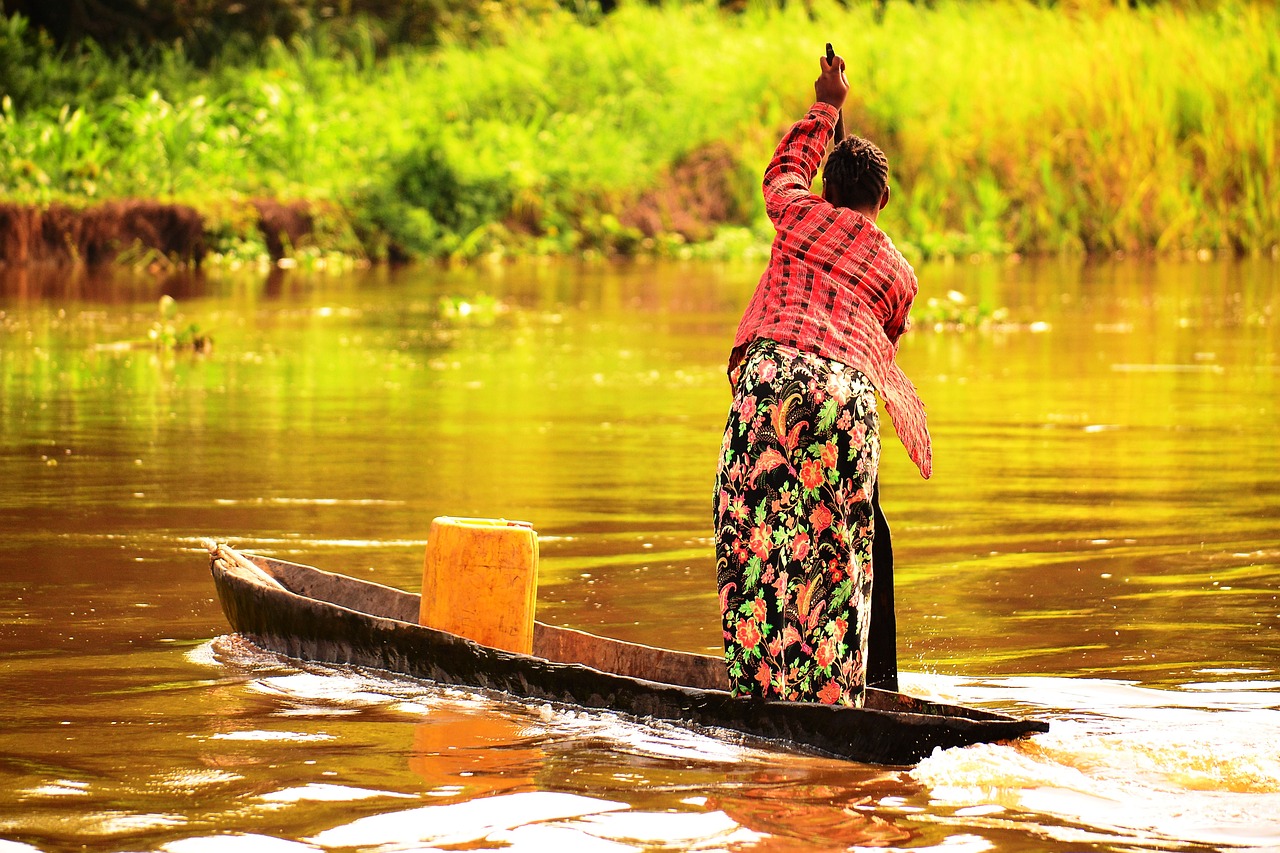
Water Projects in the DRCThe Democratic Republic of the Congo (DRC) has an abundance of freshwater reserves. Around 30 rivers flow through its borders, including the Congo River, the second-largest river on the continent. It is also home to 62% of the Congo River Basin, a massive water system that stretches nearly half a billion acres and spans across six nations.

That amount of water accounts for over half of Africa’s freshwater reserves and should be more than enough for a country topping 110 million people. The truth of the matter is that deteriorating infrastructure and lack of sufficient facilities leave almost 54% of people experiencing a lack of access to “basic water services,” according to World Vision. Several organizations are undertaking water projects in the DRC to ensure clean and safe water access for all.

Fight for the Forgotten

The DRC is home to three indigenous Pygmy peoples — the Mbuti, the Baka and the Batwa. The International Work Group for Indigenous Affairs says these groups are “widely acknowledged as the first inhabitants” in the region. Yet, it wasn’t until November of 2022 that the DRC government put safeguards and protections for indigenous rights in place. 

Indigenous land rights now have lawful protection after decades of Indigenous communities being forced out of their homelands in favor of logging activities, and some land has even been seized for conservation. All these land infringements were carried out without compensating the displaced Indigenous communities.

Justin Wren is a former professional cage fighter who, through his foundation Fight for the Forgotten, has dedicated his life to supporting Indigenous Pygmy people. Wren started the foundation after taking a “life-changing trip” to the DRC. The foundation uses donations to provide “clean water, education and empowerment” to all Pygmy communities. Specifically, Fight for the Forgotten has built over 80 wells and purchased 3,050 acres of land that is now owned and cultivated by the Pygmy people and protected by the government. The organization’s efforts have benefited more than 52,000 people.

Other efforts include installing solar lighting and a tree replanting program of more than 12,000 trees. Well-building in the DRC has been crucial, but the education on sustainable methods will hopefully last for decades.

Global Effort

Improving water access and providing sufficient facilities would improve hygiene, improving health in the DRC. Improved hygiene would alleviate outbreaks of bacterial diseases like cholera; simply being able to wash one’s hands with soap consistently would go a long way.

Goma houses about 2 million people and is assumed to be well-situated due to its eastern position and proximity to Lake Kivu. The issue is that the water from the lake is not safe to drink. The International Committee of The Red Cross is currently implementing the Goma West Resilient Water Project, which aims to provide clean water to over 330,000 people by 2026. Reservoirs and water treatment plans with long-term sustainability goals are in the works. 

Join For Water is an NGO working in multiple provinces in the country, designing and constructing drinking water systems, including wells. It produces ecological toilets that separately collect feces to be reused as fertilizer, improving sanitization services and supporting agriculture. Some aid comes into the country through cash or funding for projects, but Join For Water stays in the country and ensures the infrastructure it has put together is maintained.

There is no shortage of fresh water in the DRC, and it is up to the government, with the help of partners and organizations, to ensure that the infrastructure is in place to allow access to clean water for all.

– Benett Crim
Photo: Pixabay

October 20, 2023
https://borgenproject.org/wp-content/uploads/borgen-project-logo.svg 0 0 Yuki https://borgenproject.org/wp-content/uploads/borgen-project-logo.svg Yuki2023-10-20 08:53:202023-10-21 03:58:33Water Projects in the DRC
Global Poverty, Water

Access To Water in Iran

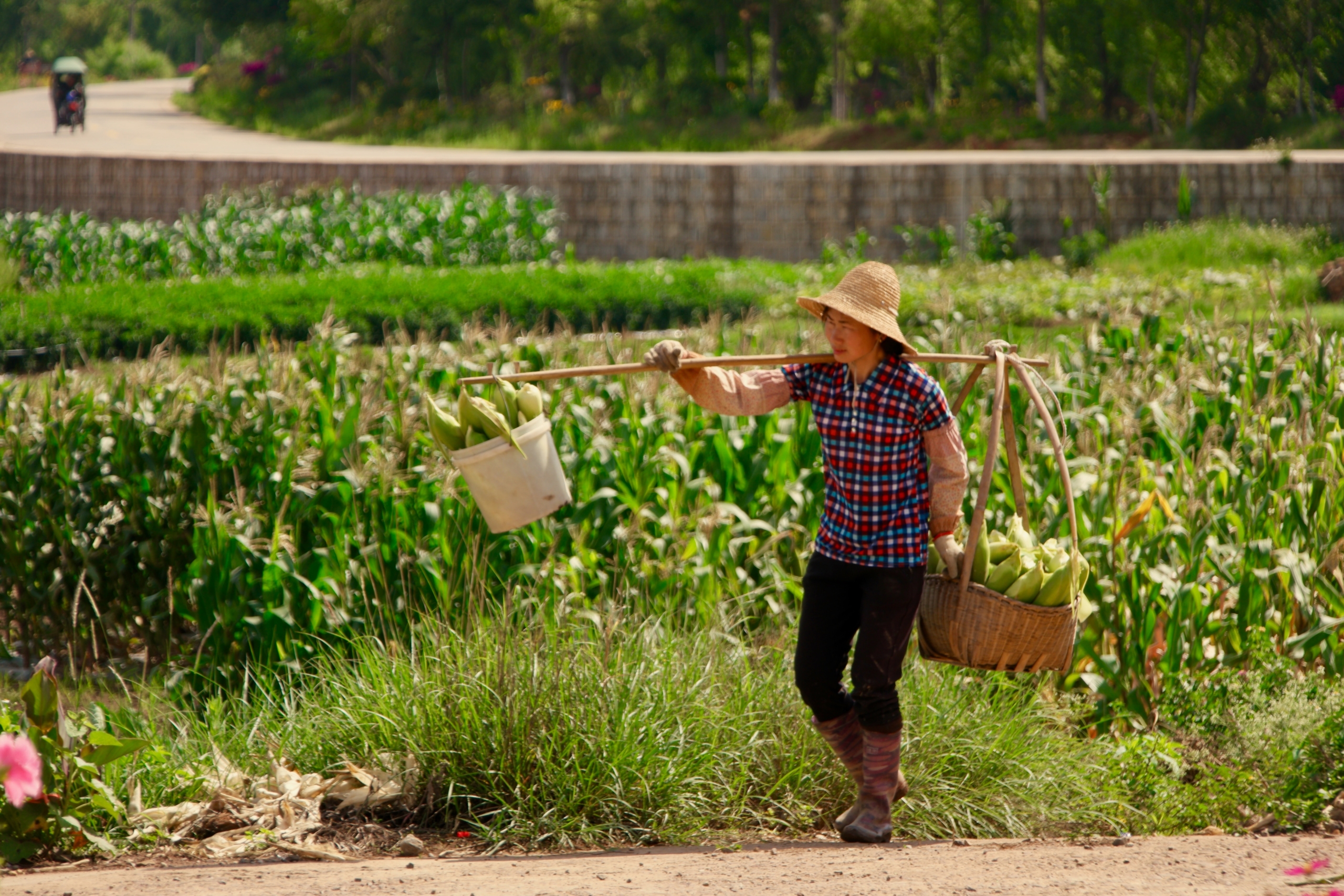
Water in IranFrom Antiquity to the Modern Era, control of water and its sources has long been a cause for war. Sadly, this continues to be the case even nowadays, with border clashes emerging between Iran and Afghanistan. Caught in the crossfire is the civilian population of a region that is in sore need of access to water amidst a drought in the area. This article will cover the border conflict, what the Iranian government is doing and organizations fighting to expand access to water in Iran.
The Conflict

The source of discrepancies lies in the river Helmand, flowing from the Afghan mountains into Iranian Balochistan. Since 1973, the Helmand River Water Treaty has regulated the amount of water that flows into Iran. Tensions still persisted, however, and after the Taliban took over Afghanistan in 2021, they surged once again. Afghanistan allegedly breached the 1973 treaty by repeatedly withholding more water than stipulated. Most recently, in May 2023, one of these clashes threatened to escalate into a full-blown war after a deadly encounter in Milak-Zaranj.

The Iranian population has been hit hard by the Afghan retention of water. Droughts in Iran have had a steady intensification pattern for the past 40 years, and this only rubs salt in the wound. The region has suffered from desertification and, with one of its primary water sources compromised, access to irrigation water could be at high risk. This issue extends to the entire nation, as Iranian water consumption per capita is significantly above its yield of renewable water sources. High consumption paired with low availability threatens to worsen access to water in Iran, with large parts of its population suffering from water insecurity.

What the Government Is Doing

With regard to the Helmand River, Iran has urged its neighbor to abide by the 1973 treaty and fulfill its obligations in international law. Nevertheless, it has also adopted a conciliatory tone to avoid the risk of escalation. An open war over water still seems unlikely, but should environmental patterns persist, it would be naïve to discard this possibility.

As for the water provision for its population, the Iranian government heavily subsidizes water prices to make it affordable to its population. While effective in achieving its goal in the short run, this policy has increased water consumption in the country. Moreover, the government’s focus on food self-reliance through subsidies has further strained water consumption in agriculture. All in all, this subsidy policy has exacerbated the country’s drought problem.

To address these issues, there have been several studies on Iranian soil to tackle these unwanted consequences and to identify more water-efficient farming methods. So far, these investigations have yielded mixed results, but even if they managed to improve efficiency, the population needs more to reduce water consumption and make access to water in Iran sustainable in time. 

What Is the Role of NGOs?

Access to water in Iran is a hot topic among international NGOs. Notably, the International Federation of the Red Cross and Red Crescent Societies has taken measures to alleviate the effects of drought in the region, targeting to provide aid to 916,200 people during the 2021-2022 drought season. Furthermore, there have also been efforts by Relief International to address the economic effects of droughts and help 30,000 people in need gain access to water, education and financial aid.

Prospects for the Future

Access to water in Iran is a growing issue and, as such, its government should start to pursue policies to address it more actively. Water importation or more water-efficient methods are examples of policies that, while politically improbable, could help lift some of the pressure off the population’s shoulders.

– Daniel Pereda
Photo: Flickr

October 20, 2023
https://borgenproject.org/wp-content/uploads/borgen-project-logo.svg 0 0 Yuki https://borgenproject.org/wp-content/uploads/borgen-project-logo.svg Yuki2023-10-20 07:28:502023-10-22 03:17:28Access To Water in Iran
Global Poverty, Technology, Water

How China Helped More Than 800 Million People Out of Poverty

Out of PovertyIn 1978, Deng Xiaoping, the leader of the Chinese Communist Party, changed the course of millions of lives when he declared, “Poverty is not socialism; socialism means eliminating poverty.” Beginning China’s stride to eradicate poverty, Xiaoping focused on boosting China’s economy through agricultural and social reforms to improve living conditions. Here are three changes Deng Xiaoping implemented to tackle poverty in China.
1. Open Door Policy

China was one of the poorest countries in the world in 1978, with a GDP of $156 and home to 40% of the world’s population living in extreme poverty. Compared to neighboring Asian economies, China appeared vulnerable as the communist regime had failed to generate economic growth. Recognizing the risk to the communist party if China could not raise its people out of poverty, Deng Xiapoing committed to improving the living standards of the Chinese people through economic growth.

The Open Door Policy actively introduced foreign capital and technology to China as foreign investments were made into multiple zones such as the special economic zones, peninsula open zones, open border cities, high-tech industry development zones, etc. These zones sparked substantial foreign investment while China continued to promote its socialist market economy concept, whereby state-owned businesses and privately-owned businesses could co-exist.

Implementing The Open Door policy allowed China to use its huge labor resources and land to move away from the damage of the Cultural Revolution and towards rapid economic growth. Within 10 years, China’s GDP per capita had grown to $284, and within 20, it reached $829. The progressive industrialization of China created more and better jobs, as the laborers who were no longer needed in agriculture moved to the consumer goods and services sectors, initiating global investments while providing further job opportunities.

2. Agricultural Reform

During Mao’s time in power, collective farming had been enforced on the rural population. This enforcement meant pooling farms from hundreds of families together to create one large farm. The upper and middle-class farmers had to give up possession of their land to the state, decreasing their morale. In contrast, the lower-class farmers lost motivation to work in the large, impersonal collectives where it was practically impossible to monitor the work individuals completed.

Although some farmers favored collective farming, by 1979, Xiaoping’s de-collectivization effort to incentivize more production and increase economic prosperity for rural workers began spreading across China. Farmers had their land restored to them or were assigned contracts to work on certain areas of land, needing to produce a specified grain quota for the state at a low fixed price of rent. After delivering this grain, farmers were free to consume, trade or sell on the open market and grow whatever they wanted. To further encourage production in rural China, the purchase price for compulsory grain deliveries to the state increased by 20% while the price for excess grain increased by 50%. Overall, increased state prices and the opening of free markets resulted in a substantial rise in food production and average rural family incomes.

3. Targeted Poverty Reduction

As part of the anti-poverty campaign established at the end of 2012 and headed by President Xi Jinping, China made Targeted Poverty Reduction efforts. Jinping believed, “The CPC cadres should pay inspection tours to identify the truly poor. Poverty reduction must reach intended hands or those who truly need it, and poverty must be eradicated completely.”

In January 2014, the guideline on Promoting Poverty Reduction in Rural Areas with Innovative Policies was released, detailing targeted poverty relief across China. The CPC collected and used data to identify the most poverty-stricken areas and their requirements. Hard infrastructure, such as electricity access, water supply, roads and railways, were upgraded, boosting agricultural productivity, raising people’s standards of living and connecting villages to cities.

The effective irrigated area now covers more than 5.35 million hectares, water supply capacity increased by 18.1 billion cubic meters, and more than 98% of poor villages gained access to 4G and optical fiber technology. Soft infrastructure such as health care, education and social security also improved. For example, 108,000 rural schools were renovated to support compulsory education. At the same time, 98% of hospitals in poor countries have a minimum of one competent hospital that can treat 90% of diseases treated at similar hospitals.

China’s dedication to eradicating extreme poverty through government reforms is a remarkable feat that has provided a blueprint for tackling poverty globally. Through economic growth, agricultural prosperity and targeted efforts such as improved infrastructure in the poorest areas, China has demonstrated it is possible to lift millions of people, 40% of the world’s extreme poor, out of poverty in only four decades.

– Alice Isola
Photo: Unsplash

October 20, 2023
https://borgenproject.org/wp-content/uploads/borgen-project-logo.svg 0 0 Yuki https://borgenproject.org/wp-content/uploads/borgen-project-logo.svg Yuki2023-10-20 01:30:492024-06-11 00:17:55How China Helped More Than 800 Million People Out of Poverty
Education, Water

How MIET AFRICA Is Making a Difference

MIET AfricaWhile many nonprofits do great work that impacts the lives of many people, not all nonprofit organizations receive an adequate amount of spotlight for their work. This article puts a spotlight on MIET AFRICA, a nonprofit organization based in Durban, South Africa, with a mission to better the lives of all children by providing them with access to quality education. 
History

While it is a nonprofit today, the MIET AFRICA organization began as a research initiative funded by the Independent Development Trust that aimed to understand the use of popular culture and media in learning and education. The organization specifically focused on schools in the rural parts of what is now KwaZulu-Natal (KZN). 

In 1996, the Media in Education Trust (MiET) was established. Under the leadership of Thuli Dlamini, Wilna Botha and Lynn van der Elst, MIET AFRICA came to be soon after. While MIET AFRICA is based in South Africa, its reach expands throughout and beyond the African continent. Two of the organization’s primary funders are the United States Agency for International Development (USAID) and the Royal Netherlands Embassy (RNE). 

Who They Help

When it comes to the people they are looking to provide support to, MIET AFRICA’s target population is youth from the SADC region, the area of the Southern African Development Community, which extends from the DRC in the north to South Africa in the south. MIET AFRICA has currently partnered with 15 African countries and impacted the lives of over 200,000 children. 

Oftentimes, many of the children who MIET AFRICA helps are living in poverty. About one-third of the people in the SADC region live in poverty. The connection between poverty and education is quite strong. 

Areas of Focus

MIET AFRICA has several focus areas: 

  • Addressing barriers to learning and development. One of MIET AFRICA’s main goals is to dismantle the systemic barriers that prevent all children from being able to learn.
  • Enhancing the quality of education. Through research and innovation, MIET AFRICA aims to strengthen schools in order to ensure that children are receiving the best education possible.
  • Youth development. While MIET AFRICA’s main goal is to address education-related issues, they acknowledge that SADC youth face a lot of barriers that impact their lives more generally.

From health issues to high unemployment rates, MIET AFRICA aims to provide children with the best opportunities in order to advance their development.

Programs

In order to fulfill the goals of each focus area, MIET AFRICA has developed a total of 37 programs since its founding. At the moment, 12 programs are still running: 

  • The Amani Project
  • The Boys’ Vulnerability Study
  • The Creative Arts Support Programme
  • Water, Sanitation and Hygiene in African Schools
  • Inclusive Education in Action (uThukela)
  • Strengthening School-Based Health, Education and Nutrition Systems
  • Maths 4 All
  • The Professional Learning Communities Establishment Programme
  • The Adolescent Girls and Young Women (AGYW) Programme
  • The ReadytoWork Programme
  • Safeguard Young People SYP
  • Prevent Violence in Schools. Learners Take Action

Here is some information about a few of these programs.

  • The Amani Project – This program teaches children about music, emotional intelligence and gender equity. It is funded by the U.S.-based organization Children in Harmony, which “believes that making music with young people can lead to a more equitable and just world.” 
  • Water, Sanitation and Hygiene in African Schools – This program aims to prioritize water, sanitation and hygiene in schools by teaching children about hygienic practices and providing them with hygiene products such as toothbrushes, toothpaste and soap. Partnering with UNICEF and the Mpumalanga Department of Education, ideas such as group handwashing stations have been implemented in schools to promote proper hygiene and sanitation.
  • Adolescent Girls and Young Women (AGYW) Programme – This program aims to empower and decrease risk for young girls and women and is funded by the Global Fund. This program has four goals: 
    1. Increase retention in school.
    2. Decrease HIV incidence.
    3. Decrease teenage pregnancy.
    4. Increase economic opportunities.

These are just a few of the many excellent programs MIET AFRICA has implemented in order to directly impact the lives of hundreds of thousands of children in the SADC region.

Looking Ahead

Many approaches are being taken to make education accessible to all children. Hopefully, the work of organizations such as MIET AFRICA can work as a catalyst for change in the circumstances many children must endure.

– Nicole Alexander
Photo: Wikimedia

October 19, 2023
https://borgenproject.org/wp-content/uploads/borgen-project-logo.svg 0 0 Yuki https://borgenproject.org/wp-content/uploads/borgen-project-logo.svg Yuki2023-10-19 07:15:342023-10-21 04:53:54How MIET AFRICA Is Making a Difference
Water, Water Crisis

Addressing Water Sanitation in Timor-Leste

Water Sanitation in Timor-LesteTimor-Leste has made concerted efforts to develop national infrastructure in the wake of tumultuous political conflict. One target area has been to improve water sanitation and hygiene, and both national and international groups are working to achieve better hygiene standards nationwide.

Current Data 

To date, 80% of the population is deemed to have access to ‘basic’ water facilities. This should not be confused, however, with safe water for drinking and sanitation purposes. In fact, the World Health Organization has reported that only 54% of Timorese civilians have access to “safely managed” sanitation facilities, and only 28% of the population are safely using hand washing services with soap and water.  

These numbers have had severe health implications nationwide. As of 2016, 29.9% of infant deaths were a result of diarrheal disease, which typically occurs as a result of poor sanitation and lack of potable water. As many as 65 children are dying annually from diarrhea in Timor-Leste to date. A UNICEF report has suggested that as many as 94% of locals are failing to wash their hands in critical moments, for example after changing diapers or before breastfeeding. With roughly 31% of Timor-Leste living below the international poverty line, such health factors can lead to malnutrition, especially in children.

Several reports have noted a marked rural-urban disparity concerning access to water, sanitation and hygiene (WASH) services. Rural hygiene coverage in 2021 stood at only 22% compared to 42% in urban areas. Implementation of septic tanks and latrines has shown little increase, despite aims to halve numbers without access to safe water. The use of “unimproved” water sources is still being used by 17% of the rural population, with the nearest access points being on average more than 30 minutes away. 

Gendered Aspects of Water Sanitation

Continued challenges to improve water sanitation in Timor-Leste have had adverse effects on local women. Multiple national and international groups have expressed concern at the reliance upon adolescent girls and young women in collecting water for households. These societal norms have had several knock-on effects, the most notable of which being female absence from school and a subsequent lack of engagement in public life. 

Nonprofit group Water for Women has introduced projects that aim to improve women’s rights associated with water sanitation in Timor-Leste. Their latest scheme, Beyond Inclusion, has a twofold objective of providing sustainable WASH facilities while improving the well-being of women through “gender dialogue modules.” The team is also actively working to refocus Gender Equality, Disability and Social Inclusion (GEDSI) at the center of national and municipal concerns. So far, 61,200 people have benefitted from the program, of whom half were women. 

The Benefits of Investing in WASH Services

Improving water sanitation in Timor-Leste will have benefits that transcend health advances and gender equality. As a developing nation, investment in WASH services will reduce medical expenditures and absences from school for health-related issues. It will also promote the expansion of the tourism sector, which would amplify revenue and diversify the economy.

In view of this, the Timorese government has allocated a significant amount of funding and regulatory measures to improve WASH facilities. After establishing the public utility company Bee Timor-Leste (BTL), budgets of $36 million and $17 million were provided in 2021 and 2022 respectively to implement sustainable water sanitation measures. 

Legislative efforts have culminated in a package of regulations that will mitigate problems surrounding water sanitation in Timor-Leste. As of 2021, the government has promulgated a Law for Quality Control of Water for Human Consumption, a National Public Water Supply Policy and more. 

NGOs and Aid Groups Supporting WASH in Timor-Leste

In April 2020, the World Bank approved a landmark Water Supply and Sanitation Project, aimed at providing solutions to inadequate WASH facilities in the rural Baucau municipality. The project involves the construction and installation of a “centralized water supply system,” combined with a robust series of sewage treatment plans. The aim is to provide access to potable drinking water to at least 25,000 more Timorese. 

WaterAid Australia has enacted several projects targeted at rural mountainous areas which are particularly affected by a lack of accessibility and ongoing risks of natural disasters. The group has partnered with various local authorities to deliver WASH services in over 180 communities in Likisà and Manufahi. Community-led sanitation projects supported by WaterAid engage with locals and promote long-term autonomy.

– Cara Jenkins
Photo: Flickr

October 19, 2023
https://borgenproject.org/wp-content/uploads/borgen-project-logo.svg 0 0 Yuki https://borgenproject.org/wp-content/uploads/borgen-project-logo.svg Yuki2023-10-19 07:05:272023-10-20 03:13:09Addressing Water Sanitation in Timor-Leste
Global Poverty, Water

Raising Funds for Navajo Water Access

Navajo Water AccessMembers of the Navajo Nation, numbering more than 250,000, are spread across reserved land in the Southwest of the U.S., mainly Arizona and New Mexico. However, 30% of the Navajo families on this reserved land, granted by the government in 1868, do not have direct access to clean water and must travel long distances to secure water daily. A June 2023 Supreme Court decision ruled that the U.S. government is not responsible for overseeing water infrastructure for the sovereign land, putting Navajo water access in jeopardy.

The Navajo Water Project

Operating as a subset of the DigDeep organization since 2014, the Navajo Water Project is a program with the primary goal of securing clean and accessible water for members of the Navajo Nation where infrastructure has failed. The focus is on getting water systems in the homes of rural families so that they don’t need to drive tens of miles just to fill up jugs of water. When the United States (U.S.) government granted the land after a forced displacement, it acknowledged that the lack of natural irrigation made the arid land nearly unlivable. Still, water was not secured as a guaranteed right. The Navajo Water Project brings clean water to Navajo families across Arizona, Utah and New Mexico.

The Fundraiser

St. Anthony of Padua Catholic Church sits in Hightstown, a small town in the center of New Jersey, and houses a Social Justice Committee as one of its ministries. In 2022, Lenore Isleib and other leaders of the Social Justice Committee led a fundraising campaign for the Navajo Water Project, raising $5,196.85, ranking as the fifth-highest fundraiser for the organization.

“Since water is such a basic need for life, it seemed like an important issue for our social justice ministry,” Isleib stated in an interview with The Borgen Project. The largest number of donations came from a concert, an organized effort among parishioners of the church, members of the Social Justice Committee and the nearby independent living community Meadow Lakes, which provided transportation for residents to attend. The concert featured a performance from the church choir, Pat Liquori on the Native American flute and the nearby Mt. Olivet Baptist Church choir.

“Our biggest challenges were coordination of musical performers and publicity. Singers, pianists and guitarists volunteered their time. Members of St. Anthony’s Social Justice Ministry dedicated their time to setting up the website and getting posters created.” The fundraiser’s success in a town of less than 6,000 residents represents a paradigm of community action making a difference.

The Success of the Navajo Water Project

The project, with organizational efforts such as the St. Anthony Social Justice Committee, has brought 1.54 million gallons of clean water to rural communities. It has also been so successful that it expanded beyond Navajo water access and provided rural Navajo families with solar power and septic systems. The current areas of interest include sustainable water sources, drilling wells for communities and ensuring piped water access rather than short-term solutions of delivering water via trucks.

The project has diverted some of the money raised to community leaders for self-determined solutions to water access challenges. Partially because of the lack of access to clean water, the Navajo nation had significantly higher rates of COVID-19 infection and death than average, and sick residents were often unable to make the trek to bring back clean water, leading to dehydration.

With the identification and addressing of the structural problem, the Navajo Nation has a chance at achieving better living standards.

– Cheyenne Astarita
Photo: Flickr

October 12, 2023
https://borgenproject.org/wp-content/uploads/borgen-project-logo.svg 0 0 Yuki https://borgenproject.org/wp-content/uploads/borgen-project-logo.svg Yuki2023-10-12 01:30:482023-10-10 04:00:51Raising Funds for Navajo Water Access
Global Poverty, Water

The IoT Revolution in Water Management in Africa

IoT Revolution
Water, that most vital of resources, is becoming alarmingly scarce across the sweeping landscapes of Africa. According to UNICEF, 418 million individuals are without basic drinking water facilities, 779 million do not have fundamental sanitation amenities — with 208 million still resorting to open defecation — and 839 million are deprived of elementary hygiene services.

Against the backdrop of challenges like prolonged droughts and erratic rainfall patterns due to changing weather patterns, Africa’s water crisis is accentuated. The rising population intensifies the strain on dwindling water sources, while industrial and agricultural pollutants further reduce the supply of clean water. In this context, the deficiencies in Africa’s water management facilities and systems become glaringly magnified. Outdated water supply and drainage systems lead to significant wastage. Coupled with a lack of proper maintenance due to financial constraints, many water facilities experience premature failure. Technologically, Africa lags in water treatment and reuse practices compared to developed nations.

Fortunately, the Internet of Things (IoT), an emerging technology, offers effective solutions to Africa’s water infrastructure challenges. Here is information about the IoT revolution.

Decoding the IoT Revolution

The Internet of Things, at its essence, is about connectivity. It is about everyday objects, from the mundane to the complex, communicating and sharing data. Here is what this means in tangible terms.

  • Smart Water Meters: Picture a household that can track its water consumption as easily as checking a smartphone notification. These meters do not just log water usage; they offer insights, analytics and even suggestions to optimize consumption patterns.
  • Leak Detection Systems: Far from the public eye, millions of liters of water are lost due to leaks in vast pipeline networks. With IoT sensors, these leaks can be detected in real-time, pinpointed to precise locations and rectified, saving invaluable water resources.
  • Water Quality Monitoring: Beyond just quantity, ensuring water’s potability is paramount. Advanced IoT devices can now monitor a plethora of parameters, from pH levels to microbial contaminants, ensuring consistent water quality and alerting authorities to any anomalies.

Where Theory Meets Practice

In Kenya, the technological landscape is witnessing a transformative collaboration between Safaricom, a leading telecommunications company, and the Kenya Water Institute (KEWI). The duo has embarked on deploying a “Smart Water Management System,” leveraging the power of the IoT. This system, set to be integrated at KEWI’s campuses in Nairobi and Kitui, represents a holistic approach to water management.

The core of this system revolves around smart water meters. These sophisticated devices are capable of collecting real-time utility consumption data online. They offer an eagle-eyed monitoring solution that detects water loss and leakage swiftly. Such real-time detection does not just ensure accurate billing but aids in enhancing revenue collection. In an economic context, this system also has the potential to improve operational efficiency, providing a two-fold advantage: cost-saving for institutions and accurate utility bills for consumers.

Safaricom’s Chief Executive Officer, Peter Ndegwa, encapsulates the essence of this initiative, emphasizing the pivotal role of IoT in modern water management. By harnessing IoT, Safaricom aims to redefine the process of water extraction, generation, dissemination and utilization. It is a digital transformation that holds promises of increased efficiency and reduced wastage.

Looking Ahead

The water crisis that Africa faces is undeniably daunting. However, by integrating the power of IoT into water management strategies, there is a glimmer of hope on the horizon. Through the IoT revolution, Africa has a shot at ensuring water security for its teeming millions. In doing so, it does not just quench its physical thirst but also fosters a sustainable future and an enhanced quality of life for its inhabitants.

– Yudi Zhang
Photo: Unsplash

October 5, 2023
https://borgenproject.org/wp-content/uploads/borgen-project-logo.svg 0 0 Yuki https://borgenproject.org/wp-content/uploads/borgen-project-logo.svg Yuki2023-10-05 01:30:252023-10-02 02:22:48The IoT Revolution in Water Management in Africa
Global Poverty, Water, Water Sanitation

Water Security in Indonesia: USAID’s Latest Plan

Water Security in Indonesia
On July 21, 2023, USAID announced its Indonesia Global Water Strategy High-Priority Country Plan, containing a new $50 million investment towards improving water security in Indonesia. 

This new funding will go towards the cooperative work of the governments of the U.S. and Indonesia with the aim of providing more than 1 million Indonesians access to safe drinking water and sanitation by 2027.

Unsafe Water in Indonesia

While unsafe water supplies affect people from a range of socio-economic backgrounds in Indonesia, those living in poverty suffer the most: 62% of the poorest Indonesians live on water that is not safe to drink.

Drinking from unclean water sources can lead to diarrheal diseases. This is a significant problem among young children in Indonesia, where one-quarter of all children under 5 suffer from diarrhea, and the main cause of child mortality throughout the country is diarrhea. 

These are the unfortunate effects of poor water sanitation. For this reason, the U.N. made safe sanitation management a priority in the development of its Sustainable Development Goals (SDGs), adopted in 2015. SDG 6 is dedicated to ensuring “availability and sustainable management of water and sanitation for all,” and is explicitly tied to UNICEF’s global Water, Sanitation and Hygiene (WASH) campaigns.

USAID and WASH

USAID’s new and ongoing work on water security in Indonesia forms part of the global WASH efforts. At the launch of the Indonesia Global Water Strategy High-Priority Country Plan during a meeting with the Regional Secretary of South Sulawesi, Andi Darmawan Bintang, USAID Assistant Administrator Michael Schiffer also announced the Indonesia Urban Water, Sanitation and Hygiene Market (IUWASH Pasar).

IUWASH Pasar is a five-year investment of $10 million, which aims to support the efforts of USAID’s existing water security strategy in Indonesia, the IUWASH Tangguh program. IUWASH Tangguh, launched in 2021, has the aim to help at least 1.5 million individuals in the country find access to water that is safe to drink and provide 1 million with safe sanitation.

With an injection of $44.1 million over five years, USAID proposes to work with not only the Indonesian government but also the private sector, NGOs, donor agencies, service utility providers and communities across the country to achieve four key aims:

  1. Increase financing for WASH and water resources management (WRM) sector governance.
  2. Widen access to safe drinking water and sanitation for the poorest urban communities.
  3. Improve the management of water-related resources, ensuring climate resilience in all seasons.
  4. Increase the number of women in leadership roles playing a part in the improvements to WASH and WRM.

Speaking on the newly announced activity and funding, Regional Secretary Darmawan Bintang praised USAID’s support in the fight for safe drinking water and sanitation in Indonesia. “We are proud to be one of the province partners for the implementation of the USAID High Priority Country Plan under the U.S. Global Water Strategy,” he said, “and we welcome the new USAID IUWASH Pasar activity.” 

As mentioned, USAID’s action contributes significantly towards global WASH efforts, headed by UNICEF. The latest UNICEF WASH Acts newsletter on Indonesia (October–December 2022) outlines some of the recent progress made by the NGO’s work in collaboration with the Government of Indonesia. This included a scale-up of the elimination of open defecation, and the advancement of safe sanitation programs in South Sulawesi, Aceh and Bekasi. 

Water Security and Vision of Indonesia 2045

In a 2021 report, the World Bank identified the importance of water security to the Vision of Indonesia 2045 plan. This goal — set by the country for its centenary — has the target of placing Indonesia in the top five global economies by 2045. Within this structured plan is the aim of transforming Indonesia into a nation with “high-income status and near-zero poverty.” 

The findings of the World Bank align with the new and existing work of USAID. Within its report, the organization laid out three key pillars for the improvement of water security in Indonesia, which it said will put Vision 2045 “firmly within reach.” These pillars are:

  1. An increase in sustainable water resource management and strengthened resilience to water security threats.
  2. An improvement to the “inclusivity, sustainability and efficiency of water services.”
  3. A strengthening of Indonesian governance for water management.

Moving Forward

USAID’s newly announced action to improve water security in Indonesia is a step in the right direction toward international aims. Following the research of the World Bank, USAID investment will help to provide safe drinking water and sanitation across Indonesia, advancing progress towards the near-zero poverty goal within Vision 2045. To ensure that water resources are made safe and secure for all Indonesians, the global aid effort must be sustained.

– Alice Weatherley
Photo: Flickr

September 27, 2023
https://borgenproject.org/wp-content/uploads/borgen-project-logo.svg 0 0 Yuki https://borgenproject.org/wp-content/uploads/borgen-project-logo.svg Yuki2023-09-27 07:45:402023-09-27 15:49:36Water Security in Indonesia: USAID’s Latest Plan
Page 7 of 57«‹56789›»

Get Smarter

  • Global Poverty 101
  • Global Poverty… The Good News
  • Global Poverty & U.S. Jobs
  • Global Poverty and National Security
  • Innovative Solutions to Poverty
  • Global Poverty & Aid FAQ’s
Search Search

Take Action

  • Call Congress
  • Email Congress
  • Donate
  • 30 Ways to Help
  • Volunteer Ops
  • Internships
  • Courses & Certificates
  • The Podcast
Borgen Project

“The Borgen Project is an incredible nonprofit organization that is addressing poverty and hunger and working towards ending them.”

-The Huffington Post

Inside The Borgen Project

  • Contact
  • About
  • Financials
  • President
  • Board of Directors
  • Board of Advisors

International Links

  • UK Email Parliament
  • UK Donate
  • Canada Email Parliament

Get Smarter

  • Global Poverty 101
  • Global Poverty… The Good News
  • Global Poverty & U.S. Jobs
  • Global Poverty and National Security
  • Innovative Solutions to Poverty
  • Global Poverty & Aid FAQ’s

Ways to Help

  • Call Congress
  • Email Congress
  • Donate
  • 30 Ways to Help
  • Volunteer Ops
  • Internships
  • Courses & Certificates
  • The Podcast
Scroll to top Scroll to top Scroll to top