• Link to X
  • Link to Facebook
  • Link to Instagram
  • Link to TikTok
  • Link to Youtube
  • About
    • About Us
      • President
      • Board of Directors
      • Board of Advisors
      • Financials
      • Our Methodology
      • Success Tracker
      • Contact
  • Act Now
    • 30 Ways to Help
      • Email Congress
      • Call Congress
      • Volunteer
      • Courses & Certificates
      • Be a Donor
    • Internships
      • In-Office Internships
      • Remote Internships
    • Legislation
      • Politics 101
  • The Blog
  • The Podcast
  • Magazine
  • Donate
  • Click to open the search input field Click to open the search input field Search
  • Menu Menu

Archive for category: Water

Global Poverty, Water, Water Crisis

Drinking Cup Project Improves Access to Drinking Water in Africa

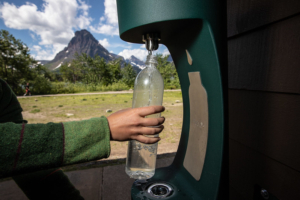
Drinking Water in AfricaAround the world, there are billions of football (or soccer) fans who are passionate about their team and the sport. One football club, Hannover 96 in Germany, is using that passion to do good with the help of local volunteers. By way of the project “Drinking Cups for Drinking Water,” these football fans are improving access to drinking water in Africa and making a difference in some of the most impoverished regions in the world.
How the Project Works

Hannover 96 is a second-tier football club in the city of Hannover, Germany. On average, around 30,000 fans pour into the Hannover 96 stadium on home match days and with the help of the “Drinking Cups for Drinking Water” project, these football fans are able to help improve water access in Africa while supporting their team.

The project, which is run on matchdays by around a dozen volunteers, works by collecting the cup deposits of fans who buy drinks in the stadium. As is the case in many stadiums, Hannover 96 sells these drinks more expensively but offers some money back for returning the cups to the food stands. Alternatively, Hannover 96 fans can give their cups to volunteers stationed in stalls around the stadium as a donation to the “Drinking Cups for Drinking Water” project.

At the end of the match, all the collected cups are then returned to the food stalls by the volunteers and the collected deposit money is donated to the project’s partner organization, the Global Nature Fund. The Global Nature Fund, a German-based nonprofit, then uses the donated money to fund projects that provide more people with access to drinking water in Africa.

Project Success

Now going into its 15th year, “Drinking Cups for Drinking Water” has enabled football fans to make a real difference in a number of countries. Overall, the Global Nature Fund reports that the deposit donations have created better clean water access for 125,000 people in the Ivory Coast, Senegal, South Africa, Malawi and Kenya. This is the result of local projects led by the Global Nature Fund, improving and building wells. These initiatives to provide improved access to drinking water in Africa are significant as the United Nations University Institute for Water, Environment and Health reported that in 2020, more than 50% of people who lacked access to safe drinking water resided in Africa.

In Malawi, for example, funds from the charitable project enabled the creation of three clean water wells at local schools. Given that UNICEF estimates that more than 30% of Malawians do not have access to safe drinking water, improving access to water in the country is an immediate priority. The three wells provide clean water to around 10,000 schoolchildren as well as to households in the local area. To ensure the long-term success of its water access initiatives, the GNF also uses donations to educate local people on maintenance and engineering matters concerning the installations. By doing this, the organization ensures that the communities are able to repair and maintain their water access points while being self-reliant and independent from outside help. This guarantees that football fans are making a difference in the long term and provides work opportunities in the project regions.

Looking Ahead

“Drinking Cups for Drinking Water” looks poised to continue expanding its charitable work and bettering access to drinking water in Africa. In the last season, football fans raised nearly €70,000 for the initiative — a new season record. In the 23/24 season, the project is projected to surpass the donation mark of €500,000 to commemorate its 15th anniversary.

Apart from the increasing generosity of football fans, the project’s volunteers are also expanding the project’s reach by educating other football clubs on the idea, which could lead to more clubs getting involved. The success of “Drinking Cups for Drinking Water” shows that when united for a good cause, football fans are making a difference for people in need and have the power to drastically improve access to drinking water in Africa.

– Patrick Brownlow
Photo: Flickr

September 5, 2023
https://borgenproject.org/wp-content/uploads/borgen-project-logo.svg 0 0 Lynsey Alexander https://borgenproject.org/wp-content/uploads/borgen-project-logo.svg Lynsey Alexander2023-09-05 07:30:392024-05-30 22:32:20Drinking Cup Project Improves Access to Drinking Water in Africa
Clean Water Access, Global Poverty, Water, Water Quality

Stanford’s New Powder Disinfects Contaminated Drinking Water

Stanford's New PowderWith more than 2 billion people lacking access to safe drinking water, the challenge of water scarcity looms large. According to UNICEF, nearly half of the global population could face water scarcity by 2025. To address this impending crisis, researchers at Stanford University are pioneering a novel approach: a powder that swiftly purifies contaminated water. Unlike conventional methods, this innovative solution utilizes sunlight to eliminate bacteria within a minute. The introduction of innovative solutions like Stanford’s powder presents a pathway toward achieving widespread and enduring access to clean drinking water.

The Study

On May 18, 2023, Stanford University published results from their study about a powder that disinfects contaminated drinking water. The technology is unique because it reacts with the sun’s UV rays and “high-energy visible light.” It then creates chemicals that attack bacteria’s cell membranes to kill them. Scientists found that the powder is so effective it can disinfect drinking water in just 60 seconds.

Stanford’s new powder is made from metallic “nano-sized flakes of copper, iron oxide, aluminum oxide and molybdenum sulfide” that are cost-effective and readily available. The product is sustainable because the metals are easy to make and reuse. A magnet collects the metallic “nanoflakes” from clean water, then places them in new contaminated water. The water is safe to drink immediately after decontamination due to the chemical byproducts breaking down into water and oxygen. In the study, one dose of recycled powder disinfected 30 water samples. Since water treatments are scarce, reusing the product allows people to have longer access to clean water.

This is great progress because current treatments add chemicals that leave behind toxic byproducts and utilize ultraviolet light, which requires electricity. And these constraints make it difficult to implement water treatments on a large scale. 

Water Scarcity

In areas where water is scarce, there are few opportunities to find a source of safe drinking water. Consuming contaminated water exposes people to preventable diseases such as diarrhea, typhoid and cholera. Diarrhea causes an estimated 446,000 deaths per year among children younger than 5 years old, or 9% of all deaths for children in that age range. Adequate access to clean water allows for better hygiene and sanitation practices.

The scientists used E. coli in their study, which is a widespread contaminant that causes fecal-oral diseases. With 1.7 billion children younger than 5 years old suffering from diarrhea, this technology could provide relief from preventable waterborne illnesses. 

Looking Toward the Future

Stanford University’s groundbreaking powder has the potential to revolutionize clean drinking water access for the approximately 2 billion individuals worldwide who lack it. Furthermore, the wide distribution of this powder could enable those already using water treatments to embrace improved hygiene and sanitation practices. Notably, gaining access to a consistent and safe water source significantly enhances individuals’ health and overall quality of life.

Tong Wu, the co-lead author of the project, expressed, “We believe that our novel technology will facilitate revolutionary changes in water disinfection and inspire more innovations.” This recyclable and nontoxic powder represents a pioneering development. The powder’s scalability and distribution potential render it a viable and practical solution for individuals facing restricted access to safe water sources.

– Diana Grant
Photo: Flickr

August 22, 2023
https://borgenproject.org/wp-content/uploads/borgen-project-logo.svg 0 0 Lynsey 2 https://borgenproject.org/wp-content/uploads/borgen-project-logo.svg Lynsey 22023-08-22 07:30:252024-05-23 23:15:45Stanford’s New Powder Disinfects Contaminated Drinking Water
Global Poverty, Water

Water Access in Iraq: How Two Men in Iraq Helped Save Their Community

Water Access in IraqDespite decades of poor access to water in Iraq, one family may have finally found a solution. They live in the village of Al-Huta, a small community near the Port of Basrah. Even with their proximity to water, the potable quality worsened. In 2018, pollution became so bad that water poisoned more than 100,000 residents. This contamination was so bad that it even corrupted the crops, sending Ali Sattar, his family and the entirety of the village of Al-Huta into food and drinkable water scarcity.

It was 28-year-old Ali Sattar, a financial expert for a flourishing oil field, and his neighbor Nazim Yousif who came up with a solution.

The Solution

To address the water scarcity issue, Sattar and Yousif led the community in combining their resources to purchase weekly tankers to bring clean water to Al-Huta. These containers were able to supply ten households with potable water, ensuring safe drinking water and supporting agricultural activities in the neighborhood.

While this solution effectively provided clean water, the cost of each tanker was around $400, equivalent to a month’s salary. Sattar and Yousif realized that this approach was not sustainable in the long term. They recognized the need for external assistance to bring lasting change. Eventually, they sought support from USAID, understanding that collaboration was crucial to achieving their goals.

As early as 2019, USAID has worked with the United Nations Development Programme regarding supporting water treatment plants found throughout Basrah. Since then, its actions have adapted to meet local and international standards, renovating these plants for safe, clean water access in Iraq to roughly 625,000 residents, according to USAID.

By extension, tankards dropped from $400 to $30 for the community, an attainable cost for a sustainable solution.

Iraq As a Whole

Al-Huta is not the only community struggling with contaminated water in Iraq. In fact, according to The Iraqi Observatory for Human Rights, as of March 2023, the majority of the country’s natural water supply is polluted with oil, feces and medicinal waste. Drinking it has caused a massive upheaval of diseases among the populace.

The Tigris and Euphrates are not safe to drink. However, support from USAID and others may be able to help the rest of the country, as was the case with Al-Huta.

Ongoing Support

Some activists based in Iraq have also been working to fight the water crisis. Salman Khairalla, founder of the advocacy campaign Save The Tigris and Iraqi Marshes in March 2012, partnered with 30 other activists across the Iraqi Social Forum and Iraqi Activist Network. Their actions include bringing attention to the negative impact of dams on the safety of their water. Their voices created such a stir that the UNESCO World Heritage List added the marshlands in 2016, allowing the movement to receive more funding.

One of these movements also involves the ongoing Iraq Water Fund, established through Human Appeal in 2016. Through donations, the initiative builds solar-powered purifiers for water access in Basrah villages, offering fresh water and electricity to those who need it most. These efforts have proven successful in rehabilitating over 20 schools and providing meals for 85,000 children. This is alongside many other impressive feats that continue to bear fruit for the country even today.

–  Nathan Bronk
Photo: Picryl

July 21, 2023
https://borgenproject.org/wp-content/uploads/borgen-project-logo.svg 0 0 Jennifer Philipp https://borgenproject.org/wp-content/uploads/borgen-project-logo.svg Jennifer Philipp2023-07-21 01:30:472023-07-18 03:30:29Water Access in Iraq: How Two Men in Iraq Helped Save Their Community
Global Poverty, Water, Water Sanitation

Innovative Solutions for Water Scarcity

Innovative Solutions for Water Scarcity
Around the world, 1.1 billion people lack access to water, while 2.7 billion face water scarcity for at least one month each year. With changing weather patterns and an increase in extreme weather events like drought and extreme heat, water scarcity has become an even bigger threat than before. Every year, 829,000 people die from diseases directly related to the Triple Threat (unsafe water, poor sanitation and inadequate hygiene).

Despite challenges in how to tackle the issue of water scarcity, organizations and governments across the globe have already begun to implement initiatives to address this issue. For instance, in 2015, the OECD introduced its Water Governance Programme to advise governments at all levels on improving water policies. Scientific research conducted by institutions like the University of Birmingham and organizations like WWF is also focusing on finding solutions for water scarcity.

There are a variety of technologies undergoing development across the globe, from startups to governments, that are addressing the issue of water scarcity. Among these, the following innovative solutions stand out and show potential for tackling the issue successfully.

Solar Panel Technology: Desolenator

Desolenator, a desalination start-up, anticipates a 400% increase in the demand for drinkable water in the manufacturing sector. The company employs solar panel technology to harness sunlight and generate electricity. By utilizing thermal energy, it is able to purify contaminated water through the process of boiling, transforming it into steam and ultimately producing clean water.

Desolenator is currently partnering with the Dubai Electricity and Water Authority to work on a project in Dubai, aligning with the Dubai Clean Energy Strategy 2050. Its goal is for 100% of energy production to come from clean energy sources by 2050. Not only is Desolenator helping to harness innovative solutions for water scarcity, it is doing so in a sustainable way.

Microfiltration: LifeStraw

LifeStraw, a company specializing in microfiltration, has developed a device that removes 99.9% of waterborne bacteria. It is relatively inexpensive, can be used at home or outdoors and removes more than 30 contaminants in water including chemicals, pesticides, bacteria, microplastics and parasites. LifeStraw is finding innovative solutions to tackling water scarcity. For example, with every 500 products sold, it distributes a LifeStraw purifier to a school in need as part of its Give Back Programme. It also works in partnership with the Carter Center for Guinea worm eradication and in emergency response work, distributing its products to those in need to ensure access to clean water.

Filter Paper: Folia Water

Folia Water has developed a filter paper infused with silver nanoparticles that can eliminate bacteria, viruses and parasites from water. The filter is cost-effective and capable of cleaning 20 liters of water. In 2015, Folia Water trialed the filter at 25 contaminated water sources in Ghana, Bangladesh and South Africa and successfully removed more than 99% of bacteria. While Folia Water needs more funding, it has provided safe drinking water to more than 40,000 low-income individuals in two districts of Bangladesh and aims to extend this to 500 million South Asians.

Agricultural Irrigation Technology

Agricultural irrigation technology generally involves how farmers can efficiently yield crops in the face of water shortages. The three main technologies include gravity, sprinkler and micro irrigation. These allow farmers to maximize crop yield despite water shortages. Since agricultural practices consume around 70% of the world’s freshwater supplies, governments around the world have been implementing policies to encourage agricultural irrigation. For example, the Moroccan Government has expanded irrigation with investment in the agricultural sector. Agricultural irrigation helps to manage water scarcity by increasing the effectiveness of water management and reducing water waste.

Wastewater Recycling: Membrane Bioreactor

Wastewater recycling reduces dependence on freshwater resources and limits the amount of discharged wastewater. Water recycling can be defined as the process of treating wastewater by using machines and chemicals for the reuse of water in industrial cycles. Recyclable water can include sewage, industrial drainage or domestic greywater. An effective solution is recycling waste water through a Membrane Bioreactor which removes toxins through a filtration system. Currently, the U.K. only recycles 2-10% of wastewater. Despite this, there are many positive impacts to recycling wastewater, including reducing costs for incoming water use, reducing costs for water disposal and lowering the environmental impact of operations. Alongside this, recycling wastewater can help address water scarcity, since less is going to waste.

Looking Ahead

Water scarcity remains a global issue facing billions of people worldwide, but organizations and governments are making efforts to tackle water scarcity through various initiatives. For example, the OECD’s Water Governance Programme provides guidance to governments on improving their policies, while scientific research has led to the development of products such as Desolenator, LifeStraw and Folia Water which are attempting to address water scarcity. Continued collaboration, policies and research show that innovative solutions can help in combating water scarcity.

– Rosie Lyons
Photo: Flickr

July 19, 2023
https://borgenproject.org/wp-content/uploads/borgen-project-logo.svg 0 0 Jennifer Philipp https://borgenproject.org/wp-content/uploads/borgen-project-logo.svg Jennifer Philipp2023-07-19 07:30:432024-05-30 22:32:10Innovative Solutions for Water Scarcity
Global Poverty, Water, Water Crisis

Water.org Expands Access To Clean Water in Peru

Access To Clean Water in PeruPeru is a populous South American nation, and both its cities and mountainous regions face a shortage of clean drinking water. Water.org, a non-profit organization that partners with financial institutions to expand access to clean water in Peru, has recently started addressing this issue.
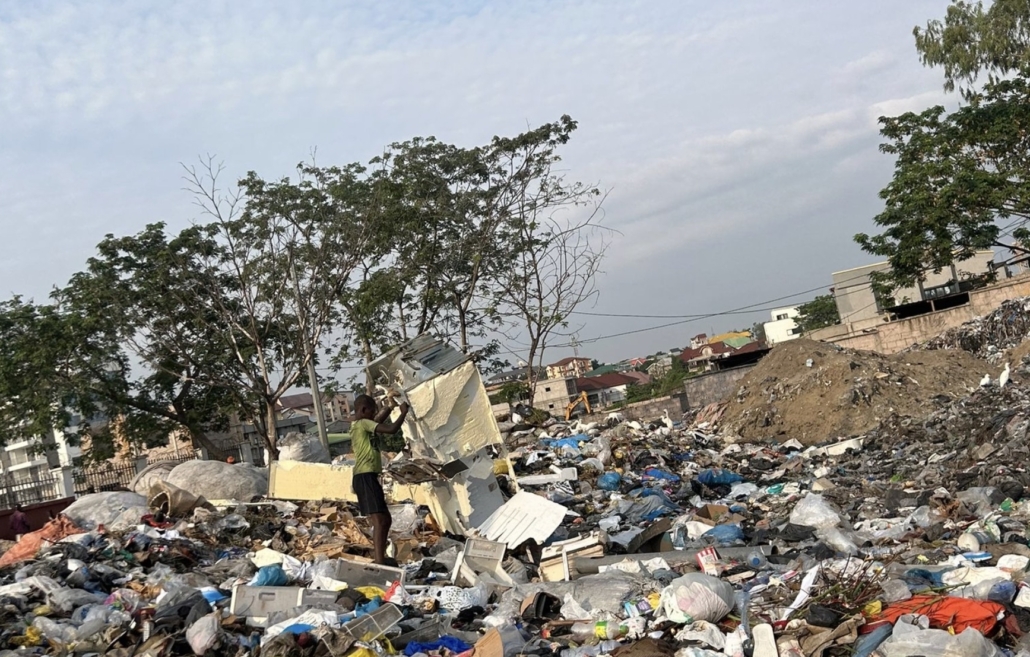
To accomplish its goals, Water.org partners with seven financial institutions, a microfinance association and a federation that represents 11 national banks in Peru. Water.org’s profile of Peru states that 48% of the country’s population lacks access to a safely managed and reliable water source, and the organization aims to remedy that.

The Urban-Rural Divide in Access To Clean Water in Peru

Lima is the capital and urban epicenter of Peru. The mountainous southern region of Peru, popularly known sd “Deep Peru,” is culturally marginalized by Lima, and the quality of life is demonstrably worse in Deep Peru than in Lima. According to a 2021 news article by Americas Quarterly, life expectancy in the rural region of Huancavelica is seven years shorter than in Lima and infant mortality is nearly three times higher in rural Puno than in Lima.

Poverty and Lack of Access To Clean Water in Peru

Rural populations suffer disproportionately from a lack of access to clean water in Peru. A 2021 research study by Vasquéz et al. provides evidence that safe drinking water in Peru is concentrated in the wealthiest households.

At the time of a 2020 report by the Global Living Wage Coalition, the poverty rate in rural Peru was 46%, compared to about 15% in urban areas. A 2021 report by the Peru Support Group adds that extreme poverty affects 12.1% of the rural population while only 2.1% of the urban population suffers a similar fate.

Like poverty, lack of access to clean water in Peru is worse in its rural areas than in its cities. A 2021 report by the Organization for Economic Cooperation and Development (OECD) finds that 4.7% of Peru’s urban population lacks access to public water supply networks, compared to 25.3% of the rural population.

The lack of access to clean water in Peru is not an issue that affects only rural areas, however. According to water.org’s profile of Peru, a sharply rising urban population has led to the development of urban slums where piped water is not accessible.

Misuse of Resources

The lack of clean water in Peru has less to do with scarcity and more to do with misuse. A 2012 Global Majority E-journal article states that despite being one of the world’s top 17 countries with the most freshwater available per capita, Peru is also one of the world’s top 30 countries suffering most from water stress and scarcity.

The Solution: Water.org’s Water Loans

Recent efforts by Water.org and its partners have focused on expanding access to clean water in Peru. Using a program called WaterCredit, partners of Water.org have “disbursed 1.1 million water and sanitation loans over the past few years, providing access to clean water and sanitation to 4.2 million people.”

According to Water.org, WaterCredit brings small loans to those who need access to affordable financing in areas demonstrating a need for safe water and a readiness for solutions involving microfinance.

Water.org partners with more than 150 financial institutions worldwide, and these institutions establish water loans in their repertoire of services. Once a loan is repaid, it can be lent to another family lacking access to clean water.

Outlook

Clean water is a necessity for living that specific populations of urban and rural areas of Peru struggle to attain. Efforts by organizations such as Water.org recognize where the issue exists and whom it affects. And with continued efforts, there is hope for a future where water is more accessible.

– Noel Teter
Photo: Flickr

July 18, 2023
https://borgenproject.org/wp-content/uploads/borgen-project-logo.svg 0 0 Lynsey Alexander https://borgenproject.org/wp-content/uploads/borgen-project-logo.svg Lynsey Alexander2023-07-18 07:30:122023-07-17 00:58:41Water.org Expands Access To Clean Water in Peru
Global Poverty, Sanitation, Water

Everything to Know About Poverty in the DRC

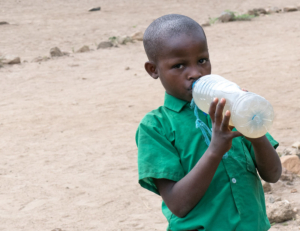
Poverty in the DRCThe Democratic Republic of Congo (DRC), despite its vast mineral wealth, faces significant challenges in socio-economic development due to high poverty levels. Political corruption, limited economic opportunities and ongoing conflict all contribute to the persistent poverty in the country. The following is a brief look into the extent and causes of poverty in the DRC.
Causes of Poverty

Gaining insight into the factors contributing to poverty is essential when analyzing the situation in the Democratic Republic of Congo. According to the International Trade Administration, the country holds significant untapped potential. In 2020, it emerged as the leading cobalt producer, accounting for 41% of global production, and ranked sixth in diamond production with 3.7 million carats. Despite agriculture being the largest sector, it has not effectively mitigated poverty, which has persisted for decades.

Statistics and Reasons for Poverty in the DRC

According to the World Bank, a significant portion of the population in the DRC, approximately 60 million people or 62%, live on less than $2.15 per day as of 2022. In 2021, the GDP per capita in the DRC was $577.20.

The prevalence of political corruption has been a major contributor to the high levels of poverty in the DRC. Political interests have taken precedence over crucial socio-economic matters, hindering the country’s development. The nation has faced persistent political conflicts due to lengthy presidential reigns, further exacerbating the challenges that citizens face.

Rather than prioritizing economic development and improving the lives of people, political issues and policies have taken precedence in the DRC. According to Africa’s Organised Crime Index, low salaries and poor treatment within the police force have resulted in a lack of seriousness in addressing monetary-related crimes, allowing perpetrators to evade punishment.

The life expectancy of a Congolese person at birth is only 59 years, as reported by the World Bank in 2021. This figure is significantly lower compared to many other countries, such as the U.S., where the average stands at 76 years. The underdevelopment of public sectors, coupled with low-income levels for the majority of Congolese people, perpetuates the cycle of poverty in the country.

Taking Action

Oxfam, an organization that has been working in the DRC since 1961, has played a vital role in promoting sustainable access to water and good hygiene practices. Through local initiatives, communities and schools have received the necessary support to maintain their access to these essential resources. Oxfam’s impactful efforts include providing life-saving aid to 700,000 displaced individuals, ensuring access to clean water and food.

Coopi, an Italian humanitarian organization, is also actively engaged in the DRC. Its initiatives encompass various areas such as providing free health care, offering support to malnourished mothers and children and promoting agricultural activities by assisting farmers in cultivating and marketing their products.

These organizations, among others, are committed to improving the living conditions of the Congolese people. By imparting knowledge on securing basic needs, they contribute to positive changes in poverty levels in the Democratic Republic of Congo.

– Christelle Wealth-Mukendi
Photo: Courtesy of Christelle Wealth-Mukendi

July 18, 2023
https://borgenproject.org/wp-content/uploads/borgen-project-logo.svg 0 0 Kim Thelwell https://borgenproject.org/wp-content/uploads/borgen-project-logo.svg Kim Thelwell2023-07-18 01:30:062023-07-15 19:28:53Everything to Know About Poverty in the DRC
Global Poverty, Water, Water Crisis, Water Quality

Combating the Worldwide Water Crisis

Worldwide Water CrisisCurrently, there is a worldwide water crisis, as 771 million people face a total lack of access to safe water. According to the World Health Organization (WHO), one in three people worldwide does not have access to safe drinking water. The global water crisis has far-reaching consequences for communities across the globe, such as contaminated water-borne diseases, health issues like dehydration, vomiting and diarrhea, as well as economic difficulties. Families may have to spend a significant amount of their income on buying bottled water or traveling lost distances to collect water, which can make it challenging for them to fulfill other basic needs, including food, shelter and education.
Affecting Women and Girls

In addition, water scarcity disproportionately affects women and girls because they often experience the burden of collecting water. Spending hours of their days walking to obtain water for their families often limits their opportunities for education, work and social activities. Unsafe sanitation also poses a threat to women and girls, as they face a higher risk of abuse and assault when having to use outdoor toilets or sharing facilities with men and boys.

In 2009, actor Matt Damon and engineer Gary White founded Water.org, a nonprofit organization that aims to provide access to safe water and sanitation to people in developing countries. Water.org combats the global water crisis across 11 countries through affordable market-based solutions.

Global Water Crisis in Numbers

The following five statistics put into perspective the pervasiveness and danger of the water crisis.

  1. Approximately 2 billion people worldwide lack access to clean water, and 3.4 billion do not have proper sanitation facilities, according to Water for People.
  2. According to reports, one in six health care facilities does not have handwashing stations or toilets, which puts millions of people seeking help for health issues at an even greater risk.
  3. Water for People reports that “3.4 million deaths occur each year from water-related diseases.”
  4. On average, women living in rural Africa walk 3.7 miles every day to collect water and carry 40 pounds of it back to their families.
  5. By 2025, half of the global population could live in regions confronted with water scarcity. Furthermore, by 2040, over a quarter of the world’s children will “live in areas of extremely high water stress.”

Water.org combats the global water crisis with urgency and innovation in an effort to reduce the grand scale of water scarcity worldwide.

Water.org’s Mission and Formula

Working in 11 countries across Africa, Asia and Latin America, Water.org combats the global water crisis through market-based solutions to empower communities and make access to safe water and sanitation sustainable. The organization offers two loan programs—WaterCredit and WaterEquity—that have distinct goals and serve different groups of borrowers.

WaterCredit provides small loans to families in developing countries, who lack access to traditional credit and cannot afford to pay upfront for water and sanitation solutions, such as wells, pumps, and toilets. Families repay these loans over time, with the expectation that the borrower will eventually become financially stable enough (now that they can devote their time to other efforts besides collecting water) to repay the loan in full.

The WaterEquity program is an impact investing project that provides funding for water and sanitation enterprises to scale solutions to reach more people. Investors offer small loans for water and sanitation that are repaid over time, potentially receiving a financial return.

WaterEquity helps to attract private capital to the water and sanitation sector, promoting innovation and expanding access to safe water and sanitation. According to Water.org, “The investor can potentially receive a financial return, or re-invest to further their social impact.” This initiative provides sustainable solutions to the global water crisis and offers an “attractive risk-return profile to investors.”

Impact and Achievements

As of 2023, Water.org has provided access to safe water and sanitation to over 55 million people in 11 countries, according to its website. Water.org’s primary initiative, WaterCredit, has helped to mobilize over $4.4 billion in capital for water and sanitation projects. Water.org has enabled communities around the globe to take control of their own solutions and break the cycle of poverty caused by a lack of access to safe water and sanitation.

India’s water crisis is particularly severe. Nearly 600 million people face high to extreme water stress, and “nearly 200,000 people in India die each year due to inadequate access to safe water.” In addition, by 2030, the water demand in India could be “twice the available supply.”

On the bright side, Water.org’s efforts against the global water crisis include 31 local partners in India. Water.org has helped more than 21 million people gain access to safe water and sanitation.

The organization combats the global water crisis through innovative solutions that generate long-lasting and life-changing effects for families worldwide. Overall, the continued efforts of organizations like Water.org present hope for a future where safe water and sanitation are accessible to all.

– Skye Connors
Photo: Flickr

June 30, 2023
https://borgenproject.org/wp-content/uploads/borgen-project-logo.svg 0 0 Kim Thelwell https://borgenproject.org/wp-content/uploads/borgen-project-logo.svg Kim Thelwell2023-06-30 01:30:362023-06-26 04:43:51Combating the Worldwide Water Crisis
Global Poverty, Water, Water Crisis, Water Quality

Addressing Worldwide Freshwater Crisis

Freshwater CrisisThe freshwater crisis is one that calls for attention, as water is an essential resource to all living organisms and ecosystems because it provides support to biological functions through the transportation of nutrients, regulation of body temperature and optimal digestion. It sustains life through biodiversity, productivity and adaptability to environmental changes to foster ecological processes.

According to the United States Bureau of Reclamation, approximately 3% of the Earth contains fresh water while the other 97% is saltwater. However, over 68% of the freshwater is in glaciers and polar ice caps, with another 30% in the soil, thereby rendering extraction difficult and expensive. The limited accessibility hampers fulfilling the expanding demand for freshwater resources and exacerbates the current worldwide freshwater crisis.

Earth’s Freshwater Poverty

Water scarcity intensifies as demand for freshwater rises as a result of population development, urbanization and industrialization, all of which diminish the availability of freshwater resources. Other causes that contribute to freshwater depletion include and over-extraction of groundwater.

Freshwater resources are not fairly distributed throughout the world, resulting in discrepancies in access and availability. Some areas, notably dry and semi-arid ones, suffer from chronic water scarcity, whereas others have copious freshwater supplies. This disparity could exacerbate socioeconomic inequities and lead to conflicts over the accessibility of water.

Consequences of Limited Access to Freshwater

Limited access to freshwater impacts human health. Waterborne diseases like cholera and typhoid flourish in contaminated and poor water sources. A lack of sufficient hygiene and sanitation facilities, particularly in developing countries, further exacerbates these health problems.

According to the World Bank, 70% of freshwater finds its use in agriculture, and this represents the largest consumption of freshwater globally. Water scarcity could have a negative impact on crop production, food security and livestock, affecting overall agricultural efficiency and productivity. The limited access to water for irrigation could force farmers to rely on unsustainable practices, such as inefficient water distribution, limiting crop yields from diversifying and exacerbating the cycle of water scarcity and food insecurity.

The freshwater crisis affects many sectors in the water-intensive sectors, leading to economic consequences. Marginalized communities, particularly women and children, face the brunt of water scarcity because of the need to frequently transport water across great distances. This has a limiting effect on educational and economic empowerment. Moreover, limited access to water contributes to poverty and socio-economic inequalities due to the lack of job opportunities and overall economic productivity.

Overcoming Challenges

An Engineering study reveals an innovative way of capturing water from naturally occurring sources, notably fog and dew. Researchers at NYU Abu Dhabi found a novel water-collecting technique using the spontaneous condensation of water vapor onto the surface of an organic crystal undergoing sublimation.

The researchers discovered that as the crystal’s surface sublimated, microscopic channels with varied widths formed, allowing condensed water to travel over the crystal’s surface. This process was responsible for the autonomous flow of dust and metallic nanoparticles along the channels. The researchers discovered a new approach to promote water flow over solid surfaces by exploiting the phenomenon of water condensation and the changing dimensions of the channels.

Efforts to achieve autonomous water flow have traditionally put an emphasis on surface chemical modifications or built microchannels. However, this work takes a completely new approach which was inspired by the natural flow of water over solid surfaces. The authors emphasize the significance of this phenomenon because natural creatures have evolved to efficiently move water for various life-supporting activities, even defying gravity in the case of plants.

This study has far-reaching ramifications, however, the research is still ongoing. These discoveries have the potential to inspire the development of novel methods that maximize the effectiveness of collecting water from atmospheric humidity, providing a new option for solving the global freshwater crisis.

Looking Ahead

The freshwater crisis remains an issue that requires proactive measures in order to secure a future of sustainable water supply. And while the discovery of humidity-capturing crystals presents a promising solution, reports suggest that further research is necessary to optimize the development of the project.

– Cherine Jang
Photo: Flickr

June 23, 2023
https://borgenproject.org/wp-content/uploads/borgen-project-logo.svg 0 0 Jennifer Philipp https://borgenproject.org/wp-content/uploads/borgen-project-logo.svg Jennifer Philipp2023-06-23 01:30:032023-06-21 04:44:05Addressing Worldwide Freshwater Crisis
Water

Loofah-Inspired Hydrogel Could Improve Access to Safe Water

Globally, more than 2 billion people live in countries with severe water deficits, largely due to contamination of water supplies, insufficient management and a lack of adequate infrastructure. Frequently, many fall ill to oftentimes fatal water-transmitted diseases such as diarrhea, dysentery and Hepatitis A. Population growth increases water insecurity, and climate change disrupts weather patterns, causing an increase in unpredictable water availability. Fortunately, researchers have developed a porous, loofah-inspired hydrogel that could sustainably purify water in a cost-effective way.

Initial Development

Previously developed thermoresponsive hydrogels absorbed and then released purified water. However, they had a slow response rate and were not effective in cloudy weather, providing an insufficient volume of water for a person’s daily needs. With increased release rates, the newly innovated loofah-inspired hydrogel improves on this. Researchers used a mixture of water and a chemical called ethylene glycol to induce polymerization, creating a ‘PNIPAm hydrogel’ with interconnected pores inspired by the porous structure of a loofah. They coated the inner pores of the hydrogel with the chemicals polydopamine (PDA) and poly(sulfobetaine methacrylate) (PSMBA), which provide the hydrogel with the ability to remove pollutants. The porous structure filters out microplastics, and the polydopamine traps contaminants such as dyes and metals. Furthermore, PSMBA creates a hydration layer that stops oils and microorganisms from being absorbed along with the water. When the hydrogel is cool, it can absorb water, but when warmed, it becomes hydrophobic and releases water. The hydrogel will only absorb water, not contaminants such as oil; therefore, it releases purified water.

Testing and Results

The porous, loofah-inspired hydrogel’s efficiency was tested with artificial light to replicate the solar energy of the sun. When heated, it “released 70% of its stored water in 10 minutes.” This improvement in response rate, four times faster than the closed-pore thermoresponsive hydrogels, means that this development could potentially meet a person’s daily water demand. Furthermore, it can work effectively even when a source of solar energy is not available. This is essential, as weather patterns may be unpredictable in areas of water deficit. Researchers proved the hydrogel’s effectiveness by testing under artificial light conditions, which replicated cloudy weather. It took about 20 minutes for the hydrogel to emit a similar amount of water to the volume released in sunny conditions. The hydrogel has also been tested on polluted samples containing “organic dyes, heavy metals, oil and microplastics.” These tests returned positive results, as the hydrogel successfully purified the water, removing contaminants.

Looking Forward

The hydrogel technology looks to be a vital step toward providing access to clean water in areas experiencing water insecurity. Although still in development, it has enormous potential. Research continues to create new and improved versions, such as hydrogel that could kill waterborne bacteria by utilizing its antibacterial properties. This provides hope for a brighter future for those without the financial ability to access clean water.

– Isla Wright

Photo: Flickr

May 23, 2023
https://borgenproject.org/wp-content/uploads/borgen-project-logo.svg 0 0 Jennifer Philipp https://borgenproject.org/wp-content/uploads/borgen-project-logo.svg Jennifer Philipp2023-05-23 09:40:552023-06-06 04:51:22Loofah-Inspired Hydrogel Could Improve Access to Safe Water
Global Poverty, Sanitation, Water

The Ugandan Entrepreneur Turning Waste into Water

Ugandan Entrepreneur
Uganda has experienced 20 years of economic growth and population relocation. Many Ugandan people have chosen to move from remote regions to areas around big towns and cities. Significant population growth has resulted in Uganda’s water supply and sanitation services facing exceptionally high demand. Limited supply and high demand mean that Uganda’s urban population faces high costs for access to water. Moreover, Ugandans that still live in rural areas continue to embark on long walks to collect water for their households. In light of this, a Ugandan entrepreneur, Timothy Kayondo, is turning waste into water. The following is a brief look into water quality and sanitation in Uganda.

Four Facts About Water Quality and Sanitation in Uganda

  1. Uganda has a population of 45 million people and 83% of the population do not have access to a clean and reliable source of drinking water.
  2. About 7 million people in Uganda, or around 17% of the population, do not have access to adequate sanitation facilities. 
  3. Approximately 32% of Ugandans have to embark on a journey of more than 30 minutes to gain access to water that is not suitable for drinking.
  4. Roughly 19% of Uganda’s population only possess access to streams, ponds and hand-dug wells, all of which lack the necessary filtration to make the water safe to drink. 

The Cost of Access to Water

Water.org has estimated that 72% of Uganda’s population “lives on less than $3.20 a day.” People living in the urban areas of Uganda use up to 22% of their income on maintaining access to water. A significant allocation of wages toward water access means that Ugandan households have less disposable income for other life necessities. Subsequently, it becomes challenging for the disadvantaged groups in Uganda’s population to break the current cycle of poverty.

Eco Water Purifier

In 2019, Timothy Kayondo demonstrated the Eco Water Purifier at the Global-NAMRIP’s conference in Uganda. Kayondo’s product serves as a solution to Uganda’s current water crisis. The Eco Water Purifier filters waste products such as animal bones and cassava peels to produce clean drinking water. The process involves the waste being “cleaned, fired in a vacuum-sealed furnace, soaked in acidic solution, washed in distilled water and then crushed into activated carbon.” The filter runs entirely off solar panel energy and has the capacity to purify up to 300 liters of water within the space of an hour.

Timothy Kayondo’s invention is affordable, portable and will be made accessible to all income demographics in the local population. However, public facilities, remote schools and clinics will be the main beneficiaries of the Eco Water Filter. As recognition of his achievement, Timothy Kayondo received the Africa Prize 2021 Alumni Grant. The grant was worth $19,700 and acknowledges the need to help “ambitious African innovators develop scalable engineering solutions to local challenges.”

Looking Ahead

Uganda’s struggle with access to drinkable water remains rife. However, efforts from individuals like Ugandan entrepreneur Timothy Kayondocontinue to highlight the need for effective and sustainable action against Uganda’s water crisis. The Eco Water Purifier provides an inventive solution that is most importantly accessible to those living in poverty. With time, the Eco Water Purifier can potentially become a long-term solution for Uganda’s water problems.

– Jennifer Preece
Photo: Flickr

April 25, 2023
https://borgenproject.org/wp-content/uploads/borgen-project-logo.svg 0 0 Naida Jahic https://borgenproject.org/wp-content/uploads/borgen-project-logo.svg Naida Jahic2023-04-25 09:32:072023-05-31 11:45:20The Ugandan Entrepreneur Turning Waste into Water
Page 8 of 57«‹678910›»

Get Smarter

  • Global Poverty 101
  • Global Poverty… The Good News
  • Global Poverty & U.S. Jobs
  • Global Poverty and National Security
  • Innovative Solutions to Poverty
  • Global Poverty & Aid FAQ’s
Search Search

Take Action

  • Call Congress
  • Email Congress
  • Donate
  • 30 Ways to Help
  • Volunteer Ops
  • Internships
  • Courses & Certificates
  • The Podcast
Borgen Project

“The Borgen Project is an incredible nonprofit organization that is addressing poverty and hunger and working towards ending them.”

-The Huffington Post

Inside The Borgen Project

  • Contact
  • About
  • Financials
  • President
  • Board of Directors
  • Board of Advisors

International Links

  • UK Email Parliament
  • UK Donate
  • Canada Email Parliament

Get Smarter

  • Global Poverty 101
  • Global Poverty… The Good News
  • Global Poverty & U.S. Jobs
  • Global Poverty and National Security
  • Innovative Solutions to Poverty
  • Global Poverty & Aid FAQ’s

Ways to Help

  • Call Congress
  • Email Congress
  • Donate
  • 30 Ways to Help
  • Volunteer Ops
  • Internships
  • Courses & Certificates
  • The Podcast
Scroll to top Scroll to top Scroll to top