The IoT Revolution in Water Management in Africa
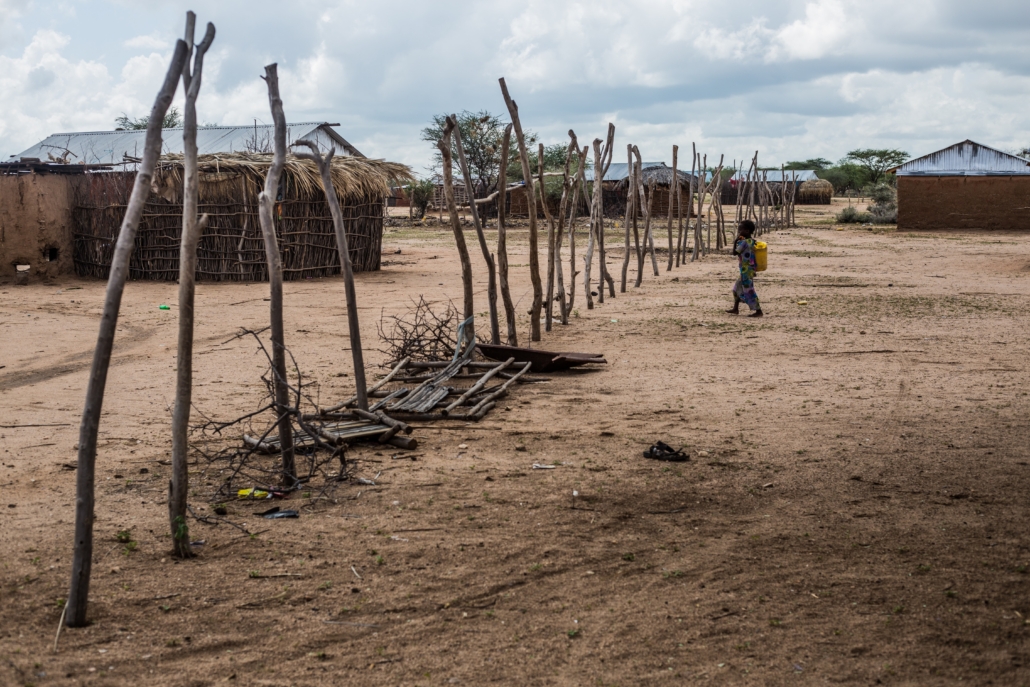
Water, that most vital of resources, is becoming alarmingly scarce across the sweeping landscapes of Africa. According to UNICEF, 418 million individuals are without basic drinking water facilities, 779 million do not have fundamental sanitation amenities — with 208 million still resorting to open defecation — and 839 million are deprived of elementary hygiene services.
Against the backdrop of challenges like prolonged droughts and erratic rainfall patterns due to changing weather patterns, Africa’s water crisis is accentuated. The rising population intensifies the strain on dwindling water sources, while industrial and agricultural pollutants further reduce the supply of clean water. In this context, the deficiencies in Africa’s water management facilities and systems become glaringly magnified. Outdated water supply and drainage systems lead to significant wastage. Coupled with a lack of proper maintenance due to financial constraints, many water facilities experience premature failure. Technologically, Africa lags in water treatment and reuse practices compared to developed nations.
Fortunately, the Internet of Things (IoT), an emerging technology, offers effective solutions to Africa’s water infrastructure challenges. Here is information about the IoT revolution.
Decoding the IoT Revolution
The Internet of Things, at its essence, is about connectivity. It is about everyday objects, from the mundane to the complex, communicating and sharing data. Here is what this means in tangible terms.
- Smart Water Meters: Picture a household that can track its water consumption as easily as checking a smartphone notification. These meters do not just log water usage; they offer insights, analytics and even suggestions to optimize consumption patterns.
- Leak Detection Systems: Far from the public eye, millions of liters of water are lost due to leaks in vast pipeline networks. With IoT sensors, these leaks can be detected in real-time, pinpointed to precise locations and rectified, saving invaluable water resources.
- Water Quality Monitoring: Beyond just quantity, ensuring water’s potability is paramount. Advanced IoT devices can now monitor a plethora of parameters, from pH levels to microbial contaminants, ensuring consistent water quality and alerting authorities to any anomalies.
Where Theory Meets Practice
In Kenya, the technological landscape is witnessing a transformative collaboration between Safaricom, a leading telecommunications company, and the Kenya Water Institute (KEWI). The duo has embarked on deploying a “Smart Water Management System,” leveraging the power of the IoT. This system, set to be integrated at KEWI’s campuses in Nairobi and Kitui, represents a holistic approach to water management.
The core of this system revolves around smart water meters. These sophisticated devices are capable of collecting real-time utility consumption data online. They offer an eagle-eyed monitoring solution that detects water loss and leakage swiftly. Such real-time detection does not just ensure accurate billing but aids in enhancing revenue collection. In an economic context, this system also has the potential to improve operational efficiency, providing a two-fold advantage: cost-saving for institutions and accurate utility bills for consumers.
Safaricom’s Chief Executive Officer, Peter Ndegwa, encapsulates the essence of this initiative, emphasizing the pivotal role of IoT in modern water management. By harnessing IoT, Safaricom aims to redefine the process of water extraction, generation, dissemination and utilization. It is a digital transformation that holds promises of increased efficiency and reduced wastage.
Looking Ahead
The water crisis that Africa faces is undeniably daunting. However, by integrating the power of IoT into water management strategies, there is a glimmer of hope on the horizon. Through the IoT revolution, Africa has a shot at ensuring water security for its teeming millions. In doing so, it does not just quench its physical thirst but also fosters a sustainable future and an enhanced quality of life for its inhabitants.
– Yudi Zhang
Photo: Unsplash
