• Link to X
  • Link to Facebook
  • Link to Instagram
  • Link to TikTok
  • Link to Youtube
  • About
    • About Us
      • President
      • Board of Directors
      • Board of Advisors
      • Financials
      • Our Methodology
      • Success Tracker
      • Contact
  • Act Now
    • 30 Ways to Help
      • Email Congress
      • Call Congress
      • Volunteer
      • Courses & Certificates
      • Be a Donor
    • Internships
      • In-Office Internships
      • Remote Internships
    • Legislation
      • Politics 101
  • The Blog
  • The Podcast
  • Magazine
  • Donate
  • Click to open the search input field Click to open the search input field Search
  • Menu Menu

Archive for category: Water

Global Poverty, Water, Water Sanitation

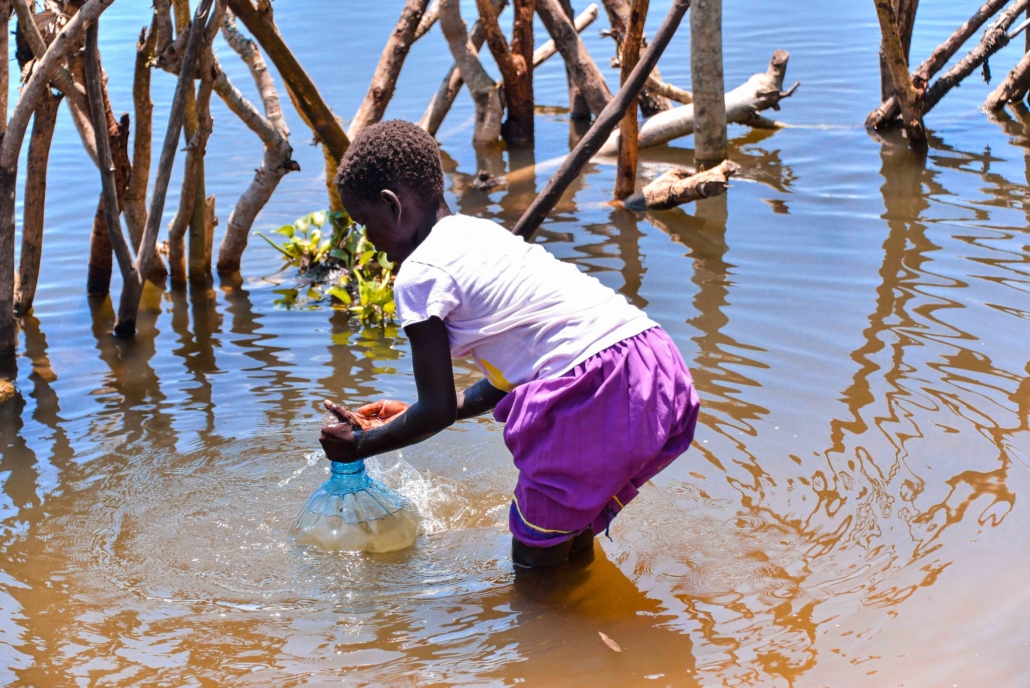
5 Facts About Water Security in Tanzania

Water Security in Tanzania
Tanzania’s economy, health and food security rely on the sustainable management of water resources. The United Nations has entrenched access to clean water and proper sanitation as a fundamental human right. However, this has not prevented the lack of water security in Tanzania, particularly in rural areas, from negatively impacting sectors like education and health care. On the positive side, efforts are ongoing to improve water security in the country.

5 Issues Affecting Water Security in Tanzania

  1. Changing Weather Patterns: According to forecasts, the average temperature in Southwest Tanzania could increase by 3 degrees Celsius by the end of the century, leading to higher evaporation rates and significantly affecting water availability.
  2. Mismanagement of Water Resources: Economic growth in Tanzania has prompted a growing demand for water. Yet, water management services fail to match this high level of demand, leaving 21 million citizens unable to access improved drinking water in 2017. In particular, this issue disproportionately affects poor rural districts.
  3. Poor Infrastructure: An estimated 80% of rural Tanzanians in rural areas use outmoded water and sanitation infrastructure such as pit toilets. A pit toilet is a type of toilet that collects human feces in a ground hole. These toilets typically do not have any lids to prevent groundwater pollution, thereby increasing the prevalence of water-related diseases. This lack of adequate toilet facilities also affects schools in the country. According to USAID in 2021, around 10% of menstruating girls in Tanzania drop out of school due to a lack of hygiene and sanitation facilities to properly and privately manage their menstruation.
  4. Health Impacts. Diarrhea-related diseases account for around 26,000 deaths due to the pathogen-infested water supply. Illnesses from the contaminated water have dire effects on education as school children lose as many as 33 million school days per annum. In 2015, only 17% of rural districts had access to sanitary water services. Additionally, according to reports, approximately 40% of the Tanzanian population has access to sanitary water services.
  5. Poor Hygiene: Tanzania only has a handful of public or private places where people can maintain proper hygiene practices, such as handwashing. While some places have handwashing areas, there is often no wash soap and non-contaminated water. Poor water, hygiene and sanitation services in Tanzania also significantly impact the health of school children as 84% of schools in the country lack access to handwashing facilities.

Improvement Efforts

From Jan. 4, 2016, to April 30, 2021, the U.S.-aided Water Resources Integration Development Initiative (WARIDI) intervened to combat the interconnected issues concerning water security in Tanzania. It collaborated with 20 local government authorities between the Wami-River and Rufiji River basins to drive the sustainable management of water resources. This included increased access to water, sanitation and hygiene (WASH) services. Basin water officers received training on interpreting data regarding sustainable and resilient water management. WARIDI used modern equipment that monitors the flow of water in various streams supplying major rivers.

WARIDI’s efforts created a succinct study of climate vulnerability that could be incorporated into its model for the efficient allocation of water resources. The organization aided in the establishment and development of 50 water infrastructure projects for 500,000 inhabitants across the Morogoro and Iringa regions of Tanzania in May 2021. The project provides access to potable water in rural regions, negating the need for 255,000 women to undertake perilous journeys to collect water.

Looking Ahead

Overall, WARID’s comprehensive approach to recognizing the importance of water conservation and maintenance of water infrastructure has played a significant role in alleviating issues related to water security in Tanzania. It has enhanced the living standards of many inhabitants through a variety of advanced water supply resources, including submergible pumps, solar panels, chlorine treatment divisions and valve chambers. The work is not yet complete as many Tanzanians still face significant challenges with accessing water. However, many positive results are visible from ongoing work and the situation continues to improve.

– Dami Kalejaiye
Photo: Flickr

April 17, 2023
https://borgenproject.org/wp-content/uploads/borgen-project-logo.svg 0 0 Jennifer Philipp https://borgenproject.org/wp-content/uploads/borgen-project-logo.svg Jennifer Philipp2023-04-17 01:30:542024-05-30 22:30:575 Facts About Water Security in Tanzania
Global Poverty, Water

Worst Drought in Argentina in 60 Years

Drought in Argentina“Argentina is enduring its ninth heat wave of the growing season, when the norm is for three or four, compounding its third straight La Niña-fuelled drought,” according to the Buenos Aires Times in March 2023. With record high temperatures and low precipitation, the drought in Argentina became severe in the last three months of 2022 and continues to persist.  Argentina is a major producer of corn, wheat and soybean crops. The heat and lack of rainfall are proving extremely difficult for farmers trying to continue operations with little water and harsh temperatures. The ​​National Meteorological Service (SMN) has tracked and reported weather data since 1961. The drought in Argentina is the worst since the SMN started to record data. February 2023 received 41.9% less rain than it usually does.
La Niña

Experts are crediting the weather in Argentina to the La Niña climate pattern. La Niña refers to a weather pattern that cools the surface of the Pacific water on the west coast of South America, creating hotter and drier weather in South America. It usually occurs every three to five years, but experts are crediting Argentina’s continuous hot and dry conditions to a third successive year of La Niña.

Impact on Crop and Economy

A severe combination of heat waves and a dry climate is causing fires to scorch and spread through Northern Argentina. Argentina suffered a minimum of eight heat waves between 2022 and 2023. As of February 23, 2023 officials state that the fires have covered at least 9% of the Corrientes province’s territory, located in Northeastern Argentina.

Argentina’s economy relies heavily on its ability to grow and sell crops. Because Argentinian farmers are struggling to produce food in the current climate, estimates predict the country will produce about 50 million fewer tons of crop than last year, according to Al Jazeera.

Due to the lack of crops to sell, the Rosario Grains Exchange (BCR) predicts that the drought in Argentina will cut the nation’s 2023 GDP by $19 billion compared to 2022. The drought has already reduced the country’s GDP by three points.

Solutions

With the inability to grow as many crops as usual, coupled with almost 100% inflation, Argentina is struggling to meet the annual debt owed to the IMF. However, Argentina and the International Monetary Fund (IMF) are currently negotiating a deal where the nation does not need to provide the IMF with the amount of “currency reserves target” previously agreed upon for 2023.

In addition, Argentina is working on several solutions to ease troubles for struggling farmers who depend on crops as their livelihood. In January 2023, the government announced the launch of a relief fund for farmers struggling amid the drought. The fund will provide farmers with access to 5 billion pesos, or about $27 million.

Secondly, the government announced at the same time that it will not require farmers in areas affected the worst by the drought to pay the “advance income tax payments.” This comes along with lower interest rates and greater subsidies. The hope is that this will lighten any excess financial burdens that struggling farmers may have.

With significantly smaller crop yields this year than in previous years, the current climate has been tough on Argentina’s farmers thus far. Experts predict that crop production will continue to struggle as the weather continues. Though, fortunately, Argentina’s farmers are receiving support from the international and local communities.

– Maya Steele
Photo: Flickr

March 28, 2023
https://borgenproject.org/wp-content/uploads/borgen-project-logo.svg 0 0 Jennifer Philipp https://borgenproject.org/wp-content/uploads/borgen-project-logo.svg Jennifer Philipp2023-03-28 07:30:002023-03-29 02:52:46Worst Drought in Argentina in 60 Years
Global Poverty, Water, Women

The Walk for Water Campaign Increases Global Water Access

Walk for Water
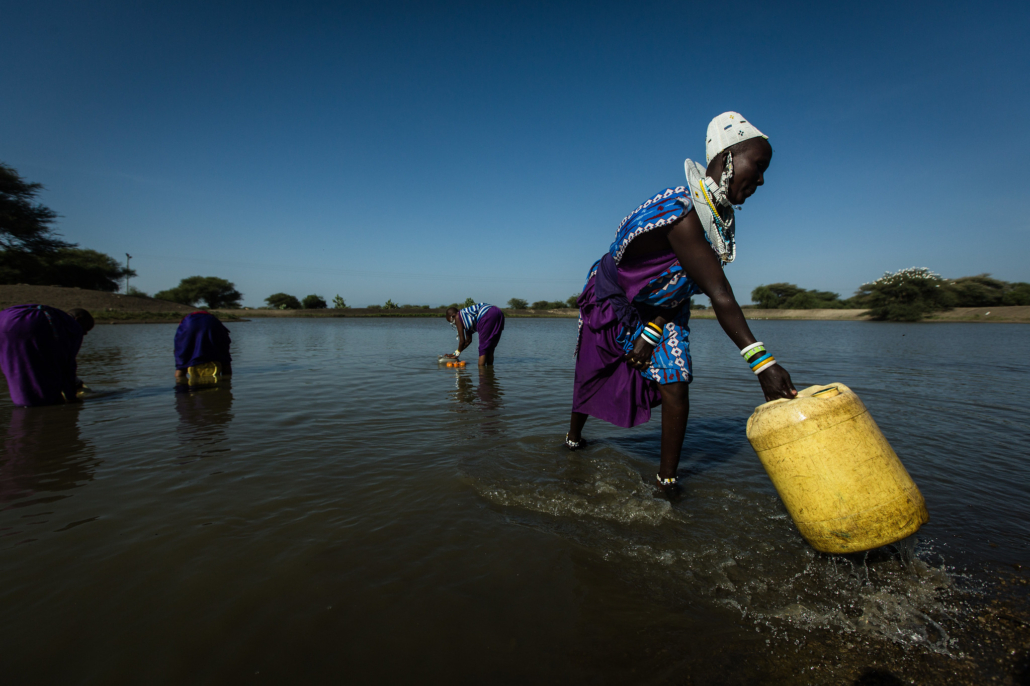
Turning an everyday walk into vital support for the world’s most vulnerable is possible through the United Kingdom’s WaterAid campaign, Walk for Water. The campaign encourages the public to participate in a walking challenge that raises funds for pipe installations, well constructions, menstrual hygiene sessions and the building of school toilets in countries with a high count of people living in poverty. Clean water is vital for good health, thriving communities and flourishing economies. Challenging people to walk this month will contribute to improving the lives of women and girls who have to walk up to 12 kilometers every day to collect clean water.

Inequality in Access to Water

A 2019 report by UNICEF and World Health Organization reveals that “2.2 billion people around the world do not have safely managed drinking water services, 4.2 billion people do not have safely managed sanitation services and 3 billion lack basic handwashing facilities.”

These statistics make it clear that mobilization efforts need to pick up the pace in order to meet the U.N. drinking water, sanitation and hygiene targets by 2030. The U.N. asserts that the world’s progress in this area must increase fourfold in order to meet these goals.

Water and Poverty

Rapid population expansion, urbanization and growing water demands from the “agriculture, industry and energy sectors” have put a strain on global water resources. Access to safe and affordable water and sanitation plays a key part in poverty reduction and well-being. Meeting the U.N. Sustainable Development Goals (SDGs) in this area would safeguard the lives of 829,000 people per year, who would otherwise die from illnesses arising from contaminated water, improper sanitation and inadequate hygiene.

According to Healing Waters, about 84% of people who lack access to clean water live in rural areas, meaning they rely on agriculture to meet their nutritional needs and secure an income. In cases of water contamination, crops are detrimentally affected and communities end up consuming contaminated food, exposing them to a multitude of preventable diseases and illnesses.

The obvious way that clean water reduces poverty is by improving physical health and well-being. Proper water and sanitation access prevents the spread of water-borne illnesses — the cause of 80% of illnesses in poverty-stricken countries, Healing Waters says.

Access to clean water also reduces poverty by easing the physical burden placed on females of all ages as gender roles prescribe that girls and women bear the role of water collectors. Females must undertake strenuous journeys, sometimes of up to 12 kilometers, carrying heavy buckets of water back to their homes after collection. One of the goals of the Walk for Water initiative is to lift this burden off of females so that young girls can engage in education and women can rest or partake in other productive tasks rather than spending hours collecting water, thus improving the lives of women and girls.

Looking Ahead

It is becoming more and more obvious that properly managed clean drinking water, sanitation and hygiene services are essential to maintaining human health as the COVID-19 pandemic carries on. However, billions of people would still lack these basic amenities in 2030 unless progress accelerates significantly. Many other aspects of sustainable development depend on water, and in order for the current trend to change, immediate action is necessary.

– Ralitsa Pashkuleva
Photo: Flickr

March 20, 2023
https://borgenproject.org/wp-content/uploads/borgen-project-logo.svg 0 0 Kim Thelwell https://borgenproject.org/wp-content/uploads/borgen-project-logo.svg Kim Thelwell2023-03-20 01:30:492024-05-30 22:23:21The Walk for Water Campaign Increases Global Water Access
Global Poverty, Water, Women

The Women Fighting for Water in India

Water in India
According to UNICEF “785 million people today do not have basic access to water.” To relieve this burden in India, Jal Sahelis, or women water warriors, are committed to reviving dried sources of water in Bundelkhand in what is now becoming a nationwide initiative to provide more access to clean water in India.

India’s Water Issues

In India, 91 million people lack access to clean water. Even though India has “18% of the world’s population, but only 4% of its water resources,” making it among the most water-stressed in the world.

Jah Salehi’s formed a volunteer network of more than 1,000 women to restore lost water sources throughout Bundelkhand. They can help with this by collecting rainwater during the June monsoon season and distributing it through dried-up water bodies around their village. As India’s water shortages increase, the women’s efforts provide.

The involvement of Jal Sahelis in many projects also highlights the importance of community-led efforts for sustainable development. The Jal Sahelis program empowers women to take leadership roles in managing and conserving water resources, which not only benefits the environment but also promotes gender equality and women’s empowerment in rural areas.

Improvements

Welthungerlife and Parmarth Samaj Sevi Sansthan helped these women with the organization and training necessary for “water resource planning, management and conservation.” There are currently close to 500 Jal Sahelis who completed the training and are now working. They are always available to help their communities with water issues and are identifiable by their blue saris.

As well as this, they have implemented “shramdan,” which are community donations to help restore ancient ponds and hand pumps, even using government funding to build check dams. The way in which they construct the ponds and dams is by moving boulders and then mixing concrete to form such structures, according to India Times. The Jal Shakti (Water Resources) Ministry of India has commended them for their successful efforts in resolving challenges pertaining to access to water in India.

Addressing Social Issues and Access to Water in India

Not only are Jal Sahelis helping with water issues, but many social changes as well, such as the promotion of human rights and the reduction of inequality. Jal Sahelis are also helping villages of India rediscover knowledge they lost decades earlier when water transformed from a community-managed resource to one administered by India’s government.

By working closely with communities, Jal Sahelis are helping to rediscover and revive traditional practices, which can be more sustainable and effective than modern systems. This can also contribute to the preservation of cultural heritage and identity. Overall, Jal Sahelis are playing a vital role in promoting sustainable water management and empowering communities, while also addressing social issues and reviving traditional knowledge.

– Lauryn Defreitas
Photo: Flickr

March 18, 2023
https://borgenproject.org/wp-content/uploads/borgen-project-logo.svg 0 0 Naida Jahic https://borgenproject.org/wp-content/uploads/borgen-project-logo.svg Naida Jahic2023-03-18 07:30:402024-05-30 22:30:52The Women Fighting for Water in India
Global Poverty, Sanitation, Water

The Swiss Charity Helping the World’s Poorest

Swiss Charity
Medair is a Swiss charity bringing resources and aid to the most vulnerable in the poorest countries. The charity specializes in providing emergency responses to countries experiencing natural disasters and outbreaks of war and disease. The organization focuses its aid on the most vulnerable populations of women and children in emergency outbreaks. Similar to various other aid charities, such as the Red Cross, Medair originated and holds its headquarters in Switzerland. One might wonder how Switzerland, a country that has received renown for having such a high GDP relative to its population size and for taking a neutral stance in world politics, offers such good conditions for philanthropy.

Medair’s Background 

Medair began in the Swiss canton of Vaud in 1989, inspired by the Christian values to serve the most vulnerable people regardless of race, creed or nationality. It cites its values as integrity, hope, compassion, joy, accountability, dignity and faith. Medair goes the extra mile to help those most affected by global emergencies who are also those most difficult to reach. They are ready to act within 24 hours of a disaster, before subsequently focusing on rebuilding and strengthening communities from future disasters. The Swiss charity Medair focuses on three aspects of aid including providing shelter, clean water and sanitation, health and nutrition. They employ experts in each sector to provide hands-on help.

On the Ground: Afghanistan

Since 1996, Medair has been providing humanitarian aid in Afghanistan. Since the withdrawal of U.S. troops and the Taliban’s takeover in 2021, Medair has provided 116,171 people with direct assistance.  Following 2021, Medair built 117 clean water access points and a solar-powered water point. Many Afghan families have struggled to feed themselves because of heavy displacement since the Taliban seized power, which has led to more than 1 million malnourished children in need of acute treatment. In response, Medair has been managing 29 mobile nutrition clinics over nearly 45 locations, and within eight months, almost 40,000 women and children received treatment for malnutrition.

Switzerland: Rated Second Best for Conditions that Enable Philanthropic Engagement

In the Global Philanthropy Environment Index 2022 which the University of Indiana conducted for 2018-2020, Switzerland received a rating for second-best for conditions that encourage the creation of philanthropic and charitable organizations.

It is clear from the number of Swiss humanitarian aid charities including the Red Cross, Caritas and of course Medair, that Switzerland promotes humanitarianism despite its neutral stance in global affairs. In housing one of the U.N.’s offices, and in hosting ‘good offices,’ mediating spaces where conflicting countries’ representatives can engage in peace-making meetings, Switzerland is a country that promotes peace-making. Moreover, in 2021, Switzerland spent 0.50% of its GNI on ODA, a 0.01% increase from the previous year. In relation to the country’s GDP, Switzerland received the rating of the eighth-most-giving country in 2018.

Concluding Thoughts 

Switzerland has received renown for a high GDP relative to population size, for a strong currency and for a general population with a high amount of wealth. It is refreshing to see such a wealthy country recognize its privilege, pay it forward and play its part in reducing global poverty by encouraging the formation of hands-on humanitarian aid charities, such as the Swiss charity Medair.

– Genevieve Lewis
Photo: Flickr

March 3, 2023
https://borgenproject.org/wp-content/uploads/borgen-project-logo.svg 0 0 Naida Jahic https://borgenproject.org/wp-content/uploads/borgen-project-logo.svg Naida Jahic2023-03-03 01:30:112023-03-02 07:20:03The Swiss Charity Helping the World’s Poorest
Food Security, Global Poverty, Sanitation, Water

USAID Programs in Yemen

Programs in Yemen
The continued civil war in Yemen, ongoing since 2014, has led to a severe humanitarian crisis. The UNFPA says the conflict has displaced 4.2 million Yemenis as of 2022 and 20 million citizens are suffering from malnutrition and hunger, according to the World Food Programme (WFP). By February 2022, about 80% of the population lived in poverty. Extreme climate events have only worsened this while increasing people’s susceptibility to disease outbreaks. Since 1959, apart from a 70-year hiatus ending in 2003, USAID programs in Yemen have helped to better the quality of life in the country.

USAID Programs in Yemen

  1. Health Services. USAID’s Yemen Systems Health and Resilience Project (SHARP) aims to improve maternal and child health care in Yemen. SHARP has provided training to “210 community midwives and 413 reproductive health volunteers to improve access to services for women of reproductive age and children under five,” the USAID website states. SHARP also provided skills training to “97 health facility service providers on evidence-based reproductive, maternal, newborn and child health and nutrition services to ensure the provision of quality services for mothers, pregnant and lactating women and children.” When the COVID-19 pandemic hit, USAID worked with the U.S. government to donate 319,200 COVID-19 vaccines to Yemen, provide oxygen to COVID-19 isolation units, strengthen the country’s cold storage and transport systems for vaccines, trained health workers on infection control methods and carried out awareness-raising activities, among other efforts.
  2. Sanitation and Water Management. About 50% of Yemenis report major water quality issues, making the water situation in Yemen one of the globe’s most severe water crises. In response, in 2021, USAID programs in Yemen provided more than 1.5 million disadvantaged people with access to clean water, improved sanitation and hygiene education. USAID has also brought water access and sanitation to 377,606 students at schools. USAID aligns its water and sanitation projects with the U.S. government goals laid out in the U.S. Global Water Strategy, which defines the framework and steps for the U.S. to advance global water and sanitation.
  3. Food Security. Recently, during a pledging event on June 8, 2022, the U.S. government announced an allocation of $585 million in humanitarian aid for Yemen, which includes more than $561 million from USAID for “emergency food assistance as well as prevention and treatment of severe malnutrition and humanitarian protection for vulnerable populations,” the U.S. Department of State website says. USAID in partnership with the Department of Agriculture will utilize $282 million from the Bill Emerson Humanitarian Trust to aid Yemen, along with five other countries, in addressing food insecurity and wheat price hikes. In November 2022, the agency partnered with Yemen’s Ministry of Public Health and Population on a $4.8 million malnutrition prevention and recovery program to promote nutrition and open resources to families.
  4. Economy and Trade. USAID’s Economic Recovery and Livelihoods Program supports the Yemeni government in economic reform and stabilization of its trade regime by “facilitating the flow of commercial and humanitarian goods and services through Yemen’s borders and ports.” The program has also brought support to smaller enterprises within the country, such as fishing and farming, linking these smaller businesses to the international market. In 2021, USAID helped 1,200 Yemenis attain stable jobs in specific sectors, provided agricultural support to 4,000 workers and “facilitated 400 trade agreements worth $5.04 million between Yemeni producers and local and international buyers for agriculture products.” USAID also helped Yemen’s Ministry of Finance launch “a pilot e-payment system in February 2022 to pay public sector salaries and eliminate financial waste and abuse,” USAID’s website highlights.

Looking Ahead

In a world where many still require emergency humanitarian assistance, foreign aid is critical. Even though there is room for the U.S. government to do more, so far, the U.S. stands as a champion in bringing support to Yemen amid its crisis.

– Audrey Gaines
Photo: Flickr

February 22, 2023
https://borgenproject.org/wp-content/uploads/borgen-project-logo.svg 0 0 Kim Thelwell https://borgenproject.org/wp-content/uploads/borgen-project-logo.svg Kim Thelwell2023-02-22 01:30:332023-02-21 07:11:33USAID Programs in Yemen
Global Poverty, Water

Inca and Pre-Inca Water Systems Are Peru’s Future

Inca and Pre-Inca Water Systems
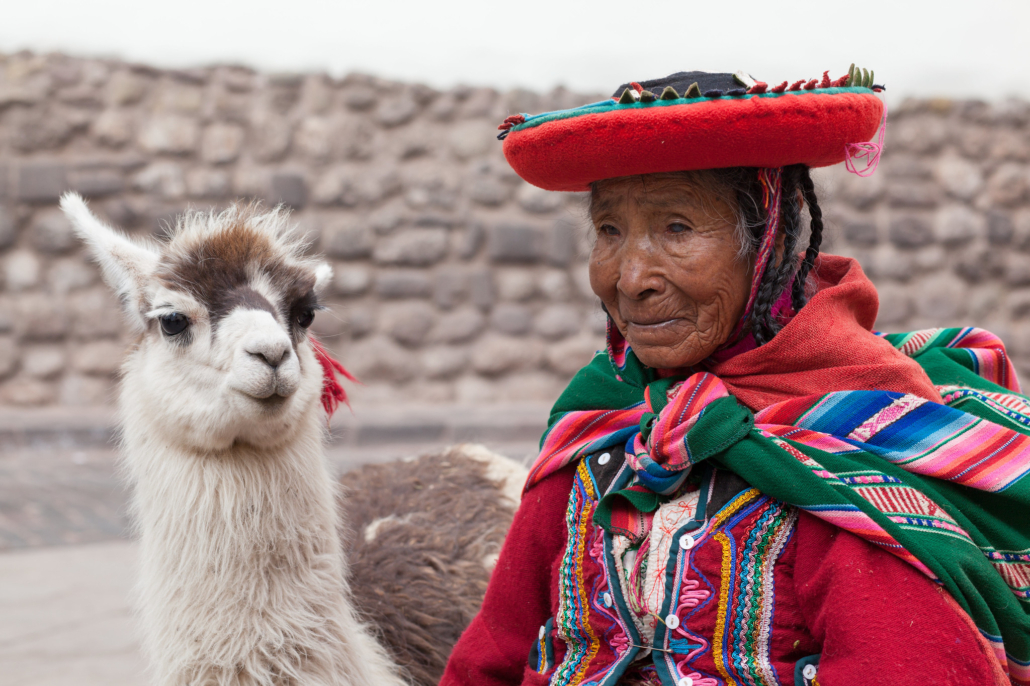
Peru has a mountainous landscape paired with a rich indigenous history—though many secrets were lost during the Spanish conquest, a long-forgotten practice is reemerging—and just in time to combat Peru’s water crisis. Water scarcity is common in Central and South America—in fact, Microtrends estimates in 2022, only 51% of Peruvians had access to clean drinking water. Peru is among many countries struggling with extremely dry seasons; in the city of Lima, only about 0.5 inches of rain falls annually, which is devastating to the citizens living there. With such little rainfall, one may question what the solutions are to make this water last. Additionally, one may ask what other water is available year-round aside from rainwater. The Inca and pre-Inca water systems are Peru’s future.

Who are the Inca?

The Inca were indigenous people who lived in Peru, Ecuador, Argentina and Chile prior to the Spanish conquest in 1532. The Incan empire stood as the largest pre-Columbian empire in all the Americas before the death of Atahualpa, also known as the final Incan emperor. Though the Inca civilization fell, Inca’s descendants still practice their customs and traditions. This includes a practice called water planting—a brilliant ration-based method to conserve water throughout the dry season. Here is some in-depth information about Inca and pre-Inca water systems in Peru.

Water Planting

Water Planting, a method that the Inca and pre-Inca used primarily, is a timed natural water filtration system that utilizes amunas—also known as water canals. This type of filtration relies on soil and trees and vegetation to filter rainwater and river water; this process of planting water takes weeks and even months for the water to return to clean water, according to BBC. Because of this timed release, water can continue to flow long into the dry season—and current Peruvians can predict exactly where the water will be released because of an intimate knowledge of the amunas. This method also allows for the addition of more minerals to the drinking water. Once the soil absorbs the water, the water irrigates down the river to the citizens below.

People living in Lima, Peru are reinvigorating water planting—acknowledging the method as a sustainable practice for cleaning water. However, it is not just Lima; other Andean towns have also readopted this method to combat water scarcity. Early tests showed that water planting provided double the amount of water Lima needed for the season, according to BBC.

Bofedales

Bofedales, an Inca-utilized resource, is a natural or man-made wetland or spring found in Peru. These miracle hot spots promote microbe growth, organism growth and vegetation growth—all of which help promote clean water. The Inca recognized the importance of these year-round springs and even created their own artificial wetlands to help meet their water needs.

However, in recent years poachers have raided Bofedales for rare flowers—which poachers then sell in cities at great profit. Without these plants and trees, water does not have proper filtration and therefore it is not clean, according to BBC. This means the systems the Inca created for their own freshwater need protection from poachers. It is not too late to save these wetlands. It is not too late to save Peru.

Stopping Deforestation

Nature has a way of working symbiotically, ecosystems are reliant on all their components to function properly. Without all these components, the ecosystem fails—the Inca knew this. Their methods relied on the symbiotic nature of the environment. Part of this includes an abundance of trees with deep, healthy roots. As a result, removing those trees and vegetation negatively impacts water quality.

This was the case in Moyobamba. When farmers tore down trees and turned the land into agricultural property, the quality of water suffered greatly. A coalition of environmental organizations—both local and international—developed agreements between farmers and Peruvians. Law groups introduced tariffs, resulting in Peruvians paying a small amount for farmers to reforest their land. The environmental organizations formed education groups and conservation initiatives, which saved the people of Moyobamba and became a blueprint for other cities in Peru to follow.

When the Inca and pre-Inca created their networks for clean water, they created the future for their future children. Their work may be the hope for the nation as natural infrastructures reemerge and people utilize them. Truly, Inca and pre-Inca water systems are Peru’s future.

– Thomas LaPorte
Photo: Flickr

February 16, 2023
https://borgenproject.org/wp-content/uploads/borgen-project-logo.svg 0 0 Jennifer Philipp https://borgenproject.org/wp-content/uploads/borgen-project-logo.svg Jennifer Philipp2023-02-16 01:30:362023-02-14 06:38:00Inca and Pre-Inca Water Systems Are Peru’s Future
Global Poverty, Water

Improving Water Access in Tajikistan

Water Access in Tajikistan
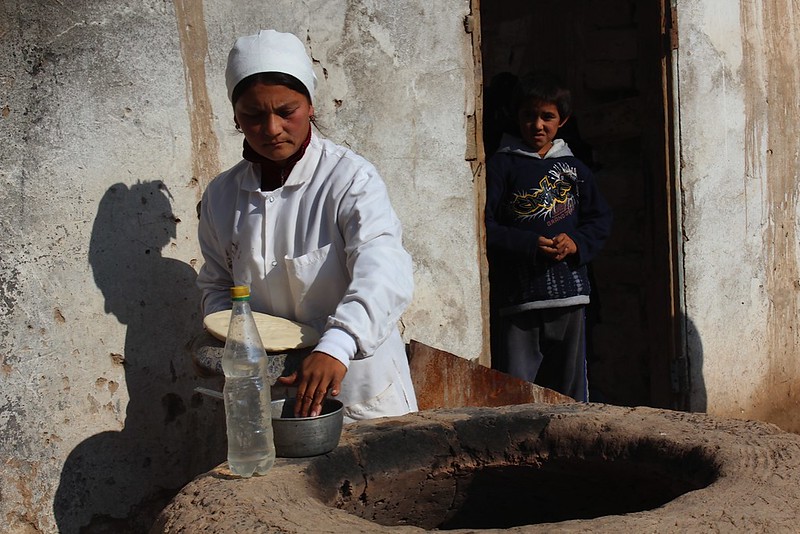
Despite having the greatest natural supply of freshwater sources across the region, water access in Tajikistan is an ongoing challenge. Only 55% of the country’s residents have access to this human right that has turned into a luxury. The country already faces several shortcomings and obstacles across the rural areas. Tajikistan has progressed in the past decade in reconfiguring its water laws and existing supply systems. Although it increased access to improved water sources from 75% to more than 84%, the critical issues of water security and continuous supply still remain. The work that has occurred during the past decade has paved a way for further progress. More work is necessary to address the issue of water access at its core.

The Roots of The Issue of Water Access

According to the research that the World Bank conducted, obstructions to water access in Tajikistan are likely due to poor infrastructure. Much of the piping was built throughout the 1970s and 1980s and commissioned by the Soviet Union. Since the fall of the USSR in 1991, these facilities have seen little to no maintenance. According to research conducted by Marufjon Abdujabborov in 2020, a specialist in analysis in Tajikistan’s internal office, only 68% of water infrastructure in cities was in working order, and across rural areas that figure dropped to 40%.

Aside from the effects of consuming unsanitary water on internal organs, the inadequacies of water access in Tajikistan also have a strong bearing on hygiene facilities, instilling harsh inequalities across the country. For example, only 1.7% of households in rural areas have access to a flush toilet, compared to 60% across urban areas. The World Bank reported that “One in four households in Tajikistan does not have access to sufficient quantities of water when needed. Service is interrupted for long periods because of breakdowns in water supply infrastructure.” Poor access to water systems forces many in the affected areas to gather water from neighboring provinces and villages. Doing so has worsened tensions amongst rural communities and increased border disputes. Furthermore, the responsibility of gathering water typically falls on women and children of the household. This impedes children’s education and causes detrimental effects on their health.

A Project to Solve the Water Crisis

Tajikistan Water Supply and Sanitation Investment Project, which was introduced in 2021, outlines strategic initiatives for expanding safe and affordable water supply and sanitation across the country. On July 2022, the International Development Association (IDA) grant of $45 million was approved, thereby securing funding for the project. The proposal focuses on following a series of initiatives targeting strongly affected areas, starting with the region of Khatlon. Projected beneficiaries of this operation amount to 250,000 residents across the region. There are other 24 similar projects that the World Bank has financed across Tajikistan.

Additional investment by the Asian Development Bank (ADB) will target vulnerable areas of the Dushanbe region. Reconfiguration of the regional water systems, including sanitation and sewage collection, are the overarching aims of the aforementioned programs. Further development initiatives under the Water Supply and Sanitation Investment Project can draw inspiration and models of sustainable operation that are developed by the current investments.

Women-led Solutions Through Associations

In 2012, the Tajik government introduced local “water users associations” in response to the challenges associated with water access in Tajikistan. It commissions private farms to manage the delivery of water across their respective regions and promotes the management of irrigation systems and water supplies. The struggle has seen resourceful individuals rise to the challenges and take action through the water users’ associations. Uguloy Abdullaeva, a local dairy farmer in Dushanbe, was elected as the acting head of her association. Through her fundraising efforts, she received $420,000 from the American embassy to fund the reformation of the project.

The United States Agency for International Development (USAID) offered two years of training in water management to Uguloy. As a result, she gained a comprehensive understanding of water management and effectively invested in a piece of land, an excavator, new pipes and water locks for the region. The knowledge she learned from the training programs has spread to farmers within her association. Since then, farmers have become more responsible with their farms and there are fewer issues with water.

Further funding for development assistance is necessary to extend operations and ensure access to clean water for those that need it. The inspiring work of associations and individuals is effectively handling investments and improving water access across their districts. It has changed the lives of thousands in vulnerable areas. Most importantly, it serves as a strong example for the youth and citizens to build a better Tajikistan.

– Bojan Ivancic
Photo: Flickr

November 22, 2022
https://borgenproject.org/wp-content/uploads/borgen-project-logo.svg 0 0 Naida Jahic https://borgenproject.org/wp-content/uploads/borgen-project-logo.svg Naida Jahic2022-11-22 01:30:242022-11-18 13:36:48Improving Water Access in Tajikistan
Global Poverty, Water, Water Crisis

4 NGOs Fighting Water Scarcity in Ethiopia

Water Scarcity in Ethiopia
Only
57% of Ethiopians have access to clean water today. Time spent searching for clean water, a place to use the bathroom and money spent to treat waterborne illnesses contributes to the poverty crisis by impeding education and potential financial growth. These are four NGOs fighting water scarcity in Ethiopia.

Water4Ethiopia

Water4Ethiopia is an independent charity based in London working to improve water insecurity in Ethiopia. The organization has helped about 5,300 Ethiopians access clean water.

In many parts of Ethiopia, safe water is in relatively shallow ground, but the water supply is easily contaminated. Water4Ethiopia works with people local to the area to construct a protected hand-pumped well and treat it with a small amount of chlorine. Water4Ethiopia builds capped springs that transfer water to distribution points.

Water4Ethiopia has installed capped springs that move water to distribution points in Beku Golba, Saglie and Dodo. Hand-dug wells with pumps to distribute water have improved water conditions in Ababari, Kolle, Kidanemihret, Lower Woibla, Maje-Azwara, Mewagna and Kufif. Water4Ethiopia also implements hygiene and sanitation programs to ensure safe, clean water is readily available.

There are in-progress projects that Water4Ethiopia organized to meet its mission to end water scarcity in Ethiopia. Water4Ethiopia hopes to implement hand-dug wells with hand pumps in communities such as Lolo and Marwenz.

Lifewater

Lifewater is an organization that focuses on regions that are hard to reach and implements custom solutions to improve water scarcity in Ethiopia. Lifewater has built over 500 water sources in more than 395 villages. About 88% of WASH solutions are still running, and more than 198,000 people have improved their water sanitation. A core value of Lifewater is “serving the least, the lost, and the last.”

There are five types of custom water solutions engineers at Lifewater use that include hand-dug wells, drilled wells, protected springs, rainwater harvesting and rehabilitated wells. A team of engineers collaborates with the community to determine the best approach for a specific community. Every village is different in its resources, population, distance from water sources and time spent in line waiting for water.

Testing water quality has allowed 88% of water solutions to remain in place and continue to provide communities with water. The goal is to meet the WHO guidelines for having international water sources within one kilometer of one’s house with waiting times of less than 30 minutes.

Lifewater lists fundraisers on its website and shares periodic updates for funding and the progress of water solutions. Recently completed water projects in Ethiopia include hand-pumped wells in Erbaye Huleti, Kenchota and Shefele.  

The Millennium Water Alliance Ethiopia Program

The Millennium Water Alliance (MWA) has created a sustainable water, hygiene and sanitation (WASH) program outlining a five-year plan to help Ethiopia attain clean, low-cost water by 2030. This plan prioritizes increasing access in schools and hospitals, the functionality of water solutions and budgeting to ensure solutions last.

The MWA has recently taken a broader approach to improve water conditions. The organization considers the big picture rather than only focusing on infrastructure by focusing on sustainability to ensure water solutions operate long-term.

Researchers at the MWA utilize water point data to determine which districts in Ethiopia need WASH assistance. The Water Point Data Exchange (WPdx) works alongside the WASH program to monitor water accessibility and cleanliness in regions. Reporting collected data on the WPdx allows for collaboration between NGOs and the Ethiopian government to allocate resources.

The MWA also continues to learn about water scarcity in Ethiopia and effective methods to share with other NGOs or government organizations to recreate similar infrastructure in other regions. Thus far, the MWA has successfully provided clean water in Ethiopia for more than 2 million people in hard-to-reach areas.

Hope H2O

Hope H2O is a Canadian volunteer organization that develops educational and WASH projects in Ethiopia. Its mission is to enhance water sanitation and quality of life for Ethiopians. Dating back to 2010, Hope H2O has assisted more than 25,000 Gimbichu District residents.

Hope H2O strategies include large concrete reservoirs, water taps, drains and technology to track usage. All materials used for infrastructure came from Ethiopian merchants and community members that professional plumbers and masons assisted.

The organization works to ensure water points are accessible to most of the community and that the community understands proper sanitary procedures to keep water access points clean. Hygienic methods taught include consistent hand washing and designated family latrine pits that will not contaminate nearby water sources.

Work done in the Menjigsso Gora community improved an old government-installed pump and stationed a generator to extract safe water into a reservoir with a wide service zone. Creating water points in the local elementary school improved school conditions and education in the community, as it was previously difficult to retain teachers.

Hope H2O is currently in phase two of its project in Germama Village. The project entails the construction of sanitary water facilities and community sanitation education. COVID-19 and political unrest halted progress for about six months in 2020 until construction resumed.

Looking Ahead

Access to clean water is a human right vital for the health of Ethiopians and the fight against global poverty. Without water, families are unable to handle other factors contributing to their financial state. It is important to ensure every person has access to basic human needs and these NGOs are working towards that goal.

– Mikada Green
Photo: Flickr

November 7, 2022
https://borgenproject.org/wp-content/uploads/borgen-project-logo.svg 0 0 Naida Jahic https://borgenproject.org/wp-content/uploads/borgen-project-logo.svg Naida Jahic2022-11-07 01:30:542024-05-30 22:30:254 NGOs Fighting Water Scarcity in Ethiopia
Global Poverty, Water, Water Crisis

3 Organizations Fighting Cambodia’s Drinking Water Crisis

Cambodia’s Drinking Water CrisisCambodia is a Southeastern Asian country known for drastically decreasing its poverty rates from 47.8% of the population in 2007 to 13.5% in 2014. Despite a reduction in poverty rates, Cambodia suffers from a drinking water crisis due to a lack of sanitation. The consequences of this crisis are life-threatening, however, a number of organizations are fighting Cambodia’s drinking water crisis to maintain its climb to prosperity.

Cambodia’s Drinking Water Crisis

One in three Cambodians drinks water from a non-improved or non-reliable source. While the country has improved in sanitation, this improvement is primarily present in urban areas such as Phnom Penh, which is Cambodia’s capital. Basic sanitation in urban areas increased from 49% to 88% in 2015, but only 39% of the rural population has basic sanitation, and only 24% drink water from a clean, regulated water source. Children in rural areas are also two times more likely to drink from contaminated drinking sources than urban children. Seeing as how 61% of the Cambodian population lives in rural areas, it is clear that the majority of the population is suffering.

Moreover, eight in 10 Cambodians living in rural areas defecate in open bodies of water due to a lack of toilets, according to UNICEF. This open defecation leads to coliform and E. coli, which are both disease-causing bacteria, in drinking water. Sadly, diarrhea contributes to most of the under-five child deaths in Cambodia and can lead to stunted and impaired brain development.

Water.org

Starting its work in Cambodia in 2014, Water.org is a global nonprofit that brings clean water and sanitation to countries around the world. The organization uses microfinance, which is a service provided to those who usually don’t have access to banking or financial services. Water.org, through its WaterCredit Initiative program, partners with financial institutions willing to supply small loans to locals. These locals then use the loans to install toilets in their homes so they no longer have to defecate in open bodies of water.

The organization had a goal of reaching 300,000 Cambodians in three years, but they met the goal in two. Overall, in Cambodia, Water.org has reached 1.9 million people, disbursed 435,000 loans and achieved an average repayment rate of 99%.

Cambodians Community Dream Organization (CCDO)

Working in Cambodia for 15 years, the Cambodian Community Dream Organization (CCDO) aids villages surrounding Siem Reap through its Clean Water program. Through the program, the organization has provided ceramic filters as an alternative to boiling to save fuel, hygiene workshops to educate locals on the importance of hand-washing and over 1,500 water wells.

The most notable part of the CCDO’s work is its water well repair program. The CCDO does not believe in building wells and does not consider the future damages to the wells. Instead, they provide a program that works to regularly examine, replace or fix worn wells.

In addition to the Clean Water program, the organization has also installed 600 latrines since January 2014.

Clear Cambodia

Formed in 2010, Clear Cambodia is a local NGO that recognizes the consequences of E. Coli infections. The organization emphasizes how they are a program run for Cambodians by Cambodians. The organization has impacted 2,527,628 Cambodians through its projects.

Clear Cambodia is famous for fighting against Cambodia’s drinking water Crisis through their household biosand filters. Biosand filters are an adaptation to sand filters found in nature as the sand and gravel remove pathogens and other solids from water. Biosand filters can remove up to 98.5% of bacteria from contaminated drinking water. Clear Cambodia has provided 339,662 biosand filters to households and an additional 1,547 biosand filters to schools. In addition to these filters, the organization has also allocated 236,140 handwashing tools,  installed 11,206 household latrines, implemented 1,539 handwashing stations and provided 212 wells.

A Better Future

As Cambodia’s poverty rates decrease, its drinking water crisis does not seem too far behind. Cambodia’s government is committed to reaching 100% coverage of rural sanitation services by 2025, as evidenced by a bold 14-year plan drawn out in 2011. With organizations like Water.org, the CCDO and Clear Cambodia doing their part to fight the drinking water crisis, there is great optimism that the nation will make it through this challenge in good time.

– Blanly Rodriguez
Photo: Flickr

October 27, 2022
https://borgenproject.org/wp-content/uploads/borgen-project-logo.svg 0 0 Naida Jahic https://borgenproject.org/wp-content/uploads/borgen-project-logo.svg Naida Jahic2022-10-27 07:30:232024-05-29 23:10:263 Organizations Fighting Cambodia’s Drinking Water Crisis
Page 9 of 57«‹7891011›»

Get Smarter

  • Global Poverty 101
  • Global Poverty… The Good News
  • Global Poverty & U.S. Jobs
  • Global Poverty and National Security
  • Innovative Solutions to Poverty
  • Global Poverty & Aid FAQ’s
Search Search

Take Action

  • Call Congress
  • Email Congress
  • Donate
  • 30 Ways to Help
  • Volunteer Ops
  • Internships
  • Courses & Certificates
  • The Podcast
Borgen Project

“The Borgen Project is an incredible nonprofit organization that is addressing poverty and hunger and working towards ending them.”

-The Huffington Post

Inside The Borgen Project

  • Contact
  • About
  • Financials
  • President
  • Board of Directors
  • Board of Advisors

International Links

  • UK Email Parliament
  • UK Donate
  • Canada Email Parliament

Get Smarter

  • Global Poverty 101
  • Global Poverty… The Good News
  • Global Poverty & U.S. Jobs
  • Global Poverty and National Security
  • Innovative Solutions to Poverty
  • Global Poverty & Aid FAQ’s

Ways to Help

  • Call Congress
  • Email Congress
  • Donate
  • 30 Ways to Help
  • Volunteer Ops
  • Internships
  • Courses & Certificates
  • The Podcast
Scroll to top Scroll to top Scroll to top