Clean Water Pills Combat Contaminated Water in Developing Countries
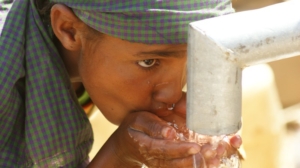 Clean water pills have emerged as a simple solution for disinfecting contaminated water in developing countries. These innovative solutions are providing communities with a rapid and straightforward method to transform contaminated water sources into safe, potable water.
The Birth of the Clean Water Pill
The World Health Organization reports that at least 1.7 billion people drink water contaminated with feces, leading to numerous health issues, including waterborne diseases like cholera, dysentery and typhoid. With the aim of tackling this pressing issue, several organizations have embarked on missions to devise simple and cost-effective solutions.
AquaTabs, founded in 1984 in Wexford, Ireland, developed water purification tablets that have been distributed in over 100 countries. When added to water, these tablets release chlorine, effectively killing most of the harmful microorganisms present.
While AquaTabs sells over 1 billion tablets every year, many of these tablets are purchased by aid agencies and similar groups to bring to communities or relief efforts. For instance, during the response to the 2010 Haiti earthquake, numerous aid organizations such as GlobalMedic, utilized AquaTabs and similar companies to provide clean drinking water to affected communities.
How Clean Water Pills Work
When the tablet is dropped into contaminated water, it dissolves quickly and goes to work immediately. Chlorine, the active ingredient, targets and neutralizes harmful pathogens, making the water safe for consumption. Chlorine tablets serve as a powerful defense mechanism for water sanitation by eliminating harmful contaminants. They guarantee potable water fit for consumption.
Beyond rendering drinking water safe, these tablets are essential in the sanitization of fruits and vegetables. Chlorination, the process through which they work, is a universally well-recognized method of water treatment. In regions that are economically struggling, these tablets represent an efficient and cost-effective approach to ensuring water safety.
Organizations Leading the Charge
- Ef-Chlor – Founded in 1977, in India, Ef-Chlor has been a significant player in the water purification industry. They produce water purification tablets that are widely used in emergency situations, disaster relief and by individuals in areas where clean water is scarce. Ef-Chlor’s tablets are not only used for drinking water but also for disinfecting fruits and vegetables, making them a versatile solution in areas with limited access to clean water resources. Their commitment to providing an affordable and efficient water purification method has made them a preferred choice for many humanitarian aid organizations worldwide.
- PureMadi – PureMadi, a nonprofit organization founded in 2011 at the University of Virginia, introduced the MadiDrop, a ceramic tablet infused with silver or copper nanoparticles. Developed with a vision to provide affordable water purification solutions, the MadiDrop releases silver or copper ions when placed in a household water storage container, disinfecting the water. PureMadi collaborates with non-governmental organizations (NGOs) and local communities, ensuring that the MadiDrop reaches those in need, especially in regions with limited access to clean water.
The Impact and The Way Forward
The introduction of clean water pills has not only addressed the issue of polluted water but has also significantly reduced the incidence of waterborne diseases in communities where they’ve been introduced. As the world continues to face environmental and infrastructural challenges, simple and effective solutions like the clean water pill will be essential in ensuring safe drinking water for all.
– Laeticia Mbangue
Photo: Flickr
