Water Projects in the DRC
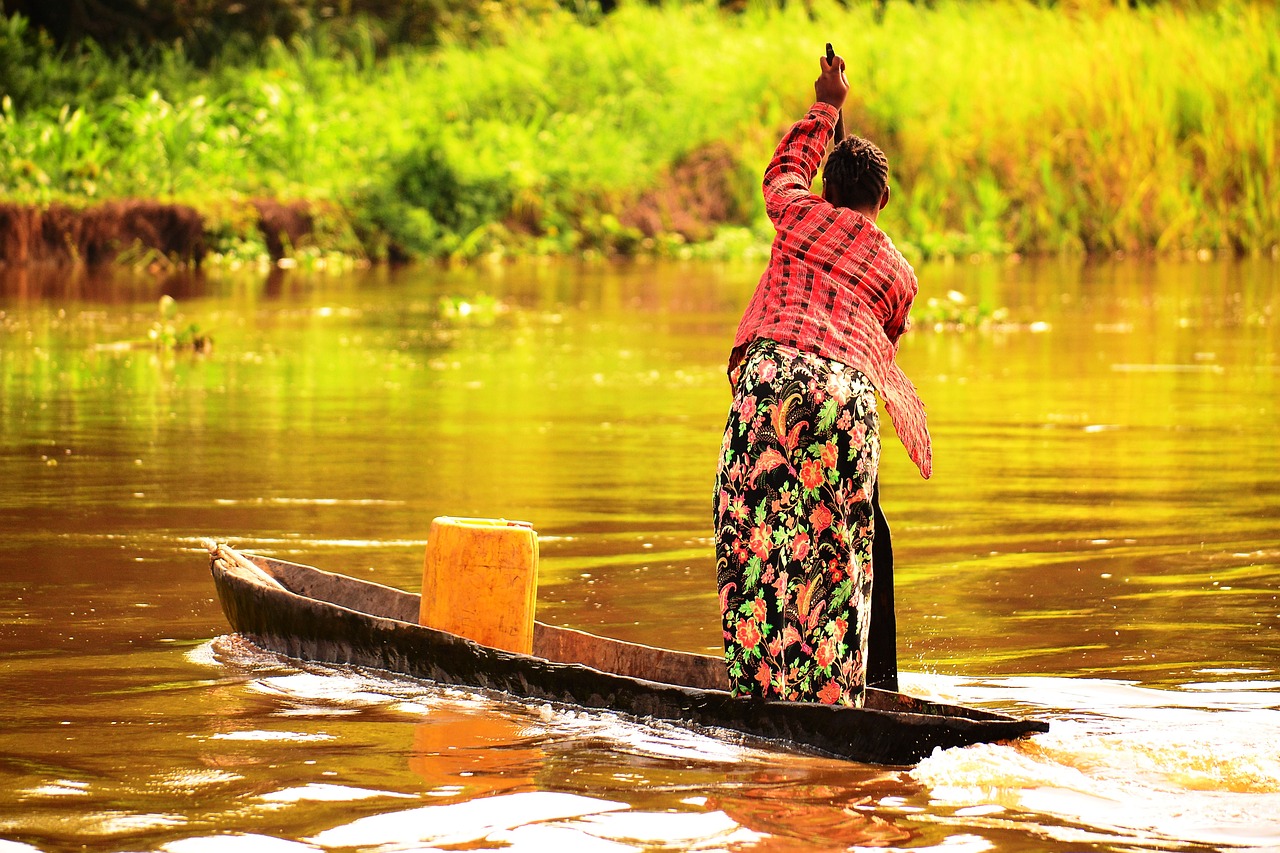 The Democratic Republic of the Congo (DRC) has an abundance of freshwater reserves. Around 30 rivers flow through its borders, including the Congo River, the second-largest river on the continent. It is also home to 62% of the Congo River Basin, a massive water system that stretches nearly half a billion acres and spans across six nations.
That amount of water accounts for over half of Africa’s freshwater reserves and should be more than enough for a country topping 110 million people. The truth of the matter is that deteriorating infrastructure and lack of sufficient facilities leave almost 54% of people experiencing a lack of access to “basic water services,” according to World Vision. Several organizations are undertaking water projects in the DRC to ensure clean and safe water access for all.
Fight for the Forgotten
The DRC is home to three indigenous Pygmy peoples — the Mbuti, the Baka and the Batwa. The International Work Group for Indigenous Affairs says these groups are “widely acknowledged as the first inhabitants” in the region. Yet, it wasn’t until November of 2022 that the DRC government put safeguards and protections for indigenous rights in place.
Indigenous land rights now have lawful protection after decades of Indigenous communities being forced out of their homelands in favor of logging activities, and some land has even been seized for conservation. All these land infringements were carried out without compensating the displaced Indigenous communities.
Justin Wren is a former professional cage fighter who, through his foundation Fight for the Forgotten, has dedicated his life to supporting Indigenous Pygmy people. Wren started the foundation after taking a “life-changing trip” to the DRC. The foundation uses donations to provide “clean water, education and empowerment” to all Pygmy communities. Specifically, Fight for the Forgotten has built over 80 wells and purchased 3,050 acres of land that is now owned and cultivated by the Pygmy people and protected by the government. The organization’s efforts have benefited more than 52,000 people.
Other efforts include installing solar lighting and a tree replanting program of more than 12,000 trees. Well-building in the DRC has been crucial, but the education on sustainable methods will hopefully last for decades.
Global Effort
Improving water access and providing sufficient facilities would improve hygiene, improving health in the DRC. Improved hygiene would alleviate outbreaks of bacterial diseases like cholera; simply being able to wash one’s hands with soap consistently would go a long way.
Goma houses about 2 million people and is assumed to be well-situated due to its eastern position and proximity to Lake Kivu. The issue is that the water from the lake is not safe to drink. The International Committee of The Red Cross is currently implementing the Goma West Resilient Water Project, which aims to provide clean water to over 330,000 people by 2026. Reservoirs and water treatment plans with long-term sustainability goals are in the works.
Join For Water is an NGO working in multiple provinces in the country, designing and constructing drinking water systems, including wells. It produces ecological toilets that separately collect feces to be reused as fertilizer, improving sanitization services and supporting agriculture. Some aid comes into the country through cash or funding for projects, but Join For Water stays in the country and ensures the infrastructure it has put together is maintained.
There is no shortage of fresh water in the DRC, and it is up to the government, with the help of partners and organizations, to ensure that the infrastructure is in place to allow access to clean water for all.
– Benett Crim
Photo: Pixabay
