6 Facts About Water Quality in Sub-Saharan Africa
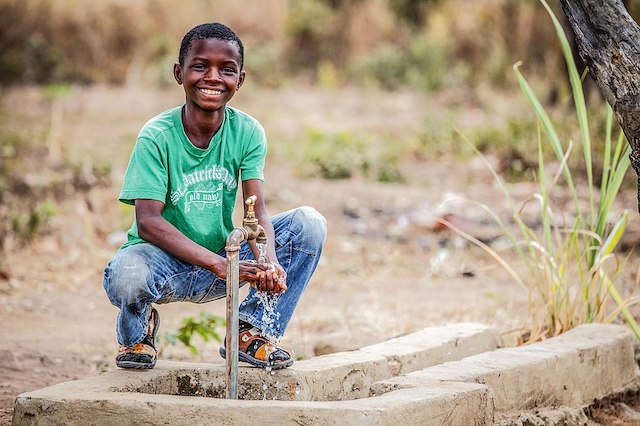 The top concerns with water quality in Africa include lack of access to water for drinking, sanitation and agriculture, the cleanliness of the water and the burden of water retrieval. The United Nations’ Millennium Development Goals have tracked the improvement of access to water in Africa. Sub-Saharan Africa is the most challenged and inequitable region. Sub-Saharan Africa’s water system is the most chronically overburdened and stressed area in Africa. This is due to a lack of economic investment, social challenges and environmental factors. Here are six facts about water quality in sub-Saharan Africa.
6 Facts About Water Quality in Sub-Saharan Africa
- Many areas in Africa have partially achieved the U.N.’s Millennium Development Goals on Water. Before 2015, North Africa had achieved a 92 percent improved source of drinking water for its people. Sub-Saharan Africa, on the other hand, had only achieved 61 percent and was not on track to meet its 75 percent goal. Investment in infrastructure systems such as dams would improve public health and increase economic stability while achieving water access targets.
- In sub-Saharan Africa water access is inequitable. In urban areas, 90 percent of the wealthy households have access to improved water sources with piped water in more than 60 percent of the homes. In rural settings, fewer than 50 percent of people access improved water sources with the poorest 40 percent of homes having no in-home water access. Only 16 percent of Sub-Saharan residents have access to a water tap in their home or yard.
- The burden of water retrieval falls on girls and women. The time and labor-intensive chore of carrying water home from a distance prevents girls and women from pursuing income-generating work and education. It also puts them at risk of violence on long journeys for water. Approximately 13.5 million women in sub-Saharan Africa travel more than 30 minutes each day to collect water. They carry repurposed cans that hold five gallons of water and weigh 40 pounds when full. The women may have to take several trips in a day depending on the size of their family.
- Water scarcity and lack of sanitation threaten public health. Poor sanitation and limited water lead to outbreaks of cholera, typhoid fever and dysentery, which can contaminate the limited stores of fresh water. When people store water in their homes, this creates a breeding ground for mosquitos, which leads to an increase in malaria and dengue fever. Other diseases connected to water scarcity include trachoma, plague and typhus. Prioritizing water quantity over quality can lead to bacterial diseases causing diarrhea, dehydration and death, especially in children.
- In sub-Saharan Africa, 95 percent of crops are dependent on rainfall. Increased water storage capacity will increase resiliency to water shortages resulting from droughts. Dependency on rainfall for crops is limiting. Small-scale but efficient usage of ponds, tanks, and wells can improve agricultural output. The implementation of various methods of watering crops can reduce water stress and improve food security. Farmers could use drip irrigation, pumps and shallow wells to reduce reliance on rainwater.
- Sustainable agricultural development will lead to sustainable water sources and reduced stress. An example of a sustainable agricultural method may be aquaponics, which requires no soil and little water.
Continued innovation, education and infrastructure development are necessary for Africa to improve access to safe and clean drinking water. While much progress is underway, these 6 facts about water quality in sub-Saharan Africa show that the continent will continue to face climate, political and economic barriers in meeting these goals.
– Susan Niz
Photo: Wikimedia
