
Zimbabwe once had an effective water system. However, a lack of proper infrastructure and government action means a lack of safe water. Water and waste disposal systems suffer ineffective planning, especially in Zimbabwe’s capital Harare. Further, COVID-19 affects Zimbabwe broadly as well as having an impact on its already fragile water supply.
The Issues in Harare
To survive, residents in Harare must dig wells to create a water source. However, the well water is not safe to drink. The sewage system in Harare is another health issue for residents. Young children play in sewage and often fall ill from the lack of sanitation.
Additionally, further issues plague Harare. The Human Rights Watch interviewed a Harare resident named Bonnie who explained that she does not have water to bathe and clean her three children, including one in diapers. The video also featured an interview with a woman called Abigail. She mentioned that the water smells, and she must use a purification tablet before bathing or drinking. Abigail says the government’s negligence has caused these issues within the community.
More than half of Harare’s 4.5 million population could only access running water once a week. This was according to the city’s mayor, Herbert Gomba, back in 2019. Thus, residents must turn to other solutions, such as waiting in long lines at communal wells, streams or boreholes. The water received from these places may not even be safe to drink.
Drought is the cause of the shortage of water in Zimbabwe. In Harare, one-half of the population’s reservoirs are empty because there is no rain. The remaining water, 45% to 60%, is often lost and inaccessible to the population due to leakage or theft.
The Pandemic
As the novel coronavirus plagues the globe, the disease is contributing great distress to Zimbabwe. COVID-19 affects Zimbabwe mainly through its water supply, which hurts the citizens of Harare and the surrounding population.
In Harare, citizens go without water for days. They must wait until water trucks arrive in the city. Once the water is finally available, COVID-19 changes how citizens can access it. Citizens gather in large numbers to wait in line, which makes the concept of social distancing nearly impossible. Then, they push and shove to receive water. Additionally, COVID-19 affects Zimbabwe because many individuals do not wear or cannot access masks.
Organizations like Doctors Without Borders encourage social distancing. Yet, it is not a long-term or time-friendly solution, as they are not sure that it will keep people safe. Furthermore, the people in Harare are desperate for food and water. They may sacrifice their health to be first in line to receive water for themselves and their families.
Dewa Mavhinga, the South Africa director at Human Rights Watch, explains that COVID-19 affects Zimbabwe differently because of their pre-existing lack of water. It takes a toll on the spread of the virus and other infectious diseases, such as typhoid and cholera. Water is necessary for handwashing and hygiene, which can combat the spread of coronavirus. Without an uninterrupted supply of water, residents will struggle to stay safe and healthy.
Aid
Supporters abroad can help aid the people of Zimbabwe by urging U.S. congressional leaders to make the COVID-19 crisis in Zimbabwe a current political and human rights focus. With U.S. backing, the Zimbabwean government can ensure there are water points throughout the country. This will prevent overcrowding and the spread of COVID-19.
Another way to aid Zimbabwe’s public health system is to show support to organizations, such as Doctors Without Borders and Save the Children. These organizations are providing emergency relief and recovery programs for people in Zimbabwe. They are doing everything they can to combat how COVID-19 affects Zimbabwe by implementing humanitarian relief efforts.
– Caitlin Calfo
Photo: Flickr
 With the rapid spread of COVID-19, public health and hygiene habits are being promoted unlike ever before. The
 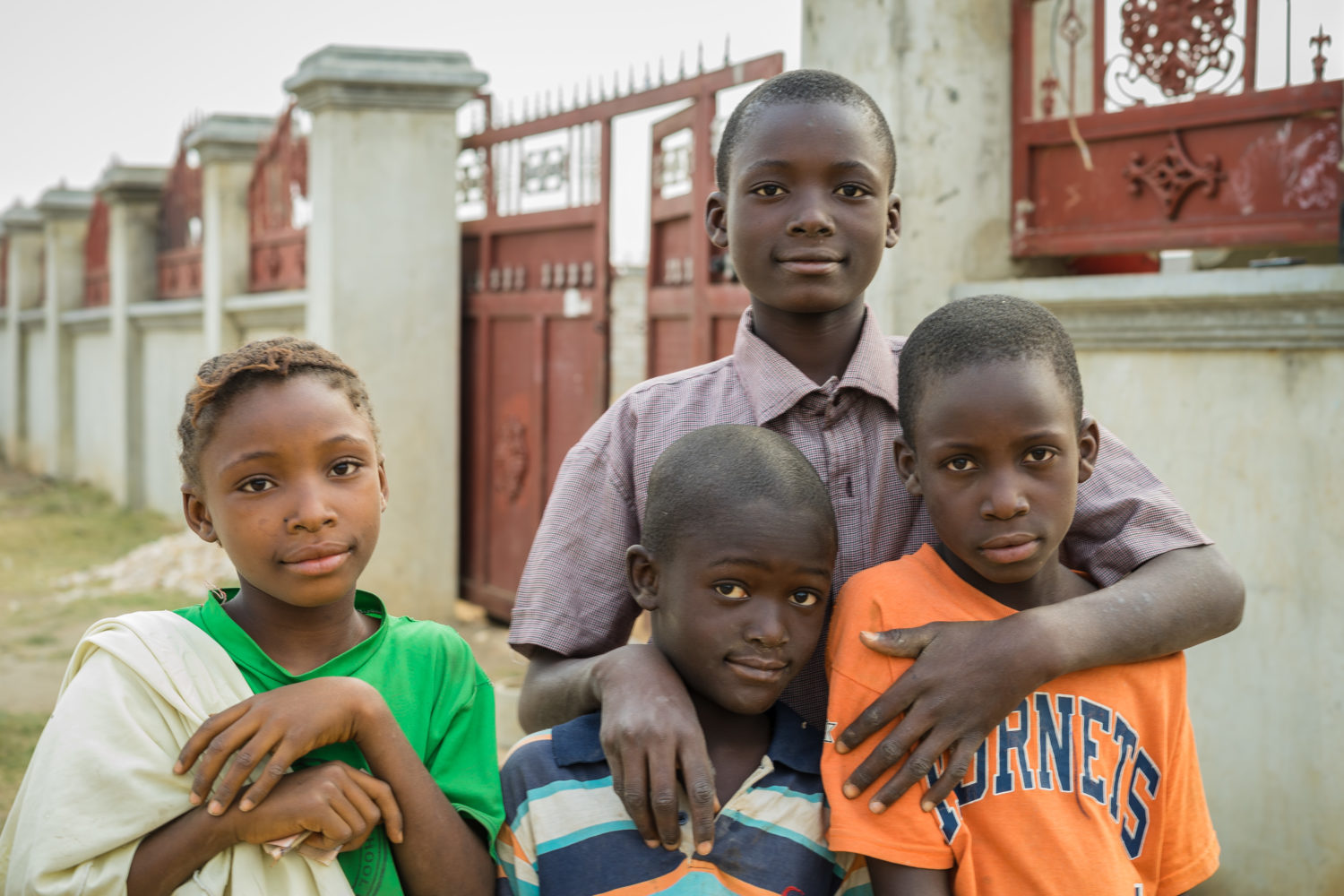 In Nigeria, clean water does not always receive treatment as a public good available to everyone. Instead, access to clean water depends on the neighborhood a person lives in. As a result, the dangers of waterborne diseases affect low-income areas disproportionately. Additionally, clean water is a privilege pertaining to socioeconomic status rather than the public good it should be. Water disparities in Nigeria often affect those who need the most help.
 Afghanistan’s population of 36 million has suffered violent conflict in recent history. According to the UN, the scarcity of water in Afghanistan remains the
 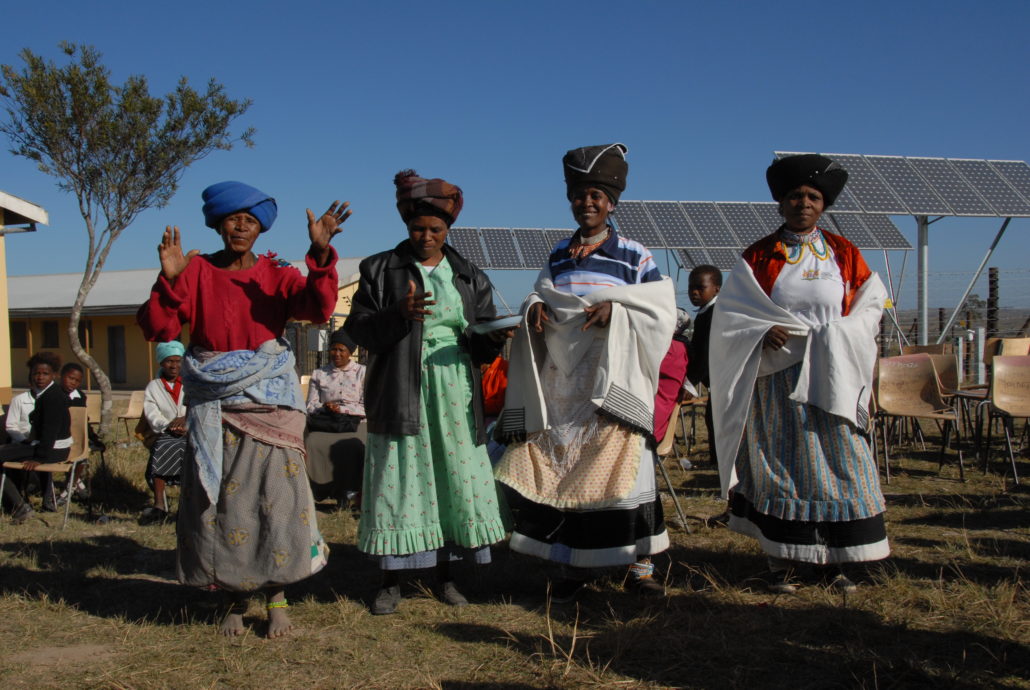 The Solar Electric Light Fund (SELF) advocates that energy access is a human right. Beginning in 1990, founder Neville Williams worked to build solar-powered home systems in regions where families lacked electricity. Expanding from an individualized approach to the “
 Billions of people around the globe lack consistent access to a safe water supply. Currently, over 40% of the world population struggles with water scarcity, and experts predict the situation will only worsen due to population growth and climate issues. Water scarcity not only
 Despite recent growth in the economy, Uganda is facing a
  The country of Jordan is the
 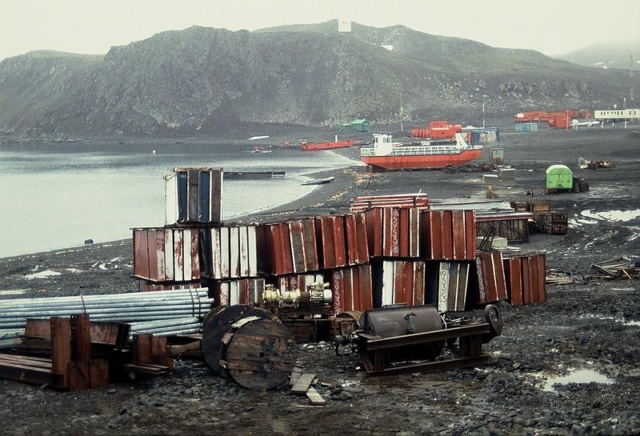 Despite Russia’s vast landscape and numerous bodies of water, access to clean, drinkable water is one of the nation’s most dire concerns. Although the government has recently taken steps to improve accessibility and water quality, years of inadequate infrastructure and weak pollution regulations have caused monumental damage. Here are 10 facts about sanitation in Russia.