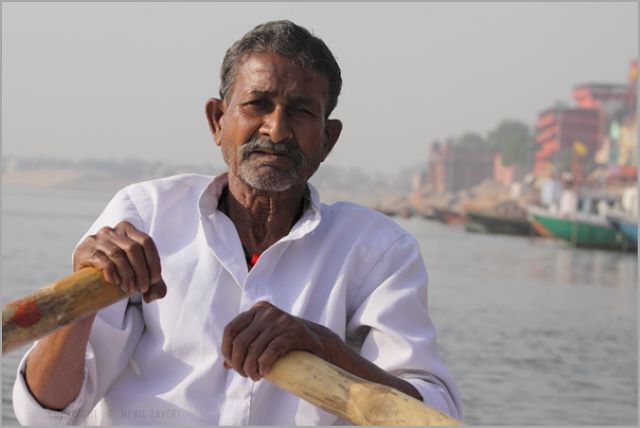
 More individuals depend on the Ganges River in India than there are people in the United States. More than 400 million people live at the basin of the Ganges, making it one of the most important natural water resources in the world. A holy river in the Hindu faith, the Ganges River (or Ganga) is used to bathe, cook, wash clothes, conduct funerals and more. Entire businesses along the basin depend on the river, adding an economic dependence to it as well. Due to this immense usage, pollution has run rampant. The Ganga Action Parivar estimates that “2.9 billion liters of wastewater from sewage, domestic and industrial sources are dumped” in the river every single day. Pollution reduction in the river is a top priority to prevent hundreds of millions of Indians from facing water insecurity.
The World Bank Assists
In 2011, the World Bank targeted the Ganges River pollution issues by launching the National Ganga River Basin Project (or NGRBP). A $1 billion initiative, the NGRBP looked to create bank investments in the water sanitation department and develop better waste management control in India. While this did prove to be a step in the right direction, the Ganges still saw a rise in pollution. India’s inability to properly dispose of waste outpaced the World Bank’s project. After nine years, the World Bank looked to bolster its contribution to the fight to save the Ganges as more and more Indians were becoming sick. In June 2020, the Second Ganga River Basin Project received approval from World Bank directors despite the bank focusing on COVID-19, proving how dire the situation at the basin truly is. An 18-year commitment, this second NGRBP adds another $380 million to clean up the Ganges until 2038.
Ganga Action Parivar’s Impact
Along with international help from the World Bank, India also made pollution control a national issue. An array of agencies have come about in India centered around the purification of the Ganges. For over a decade, the Ganga Action Parivar (GAP) has taken a diplomatic approach to fight water pollution. Through communication with government officials, media outlets and fundraising, the GAP looks to bring awareness to the issue and demand action from within India. In 2016, the GAP launched the National Ganga Rights Act and began asking for support for it. The act detailed how there are both natural environmental and human rights on the line with the continued pollution of the Ganges River. More than just a body of water, the Ganges is an epicenter of religion, prosperity and life. Creating a natural rights act helps to ensure that action will mobilize to protect the water resource and that is exactly what the GAP has set out to do.
The Year 2020 and Beyond
The year 2020 has been a promising year for pollution reduction in the Ganges River. The World Bank launched and financed its second project centered around cleaning the water back in June 2020. New research suggests that there has also been a natural cleansing that has taken place over the past few months. Since COVID-19 forced India to shut down, the Ganges’ usage has dropped. In a video released by BBC News, just a mere 10% drop in usage throughout the pandemic has led to significant improvement in the sanitation of the Ganges. For years now, India’s government has been trying to find ways to heal the Ganges. While India and the world fight the COVID-19 virus, the Ganges River is healing. Once the lockdown ends, the work of the World Bank and GAP will be vital to keep the momentum going. If pollution rates continue to climb, India will have a water crisis on its hands. Sanitizing and protecting the Ganges is instrumental in helping India reduce its poverty rates and preserving a crucial water resource.
– Zachary Hardenstine
Photo: Flickr
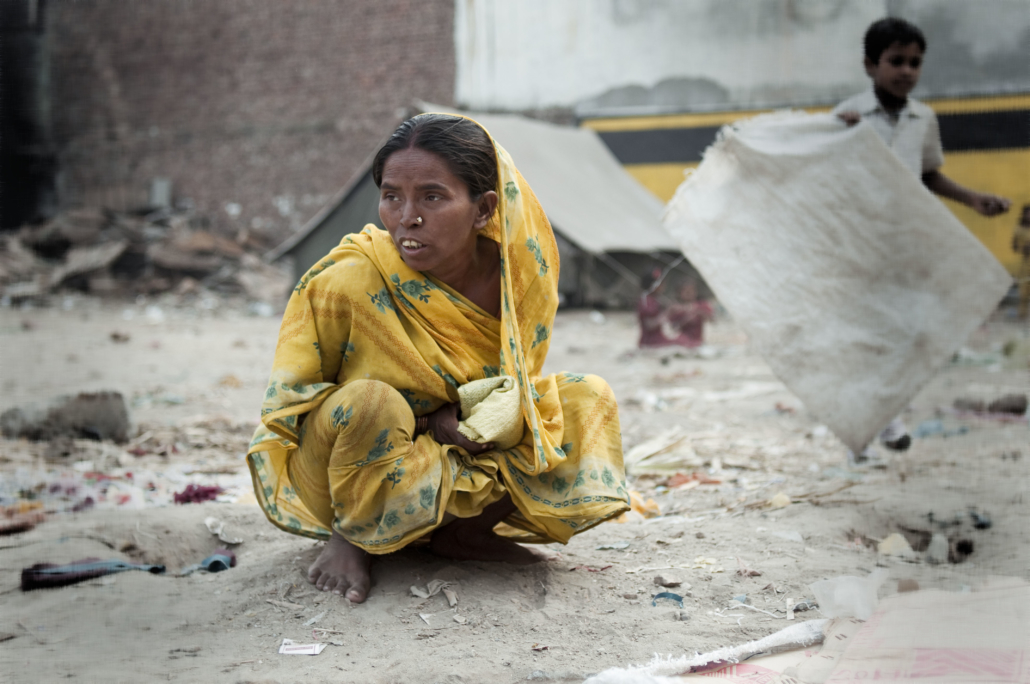
 Technology has played a significant role in the reduction of global poverty. Two particular areas technology has improved impoverished communities are water access and water quality. For instance, a newly developed piece of technology showcases the potential for enhancing water security throughout Africa. The key is effective rainwater harvesting.
 Globally, at least 2 billion people do not have access to clean water. The ability to access clean water supplies and sanitation is a vital aspect of a country’s development. Improved water supply and sanitation positively affect economic growth and poverty reduction as water is essential domestically and agriculturally. Furthermore,
  The
The 
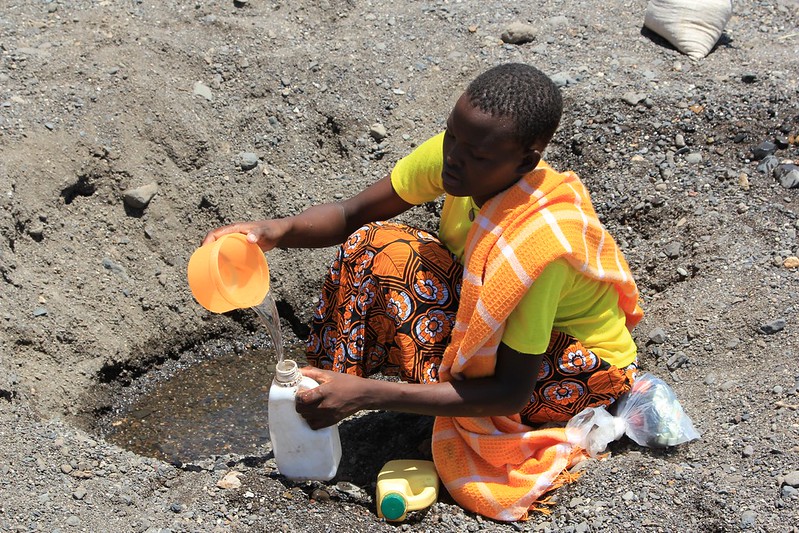 Access to clean drinking water is a major issue that continues to affect individuals around the world. Further, an estimated 35% of the entire world population lacks access to “improved sanitation,” for which, access to water (generally speaking) is imperative. The CDC estimates that more than 700 million people live without direct access to an “improved water source,” which includes drinking water, proper household plumbing and wells. As of 2018, new solar-powered technology can now supply individuals with direct access to drinkable water by transforming saltwater into clean drinking water. Innovative technology, it seems, may play a pivotal role in helping to solve yet another global challenge.
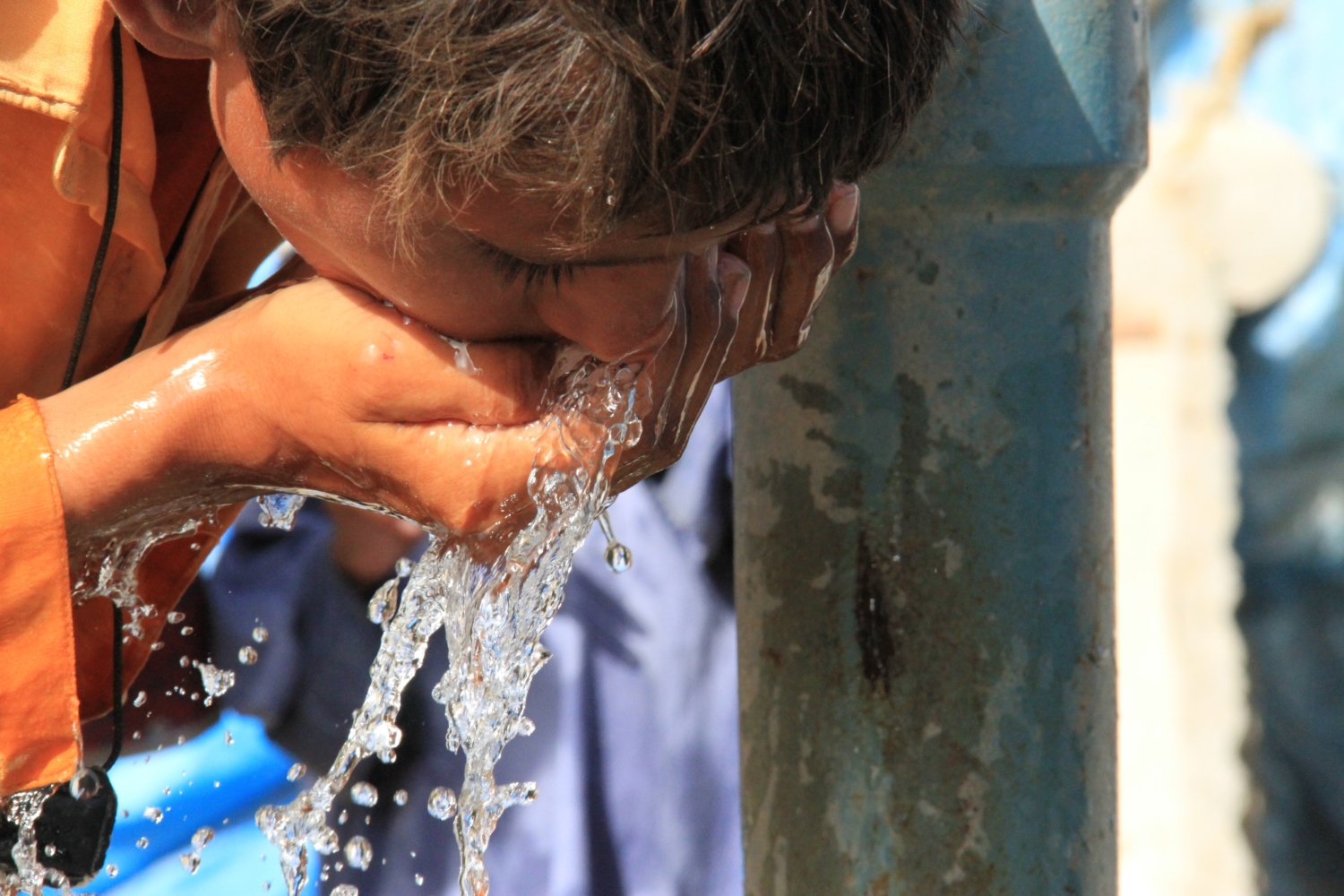 The United Nation’s sixth Sustainable Development Goal is devoted to enhancing clean water and sanitation. Specifically, it calls for equitable access to clean drinking water and basic sanitation for all by 2030. However, nearly one-third of the global population lacks access to clean drinking water. Some companies are making solutions to this problem in the form of apps improving access to clean water.
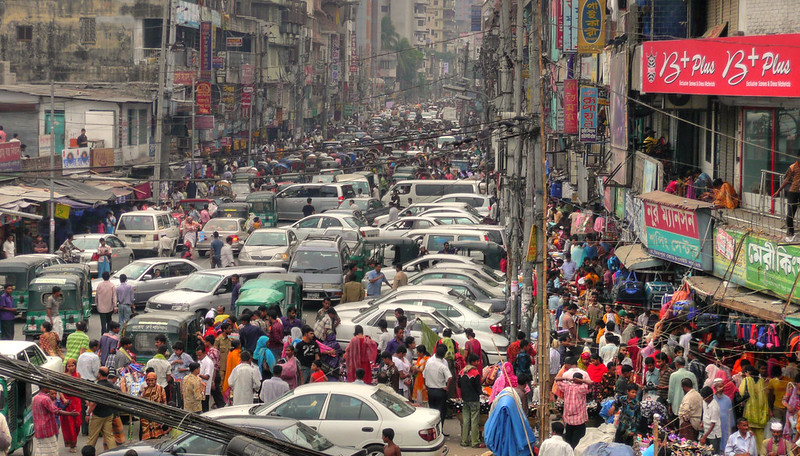 Pollution impacts people’s air, water and food worldwide. In general, pollution affects impoverished individuals the most.