• Link to X
  • Link to Facebook
  • Link to Instagram
  • Link to TikTok
  • Link to Youtube
  • About
    • About Us
      • President
      • Board of Directors
      • Board of Advisors
      • Financials
      • Our Methodology
      • Success Tracker
      • Contact
  • Act Now
    • 30 Ways to Help
      • Email Congress
      • Call Congress
      • Volunteer
      • Courses & Certificates
      • Be a Donor
    • Internships
      • In-Office Internships
      • Remote Internships
    • Legislation
      • Politics 101
  • The Blog
  • The Podcast
  • Magazine
  • Donate
  • Click to open the search input field Click to open the search input field Search
  • Menu Menu

Archive for category: Water Crisis

Global Poverty, Water Crisis

Drought in Taiwan and the Semiconductor Industry

Drought In TaiwanThe country of Taiwan, the world’s largest producer of computer chips, also known as semiconductors, is experiencing a massive drought. Decreased water supply has led to the government’s rationing of water, resulting in greater water prioritization for chip-producing companies than for struggling farmers in the region. The effects of the drought in Taiwan have gained the attention of many Instagram influencers who have posted information about it in order to spread awareness.

Drought in Taiwan

The most recent drought in Taiwan is the result of a dry spell that has lasted 18 months. Under normal circumstances, Taiwan is considered subtropical as the area usually receives plenty of rain throughout the year and typhoons are typical for the region. In the summer of 2020, however, Taiwan did not experience any typhoons and rainfall rates decreased significantly.

In the Baoshan Second Reservoir found in Hsinchu County, water levels dropped by 96.2% from March 12, 2019, to March 12, 2021. The state of the reservoir and other central water storage facilities in Taiwan prove just how serious the drought has become. A study conducted by the Research Center for Environmental Changes predicts a 50% chance of a 20% water inadequacy in the future, specifically in the Banxin and Taoyuan regions.

Drought and the Semiconductor Industry

As Taiwan is the world’s largest producer of semiconductor chips, companies rely heavily on the water supply to continue running since the chips require copious amounts of water to be cleaned and manufactured. Due to water shortages, the Taiwanese Government decided to stop irrigating thousands of hectares of crops and instead grant more water to the semiconductor chip industry. The government is compensating farmers, but farmers still risk losing clientele and damaging their brand reputation. Furthermore, young farmers who were encouraged to go into agriculture feel as though they have wasted investments in land and equipment.

The worldwide demand for the chips has caused companies in the United States, the U.K. and Australia to raise prices on cars containing microchips as the need for these devices is greater than ever. As the demand for chips continues to grow, Taiwan’s farmers must face the socioeconomic impacts of losing countless crops.

Solutions

The importance of the computer chip industry to Taiwan’s economy is immense. Therefore, the government is putting a lot of effort into trying to quickly resolve the water crisis. The government has prioritized constructing wells for water and using military planes to spread cloud-seeding chemicals that have the potential to produce rain.

The government had promptly tackled prior issues with water, including leaky pipes, which caused 14% of water loss in the past. The leakage rate is now down 20% from the previous decade. The government has also started creating more water desalination plants, which process significant amounts of water. The plants may not be enough to keep up with the needs of semiconductor manufacturers, however. Chip manufacturers are also attempting to save themselves.  A large semiconductor producer known as TSMC is recycling 86% of the water it uses in order to conserve water.

There is no doubt that water allocation during droughts in Taiwan must be improved, but with government authorities, struggling farmers and social media influencers coming together to discuss the issue, there is hope that a long-term solution may be on the horizon.

– Susan Morales
Photo: Flickr
May 11, 2021
https://borgenproject.org/wp-content/uploads/borgen-project-logo.svg 0 0 Kim Thelwell https://borgenproject.org/wp-content/uploads/borgen-project-logo.svg Kim Thelwell2021-05-11 02:43:302021-06-03 02:44:15Drought in Taiwan and the Semiconductor Industry
Developing Countries, Global Poverty, Water Crisis

How to Help the Water Crisis in Kenya

water crisis in Kenya Kenya’s economy remains the largest and most developed in East Africa, yet 36.1% of the population lived below the poverty line in 2015. This is predicted to moderately decrease to 32.4% in 2021. Although poverty rates continue to decrease, experts state poverty in Kenya is unlikely to resolve by 2030 at the current pace. Addressing the water crisis in Kenya is critical to improving conditions for citizens and reducing poverty.

Kenya’s Water Crisis

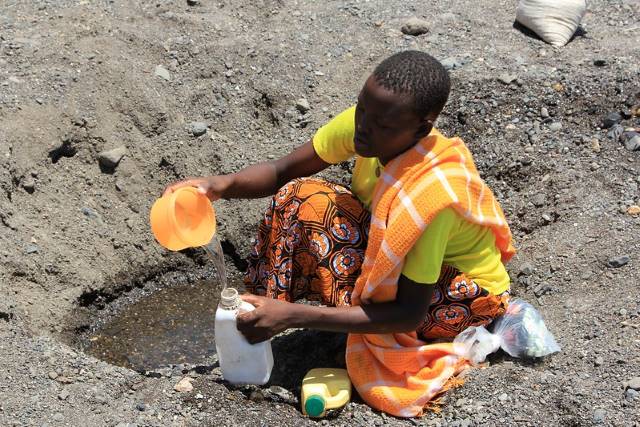
Kenya has shown rapid growth in education, with a literate population of 81.5% in 2018 for people 15 and older. Roughly 58% of adults older than 24 have also completed primary education, a notable increase from 44% in 2005. Despite progress in education and literacy, improved access to clean water in Kenya remains low. With long droughts and dry spells, water scarcity is an overwhelming concern. Kenyans living in rural areas rely on ponds, rivers and shallow wells as piped water connections are often unreliable. Women and children have the duties of traveling to collect water every day. This sidelines their education and increases the risk of contracting a  waterborne disease such as cholera.

Tackling Kenya’s water scarcity can seem daunting and many wonder how to help. Many question whether a small contribution will even make a difference. However, every effort to end the water crisis makes a substantial impact on Kenyan communities. There are a few easy ways to help contribute to solving the water crisis today.

  • Donate. A simple Google search will reveal an abundance of organizations working tirelessly to address the water shortage in Kenya. Checks can be sent via mail or donations can be made with a phone call or a simple click of a button. If time is of concern, in less than five minutes, anyone can sign up to make donations via credit card without even leaving their home.
  • Shop Smart. Help solve the water crisis by supporting businesses that make considerable donations to nonprofits. Buy coffee products at Golden Made Kafé and the organization will donate 5% of the proceeds to Water.org to support water access efforts in countries like Kenya. Gift a book from AwesOm Life to a friend and it will donate 100% of the proceeds to organizations like Water.org. Purchase coloring books from Hidden Words Coloring and it will donate 10% of book sale revenue to support Water.org’s mission of global water access.
  • The Water Challenge. Instead of buying soda or sports drinks, commit to drinking only water for two weeks. More than 800 groups all over the United States and Canada have taken part in The Water Challenge to raise money for the water crisis in Africa. Donate the money that would have otherwise been spent on beverages and it will provide at least one person access to clean water.
  • Share Stories. In a globalized world bombarded with technology, one share on Facebook could make a difference in whether someone will have access to clean water or not. Follow UNICEF’s water access efforts on Twitter, Instagram or Facebook to learn more and share stories with friends and family to spread awareness.

The Road Ahead

Kenya has certainly made considerable progress in its development. However, the scarcity of water is an issue that results in Kenya lagging behind neighboring countries. It is important to have access to clean water now more than ever to support hygiene efforts to protect people from COVID-19 and other diseases. It may feel overwhelming to solve the water crisis in Kenya, but the crisis continues to move in a positive direction. With a push of a button, anyone can contribute to reducing global poverty.

– Mio Vogt
Photo: Flickr

April 30, 2021
https://borgenproject.org/wp-content/uploads/borgen-project-logo.svg 0 0 Kim Thelwell https://borgenproject.org/wp-content/uploads/borgen-project-logo.svg Kim Thelwell2021-04-30 05:42:362024-06-06 00:59:34How to Help the Water Crisis in Kenya
Developing Countries, Global Poverty, Water Crisis

Improving the Water Supply in the Philippines

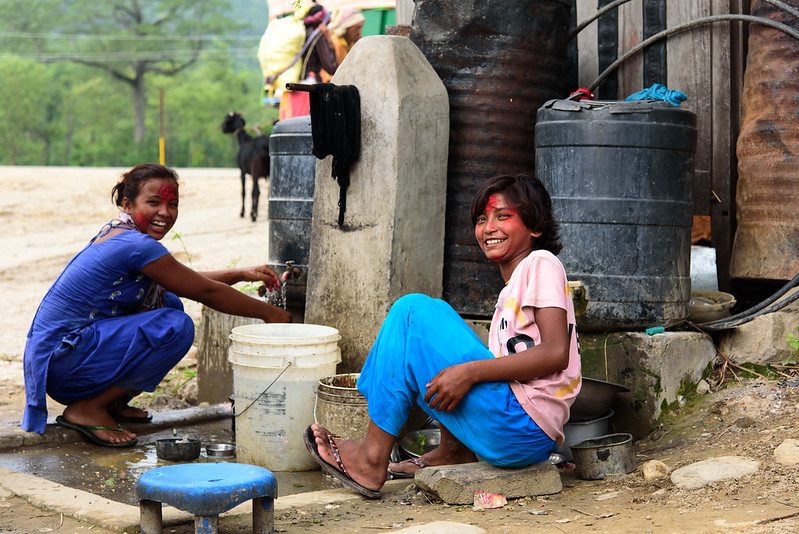
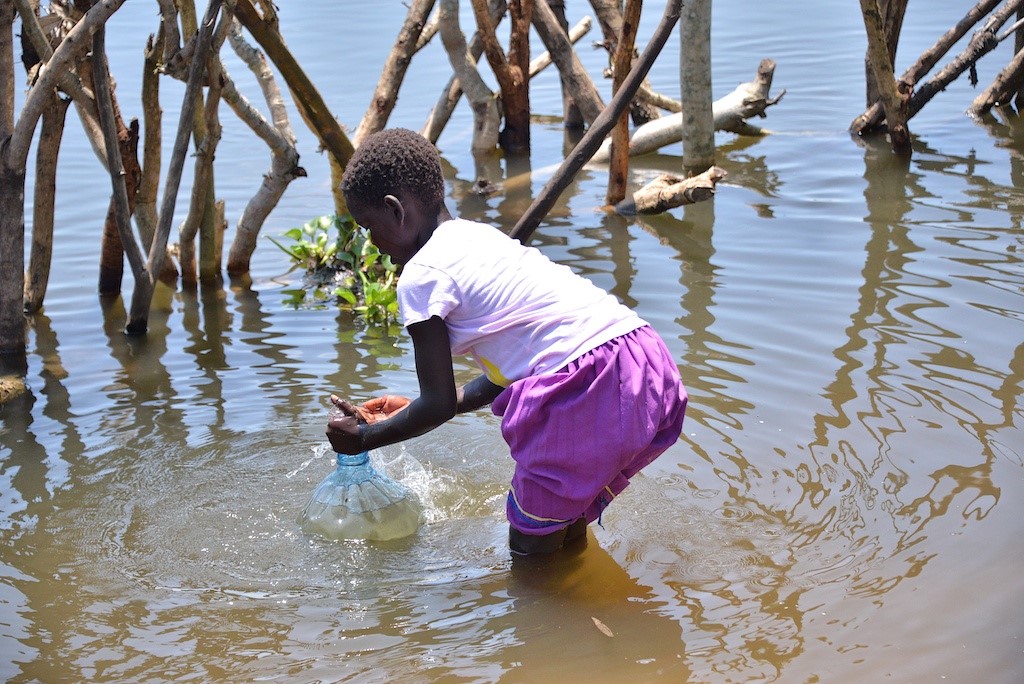
Water Supply in the PhilippinesReliable water resources are an important issue within the Philippines. Currently, five million Filipino citizens do not have access to safe sources of water. This is especially concerning considering the rate the country is growing economically. Urbanization in the country is expected to increase exponentially in the future. Cities will become strained with the increasing population, which will make it more difficult for the citizens in those cities to have access to reliable water resources. Despite the dire circumstances, efforts are being made to improve the water supply in the Philippines. Many of these efforts are being led by organizations that specialize in helping communities access water resources.
Water.org’s Contributions

Water.org is an organization that is working to improve the water supply in the Philippines. The organization devotes its efforts to providing reliable access to water resources to populations around the world. Water.org carries out this goal through the use of financing solutions for households that require a reliable water supply. By providing, small affordable loans, Water.org has been able to provide 4.3 million people in the Philippines with reliable water resources since 2014. Water.org will continue to work with utility providers in the Philippines so that it can continue to provide water resources to people that need them.

The Efforts of Water Governance Facility

Water Governance Facility (WFG) is another organization that is trying to improve the water supply in the Philippines. The WFG has similar goals to that of Water.org. It seeks to ensure that people around the world have affordable and reliable access to water supplies.

The WGF has been able to help the people of the Philippines using the GoAL WaSH program. The purpose of this program is to provide clean drinking water and proper sanitation. WGF achieves this goal by not only drilling wells and building toilets but also by engaging the local governance of the area it operates in for sustainable and impactful change. In the Philippines, the WFG has been able to provide 7,169 households with reliable sources of water. The WFG is also able to monitor the quality of drinking water. The WFG can then promptly stop the use of any contaminated water sources detected.

The Manila Water Foundation

Another organization that is trying to help provide citizens of the Philippines with reliable water resources is the Manila Water Foundation. The organization runs a multitude of programs that help achieve this goal. The Lingap program focuses on providing schools and other locations like health institutions and city centers with a reliable water supply. The program started in 2010. In 2019, Lingap helped a total of 46 schools, city halls and health centers. This equates to more than 149,000 beneficiaries across these 46 different locations. The water supply that Lingap provides for these students and staff can be used for drinking, handwashing and toothbrushing. Through its many programs, the Manila Water Foundation is working to improve the water supply in the Philippines.

The Philippines has made notable efforts to improve water resources for its people. With more efforts, even greater strides can be made in the water and sanitation sector.

– Jacob E. Lee
Photo: Flickr

April 26, 2021
https://borgenproject.org/wp-content/uploads/borgen-project-logo.svg 0 0 Lynsey Alexander https://borgenproject.org/wp-content/uploads/borgen-project-logo.svg Lynsey Alexander2021-04-26 01:30:102021-04-24 04:51:33Improving the Water Supply in the Philippines
Global Poverty, Water Crisis

Addressing Water Scarcity in Mexico City

Addressing Water Scarcity in Mexico City
Mexico City is the largest city in the Western Hemisphere with about 22 million residents. Additionally, the city uses a lot of water. Mexico City draws on a vast sub-surface aquifer to supply water to millions of residents. Water scarcity in Mexico City continues to increase due to the aquifer shrinking every year.

The Problem

Water scarcity in Mexico City is surprising because the city should have plenty of water. In fact, the area receives more annual rainfall than London, leaving one to wonder where it all goes.

The answer to that question lies partly in Mexico City’s other water problem: flooding. The heavy rainfall that occurs every year during the wet season results in floods that stop traffic, damage buildings and cause sewage overflow. The city has created infrastructure to channel rainwater out of the area to prevent flooding. Furthermore, the existing infrastructure that pipes water is outdated and inefficient. Mexico loses about 40% of water due to leaky pipes. As the city expands and more concrete and asphalt cover the ground, less water will percolate through the soil into the aquifer. In short, as the city expands, the aquifer will get exponentially smaller.

Widespread shut-offs of city pipes are becoming more common due to the growing water scarcity. This disproportionately affects impoverished areas of the city. Additionally, the COVID-19 pandemic has only exacerbated this problem and has made the already unreliable water distribution trucks even harder to find for thousands of residents.

Isla Urbana

The nonprofit organization Isla Urbana teamed up with Mexico City’s government regarding the rollout of a rainwater catching system. This system promotes sustainable, reliable water access in areas outside of the city’s central hydraulic network. Additionally, this system goes on the roof and costs around $750. Furthermore, it catches and filters rainwater for use in bathing and household chores. Carbon filters can provide potable water. Additionally, Isla Urbana’s system is capable of supplying households with 40% of their annual water usage.

However, rain-catching systems have the obvious shortcoming of requiring rain to function. Mexico City does receive heavy rainfall. Yet, the city receives rainfall in only a few, select months. It also experiences a few large storms.

Ecoducto

The Mexico City planners decided to bury the area’s biggest river under concrete to make room for more buildings. Since then, the now underground river has become contaminated with waste from the city and is unusable without filtration. Thus, Ecoducto is one project that aims to use natural vegetation to filter the river’s water for public use by uncovering the river. Ecoducto is a 1.6 km long linear, living park above the Rio Piedad that also functions as a completely natural filtration system.

Furthermore, it takes water from the Rio Piedad and removes up to 99% of the bacterial content in the river. Ecoducto removes E. Coli from up to 30,000 cubic meters of water per day. Fortunately, Ecoducto costs much less to build and maintain than more expensive, fossil-fuel-reliant treatment plants. Furthermore, it currently operates at a fraction of the scale that the entire Rio Piedad could if it were daylight.

Both proposed solutions to combat water scarcity in Mexico City are in their early stages. In addition, the government’s promotion of both points to an initiative that improves water quality and access. As the weather becomes increasingly unreliable due to environmental challenges, solutions such as Isla Urbana’s rain-catching systems and the Ecoducto represent the future for sustainable and affordable resource use.

– Kieran Hadley
Photo: Flickr

April 16, 2021
https://borgenproject.org/wp-content/uploads/borgen-project-logo.svg 0 0 Kim Thelwell https://borgenproject.org/wp-content/uploads/borgen-project-logo.svg Kim Thelwell2021-04-16 07:31:052021-04-13 06:33:15Addressing Water Scarcity in Mexico City
Global Poverty, Water, Water Crisis, Water Quality, Water Sanitation, Women, Women's Rights

The Water Crisis in Uganda: Realities and Solutions

Water Crisis in Uganda
Water is a necessity for all living beings, and access to safe water is a basic human right. Despite the world experiencing exponential growth in all areas with advances in science and technology, 40% of people experience water scarcity. The country of Uganda is no exception; 8 million Ugandans lack access to safe water. This lack of clean water affects the health of the Ugandan people, their productivity and their economy. Here is what to know about the water crisis in Uganda.

The Current State

One in nine people worldwide has no safe alternative to contaminated water sources. The stress of economic growth over the last two decades in Uganda has put an enormous strain on the land and its resources. Approximately 19% of Ugandans only have access to streams, ponds and unprotected hand-dug wells as sources of drinking water.

Human waste, soil sediments, fertilizers and mud all run into drinking water sources due to the widespread absence of proper toilets and showers. Additionally, the lack of adequate filtration systems and the loss of vegetation, which acts as a natural filtration system, lead to various health problems. According to BioMed Central, 22% of deaths of Ugandan children under the age of 5 are a result of diarrhea.

The water crisis in Uganda also results in 32% of Ugandans having to travel more than 30 minutes to access safe drinking water. The excess time that people spend on water provision hinders their ability to work, maintain the household and take care of children.

Initiatives for a Better Future

Many initiatives are underway to address the water crisis in Uganda and the problems it has created. For example, in 2013, Water.org launched its WaterCredit solution, which has led to increased water and sanitation loans. This initiative has reached more than 276,000 people and the organization and its partners have disbursed approximately $13 million in loans, helping to create long-term solutions to the water crisis in Uganda.

Another program addressing the water crisis is the Uganda Women’s Water Initiative, which transforms contaminated water into clean and drinkable water for school children. More than 300 women in Gomba, Uganda, received training to build rainwater harvesting tanks and Biosand filters. The simple filter consists of layers of rock, sand and gravel that remove 99% of bacteria from water. Funded by Aveda and GreenGrants, this initiative conducts programs about hygiene and sanitation that support these women. Thanks to this program, school children are safer from typhoid and diarrhea which would keep them sick and out of school. Remarkably, Gomba saw a reduction of school absences by approximately two-thirds thanks to filters and harvesting tanks.

An additional project tackling the water crisis in Uganda is the result of a partnership between Generosity.org and the International Lifeline Fund (ILF). The project has three initiatives that include clean water projects, education on sanitation and hygiene practices and strengthening local health services in Northern Uganda. The goal is to improve conditions for approximately 10,000 people.

Looking Forward

Better water and sanitation systems are critical for a healthy society and a stronger economy. In many countries, organizations such as UNICEF have made efforts to combat water issues. This is especially true in the fellow country of Liberia, where the organization strived to developed water, sanitation, and hygiene systems (WASH), with 65% of such machinations functionally today. The Ugandan government now aims to have clean water and improved sanitation for everyone by 2030. Uganda plans to reach this goal by investing in quality water infrastructures, which involves restoring and maintaining clean water sources as well as promoting hygiene and investing in sanitation facilities. Organizations like Water.org and ILF are helping realize this ambitious goal.

– Tara Hudson
Photo: Flickr

March 27, 2021
https://borgenproject.org/wp-content/uploads/borgen-project-logo.svg 0 0 Kim Thelwell https://borgenproject.org/wp-content/uploads/borgen-project-logo.svg Kim Thelwell2021-03-27 10:59:132024-05-29 23:22:49The Water Crisis in Uganda: Realities and Solutions
Global Poverty, Water Crisis, Water Quality

“Paani”: How the Villagers of India and Nepal are Saving Their Water

Water in India and Nepal
With populations totaling over one billion people and high economic growth rates, the middle classes of India and Nepal are rising quickly as the 21st century progresses. However, with this rise in standard of living comes increased demand for resources. This includes one of the most precious resources on Earth – water, or “paani” in Hindi, a commonly spoken language in both India and Nepal. As Indians and Nepalis elevate themselves out of poverty, the demand for freshwater grows higher. Water in India and Nepal is used for activities ranging from cooking to leisurely use. The limited financial resources of the Indian and Nepali governments pose a significant challenge for ensuring adequate water for each nation’s urban middle classes and rural, largely subsistence farmers. Luckily, local initiatives and international partners are chipping in to solve this issue, with considerable success.

The Challenge

India is home to 1.3 billion people, and its population increases by over 10 million people per year. With an urbanization rate of 34.9% and rapidly growing, the strain on natural resources is significant. The quick expansion of India’s middle class and the problem of resource mismanagement lead to the popularization of the term “Day Zero” across India’s metropolises. “Day Zero” refers to a hypothetical future date in which Indian cities will run out of the groundwater supply required to quench the thirst of their urban populations. Unfortunately, for some Indian cities, that hypothetical scenario is already reality.

The city of Chennai, home to over 10 million people, experienced a “Day Zero” event last year. After losing access to groundwater resources, Chennai and cities like it are forced to tap into the resources of neighboring towns and villages, jeopardizing millions of farmers and their livelihoods. This also limits farmers’ chances at rising out of poverty. Some estimates suggest that by 2030 demand could outpace supply by a factor of two.

Similarly, the nation of Nepal faces rising challenges ensuring water for its people. While considerably smaller than its southern neighbor, Nepal’s population density is high, home to the same number of individuals (over 30 million) as the much larger Canada. With higher average glacial melt as a result of climate change and an increasingly thirsty economy, the Nepali government must contend with more flooding coupled with more consistent drought. Its financial issues mirror those of India, so it too must find innovative ways to conserve and replenish its water supplies. Addressing water in India and Nepal is essential for their success as emerging economies.

The Paani Foundation – India

Though many NGOs, IGOs, and state governments are currently attempting to address challenges with India’s water supply, one in particular stands out: The Paani Foundation. Founded by famous Bollywood actor Aamir Khan, The Paani Foundation assists villages in creating natural water tables and irrigation systems. It works to sculpt the land in order to limit topsoil runoff, maintain water levels during drought and improve local biodiversity. The foundation’s focus is primarily in the Indian state of Maharashtra, located west of the Arabian sea, home to 110 million people. The scale of The Paani Foundation’s work in Maharashtra is so immense that it is often recognized as the largest permaculture project in the world. The work of this NGO showcases how inexpensive and innovative solutions are working today to address the growing water challenges in India.

The Paani Programme – Nepal

Unlike the Paani Foundation, developed by a famous Bollywood actor, the Paani Programme is a cooperative between Nepali villagers, the non-profit AVKO and the United States Agency for International Development. Though the focus of this initiative centers on biodiversity conservation, this program, like India’s Paani Foundation, aims to develop irrigation and management systems that are sustainable in design and easy to maintain. The benefits of preserving biodiversity are two-fold, as resilient ecosystems that improve local wildlife numbers also contribute to the sustainable use of water supplies. With more reliable water access and more resilient ecosystems as a result of the investments of the Paani Programme, villagers across Nepal are more able to enjoy economic resilience and elevate themselves out of poverty.

With booming populations and increasingly thirsty economies, water in India and Nepal must rely on better systems to maintain its flow. Homegrown initiatives like The Paani Foundation are showcasing how local creativity can earn international praise. At the same time, programs like USAID’s Paani Programme provide an important example of the necessity of American federal interest in global poverty reduction and sustainable resource management. With “paani” being the most valuable natural resource on Earth, it’s time to give it the attention it truly deserves.

– Saarthak Madan
Photo: Wikimedia Commons

February 3, 2021
https://borgenproject.org/wp-content/uploads/borgen-project-logo.svg 0 0 Yuki https://borgenproject.org/wp-content/uploads/borgen-project-logo.svg Yuki2021-02-03 01:30:172024-06-08 03:51:24“Paani”: How the Villagers of India and Nepal are Saving Their Water
Global Poverty, Water Crisis, Water Sanitation

Organizations Alleviating Pakistan’s Water Crisis

Organizations Alleviating Pakistan’s Water Crisis
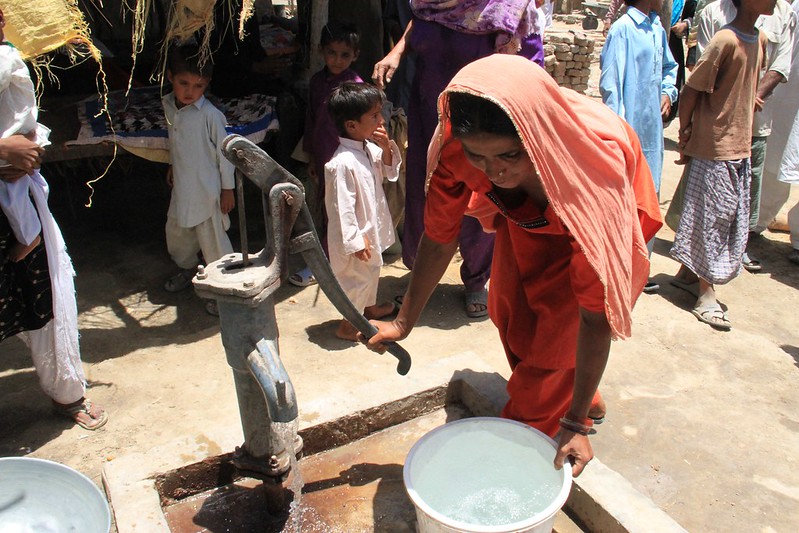
Water is a necessity to any living being and yet some countries struggle immensely with it. One such country is Pakistan. Pakistan’s water crisis and sanitation issues have lasted more than 15 years. Pakistan has reached a level where it has less than 1,000 cubic meters of water per person and could potentially run out of water entirely within five years. Fortunately, there are several organizations that are working to solve Pakistan’s water crisis.

Change the World of One

Change the World of One has recently finished a campaign concerning the water crisis in Pakistan. Its effort, Pakistan Clean Water Project, identified water access and sanitation as the two biggest problems of the water crisis and aimed to lessen the water crisis by building water hand pumps and electric pumps in a rural village in Pakistan.

The project was a success with the installation of around 10 hand and electric pumps as well as two handwashing stations and latrines. While the work focused mostly on one village, one cannot ignore the outcome of the Pakistan Clean Water Project, especially considering what the project brought to light as possible.

Paani Project

Paani Project is one of the newest organizations working in Pakistan to address its water crisis. The project’s method centers around creating outside-of-the-box solutions to public health problems, donations and creating what they call a “movement.”

Donations and direct action are important for Paani Project as they are for any NGO. This is especially critical considering the costs of developing water pumps and systems. Paani Project recognizes that through their own actions, Pakistan’s water crisis can be tackled day by day.

Charity: Water

Charity: Water has recognized the link between poverty and a lack of clean water in many countries, including Pakistan. The organization is almost entirely transparent with its projects, donations and direct goal of providing clean drinking water on their company website. Its work in Pakistan has provided a significant number of people with water and essential resources. Since 2013, Charity: Water has funded approximately 320 projects and helped around 35,458 people by drilling wells.

USAID

USAID, an organization dedicated to giving aid to foreign countries, has a current four-year plan to aid Pakistan’s water crisis. The Sustainable Water Partnership works to establish water security in Pakistan, which will improve other aspects of life such as public health, economic gains and ecosystems.

This is not its only dive into tackling Pakistan’s water crisis. It also implemented the Pakistan Safe Drinking Water and Hygiene Promotion Project that ran for approximately four years to implement better management of water, improve hygiene and better the technical aspects of water treatment, all of which was able to cover 31 districts in Pakistan in the program’s first phase.

Alkhidmat Foundation

Alkhidmat Foundation is another organization that has found success in alleviating Pakistan’s water crisis. The organization has installed approximately 131 water filtration plants, 6,312 hand pumps, 1,846 water wells and around 930 submersible water pumps.

Giving to communities that are the most vulnerable is exactly how Alkhidmat Foundation has been successful. Many of these impoverished villages do not have the funding like in bigger cities, meaning these communities cannot afford water wells and pumps. The Alkhidmat Foundation has recognized this and is working tirelessly to bring more water to Pakistan.

While Pakistan’s water crisis continues well into the 21st century, these five organizations are doing their part to alleviate Pakistan’s water crisis and are moving one step closer to ending the global water crisis through direct feet-on-the-ground action, advocacy and awareness.

– Remy Desai-Patel
Photo: Flickr

January 18, 2021
https://borgenproject.org/wp-content/uploads/borgen-project-logo.svg 0 0 Yuki https://borgenproject.org/wp-content/uploads/borgen-project-logo.svg Yuki2021-01-18 06:13:442024-06-07 05:08:10Organizations Alleviating Pakistan’s Water Crisis
Developing Countries, Global Poverty, Health, Water Crisis

Water Access: PCPartPicker Supports charity: water

PCPartPickerPCPartPicker and charity: water formed an unexpected partnership, united in their common goal of providing clean drinking water for communities in developing nations.
PCPartPicker

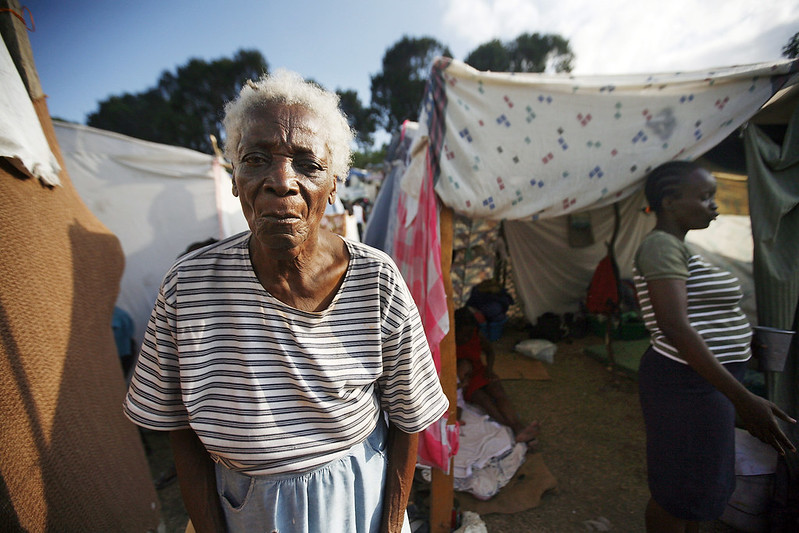
PCPartPicker was founded in 2011 by Philip Carmichael. The website was designed to guide computer enthusiasts on how to build their PCs from scratch.

Carmichael, a Texas A&M University educated software engineer, started PCPartPicker with the intention of creating something that would impact more than just the PC-building community: “My desire was, and still is, to help people with fundamental needs that we often take for granted, such as access to clean water and sanitation.” That is why PCPartPicker has supported charity: water, a non-profit organization that provides access to clean drinking water in communities across 29 developing countries.

The World’s Water Crisis

In 2017, the World Health Organization reported that 2.2 billion people do not have access to safely managed water services. Of those 2.2 billion, 785 million do not have immediate access to clean drinking water. Immediate access in this case refers to access that takes less than 30min of travel time. In other words, 10% of the world’s population often have to travel long distances to collect water for themselves and their families.

Most of those who are unable to use a safely managed drinking water source end up using water that is contaminated as a result of poorly maintained sanitation and water services. Diseases such as cholera, typhoid, hepatitis A and dysentery can be spread through these contaminated water sources. Almost a million people die each year due to infected drinking water, unsafe sanitation and poor hygiene. These deaths are completely preventable.

If clean drinking water was more accessible, millions of people would not have to spend hours every day traveling to collect it. Instead, children could spend more time in school and community members could spend more time growing food, starting small businesses and earning an income. The 40 billion hours a year women spend walking to collect water in Africa alone could be invested in those activities which are far more beneficial for improving livelihoods and in turn alleviating poverty.

charity: water

Founded in 2006, charity: water seeks to end the global water crisis. The organization raises funds to provide safe drinking water in communities that historically have not had access. According to its website, charity: water works with experts within each community to develop clean water solutions that will be sustainable over time. Examples of sustainable solutions include rainwater harvesting tanks, wells, piped systems or BioSand Filters that treat contaminated water to make it safe for consumption.

Once the community has been provided access to safe drinking water, charity: water’s partners implement training for preventing disease through safe hygiene and sanitation practices. A “water committee” is also elected from within the community in order to keep the standard of the water safe for years after the organization completes its project.

As of November 2020, charity: water has completed or is working on 59,608 projects helping more than 11 million people across the world. Transparency is a priority to the organization, which has an interactive map on its website showing every location at which it has completed a project.

An Unexpected Team

In order to fulfill his desire to help others, Carmichael began donating PCPartPicker profits to charity: water right from the start of the company’s journey. After many requests, the website launched a merchandise store in 2012 and Carmichael pledged 100% of proceeds to be donated to charity: water. The first completion report was posted in 2014 when Carmichael shared that the merchandise proceeds as well as the portion of earnings he donated monthly, funded access to clean drinking water for 373 people in Malawi.

The latest report, posted in July 2020, shows that charity: water has completed several projects in Ethiopia, Malawi, Bangladesh, India, Rwanda, Niger, Nepal and Uganda as a direct result of PCPartPicker’s donations. Together, these organizations have helped 34, 853 people gain access to clean drinking water.

Clean, safe drinking water is a fundamental human right. Organizations such as charity: water and PCPartPicker are dedicated to helping the cause and ensuring clean water access for as many people as possible.

– Emma Maytham
Photo: Flickr

January 15, 2021
https://borgenproject.org/wp-content/uploads/borgen-project-logo.svg 0 0 Kim Thelwell https://borgenproject.org/wp-content/uploads/borgen-project-logo.svg Kim Thelwell2021-01-15 01:15:502021-01-15 03:16:06Water Access: PCPartPicker Supports charity: water
COVID-19, Water Crisis

Elderly Poverty in Haiti Needs More Attention

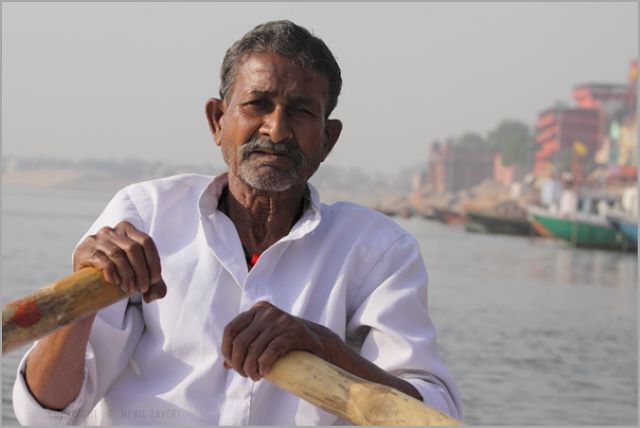
Elderly Poverty in HaitiIn 2020, the average life expectancy worldwide was 72 years; in Haiti, it was 64 years. The majority of the 500,000 Haitians over age 60 are economically dependent and nearly 80% of the population is forced to survive on less than $2 a day. Haiti is the most impoverished country in the Western Hemisphere and the older generation is not immune to this crisis. Elderly poverty in Haiti is an imperative issue in need of increased advocacy and aid.
Natural Disaster Created Major Need

The devastating earthquake of 2010 demolished Port-au-Prince, which led to about 250,000 deaths and more than 1.5 million displacements. In the aftermath of the disaster, many elderly Haitians went without shelter, proper clothing and sanitation. Age is the main factor contributing to the immense vulnerability of this population after a disaster. Often, the young and healthy receive vital aid during catastrophes rather than the elderly. As a result, the lack of food and water has hit Haitian elders exceptionally hard.

Water can come with a hefty price tag that some cannot afford. Unfortunately, Haitians living in poverty often walk for miles to streams or ponds to obtain water. If that fails, people sometimes resort to “garbage-filled rivers” to supply their households with water for daily use. This can be an impossible task for an elderly Haitian struggling with mobility. The task of accessing clean water is even more of a challenge for those living in Haiti’s countryside. A majority of Haitians live in rural areas and almost 70% are deemed “chronically poor” in comparison to only about 20% living in urban areas.

Elderly Poverty in Haiti During COVID-19

In the fight against the COVID-19 pandemic, it is important to remember all groups need assistance. Different segments of society often receive help unequally. Those left behind in terms of aid tend to be the impoverished elderly, many of whom do not have the resources to help protect themselves. An October 2020 assessment found that 98% of older adult Haitians did not know the location of the nearest COVID-19 testing site or treatment facility. Soap and basic sanitary needs are now luxuries. Additionally, almost 90% reported having less than two days’ worth of food at home. Further, nearly half say the consequences of COVID-19 are impacting their mental health and worry plagues them most, if not all of the time. The pandemic has worsened the situation of elderly poverty in Haiti amid recovery from the 2010 earthquake.

Aid for the Elderly

Nonprofits and NGOs are stepping up to aid the elderly in Haiti. One nonprofit committed to solving this need is Mission-Haiti, founded in 2005. Within its first year, the organization was able to build the Mission-Haiti Orphanage. The organization then furthered its efforts by opening the SAM Home for the Elderly, a Haitian-led elderly care program. The SAM Home for the Elderly provides elders in need with a safe place to live, access to medical care and three meals a day. Mission-Haiti also began an Advocates for Elders program, which allows anyone to sponsor an elderly Haitian in need for $35 a month.

Increased housing is one of many solutions to ending elderly poverty in Haiti. The World Bank’s projects in Haiti provide an array of other types of aid, including sanitation and water. One of the World Bank’s water projects has seen major success. In its efforts to build, extend and improve drinking water supply systems, more than 70,000 Haitians in rural areas now have better access to clean drinking water.

In response to COVID-19, the World Bank collaborated with UNICEF and OREPA to set up more than 2,100 hand-washing stations. The organization has also helped to build 50 sanitation blocks in various public schools and markets, helping 26,000 people gain access to sanitation facilities. In the first three months of the pandemic, health care facilities received protective equipment, including 3.5 million masks. Additionally, around 750 oxygen concentrators were installed to aid in treatments for COVID-19 patients. The World Bank has also established awareness campaigns on the importance of good hygiene practices and regular hand-washing to help prevent the spread of COVID-19.

Looking to the Future

The extensive list of adversities that elderly Haitians face will continue to require resilience. However, ongoing activism can eradicate elderly poverty in Haiti. But, in order to achieve this, efforts must be inclusive of all. Increased efforts to end elderly poverty in Haiti will allow the country’s life expectancy to continue its upward trend.

– Sarah Ottosen
Photo: Flickr

January 14, 2021
https://borgenproject.org/wp-content/uploads/borgen-project-logo.svg 0 0 Kim Thelwell https://borgenproject.org/wp-content/uploads/borgen-project-logo.svg Kim Thelwell2021-01-14 05:49:422022-04-26 06:20:25Elderly Poverty in Haiti Needs More Attention
Developing Countries, Global Poverty, Health, Poverty Reduction, Water Crisis, Water Quality, Water Sanitation

Efforts to Reduce Pollution in the Ganges River

Ganges RiverMore individuals depend on the Ganges River in India than there are people in the United States. More than 400 million people live at the basin of the Ganges, making it one of the most important natural water resources in the world. A holy river in the Hindu faith, the Ganges River (or Ganga) is used to bathe, cook, wash clothes, conduct funerals and more. Entire businesses along the basin depend on the river, adding an economic dependence to it as well. Due to this immense usage, pollution has run rampant. The Ganga Action Parivar estimates that “2.9 billion liters of wastewater from sewage, domestic and industrial sources are dumped” in the river every single day. Pollution reduction in the river is a top priority to prevent hundreds of millions of Indians from facing water insecurity.

The World Bank Assists

In 2011, the World Bank targeted the Ganges River pollution issues by launching the National Ganga River Basin Project (or NGRBP). A $1 billion initiative, the NGRBP looked to create bank investments in the water sanitation department and develop better waste management control in India. While this did prove to be a step in the right direction, the Ganges still saw a rise in pollution. India’s inability to properly dispose of waste outpaced the World Bank’s project. After nine years, the World Bank looked to bolster its contribution to the fight to save the Ganges as more and more Indians were becoming sick. In June 2020, the Second Ganga River Basin Project received approval from World Bank directors despite the bank focusing on COVID-19, proving how dire the situation at the basin truly is. An 18-year commitment, this second NGRBP adds another $380 million to clean up the Ganges until 2038.

Ganga Action Parivar’s Impact

Along with international help from the World Bank, India also made pollution control a national issue. An array of agencies have come about in India centered around the purification of the Ganges. For over a decade, the Ganga Action Parivar (GAP) has taken a diplomatic approach to fight water pollution. Through communication with government officials, media outlets and fundraising, the GAP looks to bring awareness to the issue and demand action from within India. In 2016, the GAP launched the National Ganga Rights Act and began asking for support for it. The act detailed how there are both natural environmental and human rights on the line with the continued pollution of the Ganges River. More than just a body of water, the Ganges is an epicenter of religion, prosperity and life. Creating a natural rights act helps to ensure that action will mobilize to protect the water resource and that is exactly what the GAP has set out to do.

The Year 2020 and Beyond

The year 2020 has been a promising year for pollution reduction in the Ganges River. The World Bank launched and financed its second project centered around cleaning the water back in June 2020. New research suggests that there has also been a natural cleansing that has taken place over the past few months. Since COVID-19 forced India to shut down, the Ganges’ usage has dropped. In a video released by BBC News, just a mere 10% drop in usage throughout the pandemic has led to significant improvement in the sanitation of the Ganges. For years now, India’s government has been trying to find ways to heal the Ganges. While India and the world fight the COVID-19 virus, the Ganges River is healing. Once the lockdown ends, the work of the World Bank and GAP will be vital to keep the momentum going. If pollution rates continue to climb, India will have a water crisis on its hands. Sanitizing and protecting the Ganges is instrumental in helping India reduce its poverty rates and preserving a crucial water resource.

– Zachary Hardenstine
Photo: Flickr

January 12, 2021
https://borgenproject.org/wp-content/uploads/borgen-project-logo.svg 0 0 Yuki https://borgenproject.org/wp-content/uploads/borgen-project-logo.svg Yuki2021-01-12 01:30:242024-06-04 01:03:19Efforts to Reduce Pollution in the Ganges River
Page 8 of 11«‹678910›»

Get Smarter

  • Global Poverty 101
  • Global Poverty… The Good News
  • Global Poverty & U.S. Jobs
  • Global Poverty and National Security
  • Innovative Solutions to Poverty
  • Global Poverty & Aid FAQ’s
Search Search

Take Action

  • Call Congress
  • Email Congress
  • Donate
  • 30 Ways to Help
  • Volunteer Ops
  • Internships
  • Courses & Certificates
  • The Podcast
Borgen Project

“The Borgen Project is an incredible nonprofit organization that is addressing poverty and hunger and working towards ending them.”

-The Huffington Post

Inside The Borgen Project

  • Contact
  • About
  • Financials
  • President
  • Board of Directors
  • Board of Advisors

International Links

  • UK Email Parliament
  • UK Donate
  • Canada Email Parliament

Get Smarter

  • Global Poverty 101
  • Global Poverty… The Good News
  • Global Poverty & U.S. Jobs
  • Global Poverty and National Security
  • Innovative Solutions to Poverty
  • Global Poverty & Aid FAQ’s

Ways to Help

  • Call Congress
  • Email Congress
  • Donate
  • 30 Ways to Help
  • Volunteer Ops
  • Internships
  • Courses & Certificates
  • The Podcast
Scroll to top Scroll to top Scroll to top