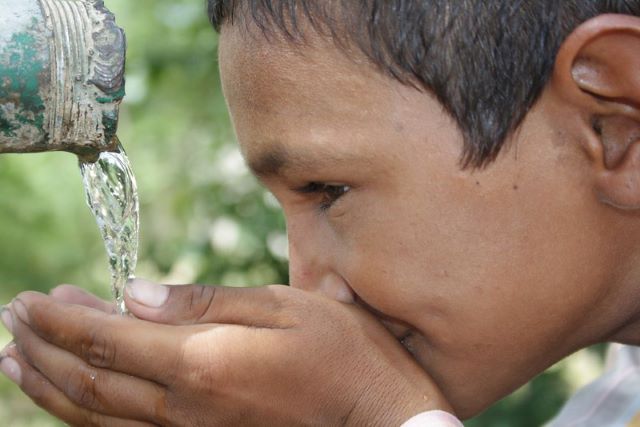
 Water, sanitation and hygiene (WASH) is a public issue in India. Launched in 2014, the Swachh Bharat Mission (SMB) of India has seen great success in recent years in improving the health and sanitation of India’s people. The Bill & Melinda Gates Foundation has aided in the mission, helping to educate and institute new technologies, such as Sunidhi toilets. Aided by UNICEF, additional initiatives like the National Rural Drinking Water Programme (NRDWP) and the implementation of WASH in schools and health facilities are contributing to the reduction of harmful and unsanitary practices. There have been several key WASH advancements in India.
6 Facts About WASH Advancements in India
- Urban Centers Bear the Brunt. Nationally, 910 million citizens do not have access to proper sanitation. With the rapid increase in population density in cities, there is an increasing strain on water and sanitation services. Despite urban centers housing the majority of India’s population, urban sanitation is underfunded.
- Swachh Bharat’s Toilet Access and Job Creation. SMB’s primary objective is to reduce open defecation in India. Between 2018 and 2019, 93% of households had access to toilets, a noticeable jump from 77% in the previous year. SMB’s efforts have also seen economic benefits, including an increase in job opportunities. The construction of the sanitation infrastructure is responsible for employing more than 2 million full-time workers. The creation of an additional 2 million jobs is expected in the coming years.
- Water in Rural Communities. Between 2017 and 2018, India’s national water mission expanded to become the National Rural Drinking Water Mission (NRDWM). While other programs and departments address sanitation in urban centers, NRDWM cares for the rural regions of India. One goal is the institution of piped water supplies to rural households. As of 2019, “18% of rural households had been provided with Piped Water Supply (PWS) household connections.”
- iJal Safe Water Stations. The Safe Water Network, a nonprofit organization created by Paul Newman, has reached communities through its iJal water stations. The locally owned stations provide access to clean, quality water in communities where water security is scarce. In 2019, the organization built 86 new stations, adding to the total of 319 stations reaching more than a million people across 319 communities.
- Better Community Toilets. Improper sewer networks and poorly maintained public toilets lead to open defecation. The Bill & Melinda Gates Foundation seeks solutions to this crisis, for example, through the Reinvent the Toilet Challenge in 2011. The lack of safe public toilets is especially burdening on women. To address this concern, the WASH Institute leads the Sunidhi Toilet project. The project sees the construction of easily installable, self-cleaning public toilets.
- WASH Allies. USAID and UNICEF work in cooperation with the Government of India. As of September 2020, USAID reported recent achievements, including greater access to safe drinking water, more household toilets and a decrease in public defecation. UNICEF aids in the education and implementation of hygiene, particularly in schools and health facilities.
Recent years have seen several WASH advancements in India. The Indian government, large and small businesses as well as nonprofit organizations, are all playing an important part in ensuring access to safe water and sanitation. Education and creative solutions are made possible thanks to hard work and global cooperation.
– Kelli Hughes
Photo: Flickr
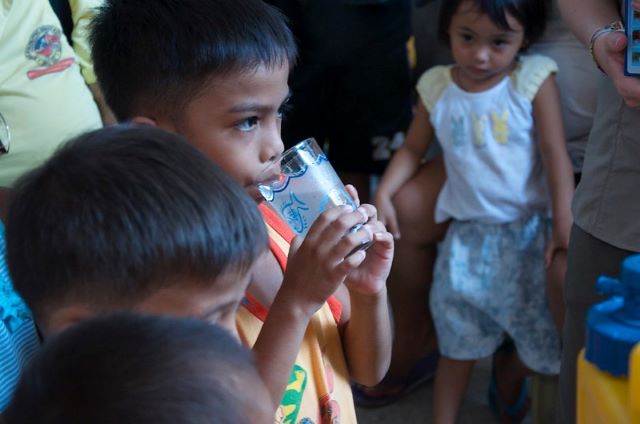 According to the World Health Organization (WHO), 2.1 billion people lack access to safe drinking, with people in rural areas with limited infrastructure being mostly affected. Within the Philippines, this concept manifests in that 91% of the country’s estimated 100.7 million population have access to basic water services, but access is highly inequitable across the country, with regional basic water services
 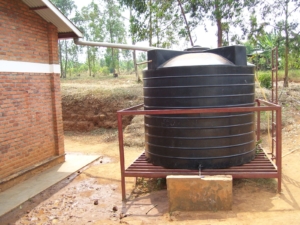 Technology has played a significant role in the reduction of global poverty. Two particular areas technology has improved impoverished communities are water access and water quality. For instance, a newly developed piece of technology showcases the potential for enhancing water security throughout Africa. The key is effective rainwater harvesting.
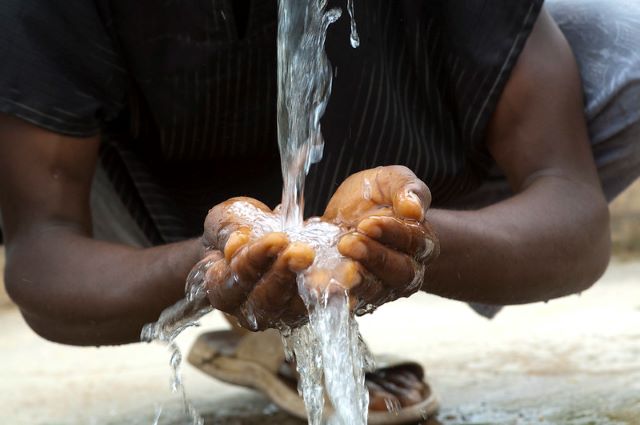 According to the World Health Organization (WHO),
 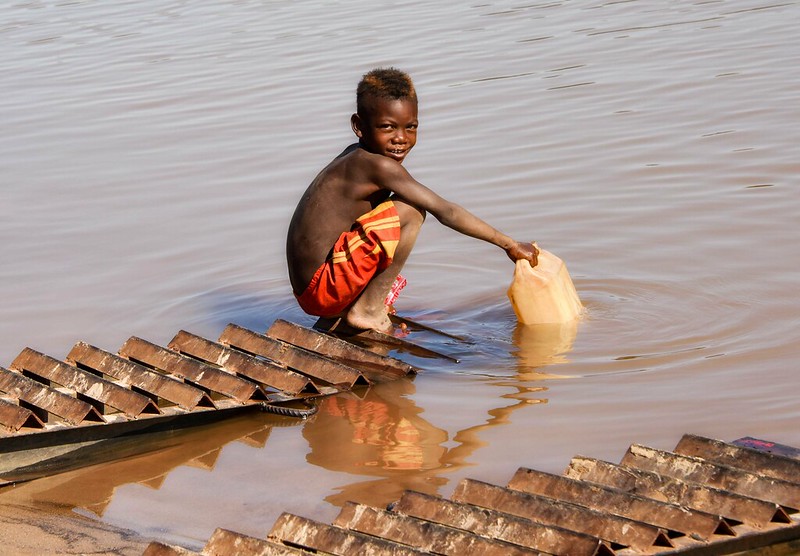 Drinkwell is an
 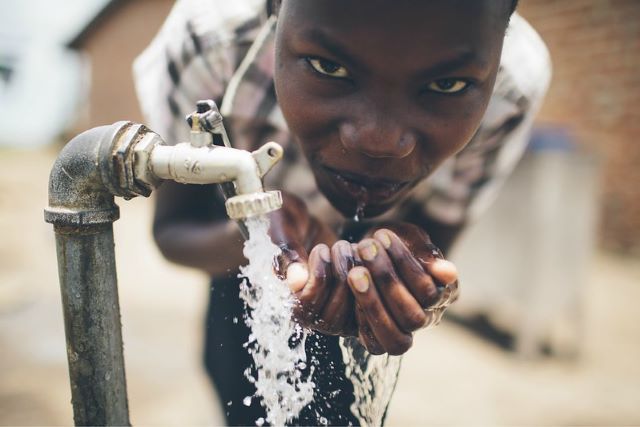 Goliathon is a nonprofit organization located in New Jersey, that uses obstacle courses to raise money for another organization, charity: water, which is based in New York. These two organizations jointly work to bring clean and safe drinking water to people in developing countries.
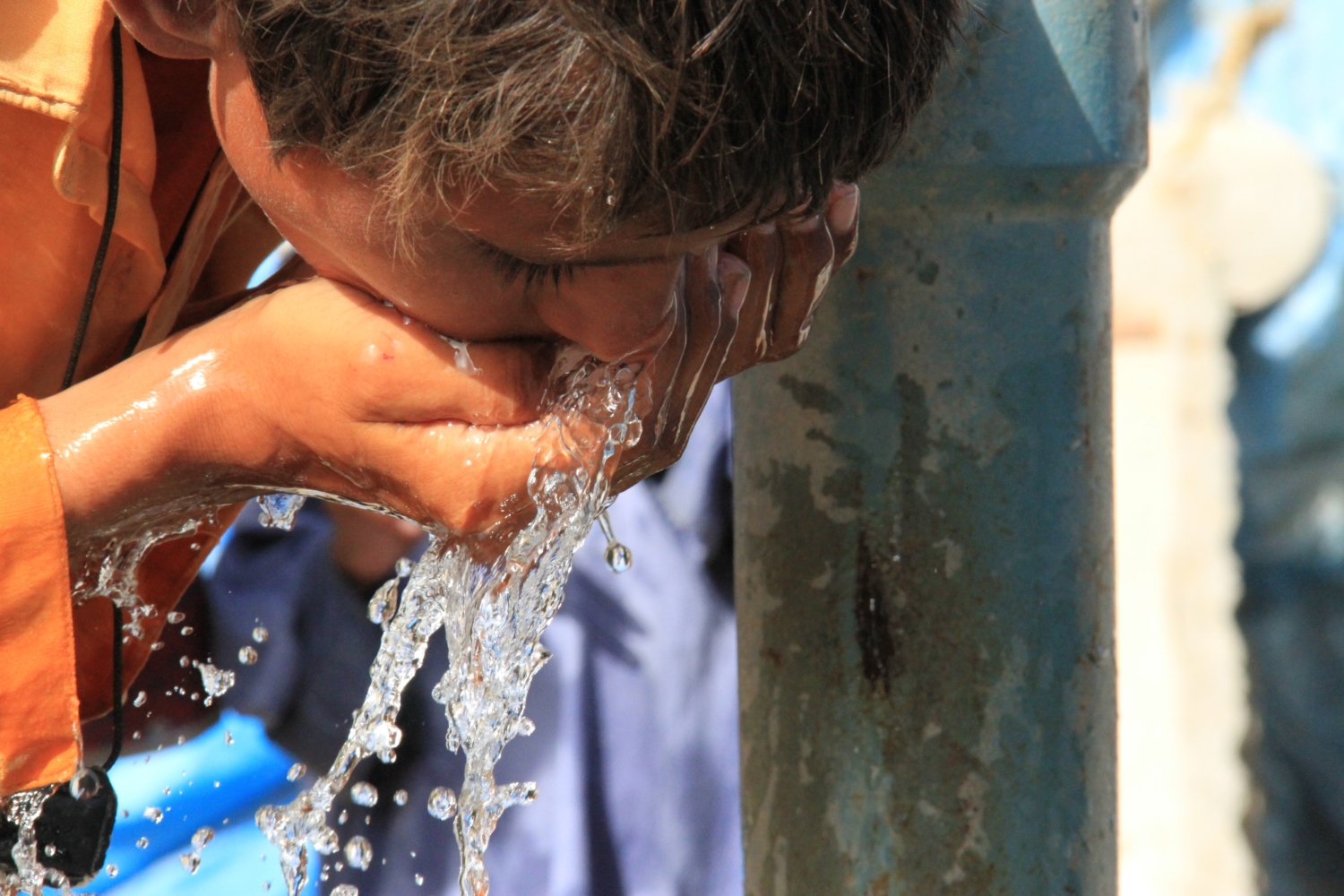 The United Nation’s sixth Sustainable Development Goal is devoted to enhancing clean water and sanitation. Specifically, it calls for equitable access to clean drinking water and basic sanitation for all by 2030. However, nearly one-third of the global population lacks access to clean drinking water. Some companies are making solutions to this problem in the form of apps improving access to clean water.
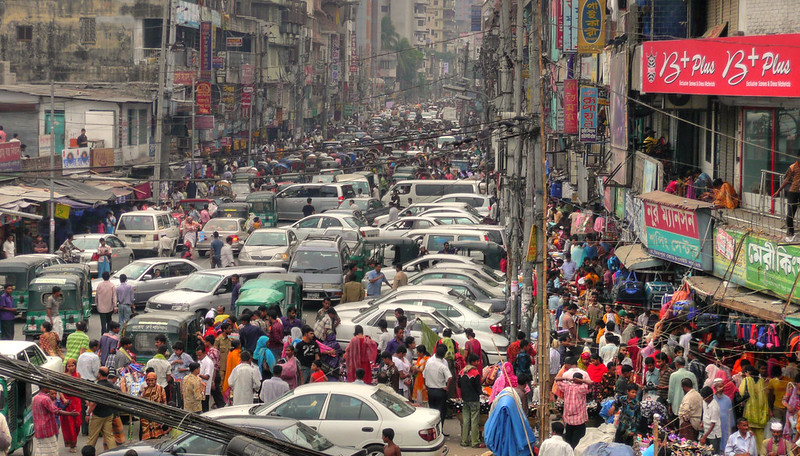 Pollution impacts people’s air, water and food worldwide. In general, pollution affects impoverished individuals the most.
 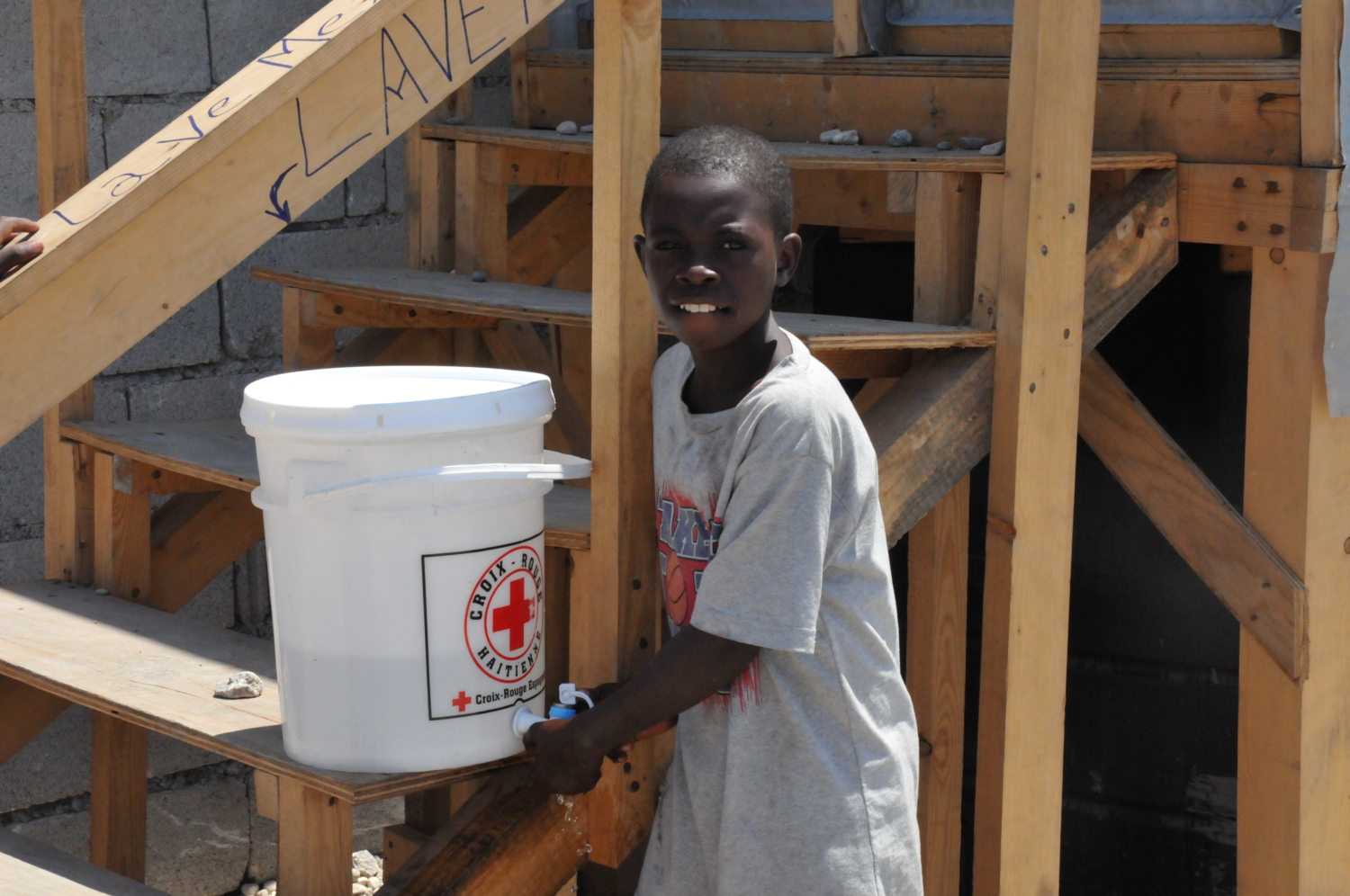 COVID-19, the disease caused by the coronavirus, is often spread through airborne droplets released by breathing or talking and by touching infected surfaces. Good hygiene is therefore an initial line of defense in preventing viral infection. However, hand washing requires access to clean water and effective sanitation. While COVID-19 has changed the way people think about hygiene, the lack of access many people in developing countries have to sanitation during COVID-19 remains the same.