• Link to X
  • Link to Facebook
  • Link to Instagram
  • Link to TikTok
  • Link to Youtube
  • About
    • About Us
      • President
      • Board of Directors
      • Board of Advisors
      • Financials
      • Our Methodology
      • Success Tracker
      • Contact
  • Act Now
    • 30 Ways to Help
      • Email Congress
      • Call Congress
      • Volunteer
      • Courses & Certificates
      • Be a Donor
    • Internships
      • In-Office Internships
      • Remote Internships
    • Legislation
      • Politics 101
  • The Blog
  • The Podcast
  • Magazine
  • Donate
  • Click to open the search input field Click to open the search input field Search
  • Menu Menu

Archive for category: Technology

Information and stories about technology news.

Education, Global Poverty, Technology

Ghana’s Tech Innovation in Education

Ghana’s Tech Innovation in EducationGhana has embarked on a transformative journey to digitize its education system in recent years. Ghana’s shift aims to improve tech innovation in education and learning outcomes, bridge educational disparities and equip students for a technology-driven global economy. While significant progress has been made, challenges persist, particularly in ensuring equitable access across urban and rural communities.

Background

As Ghana works toward this next chapter of future learning, it is essential to note that the digitalization of education is a global reform trend. As Olga N. Machekhina describes in Revista Espacios, it is a powerful force for modernizing educational systems. Ghana has embraced this wave through various national strategies. The Education Strategic Plan (2018–2030) and the ICT in Education Policy Framework (2015) illustrate this commitment, emphasizing teacher training, curriculum reform and early school ICT exposure.

A notable step came in 2023 to include tech innovation in education with the launch of the ICT Competency Framework for Teachers. Developed by the Ministry of Education, the National Council for Curriculum and Assessment (NaCCA) and other stakeholders, this framework supports educators in integrating technology effectively into their teaching practices. Higher education institutions like the University of Cape Coast also support digitalization through platforms such as Moodle, streamlining learning for students and lecturers.

Government Initiatives

The National Digital Literacy Program, launched in 2013, seeks to train 10 million Ghanaians in digital skills by 2030. It focuses on equipping individuals with essential digital skills to participate effectively in the digital economy. Furthermore, in 2015, Ghana released its ICT in Education Policy Framework, emphasizing teacher training in digital skills and introducing ICT as a topic beginning in primary school. The policy sought to transform the educational system to improve the quality of teaching and learning at the various levels of education and expand access to education, training and research resources and facilities to produce a cutting-edge and skilled workforce for the growth of the country’s economy.

The government’s efforts intensified during the COVID-19 pandemic through platforms like Ghana Learning TV and iCampus. Despite good intentions, accessibility remained a significant issue. Key findings from a report titled “Ghana’s E-Learning Program During the Pandemic Presents Access Challenges for Many Students” highlight significant barriers to digital learning. Fewer than three in 10 Ghanaian households (28%) own a computer, with access even lower among rural and low-income families, only about one in seven (14%).

While 71% of households nationwide have reliable electricity from the national grid, this figure drops to 59% in rural areas and 55% among impoverished households. An additional 5% of households rely on alternative electricity sources such as solar panels, batteries or generators. In response, in 2024, Ghana launched the Smart Schools Project to distribute 1.3 million free tablets to high school students nationwide. The initiative began with 15 schools and reflects the government’s ongoing push toward digital inclusivity.

Grassroots Innovation: Lemvon’s Story

However, government programs are not the only drivers of change. An 18-year-old developer, Lemuel Grigsby, created Lemvon, a school management system that uses AI to personalize learning. In an interview with The Borgen Project, Grigsby shared that he turned to app development to heal after losing his older brother in 2020. Grigsby, motivated by his educational struggles, developed a comprehensive platform that manages everything from exam records to fee processing.

His AI-powered Learning Management System (ALM) adapts to each student’s pace, learning style and language. He also notes that the system allows parents to track their children’s academic performance and attendance. In partnership with the Ghana Association of Private Schools, Lemvon is now available through a 92-day free trial, allowing schools to evaluate its impact. Grigsby hopes these free trials will produce strong results and expand to rural communities.

Other Nonprofits Bridging the Gap

Other startups and nonprofits are contributing significantly to Ghana’s tech innovation in education. Street Library Ghana is a volunteer-driven social enterprise that provides library services in rural communities through mobile vans, book kiosks and digital access. It aims to improve literacy and education among children and youth in underserved areas.

The Ghana Code Club is an after-school program teaching children computer programming skills. Since its inception, it has trained more than 100,000 students, 3,5,00 teachers and several computer centers in Ghana.

Challenges in Digital Education

Despite these positive developments, gaps remain. According to the Ghana Living Standards Survey (2020), only 39.7% of Ghanaians had internet awareness, with a stark urban-rural divide (51.6% vs. 27.4%). Africa Education Watch (2024) reports that just 15% of public primary schools and 13% of junior high schools had functioning ICT labs by the end of the 2022/2023 academic year.

Infrastructure challenges are acute. Although national electricity coverage exceeds 80%, only 44% of primary schools and 63.9% of junior high schools had access to electricity as of 2020. Teacher preparedness is another hurdle: only 53% have received ICT training and 22% of students have basic ICT skills. According to Grigsby: “These issues not only create barriers but impede results for startups like Lemvon and others trying to help.”

Conclusion

Both national strategies and youth-led innovation are powering Ghana’s tech innovation in education. From free tablets to AI-driven learning platforms, the landscape is evolving. However, systemic issues like poor infrastructure, teacher training gaps and data literacy have to be addressed to ensure lasting impact.

Dr. Peter Anti of the Institute of Education Studies noted, “Instead of focusing on unnecessary projects in Accra, we need to address the actual issues in schools where the data shows there are urgent needs.” Grigsby echoes that sentiment: “The fact that we continue to face these basic issues is a sign that our policies have been poorly planned and targeted. We must use data more effectively to direct our efforts and solve the problems head-on.”

– Dela Michel 

Dela is based in Rockville, MD, USA and focuses on Technology and Solutions for The Borgen Project.

Photo: Unsplash

July 25, 2025
https://borgenproject.org/wp-content/uploads/borgen-project-logo.svg 0 0 Hemant Gupta https://borgenproject.org/wp-content/uploads/borgen-project-logo.svg Hemant Gupta2025-07-25 07:30:572025-07-25 03:26:01Ghana’s Tech Innovation in Education
Global Poverty, Innovations, Technology

Building 3D-Printed Shelters for a Nation Ravaged by War

Building 3D-Printed SheltersSyria is enduring among the most complex crises of the 21st century. After 14 years of violence and destruction, innovative 3D-printing technologies are now emerging in the effort to rehome more than 13 million displaced Syrians.

A Nation in Ruins

In the wake of Assad’s brutal regime, Syrians have suffered untold trauma, death and the leveling of homes and public infrastructure during a devastating civil war. With an economy in ruin, around two-thirds of Syria’s 24 million civilians currently depend on humanitarian aid to survive.

Following more than a decade of conflict, nearly half of all Syrians are currently displaced or otherwise fragmented. About 6.8 million of them remain within Syrian borders and around the same amount are settling in neighboring countries like Turkey and Jordan or seeking refuge across Europe.

As Syria’s public services struggle to cope with the ongoing tensions, a rapidly changing climate is compounding food shortages due to drought-like weather conditions. As a result, nearly all Syrians live below the poverty line, making it extremely difficult for communities to rebuild their broken lives.

The Spectre of Assad’s Housing Crisis

In the process of destroying Syrian public infrastructure, Assad’s forces systematically targeted homes, schools, family businesses and hospitals within rebel-controlled areas. This process incurred a significant housing crisis that impacts many of the struggles the population faces daily.

A 2019 United Nations (U.N.) assessment mapped the true scale of the destruction through satellite imagery, finding that 140,000 buildings were destroyed or severely impacted by the attacks. Highly populated cities like Aleppo, Damascus and Homs have emerged as the most affected. With estimated damages totaling between $250 to $400 billion, it has become clear that the road to Syria’s long-term rehabilitation requires immediate and cost-effective solutions due to the damages left in the shadows of war.

As a result, Syria now faces the risk of entering a new era marked by property-based retaliation and social fragmentation. Without a well-coordinated housing policy to protect the population, this critical moment in the nation’s pursuit of long-term peace and security could be lost.

3D-Printed Shelters

In light of these growing challenges, 3D concrete printing is emerging as a promising solution for building more durable shelters in refugee camps. These structures offer longer lifespans and greater resilience against the harsh desert climate. By producing “layer-by-layer complex geometries” using cement with impressive speed and precision, building 3D-printed concrete shelters provides better safety from damage than previous structures. It enhances long-term stability and efficiency and improves thermal insulation and privacy for those most in need.

For instance, around 80,000 Syrian refugees are based in Zaatari and Azraq in neighboring Jordan. The current shelters can often cause serious health problems for occupants due to water leakage and air penetration and only have a two to four-year lifespan. With the introduction of 3D concrete printing techniques, these technologies are not only emerging as safer and more cost-effective, but the use of contour crafting is enabling the construction of larger-scale shelters that can last up to 30 years with far less waste.

Conclusion

At a time of great change, building 3D-printed shelters provides innovative ways of supporting Syrians displaced due to the conflict. With an economy ravaged by war and the mismanagement of public resources, these technologies could play a significant role in rebuilding Syrian infrastructure.

– Gabriel John Gunn

Gabriel is based in Paisley, Scotland and focuses on Technology and Solutions for The Borgen Project.

Photo: Flickr

July 25, 2025
https://borgenproject.org/wp-content/uploads/borgen-project-logo.svg 0 0 Hemant Gupta https://borgenproject.org/wp-content/uploads/borgen-project-logo.svg Hemant Gupta2025-07-25 07:30:142025-07-25 03:34:12Building 3D-Printed Shelters for a Nation Ravaged by War
Global Poverty, Technology

Internet Access in Nigeria: The Evolving Landscape

Internet access in nigeriaInternet access in Nigeria is experiencing significant growth, with more than half of the population now connected. However, a notable digital divide persists between urban and rural areas. Mobile devices serve as the primary means through which Nigerians access the internet. Despite high penetration rates, affordability, availability and service quality challenges hinder broader access.

In 2024, despite substantial investments in Nigeria and other regions of Africa, only 38% of the population was online. The International Telecommunications Union (ITU) reported that Africa ranked the lowest in global internet usage, starkly contrasting the global average of 68%. The ITU highlighted that while internet adoption in Africa is on the rise, millions remain offline due to high service costs, digital illiteracy and inadequate infrastructure, particularly in rural communities.

Current Internet Landscape

As of April 2025, Nigeria’s internet landscape boasts approximately 142 million subscribers, with broadband penetration reaching 48.15%. Internet usage has surged to 983,283.43 terabytes (TB). In January 2025, there were 141 million internet subscribers and a broadband penetration rate of 45.61%. These statistics underscore Nigeria’s expanding digital footprint and the increasing demand for internet services.

Furthermore, according to the Nigerian Communications Commission (NCC), the telecommunications regulator, 141.2 million mobile connections were recorded as of April 2025. The market share by generation indicates that 89% of the country’s connectivity still relies on 2G and 4G technologies.

Affordability of Internet Access in Nigeria

The cost of internet access poses a significant barrier for many Nigerians, affecting both individual users and businesses. According to a report by ITU, affordability remains a critical obstacle to achieving broader digital inclusion.

The ITU highlighted that in 2024, the median price of an entry-level mobile broadband plan (2GB per month) was 4.2% of the gross national income (GNI) per capita, a slight decrease from 4.6% in 2023. However, this figure is still more than double the United Nations Broadband Commission’s affordability target of 2%, making it the highest among all ITU regions.

Government and Private Initiatives

In response to these challenges, the government and the private sector invest in infrastructure and initiatives to enhance internet access and affordability. One notable initiative is Project 774 LG Connectivity, which focuses on bridging the digital divide across local governments in Nigeria. Spearheaded by the Federal Ministry of Communications and Digital Economy, this project leverages NIGCOMSAT’s VSAT technology to provide reliable internet access in Nigeria.

The initiative aims to improve e-governance, education, health care, security and economic opportunities at the grassroots level by ensuring that communities can access affordable Internet services. The National Broadband Plan (2020-2025) also sets ambitious targets for internet penetration and affordability, aiming to achieve 70% broadband penetration by 2025.

In January 2025, the Center for Information Technology and Development (CITAD) revealed that about 27 million Nigerians have no access to telecom infrastructure, excluding those who can’t afford it. CITAD launched the Dakwa Community Hub in the rural area of Abuja to enable access to the internet in the community and online educational opportunities to about 50% of Nigerians who lack access.

– Damilola Bukola Omokanye

Damilola is based in Abuja, Nigeria and focuses on Technology and Solutions for The Borgen Project.

Photo: Wikimedia Commons

July 23, 2025
https://borgenproject.org/wp-content/uploads/borgen-project-logo.svg 0 0 Hemant Gupta https://borgenproject.org/wp-content/uploads/borgen-project-logo.svg Hemant Gupta2025-07-23 07:30:242025-07-23 00:50:32Internet Access in Nigeria: The Evolving Landscape
Clean Water Access, Global Poverty, Health, Technology, Water Quality

Water Purification in Developing Countries: 5 Techniques

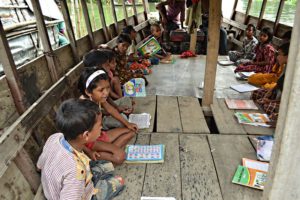
Water Purification in Developing CountriesIn 2025, approximately 2 billion people lack access to clean drinking water worldwide. Three criteria determine clean water access: water must be located at home, available when needed and free from contamination. Many families spend dozens of hours per week collecting water. In particular, women often travel long distances to collect water for their households. Collection locations do not always guarantee uncontaminated water.

Drinking contaminated water can spread disease and may be fatal for entire households. Fortunately, nonprofit aid organizations such as the U.N. Children’s Fund (UNICEF), World Vision and Water.org are implementing various water purification methods in developing countries. Decontamination technology, water infrastructure and sanitation education are vital resources in making safe water accessible to all. 

Methods That Make Local Water Safe to Drink

To make clean drinking water accessible, solutions rely on local water sources. Unfortunately, streams, rivers and lakes are often contaminated. Below are several methods used for water purification in developing countries.  

  1. Membrane Separation Technology. Reverse osmosis and ultrafiltration are the two most commonly used membrane separation techniques. Membrane separation uses high pressure to filter water through a porous wall. The permeable barrier prevents bacteria, pathogens and chemicals from passing, only allowing clean water through. Membrane separation technology is versatile and requires little maintenance, making it ideal for rural communities. Membrane separation is especially useful in preventing waterborne illnesses. 
  2. Chlorination. Water chlorination disinfects lakes, rivers and groundwater by adding a sodium hypochlorite solution to contaminated water, effectively killing bacteria and viruses. It is inexpensive, but excessive chlorine intake may pose health risks if used as a sole solution. 
  3. Solar Water Disinfection (SODIS). Solar water disinfection treatment uses ultraviolet rays to kill waterborne bacteria. It is inexpensive and ideal in circumstances where resources are scarce. Families fill 2-litre polyethylene terephthalate bottles with local water and lay them in the sun for six hours. SODIS is primarily valuable for household use, as it disinfects only small amounts of water at a time.  
  4. Filtration Systems. Biosand Water Filtration (BSF) is an inexpensive household filter, making water purification in developing countries domestically accessible. BSF consists of a large container with layers of washed sand and gravel. Local water is poured over the container. The sediment acts as a filter, trapping 90% of bacteria and 100% of parasites, which allows safe drinking water to flow through. 
  5. Wells and Aquifers. Digging wells is a common strategy for improving access to clean water in developing countries. Wells are either hand-dug or drilled underground and pipelines connected to a large pump draw groundwater from a local aquifer. Although wells are a more expensive solution, they can effectively supply water to an entire community.

Long-Term Solutions

Water infrastructure is essential for making clean water widely accessible. Treatment centers, pipelines and pumping networks help distribute decontaminated water over long distances. In Juba, South Sudan, UNICEF’s 2017 Lologo project established a water treatment plant that draws water from the Nile River, decontaminates it and pumps it throughout Juba and local camps. This is one of many infrastructure projects launched globally to support water purification in developing countries.

UNICEF’s Water, Sanitation and Hygiene (WASH) program ensures schools educate students on hygienic toilet use and clean water maintenance. In Bangladesh’s largest refugee camp, Kutupalong, children ages 10 to 15 participate in World Water Day art competitions, drawing images reflecting the importance of clean water and sanitation. WASH workers hold hygiene awareness sessions for Rohingya refugees of all ages to attend. 

Looking Ahead

Water purification is a vital step toward poverty reduction. With continued investment in decontamination methods and infrastructure, access to clean water may soon become a reality for all.

– Helen Cusick

Helen is based in Minneapolis, MN, USA and focuses on Good Newsn and Technology for The Borgen Project.

Photo: Flickr
July 21, 2025
https://borgenproject.org/wp-content/uploads/borgen-project-logo.svg 0 0 Precious Sheidu https://borgenproject.org/wp-content/uploads/borgen-project-logo.svg Precious Sheidu2025-07-21 01:30:072025-07-20 13:09:34Water Purification in Developing Countries: 5 Techniques
Employment, Global Poverty, Technology

Renewable Energy in Andorra

Renewable Energy in AndorraSettled in the Pyrenees, Andorra is embracing renewable energy, cutting its reliance on imports and decreasing energy poverty. Using solar, hydropower and biomass, the nation is balancing sustainable growth, lowering costs and improving access.

Energy Poverty in Andorra

In Andorra, energy poverty disproportionately affects low-income households, struggling with high energy costs that limit essential needs, including heating and cooking. If Andorra follows similar European patterns, high energy costs affect roughly 7-10% of households. However, due to Andorra’s investment in renewable resources, these struggles are becoming less prevalent, ensuring long-term affordability and stability.

By transitioning to renewable energy, Andorra is able to lower costs with increased local energy production. This reduces dependence on imports, making electricity more affordable. Currently, renewable energy accounts for 23% of the country’s total supply.

Types of Renewable Energy

Andorra’s mountainous landscape makes it well suited for hydropower, supplying 15% of its energy needs through small hydroplants and run-of-river projects. At the same time, its abundant sunlight supports solar farms and rooftop panels with incentives like improved storage and solar-powered EV charging growth of clean energy. These incentives and projects help improve access and ensure more households have reliable energy.

Even with limited development in Andorra’s wind power, it is still another reliable renewable resource. Wind power helps address energy poverty in many ways. By generating electricity locally, wind power helps stabilize prices, provides more reliable electricity in remote areas and reduces dependence on fossil fuels, lowering environmental impact and long-term energy costs.

Even though less advanced than solar power, hydropower, wind power and biomass is becoming increasingly recognized as a viable renewable resource. Biomass helps alleviate energy poverty in many ways. Furthermore, it improves energy access, such as wood crop residues and animal waste, for cooking and heating. It also reduces costs, because biomass can be locally sourced, which reduces dependence on expensive imported fuels. It also creates jobs in agriculture, forestry and energy production.

Employment in Renewable Energy

Andorra has a low unemployment rate of 2.4% in 2025, which is significantly below the EU average. The shift to renewable resources will expand employment opportunities. For instance, to install solar panels, wind turbines and hydropower engines, installation and maintenance work will be needed. For innovations in energy storage and grid optimization, workers will be needed for research and development. Lastly, for helping businesses transition to greener energy solutions, people will be needed for consulting.

Andorra’s Efforts Towards Renewable Energy

Andorra has also put in efforts to encourage sustainable energy adoption by implementing energy efficiency subsidies, helping households and businesses transition to cleaner power sources. These grants cover up to 30-40% of the cost for upgrades like solar panels, biomass systems and arethermal technologies, making renewable energy more accessible and affordable.

Andorra is leveraging renewable energy, ensuring equitable access to clean and affordable power. By expanding investments in solar, hydro, and wind energy, the country is reducing reliance on costly imports while making sustainable electricity more accessible to lower-income communities.

These initiatives not only promote environmental resilience but also enhance economic stability, proving that small nations can drive meaningful change in global energy equity. Andorra’s approach highlights how renewable resources can be harnessed to address affordability challenges and improve the quality of life for those in poverty.

– Karisma Polly

Karisma is based in Sunrise, FL, USA and focuses on Global Health and Celebs for The Borgen Project.

Photo: Wikipedia Commons

July 19, 2025
https://borgenproject.org/wp-content/uploads/borgen-project-logo.svg 0 0 Jennifer Philipp https://borgenproject.org/wp-content/uploads/borgen-project-logo.svg Jennifer Philipp2025-07-19 03:00:392025-07-18 13:27:27Renewable Energy in Andorra
Global Health, Global Poverty, Technology

Using AI to Support Maternal Health in Pakistan

How A Scientist Is Using AI to Support Maternal Health in Pakistan Pakistan has one of the highest maternal mortality rates in South Asia. Despite being a signatory to Agenda 2030, the country still lags considerably behind in achieving the Sustainable Development Goals (SDGs). Approximately 20% of the deaths that occur among women of childbearing age are related to maternal complications.

Dr. Maryam Mustafa, assistant professor of computer science at Lahore University of Management Sciences and co-founder of Awaaz-e-Sehat (“Voice of Health”), is harnessing speech-based artificial intelligence to revolutionize maternal health in Pakistan. Funded by the Gates Foundation’s Grand Challenges, her AI app enables under-resourced frontline maternal health workers to record and assess patient information by talking into a smartphone.

Maternal Health Challenges in Rural Pakistan

Maternal health in Pakistan faces serious obstacles, especially in rural areas where women lack access to skilled care. Pakistan Maternal Mortality Survey 2019, conducted by the National Institute of Population Studies and funded by the United States Agency for International Development (USAID), reveals considerable demographic differences between rural and urban areas of Pakistan.

The maternal mortality ratio (MMR) is nearly 26% higher in rural areas than in urban areas due to a major difference in health care services provided to people living in urban areas as compared to those living in distant regions. In addition, delays in medical care during obstetric complications are another factor that leads to maternal deaths. Every year, thousands of women die from causes like bleeding, infections and high blood pressure during pregnancy. In Pakistan, an estimated 154 women die per 100,000 live births. Globally, maternal mortality has decreased by approximately 40% since 2000; however, this progress has slowed.

How Awaaz-e-Sehat Works

In many clinics, doctors and nurses only have a few minutes to spend with each patient. Symptoms, like swelling, headaches or blurred vision, can go unnoticed. Awaaz-e-Sehat helps by guiding health workers through structured questions in Urdu or other local languages before digitally saving each response. The app also analyzes responses for warning signs, such as high blood pressure or anemia and sends automatic alerts if a patient is at risk. The tool was tested at Shalamar Hospital in Lahore, where it supported care for 500 pregnant women in its early phase.

Helping Women at Home

Not all women in Pakistan can regularly travel to clinics for checkups. To help bridge this gap, Awaaz-e-Sehat also works through WhatsApp. Pregnant women can respond to voice messages from home, answering simple health questions. Artificial Intelligence (AI) reviews their responses and if something seems wrong, a health worker receives a prompt to follow up.

Making a Difference

After several months of use, the Awaaz-e-Sehat team saw a clear improvement in early risk detection. The tool helped identify health concerns in about 40% of patients, compared to only 7% in traditional short visits, highlighting a notable step forward in maternal health in Pakistan.

What Comes Next

Dr. Mustafa and her team plan to expand Awaaz-e-Sehat across more clinics and provinces. By collaborating with hospitals, health organizations and the government, they aim to provide AI-powered support to a broader range of health workers and expectant mothers. Their goal is to help Pakistan reach the United Nation’s (U.N.) target of fewer than 70 maternal deaths per 100,000 live births by 2030. 

– Anna Chiaradonna

Anna is based in Philadelphia, PA, USA and focuses on Good News and Politics for The Borgen Project.

Photo: Flickr

July 17, 2025
https://borgenproject.org/wp-content/uploads/borgen-project-logo.svg 0 0 Precious Sheidu https://borgenproject.org/wp-content/uploads/borgen-project-logo.svg Precious Sheidu2025-07-17 01:30:382025-07-16 13:52:23Using AI to Support Maternal Health in Pakistan
Development, Global Poverty, Technology

bKash: Digital Financial Inclusion in Rural Bangladesh

bKashThe inclusion of rural and low-income groups in financial services has been a contentious area of long-term struggle for South Asian economies. However, Bangladesh’s utilization of homegrown fintech company “bKash” is fighting this stigma, revolutionizing digital financial inclusion where typical infrastructure is sparse to lift millions out of poverty.

Changing the System

Launched in 2011, bKash entered a market where most of Bangladesh’s population was unbanked and infrastructure was limited. At the time, cash transactions and informal loans were often the only options available. bKash set out with a clear mission: to expand financial access for the country’s low-income majority. The platform allows users to send and receive money, pay bills and top up mobile credit using their phones. It also provides access to microloans — all without needing a bank account, cash, or informal lenders.

The basic financial tools this system offered millions have impacted the reduction of poverty in the nation. The Bangladesh Bank states that services like bKash have helped boost the country’s financial inclusion rate from less than 50% in 2017 to more than 65% by 2022. The app has increased financial connections between economic centers and the rural majority, leading to a growing trend of urban-to-rural remittance and greater involvement of middle-income investors in agriculture businesses.

Reducing Poverty and Increasing Development

By 2021, the app’s rapid growth had transformed digital finance in Bangladesh. Nearly 45% of people aged 15 and above were making or receiving digital payments. bKash alone had reached 67 million verified users, more than 40% of the country’s population, marking a sharp increase from just 29 million users in 2017. This dramatic growth reflects the platform’s expanding role in national development, particularly providing digital financial inclusion to disconnected rural areas.

The World Bank has especially highlighted bKash’s instrumental role in helping Bangladesh achieve Lower Middle Income Country status in 2015. It also credits bKash with driving progress toward the nation’s 2030 Sustainable Development Goals.

A 2020 report by the Bangladesh Institute of Development Studies (BIDS) further underscores the app’s wide-ranging impact. It highlights that digital financial services like bKash have directly contributed to increased household incomes, improved financial transparency and enhanced access to credit. By creating reliable financial records, bKash has enabled many users to become credit-worthy in the eyes of formal lenders, unlocking pathways to business growth, education and health care and setting the stage for sustainable, long-term poverty alleviation.

During the COVID-19 pandemic, the Bangladeshi government expanded the importance of bKash national infrastructure and relief, leveraging the platform to distribute emergency funds directly to vulnerable and isolated groups. This further highlights the ability of digital financial services to transcend low economic activity and restricted mobility, ensuring that income reaches recipients efficiently and securely.

Looking Ahead

Despite its transformative impact, mobile banking in Bangladesh still faces challenges, chief among them a digital gender gap of women significantly less likely to own phones or access mobile internet. This disparity prevents many women from accessing the full benefits of the growing mobile banking infrastructure. Bridging the gap through targeted education, digital literacy and affordable mobile access is essential to achieving financial inclusion.

As Bangladesh advances, platforms like bKash will remain powerful tools for empowering the impoverished, building financial resilience and driving inclusive, sustainable growth, even in the most remote areas. With the growing use of smartphones nationwide, bKash will remain especially necessary for providing digital financial inclusion to those unable to access traditional services.

– Thomas Finighan

Thomas is based in London, UK and focuses on Business and Technology for The Borgen Project.

Photo: Flickr

July 15, 2025
https://borgenproject.org/wp-content/uploads/borgen-project-logo.svg 0 0 Hemant Gupta https://borgenproject.org/wp-content/uploads/borgen-project-logo.svg Hemant Gupta2025-07-15 01:30:402025-07-15 02:14:42bKash: Digital Financial Inclusion in Rural Bangladesh
Global Health, Global Poverty, Technology

Radio and Public Health in Africa: Still a Critical Voice

radio and public health in africaInformation is power—especially when it comes to health. The problem is that reliable information is not always easy to come by. For example, as of 2024, internet penetration in Uganda is 27%. The main source of information for Ugandans is radio at 38%, including word of mouth at 21%, phone calls at 15% and television at 14%. When health concerns arise, the internet connects experts with new findings and patients with treatment paths—but it is not the only technology leading to healthy outcomes. As pandemics, stigma and misinformation continue to affect the global population, communities are shaping public health in Africa with the proven power of radio.

Engagement between Health Care Workers and the Public

Research in the medical field is always evolving, bringing new information to light surrounding important issues. Malawi Liverpool Wellcome Trust designed a participatory radio program Umoyo Nkukambirana or “Let’s Talk About Health,” which hosted medical researchers, presenting health topics and current research in Chichewa—the local language.

The radio would advertise the program in advance, encouraging listeners to raise questions via SMS text and local radio listening clubs with the researchers responding. Indeed, topics ranged from diabetes to vaccines, with roughly 500 citizens sending in questions, primarily from rural areas.

By creating a conversation and opening the floor to citizens without alternative access to information, engagement increased, and education followed.

Radio and Public Health in Africa during COVID-19

Throughout the pandemic, community radios played a pivotal role in the spread of life-saving information. Koch FM from Kenya broadcasted public health advice along with songs advising people on preventative measures; Radio Dondo in Mozambique hosted debates, interviews, and reports on the ongoing crisis; and Argoba Community Radio in Ethiopia contributed to the fight against misinformation as it spread from social media channels.

Various global organizations noticed these actions, with UNESCO, the EU and the African Center for Disease Control partnering in 2022 to offer a program to four African regions and their community radio journalists. The program focused on research and presentation processes in journalism, with UNESCO stressing “the unique power of the radio in reaching the grassroot communities with the right information.”

Fighting Ebola Misinformation

Even as technologies improve across developing countries, radio can be seen as a well of historic information. In Uganda, AI is using this information to gain insight into public opinion and misinformation. In 2022, when the country declared an Ebola outbreak, polarizing discourse and misinformation followed. To learn about how public sentiment was being shaped, Jonathan Mukiibi at Makerere University developed a program that transcribed recordings from community radio shows, then analyzed them for data points. He sought to add the voices of those who did not have access to the internet. In a country where political parties are often viewed with distrust, many of the country’s inhabitants believed that the declared Ebola outbreak was just a political move to undermine the recently elected party. With the help of Mukiibi’s new program, policymakers could make better decisions in current and future outbreaks.

In an age increasingly defined by smartphones and the internet, the threads weaved between radio and public health in Africa continue to connect people effectively. This decades-old technology serves as a sturdy platform and a wellspring of data. When it comes to the health of the people, it does not matter how the information is getting out; it just matters that people receive it.

– Levi Ravnsborg

Levi is based in Summerland, BC, Canada and focuses on Technology and Solutions for The Borgen Project.

Photo: Wikimedia Commons

July 15, 2025
https://borgenproject.org/wp-content/uploads/borgen-project-logo.svg 0 0 Naida Jahic https://borgenproject.org/wp-content/uploads/borgen-project-logo.svg Naida Jahic2025-07-15 01:30:012025-07-15 02:03:20Radio and Public Health in Africa: Still a Critical Voice
Development, Global Poverty, Technology, Water Crisis

Satellite Technology Combating Yemen’s Drought Crisis

Satellite Technology Combating Yemen’s Drought Crisis Years of conflict in Yemen have destroyed vital infrastructure, leaving 20.7 million people in need of humanitarian aid, including 15 million without reliable access to clean water. The severity of these conditions has raised the demand for innovative solutions such as satellite technology.

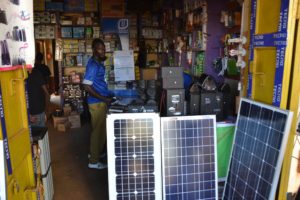
Satellite technology sparks hope as a pivotal tool in transforming humanitarian disasters, enabling remote sensing to monitor, assess and respond to water scarcity. It creates access to clean water through satellites capturing vital data on rainfall patterns, soil moisture and land use, providing updated insights in a country with limited on-the-ground access. Thus, integrating satellite technology to combat Yemen’s drought crisis could lay the groundwork for long-term resilience in one of the world’s most water-insecure regions. 

Yemen’s Ongoing Water Shortage

Yemen faces one of the most severe water crises worldwide, with groundwater depletion occurring at twice the natural recharge rate. The cultivation of Qat, which consumes more than 40% of the country’s renewable water resources and 32% of all groundwater withdrawals, is a major driver of the depletion. Nearly 17.8 million people lack access to safe water and adequate sanitation services. Conversely, the national water network reaches less than 30% of the population, forcing many, especially women and children, to walk long distances only to fetch water. Overall, this scarcity has triggered major health crises, including the worst cholera outbreak in modern history, with more than 2.5 million reported cases and at least 4,000 deaths since 2016.

The ongoing conflict and political instability have further exacerbated water access and management, as infrastructure deteriorates and institutional oversight weakens, aggravating the crisis of water scarcity and aridity. The International Committee of the Red Cross has responded to this issue by rehabilitating boreholes and water stations, allocating chlorine tablets and supplying more than 3 million liters of water with 17 generators to prisons, hospitals and water projects to help reduce waterborne disease outbreaks. Despite these critical interventions, the continuous droughts highlight a growing humanitarian call for global concern driven by environmental, social and political challenges that demand urgent, coordinated action through satellite technology to combat Yemen’s drought crisis.

Remote Sensing Water Displacement

Advancements in satellite technology are revolutionizing Yemen’s approach to managing its prolonged water crisis. With nearly 80% of the population requiring humanitarian aid, traditional methods of monitoring groundwater levels have become increasingly challenging due to ongoing conflict and infrastructure degradation. Remote sensing tools, such as the Surface Energy Balance Algorithm for Land, have been pivotal in providing high-resolution data on evapotranspiration and irrigated areas, offering a comprehensive understanding of water usage. For instance, the Groundwater and Soil Conservation Project, founded in 2009, initiated implementing the use of satellite imagery to assess crop water consumption in areas such as Siham, Abiyan, Dhamar and Rada.

 The findings revealed that single-season crops, which constitute 76% of irrigated land, have a significantly higher evapotranspiration rate compared to rainfed crops, highlighting areas where water conservation efforts can be most effective. This data-driven technique, derived from the integration of satellite-based systems, enables real-time monitoring of groundwater recharge and abstraction rates, facilitating the identification of regions most at risk of depletion. This approach empowers local authorities and humanitarian agencies to plan targeted interventions, such as promoting water-efficient irrigation techniques and sustainable crop selection.

NGO Satellite Solutions

A consortium led by HR Wallingford is deploying an advanced satellite-based system to monitor Yemen’s groundwater remotely. Using data on rainfall and cropland, the system estimates groundwater recharge and usage in real-time, providing pivotal information to nongovernmental organizations (NGOs) amid limited ground access due to conflict.

This technology overcomes traditional monitoring challenges by enabling continuous tracking of aquifer depletion and forecasting future water availability under climate change scenarios. It supports preventive measures such as early detection of shortages and promoting efficient irrigation and crop management to reduce water stress. NGOs utilize this data to target vulnerable communities, coordinate relief efforts and implement on-the-ground conservation programs.

By offering transparent, scalable monitoring, the system fosters collaboration between NGOs and international partners, enhancing Yemen’s capacity to manage its severe drought crisis effectively and ensure a more ecologically balanced future. 

What’s Next?

By providing a comprehensive and up-to-date overview of water resources, satellite technology plays a crucial role in mitigating the impacts of Yemen’s water crisis and steering the nation toward a more sustainable future.

– Hibah Iqbal

Hibah is based in Houston, TX, USA and focuses on Global Health for The Borgen Project.

Photo: Flickr
July 11, 2025
https://borgenproject.org/wp-content/uploads/borgen-project-logo.svg 0 0 Precious Sheidu https://borgenproject.org/wp-content/uploads/borgen-project-logo.svg Precious Sheidu2025-07-11 03:00:282025-07-11 04:25:21Satellite Technology Combating Yemen’s Drought Crisis
Children, Global Poverty, Technology

Digital Birth Registration in Nigeria

Digital Birth Registration in NigeriaIn Nigeria, more than 50% of children under 5 years old remain unregistered at birth, leaving more than seven million children without legal identity or access to essential services. Without formal documentation, these children often cannot receive vaccinations, enroll in school or access societal protection programs. Birth registration is a fundamental right under the Convention on the Rights of the Child. It plays a critical role in protecting children from trafficking, child labor and early marriage. However, digital birth registration in Nigeria is a powerful tool for addressing this gap.

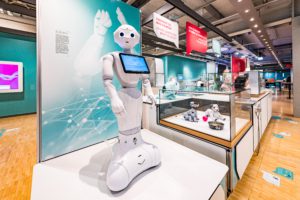
In partnership with UNICEF and the National Population Commission (NPC), the Nigerian government has launched an ambitious initiative to digitize birth registration in Nigeria. It aims to do this through an integrated Electronic Civil Registration and Vital Statistics (e-CRVS) system. The program aims to register more than nine million under 5 children and five million infants using mobile devices and a cloud-based digital database.

How Digital Registration Works

The pilot phase of the e-CRVS program was active at test sites in Nasarawa, Lagos, Kano, Borno and Enugu states, where local health facilities and mobile teams register children at the point of care. Digital tables and software allow frontline workers to capture live birth data and instantly generate certificates. The system is linked to Nigeria’s National Identity Number (NIN) platform, operated by the National Identity Management Commission (NIMC), ensuring each child receives a permanent identity number for life.

This integration allows public institutions to cross-reference birth records with healthcare, immunization and education systems. It also makes tracking child development easier, planning vaccine campaigns and ensuring social services reach the most vulnerable.

Health Benefits of Legal Identity

A legal identity is not just a certificate but a gateway to health equity. According to UNICEF, children enrolled through digital birth registration in Nigeria are more likely to be vaccinated, receive medical care earlier and attend school. In regions with low birth registration, health systems often struggle to track and follow up with children who miss vaccines or drop off routine care schedules.

Digital birth registration allows real-time data to be shared with national immunization registries, helping ministries of health identify gaps, forecast demand and avoid supply chain breakdowns. This is particularly crucial in rural areas where children are most at risk of preventable disease and malnutrition.

Supporting Sustainable Development Goals

Nigeria’s digital birth registration initiative aligns with Sustainable Development Goal (SDG) 16.9, which calls for providing legal identity for all, including birth registration, by 2030. The initiative also contributes to broader SDGs focused on child health (SDG 3), inclusive education (SDG 4) and gender equality (SDG 5) by ensuring that girls and boys alike are counted and protected from birth.

Final Remarks

According to the latest edition of the ID4D Global Dataset, approximately 1.25 billion people do not have a digitally verifiable identity, primarily due to documentary requirements and distance to registration points. Many of these people reported the consequences following them into adulthood through financial and technological barriers. Nigeria’s scalable model could serve as a blueprint for other low and middle-income countries seeking to close the identity gap.

By digitizing birth registration, Nigeria is improving access to basic health and education services and restoring visibility, dignity and protection to millions of children who have long been left out of the system. As implementation continues, the program could reshape how governments track child welfare, deliver public services and uphold the rights of every child, starting from day one.

– Rebecca Lee

Rebecca is based in Scotland and focuses on Technology and Global Health for The Borgen Project.

Photo: Flickr
July 10, 2025
https://borgenproject.org/wp-content/uploads/borgen-project-logo.svg 0 0 Hemant Gupta https://borgenproject.org/wp-content/uploads/borgen-project-logo.svg Hemant Gupta2025-07-10 07:30:362025-07-10 02:18:52Digital Birth Registration in Nigeria
Page 11 of 88«‹910111213›»

Get Smarter

  • Global Poverty 101
  • Global Poverty… The Good News
  • Global Poverty & U.S. Jobs
  • Global Poverty and National Security
  • Innovative Solutions to Poverty
  • Global Poverty & Aid FAQ’s
Search Search

Take Action

  • Call Congress
  • Email Congress
  • Donate
  • 30 Ways to Help
  • Volunteer Ops
  • Internships
  • Courses & Certificates
  • The Podcast
Borgen Project

“The Borgen Project is an incredible nonprofit organization that is addressing poverty and hunger and working towards ending them.”

-The Huffington Post

Inside The Borgen Project

  • Contact
  • About
  • Financials
  • President
  • Board of Directors
  • Board of Advisors

International Links

  • UK Email Parliament
  • UK Donate
  • Canada Email Parliament

Get Smarter

  • Global Poverty 101
  • Global Poverty… The Good News
  • Global Poverty & U.S. Jobs
  • Global Poverty and National Security
  • Innovative Solutions to Poverty
  • Global Poverty & Aid FAQ’s

Ways to Help

  • Call Congress
  • Email Congress
  • Donate
  • 30 Ways to Help
  • Volunteer Ops
  • Internships
  • Courses & Certificates
  • The Podcast
Scroll to top Scroll to top Scroll to top