Renewable Energy in Andorra
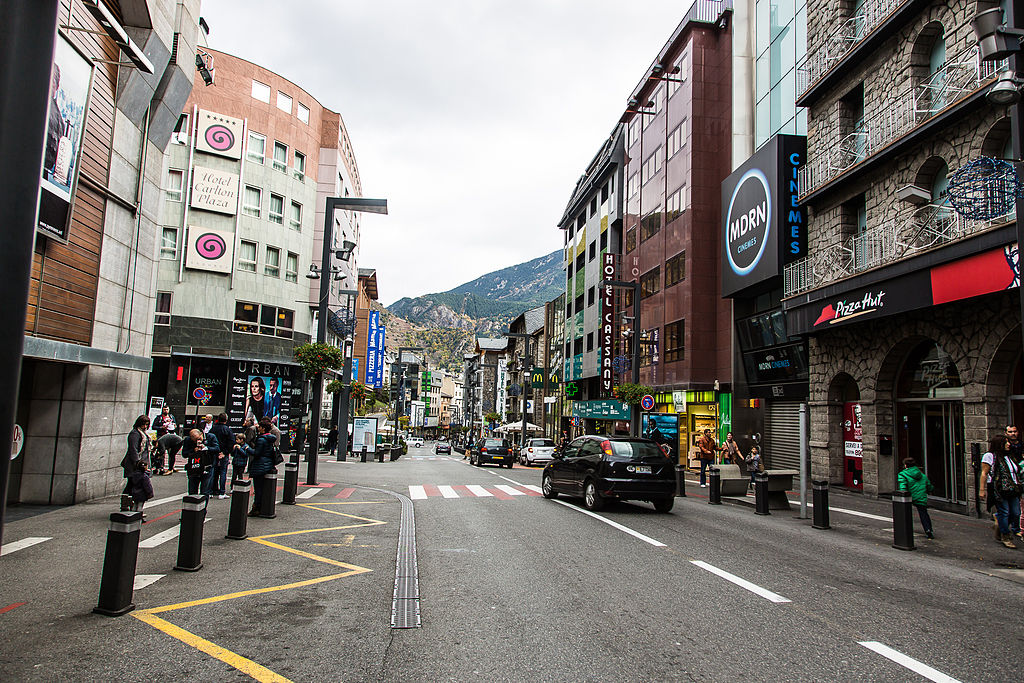 Settled in the Pyrenees, Andorra is embracing renewable energy, cutting its reliance on imports and decreasing energy poverty. Using solar, hydropower and biomass, the nation is balancing sustainable growth, lowering costs and improving access.
Energy Poverty in Andorra
In Andorra, energy poverty disproportionately affects low-income households, struggling with high energy costs that limit essential needs, including heating and cooking. If Andorra follows similar European patterns, high energy costs affect roughly 7-10% of households. However, due to Andorra’s investment in renewable resources, these struggles are becoming less prevalent, ensuring long-term affordability and stability.
By transitioning to renewable energy, Andorra is able to lower costs with increased local energy production. This reduces dependence on imports, making electricity more affordable. Currently, renewable energy accounts for 23% of the country’s total supply.
Types of Renewable Energy
Andorra’s mountainous landscape makes it well suited for hydropower, supplying 15% of its energy needs through small hydroplants and run-of-river projects. At the same time, its abundant sunlight supports solar farms and rooftop panels with incentives like improved storage and solar-powered EV charging growth of clean energy. These incentives and projects help improve access and ensure more households have reliable energy.
Even with limited development in Andorra’s wind power, it is still another reliable renewable resource. Wind power helps address energy poverty in many ways. By generating electricity locally, wind power helps stabilize prices, provides more reliable electricity in remote areas and reduces dependence on fossil fuels, lowering environmental impact and long-term energy costs.
Even though less advanced than solar power, hydropower, wind power and biomass is becoming increasingly recognized as a viable renewable resource. Biomass helps alleviate energy poverty in many ways. Furthermore, it improves energy access, such as wood crop residues and animal waste, for cooking and heating. It also reduces costs, because biomass can be locally sourced, which reduces dependence on expensive imported fuels. It also creates jobs in agriculture, forestry and energy production.
Employment in Renewable Energy
Andorra has a low unemployment rate of 2.4% in 2025, which is significantly below the EU average. The shift to renewable resources will expand employment opportunities. For instance, to install solar panels, wind turbines and hydropower engines, installation and maintenance work will be needed. For innovations in energy storage and grid optimization, workers will be needed for research and development. Lastly, for helping businesses transition to greener energy solutions, people will be needed for consulting.
Andorra’s Efforts Towards Renewable Energy
Andorra has also put in efforts to encourage sustainable energy adoption by implementing energy efficiency subsidies, helping households and businesses transition to cleaner power sources. These grants cover up to 30-40% of the cost for upgrades like solar panels, biomass systems and arethermal technologies, making renewable energy more accessible and affordable.
Andorra is leveraging renewable energy, ensuring equitable access to clean and affordable power. By expanding investments in solar, hydro, and wind energy, the country is reducing reliance on costly imports while making sustainable electricity more accessible to lower-income communities.
These initiatives not only promote environmental resilience but also enhance economic stability, proving that small nations can drive meaningful change in global energy equity. Andorra’s approach highlights how renewable resources can be harnessed to address affordability challenges and improve the quality of life for those in poverty.
– Karisma Polly
Karisma is based in Sunrise, FL, USA and focuses on Global Health and Celebs for The Borgen Project.
Photo: Wikipedia Commons
