• Link to X
  • Link to Facebook
  • Link to Instagram
  • Link to TikTok
  • Link to Youtube
  • About
    • About Us
      • President
      • Board of Directors
      • Board of Advisors
      • Financials
      • Our Methodology
      • Success Tracker
      • Contact
  • Act Now
    • 30 Ways to Help
      • Email Congress
      • Call Congress
      • Volunteer
      • Courses & Certificates
      • Be a Donor
    • Internships
      • In-Office Internships
      • Remote Internships
    • Legislation
      • Politics 101
  • The Blog
  • The Podcast
  • Magazine
  • Donate
  • Click to open the search input field Click to open the search input field Search
  • Menu Menu

Archive for category: Technology

Information and stories about technology news.

Global Poverty, Health, Technology

Telemedicine in Mexico Broadens Health Care

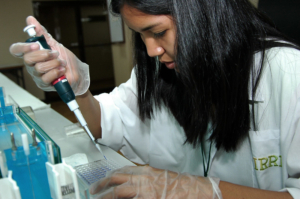
Telemedicine in MexicoThe health care system in Mexico is notably flawed. Only 77% of Mexico’s 131 million citizens have access to health care coverage and nearly half of the health spending in the country comes out of the pockets of citizens, not the government. Mexico only allocates 5.7% of its GDP to health care-related costs, far below the average of 9.2% from the other 38 countries that make up the Organization for Economic Co-operation and Development (OECD). This leaves the system underfunded and underresourced, particularly in rural locations.

Telemedicine, the remote diagnosis and treatment of patients, is helping fill in the gaps of Mexico’s health care system by making medical advice more accessible to poor and rural communities throughout the country.

Bringing Health Care to Rural Mexican Communities

Founded in 2014, 19Labs aims to make health care more accessible worldwide to people in rural communities. Its GALE platform is a “smart first-aid kit” that is affordable and accessible and it brings the full clinic experience to those unable to go to one in person. The organization has helped people in Guyana, the United States and Lebanon and now it’s expanding its reach in Mexico.

Earlier this year, 19Labs launched a new branch of its telemedicine program in Yucatán, Mexico, to bring health care services to the underserved rural communities in the area. 19Labs GALE eClinics have connected people who had previously faced distance barriers to services such as medical consultations, diagnostic tools and specialist advice and treatments. Using tools such as Zoom and EchoNous, people can now access effective health care treatment from the comfort of their own communities and without the burden of extensive travel.

In less than a year, the impact and benefits of the GALE eClinics have already been seen. In Comunidad Col, a child who was previously diagnosed with a heart murmur was assessed by the GALE eClinic and appropriately diagnosed with and treated for allergic rhinitis. A 6-month-old child in Noh Bec received an accurate diagnosis and treatment from a chronic dermatitis specialist, significantly improving the child’s condition and quality of life.

Maria Magdalena Chan Uluac, Director of the Noh Bec community clinic, credited the GALE eClinics for helping the lives of those in the Yucatán area: “We are at least three hours from Mérida, where the specialists are, so GALE has been a major financial and logistical relief for our patients. This has encouraged seeking medical treatment sooner instead of waiting until symptoms become critical.”

Telemedicine for Mexicans Abroad

MiSalud is a startup that connects Mexicans working abroad to health care. MiSalud’s mission is to provide services such as basic health care, preventative care, nutrition coaching, chronic condition management and mental health support via video, phone or SMS chat. The company also does not charge its users a co-pay and has extended hours for its virtual clinic.

MiSalud primarily works with agricultural, construction, hospitality and manufacturing companies where employees struggle to access health care because of language barriers or a lack of time to make it to a clinic or hospital. Employees of these companies receive MiSalud’s resources as an employer-sponsored benefit regardless of their insurance or full-time or part-time status. The coverage also extends to up to three family members.

Taylor Farms, a major global purveyor of packaged salads and cut vegetables, is one company that partners with MiSalud. Amy Taylor, the leader of Taylor Farms’ wellness initiative, reported that about 5,600 of the company’s 6,400 employees have signed up for MiSalud’s services. More than 2,000 of these employees have utilized the resource at least once.

MiSalud says that 40% of its users have said they would have ignored their health concerns or waited until they could travel back to Mexico to see a doctor without the platform. The company also reports that its users have seen a 56% improvement in depression scores and a one-level drop in diabetes, cholesterol and blood pressure risk. In addition, users experienced a 24% improvement in chronic condition management and an average weight loss of 16 pounds.

More Ways to Access Telemedicine in Mexico

MedicallHome is another company working to make health care in Mexico more affordable and accessible. It provides 24/7 telephone access to licensed doctors, costing just $2 to $5 a month. Beyond medical care, the company also offers life insurance and vision and dental coverage.

Medicall is staffed by more than 60 practitioners, nutritionists and psychologists, each with at least two years of clinical experience and required to practice outside the call center to maintain their skills. The center handles about 500,000 calls annually, resolving 62% of cases over the phone and referring the rest for in-person treatment. Customers also have access to a provider network that includes primary care and specialist clinics, laboratories, pharmacies and hospitals.

Conclusion

Telemedicine is a growing field in Mexico and with widespread smartphone adoption by Mexican citizens and improving internet access, it is expected to become more popular. As of 2024, 68% of Mexicans reported preferring video and telephone consultations due to convenience, reduced travel costs and fewer wait times than in-person clinics. Since only half of the population has consistent medical care, the growth of free and accessible telemedicine in Mexico is significant and a welcome change to the health care system.

– Hannah Fruehstorfer

Hannah is based in Pittsburgh, PA, USA and focuses on Good News and Global Health for The Borgen Project.

Photo: Flickr
September 13, 2025
https://borgenproject.org/wp-content/uploads/borgen-project-logo.svg 0 0 Hemant Gupta https://borgenproject.org/wp-content/uploads/borgen-project-logo.svg Hemant Gupta2025-09-13 07:30:312025-09-12 15:11:44Telemedicine in Mexico Broadens Health Care
Global Poverty, Technology

Poverty Stoplight: Personal Agency Tool Combatting Poverty

poverty stoplightLifting oneself out of poverty alone is a nearly impossible task, but agency in the effort towards economic mobility can be a powerful tool. At the Poverty Stoplight, a Paraguay-based organization working to help families discover practical and innovative solutions in overcoming poverty, self-awareness is a key philosophy. The organization’s Stoplight tool offers a self-assessment survey and intervention model that enables people to identify their unique challenges and develop practical solutions to overcome them, giving them the chance to have personal agency in combating poverty.

“Who Owns Poverty?”

The Poverty Stoplight asks the question: “Who owns poverty?” and argues the answer can be “a new approach that puts poor families in charge of defining and diagnosing their own unique, multidimensional poverty—who by owning the problem, own the solution.” This participatory methodology takes form as a self-assessment survey that serves as a metric using 50 carefully selected poverty indicators across six dimensions to help individuals evaluate their poverty status, assess their needs and discover solutions.

The approach has garnered the organization more than 700,000 Stoplights applied throughout 59 countries and hundreds of organizations, from formerly incarcerated individuals in New Orleans to poverty policy in Ecuador. From that personal agency in combating poverty, users report finding the survey engaging, feeling empowered and gaining valuable insight and context into the poverty they face.

Poverty researchers have praised the methodology for being simplistic and people-focused, stating, “The elegance of the methodology shows us that simplification is not about chasing the perfect metric to simplify into a dashboard to be used by executives in far-away boardrooms for their benevolent decision making. It is about having a simple yet contextually appropriate way of ‘measuring what we value’ and of truly bringing people into the process.”

The Stoplight’s “red, yellow, green” indicators — with red indicating extreme poverty, yellow indicating poverty and green indicating no poverty — help individuals keep track and visualize their current poverty status as well as improving progression. In Paraguay alone, the organization has helped more than 6,000 families reach the “green” indicator and more than 27,000 families generate more income, key data that serves as an important incentive for resource allocation from stakeholders.

Green Stoplight: A New Focus on a Growing Issue

In the face of the urgent need to implement environmental action, Poverty Stoplight has also introduced a new tool for users. Again taking the approach of starting closest to home when tackling a challenge, the Green Stoplight helps individuals and families self-evaluate their environmental footprint within the scope of 10 indicators:

  • “Responsible water use”
  • “Waste separation”
  • “Recycling practices”
  • “Efficient energy use”
  • “Sustainable transportation”
  • “Plastic use reduction”
  • “Vegetable garden and composting”
  • “Garbage disposal”
  • Extreme weather patterns and environmental protection

Using the same self-assessment approach, as well as the guiding visuals of the “red, yellow, green” progress indicators, the tool again demonstrates an agency for individuals in creating environmental change the same way it gave personal agency in combating poverty.

Bringing Awareness

Moreover, the new focus brings their awareness to a particularly relevant issue as the effects of natural disasters and extreme weather continue to hit the world’s poorest people first and hardest. With projections predicting extreme weather around the world to push an additional 120 million people into poverty by 2030, the Green Stoplight is a tool for everyone, with a recent campaign targeting university students in Paraguay to take the assessment and apply it to their household and communities.

The campaign also helped create partnerships with universities and other institutions in a joint commitment to furthering sustainability through collective individual change. These partnerships also work to develop more practical solutions for identified problems that can be used as additional indicators to the current 10 and create a larger impact on an eventually global scale.

– Jannah Khalil

Jannah is based in Sacramento, CA, USA and focuses on Good News and Technology for The Borgen Project.

Photo: Flickr

September 12, 2025
https://borgenproject.org/wp-content/uploads/borgen-project-logo.svg 0 0 Naida Jahic https://borgenproject.org/wp-content/uploads/borgen-project-logo.svg Naida Jahic2025-09-12 07:30:442025-09-12 10:27:40Poverty Stoplight: Personal Agency Tool Combatting Poverty
Artificial Intelligence (AI), Global Poverty, Technology

Planting the Seeds of Success with AI Learning

Seeds of SuccessWith the rise of AI developments in recent years, many organizations and companies have been adapting to AI’s capabilities and what it means in the new era of technology.

Much of everyday life has now been impacted by AI, from going through a drive-thru to searching online. However, one organization seeks to make AI have the humanistic touch it needs to have a powerful impact globally with AI learning.

About Seeds of Success

Seeds of Success is a nonprofit organization that gives individuals who lack proper access to many resources the chance to gain steady support in many aspects of their lives. Most importantly, its outreach includes many mental health services to help the 50 million adults globally who face mental health challenges with no resources.

However, the charity’s support does not stop there! Through Seeds of Success’ Project CARLA, students can be introduced to learning opportunities using AI learning, regardless of their background.

Using AI Learning for Good

In an effort to flip the narrative around AI and education, Seeds of Success looks to develop AI learning algorithms with educators and students to better school communities globally. It seeks to use AI not to replace teachers, therapists or other vital supports, but to amplify teachers’ and other support workers’ outreach to their students and receivers.

The charity seeks to eliminate the unnatural AI algorithms that do not connect with individuals seeking mental health services today. Instead, its projects include the redefinition of AI and AI learning to engage students and troubled youth in the modern world around them.

AI for the People, by the People

The founder of Seeds of Success, Jarred VanHorn, has a personal mission with his AI learning redirection: to approach communities with a compassionate response to mental health and learning challenges to improve the quality of life.

VanHorn and Seeds of Success seek to accomplish this mission by ensuring that mental health and its various resources are not an afterthought for communities. With the support of numerous volunteers driving its global impact on AI learning, Seeds of Success aims to spread mental health and educational resources to all affected youth.

In the long term, the organization seeks to cultivate a culture shift around AI and learning that will positively influence the world. Indeed, the organization’s motto, “AI for the People, by the People,” reinforces the vision that VanHorn seeks to build around AI. Seeds of Success looks to a future where AI can transform the lives of students, youth and educators alike.

The Impact Over Time

Seeds of Success is calling for donor support to sustain its mission of helping others. Until now, the organization has been operating solely with volunteers. However, VanHorn recognizes that Seeds of Success could expand its impact significantly with greater resources.

With increased funding, the organization could extend its outreach through scholarships, mental health and wellness programs and the continued redefinition of AI learning. Looking to the future, Seeds of Success is working to impact a cultural change and positively implement AI learning in communities around the globe.

– Angelina Tas

Angelina is based in Cleveland, OH, USA and focuses on Good News and Technology for The Borgen Project.

Photo: Flickr

September 12, 2025
https://borgenproject.org/wp-content/uploads/borgen-project-logo.svg 0 0 Hemant Gupta https://borgenproject.org/wp-content/uploads/borgen-project-logo.svg Hemant Gupta2025-09-12 07:30:062025-09-12 10:21:42Planting the Seeds of Success with AI Learning
Education, Global Poverty, Technology

How Mobile Libraries Fight Poverty Through Global Literacy Access

Mobile LibrariesMobile libraries are breaking barriers to education and aiding in the fight against poverty in underserved regions. From floating schools in Bangladesh to digital hubs in Ukraine, these initiatives prove that literacy is a powerful tool to fight poverty and build resilience.

Floating School Boats and Libraries in Bangladesh

Operating 111 floating school boats and libraries, Shidhulai Swanirvar Sangstha in Bangladesh serves more than 100,000 people in flood-prone areas. These boats do more than carry books; they are also equipped with solar-powered technology and classrooms, allowing for the assurance of the continuation of education during floods.

Each vessel teaches lessons in literacy, mathematics and other more specific topics like environmental awareness. In countries where flooding can disrupt thousands, innovations like these allow for education not to come to a standstill.

UNDP-Supported Digital Literacy Hubs in Ukraine

Repurposed libraries supported by the United Nations Development Program (UNDP) have become digital literacy hubs benefiting several Ukrainians. The program swiftly grew, beginning with 52 trainers who trained 235 administrators to host 135 events for 2,109 participants. It reached 25,391 people in 22 regions and Kyiv by the end of 2024 and 82% of them reported having strong digital skills following training, compared to just 17% previously.

Today, more than 3,000 libraries offer courses designed for senior citizens that cover everything from using e-services to cyber hygiene, AI tools and smartphone fundamentals. In 2025, new coordinators will receive Diia, AI and event planning training. By ensuring these abilities continue proliferating, educational tools turn libraries into centers of social resilience and economic opportunity. Besides mobile initiatives, UNDP’s impact is transforming library access into bridges for economic development.

Why Mobile Libraries Matter for Poverty Reduction

Mobile libraries are effective instruments for ending the cycle of poverty and offer more than just book delivery services. Research shows that access to mobile libraries significantly boosts reading comprehension, raising literacy scores by 3.3 points on standard scales and explaining 46% of literacy and reading ability variation.

This improvement goes beyond academics; literacy is a key tool in reducing poverty because it is directly associated with increased earning potential, better health outcomes and better employment opportunities. Mobile libraries remove barriers such as distance, cost and poor infrastructure, often preventing people in rural or disaster-affected areas from accessing education. They deliver books, learning materials and internet access directly to underserved communities.

Mobile classrooms and floating libraries guarantee that education continues even in the face of floods or other disruptions in vulnerable climate areas and they offer secure spaces for learning and socializing in regions affected by conflict. By making literacy attainable for all, mobile libraries promote long-term community development globally and empower individuals.

Moving Forward

These programs have repeatedly shown that people can change their lives when they have direct access to books, technology and learning spaces. This is especially true for those who live in remote, underserved or crisis-affected areas. The current challenge is to increase this reach. In addition to scaling up current programs, further funding would support innovative delivery strategies, the creation of locally relevant content and the incorporation of digital tools that equip communities to meet the demands of the contemporary economy.

Through universal literacy access, mobile libraries fight poverty by transforming reading into a domino effect of social resilience, economic opportunity and educational advancement. 

– Kyra Cribbs

Kyra is based in Charleston, SC, USA and focuses on Good News for The Borgen Project.

Photo: Flickr

September 11, 2025
https://borgenproject.org/wp-content/uploads/borgen-project-logo.svg 0 0 Hemant Gupta https://borgenproject.org/wp-content/uploads/borgen-project-logo.svg Hemant Gupta2025-09-11 01:30:392025-09-11 00:12:36How Mobile Libraries Fight Poverty Through Global Literacy Access
Development, Global Poverty, Technology

A New Era Begins: Google’s $37 Million AI Fund to Africa

 A New Era Begins: Google’s $37 Million AI Fund to AfricaArtificial Intelligence (AI) has skyrocketed throughout the world in recent years. AI focuses on completing tasks with human-like intelligence, such as reasoning, problem-solving, and language understanding. AI can also use its problem-solving skills to help communities around the world tackle their biggest challenges. Google has recently approved a $37 million AI fund for Africa to aid the fight against poverty. 

Food Security Initiative

Out of the $37 million, Google committed $25 million to the AI Collaborative: Food Security Initiative. The AI collaborative funds will support AI tools designed to improve hunger forecasting, support smallholder farmers and strengthen crop resilience. In many countries, the population depends on farming to survive. This initiative will develop tools that will predict hunger, enhance cropping systems, climate-related crop threats and help address farming inefficiencies. This AI fund for Africa aims to strengthen food systems and improve the livelihood of farmers in the face of worsening economic and environmental shocks. With the AI Collaborative initiative, communities and farmers can have an increased income and malnutrition reduction.

AI Education and Safety Programs

Google is also committing $7 million toward AI education and safety programs across Ghana, Kenya, Nigeria and South Africa. AI education for young people could prepare them for higher-paying jobs. Not only is Google donating to AI education, but it is also offering 100,000 Google Career Certificate scholarships for students. The program expands access for Africans to participate in the digital economy. 

Masakhane African Languages AI Hub

The Masakhane African Languages AI Hub is receiving $3 million for enhancement. The AI Hub will use the funding to create databases, translation models and voice technologies to ensure that AI systems represent African languages in the digital world. This new processing tool will support more than 40 African languages. Language barriers are a challenge for some African communities and often exclude them from opportunities. This translation method will allow for better communication for Africans looking into education, health care and finance. 

AI Research

Google is also giving $1 million each to two institutions for AI research. The University of Pretoria’s AfriDSAI and Wits MIND Institute in South Africa will receive funding for advanced AI studies. The grants to the institutes will support graduate students and researchers in contributing to shaping global AI development. The initiative positions Africa to play a greater role in the global AI conversation.

Road Ahead

Google’s recent donation expands the tools available to address poverty in Africa. This technological advancement provides a road to systematic change. The use of AI could help address some of Africa’s biggest issues, like food insecurity, unemployment and underrepresentation. While poverty remains a significant challenge, AI initiatives supported by Google represent a step toward long-term solutions.

– Emily Herlehy

Emily is based in Denton, TX, USA and focuses on Technology and Solutions for The Borgen Project.

Photo: Pixabay

September 8, 2025
https://borgenproject.org/wp-content/uploads/borgen-project-logo.svg 0 0 Precious Sheidu https://borgenproject.org/wp-content/uploads/borgen-project-logo.svg Precious Sheidu2025-09-08 14:00:052025-09-08 10:43:50A New Era Begins: Google’s $37 Million AI Fund to Africa
Development, Global Poverty, Technology

Seed Ball Technology Reforestation in the Sahel is Restoring Land

Seed Ball TechnologyCommunities across the Sahel face desertification, declining soil fertility and disappearing livelihoods. Seed ball technology in the Sahel offers a low-cost, scalable solution that combines local knowledge with nature-based restoration. This method delivers native seeds embedded in clay and compost directly to degraded terrain, encouraging plant growth and supporting communities in rebuilding land and livelihoods.

How Seed Ball Technology in the Sahel Works

Seed ball technology involves encasing seeds in clay, compost and sometimes natural fertilizers. These balls protect seeds from pests, birds and harsh environmental conditions until they germinate. When scattered on land, seed balls absorb rainwater, enabling seeds to sprout without intensive farming or irrigation.

Locals mix native seeds, such as pearl millet or sorghum, with clay and compost to form seed balls. They scatter these balls across barren land during the rainy season. The seed ball protects seeds and retains moisture long enough for germination. Researchers in Senegal reported more than 95% emergence rates in on-station trials for pearl millet seed balls.

Supporting Smallholder Farmers and Boosting Yields

Development projects in the Niger Republic use seed ball technology to help subsistence farmers. Programs reduce crop failure risk by improving seedling survival with minimal seed use. Trials revealed that mineral-enhanced seed balls boosted root growth by 227%. It also increased shoot biomass, laying the foundation for improved panicle yield in staple crops.

Partnerships Driving Adoption and Scaling

Organizations such as farmer federations, like the Gaskiya Federation of Maradi Farmers Unions in the Niger Republic, help disseminate seed ball technology, supported by research teams funded by groups like the McKnight Foundation. The approach relies on simple local inputs, making it affordable and appropriate for remote areas.

The Great Green Wall initiative aims to restore millions of hectares across the Sahara-Sahel. While large-scale tree planting faces logistical hurdles, seed ball methods offer a complementary and rapid restoration option. The technology helps deliver vegetation in tough terrain and reinforce ecosystem resilience.

Empowering Youth and Community Engagement

In Ethiopia, social enterprises led by young innovators apply seed ball dispersal methods to restore degraded lands and promote sustainable agriculture. These efforts engage local communities, boost vegetation cover and create green livelihoods in arid zones.

Seeding Hope Across the Sahel

The success of seed ball technology in the Sahel is not only about germinating plants but about shifting what’s possible for communities living on the edge of the desert. Turning degraded land into productive fields helps farmers secure food, preserve biodiversity and reduce migration pressures.

Its simplicity allows it to spread quickly without heavy machinery or expensive inputs, making it a practical tool in the fight against desertification. Governments, NGOs and research teams are investing in scaling this approach. Seed balls could become a cornerstone for ecological resilience and economic stability across the Sahel’s most vulnerable regions.

– Hayden Chedid

Hayden is based in Parker, CO, USA and focuses on Technology and Global Health for The Borgen Project.

Photo: Flickr

September 8, 2025
https://borgenproject.org/wp-content/uploads/borgen-project-logo.svg 0 0 Hemant Gupta https://borgenproject.org/wp-content/uploads/borgen-project-logo.svg Hemant Gupta2025-09-08 01:30:242025-09-08 01:28:41Seed Ball Technology Reforestation in the Sahel is Restoring Land
Electricity and Power, Global Poverty, Technology

Solar Microgrids in Uganda Powering Progress

Renewable Energy in UgandaUganda, a landlocked country in East Africa, is one of the most impoverished nations in the world. More than 40% of its citizens live below the national poverty line, most living in rural areas and acting as subsistence farmers. Many obstacles hinder poverty reduction efforts in the region, including low electricity access.

Poor and unequal access to electricity prevents rural residents from having core services like refrigeration, the ability to study in the evening or even powered medical tools. This lack perpetuates poverty through low productivity, poor health and limited education.

The introduction of solar microgrids in Uganda provides efficient and more affordable methods of increasing access to electricity. Here is some information on how solar microgrids operate in Uganda.

Background

In rural Uganda, studies estimate that 26 million people live without electricity as the grids are often limited to towns. This is partly because grid expansion is expensive due to long distances and low density. Hence, off-grid solar microgrids have become a cheaper option that is much quicker to install.

Solar microgrids are localized energy systems incorporating features like solar panels, batteries or small distribution lines. In Uganda, they have been used to great success. For example, in The Lamwo District, 25 solar mini-grids provide electricity to more than 15,000 residents and 100 businesses. In Kiwumu, a 40 kW system provides electricity to 360 homes, 60 companies and a maize mill. On Bunjako Island, eight grids serve more than 3,300 people.

Microgrids as a Tool To Reduce Poverty

Investing in Uganda’s solar microgrids has been crucial in bolstering poverty reduction efforts. It has increased the income for rural Ugandans as it provides a boost for buildings like shops, mills, salons and charging kiosks. In Kiwumu, businesses saw an increase of 68% in their revenue. This also helps women’s businesses as they grow with powered sewing machines and food processors.

In the health care sector, solar microgrids have also made an impact. There is now proper refrigeration for vaccines in the regions with these microgrids. Hospitals can now better provide nighttime emergency care. Likewise, diagnostic equipment is now powered more reliably.

Solar microgrids in Uganda have also improved the education effort in rural areas. Evening study is now possible with the lighting produced by electricity. Students and learners in the region can also now use computers and printers more consistently. This has also bolstered efforts to provide digital literacy training.

Conclusion

Some barriers to expanding solar microgrids in the region remain, such as complex regulations and licensing delays. However, more support must be given as expanded microgrid access for rural Uganda reduces energy poverty. It also means the growth of small businesses, better health care and stronger education outcomes: all crucial features in the fight against poverty.

– Seun Adekunle

Seun is based in Scotch Plains, NJ, USA and focuses on Technology and Solutions for The Borgen Project.

Photo: Flickr

September 5, 2025
https://borgenproject.org/wp-content/uploads/borgen-project-logo.svg 0 0 Hemant Gupta https://borgenproject.org/wp-content/uploads/borgen-project-logo.svg Hemant Gupta2025-09-05 07:30:552025-09-04 11:45:49Solar Microgrids in Uganda Powering Progress
Artificial Intelligence (AI), Global Poverty, Technology

Novissi: AI Fighting Global Poverty

NovissiHeadlines often cast artificial intelligence (AI) as a thief of jobs or a shadow over humanity’s future, yet in some of the world’s poorest communities, it has become a lifeline. In Malawi, AI-powered fetal monitoring is helping reduce one of the world’s highest neonatal death rates. Satellite data and mobile phone records in Togo are speeding up emergency cash transfers to families who would otherwise wait months for aid. In India, a digital platform is giving rural workers fair wages to build datasets in their own languages. Meanwhile, across Africa, solar-powered water pumps with AI-enabled monitoring are keeping clean water and electricity flowing in underserved communities. 

Newborns in Malawi

Malawi has long struggled with one of the world’s highest neonatal mortality rates. Between 2000 and 2015, the rate hovered around 27 deaths per 1,000 live births, far above the global average of 17. Conventional monitoring often missed early signs of distress, especially in overcrowded maternity wards with limited staff.

At Lilongwe’s Area 25 Health Centre, an AI-powered fetal monitoring system now tracks heart rate and oxygen levels continuously. It acts like a second pair of eyes, sounding the alarm before midwives can detect trouble. A six-month before-and-after study found that intrapartum stillbirths and early neonatal deaths dropped sharply once the system was introduced. At this single clinic, stillbirths and neonatal deaths have fallen by more than 82%.

For midwives, AI has become the colleague that never leaves the room; for mothers, it is the difference between heartbreak and hope. In Malawi, AI has stepped into the role of caregiver as a new angel for humanity, watching over the smallest lives.

Novissi Predicting Poverty

Before COVID-19, many poor households in Togo were invisible to social registries. Informal workers lacked paperwork or census records, so cash transfers often took months to arrange and often missed those most in need.

During the pandemic, the government built Novissi, a digital program that used satellite imagery and mobile-phone metadata to predict poverty at the household level. Families then received mobile-money transfers within days. Registration was simple, verification used voter IDs, and payments scaled quickly to hundreds of thousands of people. Independent evaluations found the AI-assisted targeting was both faster and more accurate than older methods. 

Offering Dignity in India

Rural India is home to millions who live on less than $2 a day, with unemployment and underemployment leaving families stuck in poverty. Even when work is available, it is often seasonal farm labor or insecure low-wage jobs.

The social enterprise Karya, backed by Microsoft and the Gates Foundation, is tackling this challenge by using AI to create dignified digital work. Villagers are paid to record speech and text in their own languages, building datasets that train global AI tools. Unlike most digital piecework, Karya guarantees above-minimum wages and shares royalties whenever the data is reused.

For workers, it means food on the table, children staying in school, and recognition that their voices matter. 

Carrying Water and Shining the Light in Africa

Across sub-Saharan Africa, more than 400 million people lack clean water and 600 million live without electricity. Even when solar pumps or mini-grids are installed, they often fail within months, leaving families hauling water long distances or studying by candlelight until repairs are made.

Organizations like Innovation: Africa, now fit solar-powered systems with remote monitoring sensors. These track water flow and electricity output, transmitting data over mobile networks. When a system falters, technicians receive alerts and can repair the problem within 48 hours instead of months. In one Ugandan village, a broken pump that once left families without water for weeks was repaired in two days after the system flagged the failure.

For families, it means reliable water and steady light to study at night, turning fragile systems into dependable lifelines.

– Diane Dunlop

Diane is based in Edmonton, Alberta, Canada and focuses on Good News and Technology for The Borgen Project.

Photo: Wikimedia Commons

September 5, 2025
https://borgenproject.org/wp-content/uploads/borgen-project-logo.svg 0 0 Hemant Gupta https://borgenproject.org/wp-content/uploads/borgen-project-logo.svg Hemant Gupta2025-09-05 03:00:042025-10-05 23:39:14Novissi: AI Fighting Global Poverty
Global Poverty, Innovations, Technology

Innovations in Poverty Eradication in Moldova

Innovations in Poverty Eradication in MoldovaMoldova is undertaking a wide, yet quiet approach toward transforming its delivery of care and support to its most vulnerable by going digital. UNICEF, the UNDP and the Ministry of Labor and Social Protection worked in collaboration to create the project, which aims to create a digital and unified social protection program to improve access to the services, as well as transparency and long-term stability of the infrastructure. These innovations in poverty eradication in Moldova mark a critical shift in the country: from fragmented paper-based services toward a human-centered, data-driven welfare system which puts equity, inclusion and efficiency at the core of Moldovan social protection systems.

Moldova’s Financial and Social Challenges

Moldova, considered Europe’s poorest country, faces deep economic fragility and rising poverty. In 2024, 33.6 % of its people lived in absolute poverty and 15.4% in extreme poverty. Rural areas suffer disproportionately with inflation worsening inequality, energy price shocks and spillover from the war in Ukraine. Reliance on remittances and outdated welfare mechanisms leaves many without timely support. Fragmented, paper-based assistance systems struggle to protect vulnerable families. Strengthening and unifying social protection is essential—not only to reduce poverty but to improve resilience against economic shocks, safeguard children and ensure inclusive growth.

From a Fragmented System to Integrated Support

Until recently, the Moldovan government distributed social assistance programs across more than 60 disconnected initiatives. For citizens, especially those in low-income or remote areas, these systems were largely inaccessible. Meanwhile, social workers on the frontline were also constrained by these circumstances, relying upon manual processes to track cases.

To address these systemic issues, in 2025, Moldova, through the Ministry of Labor and Social protection and with the support of UNDP, launched eSocial. This new digital system is a unified digital platform which aims to centralize access to welfare benefits, child protection, disability support and other critical services. Alongside this rollout, the country established the Digital Centre for Social Innovation, a hub which supports system design, piloting and workforce training.

Unifying Services onto One Platform

The digital innovations in poverty eradication currently underway in Moldova spans multiple agencies, with the Ministry of Labor and Social Protection spearheading changes across social services (RESTART), the National Employment Agency, the State Labor Inspectorate and the National Council for Determination of Disability and Work Capacity.

The Digital Transformation of Social Protection Project, supported by UNDP, is the binding force. It ensures that digital tools improve efficiency and coordination across all reforms, linking social benefits, employment programs and energy subsidies into a single accessible framework.

To complete the digital shift, the project also plans to redesign up to two regional social offices, creating physical one-stop-shops to mirror the streamlined experience online. Together, these changes aim to make Moldova’s welfare system not only modern, but also more human-focused and integrated.

Empowering Workers, Supporting Families

One of the most visible changes has been in the day-to-day lives of Moldova’s social workers. In 2024, UNICEF distributed more than 1,900 digital devices among staff, enabling them to manage cases in real time, coordinate services across agencies and spend more time working directly with families.

Beyond equipment, the reform focuses on system-wide functionality, such as digital referrals, case tracking and early warning indications. This allows social workers to shift from reactive crisis response to preventive, individually-focused care. 

UNICEF’s design approach emphasizes the need for simplicity, accessibility and inclusion. Families with children, those with disabilities and elderly individuals now face fewer bureaucratic hurdles when seeking access to social protection and care. The program and its developers are creating and implementing digital tools for users, ensuring that even those with low digital literacy can participate.

Inclusion at its Core

The decision to digitize social protection is as much about values as it is about infrastructure. UNICEF and UNDP are embedding human rights principles into every facet of the system: ensuring service equity, targeting rural-urban disparities and focusing on those whom the system previously excluded, especially children in institutional care and families living within extreme poverty. 

The shift toward proactive service delivery means identifying vulnerable groups and responding prior to escalation. This not only improves outcomes but also reduces long-term costs for the state. 

As UNICEF stated in a press release from 2024, its decision to digitize is an effort to strengthen the social protection system, not only empowering the frontline workers, but also preventing and addressing urgent risks faced by children in a more efficient way.

A Blueprint for Welfare in the Digital Age

The innovations in poverty eradication in Moldova, a move toward a digitized social protection system, signals a quiet yet profound shift in how the state supports its people. What began as a technical reform is quickly becoming a reimagining of care, one rooted in access, accountability and modern infrastructure. As the country continues to roll out new systems and strengthen its frontline services, its experience could serve as a blueprint for other nations navigating similar challenges. For now, Moldova is still progressing the digital welfare reformation, however, the path forward is clearer and more unified than ever before.

– Elizabeth Occleston

Elizabeth is based in Southport, UK and focuses on Technology and Solutions for The Borgen Project.

Photo: Unsplash

August 31, 2025
https://borgenproject.org/wp-content/uploads/borgen-project-logo.svg 0 0 Jennifer Philipp https://borgenproject.org/wp-content/uploads/borgen-project-logo.svg Jennifer Philipp2025-08-31 07:30:132026-04-16 10:10:30Innovations in Poverty Eradication in Moldova
Food Security, Global Poverty, Technology

Improving Food Security with Solar Cold Storage in Cambodia

Solar Cold Storage in CambodiaPol Pot ruled Cambodia from 1975 to 1979. During this period, he was known for brutally purging dissidents and attempting to transition Cambodia into an agrarian society. As a result, Cambodia has not experienced the same levels of urbanization as other nations. Currently, more than 70% of the population resides in rural communities.

Cambodia has experienced significant economic growth since the Khmer Rouge era. From 2007 to 2014, Cambodia’s poverty rate dropped from 47.8% to 13.7%. Although the COVID-19 pandemic caused an uptick in poverty, not all gains have been lost. Despite significant progress in Cambodia, rural communities still struggle. Of the five million people currently living in poverty, an estimated 90% live in rural areas.

Issues With Food Spoilage

Food scarcity remains a major driver of poverty, with about 16% of Cambodian households unable to afford adequate nutrition. Rural communities, which depend heavily on fishing and agriculture, face challenges from geographic isolation.

The problem is not a lack of arable land or resources, but insufficient infrastructure for storage and transportation. Solar-powered cold storage offers the most viable solution to preserving food quality in rural Cambodia.

Solar-Powered Cold Storage and Its Champions

Solar-powered cold storage offers an off-grid, sustainable solution for maintaining the freshness of perishables. This helps farmers and fishermen increase their profits and lowers food costs through reduced spoilage. Private and charitable organizations are leading initiatives, demonstrating solar-powered cold storage’s ethical and commercial viability.

EGE Energy Solution is a tech startup focused on transitioning Cambodia’s agrarian economy from fossil fuels and hydropower to solar solutions. The company is currently developing a solar-powered cold storage system and seeking investment. EGE believes that while solar energy requires a significant upfront investment, it is the right solution because it is reliable and has low long-term expenses.

Similarly, the United Nations Development Programme (UNDP) partnered with Korea’s Ministry of Agriculture, Food and Rural Affairs to bring solar-based technology, including solar-powered cold storage, to Cambodia and Myanmar. Their goal is to advance solar-powered technology among 7,000 farms in Cambodia.

At the nexus of market and charitable solutions is the Aggrinovation Fund in ASEAN (AIF). Recently, AIF partnered with the Kasekor Akphiwat Thmei Agricultural Cooperative (KATAC), which proposed adding solar-powered cold storage units in their province. The goal was to reduce dependence on crop harvesters and protect against low yields.

Final Remarks

While not as groundbreaking as crop rotation or seed drill, solar-powered cold storage is an innovative technology for rural farmers. By cutting spoilage, boosting farmer income and making nutritious food more accessible, it addresses both poverty and food insecurity at their roots. With continued investment and collaboration, this sustainable solution can help transform Cambodia’s rural economy for the long term.

– Patrick Feeney

Patrick is based in Los Angeles, CA, USA and focuses on Business and Technology for The Borgen Project.

Photo: Flickr

August 31, 2025
https://borgenproject.org/wp-content/uploads/borgen-project-logo.svg 0 0 Hemant Gupta https://borgenproject.org/wp-content/uploads/borgen-project-logo.svg Hemant Gupta2025-08-31 01:30:292025-08-30 10:58:57Improving Food Security with Solar Cold Storage in Cambodia
Page 9 of 89«‹7891011›»

Get Smarter

  • Global Poverty 101
  • Global Poverty… The Good News
  • Global Poverty & U.S. Jobs
  • Global Poverty and National Security
  • Innovative Solutions to Poverty
  • Global Poverty & Aid FAQ’s
Search Search

Take Action

  • Call Congress
  • Email Congress
  • Donate
  • 30 Ways to Help
  • Volunteer Ops
  • Internships
  • Courses & Certificates
  • The Podcast
Borgen Project

“The Borgen Project is an incredible nonprofit organization that is addressing poverty and hunger and working towards ending them.”

-The Huffington Post

Inside The Borgen Project

  • Contact
  • About
  • Financials
  • President
  • Board of Directors
  • Board of Advisors

International Links

  • UK Email Parliament
  • UK Donate
  • Canada Email Parliament

Get Smarter

  • Global Poverty 101
  • Global Poverty… The Good News
  • Global Poverty & U.S. Jobs
  • Global Poverty and National Security
  • Innovative Solutions to Poverty
  • Global Poverty & Aid FAQ’s

Ways to Help

  • Call Congress
  • Email Congress
  • Donate
  • 30 Ways to Help
  • Volunteer Ops
  • Internships
  • Courses & Certificates
  • The Podcast
Scroll to top Scroll to top Scroll to top