• Link to X
  • Link to Facebook
  • Link to Instagram
  • Link to TikTok
  • Link to Youtube
  • About
    • About Us
      • President
      • Board of Directors
      • Board of Advisors
      • Financials
      • Our Methodology
      • Success Tracker
      • Contact
  • Act Now
    • 30 Ways to Help
      • Email Congress
      • Call Congress
      • Volunteer
      • Courses & Certificates
      • Be a Donor
    • Internships
      • In-Office Internships
      • Remote Internships
    • Legislation
      • Politics 101
  • The Blog
  • The Podcast
  • Magazine
  • Donate
  • Click to open the search input field Click to open the search input field Search
  • Menu Menu

Archive for category: Activism

Information and stories on social activism.

Activism, Advocacy, Education, Global Poverty

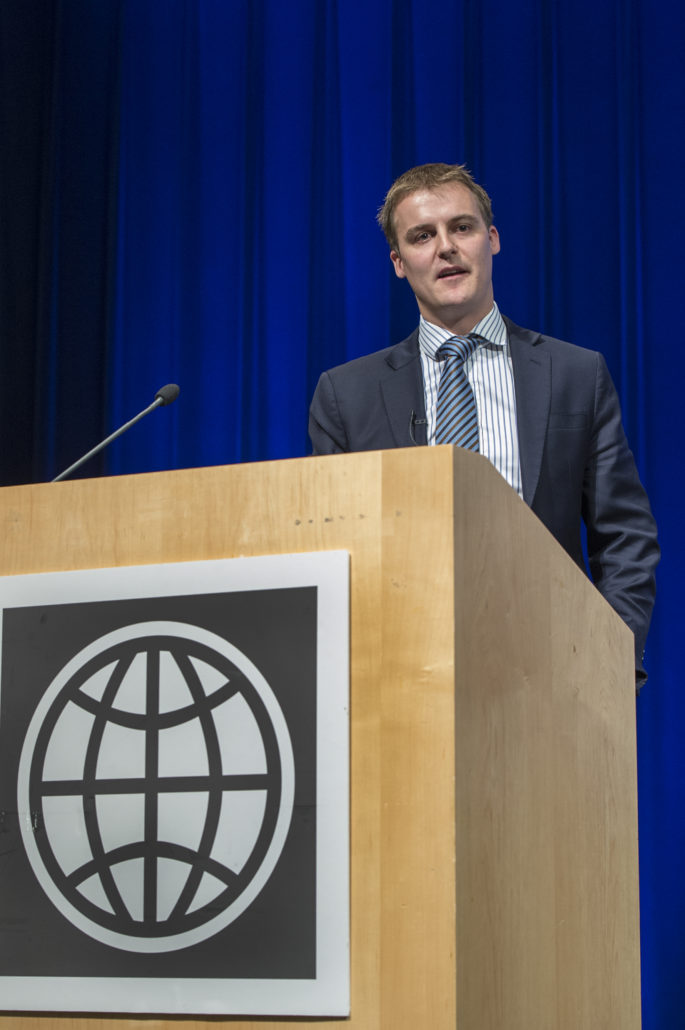
Hugh Evans and His Battle Against Global Poverty

Hugh Evans
One of the most challenging aspects of charity work is getting the word out. Even in the era of social media, it is difficult to reach people and convince them to support a cause, especially during a global pandemic. Yet, music has the power to bring people together during divisive times. Global Citizen CEO Hugh Evans found a way to fuse music and charity together. By hosting concerts around the world, he has raised billions of dollars in the fight against global poverty.

Now 37, Hugh Evans was born in Melbourne, Australia. His goal in life is to eradicate global poverty completely, and he is confident that he can do it. Evans believes that people created poverty and that people can destroy it. In an interview for the Sydney Morning Herald, Evans noted that there are more than 2,000 billionaires in the world. If they each gave as much as Bill and Melinda Gates give, poverty would cease to exist completely. Jeff Bezos, owner of Amazon, “could do it on his own.” But most billionaires are not pitching in enough, or at all. So, Evans calls for systematic change by engaging governments, corporations and ordinary non-billionaires.

Early Inspirations

In 1997, 14-year-old Hugh Evans went on a World Vision trip to the Philippines and saw extreme poverty first-hand. An extremely poor family hosted him. They slept on a concrete roof and had little to offer him besides a straw mat. Lying on that mat, watching cockroaches crawl around him, Evans realized that something needed to change. It was then that he decided to commit his life to ending poverty.

After returning from the Philippines, Evans earned a scholarship to study at an international school in India. There, he learned even more about global culture, language and poverty. He spent weekends doing charitable work in nearby slums or at a branch of Mother Theresa’s charity. Evans even took a gap year after high school to work with HIV/AIDS orphans in South Africa. By the time he was 20, he had a much more personal understanding of global poverty than most middle-class Australians will ever have.

Charitable Concerts

In 2006 and 2007, as a university student, Evans organized the Make Poverty History concerts in Australia, featuring Bono, the Edge and Eddie Vedder. Those concerts introduced him to the idea that celebrities could harness real power in the mission to end poverty. Since then, he graduated from Monash University with a science/law degree, got his master’s in international relations and founded Global Citizen. Through this organization, he has coordinated many more concerts around the world, including Together at Home, the live-streamed concerts during the COVID-19 quarantine. Rather than buying tickets, concert-goers must earn them by taking actions as members of Global Citizen. They can do so by signing petitions, contacting world leaders and taking quizzes to educate oneself about global poverty. These may seem like small feats, but advocacy and education are some of the most powerful weapons against global poverty.

Always a hard worker, Evans often endures long days and sleepless nights to organize charitable events, often under short notice. When COVID-19 began reaching countries that already struggle to meet healthcare needs, Evans and his team immediately started planning the Together at Home concert, which they were able to organize in just three weeks.

Inspiring Future Progress

In a world with constantly changing interests and opportunities, nonprofit organizations must work hard to continue attracting attention and fundraising effectively. Hugh Evans’s first-hand experience with poverty has successfully raised billions of dollars towards the fight against global poverty, and he is only 37-years-old. His establishment of Global Citizen is one of the most prominent triumphs in helping impoverished people all around the world. Not only does the organization provide the necessities for survival, but it also gives impoverished communities the tools to bring themselves and others out of poverty. It may have started on a straw mat in the Philippines, but Evans’s optimism and diligence have reached across borders and will continue to support the dignity, compassion and humanity necessary to end global poverty.

– Levi Reyes
Photo: Flickr

September 1, 2020
https://borgenproject.org/wp-content/uploads/borgen-project-logo.svg 0 0 Kim Thelwell https://borgenproject.org/wp-content/uploads/borgen-project-logo.svg Kim Thelwell2020-09-01 10:00:142020-08-31 15:26:38Hugh Evans and His Battle Against Global Poverty
Activism, Global Poverty

Online Activism: How Generation Z Is Making Change

online activismGeneration Z has grown up in a time of endless war, online activism and extreme cultural change. With unlimited access to the internet, many Zoomers have become adept with technology. They often use the internet to self-educate on important topics and become more globalized people. Generation Z has channeled their frustration in society into online activism, creating an international movement of social awareness.

Generation Z’s Innovation

Gen Z has grown up with online activism. Teenagers care about making a difference in a way that is accessible to them. A campaign from 2015 that revived in 2019 involved turning a person’s Instagram profile picture blue in solidarity with the Sudan protests. It brought attention to the fact that the Sudan military opened fire on unarmed demonstrators and killed over 100 people. One of the demonstrators who died, Mohammad Mattar, had a blue image as his profile picture. The #BlueForSudan trend started in honor of him and the protests. Turning Instagram profile pictures blue increased awareness and encouraged many young people to educate themselves on the situation.

Most Zoomers use various kinds of social media platforms, but one of the best platforms to reach millions is TikTok. Posting a graphic on an Instagram story with a small platform frequently reaches hundreds. However, on TikTok, 100 followers could easily make a video go viral. Teens have figured out that by commenting, pressing the “copy link” button and rewatching the video, the TikTok algorithm will give more attention to the video, hence increasing its audience. This knowledge allows Zoomers to make any video go viral to inform millions of people.

Action and Awareness

Similarly, Gen Z has also found that it can mobilize and overtake certain hashtags. For example, the recent #blackouttuesday demonstration led to the creation of over 20 million posts in a day to show solidarity with the Black Lives Matter movement. As the most technologically advanced generation, Gen Z can easily operate through online activism to create change.

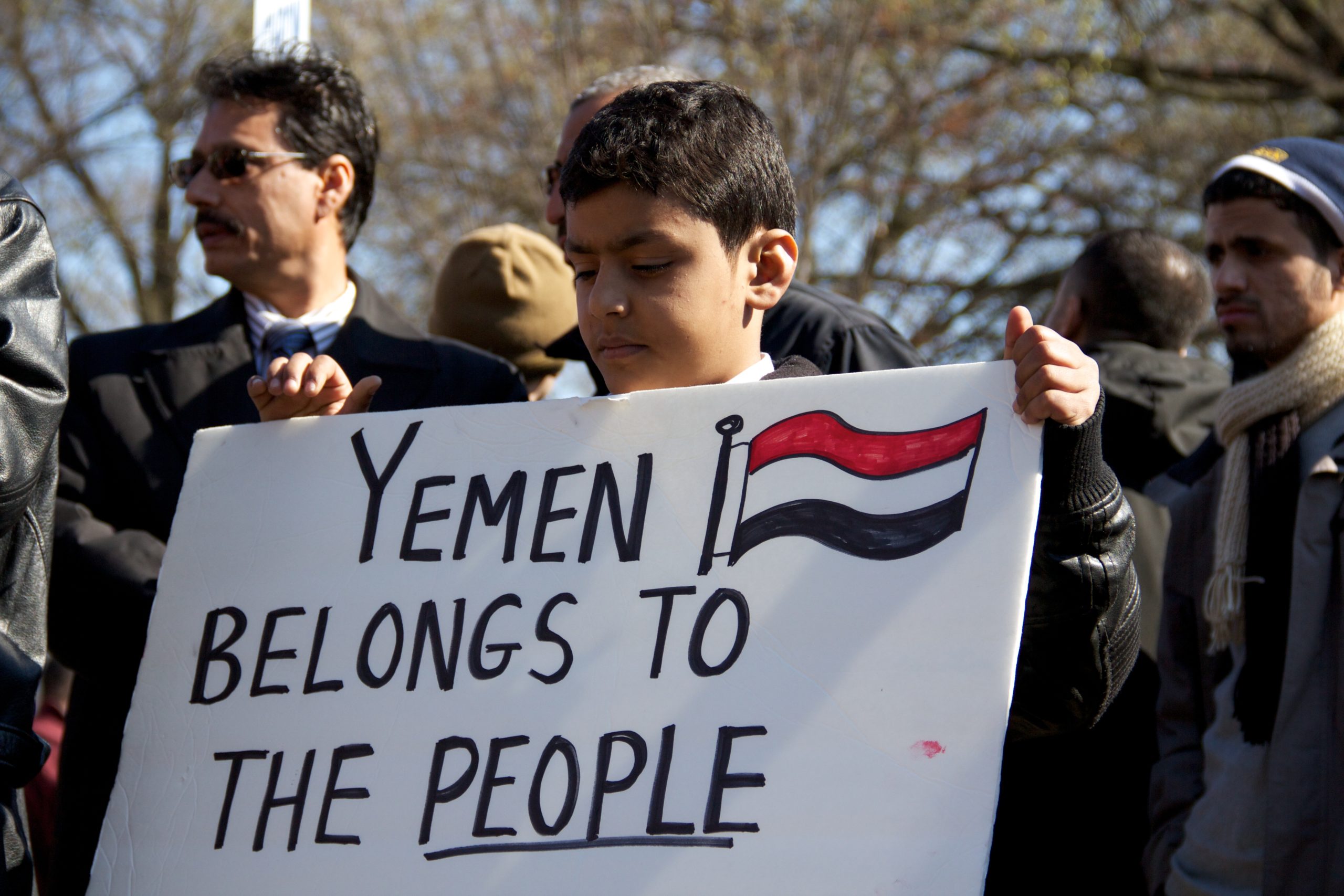
Gen Z members have also begun to utilize scripted emails to quickly contact their representatives in support of specific causes. A pre-written email in the U.K. has become popular to show support in ending the Yemen crisis. The Borgen Project and many other organizations have noticed this effective way to create meaningful change in government and have provided an assortment of scripted emails for citizens to send to their representatives.

Another popular way of spreading awareness about important issues is through the repost button on Instagram. Instagram stories are a popular way to spread information to many people. It is now very efficient to share important news with your followers with minimal work.

How Generation Z is Increasing Foreign Aid

Generation Z comprises of teenagers and college students. Therefore, most Zoomers do not have the funds to donate directly and have found alternative ways to fundraise. The most common way to do this is through YouTube ads. Creators put ads on their videos to generate revenue for donations. One hour-long video that the account “haera shin” created was to collect donations for Save The Children, a humanitarian organization helping end the Yemen crisis.

Zoomers also popularized Cardd.co links: free links to spread resources on a customizable single-page website. Most have links to resources to learn more about the topic, petitions to sign, how to contact your representatives and other information to know. One Yemen Cardd.co is incredibly popular and has reached a significant number of people as Zoomers continue to link the Cardd.co in their Instagram, Twitter and other social media bios.

Petitions For Change

Zoomers have popularized using petitions to create awareness and have even created a new internet trend meant to increase petition signatures. They are using a character called Manny, from the book series “Diary of a Wimpy Kid,” as a reminder to go sign a petition. For example, whenever a drawing of Manny pops up on one’s social media feed, it is a prompt to sign a petition. The Manny character first arose in an attempt to prank Fox News. It featured a petition to change the American flag to what Zoomers call the “Manny flag.” The petition started as a joke, but it created a reminder that gets thousands of Zoomers to sign petitions hourly.

Most petitions that people are signing at the moment are in relation to Black Lives Matter or the Yemen crisis. As petitions gain attention and signatures increase, pressure mounts on leaders to take action. By participating in online activism, teenagers are helping change the world without a single click, a feat no other generation has accomplished before.

– Jacquelyn Burrer
Photo: Flickr

September 1, 2020
https://borgenproject.org/wp-content/uploads/borgen-project-logo.svg 0 0 Kim Thelwell https://borgenproject.org/wp-content/uploads/borgen-project-logo.svg Kim Thelwell2020-09-01 07:30:412024-12-13 18:02:08Online Activism: How Generation Z Is Making Change
Activism, COVID-19, Global Poverty, Philanthropy

UPS Supports International Aid Through Supply Chain Innovation


United Parcel Service (UPS) is the world’s largest package delivery company and a global leader in supply chain innovation. The company’s extensive worldwide network makes it a critical link in everyday commerce while providing the necessary infrastructure and expertise to continue operations during crises. Since its establishment, UPS has leveraged its sub-sectors, global partnerships and supply chain intelligence to provide relief for communities across the world in times of need.

The UPS Foundation, the philanthropic arm of UPS, leads the company’s response efforts. The organization donated over $6 million this year to United Nations agencies, humanitarian relief partners, non-profit and international non-governmental organizations.

UPS History of Crisis Prevention

In 2014, an outbreak of the Ebola Virus spread across West Africa, killing 11,325 people. As the second-largest outbreak in history, it highlighted the importance of assembling an efficient system for distributing medical equipment. Later that year, the UPS Foundation joined with Henry Schein, Johnson & Johnson, The World Trade Organization, World Food Program and World Economic Forum to start the Pandemic Supply Chain Network, with the goal of increasing supply chain efficiency. The partnership is a collaboration between public and private sectors that tracks global demand for medical supplies in order to coordinate the allocation and distribution of equipment during large scale public health emergencies.

In 2016, the UPS Foundation partnered with Gavi, the Vaccine Alliance, the Rwandan Ministry of Health and Zipline, a drone delivery service providing access to vital medical supplies, to establish the Rwanda Drone Delivery Network. The network is the world’s first drone delivery service whose mission is to provide medicine, vaccines and supplies to remote regions in Rwanda and Ghana. Making basic treatment more accessible is a crucial step toward achieving the UN Sustainable Development Goal of universal healthcare coverage, particularly in isolated and underdeveloped areas.

Previously, UPS also joined with the Partnership for Influenza Vaccine Introduction to provide tools and educational resources to healthcare workers about influenza vaccine administration. The organization works with low-income countries to build yearly influenza vaccination programs. These programs provide a strong existing infrastructure for vaccine distribution that can hold up during a pandemic. Through a $50,000 grant, The UPS Foundation funded the vaccination of more than 17,000 individuals in Armenia, Mongolia and Kyrgyzstan, as well as 130,000 health workers in Vietnam.

COVID-19 Response

Since the start of the COVID-19 pandemic, UPS has taken an active role in supporting international recovery efforts. Through various grants and funding, The UPS Foundation has contributed a total of nearly $21 million toward humanitarian causes in 2020. The company hopes to increase the involvement of private-sector companies in relief efforts through partnerships. These partnerships would provide medical equipment, treatment, food and other basic necessities to vulnerable regions.

UPS joined Project Airbridge, a partnership between the Federal Emergency Management Agency (FEMA) and private-sector companies in numerous countries, to expedite the delivery of medical supplies to remote or vulnerable areas. With the help of its existing global supply chain, UPS is operating additional flights between several countries in Asia, Europe and the U.S. to aid in the distribution of personal protective equipment such as masks and gloves, surgical materials, thermometers and test kits.

UPS is also currently working with three COVID-19 vaccine developers and preparing to facilitate an eventual distribution and rollout. Its subsidiaries Polar Speed and Marken are using their storage facilities, designed to handle fragile and temperature-sensitive materials, to assist with holding and logistics.

During the COVID-19 pandemic, innovation and adaptation are critical skills in developing solutions. UPS has been a leader in supply chain logistics and is now using its expertise to provide global relief. The company’s ability to modify its operations to meet the world’s needs has been tested in the past and continues to show as UPS creates innovative solutions to humanitarian issues, both alone and through partnerships.

– Sylvie Antal
Photo: Flickr

August 21, 2020
https://borgenproject.org/wp-content/uploads/borgen-project-logo.svg 0 0 Kim Thelwell https://borgenproject.org/wp-content/uploads/borgen-project-logo.svg Kim Thelwell2020-08-21 18:30:062024-06-11 23:17:18UPS Supports International Aid Through Supply Chain Innovation
Activism, Food Insecurity, Global Poverty, Humanitarian Aid

Food Insecurity in Iraq

Food Insecurity in Iraq
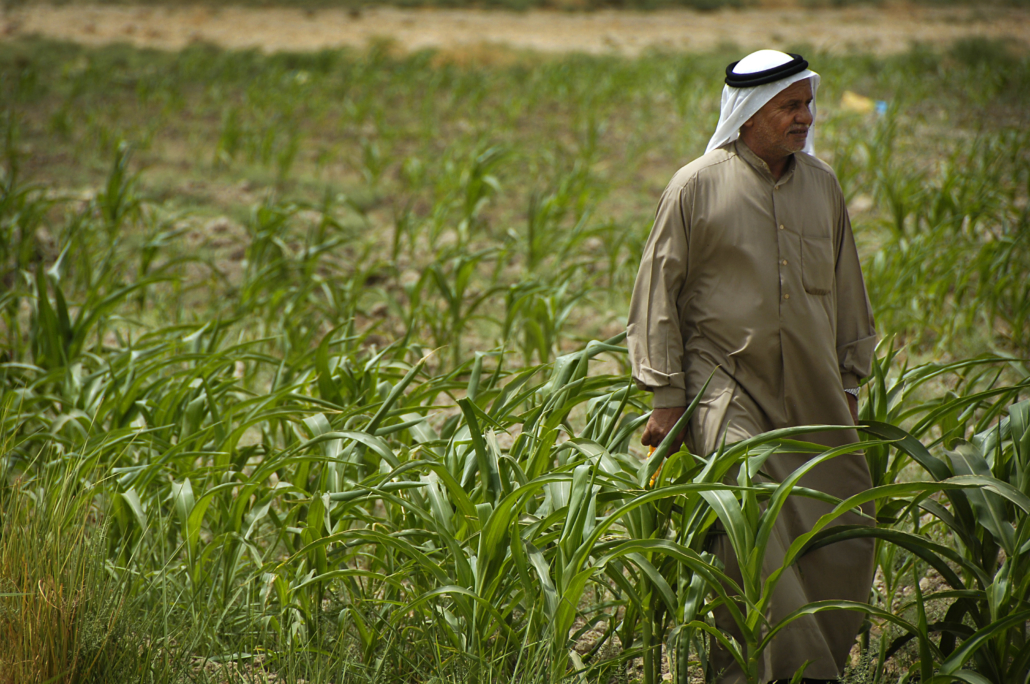
Decades of conflict in Iraq have effectively destroyed what was once the center of human civilization. Many view Iraq as a country very costly to the U.S.—another war from which the U.S. must recover. However, the international community’s job is not done. Today, millions of Iraqis are displaced and suffer from food insecurity, a problem that the government has struggled to control. This article will delve into the background of food insecurity in Iraq and what various groups are doing to combat it.

Governance Issues

The oil industry accounts for 90% of Iraqi government revenue. The crash of oil prices caused a $40 billion deficit in the Iraqi budget, cutting this revenue in half. Iraq’s government has been unable to properly fund various institutions. Combined with a 66% rise in population since 2000, this has placed immense stress on the country’s food supply. Constant conflict and the corrupt management of resources have hindered any ability to keep up with this population boom. USAID labels just under one million Iraqis as food insecure. The World Food Program, however, estimates that this number is closer to two million.

While much focus is on obtaining aid from the international community, Iraq has not necessarily focused as much on reforming its own institutions governing agricultural industry networks. Iraq’s State-Owned Enterprises are involved in every step of food production, processing and distribution. The government attempts to distribute food products and support the industry through its bloated Public Distribution System (PDS), which in 2019 cost $1.43 billion, and its yearly $1.25 billion effort to buy wheat and barley from Iraqi farmers at double the international price. Despite these expensive programs, Iraq still ends up importing 50% of its food supply.

Inefficient growth, processing and distribution methods and a reliance on food imports place Iraq in a delicate position. They are susceptible to global food chain supply network failures and the threat of a budget collapse due to the crash of oil prices. Such an occurrence would likely cause the food system to implode without the current level of government intervention. These governance issues, on top of decades of conflict and displacement, have exacerbated food insecurity in Iraq.

The Pandemic

The COVID-19 pandemic has exposed many of the aforementioned issues confronting the Iraqi food supply. Cases in Iraq have skyrocketed during May and June as Iraqis faced the decision of staying home without reliable state support and suffering from lack of income or holding onto their jobs and risking infection.

The pandemic has worsened the already pervasive levels of poverty and food insecurity. Inefficient state institutions and bureaucracy have combined with the pandemic to display the fragility of the Iraqi food supply. There have already been severe shocks in the global supply chain. For a government that relies on imports for 50% of its food supply, this pandemic could cause the crisis of food insecurity in Iraq to spiral. The Iraqi government has faced issues of governance for decades. The pandemic has only emphasized these issues while placing millions of Iraqis at further risk of conflict and disaster.

Humanitarian Efforts

The stark problem of food insecurity in Iraq has caught the eye of many different aid organizations, both in the U.S. government and the intergovernmental level. USAID, the primary U.S. foreign aid organization, has spent years trying to help meet Iraqis’ basic humanitarian needs, especially in the face of seemingly endless conflict. USAID has provided almost $240 million in emergency food assistance to Iraqis since FY 2014. This money goes toward food vouchers, food baskets and cash for food, all under the coordination of the World Food Program (WFP), which the UN Food and Agriculture Organization (FAO) established with the UN General Assembly.

USAID has also supported WFP efforts to create an electronic distribution platform for Iraq’s PDS, which would allow Iraqis to update their locations, use biometrics for identification and improve overall access to food supplies. The WFP, in turn, supports 280,000 internally displaced Iraqis and 76,000 Syrian refugees in Iraq, providing monthly food support mainly through cash transfers. It also provides local, healthy food for over 324,000 schoolchildren in Iraq. The organization is currently looking to expand cash transfers and food access to over 35,000 refugees and 10,000 internally displaced people in response to the COVID-19 pandemic.

The FAO has worked with the WFP in Iraq by focusing on agricultural sustainability. To improve food security and Iraqi self-reliance, the FAO has supported livestock production through capital, seeds, fertilizer and resources to counter disease. It also uses “cash-for-work activities” to enhance local markets and support infrastructure in addition to its efforts to promote labor-saving technology to counteract food insecurity in Iraq.

Looking Forward

Poor food access has been an issue for many years, but the pandemic is making the situation worse. Constant conflict and a lack of effective governance are both serious obstacles to creating a stable food environment for Iraqis, but there is a significant commitment from the international community to shore up Iraqi agricultural sustainability and provide support to individual Iraqis. While many are still in dire need of access to food, organizations like these provide hope for the fight against food insecurity in Iraq.

– Connor Bradbury
Photo: Flickr

August 18, 2020
https://borgenproject.org/wp-content/uploads/borgen-project-logo.svg 0 0 Kim Thelwell https://borgenproject.org/wp-content/uploads/borgen-project-logo.svg Kim Thelwell2020-08-18 12:10:012024-05-29 23:18:58Food Insecurity in Iraq
Activism, Charity, Global Poverty, Water

How Lab-Grown Diamonds Are Reducing Poverty

Lab-grown diamondsThe inhumane conditions of diamond mines have become a widely scrutinized issue in recent years. Critics have labeled these diamonds as “blood diamonds” or “conflict diamonds”. These evocative epithets illustrate the historically exploitative labor practices prevalent among the diamond industry. Due to the growing consumer awareness of unethical mining practices, the criteria for purchasing diamonds have experienced a crucial shift. Since the turn of the century, consumers have largely stopped settling for anything less than ethically produced diamonds. Recently, lab-grown diamonds have emerged as a certifiably ethical alternative to traditionally mined diamonds.

The Rise of the Lab-Grown Diamond

Lab-grown diamonds are synthesized in laboratories with industrial processes that mimic how diamonds form inside the Earth or in outer space. In recent years, scientists have greatly improved the techniques needed to synthetically manufacture diamonds. As recently as the early 2000s, the only lab-grown diamonds available were either very small or tinted with impurities. In the last five years, however, the diamond industry has perfected the synthetic fabrication of diamonds. These technological advancements allow for the production of large, clear stones that bear no significant difference from natural diamonds.

This technological advancement has taken off quickly. In 2016, around a dozen lab diamond growers and sellers formed a trade group called the International Grown Diamond Association (IGDA). The IGDA now has around 50 members. Lab-grown diamonds now account for around 2-3% of the $14 billion diamond market. Some analysts predict that lab-grown diamonds will occupy up to 10% of the market by 2030.

Growing Acceptance of Lab-Grown Diamonds

Large corporations and organizations have made adjustments to welcome the lab-grown diamond into the diamond industry. The Federal Trade Commission has expanded the definition of a diamond to include lab-grown gems. In addition, the FTC has dropped “synthetic” as a recommended descriptor for lab-grown diamonds. The success of lab-grown diamonds has even pushed De Beers Group, the global diamond monopoly which once vowed never to sell man-made diamonds, to create a lab-grown diamond line known as Lightbox Jewelry.

Consumers have also demonstrated their interest in the lab-grown diamond. Primarily, lab-grown diamonds are often cheaper than mined diamonds. This allows consumers to purchase a larger diamond ring than they otherwise would be able to afford. In a 2018 consumer research survey conducted by MVI Marketing, around 66% of millennials said they would consider a lab-grown diamond and 23% said they would definitely buy a lab-grown diamond ring.

Merging Lab-Grown Diamonds and Activism

Several smaller companies that offer lab-grown diamonds have formed as well. These companies utilize their diamonds’ ethical sourcing and sustainability as a major selling point. Additionally, these companies are engaging in many forms of activism. Many of these companies divert a percentage of their profits to poverty reduction and humanitarian efforts around the world.

Collectively, the efforts of these companies will bring more awareness to issues in the diamond industry as well as aid the communities that were directly exploited by unethical mining practices. As technological and industrial capabilities increase, it is hoped that the diamond industry will take advantage and slowly transition away from its dependence on hazardous mines and labor practices.

Lab-Grown Diamond Companies Funding Humanitarian Projects:

  • MiaDonna: In 2007, Anna-Mieke Anderson founded MiaDonna. She felt compelled to offer a sustainable alternative to mined diamonds after researching the history of conflict diamonds. In the last three years, this company has dedicated more than 20% of its earnings towards its charity foundation, The Greener Diamond. The Greener Diamond gives back to those harmed by the diamond trade and educates consumers about their role in buying conflict diamonds. In addition, this foundation also funds various initiatives in Liberia, Togo and Sierra Leone that address food insecurity and education.
  • BrilliantEarth: Brilliant Earth sells both carefully sourced and lab-grown diamonds. Each year, they pledge 5% of profits towards giving back to mining communities. Presently, BrilliantEarth is funding the Brilliant Mobile School in the Democratic Republic of the Congo. This school serves primary aged students in a mining community. The school aims to educate young children and ultimately expand their economic opportunities beyond working in the nearby diamond mine.
  • Do Amore: Do Amore was founded by Krish Himmatramka after struggling to find an ethical and sustainable engagement ring for his girlfriend. His company sells both carefully sourced and lab-grown diamonds. Additionally, Do Amore tries to use recycled materials in both their jewelry and packaging. Their main philanthropic focus is fighting the water crisis. So far, Do Amore has built 39 wells in five nations and helped 9,885 people.

– Antoinette Fang
Photo: Flickr

August 14, 2020
https://borgenproject.org/wp-content/uploads/borgen-project-logo.svg 0 0 Kim Thelwell https://borgenproject.org/wp-content/uploads/borgen-project-logo.svg Kim Thelwell2020-08-14 15:42:132024-05-29 23:23:14How Lab-Grown Diamonds Are Reducing Poverty
Activism, Children, Global Poverty

From Poverty to Pirouettes: Ballet and Poverty

Ballet and Poverty
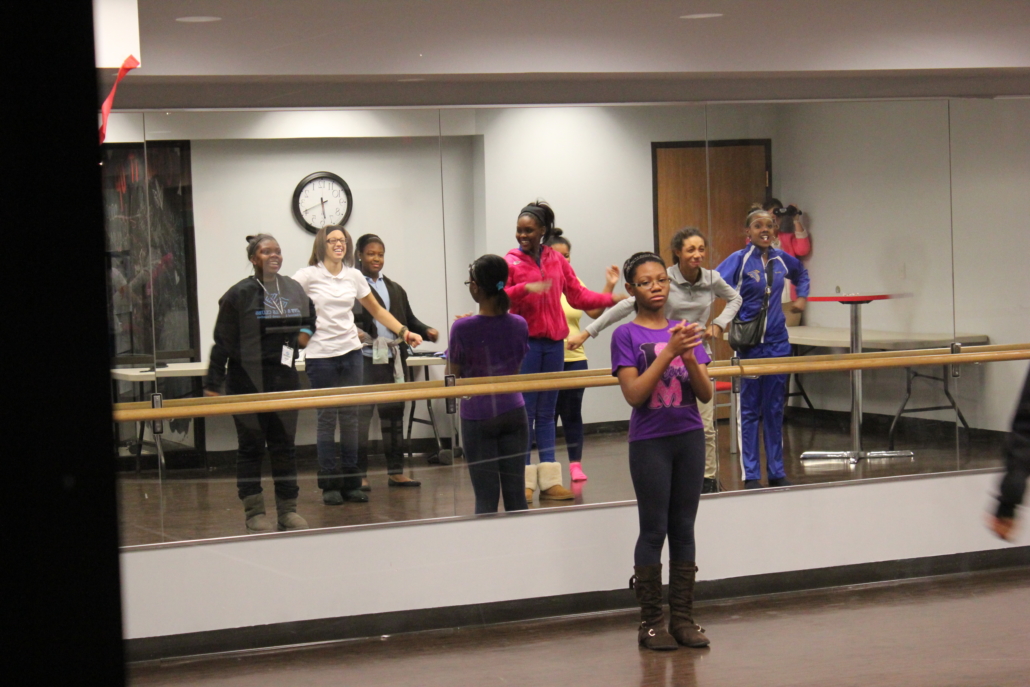
For many, living above the poverty line is not an option. Those brought up in impoverished communities face the difficulty of earning enough money to carry themselves out of poverty. While common solutions include education and improved healthcare, some families encourage their children to pursue an activity far from these: ballet. To the layman, ballet and poverty seem to have little correlation. However, in both Peru and the slums of New York, ballet has been able to help multiple people emerge from poverty.

Like many other art forms, dance is a method of expressing oneself and one’s struggles. Those living in poverty may not have monetary wealth, but they have a wealth of experiences, in some cases aiding to a successful dance journey.

Pliés and Peru

Finding a dancer with pointed shoes and leotards is a rare occurrence in Peru. However, Maria del Carmen Silva believes that poverty should not inhibit one’s ballet education. Silva preaches that her mission is not to teach the students how to plié but to expose them to a life outside of their poor neighborhood.

Few of her students have ventured outside their town solely because of financial issues. Seven million Peruvians live on under $105 a month. Although the country is economically stable, it has one of South America’s lowest rates of education, in turn enforcing the stereotype that ballet is for the rich.

The 52-year-old teacher takes her students to Lima, the wealthiest city in Peru, for them to build alliances between the privileged and those less than. Her program has inspired girls to dance and believe in the possibility of venturing outside of their comfort zone, both mentally and physically.

While ballet may solely seem to be an outlet of expression, Silva believes that the discipline and detail necessary in ballet will teach her students vital life lessons. For many of her students, hardships were handed to them at birth. However, they describe how ballet has helped relieve stress and has provided an outlet to temporarily forget about these hardships. Silva has taught her students that ballet and poverty are not only connected but also that ballet paves a path to overcome their economic status.

The Swan Dreams Project

Although New York is a wealthy state, many communities exist well below the poverty line. Youths who grow up in the slums are unable to afford proper education as well as partake in expensive extracurricular activities, namely ballet. In 2011, former School of American Ballet dancer Aesha Ash established The Swan Dreams Project. The project promotes ballet for underprivileged children to alter the misconceptions surrounding these communities.

Growing up in these impoverished communities, Aesha recalls that there was a lack of black female role models. To alter this perspective around ballet and women of color, Aesha photographs herself in these communities, providing a success story for poor children. The retired dancer states that she aims to change the stereotype surrounding African-American women and provide an outlet of beauty and expression for any race.

The Swan Dreams Project also shows children that ballet is for people of all socioeconomic backgrounds. By exposing these underprivileged communities to the art form, The Swan Dreams Project promotes greater involvement of impoverished children in the art form. In doing so, the project has donated millions of dollars to these communities. Although ballet is a stereotypically expensive activity, many dancers aim to lower the costs in impoverished communities. They bring more diversity to the art form as a result.

While ballet and poverty seem unrelated, in impoverished communities, dance provides a way to cope with one’s challenges. Despite being considered an art for the privileged, many professionals aim to teach those in underprivileged communities. In the Philippines, Ballet Manila runs a program (Project Ballet Futures) that provides free ballet training to children in impoverished neighborhoods. Similarly, ballet studios in rural communities throughout South America inspire the poor to express their stories. Around the world, ballet has contributed to impoverished societies and continues to pave the path for underprivileged children to rise above the poverty line.

– Aditi Prasad
Photo: Flickr

August 13, 2020
https://borgenproject.org/wp-content/uploads/borgen-project-logo.svg 0 0 Kim Thelwell https://borgenproject.org/wp-content/uploads/borgen-project-logo.svg Kim Thelwell2020-08-13 10:00:012020-08-13 07:57:06From Poverty to Pirouettes: Ballet and Poverty
Activism, Advocacy, Charity, Global Health, Global Poverty

Elton John’s Impact Through Five Organizations

Recognized as one of the top-selling artists in history, Sir Elton John has continued to have an enormous impact on the music industry and pop culture. However, his influence goes beyond music. Over the years, John has used his platform to raise awareness for several charitable organizations. Here is a glimpse of Elton John’s impact through his efforts with five organizations.
Elton John’s Involvement

  1. Elton John AIDS Foundation – Elton John founded the Elton John AIDS Foundation (EJAF) in the U.S. in 1992 and a separate entity in the U.K. in 1993. This organization aims to fund programs that alleviate the financial, emotional and physical pain caused by HIV/AIDS. EJAF fights to raise awareness, educate, treat and prevent HIV/AIDS. In 2018, it enabled 235,000 adolescents to receive HIV testing and connected more than 68,000 patients to treatment programs. Since 2010, the organization has reached and over 11.5 million people and has raised $125 million to support similar programs around the globe.
  2. Riders for Health – In 2008, Elton John donated 120 motorcycles to healthcare workers in Lesotho. The bikes enable doctors and nurses to reach patients in remote areas of Lesotho, where many suffer from HIV/AIDS and tuberculosis. Lesotho has the second highest number of individuals infected by HIV, and the second highest number of cases in tuberculosis.  Additionally, almost 73 percent of patients infected with tuberculosis are simultaneously infected with HIV. John made the donation in partnership with the Lesotho Ministry of Health and Riders for Health. Founded in 1996, Riders for Health is an international nonprofit dedicated to increasing accessibility and efficiency of healthcare in Africa. The organization manages motorcycles, ambulances and other vehicles that provide healthcare to seven countries in Africa.
  3. Breast Cancer Research Foundation – Through his performances and donations, Elton John has supported the Breast Cancer Research Foundation (BCRF) for over 15 years. BCRF provides essential funding to cancer research worldwide and is the highest-rated breast cancer organization in the U.S. At the NYC Hot Pink Party in 2016, BCRF honored John with a research grant in his name due to his dedication to the organization. He capped off the night with a performance. This event alone raised over $6.8 million for breast cancer research.
  4. Starkey Hearing Foundation – In 2012, Elton John and spouse David Furnish joined the Starkey Hearing Foundation on a trip to Manila to help fit more than 400 children and adults with hearing aids. The Starkey Hearing Foundation is committed to raising awareness, education and protection of hearing care. The organization provides more than 100,000 hearing aids annually and has reached over 100 countries. Additionally, John has previously preformed at the So the World May Hear Awards Gala to raise funds and awareness for hearing accessibility.
  5. The Elton John Sports Fund – Elton John’s impact is also present through the Elton John Sports Fund. Rocket Sports started the Elton John Sports Fund in 2014 in partnership with SportsAid. This partnership supports young athletes by providing money to travel, to get necessary equipment and to decrease the overall financial strains of a given sport. The recipients of the Elton John Sports Fund are promising athletes who come from a variety of socioeconomic backgrounds and sports interests.

Throughout his career, Elton John has championed numerous causes, earning him awards such as the Peter J. Gomes Humanitarian of the Year Award in 2017 and the BAMBI Award in 2004. John has performed at countless benefit concerts, raising awareness for organizations that range from rainforest conservation to supporting first responders during the COVID-19 pandemic. Elton John has made a lasting impact on the world, using his star-studded platform for good.

– Megan McKeough

Photo: Flickr

April 29, 2020
https://borgenproject.org/wp-content/uploads/borgen-project-logo.svg 0 0 Jennifer Philipp https://borgenproject.org/wp-content/uploads/borgen-project-logo.svg Jennifer Philipp2020-04-29 04:00:312024-05-29 23:15:46Elton John’s Impact Through Five Organizations
Activism, Developing Countries, Global Poverty

Durian Fruit Will Transform Electricity

Durian Fruit Will Transform ElectricityAround the world, millions rise with sunlight and go to bed with the moonlight, not because of preference, but because of lack of choice. In 2016, 13 percent of people around the world did not have electricity. Lack of electricity hampers the development of impoverished nations around the world. Developed nations’ sustainability relies on electricity. According to the World Bank, lack of electricity hampers developments in healthcare, education, gender equality and occupations. However, many third world nations may not see electricity in their neighborhoods for many years to come. With approximately 940 million people living without electricity, a significant gap has developed between the haves and the have-nots. Upon observation of the gap, it was important for scientists to figure out how durian fruit will transform electricity everywhere.
What Is Durian?

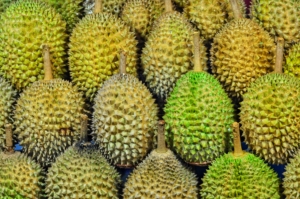
Durian is a valued fruit native to tropical regions around the world, but most commonly found in Southern Asia in Malaysia, Indonesia and Thailand. Durian is most widely known as the smelliest fruit in the world, but it is also very nutritious. In fact, in many countries, different places have restrictions on where this fruit can and cannot go. Many South Asian cultures value durian fruit, but have no need of the skin; it is simply thrown away. Excitingly, experts figured out how durian fruit will transform electricity everywhere. Scientists discovered that durian fruit’s surface is transformable into something called aerogels—a part commonly used inside batteries.

According to Sydney University, the method is entirely non-toxic. The aerogels can replace parts of a standard phone battery. They perform much more efficiently than modern-day batteries do. While this non-toxic method will allow smartphones to charge at astonishing rates more consistently, it also opens up possibilities to provide impoverished communities with low-cost electricity initiatives.

This method differs from any others because of its convenience. Communities that value durian are already throwing out the skin. This means there is a cost-effective way to provide materials and a non-toxic manner of production, resulting in low-cost access to energy.

Benefits Of Electricity

With electricity, communities develop communication services. According to the Food and Agriculture Organization (FAO), this allows people to build their quality of living rapidly. If there is a lack of supplies or an important governmental initiative, communication services allow for this information and materials to be accessed much quicker than traditional methods. Along with communication services, electricity allows people to preserve goods for longer.

With the ability to produce low-cost energy, impoverished communities are more capable of accessing electricity into their daily lives. The implementation of electricity into underprivileged communities allows them to develop their quality of life.The durian may be the key to cheaper and more readily available electricity. This could provide people in developing countries with lower-cost electricity for everyday items. With objects such as refrigerators and freezers, underprivileged people can stock up on food, thus helping to diminish high rates of starvation. Furthermore, cleaner forms of electricity can provide light, heat and easier cooking.

– Cleveland Lewis

Photo: Unsplash

April 15, 2020
https://borgenproject.org/wp-content/uploads/borgen-project-logo.svg 0 0 Kim Thelwell https://borgenproject.org/wp-content/uploads/borgen-project-logo.svg Kim Thelwell2020-04-15 01:30:102020-04-09 18:18:58Durian Fruit Will Transform Electricity
Activism, Advocacy, Global Poverty, USAID

7 Venezuelan Humanitarian Crisis Aid Efforts

Venezuelan Humanitarian Crisis
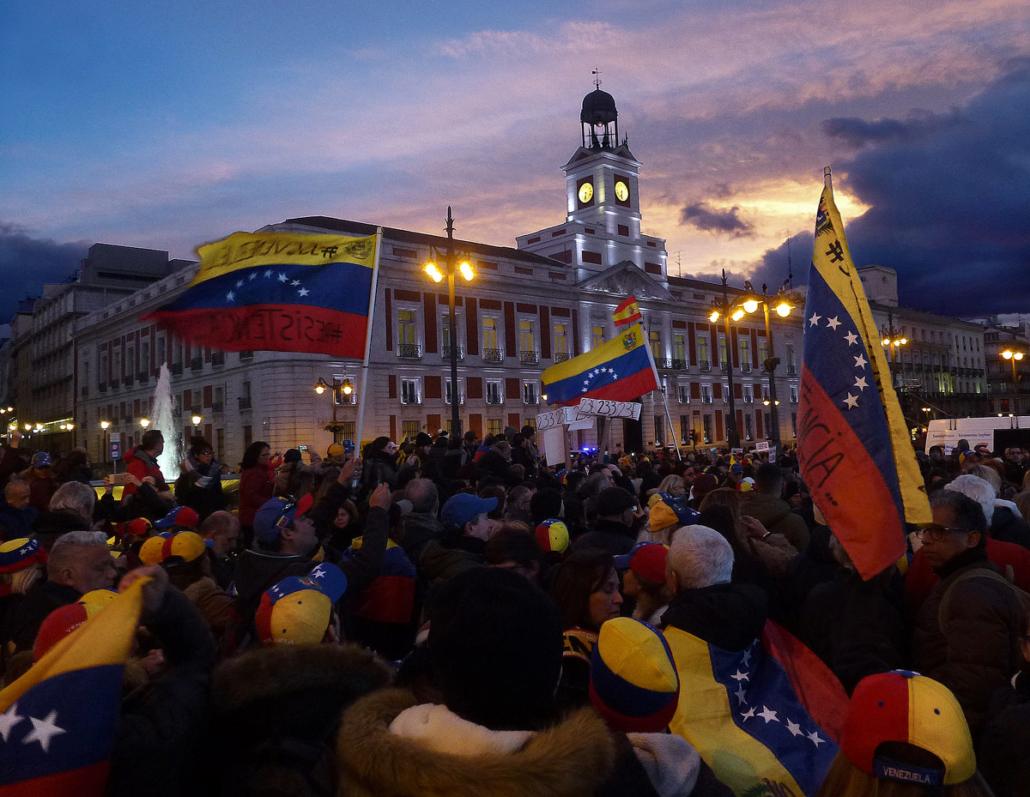
Venezuela has been marred by a humanitarian crisis for several years, and the situation persists. As policy forum the Wilson Center explains, more than four million Venezuelans have left the country, most since 2015. This makes Venezuela the second most common country of origin for displaced people worldwide, behind only Syria.

In breaking down the crisis, the Wilson Center says Venezuela has “widespread poverty and chronic shortages of food, medicine, and other basic necessities,” and as The Borgen Project reported last year, cases of malnutrition and disease are rampant. These issues come as a consequence of economic mismanagement, official corruption and decreasing oil prices between 2013 and 2016.

An example of that purported corruption — and perhaps the most public element of Venezuela’s overall state — is that Venezuela’s current President Nicolás Maduro won a second term in the 2018 election, despite being largely blamed for helping further the once-wealthy nation’s free fall that began under Maduro’s predecessor Hugo Chávez. Much of the world believes Maduro’s re-election was falsely won through corrupt tactics, and instead back key opposition entity the Lima Group’s leader Juan Guaido. The group seeks to install Guaido in Maduro’s place, but has as yet been unsuccessful.

Still, as dire as the situation remains for Venezuela, several efforts have been launched and entities mobilized to help the Venezuelan people. Here are seven organizations or initiatives aimed at assuaging the long-standing and growing Venezuelan humanitarian crisis.

7 Venezuelan Humanitarian Crisis Aid Efforts

  1. Future of Venezuela Initiative (FVI): Created by the Center for Strategic & International Studies, this initiative aims to “shed light on the unprecedented humanitarian, economic, and political crisis in Venezuela, and its impact in the Americas,” with an emphasis on the role of the United States and the international community in limiting Venezuelan suffering. FVI will leverage research to generate awareness and ideas on challenges facing Venezuelans and solutions to those challenges.
  2. BetterTogether Challenge: The U.S. Agency for International Development (USAID) and the Inter-American Development Bank partnered to launch this initiative in October 2019. The initiative aims to crowdsource, fund and scale innovative solutions from Venezuelans and other innovators worldwide to support individuals displaced by the crisis in the country. It also calls on people to help elevate Venezuelan voices, develop solutions for the problems facing Venezuela and grow a network to host and support displaced Venezuelans.
  3. United States government: Since 2017, the United States has provided over $656 million in aid to the Venezuelan crisis, according to a report from the U.S. Department of State. Of that amount, nearly $473 million went toward humanitarian assistance for Venezuelans forced to flee the country.
  4. Giving Children Hope: The California-based faith-driven nonprofit Giving Children Hope, which provides wellness programs and disaster response services locally, domestically and abroad, established a program specifically to address the Venezuela crisis. With the help of various partnerships, it feeds more than 8,000 Venezuelans every week. Last year it launched a campaign with a goal of serving 1 million meals to Venezuelans in need.
  5. The European Commission: The European Commission (EC) has been sending humanitarian aid to Venezuela since 2016. The EC announced last year a new commitment of 50 million euros, bringing the total amount the European Union has contributed to alleviating the crisis since 2018 to 117.6 million euros.
  6. The United Nations: The U.N. has distributed funds and a variety of health, food and other supplies and services to Venezuela. In the first half of 2019 alone, the UN sent 55 tons of health supplies to the country, distributing them across 25 hospitals in five states. Contributions include nine million doses of the diphtheria vaccine, 176,000 doses of the measles, mumps and rubella vaccine and 260 education kits for 150,000 children in public schools. The UN also provided 400,000 people with access to safe drinking water.
  7. Action Against Hunger: This France-founded, globally-operating organization set up boots-on-the-ground teams in Venezuela in 2018 to help aid those impacted by the humanitarian crisis. Its work has focused on providing nutritional and related support for schoolchildren across six Venezuelan states. The organization has helped 3,685 Venezuelans to date.

There is much that must be done to end the crisis that has resulted in many citizens fleeing the country. However, the situation has not gone completely ignored. Entities big and small, public and private across the globe are working to make a difference.

– Amanda Ostuni
Photo: Flickr

March 19, 2020
https://borgenproject.org/wp-content/uploads/borgen-project-logo.svg 0 0 Lynsey Alexander https://borgenproject.org/wp-content/uploads/borgen-project-logo.svg Lynsey Alexander2020-03-19 06:30:542024-05-29 23:15:107 Venezuelan Humanitarian Crisis Aid Efforts
Activism, Global Poverty

5 World Problems To Write About 

World Problems To Write About
Across the world, many disasters have left poor legacies for many to deal with. Currently, organizations such as UNICEF and the United Nations Foundation are making efforts to eliminate global problems like climate change and global poverty. With this being said, many individuals are not aware of the full extent of these issues. It is time for journalists and writers to focus on today’s most prevalent issues to educate the public to take action. Here are five world problems to write about.

5 World Problems to Write About

  1. Climate Crisis: Right now, many news publications have been reporting on one of today’s most known issues: climate change. Affecting millions of individuals around the world,  the current climate crisis is a problem that many activists and scientists are trying to solve. Some people like Greta Thunberg have made it their mission to educate the public on what is going on and how to involve themselves. First, it is important to write about this issue because it has drastic consequences on human lives. For example, studies show that climate change will displace about 200 million people by 2050, leaving them with no home. Second, climate change also has repercussions on the planet itself. Sea levels have risen approximately eight inches in the past century, and the Earth’s surface temperature has risen almost 1.62 degrees Fahrenheit as well.
  2. Food Security: Quite a lot of today’s agriculture relies heavily on quick and easy access to water; however, access to natural resources such as water has grown limited due to its exploitation for other purposes. The lack of food security has contributed to the sharp increases in world hunger as people are not meeting their dietary needs. According to the United Nations, approximately 925 million people around the world go hungry either because they cannot afford food or because it is just too scarce. People need education about food security from the news, as many personal choices, such as wasting food, contribute to the problem.
  3. Lack of Education: Another important issue to write about is the lack of education that is so persistent in many low-income areas. Currently, more than 759 million adults are illiterate and do not properly understand the consequences of lacking education. Not only does it limit the number of job opportunities available in the future, but it also has drastic effects on future generations. Many organizations such as the Association for Childhood Education International have identified the source of the issue and are determined to alienate it in the coming years. By empowering children and adults to pursue an education, it hopes to shed light on its importance and help individuals grow.
  4. Gender Inequality: As the world progresses, it is important for society to acknowledge the age-old issue of gender inequality. Consequences such as wage discrepancies and stereotypical gender roles have limited many women across the world from achieving their full potential. According to the World Economic Forum, it will take almost 108 years to fully solve this issue; however, it is important that people write about gender inequality more often and educate the public to speed up that time. By understanding the full scope of the problem, men and women everywhere will have the empowerment to take action and fight for equality.
  5. Global Poverty: Finally, one of the largest world problems around the world is global poverty, affecting almost half of the world’s population. Global poverty, in general, has economic and social consequences. Not only can it be very dangerous for one’s health, but it also has dire effects on the environment and physical landscape. To add, poverty can negatively affect economic growth by limiting the amount of money available to invest and increasing crime rates. The Borgen Project has been a key player in writing on this issue, raising money and spreading awareness globally. It has also been very active in legislature, advocating for certain bills to alleviate global poverty. Writing on this issue can increase its urgency and push for more individuals to involve themselves.

It is important for writers and journalists across the world to report on these world problems that are most prevalent in today’s society. The world problems to write about above are some of the most urgent problems to address, affecting many politically, economically and socially. By reporting on these topics more frequently, people have the education and empowerment to take action. After all, action can only happen after awareness.

– Srihita Adabala
Photo: Flickr

February 26, 2020
https://borgenproject.org/wp-content/uploads/borgen-project-logo.svg 0 0 Lynsey Alexander https://borgenproject.org/wp-content/uploads/borgen-project-logo.svg Lynsey Alexander2020-02-26 14:00:532020-03-24 09:45:165 World Problems To Write About 
Page 6 of 56«‹45678›»

Get Smarter

  • Global Poverty 101
  • Global Poverty… The Good News
  • Global Poverty & U.S. Jobs
  • Global Poverty and National Security
  • Innovative Solutions to Poverty
  • Global Poverty & Aid FAQ’s
Search Search

Take Action

  • Call Congress
  • Email Congress
  • Donate
  • 30 Ways to Help
  • Volunteer Ops
  • Internships
  • Courses & Certificates
  • The Podcast
Borgen Project

“The Borgen Project is an incredible nonprofit organization that is addressing poverty and hunger and working towards ending them.”

-The Huffington Post

Inside The Borgen Project

  • Contact
  • About
  • Financials
  • President
  • Board of Directors
  • Board of Advisors

International Links

  • UK Email Parliament
  • UK Donate
  • Canada Email Parliament

Get Smarter

  • Global Poverty 101
  • Global Poverty… The Good News
  • Global Poverty & U.S. Jobs
  • Global Poverty and National Security
  • Innovative Solutions to Poverty
  • Global Poverty & Aid FAQ’s

Ways to Help

  • Call Congress
  • Email Congress
  • Donate
  • 30 Ways to Help
  • Volunteer Ops
  • Internships
  • Courses & Certificates
  • The Podcast
Scroll to top Scroll to top Scroll to top