• Link to X
  • Link to Facebook
  • Link to Instagram
  • Link to TikTok
  • Link to Youtube
  • About
    • About Us
      • President
      • Board of Directors
      • Board of Advisors
      • Financials
      • Our Methodology
      • Success Tracker
      • Contact
  • Act Now
    • 30 Ways to Help
      • Email Congress
      • Call Congress
      • Volunteer
      • Courses & Certificates
      • Be a Donor
    • Internships
      • In-Office Internships
      • Remote Internships
    • Legislation
      • Politics 101
  • The Blog
  • The Podcast
  • Magazine
  • Donate
  • Click to open the search input field Click to open the search input field Search
  • Menu Menu

Archive for category: Activism

Information and stories on social activism.

Activism, Advocacy, Global Poverty

Domestic Violence in Tonga: The WCCC’s Efforts

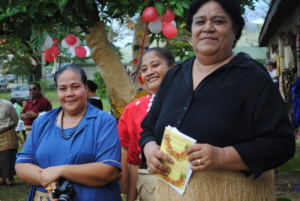
Domestic Violence in TongaDomestic violence in Tonga, specifically against women, has become the leading type of law infringement. The most prevalent instance occurs in the home, which is especially alarming during a pandemic forcing everyone inside. However, Tonga is taking measures to fight this issue. One way is through the Women and Children Crisis Center (WCCC).

Domestic Violence in Tonga

The amount of reported cases of domestic violence in Tonga has risen over the past five years. Between January and June of 2020, there were about 537 domestic violence reports and 117 issued police safety orders. Out of those, only 99 assaulters faced prosecution.

Tongan women report experiencing physical coercion and control, sexual assault, emotional abuse and physical assault. Police officials state that the chief problem is related to a cultural belief. Tongan men believe they are in a position of power at home and can act however they please because of this entitlement. As a result, women are often scared to report their abuse cases. This is particularly true when husbands, brothers or sons are the perpetrators, as is typical.

Pacific Women reports that three out of four women in Tonga have experienced physical and sexual violence. Relationships can involve abuse as early as day one and continue on for decades, which women often endure. Furthermore, about 85% of women who have suffered from domestic violence are likely to return to the same environments as their attacks. To combat this, the WCCC in Tonga offers an escape for the abused to ensure women are given the protection they need from abusers.

The Women and Children Crisis Center in Tonga

The WCCC was established in 2009 by Director Ofa Guttenbeil-Likiliki with a group of women and male supporters. The aim was to help those who have suffered from violence. In turn, they gave free counseling and support to victims of domestic violence in Tonga. Further, the WCCC provides 24 hours of free housing to both women and children in the Mo’ui Fiefia Safe House.

When a woman reports her case to WCCC, the volunteers at the organization help guide the victim through the legal process. They explain the amount of time it will take for the victim’s case to reach court and provide information about how and when the police will contact the victim for testimonies. They also educate the victim on the importance of having a medical record when reporting cases like rape. If the woman is willing, the WCCC offers her a platform to voice her experience. The organization focuses on sharing the stories of victims who have used WCCC’s services and how they have benefitted from those services.

Male Advocacy Training

Violence prevention was another main reason for WCCC’s founding. In 2017, the WCCC launched male advocacy training to end violence against women and children and encourage gender equality. The purpose of the training is to educate men on three key ideas: men have control over how they behave in a sexual manner, all sexual activity can only be performed after there is consent on both sides and men are equally responsible for the transmission of sexually active diseases.

The men receive many lessons from knowledgeable speakers to help end the domestic violence in Tonga. Director Guttenbeil-Likiliki said, “In a situation where a woman does not want to have sex but you continue to persist and persuade her to have sex, this is a high-risk situation, as it is considered to be sexual assault or rape.” Melkie Anton, a lead trainer, explains proper relationship roles to male participants. Anton states, “Women are often used as sexual objects,” and when a woman is in a relationship, she must follow all of her partner’s orders. As a result, the man ends up controlling the relationship and may treat the woman’s feelings with disregard. Another learning directive is toxic masculinity. WCCC members detail how issues, such as proving masculinity and competing with other men encourage domestic violence.

Looking to the Future

WCCC members are working toward expanding their organization’s influence throughout Tonga,  particularly through collaboration. The WCCC has partnered with other organizations, such as the Fiji Women’s Crisis Centre and the Vanuatu Women’s Crisis Centre. The organization even reaches out to Tongan government agencies, including the Ministry of Education. The work of the WCCC, from aiding victims to education to advocacy, is a step in the right direction. With continued efforts, there can be an end to domestic violence in Tonga.

– Sudiksha Kochi
Photo: Flickr

December 23, 2020
https://borgenproject.org/wp-content/uploads/borgen-project-logo.svg 0 0 Yuki https://borgenproject.org/wp-content/uploads/borgen-project-logo.svg Yuki2020-12-23 11:22:372024-05-30 07:53:23Domestic Violence in Tonga: The WCCC’s Efforts
Activism, Aid, Child Poverty, Child Poverty, Children, COVID-19, Global Poverty

The Reality of Child Poverty in Haiti

Child poverty in Haiti
Haiti, a small country that borders the Dominican Republic on the Hispaniola island, suffers greatly from poverty. Natural disasters, systemic inequality and diminishing economic opportunities create a dire state of extreme poverty. Specifically, child poverty in Haiti is the major poverty crisis.

More than half of Haiti’s 11.2 million population live on less than $3 a day, and malnutrition affects 65,000 children under 5 years old. Many children under 14 — more than a third of Haiti’s population — do not have ready access to health care, clean water, food security or the right to fair and decent work. The question stands: What does child poverty in Haiti look like today, and what obstacles persist in ending it?

It is easy to forget that statistics reflect the experience of real, living people. Please keep this in mind. Considering this, here are five facts about child poverty in Haiti.

The Statistical Perspective

  1.  Malnutrition: Caloric and nutritive malnutrition affect nearly a third of children in Haiti. Out of every five children, one child is malnourished and one out of 10 is acutely malnourished. Before the age of five, one child out of 14 will die. Those who live deal with the effects of inadequate food supplies. Poor access to vital nutrients means that children are subject to poor health, growth and development.
  2. Education: Despite Haiti’s free publication education, only half of the elementary-aged children are enrolled in school. Millions of disadvantaged parents have very few with little resources to secure education for their children. This is a result of Haiti privatizing 92% of schools.
  3.  Labor and Human Trafficking: Nearly half a million children are orphans in Haiti. A significant proportion of these “lost” children experience exploitation for labor in dangerous conditions. “Host households” take in children whose families cannot provide for them. Many of these children — known colloquially as “restaveks” — end up as victims of human trafficking.
  4.  Health Care: Adequate health care is hard to come by in Haiti. Child immunization has stagnated at 41%. The proportion of children who die before their first birthday has risen by 2% in the last year – from 57% to 59%. HIV, tuberculosis and a variety of other chronic, crippling diseases ail an estimated 20,000 children in Haiti, and treatment is increasingly difficult to obtain.

COVID-19

Haiti is particularly prone to natural disasters, in large part due to its geographical situation in Bermuda. A magnitude 7.0 earthquake ravaged the island of Hispaniola in 2010. A slew of tropical storms, hurricanes and additional earthquakes further compromised Haiti. Nearly 10 years later, Haiti still struggles with recovering from its 2010 earthquake and hurricane Matthew alongside dealing with recent social unrest and COVID-19.

Humanitarian aid efforts are nearing an all-time high for the country, but the efficacy of these programs and endeavors has been questioned. The threats of COVID-19 are not the only ones Haiti must face. The future is increasingly uncertain for millions of Haitians and their children, due to equipment shortages, lack of qualified health care professionals and a worsening economic climate.

Solutions

UNICEF has been implementing relief efforts to provide aid in the aftermath of earthquakes. Additionally, it has helped improve sanitation, nutrition and health care for children. However, if one would like to aid Haiti themselves, for free, they can create momentum on social media to raise awareness about the dire situation in Haiti. A number of ways exist to combat child poverty in Haiti; it just takes action.

– Henry Comes-Pritchett
Photo: Flickr

December 22, 2020
https://borgenproject.org/wp-content/uploads/borgen-project-logo.svg 0 0 Kim Thelwell https://borgenproject.org/wp-content/uploads/borgen-project-logo.svg Kim Thelwell2020-12-22 01:30:352024-05-29 22:53:34The Reality of Child Poverty in Haiti
Activism, Global Poverty

Period Poverty in China and Current Campaigns

Period poverty in China
The monthly cost of purchasing menstrual sanitary products is not a small amount for females worldwide. “Period Poverty” refers to the inability to afford pads, tampons or liners to manage menstrual bleeding. A campaign in China is working on addressing period poverty for girls and women in the nation. However, period poverty still remains a women’s rights issue globally.

The General Problem

The International Federation of Gynecology and Obstetrics (FIGO) reported that around 10% of young women around the world are now unable to afford period products. FIGO also found that, during menstruation, 12% of women have to improvise with alternatives that are potentially ineffective and unsafe. According to UNICEF, more than 500 million females lack a proper place to change their menstrual products during their periods. Period poverty causes long-term health impacts for girls and women. Period poverty also affects time management, the chances of receiving education and engaging in employment. All of these factors influence a woman’s lifelong development and well-being.

Period Poverty in China

The situation of period poverty in China is not much different. Many women and young girls, especially in rural areas, cannot afford feminine hygiene products. Instead of sanitary pads, impoverished women have to use toilet paper or old cloth. Any available yet unsafe materials on hand — even bark for some women in extreme poverty — are utilized to manage menstruation. Unfortunately, the lack of basic menstrual knowledge and the common menstruation taboo in China only worsen the situation. It is difficult to practice optimal hygiene when managing menstruation without the necessary products or facilities. As a result, many girls in rural China skip classes or even leave school once they start menstruating.

Campaign for a Lower Tampon Tax

In recent years, the Chinese public is growing more aware of period poverty in China, calling for more affordable sanitary products. Additionally, the public advocates for more humanitarian public health policies that take women’s biological needs into account. As of 2020, the Chinese government regulates a 13% sales tax on feminine sanitary products. That is 4% higher than the 9% tax for essential daily necessities such as grain and water.

Many other countries, including India and Malaysia, have either exempted or reduced the tax on sanitary products. These nations do so for the sake of gender equality. In response to period poverty in China, a couple of online campaigns emerged in the nation over the past few years.

The Stand by Her Project

Some philanthropists and social organizations have jumped to the cause of addressing period poverty. They have stood up first to help the low-income women in underdeveloped regions. So far, the Stand by Her initiative is one of the most well-known and large-scale projects that deal with period poverty in China.

Liang Yu Stacey, a 24-year-old Chinese feminist and activist, initiated the “Reassurance for Sisters Fighting the Virus” online campaign in early 2020. She aimed to raise money to provide feminine sanitary products for the health care workers fighting against COVID-19. The project then extended to a broader scale and evolved into Stand by Her.

Stand by Her is a grassroots movement that coordinates donation, procurement and distribution of menstrual products to girls and women across China. In addition, the project also hands out brochures and holds lectures in middle schools to normalize menstruation and sex education. In the first phase of 2020-2021, the team plans to help more than 6,000 girls from 33 schools across China. Within three days of opening the donation portals, Stand by Her raised 368,700 RMB ($54,500 USD).

The online conversations, campaigns and donations display some positive signals in the area of menstruation. The taboo associated with menstruation is gradually dissolving. However, reducing the tax on women’s menstrual products would be a significant win for women’s rights in China.

– Jingyan Zhang
Photo: Flickr

December 15, 2020
https://borgenproject.org/wp-content/uploads/borgen-project-logo.svg 0 0 Kim Thelwell https://borgenproject.org/wp-content/uploads/borgen-project-logo.svg Kim Thelwell2020-12-15 01:30:032024-05-29 23:10:52Period Poverty in China and Current Campaigns
Activism, Global Poverty

Prince Harry and Meghan Markle’s Global Activism

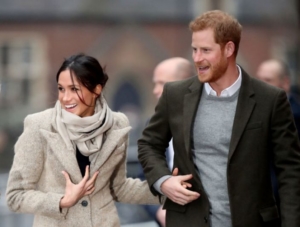
Prince Harry and Meghan Markle’s Global ActivismPrince Harry and Meghan Markle, England’s Duke and Duchess of Sussex, are frequently in the news for their stance against paparazzi and their decision to step back from the British Royal Family in early 2020. But behind the scenes, this famous couple advocates for various matters. Prince Harry and Meghan Markle’s global activism expands beyond their home countries of the United States and the United Kingdom. They are frequent vocal supporters of global poverty issues, particularly those that affect children.

Meghan Markle’s Activism Before Becoming the Duchess of Sussex

Prior to her marriage to Prince Harry in 2018, Meghan Markle was an outspoken advocate of gender equality in developing countries. She became a U.N. Women’s Advocate for Women’s Political Participation and Leadership in 2015. The following year, Markle traveled to Rwanda and India as an ambassador for World Vision. World Vision is an organization that fights global poverty in children. The experience inspired her to write an op-ed in Time magazine about the effect stigma around menstruation can have on a girl’s future.

Prince Harry and Meghan Markle’s Activism

When she married Prince Harry and became a member of the royal family, Markle stepped down from these roles. However, this does not mean she stopped being a voice for those in need. Now, Harry and Meghan’s activism has launched programs and supported charities around the globe that fight to eradicate global poverty. Additionally, they inspire fans of the royals to become advocates themselves.

Their Trips and Projects in Africa

Prince Harry and Meghan Markle, along with their young son Archie, took a 10-day tour of Africa. They visited South Africa, Botswana, Angola and Malawi in late September and early October of 2019. While there, the couple announced a variety of projects, including protecting forests, investing in technology and ridding the land of dangerous landmines. The Duchess of Sussex additionally announced grants and scholarships from the Association of Commonwealth Universities. This is an international organization that supports higher education and supports African girls in their journey to university and beyond.

During this same trip, Harry and Meghan met with members of the Campaign for Female Education (CAMFED) Association. CAMFED is a group of women advocating for girls’ education and global poverty issues throughout Africa. The royal couple used their platform to support these women. In addition, they shared their work with their 10 million Instagram followers.

Activism Work on Social Media

This was not the first time that Prince Harry and Meghan Markle’s global activism could be seen on their social media accounts. In August of 2019, the official Instagram account for the pair, @sussexroyal, began a series entitled ‘Forces for Change.’ They highlighted 15 organizations that they found inspiring or noteworthy. These organizations include Children International and Plan International United Kingdom. These two groups care and advocate for children living under the poverty line around the world. The simple act of sharing these organizations online spread awareness of the fight against global poverty. It also prompted followers of the Duke and Duchess to support these incredibly important causes.

Prince Harry and Meghan Markle’s global activism continues to inspire their followers and motivates them to take action just as the couple has done time and time again. In April of 2019, weeks before the birth of baby Archie, thousands of fans of the royal family donated to Meghan Markle’s favorite charities as a baby shower gift in what’s now known as the ‘Global Sussex Baby Shower.’ One of these charities is the aforementioned CAMFED. Additionally, this money directly supported global poverty and girls’ education initiatives in Africa.

In April of 2020, the couple announced their new non-profit: Archewell. However, the COVID-19 pandemic has stalled their plans to launch the organization. Once it launches, we can be sure that Prince Harry and Meghan Markle will continue the global activism that has defined their two years as the Duke and Duchess of Sussex.

– Daryn Lenahan
Photo: Flickr

November 5, 2020
https://borgenproject.org/wp-content/uploads/borgen-project-logo.svg 0 0 Kim Thelwell https://borgenproject.org/wp-content/uploads/borgen-project-logo.svg Kim Thelwell2020-11-05 07:30:192020-11-04 18:10:09Prince Harry and Meghan Markle’s Global Activism
Activism, Global Poverty

The Movement Against Casteism in Nepal

Casteism in Nepal
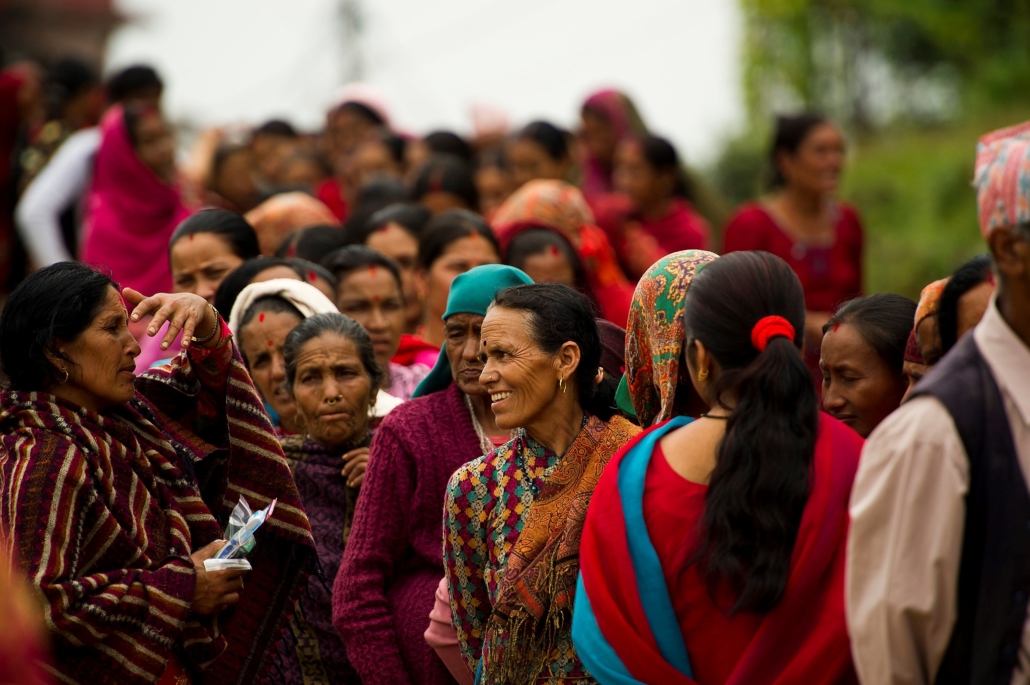
Casteism in Nepal is a centuries-old social class system. This system oppresses lower-caste communities and gives power to upper-caste, educated Nepalis. Historically, the caste system justified the subjugation of lower castes, allowing upper-caste Nepalis to use their status to gain security and power. Roughly 260 million people in South Asia are “Dalits,” or members of lower castes, and are therefore treated as ‘untouchable’ by their social superiors. Dalits in Nepal face social, economic, cultural and political marginalization and routinely fall victim to both institutional and structural discrimination. Despite legal provisions intended to eradicate caste discrimination in Nepal, hate crimes and acts of violence against the Dalit community are rampant. The discrimination and violence Dalits experience severely limit their access to equal education, employment and housing opportunities.

Inadequate Legal Protections

After the monarchy was overthrown, the Nepali constitution explicitly banned discrimination “on grounds of origin, religion, race, caste, tribe, sex, economic condition, language, region, ideology or on similar other grounds.” When the Civil Act 1963 emerged, its primary focus was to make caste-based discrimination a punishable offense. The Untouchability and Discrimination Act and the Constitution of Nepal both provide legal protections for Dalits. Yet, discrimination against marginalized communities in Nepal—particularly Dalit people—remains prevalent.

Despite the instituted legal provisions, cases of caste-based discrimination rarely make it to court, much less result in a conviction. In the rare case of a conviction, perpetrators often avoid jail and walk free after merely paying a small fine. “The discriminatory practice of excluding Dalits from all social practice is so deep-rooted that victims have not been able to speak up for their rights which has resulted in such a few numbers of cases in court,” says Durga Sob, President of the Feminist Dalit Organization.

Discrimination Exacerbated by COVID-19

Discrimination against Dalits is embedded in Nepal’s social fabric. COVID-19 and the subsequent lockdown have only exacerbated incidents of violence and prejudice. A global crisis such as the pandemic not only exposes existing structural inequalities but also deepens their effects. The lockdown has not prevented violence against Dalits from taking place; there were at least 31 documented cases of physical violence against Dalits during the lockdown period. In particular, an incident on May 23rd in Soti Village, Rukum triggered a nationwide anti-caste movement against casteism in Nepal. The movement, called “Dalit Lives Matter,” is inspired by the “Black Lives Matter” movement in the United States. That day, Nabaraj BK, Tikaram Sunar and Ganesh Budha were murdered in Rukum–a hate crime committed out of caste-based prejudice.

Especially Vulnerable Groups

As previously established, state-imposed discriminatory practices are historically embedded in Nepal’s social fabric. As a result, marginalized communities including Dalits and Indigenous Nepalis bare much of the burden from the country’s political and economic turmoil. According to the Human Development Index, Dalits are the poorest community in Nepal. Over half of Dalits live below the poverty line and 45.5% struggle to make ends meet. Not only are Dalits much poorer than their upper-caste counterparts, but they also have life expectancies and literacy rates below the national average. Dalits routinely lack access to religious sites, face heavy resistance to inter-caste marriages, use separate water sources and suffer many additional forms of discrimination.

Among the Dalit community, women face more violence and marginalization than men. Females are deprived of control over resources such as land, housing, money or education. They are also extremely vulnerable to sexual exploitation.

The centuries-long egregious treatment of the Dalit community in Nepal incited nationwide protests and the “Dalit Lives Matter” movement. To effectively put an end to the violence and oppression of casteism in Nepal, beneficiaries of that system–wealthy upper-caste Hindus in Nepal–must use their privilege to uplift and liberate the Dalit community.

– Shreeya Sharma
Photo: Flickr

October 28, 2020
https://borgenproject.org/wp-content/uploads/borgen-project-logo.svg 0 0 Kim Thelwell https://borgenproject.org/wp-content/uploads/borgen-project-logo.svg Kim Thelwell2020-10-28 07:30:232024-05-30 07:52:33The Movement Against Casteism in Nepal
Activism, COVID-19, Global Poverty, Hunger

Student Philanthropy Can Fight Global Poverty

Student Philanthropy

While strolling through a college campus, one can expect to see bake sales and advertisements for fun runs or raffles, all aimed at raising money for causes the students care about. Global poverty alleviation is one of the many worthwhile causes students often support. Campus chapters of organizations such as Amnesty International and UNICEF rank among the most popular student philanthropy groups in the country. Additionally, many non-philanthropic clubs and campus organizations, including most sororities and fraternities, involve an element of giving back, thus showing that student philanthropy can fight global poverty.

Consequences of the COVID-19 Pandemic on Student Philanthropy

With many U.S. universities making difficult decisions about how to proceed with learning in light of the coronavirus pandemic, many students’ fundraising and philanthropic efforts will have to adapt. Some colleges have decided to operate entirely online, while others are offering a mixture of online and in-person classes.

Regardless of how a university chooses to deliver classes to its students, campus life will not carry on as usual. Clubs will likely have to meet virtually, forcing those with a philanthropic focus to find new ways to conduct their service and fundraising online. This change presents a unique challenge, but a unique opportunity as well.

Student Organizations and Nonprofit Organizations

Ashlyn Stone, a psychology major at Wake Forest University, told The Borgen Project about her efforts to alleviate global poverty. In the fall of 2019, she served as vice president of service in her university’s chapter of Alpha Phi Omega. One of her responsibilities in this role was to coordinate an international hunger relief event with Rise Against Hunger. This organization aligns itself with the United Nations’ Sustainable Goal #2 of Zero Hunger, which is to end world hunger by 2030.

In 2019, Rise Against Hunger packaged more than 538 million meals, serving countries around the world. Much of its focus was on vulnerable regions like Central America, sub-Saharan Africa and Southeast Asia. The efforts of Stone and her chapter resulted in 20,000 meals delivered to Nicaragua. Stone attributed her success to implementing “larger and smaller fundraisers throughout the semester to pay for enough food to be packaged.”

Looking to the Future

Stone noted that wide-scale fundraisers like the one she organized will change if students are not on campus. She admitted, “It’s easier to plan these efforts in person. Communication will be harder. We won’t be able to have as many fundraisers. But I’m hoping there are ways that we can still raise money even if we can’t do the hands-on work.” A key component of continuing the fight against global poverty will be raising awareness and organizing fundraisers online.

In this regard, Stone expressed hope and optimism for the future of online student philanthropy: “Our generation is unique because we have the power of communication at our fingertips and we don’t have to go out of our way to make a statement. We don’t want to just sit back and watch the world change, we want to make a difference.”

– Addison Collins
Photo: Unsplash

October 27, 2020
https://borgenproject.org/wp-content/uploads/borgen-project-logo.svg 0 0 Kim Thelwell https://borgenproject.org/wp-content/uploads/borgen-project-logo.svg Kim Thelwell2020-10-27 01:30:242024-05-30 07:53:18Student Philanthropy Can Fight Global Poverty
Activism, Advocacy, Global Poverty, Women's Rights

Understanding Women’s Rights in Turkey

Women's Rights in TurkeyTurkey is located in the Mediterranean between Europe and the Middle East. Once part of the Ottoman Empire, this transcontinental country became autonomous in 1923 and is formally named the Republic of Turkey. After achieving sovereignty, the Turkish government immediately enacted legislation to ensure equality for men and women within politics and society. Despite these reforms, women’s rights in Turkey could still see improvement.
A Brief History of Women’s Rights in Turkey

Women’s rights in Turkey have come a long way since initial equality legislation in 1923. By the 1980s, women’s rights movements had gained more momentum when the Turkish government responded to protests regarding violence against women. In 1985, Turkey ratified the Convention on the Elimination of All Forms of Discrimination Against Women (CEDAW), thus giving women’s rights issues the political focus they deserve. Through the 1990s, the passage of laws to protect domestic violence survivors granted more fundamental rights to women. However, the Turkish government did not stop there in their fight for women’s rights.

In 2011, the Republic of Turkey—along with many other European countries—drafted and signed a resolution known as the Istanbul Convention to further solidify and protect women’s rights. This resolution provided strict legal action against those who committed violence towards women.  The status of women’s rights in Turkey has improved significantly since 1923, but the existence of said rights are currently at stake.

Women’s Rights Today

On August 13, 2019, Turkish President Recep Tayyip Erdoğan stated the government’s plans to withdraw from the Istanbul Convention altogether. Erdoğan explained that the convention’s resolution, “puts a dynamite on the foundation of the family” and is “not legitimate”. His decision has sparked outrage among women’s rights supporters in Turkey as this convention was a major milestone for women’s equality not only in Europe but across the world. Many have taken to the streets to protest Erdoğan’s declaration, but this has not reversed his proposal.

Turkey’s femicide rates have also increased in recent years. Femicide is known broadly as the murder of women and girls, and more specifically is the intentional killing of women simply because they are women. In 2019, 417 women were killed in domestic violence incidents and in 2020, 207 women were killed in homicides. This rise in femicide rates is attributable to both domestic violence and “honor killings”. Honor killings are when relatives or partners kill a loved one if they feel they’ve dishonored them in some way. Turkey has seen an increased rise in honor killings since 2018.

Won’t Back Down

Worldwide domestic violence against women has increased significantly amidst the COVID-19 pandemic—and Turkey is no exception. The recent femicide of 27-year-old college student Pınar Gültekin sparked outrage among women’s rights advocates in Turkey. Many have taken to the streets to call attention to rising femicide rates and domestic violence against women. Protests against President Erdoğan’s decision to withdraw from the Istanbul Convention have also reignited in the aftermath of Gültekin’s murder.

Today, activists in Turkey are continuing to support organizations and campaigns working to strengthen and protect women’s rights. There is still much work to do to ensure to protect women’s rights in Turkey.

– Sadat Tashin
Photo: Flickr

October 21, 2020
https://borgenproject.org/wp-content/uploads/borgen-project-logo.svg 0 0 Kim Thelwell https://borgenproject.org/wp-content/uploads/borgen-project-logo.svg Kim Thelwell2020-10-21 10:00:322024-05-30 07:52:28Understanding Women’s Rights in Turkey
Activism, Global Poverty, Women and Female Empowerment, Women's Rights

Highlights of Women’s Month in South Africa

Women's Month in South AfricaIn August 2020, South African women celebrated their 65th Women’s Month. The 30-day event originally celebrated for one day on August 9, 2020, commemorates the 1956 march of approximately 20,000 women who protested against the newly enacted laws. These laws required black, South Africans to carry an internal passport and they are part of the legacy of Women’s Month in South Africa.
The legislation, known as the Population Registration Act, perpetuated apartheid by controlling urbanization and maintaining population segregation. Girls and women across the country came together in Pretoria, non-violently congregating in its Union buildings for 30 minutes of silent protest. They also brought a petition against the law, which included 100,000 signatures. This powerful display of strength and unity continues to inspire South African women. Here are a few highlights from this year’s Women’s Month in South Africa.

“This is Gold” Awareness Campaign

Several South African gold producers, including AngloGold Ashanti and Sibanye-Stillwater, used Women’s Month to pivot attention to the key role women play in the mining industry. Specifically, they called for an end to gender-based violence and sexism. The lockdowns caused by the spread of COVID-19 have increased violence against women, an issue already prevalent in South Africa. For instance, sexual assault increased by 10% in 2019 alone and national femicide rates ranked five times the world’s average.

The gold-mining companies sought to help alleviate these issues by appointing more women to higher job positions. Also by demanding accountability from male leadership in their treatment of women and establishing a Women in Mining forum. This forum’s purpose would be to encourage interested women to join the industry. Lastly, these companies called on their stakeholders to use their funds to take action against gender-based violence by reporting these incidents.

Girls Skate South Africa

The organization Girls Skate South Africa hosted an event in Johannesburg, one of the nation’s largest cities. More than 30 girls attended, engaging in activities such as skating and skateboarding at Tighy Park. Because skating is typically considered a masculine sport, Girls Skate South Africa aimed to acknowledge skating’s growing popularity among girls. In this way, they aim to break gender norms by organizing a girls’ skating day during Women’s Month.

Nubian Music Festival

Bonang Matheba, a premier South African television personality, partnered with the Nubian Music Festival to host a virtual concert for Women’s Month. Hosted by Matheba, the event featured a group of talented female performers in the country, including jazz singer Judith Sephuma and singer Lady Zamar. The show was broadcasted live from Sun City — a city within Matheba’s home province — and fans could stream it online. Mpho Mathope, the founder of the Nubian Music Festival, praised the event for promoting social unity to a broad audience during the COVID-19 pandemic.

All-Female Shakespeare Festival

James Ncgobo, the artistic director of the famous Market Theatre in Johannesburg, enacted an all-female theater event. He noted that COVID-19 did not stifle theater, but simply adjusted it. He chose to highlight speeches by Shakespeare originally meant for male actors but called upon women to perform them. The 44-year-old theater, with more than 300 awards, is famous for producing work that centralizes African voices. This recent production was dubbed “Chilling with the Bard,” and is available on YouTube.

In 1956, thousands of South African women rallied against an unjust law, armed with staggering amounts of signatures and sheer will. Decades later, women in the nation continue to channel their strength, talent and resilience to honor Women’s Month in South Africa and the legacy of generations past.

– Faven Woldetatyos
Photo: Wikimedia

October 20, 2020
https://borgenproject.org/wp-content/uploads/borgen-project-logo.svg 0 0 Kim Thelwell https://borgenproject.org/wp-content/uploads/borgen-project-logo.svg Kim Thelwell2020-10-20 08:43:422020-10-20 08:43:42Highlights of Women’s Month in South Africa
Activism, Global Poverty

10 Celebrities Who Assisted After the Beirut Explosion

beirut explosionOn Aug. 4th, 2020, an ammonium nitrate explosion occurred at the port in Beirut, Lebanon. This disaster killed more than 180 people, injured over 5,000 and displaced more than 250,000 people. The Beirut explosion also led to more than $10 billion  in damage in the surrounding areas. After the deadly Beirut explosion, countless celebrities shared tributes. Many also donated or directed their followers to donate to various relief efforts. Here are 10 celebrities who helped Beirut after the August explosion.

10 Celebrities Who Helped After the Beirut Explosion

  1. George and Amal Clooney: The power couple donated $100,000 to three charities helping with relief efforts. These included the Lebanese Red Cross, Impact Lebanon and Baytna Baytak. The latter organization aimed to provide relief to Lebanese people in the wake of the COVID-19 pandemic. However, after the explosion, the group became more focused on finding shelter for people made homeless or dislocated. In an online statement referencing this organization, the Clooneys said, “We’re both deeply concerned for the people of Beirut and the devastation they’ve faced in the last few days. We will be donating to these charities $100,000 and hope that others will help in any way they can.”
  2. Madonna: The pop singer and two of her children, David Banda and Mercy James, hosted an art sale and donated the proceeds to Impact Lebanon. The organization works with the Lebanese Red Cross to provide aid to victims affected by the blast. Madonna and her family made tie-dye shirts and paintings to raise money, which the singer posted on Instagram.
  3. Rihanna: The singer and businesswoman took to Twitter to persuade her followers to donate to four charities helping with relief in the aftermath of the Beirut explosion. These included Impact Lebanon, Save The Children, the Sadalsuud Foundation and Preemptive Love. Save The Children helps children and families displaced and injured by the disaster. Rihanna’s support for the Sadalsuud Foundation will help it foster community strength and growth through education and baking. Finally, Preemptive Love is a peacemaking and peacebuilding coalition designed to bring an end to violence and war and affect people affected by disasters.
  4. Bella Hadid: The model, whose father is from Lebanon, donated to 13 charities in the aftermath of the Beirut explosion. These included the Lebanese Red Cross, Offre Joie, Impact Lebanon, Bank To School, Arc En Ciel, Bassma, Sesobel and Nusaned. Previously, Hadid has donated to Save The Children, Preemptive Love, UNICEF, International Medical Corps and the Lebanese Food Bank. She also directed her Instagram followers to donate, urging them toward local charities to help pinpoint community needs. Lastly, Hadid has vowed to continue donating.
  5. The Weeknd: The singer donated $300,000 to Global Aid for Lebanon, which supports the World Food Programme, the Lebanese Red Cross and the Children’s Cancer Centre Lebanon. The Weeknd’s donation comes after his manager, Wassim Slaiby, and Slaiby’s wife, Rima Fakih, led efforts for donations. On Instagram, Slaiby thanked The Weeknd for his donation. She also thanked Live Nation, including CEO Michael Rapino, for donating $50,000 to relief efforts.
  6. Rima Fahik and Wassim “Sal” Slaiby: The former Miss USA and her business manager husband, both from Lebanon, launched a campaign with Global Citizen to help in the aftermath of the Beirut Explosion. The fund supports Red Cross Lebanon, the United Nations World Food Programme and the Children’s Cancer Center of Lebanon. The couple kicked off the initiative by donating $250,000.
  7. Russell Crowe: The actor donated $5,000 to the destroyed restaurant Le Chef, which had resided in the Gemmayze neighborhood of Beirut since 1967. On his Twitter page, Crowe said he donated to this restaurant in honor of his late friend, Anthony Bordain. While Bordain was filming his show “No Reservations” in 2006, he visited the restaurant.
  8. Jose Andres: The World Central Kitchen founder and celebrity chef mobilized a team in Beirut and partnered with chef Kamal Mouzawak. Together, they gave out over 800 sandwiches and meals to healthcare workers, first responders and elderly citizens. The organization states that its efforts provided thousands of additional meals to those in need in Beirut. Lastly, it hoped to give people what they needed to stimulate the local economy once again.
  9. Mia Khalifa: The media personality, sports commentator and former adult actress auctioned the trademark glasses that she wore in her adult films to support Lebanon after the explosion. She donated all proceeds to the Lebanese Red Cross. The bidding ended on Aug. 16, with the top bid at $100,000.
  10. Harry Styles: The former One Direction member donated to Impact Lebanon, directing his Twitter followers to do the same. He then tweeted out a link through the crowdfunding site JustGiving. Style’s fundraising effort has so far raised close to $8.1 million for people impacted by the disaster.

While the damage and casualties in Beirut were extensive, celebrities and figures from around the world came together to help after the Beirut explosion. Moreover, many of these celebrities are helping Beirut continue to come together for not only economic but also personal reasons.

– Bryan Boggiano
Photo: Wikimedia Commons

October 9, 2020
https://borgenproject.org/wp-content/uploads/borgen-project-logo.svg 0 0 Kim Thelwell https://borgenproject.org/wp-content/uploads/borgen-project-logo.svg Kim Thelwell2020-10-09 09:34:272020-10-09 09:34:2710 Celebrities Who Assisted After the Beirut Explosion
Activism, Global Poverty

Gap Year Programs Fighting Poverty in Ecuador

gap year programs fighting poverty in ecuador
Roughly the size of Colorado, Ecuador is a South American country rich in cultural and ethnic diversity. However, poverty in Ecuador is rampant, with more than 21% of Ecuadorians living below the poverty line. Poverty also disproportionately affects Indigenous populations, who have less access to resources like clean water and health care. Fortunately, many gap year programs fighting poverty in Ecuador let students get involved in the cause while allowing them to experience Ecuadorian culture. Here are three gap year programs fighting poverty in Ecuador:

3 Gap Year Programs Fighting Poverty in Ecuador

  1. YanaPuma Foundation: The first of these gap year programs fighting poverty in Ecuador is the YanaPuma Foundation, an NGO that began in 2006. Its main initiative is promoting Ecuador’s community development by focusing on six principles. These principles include sustainability, social justice, respect, freedom, transparency and professionalism. With YanaPuma, students can get involved in various initiatives, ranging from teaching English in the Andes to building natural infrastructure for the Shuar ethnic group in the Amazon. Another of YanaPuma’s ongoing projects is the “Edible Forest Restoration” project. This project aims to provide crops that provide economic and nutritional advantages to the Indigenous population of Tsa’chila. To further this initiative in 2019, the organization planted 2,500 saplings.
  2. United Planet: United Planet aims to create an interconnected global community by providing people the opportunity to immerse themselves in new cultures. Through its programs, participants work with children to enrich their education by tutoring them and teaching them English. Additionally, volunteers work with impoverished children in Ecuador to support human rights developmental programs that help disadvantaged, disabled and orphaned children. In light of the COVID-19 pandemic, the organization has expanded its program to include the option to virtually volunteer in Ecuador.
  3. CIS Abroad: CIS Abroad provides students the opportunity to study abroad in many countries. Like United Planet, it aims to promote global awareness and help people become international citizens while bridging the gap between cultures. CIS Abroad currently has eight gap year programs fighting poverty in Ecuador. These programs allow students to serve in various ways, from teaching at-risk Ecuadorian children to creating a service project in a local Ecuadorian community in need. This program is a unique opportunity because it connects participants to local organizations already working to have specific impacts on the community.

Firsthand Experience

Jeffery Fishman is a rising sophomore at the University of Pennsylvania. Fishman took a gap year to live in Ecuador for eight months and help with poverty alleviation efforts there.

In an interview with The Borgen Project Fishman said that “While living in the Imbabura Province of Northern Ecuador as a Global Citizen Year fellow, I worked at Fundación Arupo, an Ibarra-based therapy center for children with special needs. Fundación Arupo is a unique therapy center in that it provides physical, speech, occupational, psychological and psycho-pedagogical therapy all in one location. In the mornings, I worked to organize monthly events for students in local school districts to teach them about special needs and to encourage an inclusive learning environment. In the afternoons, I helped out the therapists during therapy sessions with the children. Additionally, I lived with an Indigenous host family who introduced me to the Kichwa culture.”

Fishman explains that while living in San Vincent, an agrarian society, he saw poverty firsthand. He said that “Most community members were agrarian workers, who lived off the day-to-day income they earned through selling their crops at markets. As a result, salaries in the community were often unstable and variable depending on the season and product demand. Even so, the community was very tight-knit and was able to band together to help each other out when they fell upon hard times. In terms of infrastructure, the community faced frequent water shortages that could last anywhere from a few hours to a few days.”

Poverty Alleviation and Cultural Immersion

While Fishman engaged in much rewarding anti-poverty work, he was also able to experience Ecuadorian culture. “My favorite Ecuadorian food was llapingachos, which are these fried potato pancakes cooked in achiote and are super crispy and delicious,” he said. “I loved conversations with my host family, where we shared aspects of our lives. Our nights together were filled with laughter and smiles until our cheeks were sore, and no matter how my day was going, I knew dinner would always cheer me up!”

Fishman’s experience, along with these three gap year programs fighting poverty in Ecuador, highlights the enriching experience of volunteering abroad. Not only can students who take a gap year immerse themselves in a new culture, but they can also actively work to help fight poverty in Ecuador and elsewhere around the globe.

– Kira Lucas
Photo: Flickr

October 7, 2020
https://borgenproject.org/wp-content/uploads/borgen-project-logo.svg 0 0 Kim Thelwell https://borgenproject.org/wp-content/uploads/borgen-project-logo.svg Kim Thelwell2020-10-07 01:31:482022-04-20 13:20:06Gap Year Programs Fighting Poverty in Ecuador
Page 4 of 56«‹23456›»

Get Smarter

  • Global Poverty 101
  • Global Poverty… The Good News
  • Global Poverty & U.S. Jobs
  • Global Poverty and National Security
  • Innovative Solutions to Poverty
  • Global Poverty & Aid FAQ’s
Search Search

Take Action

  • Call Congress
  • Email Congress
  • Donate
  • 30 Ways to Help
  • Volunteer Ops
  • Internships
  • Courses & Certificates
  • The Podcast
Borgen Project

“The Borgen Project is an incredible nonprofit organization that is addressing poverty and hunger and working towards ending them.”

-The Huffington Post

Inside The Borgen Project

  • Contact
  • About
  • Financials
  • President
  • Board of Directors
  • Board of Advisors

International Links

  • UK Email Parliament
  • UK Donate
  • Canada Email Parliament

Get Smarter

  • Global Poverty 101
  • Global Poverty… The Good News
  • Global Poverty & U.S. Jobs
  • Global Poverty and National Security
  • Innovative Solutions to Poverty
  • Global Poverty & Aid FAQ’s

Ways to Help

  • Call Congress
  • Email Congress
  • Donate
  • 30 Ways to Help
  • Volunteer Ops
  • Internships
  • Courses & Certificates
  • The Podcast
Scroll to top Scroll to top Scroll to top