• Link to X
  • Link to Facebook
  • Link to Instagram
  • Link to TikTok
  • Link to Youtube
  • About
    • About Us
      • President
      • Board of Directors
      • Board of Advisors
      • Financials
      • Our Methodology
      • Success Tracker
      • Contact
  • Act Now
    • 30 Ways to Help
      • Email Congress
      • Call Congress
      • Volunteer
      • Courses & Certificates
      • Be a Donor
    • Internships
      • In-Office Internships
      • Remote Internships
    • Legislation
      • Politics 101
  • The Blog
  • The Podcast
  • Magazine
  • Donate
  • Click to open the search input field Click to open the search input field Search
  • Menu Menu

Archive for category: Activism

Information and stories on social activism.

Activism, Advocacy, Education, Global Poverty, Volunteer

3 Ways to Volunteer Abroad

There are many different ways to make an impact in the fight against global poverty. Volunteering abroad is one option that offers numerous ways to help.
Volunteer abroad programs offer a variety of opportunities to help global communities. Whether you are interested in teaching children, building schools or helping communities establish cleaner water supplies, there is most likely a program to fit your needs.

Cross-Cultural Solutions

“Cross-Cultural Solutions is a nonprofit working to address critical global issues by providing meaningful volunteer service to communities abroad, and contributing responsibly to local economies.” Cross-Cultural Solutions is a volunteer abroad organization that seeks to do just what its name implies: find cross-cultural ways to combat poverty.

The organization only sends volunteers to locations with established relationships between themselves and local organizations and communities, so when you arrive to volunteer, you’re working with people who are invested in improving their community. In each Cross-Cultural Solutions location, volunteers are housed at a home base that provides them with three meals a day, which is what the majority of the program fee goes to.

Volunteer programs can range from a week to three months, so volunteers have a lot of options even if they’re in school or have a full-time job. Additionally, volunteers have the option to take excursions on the weekends during longer trips, or volunteer in multiple destinations in a row, making travel a part of the program as well!

Global Volunteers

Known as the origin of “the volunteer vacation,” Global Volunteers focuses on short-term volunteer abroad programs, making them a perfect fit for students or anyone who cannot commit to a long period abroad.

Global Volunteers works to “engage short-term volunteers on long-term projects” in countries in Asia, Europe, Africa, North and South America. As volunteers only stay for a short period of time, they are working with existing projects, or projects that will continue long after they leave.

An additional focus of the program is that volunteers “work at the invitation and under the direction of local community partners, and one-on-one with local people.” They only do what they are asked to do and work with and under the direction of local people to find out what’s best from the community from the people who understand it best.

WorldTeach

As its name suggests, WorldTeach focuses on sending teachers to foreign countries as they “partner with governments and other organizations in developing countries to provide volunteer teachers to meet local needs and promote responsible citizenship.”

Because the program sends volunteers out to teach, its programs tend to run longer than Cross-Cultural Solutions or Global Volunteers. Full-year programs are available in a wealth of countries around the globe such as Chile, Colombia, Guyana, the Marshall Islands and Thailand, just to name a few.

Similarly, shorter summer programs exist where volunteers can travel to countries like Poland, Nepal and South Africa. For volunteers who prefer to spend a semester teaching abroad, there are programs in Ecuador and Namibia. Before applying, WorldTeach requires applicants choose their country and departure date, unlike some other programs.

Volunteers receive support throughout the duration of their work, and have an alumni network that they can access at the conclusion of their program.
Additionally, volunteers have the opportunity to receive his or her teaching English as a foreign language (TEFL) certification through professional development and a $350 fee.

The funds for WorldTeach programs come directly from the organization, the volunteer and the chosen country’s host institution. As such, costs for different programs vary, with some requiring a higher monetary commitment, and a few countries paying in full for volunteer teachers.

No matter which program you choose, there are a few things to keep in mind when seeking to volunteer abroad.

Volunteers are working with a community. That means helping local organizations and communities while being humble about your place there and working to understand the new culture in which you’ve immersed yourself.

Volunteering is about helping people, and even though you will find fulfillment and gain valuable experience, the focus is always on working with your chosen community.

Once you find a program that you are passionate about and that works responsibly with organizations within the community, you’re all set to start your volunteer abroad experience!

– Cameron Barney

Sources: WorldTeach, Global Volunteers, Cross-Cultural Solutions
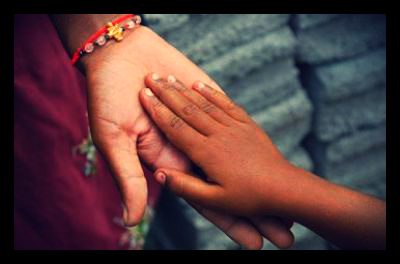
Photo: The Interpreter
April 12, 2014
https://borgenproject.org/wp-content/uploads/borgen-project-logo.svg 0 0 Borgen Project https://borgenproject.org/wp-content/uploads/borgen-project-logo.svg Borgen Project2014-04-12 13:49:302024-12-13 17:53:513 Ways to Volunteer Abroad
Activism, Global Poverty

How to Form a Successful Social Movement

Social_Movements
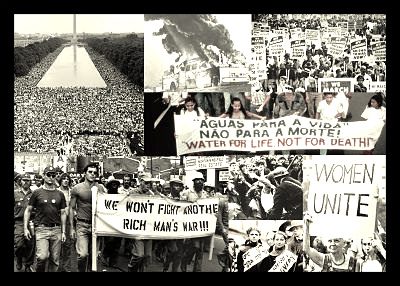
Social change does not happen over night, nor does it happen without a mobilized mission and steadfast support. From civil rights and women’s suffrage to anti-apartheid and Occupy Wall Street, each social movement represents a cause founded upon principles of freedom and equality. However, while these initiatives share many common ideas and aims, no two movements are alike. Every social movement experiences varying degrees of success and failure. So what distinguished successful social action from the unsuccessful efforts?

Movement Action Plan (MAP)

According to American journalist and social change activist Bill Moyer social movements take time and years of planning. While this may seem like an obvious observation, many movements are all too quickly deemed ineffective before given the chance to flourish. Just because a movement does not reach its long-term goals during the first outbreak of social opposition does not mean the movement as a whole has failed. In fact, highly successful action builds momentum over time and continues to do so even after social objectives are met. In the 1970s, Moyer developed the MAP based on his analysis of numerous successful social movements. From these case studies, Moyer established eight distinct stages that help activists create effective tactics and strategies in hopes of building successful initiatives.

8 Steps to Success

1. Identify a social problem
2. Demonstrate institutional failures
3. Prepare nonviolent grassroots
4. Educate the public
5. Acknowledge opposition
6. Dedicate to long-term goals
7. Recognize success
8. Retain success

On the other hand, there are many noble causes with passionate supporters that simply lack the political organization and focus to get off the ground and make a serious impact on popular opinion. A CNN article, ‘Why Some Movements Work and Others Wilt,’ highlights some of the common errors of failed social initiatives, such as the Occupy Wall Street movement.

4 Things to Avoid

1. Do not be deceived by spontaneity
2. Do not just take it to the streets
3. Do not underestimate silent suffering
4. Do not fight the Man; work with him

The article sheds light on common misconceptions and stereotypes placed on social movements. Not all action has to be radical, aggressive, and impulsive. On the contrary, successful initiatives tend to be slow, deliberate, and subtle. “Successful movements just don’t take it to the streets. They elect candidates, pass laws, set up institutions to raise money, train people and produce leaders.” Likewise, rarely is there one event that sparks outright revolution, but rather, the “steady build up” of social discontent and degradation eventually leads to action.

Equally important to the success of a social movement is its leaders’ ability to work with, not against, governmental institutions. The political and economic support of influential elites provides legitimization for many social causes. “A movement, though, can’t appeal to the altruism of elites to get their support. Elites help movements when they feel their own interests are threatened.”

The Borgen Project finds much success in mitigating global poverty due, in great part, to its determined collaboration with United States congressional leaders. Not only does the campaign emphasize all the ways alleviating global poverty works in the best interest of the U.S., but The Borgen Project also uses legislation to support effective policies in order to combat global poverty.

The successes are numerous, as the campaign continues to improve the lives of people all over the world. “Over the past 20 years, the number of the world’s chronically undernourished has been reduced by 50 percent.” The mission is by no means complete, but in order to retain success, The Borgen Project continues to educate and advocate in the fight against global injustices.

– Gloria Kostadinova

Sources: CNN, The Borgen Project
Photo: Occupy

April 11, 2014
https://borgenproject.org/wp-content/uploads/borgen-project-logo.svg 0 0 Borgen Project https://borgenproject.org/wp-content/uploads/borgen-project-logo.svg Borgen Project2014-04-11 10:14:092015-01-28 10:20:23How to Form a Successful Social Movement
Activism, Development, Gender Equality, Global Poverty, Water

Coca Cola Leading the Way for Sustainability

Coca-Cola has continued to be a responsible citizen in the global community through empowering women around the world along with aspiring to conserve the world’s natural resources. Coca-Cola has pushed for better agriculture over the past few years along with providing better agricultural principles and clean water for Africa.

Coca-Cola believes that women are the key to economic growth and reducing global poverty. In fact, The Food and Agriculture Organization (FAO) estimates that if women and girls have just as much access as men and boys do to agricultural resources like farming this could increase production by 20 to 30 percent. This could tremendously aid in farm production in developing countries.

In addition, Coca-Cola South Africa has teamed up with UN women to ensure growth in women entrepreneurship. Women in South Africa are receive training in areas of business and marketing to help prepare them for the current job market. In turn, many of these women will be opening small retail stores selling Coca-Cola products and with the help of Hand in Hand, the partner in the program, estimates predict to have over 25,000 South Africa women running their own businesses by 2015. This is not only expanding Coca-Cola, but the overall business in South Africa.

All the same, Coca-Cola is making use of new technology for their products and services to invest in these developing countries’ futures by creating new business models which can improve the lives of millions and reduce global poverty. Nevertheless, Coca-Cola strives to improve the quality of life for low-income families by providing opportunities which were among the least in these areas, while conserving the environment.

Coca-Cola demonstrates the qualities of a caring citizen for the world with the development of Ekocenters, which provide basic human needs such as clean water, vaccines, food and electricity in developing countries. The developing nation’s biggest issue is the need for basic human necessities in order to continue to develop and reduce global poverty. Therefore, these technological advancements can aid as well, by providing the necessary tools to move beyond poverty.

Coca-Cola is aiming to give back by creating a goal for the year 2020 to improve the company’s water-use efficiency. Also, Coca-Cola has created programs to help get water back to the communities through watershed efforts like the Coca-Cola Africa Foundation’s Replenish Africa Initiative and helping to bring safer water to communities around the globe. Accordingly, the Replenish Africa Initiative works by improving access to water and sanitation. This then promotes better hygiene and the reduction of illness and disease. In turn, this helps the community at large by improving health, the environment and helping to promote sustainable water for the environment.

Coca-Cola is transforming communities by empowering women and investing in the future of these small businesses. This will in turn bring more opportunities to the development of the community, along with improving the environment by conserving natural resources that are valuable to all countries, and bringing basic human needs to these areas’ doorsteps.

– Rachel Cannon 

Sources: Coca Cola, Harvard Kennedy School
Photo: Flickr

April 11, 2014
https://borgenproject.org/wp-content/uploads/borgen-project-logo.svg 0 0 Borgen Project https://borgenproject.org/wp-content/uploads/borgen-project-logo.svg Borgen Project2014-04-11 04:00:442024-05-26 23:26:03Coca Cola Leading the Way for Sustainability
Activism, Global Poverty

Walking for Aid

Some people contribute to the world through travel or volunteer work; some work from their homes, spreading awareness and advocating for people half a world away. Others prefer to write checks and still others…walk!

Women and children in developing countries walk an average of four miles per day to collect water, while the average weight a woman carries on her head is approximately 44 pounds. Additionally, the average African family uses five gallons of water per day while the average American family uses 300 gallons of water per day.

In commemoration of this, New York Pace students, faculty and staff carried buckets of water one mile across their Pleasantville campus on April 20, 2013. Funds went toward projects to supply clean water to communities like Isanjandugu in Tanzania.

In a dedicated attempt to spend a day in the childhood shoes of Ishmael Beah, students of the East Aurora High School arranged a 38-mile walk from the east side of Aurora to Soldier Field in Chicago on March 26, 2014. The 60-plus students had been taking a ‘Survivor Literature’ class in which they’d read Beah’s book, “A Long Way Gone: Memoirs of a Boy Soldier.” The class’s excursion raised $7,500 which they spent on having the adult Beah come talk to them.

Those who are interested in walking for aid but do not want to organize a walk themselves are encouraged to join a pre-existing one:

Walk to Africa had its sixth annual eight-mile walk on May 17, 2013. The organization raises money to send doctors, volunteers, medicine as well as supplies for hospitals and schools to various countries in Africa.

A partnership between Sure Foundation Ministry and Walk for Water Africa arrange walks whose funds are used to provide rural African villages with clean water. Their group works directly with locals, teaching them how to repair and maintain their existing wells to provide the most water for the cheapest cost.

Funds from Canada-based Run to End Poverty go directly to Engineers Without Borders. Participants work in teams that spread awareness, gather funds and race in a relay.

Race to End World Hunger was first started in 1977 by a group of runners who decided they could use their love of fitness to benefit the larger world. World Runners’ purpose is “to advance life-long fitness of its members while making a difference in the world.” Money raised from events goes to sponsor the education of women and girls in Africa, Pakistan and Afghanistan as well as micro-finance in the developing world.

However you choose to contribute to the world, whether it is by spreading a message or finding a way to share the things you love, there is always a way to benefit the world at large.

– Lydia Caswell

Sources: Walk to Africa, Walk for Water Africa, R2EP, World Runners, Daily Herald, Pace, Walk in a Bucket
Photo: Lighthouse Medical Missions

April 10, 2014
https://borgenproject.org/wp-content/uploads/borgen-project-logo.svg 0 0 Borgen Project https://borgenproject.org/wp-content/uploads/borgen-project-logo.svg Borgen Project2014-04-10 10:16:512024-06-05 01:57:22Walking for Aid
Activism, Global Poverty

Exo Housing Units: Disaster Housing of the Future

exo_housing_unit
In the aftermath of Hurricane Katrina, hundreds of thousands of people and families were displaced. They were sheltered in football stadiums while the Federal Emergency Management Agency worked to respond to the disaster. Families were separated, shelter was inadequate and the infamous trailers that the government delivered as temporary housing were ineffective. While Hurricane Katrina was handled particularly poorly, this kind of scenario is typical of disaster relief. A coffee cup may have changed all that.

Inspired by a Coffee Cup

Michael McDaniel, founder and CEO of Reaction Housing, was disturbed by the way that disaster relief for Hurricane Katrina was handled. He wanted to find a new, better way to house refugees after disasters, and an upside-down coffee cup gave him the idea of where to start.

The Exo Housing Unit is a simple structure consisting of two parts, an upper domed shell and a lower flooring unit. The two pieces snap together, just like a disposable coffee cup and its lid.

Stats of the Exo

At 80 square feet, Exo Housing Units sleep four adults, are climate controlled, have digital door locks and beds included and cost an astounding $5,000.

For comparison, each unit costs a quarter of the price of a traditional trailer, the likes of which were used following Hurricane Katrina and a third of the price of a modified shipping container.

Also, unlike traditional trailers, Exo’s can be used repeatedly, or recycled to make material for new units.

The Exo is strong and light with the bottom shell made up of birch and steel, and the upper composed of Tegris, a durable aircraft-grade aluminum composite material.

Altogether, each unit weighs about 400 pounds, meaning that four adults can easily set them up without any power tools in under five minutes.

Additionally, the Exo’s design makes it stackable, meaning that it can be easily transported in bulk, making more units accessible to disaster sites more quickly.

The Human Element

One of the most traumatizing consequences of a natural disaster is being separated from family and friends. The design of the Exo allows for units to be placed in any kind of configuration, even attaching in a straight line for larger families and neighborhood units.

The software included in the Exo makes them far safer than traditional disaster housing as well. Their digital locks provide protection from the outside, and the units are remotely monitored for temperature, making fire detection and prevention far more feasible.

The units are also wired for electricity, giving people the ability to keep electronics charged, keeping them in touch with family and friends outside the disaster zone.

Bringing Exo to the World

So far, Reaction Housing has raised around $1.5 million from donations and investors. This amount is enough to generate a core team and start up a manufacturing and supply chain. With prototypes already being manufactured, the next step is to raise the money for production. In fact, Reaction’s goal is to have those funds raised in a year at the latest. Demand is already coming in for Exo Housing Units, and rather than ignoring the people who need assistance now, Reaction plans to send out a number of prototypes.

The company has set up an Indiegogo campaign and has already exceeded its $50,000 goal. The campaign will remain open to donations until April 3, before the prototypes will be sent out on their test trials.

While there are still hurdles to jump, with proper funding, the Exo may be a huge part of disaster relief in the near future.

– Cameron Barney

Sources: Reaction Housing, Vimeo, Fast Company, CNN Money, Indiegogo
Photo: Gizmag

April 7, 2014
https://borgenproject.org/wp-content/uploads/borgen-project-logo.svg 0 0 Borgen Project https://borgenproject.org/wp-content/uploads/borgen-project-logo.svg Borgen Project2014-04-07 13:32:012024-06-05 01:57:20Exo Housing Units: Disaster Housing of the Future
Activism, Global Poverty

5 Must-Reads for Young Humanitarians

humanitarian_must-reads
The best way to lean about humanitarian work is to participate in it. But for those who are still getting their feet wet or are unsure where they fit in, the following books are must-reads to offer inspiration and possibly get your blood burning enough to climb on board whole-heartedly.

Half the Sky: Turning Oppression into Opportunity for Women Worldwide
By Nicholas D. Kristof & Sheryl WuDunn

Written by Pulitzer Prize-winning husband-and-wife journalists Nicholas D. Kristof and Sheryl WuDunn, the book follows its authors’ belief that individual stories are more powerful for calling people to action than statistics. The book is set up in two parts, where the first half is a series of essays recounting Kristof and WuDunn’s research regarding the oppression of women in (mostly) the developing countries of the world, and the second is a call for action – complete with steps to be taken and records of what is already being done.

Humanitarian Alert: NGO Information and Its Impact on US Foreign Policy
By Abby Stoddard

Stoddard writes a convincing account of how NGOs, even those unfunded in the country of action, have the power to effect local state policy. Her book compares the negative and positive aspects of NGOs, sifting through to determine an estimation of usefulness. Humanitarian Alert promises “[a]n array of sources, from embassy telegrams to interviews with state and non-state actors, creat[ing] a compelling picture of how narratives and numbers in humanitarian crises help or hinder response.”

Enough: Why the World’s Poorest Starve in an Age of Plenty
By Roger Thurow & Scott Kilman

Written by two former Wall Street Journal reporters, Enough asks how it can be that there are people starving when we possess the tools and technology to feed everyone. With research and personal accounts from all over the world this book will make you rethink everything you thought you knew about how people are fed in the world today.

An Imperfect Offering
By James Orbinski

The memoir of the man who has become one of the world’s foremost humanitarian doctors, the book recounts the suffering and dispassion left unchallenged in the world today and carries Orbinski’s belief in “the good we can be if we so choose.” The Observer writes, “A lesser man could have capitulated. Not so Orbinski, for whom, one feels, celebrity of any kind is far less interesting than the central question with which he struggles in this compelling book: ‘How are we to be in relation to the suffering of others?’”

In the Eyes of Others: How People in Crises Perceive Humanitarian Aid
By Caroline Abu-Sada

The misconceptions about aid held by those who benefit from it can be baffling. By divulging many of these false beliefs, Abu-Sada alerts humanitarian aid groups from all over the world to improve the way they promote themselves to those they are trying to help. The misconceptions of those in crisis and the developing world can greatly hinder the work for groups such as Doctors Without Borders and Médecins Sans Frontières (MSF), but In the Eyes of Others Abu-Sada explains how best to avoid common confusion and promote the true purpose of an organization in ways that will be positively received by foreign communities.

Whether any one of these listed books suggests your true calling, they each have a lot to teach us about how foreign policy and aid are received by, and influence, those they are meant to help.

-Lydia Caswell

Sources: Farming First, Amazon, The Guardian
Photo: Innovation Story

April 7, 2014
https://borgenproject.org/wp-content/uploads/borgen-project-logo.svg 0 0 Borgen Project https://borgenproject.org/wp-content/uploads/borgen-project-logo.svg Borgen Project2014-04-07 13:29:472024-06-05 01:57:205 Must-Reads for Young Humanitarians
Activism, Nonprofit Organizations and NGOs

Consumer Companies Get Creative with Charity

Many consumer companies create social responsibility programs to stand out and make themselves sustainable, creative or innovative. However, when consumer products give back to the community, are consumers more likely to buy them?

1. Puma’s Clever World

Bring Me Back Program

If you have clothes or shoes that you don’t want anymore, Puma will take them, even if they are by another brand. Used or unwanted items are sorted and graded according to more than 400 criteria. Items are either re-worn as is, up-cycled for industrial use or recycled into raw materials for new products.

Films 4 Peace

Films4Peace is a short film commission by Puma featuring contemporary artists’ takes on peace. The works are screened and discussed at educational events globally and online. The short films do not contain any dialogue, thus removing any language barriers and making them widely accessible. Films4Peace celebrates World Peace Day, an international United National day of ceasefire where individuals and organizations can demonstrate acts of peace. World Peace Day takes place September 21 each year. The films are released to the public domain and are free from screening fees, making them a free gift to the world.

2. Honest Company

Baby2Baby

More than 60 members of the Honest Company family joined together with Baby2Baby on March 16 to donate 200 new cribs and more than 108,000 diapers to Los Angeles families in need. For every crib sold on Honest.com, the company promises to donate one crib to a family in need. The Los Angeles donation was the first delivery of cribs as part of that promise.

3. Burt’s Bees

The Greater Good Foundation

In 2007, Burt’s Bees established The Greater Good Foundation, a 501(c)(3) nonprofit that empowers grassroots initiatives, particularly in the areas of protecting honeybees, supporting sustainable agriculture and supporting the local community. Since its inception, the foundation has donated $233,000 to 23 nonprofit organizations. Through the foundation, Burt’s Bees pledges to donate at least 10% of all web site revenues to its selected well-being partners, including Habitat for Humanity and the Triangle Land Conservancy.

More than 60% of consumers around the world prefer to buy products from companies that have programs to give back to society. 62% would also prefer to work for these companies and 59% would rather invest in companies that make a positive difference in the world.

– Haley Sklut

Sources: Puma, The Honest Co., Burt’s Bees, Nielsen
Photo: Baby2Baby

March 28, 2014
https://borgenproject.org/wp-content/uploads/borgen-project-logo.svg 0 0 Borgen Project https://borgenproject.org/wp-content/uploads/borgen-project-logo.svg Borgen Project2014-03-28 04:00:362024-06-05 01:57:19Consumer Companies Get Creative with Charity
Activism, Children, Global Poverty

How Talia Leman and RandomKid Inspire Change

After Hurricane Katrina hit in 2005, then 10-year-old Talia Leman decided that she needed to do something to help. This desire to aid those in need led to the birth of RandomKid, a nonprofit organization that has made a difference in the lives of millions.

Leman was living in a small town in Iowa and was shocked by the media coverage of the hurricane’s disastrous effects. She began reaching out to the country’s youths in hopes of getting them to fundraise for the survivors of the hurricane. She started a movement encouraging other children to decide to collect donations towards a relief fund on Halloween, rather than collecting candy. Leman called the project Trick or Treat for the Levee Catastrophe (TLC) and created a website.

The project gained media attention, with Leman and her younger brother Zander being invited to appear on The Today Show, resulting in children across the country participating in fundraising efforts. After that, Leman explains that, “kids were reporting their totals in this TLC website and we’d call and verify the amount and the effort. Along the way, kids didn’t all trick-or-treat; kids also wanted to sell their 4H sheep or they wanted to wash cars and do others things as well.”

All of these efforts resulted in a huge number of young people raising money and ultimately reported $10 million worth of relief funds for Hurricane Katrina.


The Birth of RandomKid


When Leman saw how successful her efforts to inspire other children and young people were, she decided to co-found RandomKid, a nonprofit organization whose goal is mobilize efforts among these groups to bring about change.

Since then, RandomKid has been able to rally together about 12 million young people from 20 different countries to help people around the world. These efforts have resulted in the building of schools in Cambodia and play centers in Iowa as well as providing for water pumps in Africa and medical care, all working towards the overall goal of creating a more peaceful world.

As CEO and a founder of RandomKid, Leman has been an inspiration to young people around the world. She was appointed as UNICEF’s National Youth Ambassador and has been awarded nationally and internationally for her work. Leman has won the National Jefferson Award for global change, with the co-recipients of this award being Marlo Thomas and Ruth Bader Ginsburg. Back in 2008, she also received a World of Children Founder’s Youth Award.

RandomKid’s tagline is “The Power of ANYone,” which Leman credits to the organization belief in the “power of the in-, individual because it’s those small efforts along the way that lead to the biggest outcome.”

Today, RandomKid partners with other nonprofit organizations and services, with Leman running the organization with help from volunteers and her family and friends. Her mother Dana now serves as the Executive Vice President and has said in regard to RandomKid that, “There is nothing more fulfilling than helping a child to help another.”

Only 18 years old now, Leman has a long future of humanitarian efforts and projects ahead of her. When asked what she loves the most about RandomKid, Leman has said, “The moment when the random youth who come to us realize that we are here to work FOR them.”

Through projects like Leman’s, we can see that together, young people can fight a lot of the world’s issues, including poor conditions and global poverty.

– Julie Guacci

Sources: RandomKidE, The Story Exchange, Huffington Post, World of Children, Forbes
Photo: The Women’s Eye

March 24, 2014
https://borgenproject.org/wp-content/uploads/borgen-project-logo.svg 0 0 Borgen Project https://borgenproject.org/wp-content/uploads/borgen-project-logo.svg Borgen Project2014-03-24 04:00:392024-05-26 23:21:05How Talia Leman and RandomKid Inspire Change
Activism, Technology

Pedal Power: Maya Pedal’s Bike Powered Water Pump

The groups parted ways officially in 2004 so that Maya Pedal could be an independent local organization. Now, Maya Pedal “works with a number of local groups, working to implement community-based projects using pedal technology.”

Maya Pedal takes donated bikes from the United States and Canada and refurbishes them to sell locally. However, their main claim to fame is their bicimanquinas, or “pedal powered machines,” which are composed using locally available materials.

These bicimanquinas have several benefits:  since they do not require electricity, they can be used practically anywhere, even in places where electricity is not accessible. Additionally, unlike most human-powered machines, they are pedal powered rather than hand powered, requiring far less effort.

While Maya Pedal is based in Guatemala, they have composed and provided fact sheets and step by step instructions on their website so that the machines can be used worldwide. Their designs for bike-powered water pumps have been used as far away as Malawi, providing sustainable access to water that anyone can use.

Maya Pedal has designed both a stationary and smaller mobile form of bicycle-powered water pumps. The stationary version is able to access water from wells and boreholes up to 30 meters deep, 18 meters deeper than electric pumps and is capable of pumping water at 5-10 gallons per minute making it useful for communities or homes.

While the mobile version is less powerful, only capable of accessing water up to 5 meters below the pump, it is designed with the added capability of moving the water after it has been pumped, making it ideal for watering and irrigating crops, or moving water from tank to an elevated area.

The pumps utilize locally accessible materials, many of which are recycled including old bike tires, construction rebar and electric water pumps with broken motors. In addition to providing sustainable, electricity-free access to water, the pumps repurpose materials that would often be thrown away, saving money and resources.

Additionally, the simple construction of the water pumps makes them accessible to anyone, and can be modified to suit the specific needs of a situation in a way that the more expensive standardized electric pumps cannot.

Maya Pedal’s bicimanquinas, especially their water pumps, are revolutionary, offering sustainable machines that anyone can build and use. In places where water and electricity are not readily accessible, these pedal-powered water pumps offer a crucial link for communities to survive and thrive.

– Cameron Barney

Sources: PEDAL, Maya Pedal, The Permaculture Research Institute, Maya Pedal (2), Maya Pedal (3), Worldwide Cycling Atlas
Photo: World Cycling Atlas

March 21, 2014
https://borgenproject.org/wp-content/uploads/borgen-project-logo.svg 0 0 Borgen Project https://borgenproject.org/wp-content/uploads/borgen-project-logo.svg Borgen Project2014-03-21 19:01:322024-12-13 17:50:11Pedal Power: Maya Pedal’s Bike Powered Water Pump
Activism, Advocacy, Global Poverty, Women and Female Empowerment

5 Things to Know about Sughar

At the age of 25, Khalida Brohi has already made a difference in improving women’s rights. In 2009, she founded a nonprofit organization called Sughar, dedicated to empowering women, giving them opportunities to become future leaders and ending honor killings. Here are a few things to know about Brohi and this organization:

1. It grew out of tragedy

When Brohi was 16 and living in Pakistan, she witnessed an honor killing; more specifically, that of her friend who had decided to marry someone she loved rather than choosing someone her family had approved.

Brohi has said, “In a society where I live, life for a girl is a continued struggle, especially for a girl who chooses to do something ‘different’ – she has to fight the hardest and often has to pay a heavy price.” Brohi decided to stand up against the custom of honor killings in Pakistan and instead promote the honoring and empowerment of women.

2. Its best-known program is the Sughar Women Program

Based out of Balochistan and Sindh in Pakistan, Sughar makes it its mission to created Women Learning and Skill Development Centers in rural communities in the country. Each center teaches a six-month course to tribal and rural women to improve their skills. These women are given access to a basic education, which includes developing literary skills, learning about enterprise development and promoting awareness.

The ultimate goal to enable these women to become better decision-makers, larger contributors to their households and live more successful lives. The women also practice traditional embroidery as part of their Rural Fashion Brand and are marketed across Pakistan. Additionally, every course offers a minimum loan to each woman after she has graduated to both promote entrepreneurship and a decrease in violence.

3. It also works to strengthen women’s land rights and food security in Pakistan

In Pakistan, tribal women especially suffer from a lack of ownership rights, as many are not permitted to own anything in their homes, let alone rights to property. Sughar works to change this societal and cultural norm by encouraging these women to change the way they think about themselves.

Furthermore, Sughar works with the local communities in Pakistan as well as the government and media to allow women to purchase land and act on their ownership rights. These women are also given training on farming innovations, which could have an impact on improving the standard of living.

4.The organization also works to raise awareness on climate change

Sughar’s relationships with local communities extend to its work to educate men and women about climate change. Women are becoming increasingly effected by climate change because they are being forced to deal with extreme weather changes. They also provide information for them about how to cope with the growing number of natural disasters and how women living in rural communities should react.

5. The word “Sughar” is translated to mean skilled and confident woman

Brohi has said, “The future woman is Sughar (skilled and confident) who knows where she is stepping to and what she wants from life. She is aware that in the past there have been women fighting for the rights she is enjoying currently and therefore she would be grateful and willing to contribute to the betterment of society.”

The label “Sughar” is rarely used in Pakistan, but Brohi’s organization believes that every woman is worthy of such coveted recognition.

– Julie Guacci

Sources: Women in the World, Ashoka India, Sughar, The Daily Beast, Forbes
Photo: Sonya Rehman

March 18, 2014
https://borgenproject.org/wp-content/uploads/borgen-project-logo.svg 0 0 Borgen Project https://borgenproject.org/wp-content/uploads/borgen-project-logo.svg Borgen Project2014-03-18 04:00:302024-05-26 23:18:465 Things to Know about Sughar
Page 40 of 56«‹3839404142›»

Get Smarter

  • Global Poverty 101
  • Global Poverty… The Good News
  • Global Poverty & U.S. Jobs
  • Global Poverty and National Security
  • Innovative Solutions to Poverty
  • Global Poverty & Aid FAQ’s
Search Search

Take Action

  • Call Congress
  • Email Congress
  • Donate
  • 30 Ways to Help
  • Volunteer Ops
  • Internships
  • Courses & Certificates
  • The Podcast
Borgen Project

“The Borgen Project is an incredible nonprofit organization that is addressing poverty and hunger and working towards ending them.”

-The Huffington Post

Inside The Borgen Project

  • Contact
  • About
  • Financials
  • President
  • Board of Directors
  • Board of Advisors

International Links

  • UK Email Parliament
  • UK Donate
  • Canada Email Parliament

Get Smarter

  • Global Poverty 101
  • Global Poverty… The Good News
  • Global Poverty & U.S. Jobs
  • Global Poverty and National Security
  • Innovative Solutions to Poverty
  • Global Poverty & Aid FAQ’s

Ways to Help

  • Call Congress
  • Email Congress
  • Donate
  • 30 Ways to Help
  • Volunteer Ops
  • Internships
  • Courses & Certificates
  • The Podcast
Scroll to top Scroll to top Scroll to top