• Link to X
  • Link to Facebook
  • Link to Instagram
  • Link to TikTok
  • Link to Youtube
  • About
    • About Us
      • President
      • Board of Directors
      • Board of Advisors
      • Financials
      • Our Methodology
      • Success Tracker
      • Contact
  • Act Now
    • 30 Ways to Help
      • Email Congress
      • Call Congress
      • Volunteer
      • Courses & Certificates
      • Be a Donor
    • Internships
      • In-Office Internships
      • Remote Internships
    • Legislation
      • Politics 101
  • The Blog
  • The Podcast
  • Magazine
  • Donate
  • Click to open the search input field Click to open the search input field Search
  • Menu Menu

Archive for category: Sanitation

Global Poverty, Sanitation, Water Crisis, Water Sanitation

Drinkwell Systems: Purifying Drinking Water for Water-Scarce Communities

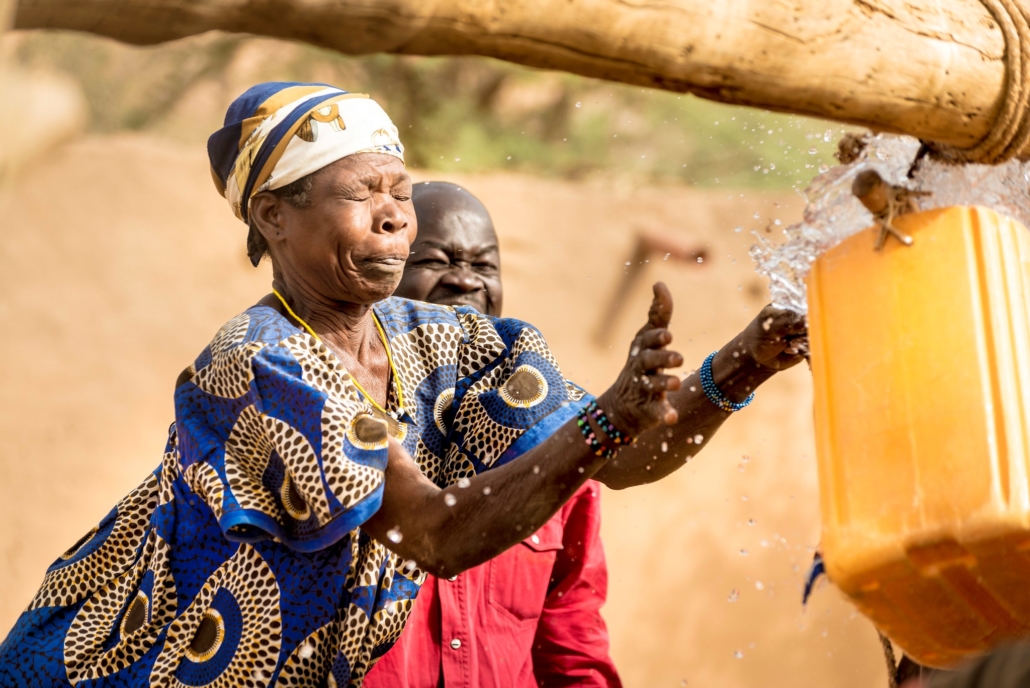
Drinkwell Systems, Purifying Drinking Water for Water-Scarce CommunitiesDrinkwell is an innovative technology platform that won the first Imagine H20 Urban Water Challenge. The objective of the technology company Drinkwell systems is to provide critical clean water infrastructure in a way that is both environmentally and socially sustainable. Drinkwell systems not only purify and supply clean water for underserved communities but also provide jobs in the communities in which Drinkwell installs the water ATMs.

How Does Drinkwell Work

Drinkwell is a system that is able to purify water at an impressive rate with a lower waste rate than reverse osmosis. The Drinkwell system purifies water by using the patented HIX-Nano technology, which only wastes 1% of the water put into the system in comparison to 40-60% of input water. The company operates in three stages. These stages consist of design, build and operation and maintenance.

In the design phase, the company tests raw water samples and uses its cloud-based database to paint a clearer picture of where water quality is the poorest and access to drinking water is the lowest. During the building phase, the Dhaka Water Supply and Sewerage Authority builds sheds while Drinkwell makes and installs the ATM and treatment system. Finally, in the operation and maintenance phase, the local water authorities maintain the systems through the usage of mobile applications. Through these applications, the water authorities are able to report issues that may arise in their systems while keeping an eye on finances.

Drinkwell’s Current Initiatives

Currently, the company focuses on serving communities in Bangladesh and India. Bangladesh is currently facing a water and sanitation crisis. In a nation with 165 million people, 5 million citizens do not have a reliable source of safe drinking water. The great waterways, such as the Ganges, Meghna and Brahmaputra rivers, all begin within the borders of other countries.

Bangladesh is left with only 7% of the land that makes up these large watersheds, which leaves the nation’s people with very little control over how much water they can access from these sources. Paired with rising salinity levels in the water and arsenic contamination in the groundwater, Bangladesh’s residents are suffering from a severe lack of access to clean water.

In India, less than 50% of the 1.353 billion population faces water insecurity. Similar to Bangladesh, India’s water is often contaminated by chemicals like fluoride and arsenic. This contaminated water is found in nearly 1.96 million households. In addition to concerns surrounding contaminated drinking water, India also struggles with a quickly declining groundwater source. This is in part due to increased drilling over the last few decades. In a region with a high number of people who do not have access to safe water, assistance from Drinkwell is critical to helping people gain access to these essential services.

Looking Ahead

After winning the H20 Urban Water Challenge, the company partnered with the Chittagong Water Supply and Sewerage Authority. This partnership led to the implementation of four water ATMs in Bangladesh. With these water ATMs, Drinkwell’s systems could provide clean drinking water to 5,100 people. Drinkwell systems currently has plans to install an additional 96 water filtration systems and ATMs in Bangladesh’s second-largest city in 2020 and 2021. In total, the company has rolled out water ATMs in more than 230 locations across India and Bangladesh. In addition to providing people with access to clean drinking water, Drinkwell is responsible for the creation of 340 jobs for locals.

In a relatively short span of time, Drinkwell systems can serve up to 2,000 households in water insecure areas of India and Bangladesh while creating jobs for people living in these water-scarce areas. Advancements in water supply technology such as Drinkwell are an important step in solving water insecurity worldwide.

– Maddi Miller
Photo: Flickr
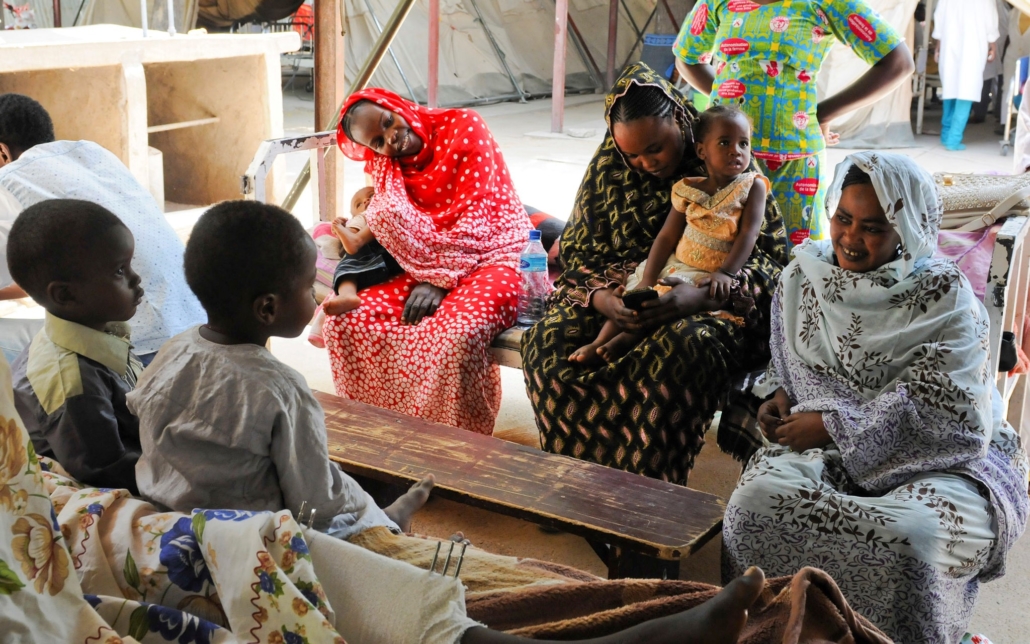
December 14, 2020
https://borgenproject.org/wp-content/uploads/borgen-project-logo.svg 0 0 Kim Thelwell https://borgenproject.org/wp-content/uploads/borgen-project-logo.svg Kim Thelwell2020-12-14 07:30:442022-04-06 03:46:57Drinkwell Systems: Purifying Drinking Water for Water-Scarce Communities
Disease, Global Poverty, Sanitation, Water

The Carter Center and Guinea Worm Disease

Guinea Worm Disease
“[I want the] last guinea worm to die before I do.” Jimmy Carter may soon get his wish. The former President of the United States has spent the last 30+ years on a number of humanitarian missions through his namesake nonprofit—The Carter Center—but people may undoubtedly see one particular mission as ranking among its magna opera. That mission is to eradicate Guinea worm disease (GWD), and frankly, those worms are unpleasant at best.

What is Guinea Worm Disease?

GWD is a parasitic infection in which extremely small worms enter the human body through contaminated water, leading to crippling, painful blisters about a year later when the matured female worm emerges. It has been infecting people since ancient times, and in the mid-1980s, an estimated 3.5 million cases existed across at least 20 countries, including 17 in Africa. In 2019, however, there were only 54 cases in humans.

Success in Reducing GWD

This is thanks largely to the efforts of The Carter Center, in partnership with the World Health Organization (WHO) and UNICEF. This partnership has been leading the charge against the disease both in introducing preventative measures in hotspots on the ground in Africa and by raising awareness in the developed world since 1986. Since no vaccine or other modern treatment exists for Guinea worm disease, The Carter Center’s strategies most often include working with health ministries and community-based volunteer groups in order to stop the spread of GWD and bring attention to it via health education.

The attention is important because of the rapid ability of the disease to spread. One missed case can lead to 80+ new infections over one year and delay a country’s ability to control the disease for just as long. This is partly why the WHO has strict criteria when assessing the disease in a given area.

When Can One Consider a Country Free of GWD?

A country must have zero new cases for at least three years for it to receive a declaration of being free of GWD. Despite the rigorous criteria, some countries continue to encounter problems confronting the disease. Chad, for example, has reported almost 2,000 infections in dogs in 2019—a testament to the disease’s stealth and endurance over the years.

In fact, “years” may be an understatement—GWD has emerged in Medieval Middle Eastern and Ancient Egyptian texts under a variety of labels, with some Egyptian mummies even showing evidence of the worm’s presence in their remains. The Old Testament even refers to it as a ‘fiery serpent’ (citing the on-fire feeling when the creature emerges through the skin).

The Correlation Between GWD and Sanitation

In more recent years, the disease received highlight in the early ‘80s as an international threat to clean water—which is where the fight to eliminate the disease originated. Even today, GWD exists primarily in countries—notably Chad and Ethiopia—that consistently rank among the poorest in the world (and are thus most lacking in access to clean water).

The Carter Center has sought to combat this shortfall as well, specifically by introducing a straw-like pipe filter that allows people in affected countries to drink from any water source without fear of contamination.

The eradication of the disease would mean the end of widespread, debilitating illness across several predominantly African nations. Although the fight has gone on for decades, the organizations working to eliminate it now say that the end is in sight. Even Jimmy Carter made his wish—that GWD would go before him—as he was battling cancer a few years ago.

Now, the eradication of all diseases of this sort will be the target of the U.S.’s End Neglected Tropical Diseases Act, which entered into law earlier in 2020. The goal of the act is to facilitate and coordinate an effective, research-based international effort to end neglected tropical diseases, such as GWD, with special emphasis on impoverished nations.

If the world meets international goals, GWD would become the second human disease (behind smallpox) and the first parasitic disease to experience eradication. It would also be the first disease to disappear without the use of a vaccine or medicine.

– Bardia Memar
Photo: Flickr

November 27, 2020
https://borgenproject.org/wp-content/uploads/borgen-project-logo.svg 0 0 Jennifer Philipp https://borgenproject.org/wp-content/uploads/borgen-project-logo.svg Jennifer Philipp2020-11-27 20:21:492024-05-30 07:55:45The Carter Center and Guinea Worm Disease
Global Poverty, Sanitation, Water Sanitation

Save the Children Tackles Sanitation in Mali

Sanitation in Mali
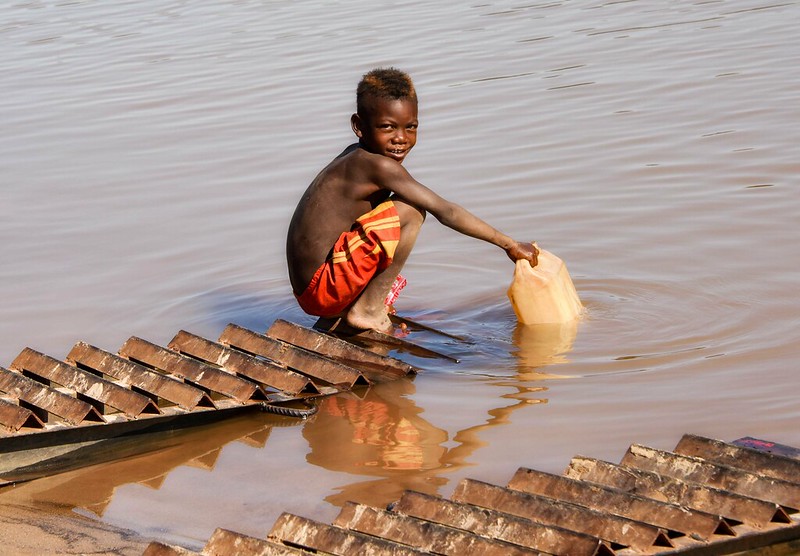
Access to proper sanitation and clean water is a relatively simple yet incredibly important part of protecting public health. For developing nations like Mali, it can be hard to come by. In rural areas, only 30% of people have access to clean water. This puts them at risk for diarrhea, which is responsible for one out of every nine child deaths in the world. Further, most schools do not have proper toilets for their students, and about half lack a clean water source altogether. People must undergo steps to provide safe water and improve sanitation in Mali. Luckily, some organizations, like Save the Children, are attempting to help.

Save the Children

The Save the Children Fund has been supporting kids around the world since 1919. It works to improve communities in many sectors, including healthcare, education, community development and more. Save the Children first arrived in Mali in 1987 and has been on the ground defending the country’s most vulnerable ever since.

Waterborne diseases pose a great threat to children in developing countries. One of the best ways to tackle this crisis is through proper water, sanitation and hygiene (WASH) products and services. Accordingly, Save the Children has made this a center of attention in its work through the Clean Household Approach (CHA) program. The CHA program emphasizes the importance of WASH products and services and is working to reduce the risk of childhood diarrhea and sanitation in Mali.

Previous programs often looked at the issue from a communal perspective. Public resources became the focus rather than looking at what people could accomplish in each individual household. “People care for and maintain personal belongings better than communal property,” Save the Children reported. With this in mind, the CHA program directs efforts at the household level and not at the community level. Instead of providing sanitation equipment at a communal well where people draw water from, the program is making change directly in the homes where people consume the water.

The Clean Household Approach Program (CHA)

The CHA program differs from other programs with similar goals because it does not simply offer financial aid, it also uses a market-based approach. Save the Children recognizes that household sanitation commodities are not something that people tend to prioritize. Families put food and shelter above the often expensive equipment necessary to secure clean water. To circumvent this, Save the Children is making household sanitation commodities both accessible and desirable.

The CHA program provides vouchers that subsidize the cost of WASH products and services. The program typically provides vouchers after a household member attends a meeting on proper handwashing or a visit to a physician. It also uses a variety of incentives to encourage families to invest in WASH products and services. For example, a home can meet “Clean Household” status by satisfying certain criteria pertaining to proper sanitation practices. They then receive the award of a flag to note their success.

The CHA program also uses marketing strategies and social norms to try to emphasize the importance of WASH products and services. Additionally, Save the Children provides training and collaborates with local business owners to ensure that a supply of WASH products and services is always available.

WASH products and services work. The risk of diarrheal infections falls 47% with proper handwashing, 17% with better water quality and 36% with better sanitation. Through projects like the CHA program, Save the Children has been able to keep over 1 million children healthy and nourished in Mali. It continues to change lives around the world and has shown no signs of slowing down in its support for sanitation in Mali.

– Evan Driscoll
Photo: Flickr

November 4, 2020
https://borgenproject.org/wp-content/uploads/borgen-project-logo.svg 0 0 Kim Thelwell https://borgenproject.org/wp-content/uploads/borgen-project-logo.svg Kim Thelwell2020-11-04 16:28:512020-11-04 16:28:51Save the Children Tackles Sanitation in Mali
Global Poverty, Poverty Eradication, Sanitation

Innovations in Poverty Eradication in Hungary

Poverty Eradication in Hungary
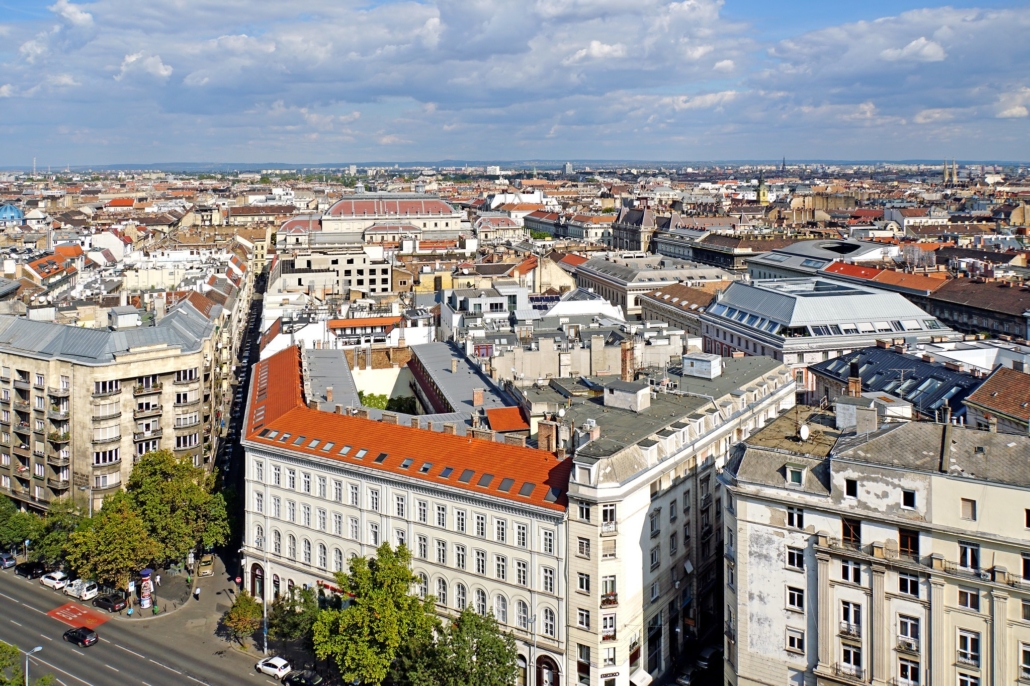
Hungary, a country located in central Europe, has a population of roughly 10 million people.  According to Eurostat’s 2016 report, a quarter or exactly 26.3% of Hungarians were at risk of poverty. This translates to about 2.5 million people at risk of poverty in Hungary. In 2008, when the financial crisis created higher poverty and unemployment worldwide, poverty in Hungary was at 28.2%. Upon comparing 2016 figures to those of 2008, trends are improving. Here is some information about poverty eradication in Hungary.

Hungary’s Mandate to Eradicate Poverty

The European Union (E.U.) has created an agenda, the Europe 2020 strategy, marking poverty eradication within the E.U. as one of its key targets. Meanwhile, in September 2015, Hungary adopted the 2030 Agenda for Sustainable Development. The agenda, adopted by all United Nations (U.N.) member states, is committed to eradicating poverty and creating a path towards a sustainable future by 2013 globally.

Yet, Hungary has a plan of its own. Presenting its Voluntary National Review (VNR) at the U.N. High Level Political Forum on Sustainable Development in 2018, Hungary showed its stake in the process of moving forward to achieve sustainable development. The country places a large emphasis on its most vulnerable population—those in poverty.  The basis of poverty eradication in Hungary follows that all should have equal access to natural resources, knowledge, information, market and affordable loans, for instance.

Access to Clean Water and Sanitation

Hungary holds a specific emphasis on the human rights aspects as well as a holistic approach to sustainable development. The country looks to create universal access to clean water and sanitation. In effect, Hungary has proposed the issue of water and sanitation as a standalone goal within its VNR. In fact, Hungary’s tap water is of the highest quality according to European standards, in which water quality parameters reach above adequacy in excess of 95%. This means that Hungary’s tap water is safe to drink.

According to Hungary’s policies, the nation plans to put the correct price on water, allocating water and water-related funding more efficiently. This will occur all the while maintaining water-efficient technologies and practices, implementing Europe’s water-saving culture and improving knowledge and data collection regarding water scarcity and drought risk management.

Public Participation

In order to achieve success within Hungary’s implementation of the Sustainable Development Goals (SDGs), the country is targeting public participation. It intends to establish this through stakeholders and local action.

Measures include planning within the national and local-level scale, investing in and implementing social inclusion campaigns and implementing what works after understanding what does not. Additionally, the intention is to not only identify communities’ needs but address them as well.

According to the 2014-2020 financial framework of European Structural and Investment Funds (ESIF), Hungary looks at three dimensions of social inclusion. The first is measuring inclusive growth for enhanced development impact, which looks at methods that monitor development outcomes and better target social investments. The second looks at enabling inclusive growth in the nation, discussing the ample support local planning and implementation will provide on the national level. The third dimension examines the people behind the numbers, which is a handbook implementing local equal opportunity programs, offering practical guidance and tools that empower local stakeholders, a part of local Equal Opportunity Programs, to effectively mold the local social inclusion landscape.

Child Poverty in Hungary and the Family Housing Allowance Program (CSOK)

Hungary’s child poverty rate has risen from 7% to 17% between 2007 and 2012. Children born into poverty in Hungary are often the most disadvantaged. In 2015, Hungary’s government announced a new major policy, the Family Housing Allowance Program (CSOK), which would effectively give families generous subsidies to buy or build new homes. Subsidies increase based on marital status and the number of children families have. However, the country’s tax benefit favors married families with children. Since the policy’s start, Hungary has increased its fertility rate, partly due to tax preferences, cash grants, loan subsidies, constitutional protections and expensive political signaling.

 Poverty eradication in Hungary can occur through the country’s plan of working together through the cooperation of science, economy, government and civil society. Because of Hungary’s focus on eradicating poverty, the country’s poverty level is below the E.U. average.

– Danielle Lindenbaum
Photo: Flickr

November 3, 2020
https://borgenproject.org/wp-content/uploads/borgen-project-logo.svg 0 0 Jennifer Philipp https://borgenproject.org/wp-content/uploads/borgen-project-logo.svg Jennifer Philipp2020-11-03 13:55:192020-11-03 13:55:19Innovations in Poverty Eradication in Hungary
Global Poverty, Homeless, Homelessness, Sanitation

Struggles Obtaining Convenient Access to Showers

Access to Showers
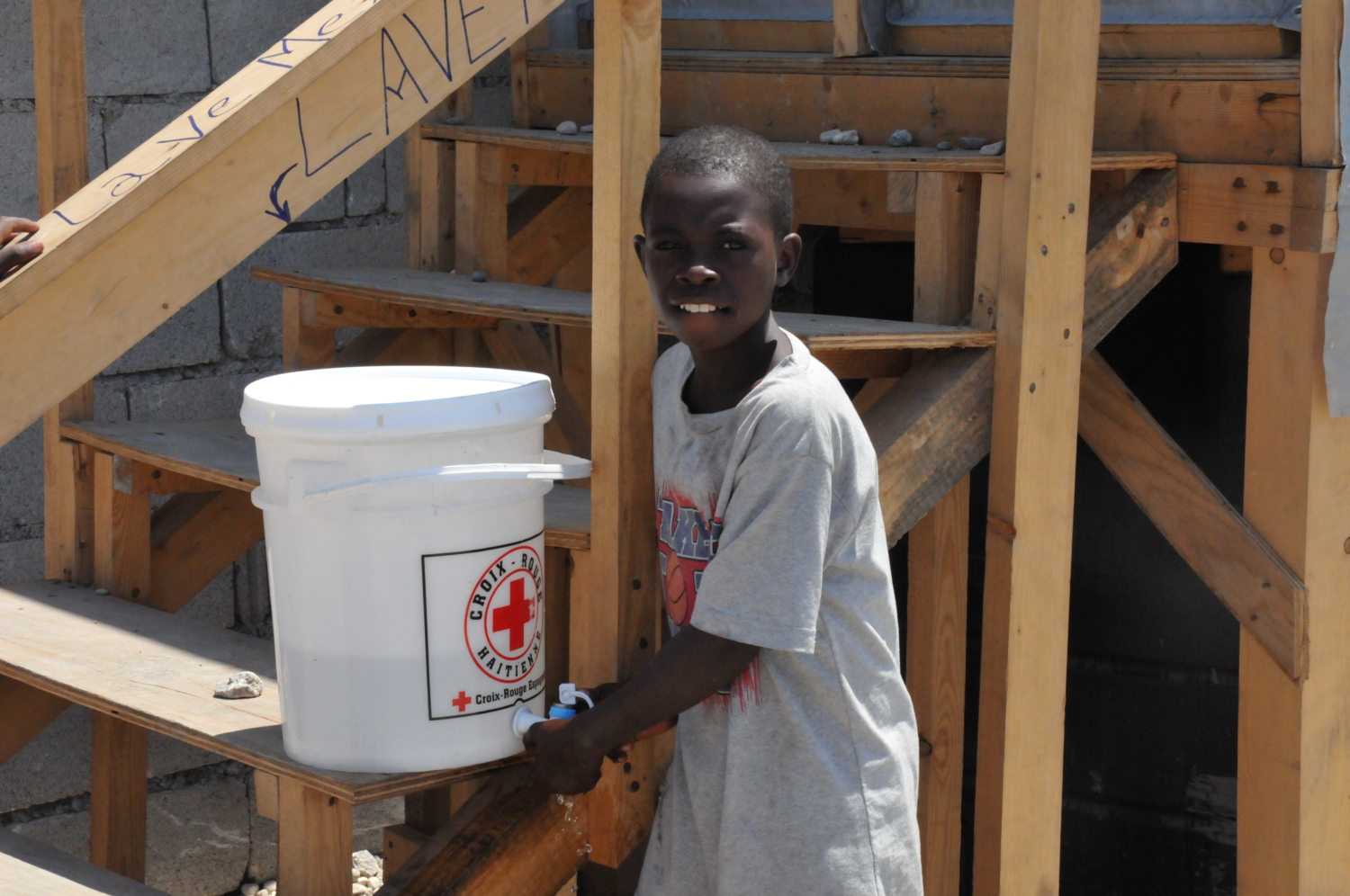
Many people consider showering to be a basic human right – and the United Nations General Assembly certainly agrees. In 2010, the assembly classified The Human Right to Water and Sanitation as a human right. Yet not everyone has equal access to showers and sanitation; individuals who are part of marginalized groups, such as the homeless, often have limited access to showers. Ensuring that all individuals have access to forms of sanitation such as showering is essential to creating a more equal society.

The Importance of Showers

According to a 2017 study in the International Journal of Environmental Research and Public Health, access to sanitation methods such as showering is necessary for good health and hygiene. Individuals who do not have access to showers and thus shower only occasionally are at risk for diseases and infections such as ectoparasite infestations like lice. A study of homeless populations in Europe who took infrequent showers showed that they had a higher risk of developing these infestations, which included scabies, fleas and head lice. In Mexico, a homeless man named Fernando told El Universal that he had not “had a proper shower in 14 years,” saying that he and other homeless individuals near Puente Negro only had access to the unclean, pungent waters of the Tijuana canal in which to bathe themselves.

Though many homeless individuals adamantly seek out showers and other forms of maintaining hygiene, individuals who sleep outdoors or participate in substance use are at greater risk of being unable to regularly access showers and sanitation. In Boston, Massachusetts, homeless individuals who were able to shower regularly usually gained access to showers through a family member’s or friend’s home (20% reported this) or a day shelter (another 20% reported this). Yet those who do not have family or friends whom they can turn to or those who sleep on the streets may have a more difficult time gaining access to showers.

Mobile Showers: A Growing Industry

In June 2014, a nonprofit organization called Lava Mae emerged. Lava Mae founder Doniece Sandoval created mobile showers and toilets for the homeless population of San Francisco out of a retired bus, saying that if food could be delivered through mobile means, “why not showers…?” Since then, Lava Mae has built a “worldwide support network,” and 163 global communities have formed 190 mobile hygiene programs after receiving training and inspiration from Lava Mae.

By 2020, Lava Mae has provided 32,000 homeless people in California with 78,000 showers. Those who receive mobile showers receive shampoo, a towel, soap and socks – and they maintain privacy in a shower stall. Lava Mae has even created a hygiene toolkit that anyone can download if they wish to start their own mobile hygiene service in a community.

Iglesia Ancla (Anchor Church)

Other organizations are providing the homeless with mobile showers as well. In Tijuana, Mexico, a church called Iglesia Ancla (Anchor Church) started a mobile shower service in August 2018 to help homeless individuals have access to showers. Members of the church took an old cargo van and renovated it to contain three bathrooms with a shower, mirror, toilet and sink. This van travels to areas where homeless populations concentrate two times a week and provides them with shampoo, soap, a towel and a change of clothes.

Puente Negro Mexico News Daily reported that one homeless man in Puente Negro experienced shock at hearing that he would be able to take a shower through the church’s mobile shower program, saying that he might be able to “get a job” and that he almost fainted in the heat.

Orange Sky Laundry

Similarly, another organization, Orange Sky Laundry, is working in Australia and New Zealand to give mobile showers to the homeless. With a setup of 21 vans in Australia, the organization, founded in 2014 by Nic Marchesi and Lucas Patchett, is currently managing 15-20 loads of washing and showers daily. About 116,000 Australians are homeless, and in Auckland, New Zealand, where the vans have set up, about 1,000 people sleep outside – a factor that, as mentioned previously, limits people from access to showers and increases the risk of infection.

Next, Orange Sky Laundry plans to expand its operation. Orange Sky Laundry plans to expand its organization to serve the homeless in the U.S., the U.K. and Greece. Marchesi and Pratchett, who have already powered through several hurdles – including broken laundry machines – to successfully deliver mobile showers, hope that their “homeless friends (can) transition back into being connected into the community again.”

Concluding Notes

These mobile shower organizations are imperative in helping the homeless, particularly those who live and sleep on the streets. Increased access to showers links to lower rates of infectious diseases – and helping the homeless around the world is necessary for achieving a greater form of equality. Many homeless individuals, including military veterans, use mobile laundry services such as Lava Mae to shower on a regular basis. Staying clean on the streets is not always possible or easy, as one veteran, Silas Borden, mentioned in Reader’s Digest. Therefore, these mobile laundry services can bring benefits to many communities around the world.

– Ayesha Asad
Photo: Flickr

October 24, 2020
https://borgenproject.org/wp-content/uploads/borgen-project-logo.svg 0 0 Kim Thelwell https://borgenproject.org/wp-content/uploads/borgen-project-logo.svg Kim Thelwell2020-10-24 14:20:412020-12-24 14:20:53Struggles Obtaining Convenient Access to Showers
COVID-19, Global Poverty, Sanitation, Water Crisis, Water Sanitation

5 Organizations Shoring Up Sanitation During COVID-19

sanitation during covid-19COVID-19, the disease caused by the coronavirus, is often spread through airborne droplets released by breathing or talking and by touching infected surfaces. Good hygiene is therefore an initial line of defense in preventing viral infection. However, hand washing requires access to clean water and effective sanitation. While COVID-19 has changed the way people think about hygiene, the lack of access many people in developing countries have to sanitation during COVID-19 remains the same.
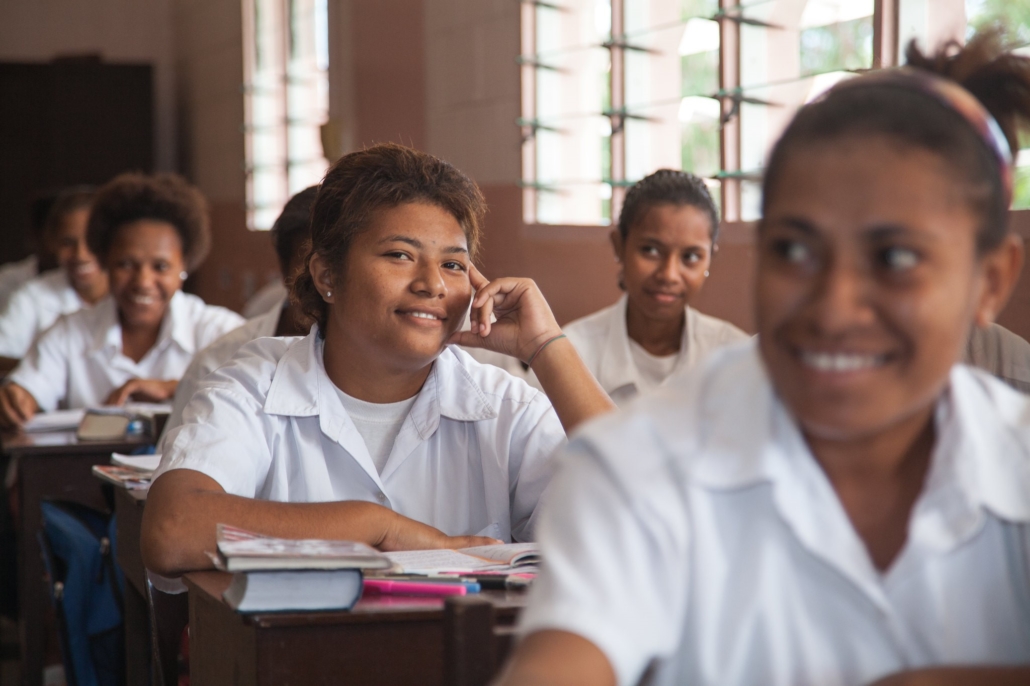
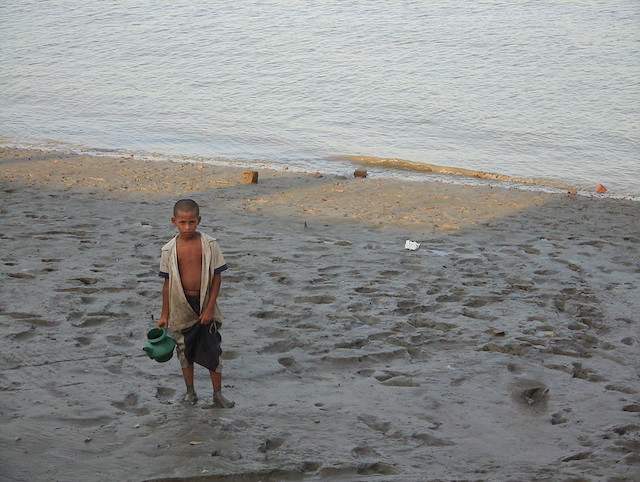
Water Crises and Sanitation During COVID-19

More than one half of people around the world do not have access to high-quality sanitation facilities. Furthermore, COVID-19 has exacerbated this already tenuous water and sanitation situation in many parts of the world. Areas with hotspots, like Cairo and Mumbai, are often crowded with restricted public services.

To manage the immediate effects of COVID-19, governments in developing countries have turned to various short-term solutions. For example, Rwanda has installed mobile hand washing stations, while South Africa has begun to use water trucks. The Chilean government has also suspended water and sanitation charges for citizens. In a pandemic, automated water management systems are especially helpful in reducing loss, expanding access and preserving social distancing. In addition to these governmental reforms, many companies have used technology to shore up water and sanitation during COVID-19 in developing countries. Here are five organizations looking to improve sanitation during COVID-19.

Five Companies Improving Water and Sanitation During COVID-19

  1. Wonderkid: This start-up delivers smart solutions to the city of Nairobi, Kenya. The organization supplies water management software to utility companies to help address customer problems, billing, payments and running water meters. Wonderkid’s smart water meters track non-revenue water that does not reach the customer or leaks out of faulty pipes. Thus, Wonderkid allows water utilities to function more effectively and service more people. As of 2018, Wonderkid had expanded to help 36 utility companies in Mozambique, Nigeria, Malawi and Liberia.
  2. CityTaps: This organization provides poor families in Niger access to water at a much cheaper price than water vendors. Its smart water meters give water utilities more financial stability. Importantly, they can then expand their services to more poor families. This allows companies to meet the current needs for effective hygiene to fight COVID-19.
  3. Drinkwell: Impoverished people in Dhaka, Bangladesh often rely on illicit or expensive water sources. The social enterprise Drinkwell, a brainchild of American English Fulbright fellow Minjah Chowdury, provides water through ATMs. Drinkwell works with mobile service provider Robi Axiata and Dhaka WASA, a local water utility, to do so. It is also collaborating with Happy Tap, a mobile hygiene provider, to provide hand-washing services to people in Bangladesh.
  4. Sangery: Container-Based Sanitation (CBS) like Sanergy are an up and coming sanitation alternative for people in low-income areas. These systems are simpler and cheaper than sewer systems, but they are also cleaner than latrines and open defecation. CBS systems use a container to capture waste, which then turns into fertilizer. Sanergy uses this technology to resolve the sanitation crisis in Nairobi, Kenya. Run by three M.I.T. students, the company provides Fresh Life Toilets that fit into cramped urban dwellings and empty safely. The ability to have a private toilet is essential in practicing social distancing during the pandemic. During COVID-19, Sanergy has also provided 18 hand-washing stations that allow residents to practice good hygiene.
  5. Mosan: Similar to Sanergy, Mosan is a sanitation project based in Guatemala that provides container-based system toilets to people’s homes. The toilets have a durable, urine-diverting design, which keeps urine and feces in separate containers. They cover feces with dry materials like ash instead of water and eventually recycle them into usable fertilizer material. Such innovations make it more likely that people will stay at home during the pandemic. Additionally, Mosan is providing contactless pickup of containers to encourage people to stay home and social distance.

The Future of Sanitation in Developing Countries

COVID-19 has exposed weaknesses in global abilities to provide safe, clean water and sanitation in developing countries. Now, many people lack the water they need to combat the coronavirus. While it is not clear if COVID-19 can spread through human waste, proper sanitation also stops the spread of infectious disease in general.

By shoring up water services and sanitation during COVID-19 in developing countries, governments and other organizations in have provided stop-gap solutions to water and sanitation issues. Technologies like digital water meters, water ATMs, container-based toilets are now saving lives in a new way. Because they help people stay home and keep clean, these solutions allow developing countries to better fight the coronavirus pandemic.

– Joseph Maria
Photo: Flickr

October 16, 2020
https://borgenproject.org/wp-content/uploads/borgen-project-logo.svg 0 0 Kim Thelwell https://borgenproject.org/wp-content/uploads/borgen-project-logo.svg Kim Thelwell2020-10-16 09:24:472024-05-30 07:52:225 Organizations Shoring Up Sanitation During COVID-19
Global Poverty, Sanitation

Period Poverty in Papua New Guinea

Period Poverty in Papua New Guinea
People in Papua New Guinea (PNG) still see the words menstruation or period as taboo. Yet, people are fighting to get the word out that a period is not something to be ashamed of and that addressing period poverty in Papua New Guinea should be a priority.

The Situation in Papua New Guinea

According to 2017 research from the Burnet Institute, an Australian medical research organization, many adolescents girls in PNG are not prepared to have their period and do not have the necessary knowledge about menstruation. As a result, findings have determined that the majority of them feel ashamed about it.

Menstruation is an important time for every adolescent girl. Educating about it helps them deal with the anxiety and anticipation that comes after, especially as understanding menstruation is important in identifying any abnormalities regarding health.

According to a Nationwide Children’s hospital blog article, “Young women should also be educated on what types of menstrual products exist and how to use menstrual products appropriately.” However, many adolescents and women in PNG do not have access to menstrual products or even proper sanitation facilities leading to period poverty and gender inequality.

Taboos About Periods in PNG

Period poverty in Papua New Guinea has been happening for many years now. From a young age, people in PNG have been teaching women, who comprise around 48% of the population, that period blood is “dirty” and “unhealthy.” In rural communities in PNG, the taboo of periods goes as far as women being separated from men and their families during menstruation because their community believes that it will bring bad luck to men and boys. In addition, women cannot even cook or go near food during menstruation because others perceive them as “unclean.”

Additionally, education about menstruation often depends on how comfortable teachers are about the subject. In many cases, girls often feel humiliated by the way teachers treat and teach the subject of menstruation, often reinforcing cultural beliefs.

Lack of Sanitation Facilities

Furthermore, the lack of sanitary places and access to menstrual products, especially in rural areas, only contributes to unsafe practices of cleaning and impacts the lives of many girls and women. Indeed, the majority of them stop going to school or work during their periods because of the fear of experiencing ridicule from their male peers.

Women and girls who live in rural areas also frequently have access to poor quality menstrual products if they can afford them at all. They often use pieces of cloth or second-hand products that can lead to “rashes, discomfort and leakage, which can cause pain and further perpetuate the cycle of shame.”

Implementation of WASH Facilities

The report from the Burnet Institute highlights some of the solutions to overcome and facilitate the management of menstruation to end period poverty and gender inequality in PNG.

One particular solution is the increment of WASH facilities in schools and workplaces. Often, they are not adequate for girls and women to use while on their periods. Some of the problems include a lack of privacy while using toilets and showers, and a deficiency of well-functioning toilets and soap and water for handwashing and personal hygiene.

The good news is that there are many organizations working toward the proper implementation of menstrual hygiene management in PNG. Papua New Guinea’s government, UNICEF and other partner organizations (World Vision, Oxfam and Infra Tech) have been working together since 2016 to carry out a five-year plan to improve water and sanitation in the four districts of PNG including Nawaeb in Morobe, Goroka in the Eastern Highlands, Hagen Central in Western Highlands and Central Bougainville District in the Autonomous Region of Bougainville. The program will significantly improve the quality of life of more than 70,000 people and expectations have determined that it will reach completion by 2021.

Moon Sick Care Bags

Furthermore, since 2017, women in PNG have been receiving Moon Sick Care Bags from women in Queens Island. The bag includes personal underwear, soap, menstrual products, information about the menstrual cycle and even a small bag where they can put their soiled pads. Yolonde Entsch, coordinator and partner of the program, said that “Our Moon Sick Care Bags provide everything a woman or girl needs to manage menstruation with dignity and confidence.”

With time and work, women and girls in PNG will receive the necessary facilities to properly manage their menstruation with dignity, and hopefully, period poverty in Papua New Guinea will no longer prevent women and girls from living their lives.

– Alannys Milano
Photo: Flickr

October 9, 2020
https://borgenproject.org/wp-content/uploads/borgen-project-logo.svg 0 0 Kim Thelwell https://borgenproject.org/wp-content/uploads/borgen-project-logo.svg Kim Thelwell2020-10-09 13:35:402024-05-30 07:53:03Period Poverty in Papua New Guinea
Global Poverty, Sanitation

10 Facts About Sanitation in Malawi

Sanitation in MalawiMalawi is an impoverished, landlocked country in southeastern Africa. As is common among impoverished nations, Malawi critically struggles with health and sanitation. Here are the top 10 facts about sanitation in Malawi.
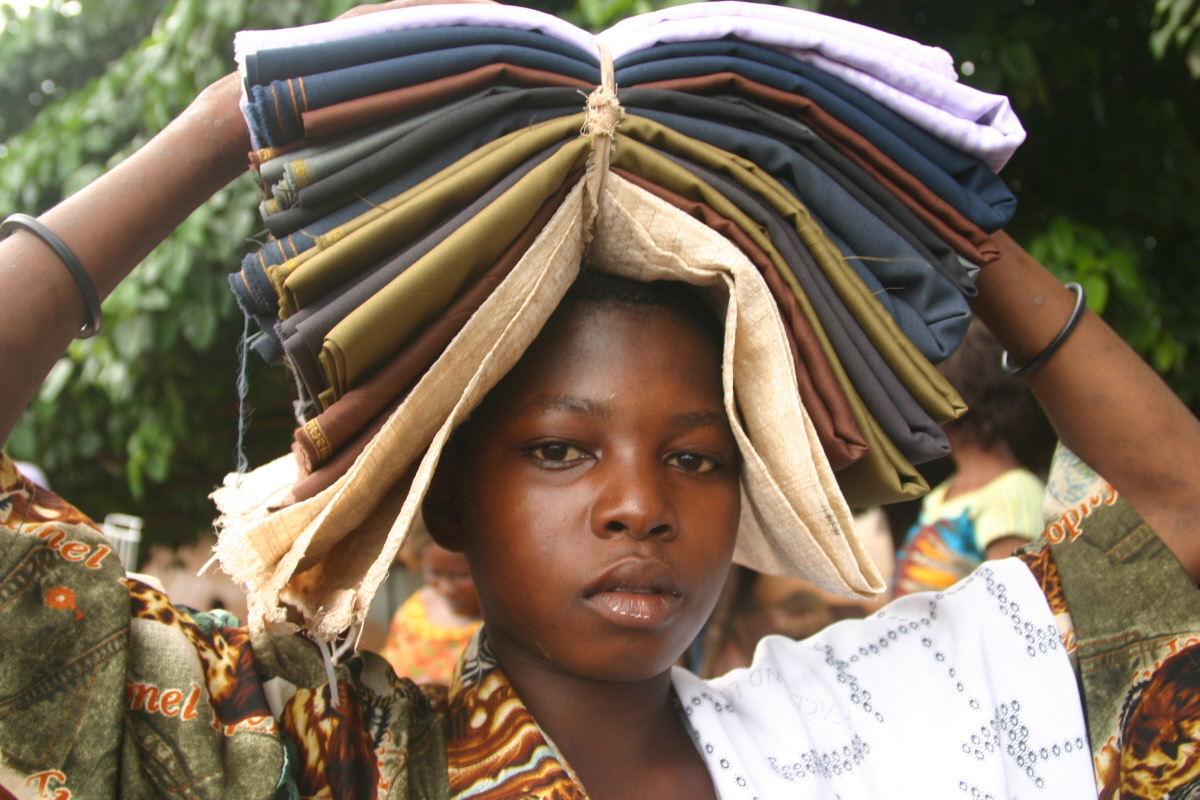
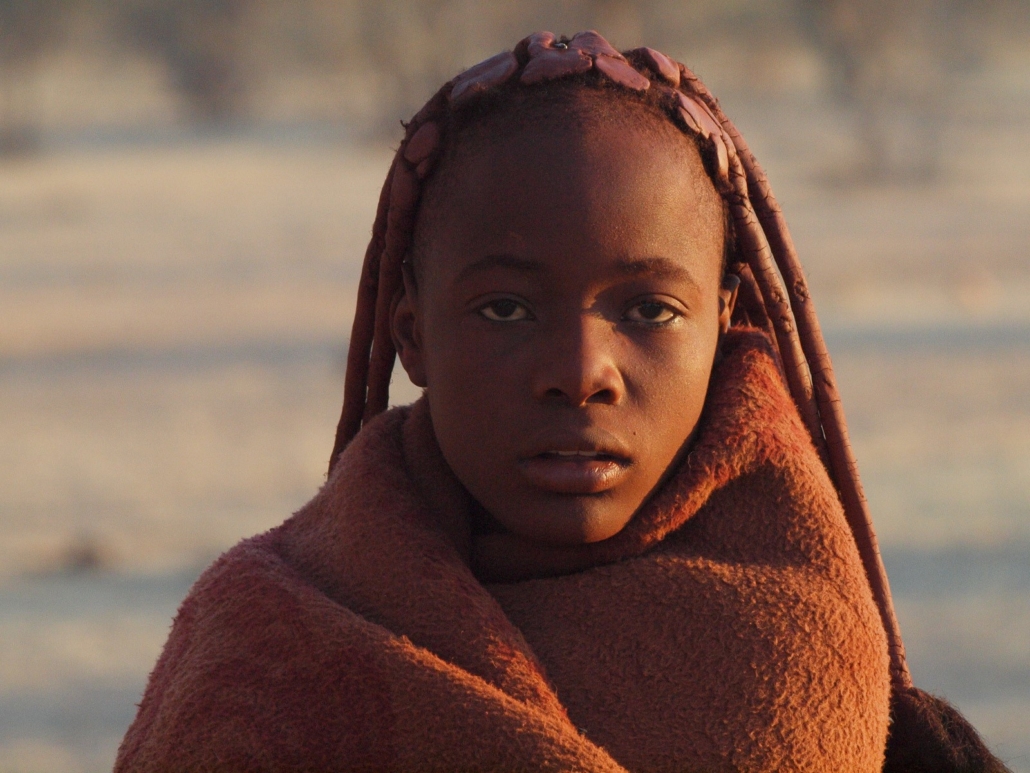
Top 10 Facts About Sanitation in Malawi

  1. Menstrual hygiene – In Malawi, there are imbedded cultural beliefs surrounding menstruation that lead to communal ignorance. This stigma surrounding menstruation extends to schools, where girls similarly do not receive education about menstruation. Furthermore, most school bathrooms provide little to no privacy. This lack of privacy, combined with the societal shame of menstruation, results in girls leaving school once they get their period.
  2. Hygiene in schools – For children without access to clean water, toilets or soap at home, school can be their only hope of sanitation. Unfortunately, hygiene in schools often falls short in Malawi. As of 2018, only 4.2% of Malawian schools had handwashing facilities with soap and 9% did not have a secured water source.
  3. Education about hygiene and sanitation – Schools are a key tool for educating youth on basic hygiene and sanitation, especially due to the fact that children are effective agents of behavior change. They capable of sharing lessons they learn at school with their local community. However, similar to their lack of sanitation infrastructure, schools also lack education surrounding sanitation in Malawi. Even if schools did offer education surrounding hygiene and sanitation, high rates of enrollment would be required to create a large scale change in behavior. In many rural communities, girls are tasked with traveling long distances to collect water. This responsibility combined with the obstacle of menstruation reduces female enrollment in school.
  4. Toilets – As of 2015, 9.6 million Malawians – almost half of the population – did not have access to an adequate toilet. There are two types of toilets in Malawi. The first is the Western-style with a toilet bowl and a seat; the second is a hole in the ground. The Western-style is common in urban towns and cities while the hole in the ground is common in rural areas.
  5. Open defecation – In 2008, Malawi adopted the Community Lead Total Sanitation and Hygiene program (CLTS) in an effort to make the country Open Defecation Free (OPF). Malawi has made great strides, but 6% of rural communities continue to openly defecate. Open defecation results from inadequate health infrastructure such as toilets and is a key health concern in Malawi. Open defecation is linked to sanitation-related diseases, high child mortality and the spread of cholera.
  6. Access to water – As of 2015, only 67% of households in Malawi had access to basic drinking water. Similarly, 5.6 million do not have access to a safe water source. In fact, pproximately 30% of water points in rural areas were non-functional at any given time. Water is deeply intertwined with sanitation. Without access to clean water people catch water-borne diseases, are unable to stay clean through bathing and risk their safety by traveling long distances to receive water.
  7. Access to local sanitation facilities – As of 2015, only 42% of Malawian rural households had access to basic sanitation services. Consequently, in 2018 there were 9.9 million people in Malawi who did not use basic sanitation. Combined with poor transportation infrastructure, this lack of local sanitation facilities places strain on rural communities. Communities that do not have secure access to water, predominantly rural communities, are reliant on local sanitation facilities to stay clean and healthy. Thus, without such facilities, the risks of experiences the consequences of poor sanitation increase dramatically.
  8. Role of drought – In the past 36 years, Malawi has experienced eight major droughts. Droughts directly cause a reduction in water availability and thus, indirectly impact sanitation. The most recent drought in Malawi occurred in 2016 and disrupted household economic activities by increasing the time needed to search for water. It also increased the degradation of water catchment areas and increased the risk of water-washing diseases due to a prioritization of water for drinking rather than personal hygiene. Drought places another obstacle in the way of achieving universal sanitation in Malawi.
  9. Higher risk of diseases – Poor sanitation and unhygienic practice result in approximately 3,000 under-five child deaths per year in Malawi. Diarrhea is often a tragic consequence of poor sanitation with 11.4% of infant and child mortality resulting from diarrhea. Similarly, even if diarrhea does not result in death, frequent episodes can yield a negative effect on child development, stunting and acute respiratory infections. Furthermore, poor sanitation not only leads to diarrhea but also waterborne illnesses such as cholera. Thus high rates of communicable diseases are intimately tied to poor sanitation in Malawi.
  10. Improvements to WASH services – USAID is an active participant in increasing WASH services in Malawi and has made great progress. In 2015 alone USAID had constructed 60 shallow wells and three boreholes. It built 360,080 toilets with handwashing facilities as well as installed 2600 chlorine dispensers in 25 villages. This progress provides hope for the achievement of universal sanitation in Malawi.

Malawi is an impoverished African nation currently suffering from inadequate sanitation. This lack of sanitation in Malawi not only impacts health but household income and child attainment of education. While progress has been made through organizations such as USAID, more still needs to be done. Please consider visiting the Borgen Project website on information on how to call or email your representatives to put international aid as a priority on the U.S. agenda.

– Lily Jones
Photo: Flickr

October 7, 2020
https://borgenproject.org/wp-content/uploads/borgen-project-logo.svg 0 0 Kim Thelwell https://borgenproject.org/wp-content/uploads/borgen-project-logo.svg Kim Thelwell2020-10-07 20:36:382024-05-30 07:53:0710 Facts About Sanitation in Malawi
Education, Global Poverty, Health, Sanitation, USAID

Efforts to Eradicate Poverty in Ghana 

Efforts to Eradicate Poverty
On July 29, 2020, Ghana released its Multidimensional Poverty Index (MPI) report, which outlines the various conditions that contribute to poverty in the country. Instead of using a monetary metric, the report looks at education, health and living standards to interpret the rate of poverty and determine the efforts to eradicate poverty in Ghana.

Using data collected between 2011 and 2018, the report found that the rate and severity of multidimensional poverty have reduced across Ghana, with significant improvements in electricity, cooking fuel and school attainment. Overall, Ghana reduced its incidence of multidimensional poverty by 9 percentage points from 55% in 2011 to 46% in 2017. This indicates that poverty itself has reduced and that the experience of the impoverished has improved.

The report measured each dimension through specific indicators relevant to poverty in Ghana. The government then prioritizes the country’s needs by examining the various deprivations that the poor experience most.

The report concluded that the indicators that contribute most to multidimensional poverty are lack of health insurance coverage, undernutrition, school lag and households with members that lacked any education. The report also revealed the stark differences between poverty in rural and urban populations, with 64.6% of the rural population and 27% of the urban population being multidimensionally poor. Based on the results of the report, it is paramount that resources go to the health and education sectors to improve the quality of life for the most at-risk members of Ghana, particularly in rural areas.

Efforts to Eradicate Poverty: Health Care

USAID is addressing the need for comprehensive health care reform through a multi-pronged approach to improve care for children and women in rural Ghana. Since 2003, the Ghanaian government has developed and expanded the National Health Insurance Scheme (NHIS), which provides residents with public health insurance. The program has provided many improvements to the health care system, but systemic barriers continue to limit the quality and accessibility of care.

In particular, a 2016 study that the Ghana Medical Journal published found that rural hospitals’ lack of personnel, equipment and protocol put women and children at the highest risk. This is due to poor nutrition, inability to seek neonatal care and lack of health insurance.

To address barriers to health care, USAID first compiled a network of preferred primary care providers to allow health care workers to communicate, educate and synchronize their standards of quality care. “The networks help connect rural primary health facilities with district hospitals, enabling mentoring between community health workers and more experienced providers at hospitals,” USAID stated.

The second prong was providing training to government staff and frontline health care workers to better understand health data and its uses for maternal and child health decision-making. By using the network of providers and standardizing data, doctors are better equipped to determine whether patients need a referral to a specialized caregiver.

USAID reported that these improvements have resulted in a 33% reduction in institutional maternal mortality, a 41% increase in the utilization of family planning services and a 28% reduction in stillbirths. As the health care sector has grown stronger and poverty has decreased, USAID and other outside support have scaled back aid to allow the network of health providers to operate autonomously.

This is a positive indication that the country is moving in the right direction to end poverty and improve the quality of life in the coming years, but it is also a critical moment in its development. The Duke Global Health Institute warns that the country must secure a robust medical infrastructure for the transition to independence to be a success.

According to the Duke Global Health Institute, if global aid is removed too early, the poor will suffer the most. Therefore, they state that it is essential that the government has a firm grasp of funding and organizing principles before they move away from outside aid.

Efforts to Eradicate Poverty: Education

The level of deprivation of education is also heavily dependent on whether someone lives in a rural or urban setting. One can measure the differences between education in rural and urban areas by looking at school attendance, school attainment and school lag. In rural areas, 21.1%, 33.9% and 34.4% of the population do not have access to each respective indicator. In contrast, the deprivation is only 7.2%, 10% and 12.8%.

To combat education deprivation, the current government has vowed to make secondary education free in an attempt to retain students who cannot afford to continue their education past primary schooling. Before secondary school became free in 2017, 67% of children who attended elementary went on to secondary school. In 2018, the ministry of education reported that attendance had increased to 83%. To promote education in rural areas, this past March, the ministry of education presented more than 500 vehicles, including 100 buses, to secondary schools throughout the country.

Efforts to Eradicate Poverty: Living Standards

Deprivation of proper sanitation ranked highest out of all indicators for living standards, health and education. The report stated that sanitation deprivation affected 62.8% of the rural population and 25.8% of the urban population.

Although more than 75% of the country lacks access to basic sanitation, little improvement has occurred. Between 2000 and 2015, access only increased from 11% to 15%. To encourage private investments in the sanitation sector, the ministry of sanitation and water resources hosted a contest between public and private entities to design liquid waste management strategies for different localities throughout the country.

In 2019, nine public and six private partners were the winners of a total prize of £1,285,000 and $225,000 respectively. They received the prize for excellence in the implementation of urban liquid waste management strategies. Winning strategies included an aquaponic system that sustained vegetable growth with treated water and the rehabilitation of a treatment center to raise fish.

Overall, the competition provided education about sanitation to rural communities, increased access to private toilets and spurred economic interest in developing the sanitation system in Ghana.

– Sophie Kidd
Photo: Flickr

October 3, 2020
https://borgenproject.org/wp-content/uploads/borgen-project-logo.svg 0 0 Jennifer Philipp https://borgenproject.org/wp-content/uploads/borgen-project-logo.svg Jennifer Philipp2020-10-03 17:37:252022-04-21 11:29:23Efforts to Eradicate Poverty in Ghana 
Global Poverty, Sanitation

Addressing Period Poverty in Namibia

Period Poverty in Namibia
Period poverty, a significant issue around the world, is an umbrella term that describes inadequate access to menstrual hygiene products, washing facilities, waste management and education. This lack of access impacts women and girls in Namibia, sometimes hindering their health and education. However, Eco-Sanitary Training, a local business, is stepping in to help.

Worldwide Period Poverty

Globally, there are 2.3 billion people that live without basic sanitation. About 73% live in homes without sufficient hand-washing facilities. This exacerbates period poverty, as it makes it almost impossible for women and girls to manage their periods.

In many places around the world, menstruation products are very hard to access due to high prices. Although these products are a necessity, many countries still tax them. In Hungary, the tax rate on feminine hygiene products in 2020 is 27%, followed by Sweden and Mexico with 25% and 16% respectively. Some of the countries where female sanitary items are tax-free include Ireland, Malaysia, Tanzania and Lebanon.

An example of how feminine hygiene products affect women is through the story of Suzana Frederick, a 19-year-old single mother who lives in Arusha, Tanzania. Frederick makes around 30,000 shillings ($13) monthly and spends between 1,500 and 3,000 shillings ($0.70 to $1.30) on sanitary products. The amount she spends on the products is 5% to 10% of her salary. This would be equivalent to an American woman with an average wage spending around $169 and $338 on sanitary products.

Period Poverty in Namibia

Period poverty has many consequences for women and girls in Namibia. According to Action Aid, “One in 10 girls in Africa miss school because they don’t have access to sanitary products, or because there aren’t safe, private toilets to use at school.” Many women and girls are also forced to use mattresses, clothes and newspapers every month because they cannot afford sanitary products.

A story from a girl who lives in Namibia revealed that she chose to get a contraceptive injection because her mother could not afford pads. Contraceptive injections – a birth control method of releasing hormones like progesterone to stop the release of an egg – are free in all governmental hospitals in Namibia. Unfortunately, the injections have side effects, including significant bone mineral density loss, and are not intended for regulating menstruation. Another girl, also from Namibia, mentioned that dating older men is the only option that some girls have to get the money needed to afford pads.

How a Local Business Has Helped

Eco-Sanitary Trading is a local business in Windhoek, the capital of Namibia. Around March 4, 2019, the business joined the local market to make affordable pads that are high in quality and can also be reused or discarded. The managing director of the business, Naomi Kefas, mentioned that she got the idea from the realization of the fact that many girls are missing school frequently due to their periods.

For two years, Kefas and her team did extensive research and traveled to places including South Africa, Kenya, India and China to invent a new sanitary pad. They then came up with a product called “Perfect Fit,” a locally produced sanitary pad with good quality and affordability. “Perfect Fit” is benefiting women and girls in Namibia.

Moving Forward

The work that Eco-Sanitary Trading is essential to reducing period poverty in Namibia. However, it is essential that the government and other humanitarian organizations also step in. Moving forward, other barriers to menstrual hygiene products and facilities must be reduced, including high tax rates.

– Alison Choi
Photo: Flickr

September 23, 2020
https://borgenproject.org/wp-content/uploads/borgen-project-logo.svg 0 0 Kim Thelwell https://borgenproject.org/wp-content/uploads/borgen-project-logo.svg Kim Thelwell2020-09-23 17:05:542024-05-29 23:23:33Addressing Period Poverty in Namibia
Page 7 of 29«‹56789›»

Get Smarter

  • Global Poverty 101
  • Global Poverty… The Good News
  • Global Poverty & U.S. Jobs
  • Global Poverty and National Security
  • Innovative Solutions to Poverty
  • Global Poverty & Aid FAQ’s
Search Search

Take Action

  • Call Congress
  • Email Congress
  • Donate
  • 30 Ways to Help
  • Volunteer Ops
  • Internships
  • Courses & Certificates
  • The Podcast
Borgen Project

“The Borgen Project is an incredible nonprofit organization that is addressing poverty and hunger and working towards ending them.”

-The Huffington Post

Inside The Borgen Project

  • Contact
  • About
  • Financials
  • President
  • Board of Directors
  • Board of Advisors

International Links

  • UK Email Parliament
  • UK Donate
  • Canada Email Parliament

Get Smarter

  • Global Poverty 101
  • Global Poverty… The Good News
  • Global Poverty & U.S. Jobs
  • Global Poverty and National Security
  • Innovative Solutions to Poverty
  • Global Poverty & Aid FAQ’s

Ways to Help

  • Call Congress
  • Email Congress
  • Donate
  • 30 Ways to Help
  • Volunteer Ops
  • Internships
  • Courses & Certificates
  • The Podcast
Scroll to top Scroll to top Scroll to top