• Link to X
  • Link to Facebook
  • Link to Instagram
  • Link to TikTok
  • Link to Youtube
  • About
    • About Us
      • President
      • Board of Directors
      • Board of Advisors
      • Financials
      • Our Methodology
      • Success Tracker
      • Contact
  • Act Now
    • 30 Ways to Help
      • Email Congress
      • Call Congress
      • Volunteer
      • Courses & Certificates
      • Be a Donor
    • Internships
      • In-Office Internships
      • Remote Internships
    • Legislation
      • Politics 101
  • The Blog
  • The Podcast
  • Magazine
  • Donate
  • Click to open the search input field Click to open the search input field Search
  • Menu Menu

Archive for category: Sanitation

Food Insecurity, Global Poverty, Sanitation, Water

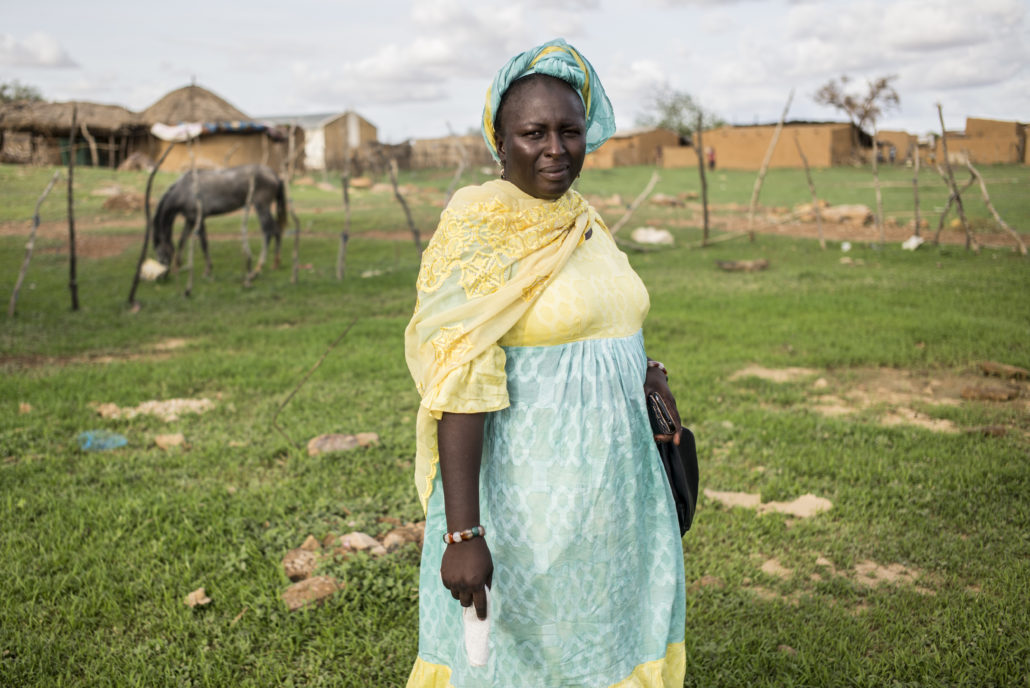
Poverty in Mauritania and How it is Being Reversed

Poverty in Mauritania
Mauritania, a sizable northwest African desert country, was recently ranked 161 on the U.N.’s Human Development Index in terms of life expectancy, education and per capita income. It has a population of 4.4 million people, 42% of whom live below the poverty line. The country has an abundance of minerals and natural resources. However, recurring natural disasters and economic, social and educational disparities plague Mauritania with vulnerability. Despite this, the youthful population, alongside a generous NGO, has the potential to develop and overcome poverty in Mauritania.

Environment and Health

Following an early 2018 drought in Mauritania, an estimated 350,000 people were left food-insecure for up to five months. Changing weather patterns and prolonged water scarcity cause the country’s periodic droughts, a challenge already sustained by many Mauritanians. Soil erosion and deforestation are spreading desertification, a major threat to the Senegal River. This river is one of the country’s only available freshwater resources. As a result, 42% of the population does not have access to improved water sources, and 60% do not have access to improved sanitation facilities.

The resulting water contamination and inadequate sanitation levels have left Mauritanians at high risk for infectious diseases. The Journal of Tropical Medicine and Infectious Disease highlights a study conducted at Mauritania’s National Referral Hospital which found that 14% of children hospitalized for diarrhea between 2011 and 2014 had died. Continued consumption of highly contaminated water often causes diarrhea, as well as typhoid fever and hepatitis A.

Government and Economy

With its generous supply of gold, iron ore, oil and fish, Mauritania’s economy should, ostensibly, be blossoming. However, surrounding terrorist occupation and a lack of economic diversification prevent foreign investment and overall improvement.

Al-Qaeda in the Islamic Maghreb is a terrorist organization and al-Qaeda affiliate operating in the Sahara and Sahel regions. Due to the group’s holdings and criminal activity in the surrounding countries, including Mauritania, there is a low potential for the extractive industry in Mauritania. Therefore, foreign governments instead look elsewhere for precious natural resources and fine minerals.

Nearly 40% of Mauritania consists of agricultural land, which more than half of the population depends on for food and income. Because the country’s periodic droughts often force the migration of farmers to cities, food insecurity occurs with farm-dependent people. In addition, disarray occurs in the economy.

Education

The prospects associated with a large youth population could mean a great change in Mauritania. However, things will only change as long as the education frequency and quality increases, particularly for young girls. Only 55% of children aged 6-11 attend school due to geographic dispersion, forced displacement and gender inequities. Females, with a literacy rate 20% lower than males, do not receive enough representation in the classroom. This disparity negatively affects the economy because educated girls lead to innovative entrepreneurship and economic growth.

The Good News

Action Against Hunger is a multinational organization, with headquarters in France, Canada, Spain, the United Kingdom and the United States, intent on combating Mauritania’s imperfections and mitigating global poverty through implementing sustainable solutions and creating community prosperity. For nearly 40 years, long-term change has been Action Against Hunger’s endgame. This resolution is exemplified in the organization’s motto: “For a world free from hunger.”

The organization’s work in Mauritania began in 2007, but Action Against Hunger has served 43 countries around the world since its inception. The initial Mauritania vision was to manage malnutrition in order to mend healthcare and education limitations. However, the solution-oriented organization has since broadened its focus.

Food Insecurity and Sanitation

To improve community food security, Action Against Hunger issues micro-grants to support families recovering from natural disasters, provides seeds and tools to struggling farmers, teaches land preservation techniques and offers livestock and veterinary services.

To ensure improved sanitation facilities and defend against water contamination, the organization drills and decontaminates wells, distributes hygiene kits and builds hand-washing stations. It also encourages and trains community-based water committees for long-term water management.

To treat malnutrition, Action Against Hunger delivers therapeutic food for children and trains employees in health care centers on how to treat malnourished children and pregnant mothers.

To dismantle the connection between conflict and poverty in Mauritania, as well as the rest of the world, Action Against Hunger advocated for the U.N.’s adoption of Resolution 2417 which unanimously passed in 2018. The resolution condemns warfare-induced starvation, forced displacement and humanitarian aid denial as violations of international human rights and humanitarian law. The resolution also increases the likelihood of foreign aid investment in Mauritania. It aims to block terror involvement and promote stable government in the world’s most conflict-cluttered countries.

Action Against Hunger’s collective efforts directly impacted 354,179 Mauritanians in 2018 alone with more projects and progress to come. However, the organization recognizes, especially in these uncertain times, that adaptability, innovation and strategic foresight are the best measures of success and will result in the greatest reduction of poverty in Mauritania.

– Natalie Clark
Photo: Flickr
July 30, 2020
https://borgenproject.org/wp-content/uploads/borgen-project-logo.svg 0 0 Kim Thelwell https://borgenproject.org/wp-content/uploads/borgen-project-logo.svg Kim Thelwell2020-07-30 20:37:032024-05-24 23:59:32Poverty in Mauritania and How it is Being Reversed
Global Poverty, Sanitation

9 Facts About Sanitation in the Czech Republic

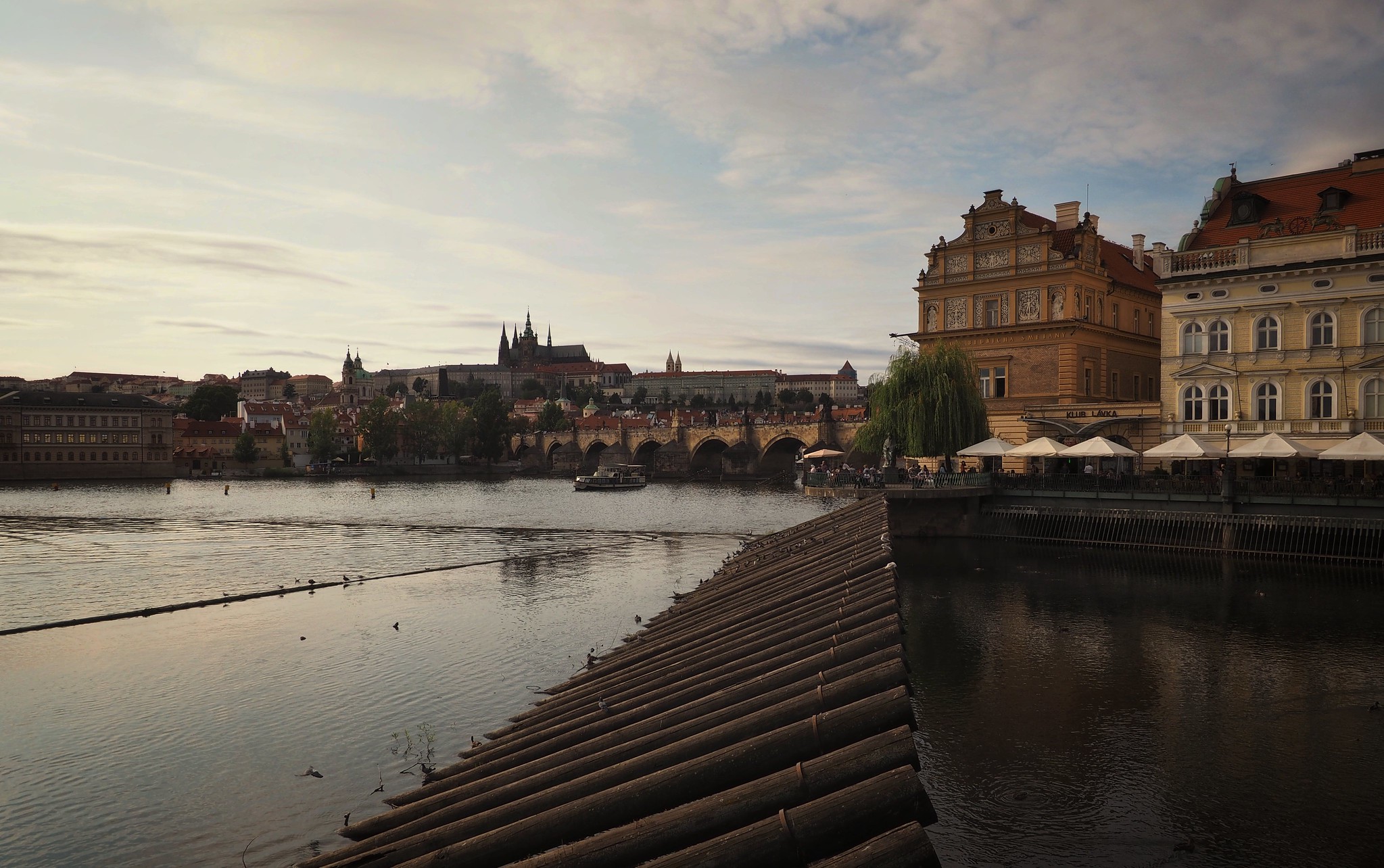
 Sanitation in Czech Republic The Czech Republic, or Czechia, is a bordered country in Central Europe with a population of 10.69 million. Around 98% of the population has access to sewerage systems which the country has carefully manufactured so that the water is clean and safe to drink right away. Even some of the people with lower social and ethnic status have access to this water. Here are nine facts about sanitation in the Czech Republic that detail how its sanitation has evolved.
9 Facts About Sanitation in the Czech Republic

  1. Clean Water Access: In 2017, calculations determined that 98% of the population had access to clean water. Since Czechia is a landlocked county, all of its water flows out of the country and into neighborhoods. New water sources are dependent on the atmosphere’s participation. Drinking water is dependent on ground sources which are based on hydrologic basins.
  2. Health Care: With highly qualified staff in hospitals, private care is usually more expensive than regular public health care. Many of the private hospitals are more equipped to work with patients and have a service-oriented approach to medical care. This allows patients the advantage of getting medications faster. Although it takes longer to receive medical treatment in public care, some health care workers speak English. This serves as a high advantage to expats and hospitals that receive heavy subsidies, however, hospitals are equally accessible to all insured persons. The health care system also offers mental health care through inpatient facilities. With healthy sanitation, the hospitals are better equipped and have a high rate of patient recovery especially with good water sanitation.
  3. Soil Sanitation: With good precipitation and weather changes, the growing season is in good condition and produces quality vegetation. Growing quality produce keeps the population healthy and the precipitation helps prevent the spread of diseases.
  4. Sanitation in Schools: Kids in the Czech Republic have good sanitation in schools, and because of this, they have actually encouraged other schools to improve their hygiene. The Czech Republic Embassy in Phnom Penh, Cambodia provided support to the Girl Friendly Schools: improving sanitation, hygiene and health education in the Cambodia project in 2018. To date, this project has helped 2,415 students in 12 different schools gain higher quality sanitation.
  5. Waste Sanitation: Czechia has a waste problem. Households do not produce as much garbage as the U.S. but still need some improvements considering that most waste comes from schools and neighborhoods.
  6. Waterborne Illness: Between 1995 and 2005, only 33 outbreaks of waterborne illness occurred, affecting a small amount of the Czech Republic’s population. Only 27 outbreaks of unsafe drinking water caused them, coming from sources like pools and mineral water springs. There were reports of some small cases but no serious cases seem to have occurred.
  7. Food Safety: A microbiological compliance test on food supplies occurred in 2018 and showed that 146 batches were unsafe for human consumption. The foods that this test found unsafe were mostly vegetables, dairy and meat products. About 67 catering facilities shut down because of poor hygiene. Since the country still must make progress to ensure food safety, it is discussing laws to help improve food safety. These laws will make it easier to control food safety and ensure that catering businesses meet standards going forward.
  8. Sustainable Development of Sanitation: The Czech Republic ranks as the seventh most developed country. Because Czechia has always had clean water and overall decent sanitation, the country has fostered sustainable communities and maintained healthy economic growth since the beginning, causing it to rise in the rankings. It has already met one of the goals for the SDGs (sustainable development goals) and is on track to complete more. The country hopes to meet more goals by 2030.
  9. Safely Managed Sanitation Services: In 2017, four out of 10 people used sanitation that was safely managed. In 2015, 3.4 billion people used a safely managed sanitation service in comparison to only 2.1 billion in 2000. Though some areas still lack managed sanitation, safe sanitation services serve most of the population.

These nine facts about sanitation in the Czech Republic show how the population has gained quality sanitation. There are still areas that are in the process of improvement. In general, the country’s sanitation is in good condition and is safe for both citizens and visitors.

– Rachel Hernandez
Photo: Flickr

July 27, 2020
https://borgenproject.org/wp-content/uploads/borgen-project-logo.svg 0 0 Kim Thelwell https://borgenproject.org/wp-content/uploads/borgen-project-logo.svg Kim Thelwell2020-07-27 13:48:152020-07-27 13:48:149 Facts About Sanitation in the Czech Republic
Global Poverty, Sanitation, Water Quality

10 Facts About Sanitation in Kazakhstan 

Sanitation in Kazakhstan
Access to safe drinking water and sanitation is critical for health and quality of life. As the last of the Soviet republics to declare independence in 1991, much of Kazakhstan’s population still faces the aftermath of the Soviet rule. Poor living conditions and limited access to water in rural populations worsened after the collapse of the Soviet Union. With structural elements of the state completely dismantled, the country faced shortages of basic goods and services, especially water. Here are 10 facts about sanitation in Kazakhstan.

10 Facts About Sanitation in Kazakhstan

  1. Over half of the global population (4.2 billion people) lack safe sanitation. 2 out of 5 people in the world (3 billion people) lack basic hand washing facilities. In many parts of the world like Kazakhstan that have experienced recent economic, social or political turmoil, the ability to obtain safe and accessible water is a serious issue.
  2. Less than 30% of the Kazakhstan population has access to safe water and sanitation. About 50% of the population uses drinking water that does not meet the international standards of salinity, hardness and bacteriological standards.
  3. Before 1990, the rural water supply network in Kazakhstan included 54 major pipelines, bringing water to 3 million people in rural and urban areas. Additionally, 16.2 million livestock in 97.5 million hectares of irrigated land were supplied with water. Currently, the quality of nearly all Kazakhstan’s water bodies are unsatisfactory. Nearly 16 % of water tests taken from different water bodies showed sub-standard water quality across the country.
  4. Water scarcity and poor water quality are more prevalent in rural areas, where declining water supply networks and high pollution levels are common. In 2001, 17.3% of the rural Kazakhstan population had access to cold water on tap from the piped system, and 2.8% had access to hot water on tap. Many rural communities are still suffering from dilapidated Soviet-era plumbing projects, but even the functioning plumbing still carries water heavy with bacteria.
  5. According to the UNDP, the distribution of surface and groundwater in Kazakhstan is uneven. Central Kazakhstan has access to only 3% of the country’s water. While the Kazakhstani urban population is covered 90% by piped water, only 28% of the rural people have access to piped water. Around 20% of the rural population in Kazakhstan has the same level of piped water coverage as Sub-Saharan Africa.
  6. No significant changes in patterns of access to piped water have been noted in recent studies from 2001 to 2010. Access to piped water in Kazakhstan’s rural areas remains approximately 29%. These conditions may be surprising, given the massive governmental drinking water program launched from 2002 to 2010, aiming to increase rural access to piped water systems.
  7. Sanitation in rural areas also remains inadequate. In terms of bathroom facilities, 92.2% of the rural population has toilets outside the home, 7.5% inside the home and 0.3% do not have access to toilets at all. Previous UNDP studies show that only 2.8% of rural houses are connected to the sewage system.
  8. Water access affects a majority of those living in rural areas. Only 36% of the rural population has access to a centralized water supply. 57.3% use groundwater through wells and boreholes. Furthermore, 2.6% of the population use water from surface sources and 4% drink delivered water.
  9. Even in houses with connections to water supplies, 53% of people make sure to boil the water. The number climbs to 56% in areas where people have an intermittent supply or suffer from gastroenteritis. Such poor water quality can largely be explained by wastewater dumping, irregularities in wastewater disinfecting and the poor condition of sewerage equipment.
  10. One region where a lack of access to clean drinking water presents serious health problems is Kyrgyzstan. There, each official records 30,000 acute intestinal infections with 24% related to parasites. Up to 86% of typhoid cases occur in villages that lack safe drinking water.

The UN Sustainable Development Goals (SDGs) require nations to ensure sufficient sanitation and access to safe water. To improve sanitation in Kazakhstan, rural areas will need much stronger attention, as past efforts neglected and overlooked these areas, to comply with UN Millenium Development Goals (MDGs).

From 2010 to 2013, the UNDP provided $1.5 billion to the Kazakhstan government for water management. The money was meant for the Kazakhstan government to invest in water management, pollution reduction and efficient use of water resources. Additionally, the European Union has also been sharing its experience and policies with Kazakhstan.

Moving forward, it is critical that national drinking water programs are based on surveys of existing water and sanitation services. In order to be successful, these programs must take into special consideration the needs of rural villages.

– Danielle Straus
Photo: Flickr

July 22, 2020
https://borgenproject.org/wp-content/uploads/borgen-project-logo.svg 0 0 Jennifer Philipp https://borgenproject.org/wp-content/uploads/borgen-project-logo.svg Jennifer Philipp2020-07-22 14:20:422024-05-29 23:18:1010 Facts About Sanitation in Kazakhstan 
Global Poverty, Sanitation

10 Facts about Sanitation in Laos

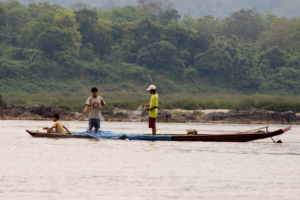
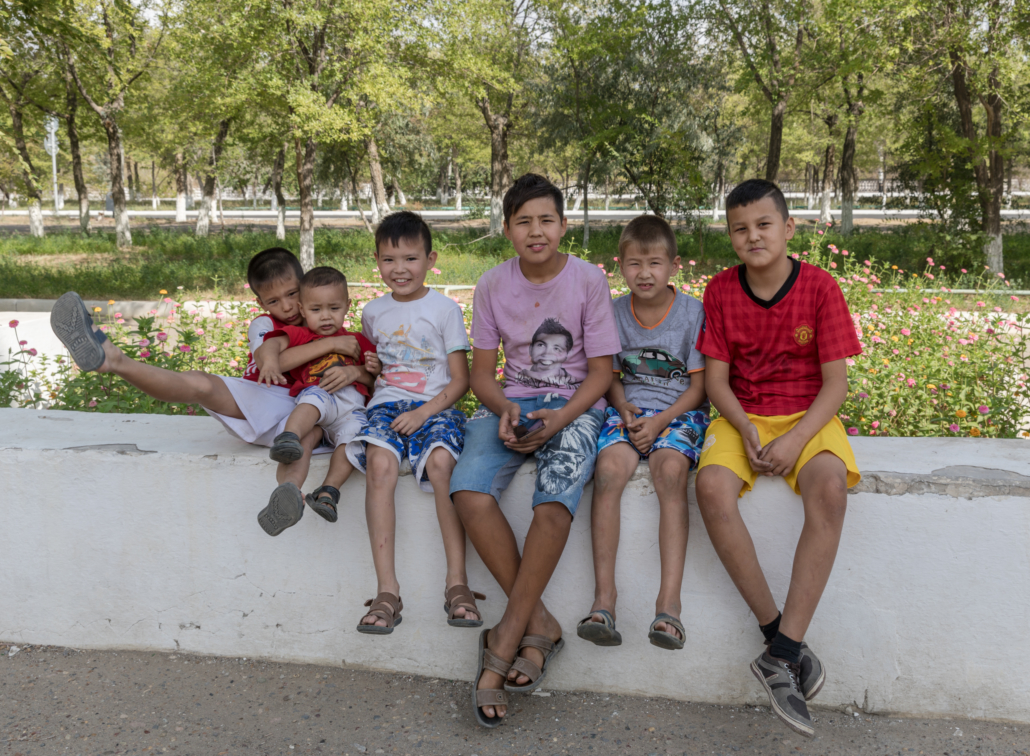
Like Cambodia and Vietnam, the country of Laos is located in Southeast Asia. Being a landlocked country means that much of its water resources come from the Mekong River. Water sanitation has been an issue in the past, and now widespread action is being taken. There are many organizations that are coming together to bring clean, usable water throughout Laos. Here are 10 facts about water sanitation in Laos.
10 Facts About Water Sanitation in Laos

  1. The Creation of WASH FIT: In 2017, The World Health Organization partnered with UNICEF to create WASH FIT, which stands for “Water and Sanitation for Health Facility Improvement Tool.” Participants involved go into different hospitals to hold training programs and assess the current sanitation situation. The program provides information about safe water collection, along with supplies to build sanitation facilities. Through the WASH FIT program, sanitation in many Laos health centers and hospitals has increased by more than 50%. This has created a safer environment for both staff and patients.
  2. Increase in Safe Drinking Water: As of 2019, only 48% of schools in Laos had access to clean water. As more organizations – such as Abundant Water and Mercy Relief – continue to help better sanitation in Laos, the Lao PDR plan to keep increasing the percentage of individuals who have access to clean water.
  3. ICRC Brings Water to Urban Villages: Finding clean water and bringing it back to homes often requires strenuous work and a long trek. Of those traveling to get water, 79% are women. Many of the water sources that are used contain water-borne diseases, making much of the water in Laos dangerous to consume. The humanitarian group International Committee of the Red Cross (ICRC) aids these women by drilling boreholes, bringing clean water closer to homes.
  4. Laos is Home to Third Largest River in Asia: Though the water from the Mekong River is not suitable for drinking, it is the only source of water for many of the surrounding villages. Because of this, many people suffer from water-borne diseases, such as schistosomiasis. To decrease cases of schistosomiasis, The World Health Organization and The Ministry of Health are working together to bring clean water and sanitation facilities to villages. This will limit the need for water from the Mekong River.
  5. Hanwha Launches Project to Clean Mekong River: Like many rivers globally, the Mekong River contains an enormous amount of harmful pollutants. The Hanwha group in Vietnam started a campaign called Clean Up Mekong. They use solar-powered boats clean up trash as they sail down the river. Though the cleanup started in Vietnam, it will directly affect many places. The river flows not only through Vietnam and Laos, but much of Asia including Cambodia and China.
  6. Clay Water Filters are Used to Produce Clean Drinking Water: Thanks to an Australian organization called Abundant Water, clay water filters have been created and distributed to 12 different villages. These filters are used to produce clean drinking water. The organization then taught a five-week training program to local potters on how to create clay filters of their own. As a result of Abundant Water’s work, over 22,000 people have accessed safe drinking water.
  7. Increase in Access to Sanitation Facilities: In more rural areas of Laos, individuals may not have access to sanitation facilities, causing open defecation to be a major concern. The open defecation rate is the second-highest in the area. This has caused an increase in the spread of harmful diseases. Lao PDR and the World Bank have been working to supply rural areas with facilities to reduce open defecation. As of 2015, there is a 28% increase in the availability of sanitation facilities in urban areas and 39% in rural areas.
  8. Further Water Availability for Schools: Schools have suffered firsthand from the lack of water. Mercy Relief arrived in 2012 to install water filtration systems for schools throughout Laos. Through this work, more children have access to safe drinking water and sanitation facilities now. They also use the water to start gardens to grow fruits and vegetables for the children and school staff to take home or sell at local markets.
  9. More Than 40 Water-Gravity System Installations: World Vision International has aided in the effort to build water-gravity systems that bring fresh water to rural villages. As of 2014, World Vision has supplied local villages with 46 water-gravity systems to help improve sanitation in Laos and lower the spread of harmful diseases.
  10. Start of Water Management Committees in Rural Village: An organization called Plan International has gone into northern Laos, bringing water tanks, pipelines and other water supplies. The organization has also started water management committees that are in charge of maintaining the water facilities. By showcasing the great impact water management committees have had on this particular community, the hope is that companies assist as other villages carry out similar plans.

Though there is still a long way to go, progress has been made. Companies and organizations around the world are working together to improve water sanitation in Laos.

– Olivia Eaker
Photo: Flickr

July 21, 2020
https://borgenproject.org/wp-content/uploads/borgen-project-logo.svg 0 0 Jennifer Philipp https://borgenproject.org/wp-content/uploads/borgen-project-logo.svg Jennifer Philipp2020-07-21 13:00:472020-08-14 12:24:1510 Facts about Sanitation in Laos
Global Poverty, Sanitation, Water

10 Facts about Sanitation in Algeria

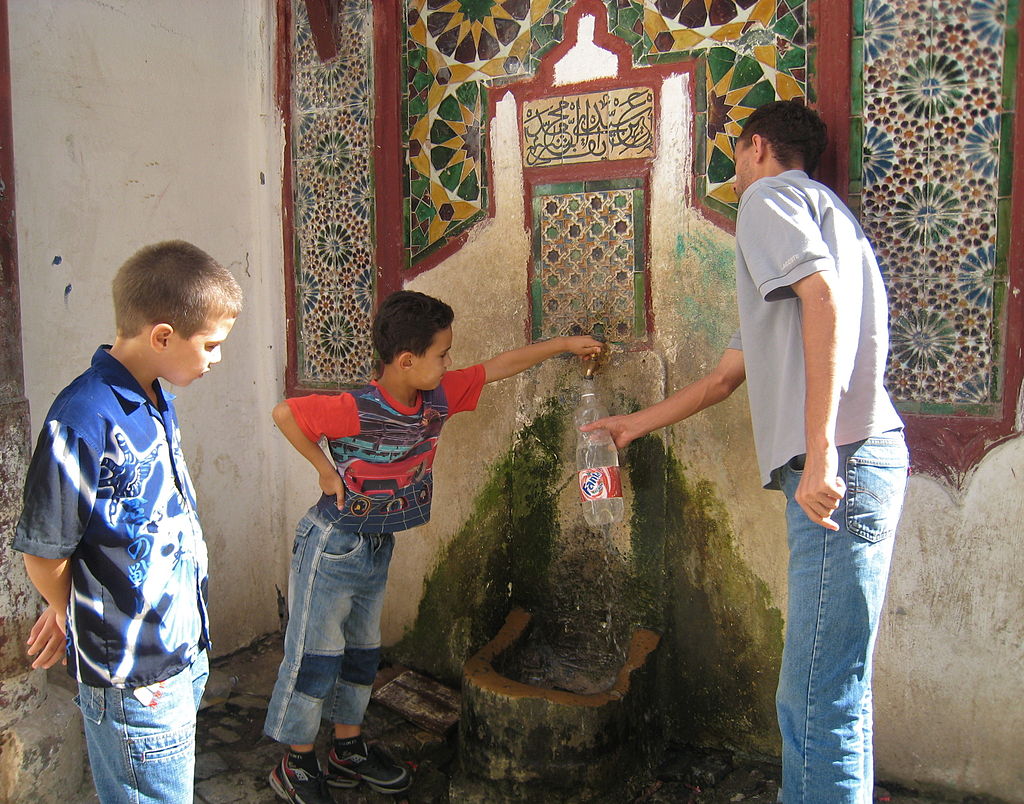
sanitation in algeriaAlgeria is a former French colony in North Africa. Libya, Tunisia Niger are on its western borders. Morocco, Marius and Mali are on its eastern borders. About half of the population lives in urban areas concentrated near the Mediterranean sea. Algeria is a member of OPEC and the Arab Maghreb Union, a regional organization. During the 1990s, the country experienced a civil war between Islamist terrorist groups and the Algerian army. While the army’s victory ensured greater stability, Algeria continues to face challenges such as sanitation. Here are ten facts about sanitation in Algeria.
10 Facts about Sanitation in Algeria

  1. Diseases: Poor sanitary conditions place Algerians at-risk for diseases. In 2018, Algeria experienced a cholera outbreak with 217 cases. The cases were concentrated in Algiers, the capital. Government responses included testing the water supply daily for pathogens and requesting 5,000 diagnostic tests from the WHO. By way of comparison, cholera has been virtually eradicated in the United States with most cases in the U.S. originating from international travel.
  2. Rural-Urban Divide: Urban Algerians are more likely to have greater access to sanitation than rural Algerians. Three percent more rural Algerians do not have access to basic sanitation (i.e sewers, latrines and septic tanks) than urban Algerians. This rural-urban divide continues when comparing lower classes. Algeria’s urban poor experience 10% more sanitation coverage than their rural counterparts. To help address the challenges associated with rural sanitation, the African Development Bank established the Rural Water Supply and Sanitation Initiative in 2003.

  3. Hand Washing: While the majority of Algerians are able to practice proper hygiene by washing their hands, disparities exist among rural and urban communities. Currently, 83% of Algerians are able to wash their hands. This is slightly higher than what is typical in the region. However, there is a 14% gap between rural and urban Algerians; only 73% of rural Algerians are able to do so.

  4. Recent Improvements: Over the last decade, rural Algerians have gained greater basic sanitation. From 2000 to 2017, basic sanitation coverage increased by approximately 10%.  Today about 70% of Algerians have access to basic sanitation.  This is relatively high for the region as an average of only 50.2% of individuals have this service region-wide.

  5. Access to Toilets: Similarly, the number of rural Algerians openly defecating has substantially decreased.  From 2000 to 2017, this percentage decreased by 12.5%. Today only about 3% of Algerians experience this level of deprivation. This is substantially lower than the regional percentage of 10% of rural individuals.

  6. Rural Sewers: Disadvantaged Algerians have increased access to better sanitary facilities. Since 2000, approximately 14% more poor Algerians gained access to sewers. Notably, this positive trend is true of rural Algerians. Since 2000, 17% more rural Algerians gained access to sewers. Today about 60% of this demographic has sewers.

  7. Regional Access to Sanitation: As a whole, more Algerians have better sanitation facilities. In the last decade, sewer availability has increased by about 14%. Today, about 83% of all Algerians use sewers. This percentage is higher than the regional percent of 58%.

  8. Drinking Water: In 2000, few Algerians had access to quality drinking water facilities. The majority of Algerians gain drinking water from pipe-improved water. Notably, this is true for both rural and urban Algerians. To address this issue, the Algerian government established L’Algérienne Des Eaux (ADE), a public company, in 2001. To further remedy this problem, the Algerian government established a program to create more extensive water pipelines to Médéa, a city in Northern Algeria.

  9. Students: Most Algerian students have access to basic sanitation and safe drinking water. Currently, 98% of Algeria’s primary students have basic sanitation; 87% have safe drinking water. This is a remarkable achievement as regionally only about 8o% of all students have basic sanitation and 74% have safe drinking water.

  10. Drinking Water Improvements: Most Algerians have access to safe drinking water. 93% of Algerians have basic access to drinking water. This is true of both urban and rural areas with only a 7% gap between the two categories.

These ten facts about sanitation in Algeria reveal that Algeria has overcome substantial challenges.  While most Algerians have access to some level of sanitation, drinking water and hygiene, there remains a higher risk for waste-related illnesses such as cholera. Furthermore, while there remains a persistent gap between its rural and urban citizens, the country’s overall coverage and sanitary facilities have improved since 2000. With sustained effort by the Algerian government and the African Development Bank, Algeria can overcome the remaining obstacles to better public health.

– Kaihua Tymon Zhou
Photo: Wikimedia

July 20, 2020
https://borgenproject.org/wp-content/uploads/borgen-project-logo.svg 0 0 Jennifer Philipp https://borgenproject.org/wp-content/uploads/borgen-project-logo.svg Jennifer Philipp2020-07-20 01:31:322024-06-06 00:38:1210 Facts about Sanitation in Algeria
Global Poverty, Sanitation, Water, Water Quality, Water Sanitation

10 Facts About Sanitation in Jordan

The country of Jordan is the fifth most water-scarce country in the world, following Iran, and is labeled at an “extremely high” risk level. With water scarcity comes multiple risk factors, including water-borne illnesses caused by unsafe drinking water, diseases from a lack of sanitation and death by dehydration. In addition, water scarcity contributes to an increase in sexual exploitation and rape, as children, especially young girls, need to physically travel miles every day through deserts and dangerous terrain to retrieve water for their families. This then contributes to a decrease in education among girls and perpetuates the cycle of poverty in areas in Jordan and globally. Here are 10 facts about sanitation in Jordan.

10 Facts About Sanitation in Jordan

  1. Climate change affects sanitation in Jordan. In most areas of the country, populations are not located near major water sources and water must be transported from distances up to 325 kilometers away. With the rise of climate change causing flash floods, unpredictable and extreme weather patterns and increased temperatures, Jordan faces difficulties accessing necessary sanitation services.
  2. Jordan faces severe water scarcity. According to UNICEF, “Jordan’s annual renewable water resources are less than 100m3 [meters cubed] per person.” This is 400 meters cubed below the threshold of 500 meters cubed, which defines water scarcity.

  3. As a result of an increase in population and industrial and agricultural capacity, Jordan is dealing with severe aquifer depletion. All 12 of Jordan’s main aquifers are declining at rates exceeding 20 meters per year, well beyond their rechargeable volumes. This is especially alarming as 60% of Jordan’s water comes from the ground.

  4. Those in vulnerable and rural areas lack sanitation resources. Proper hygiene norms, such as handwashing and showering, are taught and practiced in households. However, those in more vulnerable and rural areas often lack soap and body wash to stay clean and healthy.

  5. A large percentage of the population in Jordan don’t have access to water. Only 58% of households have direct access to a sewer connection. In comparison to the nearly half of the population in Jordan, only 0.46% of the United States population does not have access to proper plumbing services. This is an especially prevalent issue in rural areas in Jordan, where only 6% of households have a sewer connection.

  6. The Syrian refugee crisis has greatly increased the population in Jordan. As Jordan borders Syria, it has become a safe haven for more than 670,000 refugees of the Syrian civil war. Having accepted the second-highest amount of refugees in the world compared to its population in 2018, this sudden increase in population means added pressure on resources and infrastructure, as well as an increase in air pollution and waste production.

  7. The water network in Jordan has inadequate infrastructure, needing major rehabilitation. Pumps and sewer lines are old and aging. Unfortunately, Jordan’s already scarce water supply is paying the price, with up to 70% of water transported from aquifers through old pumps being lost in the northern areas of Jordan due to water leakage.
  8. The increase in population, agriculture and industry in Jordan has led to an increase in pollution and toxicity in Jordan’s water supply. Upstream abstractions of groundwater have led to an increase in salinity. Unregulated pesticides and fertilizers used for farming have exposed the water supply to dangerous nitrates and phosphorus through runoff. In addition, it is reported that about 70% of Jordan’s spring water is biologically contaminated.

  9. Foreign aid plays a positive role in improving sanitation in Jordan. To mitigate the aforementioned effects threatening Jordan’s water supply and working towards achieving the United Nation’s Sustainable Development Goal 6, USAID works in conjunction with the government of Jordan to build sustainable water and wastewater infrastructure, train hundreds of water experts in Jordan, promote water conservation and strengthen water governance.

  10. Profound progress is seen in the increase in access to water, hygiene services and sanitation in Jordan. From 2000 to 2015, 2,595,670 people gained access to safely managed water services and 2,212,419 people gained access to safely managed sanitation services. In addition, homelessness in Jordan is very rare, meaning open defecation and the illnesses associated with homelessness are less prevalent.

Despite Jordan’s desert climate, clean water and efficient sanitation are achievable and make up the groundwork of global prosperity. Sanitation in Jordan is of the utmost priority in ensuring that Jordan can become a durable consumer and competitor of leading nations.

– Sharon Shenderovskiy
Photo: Flickr

July 16, 2020
https://borgenproject.org/wp-content/uploads/borgen-project-logo.svg 0 0 Kim Thelwell https://borgenproject.org/wp-content/uploads/borgen-project-logo.svg Kim Thelwell2020-07-16 13:00:102024-05-29 22:52:4010 Facts About Sanitation in Jordan
Global Poverty, Sanitation

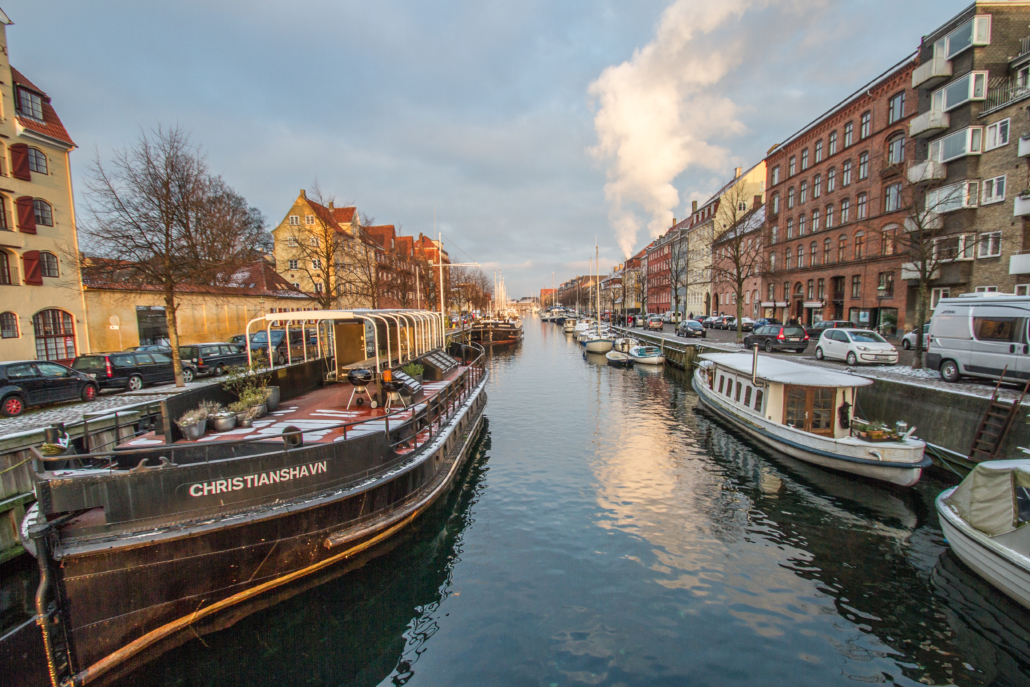
8 Facts About Sanitation in Denmark

Sanitation in Denmark
Access to sanitation services is often restricted by socioeconomic status, even in the most developed countries in the world. Fortunately, Denmark is an example of a country that found ways to overcome the struggle for a clean environment among impoverished communities. Denmark uses different teams of environmental experts, new technologies and a preventative approach to pollution. This has led to success in providing sanitation and clean water to its citizens. Here are eight facts about sanitation in Denmark.

8 Facts About Sanitation in Denmark

  1. Poverty and sanitation are directly related. Denmark has a poverty rate of about 0.20%. Poverty can be linked to sanitation because lower-income means fewer options for water sources and hygiene products. A lower-income family living in an area with unclean water may not be able to afford bottled water. However, as described below, Denmark has taken steps to ensure that all of its citizens have access to clean water and sanitation.
  2. It is common to drink tap water in Denmark. Citizens of Denmark have no qualms about drinking straight out of their own sinks because the water is clean and trustworthy. Morten Kabell, Mayor of Technical and Environmental Affairs, even argues that public drinking water in Denmark is considered cleaner than bottled water. This reduces major costs to families who would otherwise need to buy their own water, which can trap someone in the cycle of poverty.
  3. Clean water became a cultural priority in the 1970s. Despite its current successes, Denmark’s history regarding clean water is not perfect. Before the 1970s, citizens of Copenhagen were often exposed to polluted water, which was unsafe for drinking and swimming. In 1971, Denmark established the Environmental Ministry, whose main task was to reduce pollution. The Ministry met with representatives from other countries the following year where they drew up the Stockholm Declaration. It is the first document recognizing access to a clean environment as a fundamental human right. Now, 50 years later, Copenhagen citizens of all socioeconomic statuses have access to clean resources.
  4. Denmark uses a prevention model, rather than a treatment model. When it comes to protecting its citizens from contamination by toxic substances, the Danish EPA’s policy is based on prevention instead of treatment. This means that while Denmark possesses the ability to monitor and decontaminate various forms of matter, its primary goal is to prevent contamination in the first place by reducing emissions of air pollutants and pollution of their water supply. As a result, low income communities are less likely to endure the negative effects of pollution. This allows them a more equal chance to climb the socioeconomic ladder.
  5. A majority of the population in Copenhagen sorts some types of waste. The latest reports on Copenhagen’s biowaste report that about 78% of residents in Copenhagen are willing to sort their biowaste. Beyond just recycling versus trash, the sorting system in Copenhagen often includes more detailed subcategories. The author of The Copenhagen Tales reported that it is typical for apartment buildings to have four categories for waste: paper, plastic, biodegradable and residual. Sorting biowaste is the norm in Copenhagen for citizens of all socioeconomic backgrounds. There is no clear link between income and recycling habits.
  6. Denmark hopes to recycle 70% of all waste by the year 2024. Denmark produces the most municipal waste (everyday trash) per person when compared to other European countries. However, in 2015, Denmark announced its plan to recycle 70% of all waste produced by 2024. While this is ambitious, the country has already begun using waste for more beneficial and sanitary purposes. For example, converting waste into fertilizer alternatives. This is important for the economy because many Danish people work in agriculture. In addition, Danish people who work in agriculture must expose themselves to potentially hazardous substances (like fertilizer) to make a living. Thus, the conversion of waste to fertilizer can decrease pollutant exposure in more vulnerable communities.
  7. All of the Danish population has access to sanitation services. According to a report from 2018, 100% of the people in Denmark use safely-managed sanitation services. This includes access to soap, clean water and a bath or shower. Because of its successes, Denmark’s poorer populations have a better chance of thriving.
  8. Denmark helps other countries with their sanitation problems. As Denmark has a reputation for its clean water access, countries have turned to Denmark for help. South Africa, for example, turned to Denmark during severe water shortages in 2015. Clean water was being wasted in many homes due to burst pipes and other structural issues, especially among lower-income communities. As a result, South Africa’s Water and Sanitation Minister met with Denmark’s Environment and Food Production Minister to solve the problem together. The two countries continue to cooperate in an effort to manage water and sanitation.

The triumphs of sanitation in Denmark are one example of how taking care of basic needs can improve the lives of people across the socioeconomic spectrum. With cleaner water, air and other resources, impoverished people have a better chance of avoiding disease, death, injury and developmental problems that perpetuate the cycle of poverty. The successes of sanitation in Denmark overlap with their economical successes and their hope for the future.

– Levi Reyes
Photo: Flickr

July 15, 2020
https://borgenproject.org/wp-content/uploads/borgen-project-logo.svg 0 0 Kim Thelwell https://borgenproject.org/wp-content/uploads/borgen-project-logo.svg Kim Thelwell2020-07-15 10:30:182024-05-29 23:17:458 Facts About Sanitation in Denmark
Global Poverty, Sanitation, Water Sanitation

10 Facts About Sanitation in Côte d’Ivoire

Sanitation in Côte d’Ivoire
Côte d’Ivoire, a tropical destination nestled in the south-western coast of Africa, is home to 22 million people who struggle to access clean water and sanitation facilities. The sanitation practices and systems in Côte d’Ivoire have faced setbacks from political instability and rapid urbanization. With the help of international aid, the country can increase access to clean water and sanitation facilities. By repairing infrastructure and reallocating funds, the sanitation in Côte d’Ivoire is on track to be up to par in the foreseeable future.

10 Facts About Sanitation in Côte d’Ivoire

  1. The sanitation crisis in Côte d’Ivoire is partly due to political unrest. Since the Second Ivorian Civil War in 2011, the country has experienced unrest that has pushed sanitation in Côte d’Ivoire to the bottom of the political agenda. Because of the sociopolitical crisis, large numbers of people have fled to settlements where there is little access to purified water or clean bathrooms. This displacement, paired with immigration from bordering countries like Ghana, caused the sewage systems and water purifying plants in Côte d’Ivoire to become overwhelmed and even harder to fix.
  2. Almost half of the population struggles to access clean water. In Côte d’Ivoire, 35% of individuals living in rural settlements do not have access to clean drinking water. Around 9 million people in the country are unable to reach a sanitation facility that houses bathrooms, showers, and places to purify water. Côte d’Ivoire is working to improve this; in 2010, only 14 million citizens had access to safe drinking water, but in 2015, more than 16 million people had access to basic drinking water.
  3. The sewage and water sanitation systems are outdated and neglected. Because of the ongoing political distress, important maintenance of sanitation systems has fallen by the wayside. In 2016, The World Bank started the Urban Water Supply and Sanitation Project, providing Côte d’Ivoire with a $50 million credit. Regular upkeep of water purifying plants and sewage pipes is crucial to public health.
  4. Tainted water supplies affect infants. One study found that E.coli fervently contaminates infant formula when areas store municipal water rather than treating it immediately. Around 41% of households in the study appeared to have E.coli present in the water they used for infants’ formula, increasing the infant mortality rate. Fortunately, since 2010, the infant mortality rate in Côte d’Ivoire has decreased from 107.2 per 1,000 births to 80.9 per 1,000 births.
  5. Contaminated drinking water increases water-borne illness. Many people must seek unsafe alternatives in the absence of properly cleaned water. Drinking or using contaminated water to cook can cause cholera, dysentery, typhoid and giardia, to name a few. Public health depends on government action to improve the sanitation in Côte d’Ivoire, which includes providing access to clean drinking water.
  6. The inaccessibility of clean water disproportionately affects women. Women and girls are typically responsible for bringing clean water to their homes. Because they must walk long distances alone to fetch water, they face an increased risk of others abducting or harassing them along their route. Girls also forfeit attending school because 0f this responsibility. According to the UNDP, the school enrollment rate for girls is 33% in comparison to a 45% enrollment rate for boys.
  7. Two of the country’s top 10 leading causes of death are a result of poor sanitation. Malaria and diarrheal diseases are two of the leading causes of death in Côte d’Ivoire. The lack of access to working bathroom facilities has caused many citizens to defecate outside, leaving cesspools for mosquitoes to breed and spread malaria. Drinking contaminated drinking water causes diarrheal infections.
  8. Côte d’Ivoire launched a team to tackle the sanitation issue. In November 2019, the Minister of Hygiene and Sanitation established a brigade of workers to help cities build working sewage systems and accessible sanitation facilities. The country is employing SODECI and other sanitation companies to clean up the community by picking up litter, cleaning gutters and cutting grass; they also encourage people to keep the area around where they live and warn of illegally dumping into water supplies.
  9. Many organizations work to help sanitation in Côte d’Ivoire. Habitat for Humanity has mobilized hundreds of workers to install water pumps and teach locals how to maintain them. USAID researches sustainable technology, develops prototypes and creates working models for new technology such as double pit latrines. Organizations like the World Health Organization (WHO) monitor and track the spread of various illnesses related to poor sanitation and provide funding to governments to help with these issues.
  10. Côte d’Ivoire received millions of dollars during COVID-19 to help with the sanitation crisis. In May 2020, The World Bank agreed on a $35 million credit to allow the government of Côte d’Ivoire to respond to the COVID-19 pandemic. The credit will help the government install water treatment plants, restructure sewage systems and provide access to clean water and other resources needed to maintain proper hygiene.

Although these facts show Côte d’Ivoire’s sanitation challenges, they also indicate some of the initiatives to develop the country’s sanitation. The sanitation in Côte d’Ivoire should improve greatly throughout the next few years and continue beyond if aid from the international community and other organizations persists.

– Danielle Kuzel
Photo: Flickr

July 15, 2020
https://borgenproject.org/wp-content/uploads/borgen-project-logo.svg 0 0 Kim Thelwell https://borgenproject.org/wp-content/uploads/borgen-project-logo.svg Kim Thelwell2020-07-15 07:30:362024-05-29 23:18:0010 Facts About Sanitation in Côte d’Ivoire
Global Poverty, Sanitation

10 Facts About Sanitation in Lebanon

10 Facts About Sanitation in Lebanon
Lebanon is a Middle Eastern country located in Western Asia. Bordered by Syria and Israel, Lebanon has a population of about 6.8 million. In the past 40 years, Lebanon has faced a civil war, spillover from the Syrian civil war, years of political unrest and a two-and-a-half-year leadership gap in 2014. Lebanon’s sanitation issues have been a task the government has not yet solved due to the amount of political and governmental unrest and the COVID-19 pandemic. As a result, foreign aid groups are intervening to keep the Lebanese people safe. Here are 10 facts about sanitation in Lebanon.

10 Facts About Sanitation in Lebanon

  1. Lebanon is facing a garbage crisis. In 2015, Naameh, a large Lebanese landfill site, closed due to unsanitary conditions and capacity issues. Government authorities struggled to find a contingency plan in time, leading to what Human Rights Watch calls a “national health crisis.” Garbage is piling up on streets and in riverbanks in its capital, Beirut. Burning waste is a method that Beirut and Mount Lebanon has used since Naameh closed, but it poses a threat to the Lebanese people. The Human Rights Watch reported that, since the closure, doctors near Beirut saw an increase in respiratory illnesses. In addition, experts have linked the inhalation of smoke from burning waste to heart disease, cancer and skin conditions. During the COVID-19 outbreak, this crisis has worsened. Nongovernmental organizations have to take Lebanon’s medical waste because the country cannot properly dispose of it.
  2. Water quality has deteriorated, in part due to the garbage crisis. USAID wrote that the dumping of waste in rivers, in combination with urbanization and the lack of a waste management system, has led to a deterioration in Lebanon’s water quality. Waterborne diseases, such as dysentery, hepatitis A, leishmaniasis and typhoid, are leading diseases that affect children.
  3. The Syrian crisis spillover into Lebanon has had harmful effects on the country’s water. The war has led to an influx of more than 1.5 million refugees to Lebanon. Consequently, this has added significantly to the country’s water stress. Access to a public network of water as a drinking source dropped from 57% to 35% between 2004 and 2009. Currently, UNICEF is working with the Lebanese government to improve access to both safe drinking water and waste services.
  4. Access to clean water is expensive. Nearly one in three Lebanese buys their drinking water from an alternative source because of the issues with official water supplies. These sources often come at a cost. Additionally, an average Beirut family can spend up to 15% of its monthly income on just water.
  5. The U.N. Refugee Agency (UNHCR) has coordinated with Lebanese authorities to improve sanitary conditions and safe water access. UNHCR’s water, sanitation and hygiene (WASH) efforts designs to help both refugees and Lebanese communities meet their basic needs and strengthen infrastructure. Its interventions helped sanitation in Lebanon. In fact, it improved sanitary conditions for 108,000 people and access to safe water for 27,000 people by the end of 2016. By June 2017, it had improved the sanitary conditions for 110,700 refugees and installed more than 147 km of pipeline in nine water supply systems.
  6. Lebanon’s air quality is unsafe. Recent data indicates that Lebanon’s annual mean concentration of PM 2.5 is three times the recommended maximum amount. Tourism and cement industries, food processing, mineral and chemical products, oil refining and vehicle emissions are all contributors to Lebanon’s poor air quality. Exposure to air pollution short term can lead to symptoms such as itchy throat, nose, eyes and chest pain, shortness of breath, wheezing, nausea and upper respiratory infections. Moreover, longterm effects include lung cancer and cardiovascular disease. Globally, one can attribute 5 million deaths each year to air pollution. Around 93% of the population in Beruit experiences exposure to high levels of air pollution. As of 2019, Lebanon is still looking for solutions for this.
  7. UNICEF helped more than 134,000 refugees learn about health and sanitation. About 18% of Syrian refugees in Lebanon live in tents or makeshift shelters. In addition, 73% of refugees rent units that are in poor condition, lacking kitchens, toilets and running water. The lack of these resources — especially for those living in makeshift settlements — is a sanitation risk. UNICEF reached out to more than 134,000 refugees living in Informal Settlements (ISs) to communicate “custom-tailored public health promotion messages” on topics relating to sanitation including safe water, hygiene, solid waste and communicable diseases.
  8. Rotary International has worked to improve hygiene in Lebanese schools. As of 2019, the Rotary wrote that it had installed a water filtration project to provide safe water to more than 1,000 schools. A second and third phase will work on advancing hygiene conversations between teachers and students and installing proper sewage systems and toilet seats in schools. It plans to continue its work by implementing water filtration in prisons.
  9. There has been an uptick in foodborne and waterborne diseases. The Ministry of Public Health’s epidemiological surveillance program has recorded increasing levels of water and foodborne illnesses. The cases rose from 1,072 in 2005 to 2,053 in 2018. This is likely because of people eating food that has come in contact with contaminated water. While the Rotary has worked on improving water conditions for schools and prisons, advocates are still attempting to bring awareness to the pollution issues in Lebanon.
  10. Foreign aid helps with Lebanon’s sanitation and access to water problems tremendously. In 2019, 98% of people had access to safely managed sanitation services. Meanwhile, about 93% of the population had access to safely managed drinking water services. More than 570,000 people gained access to improved drinking water through U.S. government assistance. The Lebanon Water Project, a five-year program with USAID, has funded $65 million in an attempt to create cleaner, more sustainable and reliable water sources in Lebanon. The project supports the Noth Lebanon Water Establishment with water infrastructure works and encourages the use of drip irrigation, which saves water.

While Lebanon still has a garbage crisis on its hands, something that the pandemic has made more difficult, organizations like USAID, WHO, UNICEF and UNHCR have helped improve sanitation in Lebanon outside of that crisis. As a result, more people have access to clean water.

– Sophie Grieser
Photo: Flickr

July 15, 2020
https://borgenproject.org/wp-content/uploads/borgen-project-logo.svg 0 0 Jennifer Philipp https://borgenproject.org/wp-content/uploads/borgen-project-logo.svg Jennifer Philipp2020-07-15 01:31:002024-05-29 23:17:5410 Facts About Sanitation in Lebanon
Education, Global Poverty, Sanitation, Women's Empowerment

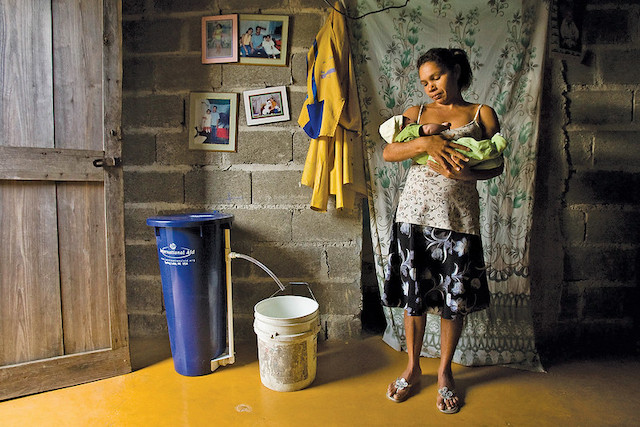
5 Influences on Poverty in the Dominican Republic

Poverty in the Dominican Republic
When one thinks about the Dominican Republic, one may typically picture the beaches of Punta Cana or other tropical vacation destinations. Although the Dominican Republic has a strong and fast economic growth rate within the Latin American and Caribbean regions, the largest income group is a vulnerable set of individuals who have a high probability of falling back into poverty. In 2008, the national poverty rate was roughly 34% in the Dominican Republic. The national poverty rate fell to 21% in 2019. However, much more progress must occur in order for the people of the Dominican Republic to escape poverty. Here are five main influences on poverty in the Dominican Republic.

5 Influences on Poverty in the Dominican Republic

  1. Lack of Quality Education: Young children and women do not have equal access to education in the Dominican Republic. About 36% of students do not finish their basic education. Many children who drop out are from the poorest areas of the country. They have to stop their education in order to help their families by working to earn money. In 2018, a total of 65,825 students were not in school. This pivotal setback will limit equal opportunities and their development. In order for the Dominican Republic to attain a positive economic turnaround, there must be an improvement in quality education. Since 2013, the government has increased its GDP spending on education and joined the World Bank’s Human Capital Project in order to get input about the improvement of human capital.
  2. Socioeconomic Inequality: One cause of poverty in the Dominican Republic is unemployment. The employment rate of women is 33% in comparison to 61% of males in the workforce. Women are at a disadvantage due to the absence of education. Oftentimes women leave education in order to take care of the family and household. Even if women are in the work field, they are underpaid in comparison to men. The average pay for women was 79% of what men make.
  3. Lack of Sanitation: About one-fifth of citizens live in shacks without access to running water, electricity and proper sanitation. Although the country made an effort to increase access to sanitation services, this does not correlate with improved living conditions and quality. Many do not have equal access to quality infrastructure, which shows an increase in poverty. According to the Pan American Health Organization (PAHO), the consumption of contaminated water led to severe diarrhea, which caused 50% of deaths in children under the age of 1. The World Bank Group helped restore water treatment facilities in Santo Domingo and Santiago. This led to more than 1 million gallons of drinking water for around 750,000 people. It also launched a project for wastewater treatment plants to help facilitate sanitation. The improvement of irrigation systems and clean water led to the improvement of local farms.
  4. Natural Hazards: The Dominican Republic suffers from natural disasters, which include earthquakes, flooding, hurricanes and droughts. Natural disasters have negatively affected a quarter of the country’s population. Many buildings and homes are vulnerable to natural disasters due to a lack of enforcing proper building and zoning codes. Increased flooding due to climate change will lead to economic loss within the country. It is difficult for the government to produce aid for families and businesses burdened by natural disasters. In 2017, Hurricanes Maria and Irma brought high winds, flooding and landslides that devastated the country. These hurricanes caused major property damage due to the creation of strong storm surges along the coastline. Luckily, the death toll was not high from these hurricanes. However, the storms caused major damage to physical communities and left many without power, water and sanitation. The Dominican Red Cross responds to disasters where it has relief protocols in order to support the country. It distributed relief packages to more than 2,000 families that Hurricane Irma affected.
  5. Crime: Violence and criminal activity led to a downfall in the country’s wealth equality. Although the Dominican Republic’s gross domestic product continues to rise, different communities do not have equal funding. Higher crime rates lead to disproportionality of wealth. These poverty-stricken communities lack protection. This can lead to individuals living in extreme poverty in the Dominican Republic.

Looking Ahead

The Dominican Republic is capable of reducing poverty in the next 10 years, but it must make major improvements. In order to end poverty in the Dominican Republic, representatives must improve the quality of education, health care services and employment through the implementation of policies that help the most vulnerable individuals. The country needs to make positive economic changes by increasing human capital and the business environment, improving the management of natural disasters and climate change and maintaining natural resources. These five influences on poverty in the Dominican Republic show that there needs to be policy changes in order to reshape the inequalities within the country.

– Ann Ciancia
Photo: Flickr

July 13, 2020
https://borgenproject.org/wp-content/uploads/borgen-project-logo.svg 0 0 Kim Thelwell https://borgenproject.org/wp-content/uploads/borgen-project-logo.svg Kim Thelwell2020-07-13 01:30:002024-05-29 23:14:365 Influences on Poverty in the Dominican Republic
Page 9 of 29«‹7891011›»

Get Smarter

  • Global Poverty 101
  • Global Poverty… The Good News
  • Global Poverty & U.S. Jobs
  • Global Poverty and National Security
  • Innovative Solutions to Poverty
  • Global Poverty & Aid FAQ’s
Search Search

Take Action

  • Call Congress
  • Email Congress
  • Donate
  • 30 Ways to Help
  • Volunteer Ops
  • Internships
  • Courses & Certificates
  • The Podcast
Borgen Project

“The Borgen Project is an incredible nonprofit organization that is addressing poverty and hunger and working towards ending them.”

-The Huffington Post

Inside The Borgen Project

  • Contact
  • About
  • Financials
  • President
  • Board of Directors
  • Board of Advisors

International Links

  • UK Email Parliament
  • UK Donate
  • Canada Email Parliament

Get Smarter

  • Global Poverty 101
  • Global Poverty… The Good News
  • Global Poverty & U.S. Jobs
  • Global Poverty and National Security
  • Innovative Solutions to Poverty
  • Global Poverty & Aid FAQ’s

Ways to Help

  • Call Congress
  • Email Congress
  • Donate
  • 30 Ways to Help
  • Volunteer Ops
  • Internships
  • Courses & Certificates
  • The Podcast
Scroll to top Scroll to top Scroll to top