 Hepatitis-related illnesses kill someone every 30 seconds. While many strains have treatments, the disease is incredibly prevalent. About 354 million people have hepatitis B or C and around 80% are unable to receive the appropriate care. The illness appears all over the world, as 116 million have it in the Western Pacific Region, 81 million in Africa, 60 million in the Eastern Mediterranean Region, 18 million in South-East Asia, 14 million in Europe and 5 million in the Americas. Global hepatitis elimination is possible with additional steps and education. However, as of right now, hepatitis is clearly very significant across the globe.
What is Hepatitis?
Hepatitis is inflammation of the liver often from infection or liver damage. While acute hepatitis often does not have symptoms, some symptoms can occur including:
- Muscle and joint pain
- High temperature
- Fatigue
- Loss of appetite
- Dark urine
- Pale, grey fecal matter
- Itchy skin
- Jaundice
Types of Hepatitis
There are five prominent types of hepatitis:
- Hepatitis A: Caused by the hepatitis A virus, people usually catch it when consuming food or drink contaminated with the fecal matter of an affected person. It is more common in places with poor sanitation and typically passes within a few months but could potentially be life-threatening. While there is no specific treatment, professionals recommend vaccination if a person is at “high risk of infection” or traveling to an area where it is more prevalent.
- Hepatitis B: Caused by the hepatitis B virus, hepatitis B spreads through “the blood of an infected person.” Hepatitis B is very common globally and typically spreads from an “infected pregnant woman to her babies or [through] child-to-child contact.” Sometimes it spreads through injecting drugs or unprotected sex but that is fairly rare. This strain is significant in southeast Asia and sub-Saharan Africa. Most adults who get it recover in a couple of months, however, children often develop a long-term infection that can lead to cirrhosis and liver cancer. A vaccine exists for hepatitis B.
- Hepatitis C: The hepatitis C virus causes this strain and is fairly common globally. Typically, the virus spreads through blood-to-blood contact with an infected person, so sharing needles is significant. Since many do not have symptoms, most people may not know they are sick without testing. One in four people is able to fight off the infection, however, it will stay in others for years. Chronic hepatitis C could cause cirrhosis and liver failure.
- Hepatitis D: Caused by the hepatitis D virus, this strain only affects those with hepatitis B. Spread through blood-to-blood or sexual contact, it is prevalent in Europe, the Middle East, Africa and South America.
- Hepatitis E: Caused by the hepatitis E virus, people usually catch it by eating raw or undercooked pork, venison, shellfish or offal. Typically, it is a “mild and short-term infection that does not require any treatment,” but people with a weakened immune system may be more at risk.
Other forms include alcoholic hepatitis, which occurs when a person drinks large amounts of alcohol. There is also autoimmune hepatitis, which is rare and occurs when “the immune system attacks and damages the liver.” A medication to reduce inflammation is available. Global hepatitis elimination needs to focus on all strains but especially B and C.
Methods of Reduction
By 2030, diagnostic tests, awareness campaigns, testing and vaccines could prevent 4.5 million deaths in low and middle-income countries. Currently, only 42% of children receive the birth dose of the hepatitis B vaccine. Nevertheless, global hepatitis elimination is very possible. A daily medication taken for 8-12 weeks cures most with hepatitis C and medications for hepatitis B are available. Both hepatitis A and B are preventable with safe and effective vaccines. Vaccinating more children would significantly reduce cases and be a major step towards global hepatitis elimination.
Additionally, since hepatitis A and E both spread mostly in areas with poor sanitation, improvements in sanitation could drastically reduce infections. Testing is another important step as many do not know they have it. In 2019, the World Health Organization (WHO) “estimated that only 10% of people with hepatitis B and 21% of people with hepatitis C worldwide knew they were infected. Of these, 22% and 62% had received treatment, respectively.”
Goals for 2030
The World Health Assembly called for the near or total elimination of viral hepatitis by 2030. This would entail:
- A 90% reduction in new cases of hepatitis B and C
- A 65% reduction in deaths
- Treatment for 80% who have the illness
The Global Immunization Strategic Framework has laid out how to achieve global hepatitis elimination. Goals include strengthening vaccination services, helping improve access to testing and improving the response to outbreaks. Safe vaccines for hepatitis A and B already exist, so improving access to them is important. However, the World Health Organization (WHO) has estimated that only 10% of people with hepatitis B and 21% with hepatitis C know they are sick. That means that improvements in both testing and education are vital first steps before improving vaccination rates. Therefore, global hepatitis elimination is possible with increased testing and vaccination rates.
– Alex Alfano
Photo: Flickr
 Human waste is typically overlooked, yet it can be a valuable resource capable of solving many of the issues surrounding the world today. As the global population continues to grow, coupled with environmental and sustainability concerns, a solution is needed. More than
 Amid an escalating economic crisis, Lebanon finds itself in an incredibly vulnerable position. According to
 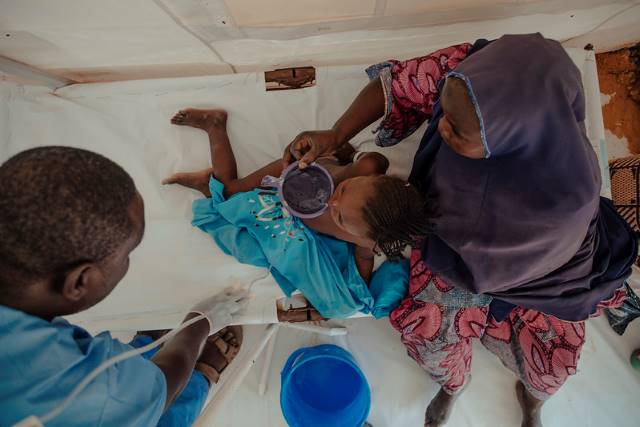 Between January and August 2021, Nigeria experienced
 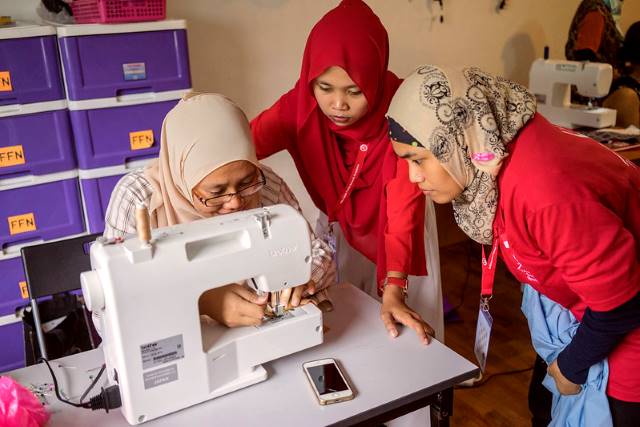 Established in 1963, Malaysia is a small country located in Southeast Asia. Since earning its independence, Malaysia has made considerable strides in working to reduce the national poverty rate, to the point where the country is expected to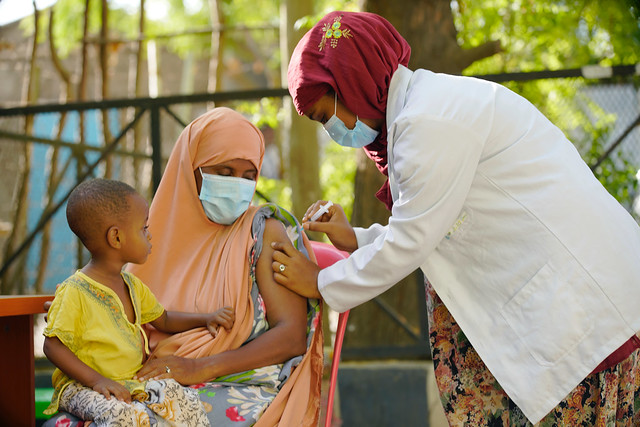
 The private sector primarily employs data science, a relatively new field based in technology and data analysis, to improve sales, invigorate customer services and project businesses into the future. As it is creating great value for entrepreneurship, it also has the potential to aid social good causes as professionals in the field are adapting to function in public health, social policy and international aid.
 In June 2021, the United Nations Children’s Fund (UNICEF) released its annual report outlining the work done during the prior year. This year, the report focused on UNICEF’s work during the COVID-19 pandemic. While complete data on how COVID-19 impacted global poverty may never be available, what is available paints a dire picture. Compared to the baseline projection of global poverty prior to the pandemic, 2020 saw
  Period poverty challenges women worldwide because many women cannot afford or do not have access to menstrual products. Whether in the United States, Ireland, Great Britain or South Africa, many women struggle with period poverty and need resources to properly manage their menstruation.
