• Link to X
  • Link to Facebook
  • Link to Instagram
  • Link to TikTok
  • Link to Youtube
  • About
    • About Us
      • President
      • Board of Directors
      • Board of Advisors
      • Financials
      • Our Methodology
      • Success Tracker
      • Contact
  • Act Now
    • 30 Ways to Help
      • Email Congress
      • Call Congress
      • Volunteer
      • Courses & Certificates
      • Be a Donor
    • Internships
      • In-Office Internships
      • Remote Internships
    • Legislation
      • Politics 101
  • The Blog
  • The Podcast
  • Magazine
  • Donate
  • Click to open the search input field Click to open the search input field Search
  • Menu Menu

Archive for category: Sanitation

Global Poverty, Health, Sanitation

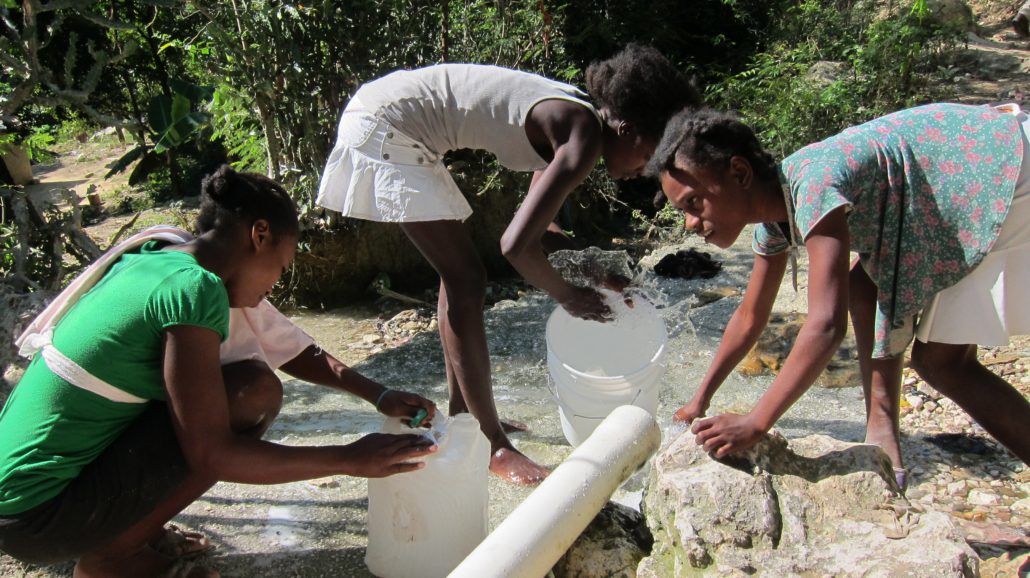
7 Facts About Sanitation in Somalia

Lack of access to WASH (Water, Sanitation and Hygiene) is inextricably linked to extreme poverty around the globe. Somalia, a country located in the Horn of Africa, has long faced issues relating to the provision of adequate sanitation services for its citizens. Though Somalia struggles with WASH, several organizations have vastly improved sanitation in the country, positively impacting education and health. The following are seven facts about sanitation in Somalia.

7 Facts About Sanitation in Somalia

  1. Improved water sources make education accessible. Currently, only 45 percent of Somalia’s population has access to improved water sources. Lack of access to clean water prevents children from attending school because they are forced to spend much of their day collecting water. Mercy-USA is working to tackle this water crisis and give children the chance to have the education they deserve. Since 1997, the organization has dug and repaired about 670 wells, benefiting more than 750,000 people in Somalia.
  2. Waterborne diseases result in numerous deaths per year. Waterborne illnesses such as cholera and diarrhea are the primary cause of 23 percent of deaths in children under 5 and are strongly correlated with child malnutrition. UNICEF is working to improve access to sanitation facilities and provide integrated interventions that reduce incidences of diarrhea.
  3. Improving health through hygiene education. Diseases often spread due to inadequate knowledge surrounding hygienic practices. Action Against Hunger launched a cholera prevention program in Somalia, which provided communities with hygiene education sessions. These sessions helped people understand the importance of handwashing, properly disposing of trash, and how to keep latrines clean.
  4. Drought kills cattle and leads to contaminated water sources, but UNICEF is helping. Recently, Somalia experienced a drought that had extremely adverse effects on much of the population. For many, farming is vital to their existence. The drought forced many farmers to migrate with their animals in search of water, but many animals died in travel. With so many animal carcasses littering Somalia, rainfall posed a threat of contamination to their water sources. In Somaliland and Puntland, UNICEF and WFP responded to the drought to provide food and water vouchers to about 76,000 people, saving those with compromised livelihoods.
  5. Reducing open defecation can improve health. The prevalence of open defecation in rural areas is estimated at 56 percent, leading to a vicious cycle of illness as it pollutes water that people use for cooking, cleaning and drinking. While many parts of Somalia experienced a massive outbreak of cholera after a severe drought (affecting more than 80,000 people), there were no cases in the village of Luqgodey where a UNICEF-supported program put an end to open defecation.
  6. Menstrual Hygiene Management (MHM) kits are improving women’s health. In Somalia, there continues to be taboo surrounding menstruation. In addition, some women only have access to cloth rags that restrict movement and are unsanitary because they have a limited source of water. The ELRHA sent 2,000 MHM kits to various countries, including Somalia, to help tackle this issue.
  7. Recent periods of drought have displaced over 1 million people. A severe drought in 2017 displaced 1.5 million people in Somalia and almost led to a famine. Thankfully, UNICEF provided safe drinking water to 1.8 million people, along with other critical interventions to meet the basic needs of Somali children and women affected by this drought.

While Somalia is still far from achieving proper sanitation for all who inhabit the country, these seven facts about sanitation in Somalia prove that hope is not lost and that, with help from philanthropic organizations around the world, sanitation can become accessible for all.

– Hannah White
Photo: Flickr
June 16, 2020
https://borgenproject.org/wp-content/uploads/borgen-project-logo.svg 0 0 Lynsey Alexander https://borgenproject.org/wp-content/uploads/borgen-project-logo.svg Lynsey Alexander2020-06-16 05:36:252024-05-29 23:15:317 Facts About Sanitation in Somalia
Clean Water Access, Global Poverty, Sanitation

10 Facts About Sanitation in Haiti

Sanitation in Haiti
Haiti has struggled with access to clean water over the past few decades. While strides have been made to improve the sanitation situation, the earthquake in 2010 augmented the problem. Access to clean water became almost impossible after the earthquake, culminating in the subsequent cholera outbreak. Here are 10 facts about sanitation in Haiti.

10 Facts About Sanitation in Haiti

  1. Prior to the 2010 Earthquake, only 69% of Haitians had access to an improved water source and only 17% had access to an improved sanitation facility. After the earthquake, however, these numbers plummeted, leading to the spread of cholera and typhoid. Organizations like Health Equity International have begun to combat this issue by providing water treatment tablets and water safety education.
  2. Only 24% of Haiti’s population has access to a toilet. With limited access to toilets, a nationwide sewage system has been hard to implement and maintain. This deficiency facilitates the spread of water-borne illnesses like cholera.
  3. Haiti’s WASH sector (Wash, Sanitation and Hygiene) is mostly financed by donors such as the World Bank, UNICEF, CDC and Swiss Development Cooperation. While these are major donors, anyone can donate.
  4. In 2012, the CDC helped the National Directorate of Water Supply and Sanitation (DINEPA) train communal water and sanitation technicians (TEPACs) to help improve water infrastructure in rural areas. TEPACs are extremely helpful because they routinely assess water systems, monitor free chlorine in the water, work with humanitarian aid and support the WASH sector.
  5. Before the 2010 earthquake, no waste management facility existed in Haiti’s capital, Port-au-Prince. After the earthquake and following cholera outbreak, the Morne a Cabri wastewater treatment was opened. This was extremely beneficial, as waste could be properly managed as opposed to remaining in a fecal sludge.
  6. The World Bank, in conjunction with DINEPA, supported a project to improve water and sanitation in Haiti. This project resulted in the construction of 25 sets of latrines, 25 urinals and 28 hand-washing stations. It also built sanitation works in public schools and a health center.
  7. In 2015, the Ministry of Health, DINEPA and the Ministry of Trade outlined a program to improve and monitor water quality. This agreement (The Promotion of Sanitation, Hygiene, and Life) was signed into law in 2016.
  8. Shortly after the cholera outbreak, the Haitian government implemented the National Plan of Action for the Elimination of Cholera in Haiti 2013-2022. This plan includes a framework for improving water, sanitation, health care, education, transportation and more. By increasing access to potable water and sanitation facilities, the government hopes to limit the spread of water-borne diseases.
  9. The Pan American Health Organization (PAHO) worked with the Haitian Solid Waste Collection Agency to remove health care waste (needles, bandages, gloves, etc.). As a result, hospitals received more training and information regarding how to manage medical waste.
  10. After U.S. government assistance, 392,000 people in Haiti gained access to improved sanitation and 2.1 million people gained access to improved drinking water.

These facts about Haiti and the country’s lack of clean water highlight the importance of consumable water and sanitary environments. While Haiti’s water accessibility and sanitary facilities are behind other nations in the Western Hemisphere, it is improving its infrastructure and hygiene-educational efforts to improve the lives of Haitian citizens.

– Ehina Srivastava
Photo: Flickr

June 9, 2020
https://borgenproject.org/wp-content/uploads/borgen-project-logo.svg 0 0 Kim Thelwell https://borgenproject.org/wp-content/uploads/borgen-project-logo.svg Kim Thelwell2020-06-09 11:00:352024-05-29 23:17:2810 Facts About Sanitation in Haiti
Global Poverty, Sanitation, Water

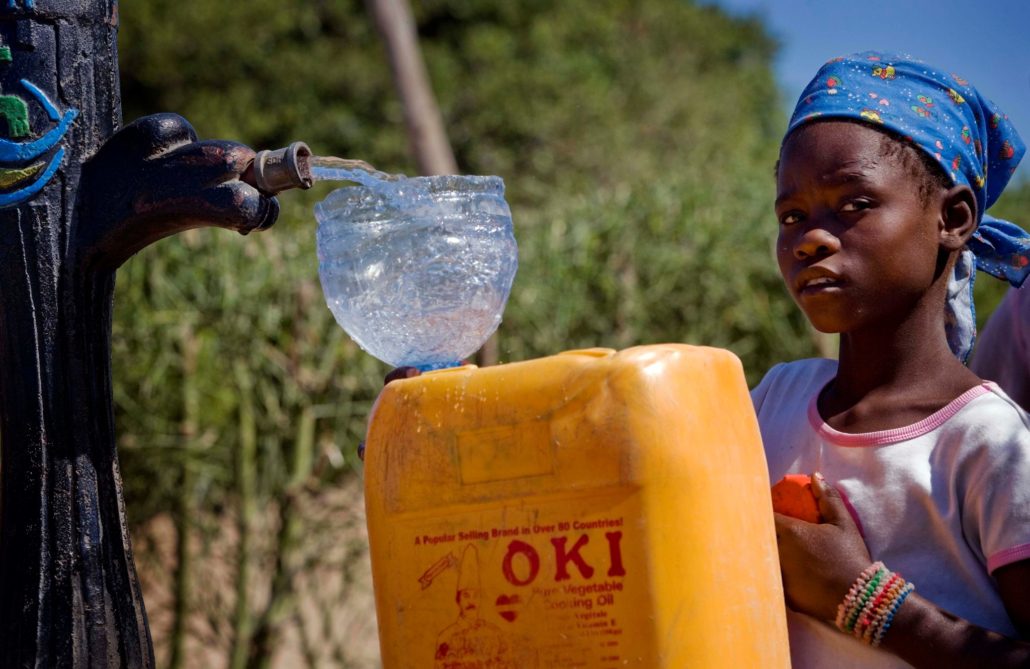
10 Facts About Sanitation in Mozambique

10 Facts About Sanitation in Mozambique
Mozambique is a Sub-Saharan African country located on the Southeast coast of Africa bordering the Indian Ocean. The country has a population of nearly 28 million people and is both culturally and biologically diverse. Global statistics classify Mozambique as one of the world’s poorest countries with a national poverty average between 41-46%. Slow economic growth and informal government control have led to unhealthy and unstable living conditions. Issues regarding sanitation and water services are prevalent in the country. Here are 10 facts about sanitation in Mozambique.

10 Facts About Sanitation in Mozambique

  1. According to WaterAid, 14.8 million people in Mozambique do not have access to clean water, which is over half of its population. High levels of poverty make building and maintaining services difficult, or even unattainable. The government of Mozambique needs funding to make commitments to its citizens, but in 2016 following a drop in commodity prices, donors like World Bank halted all aid—furthering the economic crisis.
  2. Water is an essential daily resource for all people including those in Mozambique. People in Mozambique use it for direct consumption, cooking, irrigating fields and sanitation. Rural communities often have to obtain their water from natural sources like rivers, hand-dug wells or ponds.
  3. UNICEF identified that in rural areas, one in five people use surface water as their primary drinking water source. Water from rivers, lakes, ponds and streams can contain bacteria, parasites, viruses and possibly other contaminants. To make surface water fit to drink, treatment is necessary. In fact, UNICEF has taken efforts to improve water services in the form of implementing Community-Led Total Sanitation (CLTS) in Mozambique.
  4. The World Bank allocated a $75 million International Development Association (IDA) grant to Mozambique in June 2019 to help with water services and institutional support projects. The grant will fund water production, expansion and refurbishment on wellfields, water treatment facilities and intake to improve all water services, as well as building the country’s resilience to droughts.
  5. WaterAid stated that three in four people in Mozambique do not have a decent toilet, amounting to 21.4 million people. Access to proper sanitation leads to the ability to have good hygiene that affects livelihood and sustainability. Citizens have to travel even a few days to find a decent toilet or care for older relatives, so they are unable to work or attend school. Women and girls often suffer the most due to this as it can impact their ability to garner an education, as well as their health and personal safety.
  6. Mozambique has one of the highest open defecation rates in Sub-Saharan Africa at 36%. Nine million Mozambicans use unsanitary or shared latrines and have no latrine at all, defecating in the open. The poorest quintile is four times more likely to practice open defecation than the richest.
  7. As many as 76% of the population do not have or use improved sanitation facilities, with the rate being 88% in rural areas compared to 53% in urban and peri-urban areas. Citizens need access to improved water supply or better sanitation but often cannot obtain the necessities if they live in low-income, informal or illegal settlements or on the outskirts of cities.
  8. Poor sanitation costs Mozambique $124 million (US), yet eliminating the practice would require that the country build two million latrines. Mozambique loses $22 million per year due to open defecation. People that practice open defecation spend 2.5 days out of a year on average looking for a private location, which often leads to economic losses. The country also experiences a $22 million loss due to health care costs relating to open defecation illnesses. Additionally, the country spends $79 million due to premature death costs.
  9. WaterAid identified that over 2,500 children under 5-years-old die every year from diarrhea due to dirty water and poor toilets. Fragresse Finiassa, a mother of six, obtained training from UNICEF’s WASH Program. Finiassa stated that “We used to suffer a lot from diarrhea. When we had severe diarrhea, we would have to walk five hours to the health center for treatment.” The lack of a toilet meant that “At night, our shoes would often get dirty, because we couldn’t see where we were treading, and my children would also get scared to go out in the bush (to defecate) in the dark.” However, that all changed in 2016 when her community learned the dangers of open defecation and received training for toilet construction. Men in the community learned how to build latrines and covered them with concrete slabs for proper defecation and contribute to improved health.
  10. According to UNICEF, 246 of every 1,000 children born in Mozambique die within their first five years, with 13% of deaths directly due to a lack of access to proper sanitation and clean water, and poor hygiene practices. Cholera infection is the most common waterborne illness that citizens face due to stagnant water sources. Reports determined that there was a cumulative total of 6,382 cases and eight deaths as of April 2019.

These 10 facts about sanitation in Mozambique have shown that it may be able to eradicate poverty through improved sanitation and management of water resources, as these could foster economic growth.  Access to proper sanitation could greatly improve Mozambique’s economy and start to lift the country out of poverty.

– Anna Brewer
Photo: Flickr


June 2, 2020
https://borgenproject.org/wp-content/uploads/borgen-project-logo.svg 0 0 Jennifer Philipp https://borgenproject.org/wp-content/uploads/borgen-project-logo.svg Jennifer Philipp2020-06-02 01:30:112024-05-29 23:17:3910 Facts About Sanitation in Mozambique
Clean Water Access, Global Poverty, Sanitation, USAID

10 Facts About Sanitation in Venezuela 

Sanitation in Venezuela
Venezuela was one of the wealthiest countries in the world, with its main exporter being oil. However, the country has suffered a water and sanitation crisis, as only 18% of the population had access to clean drinking water in 2018. Around 30% of the population that has unimproved sanitation live in rural areas, while 2.5% are in urban areas. While climate change has significantly impacted Latin America’s resources, Venezuela’s water/sanitation status has affected the lives of Venezuelan citizens. Here are 10 facts about sanitation in Venezuela.

10 Facts About Sanitation in Venezuela

  1. Blackouts and the lack of electricity pose a threat to Venezuela’s access to water. The electricity generates throughout the country’s water plants and sewage pipes. These outdated infrastructures have dealt with terrible maintenance. As a result, when these blackouts happen, the electricity and water from pipes or faucets stop, disrupting the flow of the water. Venezuelan President Nicolas Maduro has promised to put back-up water tanks on rooftops to relieve the problem.
  2. Venezuela’s water supply is sparse throughout the country. Around 80% of the population lives in the northern region of the country; however, not even 10% of water resources are available in that region. The inconsistency of the access to water provides frustration for many citizens, as they have to travel to other areas outside of their homes to find a decent supply of water. Urban areas are near the northern region, while rural areas are near the southern region. In the country’s first-year rehabilitation plan, it stresses that efforts will focus on the northern region, to identify who needs urgent assistance.
  3. UNICEF provided access to drinking water for over 2.8 million people in 2019. The organization has worked on supplying safe drinking water through sources like water trucking and system repairs. Using these methods will be beneficial in fixing the main spots for water distribution like schools and hospitals, and cleaning main water sources to improve safe use. In 2019, UNICEF provided water and hygiene services to at least 18,300 people in the health centers and learning spaces.
  4. Multiple laws are in place for better water access. Laws like the Organic Law on the Environment protect river basins, preserving their natural soils and guarding the availability of water to sustain the water cycle. While these laws establish some framework into the conservation of water and sanitation, they have not been fully effective because they do not address the lack of maintenance in infrastructures that affects the distribution of water.
  5. The Venezuelan government is finding new means to upgrade water treatment facilities. Over the years, Venezuela’s infrastructure to transport and contain water has been aging and lacking any type of improvement. In 2013, the government asked for Electrotécnica SAQUI’s help to rebuild and restructure the water plants, removing harmful material that seeps into the water. Adding fiberglass blades to the water plants to remove large amounts of sludge helps keep the plants cleaner, which improves the water quality.
  6. The Guaire River in Caracas is Venezuela’s biggest water source. Many citizens make long travels to the Guaire River, as it is the main body of water they have access to. However, wastewater has contaminated the river. The Guaire River is near the city of Caracus, which has three water plants: La Mariposa, Caujarito and La Guaira. The plants sanitize the water, removing sludge so that it does not settle in the tanks.
  7. The average cost for a bottle of water matches the country’s minimum wage. In a Caracus supermarket, 5 liters of water is $2. Unfortunately, that makes up almost half of Venezuela’s minimum wage or approximately $6 a month.
  8. The lack of access to water and sanitation has impacted education. Because of the lack of decent water service for drinking and sanitation, multiple educational institutions have had to shut down. Around 28% of students could not attend school because of the shortage of water. Venezuela’s emergency plan’s response in its first 6 months involved an effort to provide clean water and sanitation, especially in schools, to eliminate the rate of diseases like malaria.
  9. The water supply has had a significant impact on food security. Production of Venezuela’s main crops — like rice and coffee — has fallen to 60% within the last 20 years. This dramatic decrease has caused a surge in weight loss and malnourishment for many citizens and children. To better help Venezuela’s agriculture production, USAID is using its funding to provide hot meals to food kitchens and schools and increase access to livestock and tools.
  10. Venezuela needs approximately $400 million to initiate a first-year rehabilitation plan. Damage to the water supply has been detrimental to the point that this amount of funding is necessary for effective rehabilitation and restoration of water and sanitation resources. USAID has provided more than $56 million of humanitarian aid to Venezuela for assistance in sanitation, hygiene, medicine and health care.

Venezuela still has a long way to go in improving its water and sanitation services. Still, looking at these 10 facts about sanitation in Venezuela, the country is steadily working on the necessary progress it needs to increase clean water accessibility. By reevaluating infrastructure and establishing several laws surrounding water and sanitation access, sanitation in Venezuala should continue to improve.

– Loreal Nix
Photo: Flickr

May 29, 2020
https://borgenproject.org/wp-content/uploads/borgen-project-logo.svg 0 0 Jennifer Philipp https://borgenproject.org/wp-content/uploads/borgen-project-logo.svg Jennifer Philipp2020-05-29 01:30:062024-05-29 23:17:2910 Facts About Sanitation in Venezuela 
Global Poverty, Sanitation, Water Sanitation

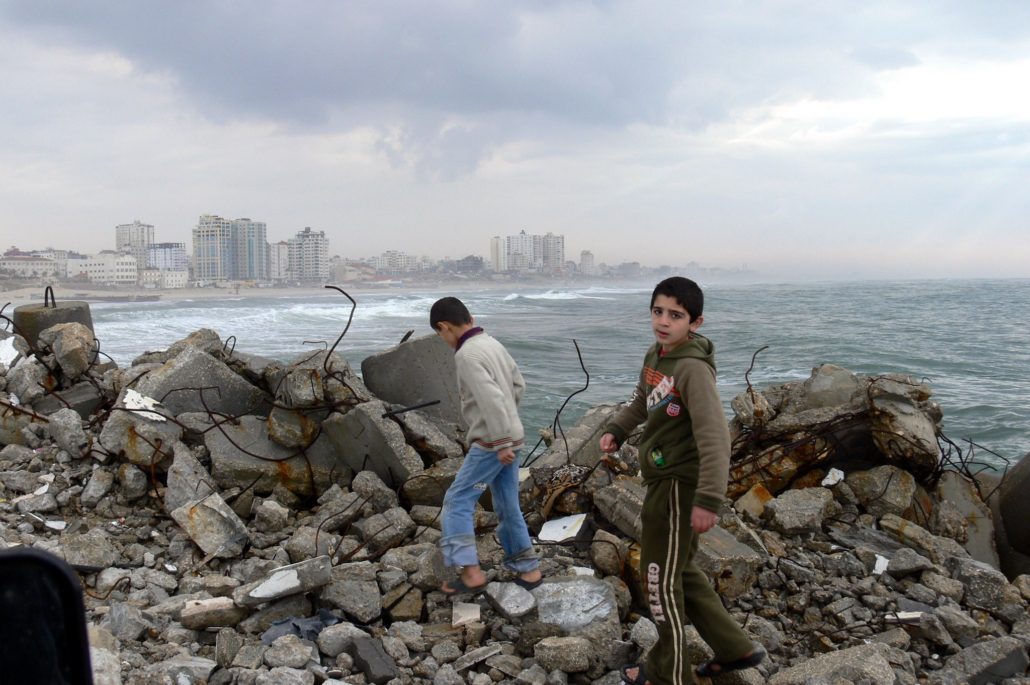
10 Facts About Sanitation in the Gaza Strip

Sanitation in the Gaza Strip
The Gaza Strip currently suffers from a lack of consumable water. In 2012, this problem became so bad that when compounded with violent conflicts, displacement and high unemployment, the U.N. warned that Gaza could become uninhabitable by 2020. However, the Strip still remains home to approximately 1.9 million people who are living through the crisis regarding sanitation in the Gaza Strip and hoping for improvement.

What is the Gaza Strip?

The Gaza Strip is a small Palestinian territory on the Mediterranean coast bordering Egypt and Israel. Gaza and Israel share a complicated history, stemming from 1948 when the U.N. decided to split the British territory of Palestine into two separate countries: Israel and Palestine.

Both countries entered into conflict with each other and both occupied Gaza until Israel returned the territory to Palestine in 2005. In 2007, an Islamist Militant group named Hamas came into power. After more violence that eventually ended in 2014, tensions between Gaza and Israel remain high today. Here are 10 facts about sanitation in the Gaza Strip.

10 Facts About Gaza’s Sanitation Crisis

  1. “De-development” is hindering water treatment. According to UNCTAD, de-development is a “process by which development is not merely hindered but reversed.” Gaza faces deteriorating infrastructure and a negative economic growth, both of which feed Gaza’s sanitation crisis. Years of continuing conflict damaged Gaza’s infrastructure. Unfortunately, Gaza does not have the money or the supplies to rebuild. Businesses suffer from Israel’s stifling 11-year blockade of Gaza; their lack of options often forces them to close, driving up unemployment and the poverty rate. Rather than give much-needed support to Gaza, Israel also controls and hinders access to supplies and fuel, which Gaza needs for rebuilding and treating water at its desalination plants.
  2. The Gaza Strip has limited freshwater. In fact, 97% of freshwater in the Gaza Strip is unsuitable for human consumption.
  3. Only approximately 200,000 people have safe water. Only 10% out of the nearly 2 million people who live in Gaza have access to safe drinking water.
  4. Sewage filters into water plants. Every day, approximately 110 million liters of sewage, raw and untreated, go directly into the Mediterranean, which then feeds the desalination plants.
  5. A depleted aquifer is a contaminated water source. According to the U.N., 90% of the water from the underground aquifer is undrinkable because it now contains the seawater that untreated sewage has contaminated. However, a lack of options forces Gazans to use the contaminated aquifer water.
  6. Unaffordable water bills. According to the U.N., 38% of Gazans live in poverty. As a result, they simply cannot afford to pay water bills. The spread of poverty is largely due to Israel’s blockade. The blockade restricts imports and exports, migration and access to the land and sea. Since businesses cannot reach their markets, they shut down, causing a lack of employment opportunities. As a result, it is challenging for Gazans to provide for their families, especially without fishing or farming.
  7. Unsafe drinking water leads to health complications. Water pollution increases the number of kidney problems, diarrhea and blue baby syndrome, an illness that causes babies’ lips and skin to turn blue. The rising cases especially affect Gaza’s increasing child mortality rate.
  8. A lack of electricity immobilizes treatment plants. In Gaza, a $10 million desalination plant can only operate for four hours a day because Israel controls fuel and electricity. Even though Gaza has some functioning treatment plants, the lack of electricity decreases their reliability and output.
  9. Gaza receives less than 16% of items necessary to construct water infrastructure. Israel restricts equipment and supplies, such as cement, from entering Gaza. It does not want Gazans to have anything they could potentially turn against Israel.
  10. Cooperation is key. Political parties often use water and electricity as political instruments against another party. If Israel and Gaza work together, they may be able to solve the sanitation crisis in the Gaza Strip.

Improvements for Gaza’s Sanitation Crisis

An environmental NGO, EcoPeace, and the World Bank both have ongoing projects in Gaza. EcoPeace uncovered and publicized a satellite image of pollution coming from Gaza that affected the Ashkelon Plant. While this desalination plant is located in Gaza, it produces 15% of Israel’s domestic drinking water. Due to the level of pollution it faces, it sometimes has to close, shutting off production. EcoPeace used connections with mayors in the Gaza Strip and Israel to write to the Israeli Prime Minister, conveying that the water security of Israel has a connection with the Gaza Strip. As a result of EcoPeace’s efforts, the Israeli government agreed to sell more electricity to Gaza for water and sewage treatment.

In February 2020, the World Bank initiated the Associated Works Project. Phase one of this project gives a total of $117 million from various sponsors (the World Bank, Kuwait and members of the Partnership for Infrastructure Development Multi-Donor Trust Fund) to provide 30 million cubic meters of fresh water per year to 16 municipalities in Gaza, improving the quality and quantity of water accessible to Gazans. This grant also helps with the construction and rehabilitation of infrastructure.

While the sanitation crisis in the Gaza Strip is severe, with increased cooperation and accountability from Israel, projects like those of the World Bank and EcoPeace should be able to continue and succeed.

 – Zoe Padelopoulos
Photo: Flickr

May 27, 2020
https://borgenproject.org/wp-content/uploads/borgen-project-logo.svg 0 0 Jennifer Philipp https://borgenproject.org/wp-content/uploads/borgen-project-logo.svg Jennifer Philipp2020-05-27 07:30:432024-05-29 23:17:3010 Facts About Sanitation in the Gaza Strip
Developing Countries, Global Poverty, Health, Sanitation, Water Sanitation

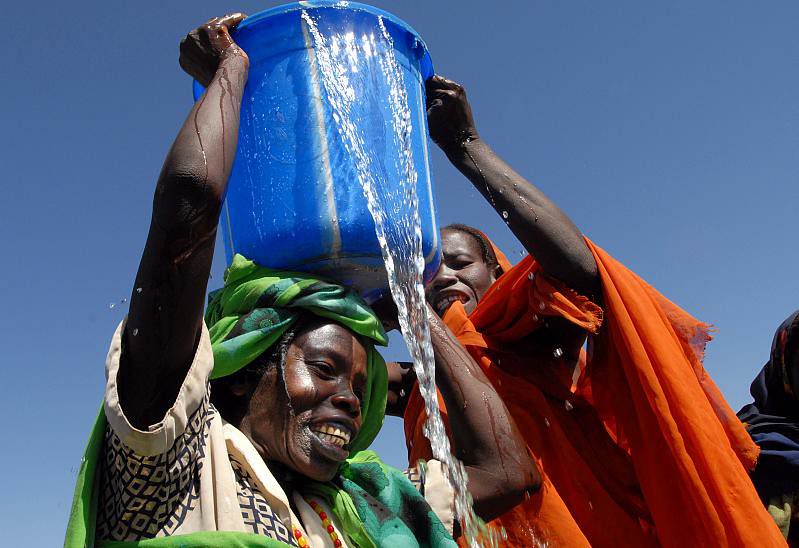
6 Facts About Sanitation in Chad

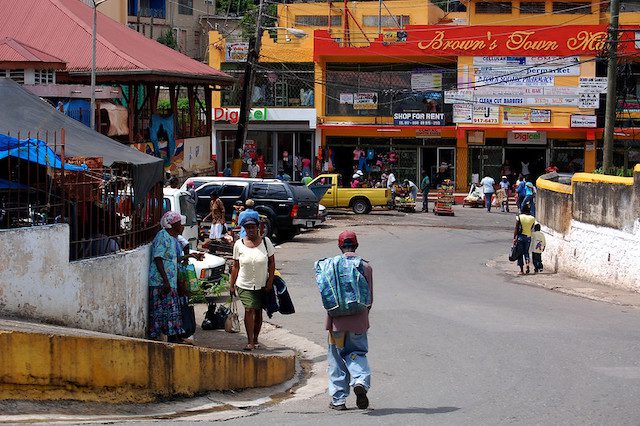
facts about sanitation in ChadChad is a country highly dependent on agriculture with two-thirds of the population employed in such a capacity. For agriculture to thrive, water must be plentiful. However, for Chad, ensuring access to adequate water supplies has and continues to be a challenge. Additionally, the citizenry at large suffers from a lack of sanitized water, which increases the danger of disease transmission. Here are 6 facts about sanitation and access to water in Chad.
6 Facts About Sanitation in Chad

  1. Basic water services: In 2019, 61% of Chad’s population lacked access to basic water services. Many had to obtain drinking water from an improved source like a well or piped water.
  2. Open defecation: 69% of Chad’s population practices open defecation, a result of Chad being the country with the largest percentage of its population without access to a toilet. Among the poorest Chadians, access to toilets improved by 7% between 2000 and 2017. However, 88% of them still practice open defecation.
  3. Hand washing: Chad is one of 19 countries where more than 50% of the population does not have a handwashing facility. Additionally, 76% of Chad’s people have no handwashing facility in their home. This is especially salient today since the World Health Organization recommends hand hygiene as “the most effective single measure to reduce the spread of infections”.
  4. Lake Chad: This body of water borders Nigeria, Niger, Cameroon and Chad and supports the existence of 30 million people. This economically important source of water, however, has shrunk by 90% since the 1960s. For communities reliant on fishing, farming and herding, a diminishing Lake Chad translates into resource constraints and sometimes conflict.
  5. Refugee crisis: Conflict caused by Boko Haram and other insurgent groups in the region has displaced thousands of Chadians and others. For example, in Kobiteye, a refugee camp bordering the Central African Republic, 24,000 refugees live without adequate access to water.
  6. Lethality: The inability to consume clean water is costly, taking the lives of thousands in Chad. A U.N. report found children under five in conflict-affected states were “more than 20 times more likely to die” from unsafe water or lack of sanitation than from the conflict itself.

Solutions

In response to Chad’s water crisis, some organizations and governments have stepped up assistance. In 2019, World Vision Chad redirected 70% of its funding to providing safe water access. They reached 18,000 displaced refugees with 45 boreholes. A few years ago, USAID dug 113 wells that reached 35,000 people since 2008.

Other organizations are focusing on leveraging technology to improve water access. Chad’s Ministry of Water and Sanitation and the Swiss Agency for Development and Cooperation partnered to fund the ResEau project, a 10-year 3D mapping initiative designed to improve borehole drilling. Before ResEau began, boreholes successfully reached water 30 to 40% of the time. Now, boreholes successfully reach water over 60 percent of the time.

Additionally, ResEau also contributed to creating a master’s degree program in Hydrology and GIS at the University of N’Djamena in Chad. This program has benefited more than 100 students so far, many of whom work for Chad’s Ministry of Water and Sanitation. Leapfrog, the 3D technology company that ResEau used for its geological modeling, stated that the project “will enrich the livelihood of all those who live in Chad, by providing the skills and knowledge needed for a robust integrated water management system”. Steps like these represent successes that individual donors and donor governments need to build upon.

– Jonathan Helton 
Photo: Flickr

May 26, 2020
https://borgenproject.org/wp-content/uploads/borgen-project-logo.svg 0 0 Kim Thelwell https://borgenproject.org/wp-content/uploads/borgen-project-logo.svg Kim Thelwell2020-05-26 07:30:032024-05-29 23:17:236 Facts About Sanitation in Chad
Global Poverty, Sanitation, Water Sanitation

10 Facts About Sanitation in Jamaica

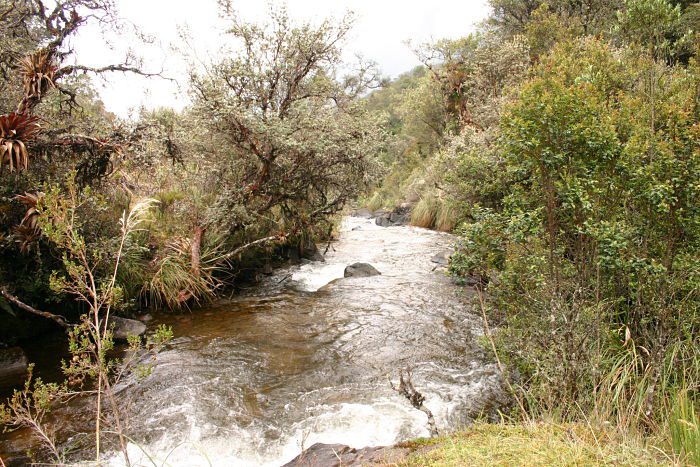
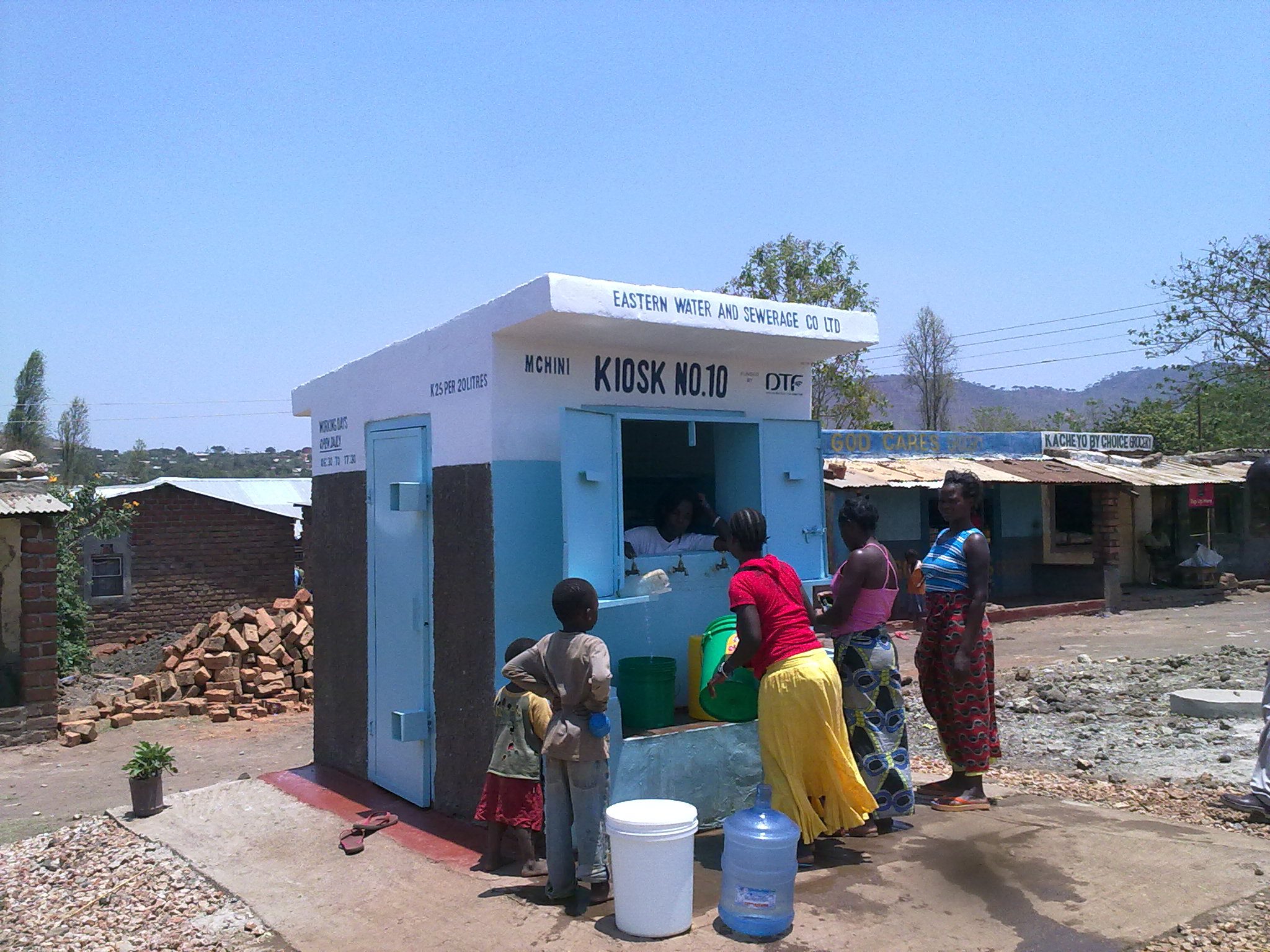
10 Facts About Sanitation in JamaicaBeing “the third-largest island in the Caribbean,” Jamaica boasts in both natural beauty and vibrant culture. Although many recognize the country for its white-sand beaches and crystal clear water, the native population still struggles for proper sanitation in some areas. While some regions of the country, like Montego Bay, are undoubtedly luxurious, the more rural areas lack sufficient sewage systems and drinking water. Below is a list of 10 facts about sanitation in Jamaica.
10 Facts About Sanitation in Jamaica

  1. Jamaica has several rich, natural water sources; however, it also has irregular rainfall. The drier regions of Jamaica suffer from the uneven distribution of rain, which contributes to a lack of potable water. Being in the Caribbean, tropical islands such as Jamaica rely heavily on the rainy season for drinking water. With the recent droughts, Jamaica has experienced a consequential water shortage, a significant factor in the island’s sanitation conditions.
  2. One of the solutions to the uneven water distribution is rainwater harvesting. Jamaicans in especially dry areas of the country will collect rainwater through a cistern. A household’s cistern will typically be a large room under the house capable of storing several gallons of water. In an effort to conserve this water, the government recommends minimal water usage for daily routines such as showering, dishwashing and even flushing the toilet.
  3. The Water Resources Act of 1996 requires the government to provide adequate water access to its citizens through proper management and allocation. Following the establishment of this law, the Jamaican government promised to have a sufficient sewage system accessible to all citizens by 2020. However, with the recent events following the COVID-19 pandemic, these efforts have been delayed. It is unclear whether this goal will still be reached this year or when the government plans to achieve the objective.
  4. At least 98% of urban areas of Jamaica have access to drinking water. That number falls to 88% in rural areas. These numbers have remained relatively steady for the past 10 years.
  5. While the numbers for potable water availability are relatively high, the numbers for piped water access are much lower. Only 45% of Jamaicans in rural areas have piped water access. The number for piped water access in rural areas is nearly half of that for potable water access. In urban areas, however, 70% of its population has piped water.
  6. Excessive trash is a common trait among Jamaican cities. With a lack of public sanitation facilities and curbside garbage collection in several areas, Jamaicans are faced with an ongoing sediment problem. Without effective waste removal procedures, a number of contaminants seep into the water.
  7. Vision Jamaica 2030 is a long term national development plan that aims to make Jamaica a fully developed country by the year 2030. Despite its size, Jamaica is still considered an underdeveloped nation. The main factors contributing to this status are its sanitation standards, political structure and the overall economy.
  8. Jamaica’s wastewater sector’s insufficient operations are primarily due to outdated technology faulty plant structures. These as well as a lack of proper maintenance and staff training have a substantial effect on the country’s sanitation conditions. A number of households and even the coasts suffer from the contaminated water culminated from these conditions.
  9. The National Water Commission (NWC) produces potable water to a majority of Jamaican citizens. During recent events of the COVID-19 pandemic, the company has waived all late fees for its customers for the next three months and established an assistance program that provides a “30% write off on outstanding bills.” They are continuing to evaluate the situation and make decisions that financially benefit the people of Jamaica.
  10. There are recommendations for people traveling to Jamaica. Taking steps can ensure that their available water is safe to drink. Waterborne diseases are especially common in Jamaica due to a lack of potable water maintenance. In order to combat this, Jamaicans make a habit of always boiling their water or treating it before consuming it. It is also a common practice to purchase bottled water for drinking to conserve cistern water for cleaning purposes.

Despite the country’s natural beauty, Jamaica’s natives still face daily obstacles that prevent them from living a healthy life. Sanitation issues in the country are a result of insufficient waste removal procedures, inadequate plant management and an uneven distribution of rainfall. The good news is that the country is a constant work in progress with the goal of dissolving its sanitation problem. Recent and unprecedented events have certainly interrupted the country’s advancement. However, Jamaicans are still determined to escape their title as an underdeveloped country. These 10 facts about sanitation in Jamaica reflect the country’s adversity and ability to improve its current conditions.

– Brittany Carter
Photo: Flickr

May 26, 2020
https://borgenproject.org/wp-content/uploads/borgen-project-logo.svg 0 0 Kim Thelwell https://borgenproject.org/wp-content/uploads/borgen-project-logo.svg Kim Thelwell2020-05-26 01:30:122024-12-13 18:02:0510 Facts About Sanitation in Jamaica
Developing Countries, Global Poverty, Poverty, Sanitation, Water Sanitation

10 Facts About Sanitation in Ecuador

sanitation in Ecuador
Located at the western top of South America, Ecuador has improved water regulation and overall sanitation within the last couple of decades. Here are 10 facts about sanitation in Ecuador.

10 Facts About Sanitation in Ecuador

  1. Before 2007, organic loads, toxic substances and hydrocarbons contaminated large bodies of water. Ecuador’s government devised a plan to increase overall healthy water flow. The plan consisted of using financial support to create sustainable water management. The lack of healthy water flow led to the exploitation of aquifers on Ecuador’s coast, which melted approximately 33% of the country’s glaciers. Moreover, the lack of water flow led to a reduction of at least 25% of Paramos’ regular water flow, which is a historical area. The improvement of water sustainability allowed Ecuador’s people to access healthy water easily.
  2. In 2019, Ecuador received an $87 million loan from the U.S. to improve water regulation. The loan from the U.S. allowed Ecuador’s government to expand and improve drinking systems. Ecuador has directed the loan towards the achievement of universal access to piped sanitation services.
  3. The country created a National Development Plan in 2007 which prioritized the integration of water management. Many saw Ecuador’s lack of easy access to clean water and sanitation as a detrimental factor that slowed the development of the country’s sustainability. The National Development Plan encouraged a more developed culture for Ecuador’s sanitation. One main goal was to build 1.5 kilometers of sewage networks in Quitumbe and 26 kilometers of interceptors for wastewater management in Checa and la Merced.
  4. Ecuador’s national sectoral strategy established that the country should reach equitable access to potable Water and Sanitation Services by 2030. In the national sectoral strategy, the country strived to divide loans into different sections with regards to water management. As a result, vast improvement has occurred in the country’s economy. In July 2019, approximately 39,197 additional citizens in urban areas obtained new access to improved sanitation services.
  5. The government’s new project hopes to achieve country-wide access to piped sanitation services. The Guayaquil Wastewater Management Project for Ecuador aims to install wastewater catch basins of the urban cities such as Guayaquil. As a result, 2 million citizens will gain access to proper sanitation. Ecuador’s government hopes to ensure that 100% of the wastewater within these basins receive treatment in an environmentally sustainable way.
  6. Currently, 93% of Ecuador has access to basic drinking water. Ever since 2007, there has been more focus on safely managing sanitation services as well as water waste treatment. Due to the implementation of basic sanitation needs in Ecuador’s sustainability plan, improvement is evident within urban and rural areas throughout the country.
  7. Ecuador upgraded and amplified the sewage system and sanitation networks throughout municipalities in Quitumbe, Checa and La Merced. By building several drinking water treatment plants, the government and local workers introduced 39 kilometers of raw water transmission lines from natural reservoirs. Within agricultural systems, Ecuador also installed and put over 400 flow meters for larger consumers. Installing hundreds of flow meters allow farmers and other agricultural workers to maintain and limit the amount of water needed for efficient agriculture.
  8. Ecuador’s improvement within sanitation allowed basic water regulation within schools to improve immensely. Before, numerous schools lacked access to clean sanitation, flushing water and dry toilets. The government’s development plan focused on nationwide sanitation, which involved the implementation of basic water and clean sanitation to just under 7,000 students.
  9. The overall share of people living in poverty in Ecuador has dropped to roughly 4%. Compared to 1998, the poverty line has dropped significantly. Approximately 10% of Ecuador’s population lived in poverty in the late 1900s. Today, only 4% of the population lives in poverty.
  10. Awareness of female sanitation has increased in the last decade. In 2015, the government responded to a higher demand for easier access to female products. Female products such as towels (pads), tampons and pantyliners are more easily accessible in grocery stores within urban and rural areas.

Throughout the last decade, sanitation and easier access to water has increased immensely. While sanitation within the country has improved, with over 90% of the country having access to clean water, the government hopes to close the entire gap and provide accessible water for the country as a whole by 2030.

– Elisabeth Balicanta 
Photo: Wikimedia Commons

May 24, 2020
https://borgenproject.org/wp-content/uploads/borgen-project-logo.svg 0 0 Jennifer Philipp https://borgenproject.org/wp-content/uploads/borgen-project-logo.svg Jennifer Philipp2020-05-24 01:30:352024-05-29 23:17:2810 Facts About Sanitation in Ecuador
Global Poverty, Sanitation, Water Quality, Water Sanitation

10 Facts about Sanitation in Zambia

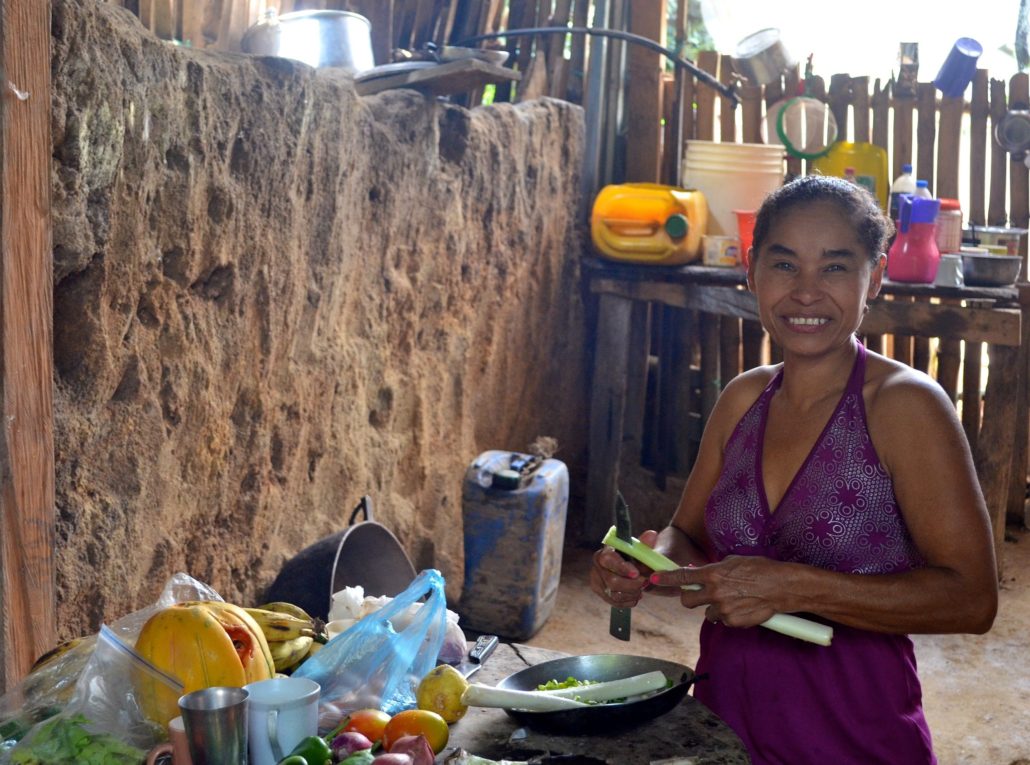
10 Facts About The Sanitation In Zambia Zambia is a country with a population of more than 16.5 million. It neighbors Zimbabwe, Tanzania, the Democratic Republic of the Congo, Angola, Botswana, Mozambique and Malawi in the Southern-Central region of Africa. In 2011, Zambia achieved middle-income country status, reflecting the country’s substantial economic growth of an average of 7.4% per year from 2004-2014. However, as of 2015, more than half of Zambians earn less than the international poverty line and only 26% of the population has access to safely managed sanitation services. Here are 10 facts about sanitation in Zambia.
10 Facts About Sanitation in Zambia 

  1. According to the World Bank, the Water Sector Performance Improvement Project advanced the Lusaka Water and Sewerage Company (LWSC) in the Lusaka, Kafue, Chongwe and Luangwa districts of Zambia. The project reduced interruptions to clean water supplies from 5,000 to 333 from 2007-2013 and increased the water collection ratio from 70% to 90%. The Water Sector Performance Improvement Project was crucial to improving Zambia’s public health resources by developing clean water resources and advancing the area’s sewerage systems.
  2. In 2003, a community-driven water and sanitation project delivered nine boreholes and 40 Ventilated Improved Pit-Latrines (VIPs) to the rural Chibizyi area of Zambia. The Zambia Social Investment Fund (ZAMSIF) aided this and benefited over 4,000 members of the community. Before the project, the people of the Chibizyi region walked vast distances in search of water, usually collecting water from polluted streams.
  3. After receiving better access to clean water, the Chibizyi community of Zambia then formed water, sanitation and health education committees in each village. The committees formed construction sites to build sufficient sanitation facilities to keep the water clean. Additionally, ZAMSIF used the Ventilated Improved Pit-Latrines (VIPs) sites as stations for distributing information on HIV/AIDS and malaria control.
  4. From 2011-2015, the Schools Promoting Learning Advancement through Sanitation & Hygiene (SPLASH) initiative implemented its program in 495 Zambian schools. Before SPLASH, Zambian schools faced limited drinking water and sanitation facilities, causing harsh learning environments for the students. SPLASH installed 662 handwashing facilities and 386 female washrooms in the schools. This allowed 133 schools to achieve a WASH-Friendly status and attract more students.
  5. In 2012, the National Rural Water Supply and Sanitation Program of the Ministry of Local Government and Housing developed national guidelines for Community-Led Total Sanitation in Zambia. These guidelines reached over 2.5 million people across the country by 2015. Officials implemented the guidelines through Zambia’s District Health Information System 2 (DHIS2) digital software, which enabled real-time monitoring and feedback via computers. Communities following these guidelines and switching from open defecation to toilet use received verification as Open Defecation Free (ODF).
  6. The Water and Development Alliance (WADA), along with its partners United States Agency for International Development (USAID) and Coca-Cola, are working to improve sanitation globally. Since 2005, they have improved avenues in more than 30 countries, giving more than 580,000 people access to clean water. WADA aids Zambia in improving water and sanitation access by implementing latrines and handwashing stations across the country.
  7. The Partnership for Integrated Social Marketing (PRISM), a marketing program for health services and products, instigated a distribution project in 2014. PRISM administered over 13,000,000 bottles of chlorine at Zambian hospitals. Zambians were then able to use the chlorine to disinfect and clean 9.27 billion liters of drinking water in all 10 provinces of Zambia.
  8. Only 18 percent of women in Zambia are able to obtain modern, feminine hygiene products. In response, Maboshe Memoria Centre in Mongu, Zambia, began producing sanitary napkin kits in 2019, modeled after the Days for Girls sanitary kits. The sanitary napkin kits are washable pads that can last up to three years. Previously, many Zambian girls skipped school during their menstrual cycle due to inadequate supplies. These kits enabled them to attend school during their menses and obtain hygienic and long-lasting products.
  9. The United Nations Children’s Fund (UNICEF) has aided in enabling 44% of Zambia’s population to achieve improved sanitation. UNICEF allowed Zambian villages to receive acceptable latrines and in 2015, around 75% of Zambia’s villages became Open Defecation Free (ODF). By 2020, UNICEF expects every Zambian to have an adequate latrine–ones that have handwashing facilities, offer privacy and dispose of matter effectively.
  10. The United States Agency for International Development (USAID) is currently aiding Zambia by investing in plans that encourage sustainable outlets for safe drinking water. The Global Water Strategy and USAID Agency Specific Plan aim to provide 1.7 million Zambians with sustainable water and sanitation resources by 2020. They plan to invest in significant infrastructure improvements that will strengthen water supply, sanitation and drainage in Zambia’s capital, Lusaka.

Zambia has made substantial progress in sanitation since the early 2000s. It has developed plans to decontaminate drinking water and replace poor sanitation facilities. However, as Global Waters has indicated, there is still a considerable need for improved sanitation guidelines across the country to ensure every citizen has access to clean water. These 10 facts about the sanitation in Zambia shed light on these issues.

– Kacie Frederick
Photo: Flickr

May 22, 2020
https://borgenproject.org/wp-content/uploads/borgen-project-logo.svg 0 0 Jennifer Philipp https://borgenproject.org/wp-content/uploads/borgen-project-logo.svg Jennifer Philipp2020-05-22 07:30:122024-05-29 23:17:2910 Facts about Sanitation in Zambia
Developing Countries, Global Poverty, Sanitation, Water Sanitation

10 Facts About Sanitation in Colombia

Sanitation in Colombia
Colombia is a fast-growing country with a population of 49 million. In the last 10 years alone, the population has increased by 5 million people. As a result of the added pressure on the country’s infrastructure, many citizens may not have access to basic water, sanitation and hygiene (WASH) facilities. In recent years, Colombia has been working to increase its population’s access to WASH facilities. The country continues to develop initiatives on how to increase this accessibility. Here are 10 facts about sanitation in Colombia.

10 Facts About Sanitation in Colombia

  1. Access to Clean Water: Exactly 1.4 million citizens do not have access to clean drinking water. This accounts for around 3% of the population. There is a large discrepancy between urban and rural populations and their access to clean water. In fact, 100% of the urban population has access to basic drinking water. In the rural population, however, only 86% have access to basic drinking water.
  2. Increase in Water Access: Colombia has seen an increase in the population that has access to basic drinking water services from 90% in 2000 to 97% in 2015. The Colombian government plans to increase water accessibility to rural regions such as La Guajira by 2024. Additionally, in 2019, over 8,000 indigenous people living in rural Colombia gained access to basic water facilities through the development of reservoirs and ancillary infrastructure.
  3. Rural Water Usage: Around 19% of the rural population use water from rivers, lakes or wetlands for drinking, washing and cooking. Colombia has over 514,800 sites where farmers raise livestock. Unfortunately, the animals easily contaminate water from natural resources such as lakes and rivers. This can lead to illness and disease in these rural areas. 
  4. Rural and Urban Water Management: There is currently a discrepancy between the access to clean water between rural and urban communities. In 2017, 81% of water access in urban areas had a designation of safely managed while 19% had basic water management status. In comparison, rural areas only had 40% of their water with a safely managed label and 46% had basic water management.
  5. Health Implications: Due to poor access to WASH facilities, 2% of the national GDP goes toward health-related costs. In 2016, there were 366 deaths due to the poor sanitation and water conditions in Colombia. In 2012, there were 119 deaths in children under 5-years-old due to inadequate access to water and sanitation. 
  6. Toilet Access: Currently, 4.9 million people do not have access to a toilet in Colombia. In rural areas, three in 10 people do not have access to safe toileting facilities. Tierra Grata is an organization that is helping rural communities by installing waterless eco-toilets. These eco-toilets aim to decrease the pollution of natural water-ways and increase the population’s health and well-being.
  7. Household Hygiene: Out of a population of 49 million, only 28 million people in urban communities and 3.3 million people in rural communities have access to basic hygiene services. Basic hygiene includes access to bathing facilities and the ability to wash hands prior to food preparation and after toileting. Between both rural and urban communities, there are 14 million citizens who are without access to hygiene facilities.
  8. Hygiene at School: UNICEF identified the issues that prevented student hygiene as an inconsistent water supply, poor sanitation systems and lack of hand-washing facilities. Only one in five schools had both soap and toilet paper available for student use. The School Sanitation project was able to improve school hygiene and decrease diarrhea-related absences by 30%.
  9. Sanitation Improvement: In 2000, 12% of urban sanitation was managed safely and 66% had basic management. In 2017, this number had risen to 15% having safe management and 77% having basic management. In rural areas, open defecation decreased from 25% in 2000 to 13% in 2017.
  10. Water Recycling: El Salitre wastewater treatment plant is on the Bogotá River. The river collects wastewater from 10 million people. The plant is currently treating and recycling the river water to provide for safe water access to millions of households. Studies show that water treatment plants increase both public and environmental health. 

Despite the improvements, there is still a large number of Colombia’s population that do not have access to safe or basic WASH services, especially when considering the country’s rural communities. Luckily, with the government and organizations continuing to work to improve sanitation in Colombia, a brighter, cleaner future is on the horizon. 

– Laura Embry 
Photo: Flickr

May 19, 2020
https://borgenproject.org/wp-content/uploads/borgen-project-logo.svg 0 0 Kim Thelwell https://borgenproject.org/wp-content/uploads/borgen-project-logo.svg Kim Thelwell2020-05-19 14:46:302024-06-04 01:17:5610 Facts About Sanitation in Colombia
Page 11 of 29«‹910111213›»

Get Smarter

  • Global Poverty 101
  • Global Poverty… The Good News
  • Global Poverty & U.S. Jobs
  • Global Poverty and National Security
  • Innovative Solutions to Poverty
  • Global Poverty & Aid FAQ’s
Search Search

Take Action

  • Call Congress
  • Email Congress
  • Donate
  • 30 Ways to Help
  • Volunteer Ops
  • Internships
  • Courses & Certificates
  • The Podcast
Borgen Project

“The Borgen Project is an incredible nonprofit organization that is addressing poverty and hunger and working towards ending them.”

-The Huffington Post

Inside The Borgen Project

  • Contact
  • About
  • Financials
  • President
  • Board of Directors
  • Board of Advisors

International Links

  • UK Email Parliament
  • UK Donate
  • Canada Email Parliament

Get Smarter

  • Global Poverty 101
  • Global Poverty… The Good News
  • Global Poverty & U.S. Jobs
  • Global Poverty and National Security
  • Innovative Solutions to Poverty
  • Global Poverty & Aid FAQ’s

Ways to Help

  • Call Congress
  • Email Congress
  • Donate
  • 30 Ways to Help
  • Volunteer Ops
  • Internships
  • Courses & Certificates
  • The Podcast
Scroll to top Scroll to top Scroll to top