• Link to X
  • Link to Facebook
  • Link to Instagram
  • Link to TikTok
  • Link to Youtube
  • About
    • About Us
      • President
      • Board of Directors
      • Board of Advisors
      • Financials
      • Our Methodology
      • Success Tracker
      • Contact
  • Act Now
    • 30 Ways to Help
      • Email Congress
      • Call Congress
      • Volunteer
      • Courses & Certificates
      • Be a Donor
    • Internships
      • In-Office Internships
      • Remote Internships
    • Legislation
      • Politics 101
  • The Blog
  • The Podcast
  • Magazine
  • Donate
  • Click to open the search input field Click to open the search input field Search
  • Menu Menu

Archive for category: Sanitation

Education, Global Poverty, Inequality, Poverty, Sanitation

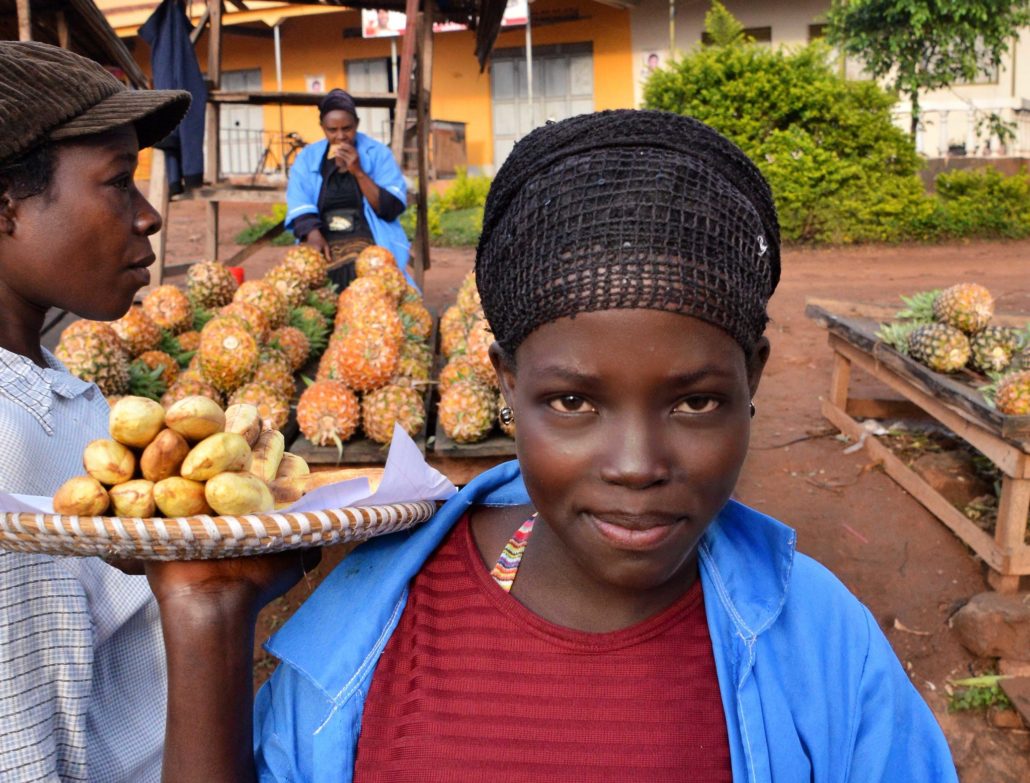
7 Facts About Prolonged Poverty in Uganda

Poverty in Uganda
The Republic of Uganda is in the African continent which constitutes a majority of the poor population in the world. There are 44 million people in Uganda, and 30% of Uganda’s population lives on less than $1.90 PPP per day. People speak more than 30 different indigenous languages in this land of 240,000 Sq. Km. The population in Uganda is increasing at an alarming rate. In fact, by 2025, Uganda will have a population of 51.9 million. However, it is not increasing in proportion to the employment rate. Here are seven facts about prolonged poverty in Uganda.

7 Facts About Prolonged Poverty in Uganda

  1. Transportation: When most of the world is traveling by car, people in Uganda transport from one place to the other by bicycles because of poor road conditions. Every 100 road crashes kill approximately 24 people. Accidents cost $1.2 billion in lost productivity and medical expenses annually, which accounts for 5% of Uganda’s GDP. The government invested a significant amount in infrastructural development to eradicate this problem.
  2. Health and Health Care: Uganda has a high number of infectious diseases like HIV/AIDS, tuberculosis, malaria, respiratory tract infections and diarrheal diseases, which may contribute to the average life expectancy of 59 years. Limited health care is another factor that affects Ugandans’ health. In fact, there are more ministers in Uganda than there are hospital beds. Moreover, only eight physicians are available for every 100,000 people. When COVID-19 entered Uganda, Ugandans did not feel a difference because they were already used to lockdowns and poor health care. Luckily, Uganda has a robust health care development plan for the upcoming decade. In addition, Uganda is improving its tracking system for health supplies in order to provide quality drugs to sick people.
  3. Food Shortage: Pests and droughts have an effect on Uganda’s food security. Around 2 million people in Uganda are desperately hungry, so a pest infestation or drought could cause many deaths. Additionally, Uganda is hosting other nationals or refugees, which is putting further strain on its food system. Farmers in Uganda are starting to use technology to forecast weather in order to generate profitable yields.
  4. Sanitation: Around 87% of Uganda’s population does not have access to clean water. As a result, around 4,500 children in Uganda die every year because of diarrheal diseases. Several borehole micro-projects are in progress to provide a clean source of water to Ugandans.
  5. Education: Like any other poor country, Uganda’s economic progress is dependent on education. Both public and private schools in Uganda do not necessarily provide quality education. The primary education completion rate is around 53% in Uganda. It is currently increasing at a slow pace. Poor education will lead to high unemployment rates in Uganda. NGOs and CSOs such as SchoolNet Uganda, Uconnect and the Uganda National Teachers Union (UNATU) are working towards improving education access in Uganda. SchoolNet Uganda works to provide technical facilities to several institutions in Uganda.
  6. Inequality: The inequality rate is increasing at an alarming rate in Uganda, which contrasts with the high rates of GDP growth. Uganda has started targeting social sectors such as education and health to improve its growth rate. However, this policy has not helped to improve the inequality rate. In fact, all these decisions worsened the inequality rate. Twenty percent of Uganda’s population owns around 50% of the total wealth.
  7. Sustainability: Statistically, two out of three people fall back into poverty in Uganda after coming out of it. Social security is the major reason for returning back to poverty. The Ugandan government spends only 1% of its GDP on social security. Its green growth development strategy shows a promising vision for 2018-2030.

Looking Ahead

Uganda’s growth in the last decade was mainly dependent on good fortune. The Ugandan government could solve prolonged poverty in Uganda if it focuses on improving access to electricity, education, child malnutrition, agriculture and employment.

– Narasinga Moorthy
Photo: Flickr
May 2, 2020
https://borgenproject.org/wp-content/uploads/borgen-project-logo.svg 0 0 Jennifer Philipp https://borgenproject.org/wp-content/uploads/borgen-project-logo.svg Jennifer Philipp2020-05-02 01:30:342022-04-07 13:02:107 Facts About Prolonged Poverty in Uganda
Global Poverty, Sanitation, Water Sanitation

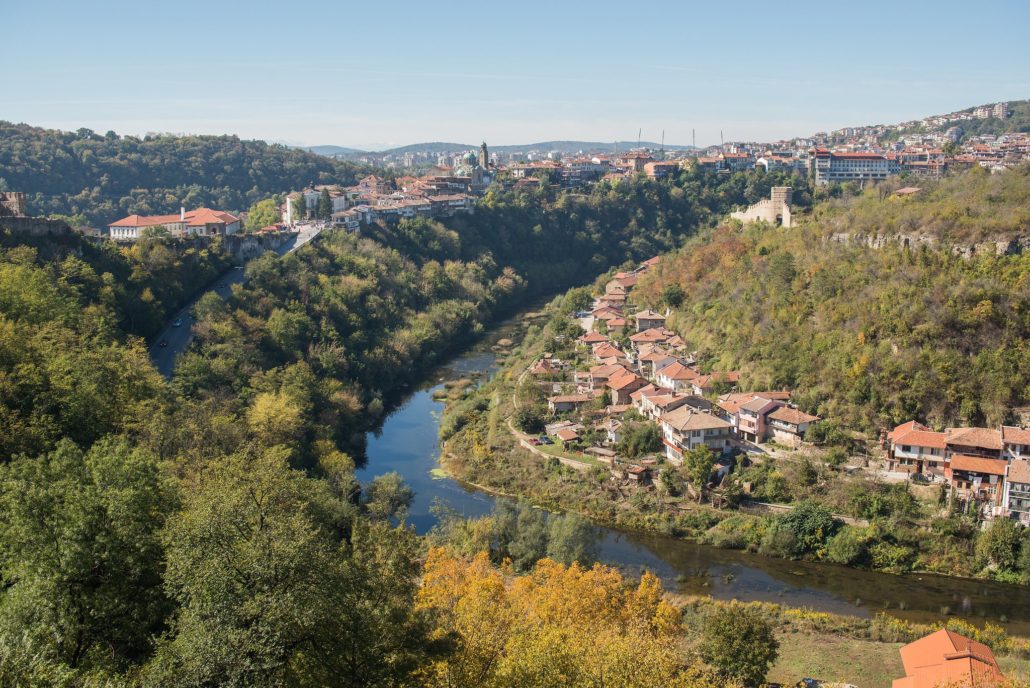
10 Facts About Sanitation in Bulgaria

Sanitation in Bulgaria
Situated on the west coast of the Black Sea, Bulgaria has continually struggled to secure basic services for its people. An improvement came when Bulgaria entered the European Union in 2007. Amid this positive step, however, it became clear that Bulgaria’s wastewater treatment and sanitation system was below E.U. standards. The latest situational analysis on equal access to water sanitation in Bulgaria shows that there are 10 significant areas for improvement. Bulgaria must address these issues in order to ensure pure water and high-quality sanitation to the entire country. Here are 10 facts about sanitation in Bulgaria.

10 Facts About Sanitation in Bulgaria

  1. The water and sanitation network in Bulgaria is decades old. Iskar is the largest reservoir in Bulgaria. Located near the country’s capital, Sofia, it collects about 675 million cubic meters of water. Built in 1954, it is one of the oldest reservoirs. Bulgaria built most of its water network between the 50s and the late 80s. In 1990, however, the political regime changed from communism to democracy and the new government abandoned all infrastructure projects. As a result, one-third of Bulgarians suddenly lacked a reliable water supply and sewage network.
  2. Bulgaria does not recycle its wastewater. Even though two-thirds of the Bulgarian population has access to a wastewater network, only 57 percent possess access to a wastewater treatment plant. This means that large amounts of household water do not receive treatment and households reuse it. In other words, Bulgaria does not engage in the recycling of wastewater. This is not the case in other European countries such as Germany, Belgium and Spain, where recycled water goes towards agriculture, groundwater recharge and ecological enhancement.
  3. Bulgaria’s water supply pipes contain asbestos-cement. The World Bank reports that Bulgaria’s existing water network is extremely outdated. On average, water supply pipes in Bulgaria are 36 years old and most comprise of asbestos-cement. The majority of developed countries have discontinued the use of asbestos in building materials, due to its cancer-causing properties. Several developing countries, however, continue to use asbestos-containing materials. Moreover, Bulgaria’s non-revenue water rate—water that is produced and then lost or unaccounted for before it reaches the desired target— is close to 60 percent, resulting in an even more unstable water supply network.
  4. People suffer from water rationing. As a result of outdated water networks, lack of strategic wastewater collection and expenditure in treatment systems, a significant number of people suffer from seasonal water rationing and lack of sanitation. The people in the North-East regions of Bulgaria suffer the most. They experience frequent water rationing throughout the year and high prices of water supply and sanitation. Additionally, 37 percent of the population does not have access to wastewater treatment. Furthermore, 24 percent of the population lives in areas with no wastewater collection systems at all. These staggering statistics require significant funding to ensure that water quality and sanitation services comply with the requirements of the E.U. directives.
  5. Most Bulgarians in rural areas do not have access to sanitation. According to the National Statistical Institute, 25 percent of Bulgarians, the majority of whom live in rural areas, do not have access to sanitation. These areas spread to 81 percent of the country’s territory and 39 percent (as of 2014) of the population, meaning that most of these regions also lack adequate sewage disposal. The Special Accession Program for Agricultural and Rural Development (SAPARD), the Instrument for Structural Policies for Pre-Accession (ISPA) and the Operational program for rural development funded centralized sewerage systems in a number of rural areas. While considered a positive step, the funding ultimately only benefited villages with municipal centers.
  6. Roma communities suffer the most from the lack of proper sanitation. Bulgaria’s compliance with the E.U. standards proved a difficult task in 2007 and, unfortunately, this challenge still continues today. The overall lack of balance between living conditions in rural and urban areas, as well as a lack of public policies regarding living conditions, enhance the challenge. For example, Bulgaria does not possess a national policy for addressing illegal neighborhoods (ghettos). These mostly Roma-populated neighborhoods do not possess access to centralized sewerage systems, water treatment plants 0r wastewater tanks. The National Strategy of the Republic of Bulgaria on Roma Inclusion (2012-2020), a document that Bulgaria implemented from 2012 to 2020, seeks to improve the quality of life of vulnerable groups and promote their full inclusion in society. While the document grants Roma families access to public social housing, the measure falls short of solving the problem in its entirety. It ultimately leaves more than 400,000 people in Roma ghettos.
  7. Masterplans for water and sanitation services are corrupt. A situational analysis on equal access to water and sanitation in Bulgaria states that: “Financial mechanisms have been subject to significant trade in influence and corruption, so the investments have achieved very low efficiency.” Experts from the Earth Forever Foundation made a comparative analysis of the validity of the data used in the masterplans for sustainable water and sanitation services in three villages in Central Bulgaria. The analysis revealed that the regional plans provide inadequate wastewater removal. Furthermore, the regional plans utilize treatment measures that not only fail to comply with legislation but also stubbornly remain unaffordable for the general population.
  8. Bulgaria and the World Bank are collaborating to solve water supply and sanitation problems. To tackle these problem areas, the government voted on a new ambitious plan regarding the water supply and sanitation issues. In 2016, the Bulgarian government and the World Bank worked together on the Country Partnership Framework for Bulgaria. The document focuses on the quality, efficiency and effectiveness of essential public service delivery, including improved water supply and sanitation.
  9. Approximately 99 percent of Bulgarians have access to a clean water supply. Thanks to the collaborative efforts, Bulgaria now shows significant improvements. According to the latest report from the Ministry of Regional Development, centralized water supply now spans 99 percent of Bulgaria. At present, a centralized water supply covers 5,000 towns and villages. Currently, only two areas do not receive full coverage from the central water supply. In response to those two areas, the government has created a strategy to cover the needs of the outstanding 1 percent. A new law, part of the next strategic plan (2024-2033), seeks to further improve the country’s sanitation network.
  10. Bulgarian schools teach clean water supply and sanitation. To educate the new generations, Regulation No. 13 of 21.09.2016 on Civil, Health, Environmental and Intercultural Education included new topics in Bulgarian public school curriculum. Subjects added include healthy lifestyles, water usage and conservation, waste/water waste management and composting. Designed to help students recognize the importance of nature conservation, these subjects focus on water pollution reduction, clean water preservation and recycling.

Over the last 13 years, Bulgaria has exhibited slow, yet promising progress towards achieving the U.N. goals for universal access to water and sanitation. The country continues to strive to comply with the E.U. standards for clean water supplies and wastewater treatment. The new challenge for Bulgaria is to establish baseline measures for the fairness of access to water and sanitation through the Equitable Access Score-Card, a process of self-assessment. This self-assessment focuses on “universal and equitable access to safe and affordable drinking water for all” and “access to adequate and equitable sanitation and hygiene for all and end open defecation, paying special attention to the needs of women and girls and those in vulnerable situations” by 2030.

– Olga Uzunova
Photo: Flickr

April 28, 2020
https://borgenproject.org/wp-content/uploads/borgen-project-logo.svg 0 0 Jennifer Philipp https://borgenproject.org/wp-content/uploads/borgen-project-logo.svg Jennifer Philipp2020-04-28 11:31:212024-05-29 23:15:4910 Facts About Sanitation in Bulgaria
Global Poverty, Sanitation

7 Facts About Sanitation in Rwanda

Sanitation in Rwanda
Rwanda is a developing country located in central Africa. After a genocide left Rwanda in extreme poverty, the country is fighting to improve living conditions and life expectancy. Here are seven facts about sanitation in Rwanda.

7 Facts About Sanitation in Rwanda

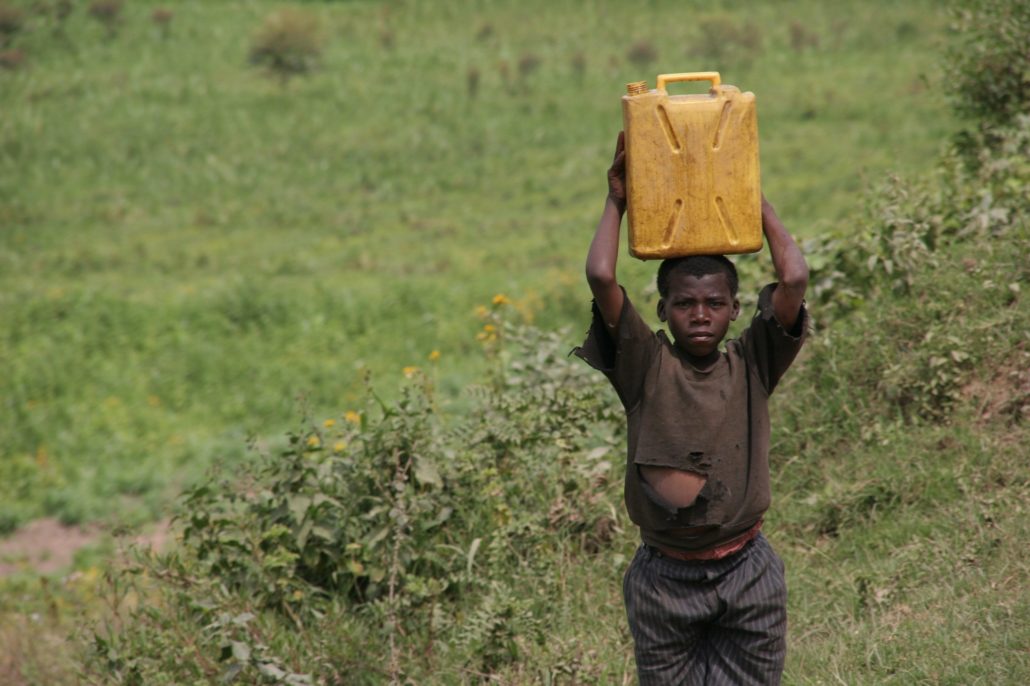
  1. There are not enough wells in rural areas of Rwanda. Millions of women and children choose to walk over three miles a day to collect water for their families in order to sustain themselves. Most nearby water sources have experienced contamination. In the year 2000, 45 percent of the population had access to safely managed and basic drinking water. The number has now risen to 58 percent with the help of organizations like The Water Project and Charity Water to build wells.
  2. Waste management solutions can be simple and effective. Rwanda is turning the fecal waste from latrine pits into fertilizer and selling it to farmers. This is preventing the collection of the waste in ponds that later flood back into the communities during the rainy season.
  3. In 2000, just over 1 percent of the Rwandan population had proper handwashing facilities. Organizations like UNICEF have been working on educating communities about the importance of handwashing with soap. Its tactics include media campaigns and outreach programs. It increased the number of Rwandan’s with proper handwashing facilities to 5 percent of the population in 2017.
  4. Washing hands is one of the most effective ways to fight diseases that poor sanitation causes. One of the leading causes of death in Rwanda is diarrheal diseases, which is responsible for 8 percent of all deaths among those under 5 years old. This is easily preventable in any country when its citizens receive proper WASH education.
  5. Rwanda’s government signed agreements in 2019 with the African Development Bank to receive a loan of $115 million to support water infrastructure within the country. This has been one of the latest steps since the 2030 Agenda for Sustainable Development called for a focus on water and sanitation. The United Nations adopted this agenda in 2015 with its sixth goal being to “ensure availability and sustainable management of water and sanitation for all.”
  6. Young girls miss school every month while menstruating. This is due to many Rwandans considering menstruation taboo, leading to a lack of resources and education. The Sustainable Health Enterprise (SHE) is offering programs that distribute eco-friendly pads and Menstrual Hygiene Management (MHM) training after school. Additionally, SHE’s campaign for menstrual hygiene awareness reached nearly 1,000 students in eight schools in 2013. Moreover, it reached 4.3 million people throughout the country in 2019.
  7. Sanitation in Rwanda is improving. With the recent COVID-19 outbreak, Rwanda continues to provide new ways of sanitation for its people. In March 2020, the country began installing hand-washing stations at bus stops in the capital of Kigali to prevent the spread of the virus.

Proper sanitation is necessary for economic development. Access to clean water and education on basic hygienic practices directly affects the rest of a country’s ability to thrive. Many cost-benefit analysis studies show that poor sanitation leads to a larger economic loss. As a result, developing countries should put preventative measures in place.

– Molly Moline
Photo: Flickr

April 25, 2020
https://borgenproject.org/wp-content/uploads/borgen-project-logo.svg 0 0 Jennifer Philipp https://borgenproject.org/wp-content/uploads/borgen-project-logo.svg Jennifer Philipp2020-04-25 01:30:132024-06-06 00:32:547 Facts About Sanitation in Rwanda
Global Poverty, Sanitation, Water

10 Facts About Sanitation in Somalia

Lack of access to Water, Sanitation and Hygiene (WASH) is inextricably linked to extreme poverty around the globe. Somalia, a country located in the Horn of Africa, has long faced issues relating to WASH. Though Somalia struggles with WASH, some organizations have vastly improved sanitation in Somalia. The following are 10 facts about sanitation in Somalia.

10 Facts About Sanitation in Somalia

  1. Currently, only 52 percent of Somalia’s population has a water supply close to home. This impacts women and children especially since the chore of fetching water falls on them in this society. Women must trek miles in the hot sun to fill jugs of water. Mercy-USA has been working to tackle this water crisis since 1997. In addition, they have dug and repaired about 670 wells. As a result, more than 750,000 people in Somalia have access to safe drinking water.
  2. Only a quarter of Somalia’s population has access to improved sanitation facilities within 10 meters. Poor hygiene and sanitation practices due to a lack of access to proper sanitation facilities can lead to chronic/acute diarrhea, respiratory infections and cholera. Theses are life-threatening illnesses for some age groups. Just the past three years, more than 900 people in Somalia died from cholera. UNICEF is working to improve access to sanitation facilities. It provides integrated interventions that can reduce the incidences of these easily preventable diseases.
  3. Drought has increased the price of water, exacerbating the already dangerous situation. The recent drought in Somalia led to severe water shortages. This tripled the price of a barrel of water (200 liters) to $15. CARE responded to this drought by providing 10,000 people with access to water. Additionally, CARE distributed water purification tablets to areas most affected by the drought.
  4. In parts of Somalia, up to 60 percent of pastoralists’ herds were wiped out by drought. Recently, Somalia experienced a drought that had extremely adverse effects on the country’s pastoralist communities. As Somalia has a traditional agro-pastoral focus, this expected to severely impact the economy. The livestock sector accounts for 40 percent of GDP. Thankfully, “FAO reached 38.3 million animals in Somalia through animal health services.” This “provided more than 900,000 animals with supplementary feeding.” Additionally, it delivered more than 53 million liters of water to these animals in response to the urgent needs of these drought-stricken pastoralists.
  5. Action Against Hunger is providing hygiene education sessions to teach Somali communities about preventing disease. Diseases often spread due to inadequate knowledge surrounding hygienic practices. Action Against Hunger launched a cholera prevention program that provided communities with sessions on hygiene and sanitation. These sessions showed the importance of handwashing, properly disposing of trash and how to properly clean the toilets.
  6. About 37 percent of Somalia’s population defecate in the open, but this is changing. In rural parts of Somalia, open defecation is a common practice that can cause serious risks to public health. UNICEF is working with local partner HEAL in villages in Somalia to educate communities with the goal of ending this practice. Moreover, HEAL proved that simply educating these communities is quite effective. After UNICEF and HEAL provided these villages with technical assistance and ran awareness campaigns, many families used their own money to build latrines. Today 12 villages in Somaliland, two villages in Puntland and 25 villages in Somalia’s central and southern regions have achieved the status of “open defecation free.”
  7. Sanitation in Somali schools is improving. Polish Humanitarian Action (PAH) addressed the need for functional toilets, hand-washing stations and waste disposal locations in Somali schools. PAH assessed schools in Somalia and identified five with the highest need for updates, one of which did not have a single running toilet. Additionally, PAH provided these schools with eight water kiosks. It rehabilitated existing facilities and built “20 triple latrine-blocks with hand-washing facilities.”
  8. Discussion groups are helping organizations understand how to improve Menstrual Hygiene Management (MHM) in Somalia. In Somalia, menstruation continues to be a taboo. Many women only have access to cloth rags that restrict movement. The cloth rags are unsanitary because houses do not always have the ability to wash them regularly. ELRHA sent 2,000 MHM kits to various countries, including Somalia. Its plans are to follow up in one and three months to measure the appropriateness, effectiveness, acceptability and value of these kits as a humanitarian relief item.
  9. Piped water from UNICEF-EU installed tanks is giving children hope that they will be able to attend school in lieu of fetching water. A joint urban water project is installing water tanks on the outskirts of Somali towns and pipelines. In addition, it will bring this vital resource closer to their homes. Farrah, who is 13 years old, supports his family as a water vendor. Hopefully, once water is piped into his town, he will be able to go to school instead of traveling daily for water. Farrah mentioned that “I will go to school. […] I will carry books instead of jerrycans. And I will walk with my classmates instead of a donkey. It has always been my dream to wear a uniform and carry books.”
  10. In the last year, more than 49,000 people had to flee their homes in search of water and other necessities. This came after a drought in 2016 to 2017 that displaced more than one million people. As a result, the U.N. Refugee Agency has been working with partners and government agencies to help those affected and displaced by the drought. They provided emergency assistance to some of the most affected areas of Somalia.

Lack of sanitation is closely tied to poverty. People are unable to break the cycle of poverty when their basic needs are not met. Somalia is still far from achieving proper sanitation for all who inhabit the country. However, these facts about sanitation in Somalia prove that hope is not lost. With help from generous organizations around the world, sanitation can become accessible for all.

– Hannah White

Photo: Flickr
April 22, 2020
https://borgenproject.org/wp-content/uploads/borgen-project-logo.svg 0 0 Lynsey Alexander https://borgenproject.org/wp-content/uploads/borgen-project-logo.svg Lynsey Alexander2020-04-22 07:30:432024-05-29 23:15:4210 Facts About Sanitation in Somalia
Global Poverty, Health, Sanitation

10 Facts about Sanitation in Namibia

Sanitation in Namibia
Namibia suffers from a lack of sanitation, particularly in rural areas. Since 2006, the country has been working to improve sanitation levels through organizations that have provided increased access to facilities. In light of the COVID-19 outbreak, global sanitation and hygiene are more prominent than ever. How has sanitation in Namibia changed? How is the government responding to COVID-19? The following 10 facts detail how organizations and the government continue to fight for improved hygiene.

10 Facts About Sanitation in Namibia

  1. Sanitation and Health: Namibia has the lowest levels of sanitation coverage in southern Africa. Only 34 percent of the country’s population has access to improved sanitation facilities. That percentage drops to 14 percent in the country’s rural areas. The practice of open defecation, which occurs in 14 percent of urban areas and 77 percent of rural areas, increases the spread of diseases and majorly impacts general health.
  2. Hepatitis E: In Namibia, the practice of open defecation caused a Hepatitis E outbreak in 2017. Hepatitis E is a liver disease that commonly spreads through the ingestion of contaminated water. Starting in Windhoek, the disease spread to more than half of the country’s regions. The Community-Led Total Sanitation campaign emerged to eliminate Hepatitis E in Namibia. The campaign involves multiple organizations in efforts to improve access to sanitation facilities in informal settlements.
  3. Access to Sanitation Facilities: In March 2020, the city of Windhoek made an effort to increase access to sanitation facilities by installing a combined 25 toilets in the constituencies of Katutura and Khomasdal. Fransina Kahungu, mayor of Windhoek, promised the donation of another 40 sanitation facilities to other communities in the near future to continue improving sanitation in Namibia.
  4. Access to Clean Water: According to the most recent Namibian Population and Housing Census report, 80 percent of households have access to clean water but only 60 percent in rural populations have clean water access. In the 2019-20 annual report by the Ministry of Agriculture, the Directorate of Water Resource Management described the progress in making clean water more accessible. In the past year, the directorate oversaw the installment of nine hydrological stations and five boreholes. The directorate also monitored rivers to determine water quality. It also installed five cello instrumentations to monitor wastewater in Tses, Noordoewer, Blouputz, Rundu and Chobe Water Villas.
  5. Population and Sanitation: In 2018, 4.5 percent of rural populations migrated to cities in search of better social and economic options. This caused a high unemployment rate of 34 percent, and a lack of affordable housing created problems with access to clean water and sanitation facilities. The Community Land Information Program of Namibia estimated that 25 percent of the population lives in informal settlements, resulting in an increase of open defecation and Hepatitis E outbreaks.
  6. Sanitation in Schools: A Ministry of Education study in 2009 showed that 23 percent of schools in Namibia did not have sanitation facilities. More recently in 2018, another study found that nearly a quarter of schools still lacked toilets. UNICEF took note of this and implemented a program to help regions coordinate more access to sanitation facilities in schools. Approximately 19,000 students and 40 teachers received training in implementing sanitation efforts. By the end of 2018, open defecation in these areas had decreased from 52 percent to 25 percent.
  7. Menstrual Hygiene: According to the World Bank, at least 500 million women and girls around the world do not have access to proper facilities for menstrual hygiene management. This causes absenteeism in schools, resulting in girls missing school during their menstrual cycles. Namibia had its first Menstrual Hygiene Management Day in May 2018, where UNICEF helped mobilize policy support for menstrual hygiene management. The program that UNICEF implemented also created menstrual hygiene and management clubs in schools. These clubs aimed to eradicate stigma and address menstrual challenges. By including community involvement, the program created a lasting impact on the 38 schools focused on.
  8. Effects on Children: Consumption of contaminated water can cause children to become sick and malnourished. In 2015, 17 percent of children in Namibia suffered from diarrhea. Repeated episodes of diarrhea can result in childhood stunting, another common health problem in Namibia. A disparity between rural and urban populations also exists, with 20 percent of rural children suffering from diarrhea compared to 15 percent of urban children.
  9. Open Defecation-Free Namibia: Lack of sanitation and the practice of open defecation cause water contamination in Namibia. The communication strategy Open Defecation-Free Namibia emerged in 2014 with support from UNICEF and aims to raise awareness of the connection between sanitation and health. By using a mass media campaign, the strategy hopes to mobilize the public in Namibia to work with the government to decrease open defecation and increase sanitation in Namibia.
  10. Response to COVID-19: The pandemic has forced areas of Namibia to increase hygiene protocols, such as providing sanitation dispensers and stations at local retail and shopping centers. Workplaces have also taken precautionary measures to protect employees while public transit increases daily sanitation of buses. The office of the minister has encouraged public institutions to promote hygiene awareness, an issue now prevalent around the world. Namibia joined a global partnership in 2019, Sanitation and Water for All, to improve sanitation in Namibia with aid from other countries.

Sanitation in Namibia continues to be a problem in the country. Thankfully, organizations like UNICEF and the Community-Led Total Sanitation campaign are working to improve living conditions for the public. Through these programs and maintaining sanitation at the forefront of local government’s agendas, Namibia will see progress in the health and sanitation of its country.

– Kiyomi Kishaba
Photo: Flickr
April 19, 2020
https://borgenproject.org/wp-content/uploads/borgen-project-logo.svg 0 0 Jennifer Philipp https://borgenproject.org/wp-content/uploads/borgen-project-logo.svg Jennifer Philipp2020-04-19 01:30:392024-05-29 23:15:4910 Facts about Sanitation in Namibia
Global Poverty, Poverty, Sanitation

10 Facts About Housing Poverty in Cambodia

Housing Poverty in Cambodia
Cambodia is a country on the mainland of Southeast Asia. With influences from many different Asian cultures, as well as from France and the United States, some of the nation’s urban areas look similar to the western cities. However, the capital, Phnom Penh, is one of the few urban centers in this predominantly rural nation. Currently, there is a housing poverty epidemic and many people are lacking sufficient living conditions. Here are 10 facts about housing poverty in Cambodia.

10 Facts About Housing Poverty in Cambodia

  1. Poverty in Cambodia: Although poverty in Cambodia has decreased significantly, almost 75% of Cambodian people are living on less than $3 a day, which is just above the poverty line of $1.25 per day. This poverty affects both the urban and rural areas of the country, although it is more concentrated in rural areas.
  2. Urban Poverty: Many Cambodians flee impoverished rural areas of the country for urban centers, including the capital, Phnom Penh. Unfortunately, many of these migrants do not find the wealth and better living conditions they seek. They are often unable to pay rent in the city and live beside railroad tracks in extreme poverty. These living quarters are often unsanitary and plagued with bacteria and parasites.
  3. Lack of Sanitation: Today, 2 million houses need critical improvement in Cambodia. Most of those living in poverty live in poor housing conditions in rural areas. According to Water Aid Cambodia, more than half of the population lives without toilets in Cambodia.
  4. Improving Sanitation: A housing survey that the National Institute of Statistics conducted reported that 51.3% of households in 2013 did not have toilet facilities. This represented an improvement, however. In 1998, 85.5% of households did not have toilet facilities, and in 2008, this had only decreased to 66.3% of households.
  5. Habitat for Humanity: Nonprofit Habitat for Humanity has helped more than 22,000 families build strength, stability and self-reliance through shelter. It works in Phnom Penh, Cambodia’s capital, to provide housing solutions to 2.8 million people.
  6. Cambodian Children Fund: Founded in 2014, the Cambodian Children Fund (CCF) has managed to build more than 360 homes for the many children and families in dire need of shelter. CCF is now hoping to broaden its reach, building homes across Cambodia.
  7. Volunteer Building Cambodia: Volunteer Building Cambodia builds wooden Khmer-style houses for the poor of Cambodia. These houses last more than 15 years and each costs $3,000 to build. Volunteer Building Cambodia is based in Siem Reap, in the northwest region of the country. It operates in the most rural and impoverished areas in an effort to combat housing poverty in Cambodia.
  8. Taramana: Due to the harrowing conditions in urban areas, 37% of children under the age of 5-year-old are malnourished. Taramana, a nonprofit organization, has chosen to focus its efforts on the children of Phnom Penh. It helps provide the city’s children with proper education so they can rise above a life of poverty.
  9. World Housing: The Borgen Project recently reached out to World Housing, a nonprofit headquartered in Vancouver, British Columbia that provides housing to those in need in developing countries across the globe, including Cambodia. “Since 2013, we’ve worked with Cambodian Children’s Fund to build all our communities in Cambodia and between 2013 and 2017 we’ve built and gifted 483 homes, providing housing to 2,415 people throughout Cambodia,” said Jason Valagao, the organization’s Donor Relations Manager.
  10. Girls 2 Grannies: Valagao also stated that World Housing’s latest project is called Girls 2 Grannies. This project is building a brand new community designed with girls and women aged two all the way to 102 in mind. According to Valagao, these brand new villages will include, “a library, sports field, community gardens, a pagoda and two classrooms. Each home in this community will have its own shower and toilet. The community will provide housing to approximately 200 women through the gift of 50 homes.”

Looking Ahead

While housing poverty in Cambodia remains a significant concern, many organizations are fighting to better the lives of impoverished Cambodians. Whether efforts occur through providing efficient housing or educating the youth of Phnom Penh, there is always hope when people band together to reduce widespread poverty.

– William Mendez
Photo: Flickr

April 16, 2020
https://borgenproject.org/wp-content/uploads/borgen-project-logo.svg 0 0 Lynsey Alexander https://borgenproject.org/wp-content/uploads/borgen-project-logo.svg Lynsey Alexander2020-04-16 08:00:262022-04-13 14:27:4610 Facts About Housing Poverty in Cambodia
Global Poverty, Sanitation, Water Sanitation

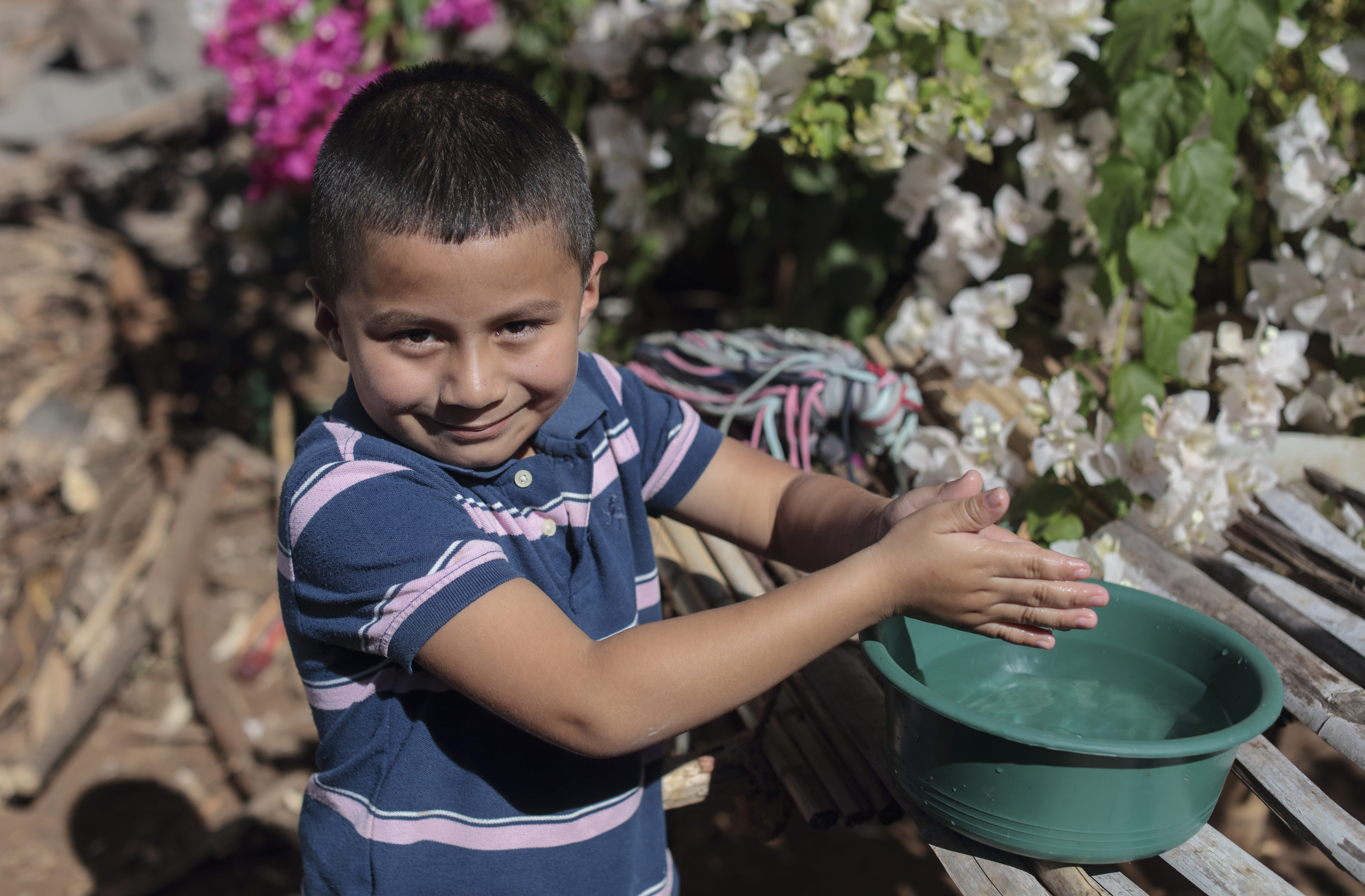
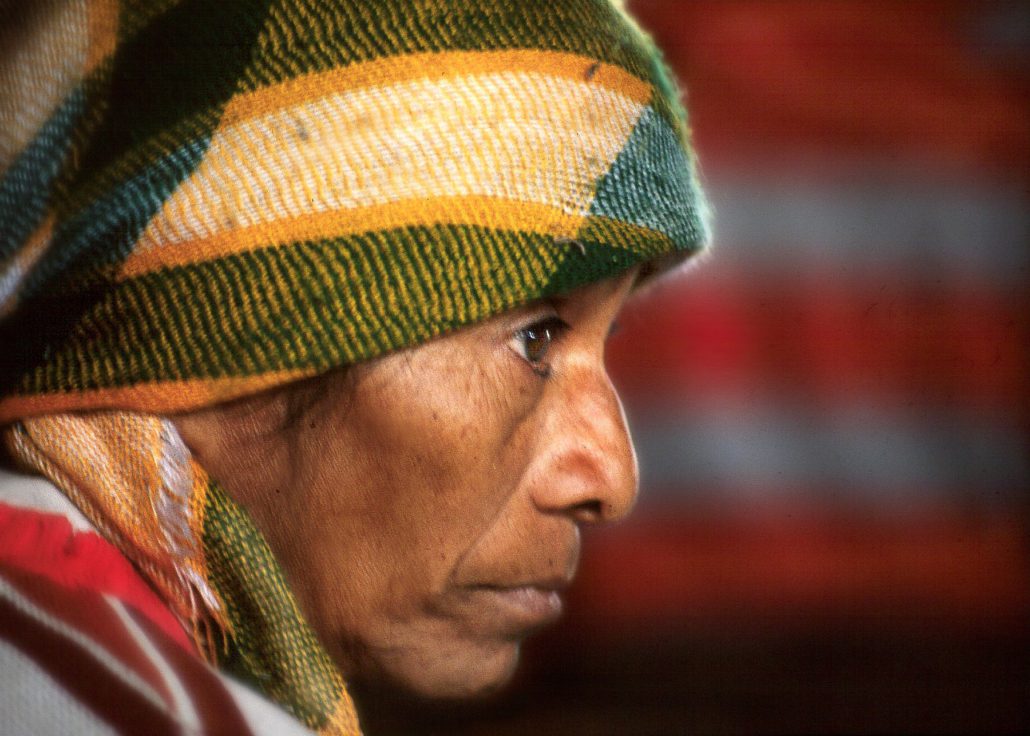
6 Facts About Sanitation Conditions in Cyprus

Sanitation conditions in CyprusCyprus is an island country in the Eastern Mediterranean with a rich history. Over the years, the island has sought to develop safe sanitation facilities that would greatly improve the way of life for much of its rural population. More and more measures are being taken to encourage higher hygiene levels by providing the right supplies such as proper sewer systems, latrines, septic tanks and composting toilets. Cyprus has also begun to address clean water measures throughout the country. These rapid developments have promoted economic growth and decreased high rates of poverty. Here are the top six facts about sanitation conditions in Cyprus.
6 Facts About Sanitation Conditions in Cyprus

  1. Due to the depletion of groundwater resources, the Ministry of Agriculture, National Resources and the Environment had to resort to non-conventional water resources such as desalination, using low-quality water and reusing wastewater. They have used these techniques since 1997. In fact, a desalination plant near Larnaca Airport produces about 33 million cubic meters of water per year, helping to improve sanitation conditions in Cyprus.
  2. The government implemented a harmonization program in 2012 to develop strategies that would improve water and environmental outcomes, which would improve sanitation conditions in Cyprus. It installed central sewage systems in four areas across Cyprus, including Nicosia, Larnaca, Limassol and Paphos.
  3. The irrigated agricultural sector makes up about 70 percent of the entire water use in Cyprus. The domestic sector, tourism and amenities make up the rest of it. Each year, Cyprus’ water demand equals to 265,9 million cubic meters. It is projected to rise to 313,7 meters in 2020 due to an increase in tourism and the use of domestic water sources.
  4. Currently, there is a domestic water supply project in progress to improve water and sanitation conditions in Cyprus. It will focus on the city of Nicosia and the surrounding areas in the western province of the city. The Vasilikos to Western Nicosia Conveyer Water Supply Project is financially backed by the European Investment Bank and the Kokkinokremmos Water Supply Project. It will construct necessary infrastructure including pumping stations, a pipeline and water storage facilities. The project cost around $66 million. The government of Cyprus was able to obtain a loan for almost $44 million.
  5. Due to the water shortage, many farmers face high costs today. Most of their income loss comes from competition within the agricultural sector. Insufficient surface water resources, deeper groundwater pumping and droughts can impact water availability, which then compromises water demand.
  6. According to a graph by the World Bank, the number of people using basic sanitation services in Cyprus has remained consistent from 2000 to 2016. In 2000, reports showed 99.7 percent of people had basic sanitation. In 2016, it had only decreased to 99.5 percent.

Sanitation conditions in Cyprus are readily improving with new development that has strengthened water supplies throughout the country’s regions. Water shortages compromise the livelihoods of much of the population on the island, which severely impacts the rate of global poverty as a whole. These six facts about sanitation conditions in Cyprus are therefore important in understanding how poverty in Cyprus is continuously shifting.

– Brittany Adames
Photo: Flickr

April 16, 2020
https://borgenproject.org/wp-content/uploads/borgen-project-logo.svg 0 0 Lynsey Alexander https://borgenproject.org/wp-content/uploads/borgen-project-logo.svg Lynsey Alexander2020-04-16 01:30:022024-05-29 23:15:366 Facts About Sanitation Conditions in Cyprus
Global Poverty, Sanitation, Water, Water Sanitation

10 Facts About Sanitation in El Salvador

10 Facts About Sanitation in El Salvador
Both water and sanitation are crucial to survival and a decent life. The water crisis has affected many countries and millions of people, but El Salvador, home to 6.1 million people, is dangerously close to running out of water. El Salvador’s abundant water resources are also grossly polluted, with only 10 percent of surface water safe to drink. Here are 10 facts about sanitation in El Salvador.

10 Facts About Sanitation in El Salvador

  1. Environmental degradation is a constant threat to the quality of water. El Salvador is prone to natural disasters like hurricanes and droughts, simply because of its geological location. But deforestation and animal migration also impact water sources, leaving the poorest inhabitants with contaminated water.
  2. The Cérron Grande is El Salvador’s largest body of freshwater and is one of the most contaminated in all of Central America. An investigation conducted by the Salvadoran Association of Human Aid Pro-Vida showed high levels of heavy metals, banned insecticides, cyanide and toxic algae. In addition, more than 8.5 million pounds of feces are deposited into the Cérron. This medley of contagions causes algal blooms and eutrophication. The National Service of Territorial Studies reports that only 20 percent of national rivers are safe to drink from.
  3. Residents fiercely oppose the privatization of water. In recent years, the government has attempted to implement a water tax, further limiting access to water. Academic and religious institutions, environmental organizations and community forums push legislatures to protect their water sources. The leftist political party Farabundo Martí National Liberation Front also fights for the protection of water rights and equitable distribution.
  4. Historically, water management is controlled by big businesses. Examples are industrial plantations, luxury housing developments and bottling companies. In fact, a subsidiary of ABInBev called La Constancia fills thousands of Coca Cola cartons a day.  Situated on top of a major aquifer in Nejapa, over a decade of industrial waste has severely polluted the San Antonio water source. 30,000 residents rely on San Antonio for drinking, hygiene and cooking.
  5. Mining heavy metals had a drastic consequence. In 2010, it was estimated 12 million ounces of gold and 78 million ounces of silver were available to mine. According to the International Ecological Engineering Society, 950 tons of cyanide and roughly 22 million liters of water are required daily for extraction. Protesters say “No to mining, yes to life,”  demanding a ban on mining due to the contaminate risks to the waterbeds and the industrial use of such large quantities of water. In 2017, El Salvador banned mining, but the pollution left behind permanently tainted the quality of water.
  6. Experts predict El Salvador will be uninhabitable in 80 years. The water crisis continues to worsen for low-income and extremely poor households. The downward environmental trajectory in tandem with growing economic instability leads to young Salvadorans joining gangs to gain access to water. There are an estimated 60,000 gang members in El Salvador and water sources are often located between combating territories. Access to water is extremely controlled and many women and children risk their lives to collect it.
  7. Regulating water through legislation is the first defense against distribution inequality. The General Water Law, first introduced in 2006, defines, and therefore protects, access to water as a human right. It also promotes universal access to water sources. Most importantly, it implements community consultation in national decision-making regarding water and sanitation.
  8. Millennium Challenge Corp. committed to a 5-year investment compact with El Salvador in the amount of USD $449.6 million. The Water and Sanitation Sub-Activity was created to target the poorest parts of the Northern Zone and increase access to regulated water and sanitation systems. The Sub-Activity also provided technical assistance for maintenance and system sustainability which consequently lead to employment opportunities. Through the MCC, Compact Water and Sanitation Sub-Activity installed new or upgraded pre-existing pipelines in more than 7,500 homes.
  9. Ride4Water dedicates bike riding to raising money for clean water. Founder of Ride4Water Ryan Delameter uses the proceeds gained from long-distance riding to improve the access and quality of water. Ride4Water has installed Hollow Fiber Membrane Filtration Systems across three regions and 60 homes. The filtration system traps any harmful bacteria and microorganisms contaminating the water.
  10. Companion Community Development Alternatives, a non-profit organization dedicated to making potable water distribution a reality, uses solar power to bring clean water to villages. The solar retrofit was completed in 2019 and has reduced bills, operation and maintenance of water systems by $250-300 per month, lowering the overall expenses for families. By utilizing the sun, water is pumped 300 meters (~984 feet) from a spring and stored in a water tower. Chlorinated water is then distributed directly into homes. These solar-powered water systems belong to the people and can never be privatized.

Sanitation and water accessibility are often connected issues. In El Salvador, water is disappearing, compromising sanitation and health. These 10 facts about sanitation in El Salvador bring awareness to this very serious issue. With continued efforts by non-profits and other humanitarian organizations, however, water access and sanitation in El Salvador will hopefully improve.

– Marissa Taylor
Photo: Flickr

April 8, 2020
https://borgenproject.org/wp-content/uploads/borgen-project-logo.svg 0 0 Lynsey Alexander https://borgenproject.org/wp-content/uploads/borgen-project-logo.svg Lynsey Alexander2020-04-08 13:00:342024-06-11 23:17:1710 Facts About Sanitation in El Salvador
Sanitation, Water, Water Sanitation

10 Facts About Sanitation in Honduras

10 Facts About Sanitation in Honduras
After decades of military rule, Honduras established a freely-elected civilian government in 1982. Honduras remains the second-poorest country in South America, however. Much of the country’s economy still depends on U.S. trade and remittance. The CIA estimates that about 15 percent of investing in Honduras is direct foreign investments from U.S. firms. Honduras’s GDP is on a constant rise, but it also reflects the unequal distribution of wealth. This unequal distribution of wealth contributes to the state of sanitation in Honduras. Here are 10 facts about sanitation in Honduras.

10 Facts About Sanitation in Honduras

  1. A total of 91.2 percent of Honduras’ population has access to an improved drinking water source. However, access to an improved water source is more limited in rural areas where most of the country’s impoverished populace lives. An estimated 63 percent of the rural population lives in poverty.
  2. People in rural communities rely on unprotected sources. The rural populace, which does not have access to improved water facilities and infrastructures, is forced to rely on small springs and wells that are not protected. This reliance on natural water sources means that access to water for the rural populace can be difficult during the dry season.
  3. Decentralizing water and sanitation services helped sanitation in Honduras. In 2003, Honduras passed the Drinking Water and Sanitation Sector Framework Law, which decentralized the water and sanitation services. The World Bank reported that this decentralization improved water services for approximately 108,000 families and sanitation services for 3,786 families. 
  4. The World Bank is contributing to decentralizing water and sanitation in Honduras. Through this project, the World Bank is helping to establish autonomous municipal water and sanitation service providers, thereby increasing sanitation coverage in Honduras.
  5. In 2015, 80 percent of the population had access to basic sanitation services. Similar to access to improved water sources, access to improved sanitation facilities is higher in urban areas than in rural areas. Those who do not have access to basic sanitation services are more likely to contract diseases such as diarrhea, cholera and typhoid.
  6. New technologies help produce clean water for Honduras. Working with the Pentair Foundation, the Water Missions International (WMI) was able to provide water filtration machines in the Honduran district of Colon. The machine uses filtration and chemical disinfection to produce 1,000 gallons of water for less than 75 cents. WMI also established microenterprises in Colon, where local communities obtain ownership over their community’s filtration machine.
  7. Agua de Honduras program aims to provide local communities with data about their water source. Agua de Honduras provides communities, especially in the dry western regions of Honduras, with data on hydrology, soil properties, water demands and future climate scenarios to local communities. The USAID supports this program from 2016 to 2018 with an investment of $800,000.
  8. Mining in Honduras poses a danger to the quality and quantity of water in Honduras. Mining is a lucrative industry in Honduras. In 2016, mining contributed one percent to the country’s GDP and made up five percent of the country’s exports. However, there are reports of local mines in Honduras contaminating the local water source with heavy metals. Furthermore, the water demand from mining operations can lead to water scarcity for the local community.
  9. Environmental activists and communities in Honduras are in danger of violence and death threats. Honduras is one of the most dangerous countries for environmental activism. In 2017, for example, people of the Pajuiles community fought against the construction of a dam that polluted their community’s water source. When the community set up road-blocks to prevent heavy machinery from getting to the construction sights, armed police force and swat teams forcefully removed them from the roadblocks. A protester in the same group was later murdered by a police officer.
  10. Climate change threatens Honduras’s access to water. Inside Climate News’s 2019 interview with the small rural community of El Rosario included a discussion of the effects of climate change for the people of Honduras. Residents of El Rosario reported that the prolonged dry season is hurting their crops and their livelihood. Some experts suggest that this lack of water could lead to further destabilization of Honduras’s political, economic and social climate. As many people will be forced to migrate from the effects of climate change, experts also suggest that there could be nearly 4 million climate migrants by 2050.

These 10 facts about sanitation in Honduras highlight the progress that has been made, as well as the continuing struggles. Moving forward, it is essential that the government and other humanitarian organizations continue to make sanitation in Honduras a priority.

– YongJin Yi
Photo: Flickr

April 7, 2020
https://borgenproject.org/wp-content/uploads/borgen-project-logo.svg 0 0 Lynsey Alexander https://borgenproject.org/wp-content/uploads/borgen-project-logo.svg Lynsey Alexander2020-04-07 10:00:472024-05-29 23:15:2910 Facts About Sanitation in Honduras
Poverty, Sanitation

10 Facts About Health Care in Sudan

Health Care in Sudan
Sudan is rich in natural and human resources; however, it is poverty and conflict-stricken. Agriculture is an income provider for 70 percent of the populace. Due to a lack of resources and training availability, the health care sector of the country remains underfunded and understaffed. Here are ten facts about health care in Sudan.

10 Facts About Health Care in Sudan

  1. Approximately 14 percent of Sudanese do not have access to health care. This is largely due to the fact that Sudan has a critical shortage of health care workers. According to the World Health Organization, there are 23 qualified health care workers per 10,000 members of the population.
  2. Sudan’s maternal mortality rate has improved, but it varies by region. In 2015, the maternal mortality rate was 311 per 100,000 live births. This was a significant improvement from 744 per 100,000 live births in 1990. Unfortunately, these rates are not consistent across the country. While more recent data is not available, in 2006, the maternal mortality rate in Southern Kordofan was 503 per 100,000 live births. In the Northern state, however, the rate was only 91 per 100,000 live births.
  3. Approximately 32 percent of Sudan’s population is drinking contaminated water from untreated water sources. This is a result of chemical and bacterial contamination from industrial, domestic and commercial waste that degrades the water quality. There are acts at the state and national levels to help prevent this washing and injection; however, these acts need activation. UNICEF is working with the Sudanese government to increase access to basic treated water supplies for the people of Sudan, with a focus on women and children.
  4. Sudan suffers from outbreaks of cholera, dengue fever, Rift Valley fever (RVF), chikungunya and malaria. Increased outbreaks in 2019 were, in part, a result of heavy rainfall during the rainy season. Consequently, this rainfall left behind stagnant pools which were breeding grounds for mosquitos, contributing to the spread of infection. Government authorities and their humanitarian partners worked to respond to outbreaks across the country. The Kassala and North Darfur Ministries of Health launched weekly response task force meetings and developed state-level plans to mitigate the outbreak.
  5. Sudan has widespread micronutrient deficiencies. This is partially due to insufficient levels of crop growth. Only 14 percent of 208 cultivable acres are being cultivated. Drought, pests and environmental degradation also contribute to widespread malnourishment. However, vitamin A deficiency decreased due to repeated vitamin A supplementation given during National Immunization Day campaigns.
  6. Many Sudanese women and girls lack adequate health care and resources. Women and girls living in the rebel-held areas of Southern Kordofan or the Nuba Mountains of Sudan have very limited or no access to contraception. Human Rights Watch found most of the women interviewed did not know what a condom was and was unfamiliar with other common contraceptive practices. This lack of education and the low availability of condoms are why there are high percentages of women testing positive for hepatitis B. Consequently, gonorrhea and syphilis are on the rise in Sudan.
  7. The National Expanded Program on Immunization in Sudan supports an increase in routine immunization coverage. In addition, the government’s financial investment to EPI and polio eradication program is 15 million USD. Challenges the program faces include poor service delivery and a lack of resources and skilled staff.
  8. Sudan spends 6.5 percent of its gross domestic product and 8.3 percent of government spending on health care. Before the 1990s, receiving care at public health care facilities was mostly free. However, the structural reforms of 1992 introduced user fees. Now, out-of-pocket expenses for patients hover in the 70 percent range.
  9. There are 75 degrees and diploma-granting health institutions in Sudan. About 28 of these institutions offer diplomas and 47 of these schools offer degrees. There are 14 private institutions, while the others belong to agencies such as the Federal Ministry of Health and other government agencies. In 2001, the Federal Ministers of Health and Higher Education signed a Sudan Declaration and Nursing and Allied Health Workers in 2001. The goal of the declaration was to improve nursing and other health care education. The Academy of Health Sciences was established in 2005 to help implement this goal.
  10. The Sudanese government is working to rebuild and reform the health care system. A 25-year plan spanning from 2003 to 2027 was created in the early 2000s. This plan focuses on ensuring health care services are accessible and high quality, particularly for impoverished and vulnerable populations.

These ten facts about health care in Sudan illuminate some of the struggles the nation has faced, as well as improvement efforts by the Sudanese government and other humanitarian organizations. It is imperative that these efforts continue in order for health care to continue to progress in Sudan.

– Robert Forsyth
Photo: Flickr

April 1, 2020
https://borgenproject.org/wp-content/uploads/borgen-project-logo.svg 0 0 Lynsey Alexander https://borgenproject.org/wp-content/uploads/borgen-project-logo.svg Lynsey Alexander2020-04-01 06:00:442020-03-31 11:00:4310 Facts About Health Care in Sudan
Page 12 of 29«‹1011121314›»

Get Smarter

  • Global Poverty 101
  • Global Poverty… The Good News
  • Global Poverty & U.S. Jobs
  • Global Poverty and National Security
  • Innovative Solutions to Poverty
  • Global Poverty & Aid FAQ’s
Search Search

Take Action

  • Call Congress
  • Email Congress
  • Donate
  • 30 Ways to Help
  • Volunteer Ops
  • Internships
  • Courses & Certificates
  • The Podcast
Borgen Project

“The Borgen Project is an incredible nonprofit organization that is addressing poverty and hunger and working towards ending them.”

-The Huffington Post

Inside The Borgen Project

  • Contact
  • About
  • Financials
  • President
  • Board of Directors
  • Board of Advisors

International Links

  • UK Email Parliament
  • UK Donate
  • Canada Email Parliament

Get Smarter

  • Global Poverty 101
  • Global Poverty… The Good News
  • Global Poverty & U.S. Jobs
  • Global Poverty and National Security
  • Innovative Solutions to Poverty
  • Global Poverty & Aid FAQ’s

Ways to Help

  • Call Congress
  • Email Congress
  • Donate
  • 30 Ways to Help
  • Volunteer Ops
  • Internships
  • Courses & Certificates
  • The Podcast
Scroll to top Scroll to top Scroll to top