• Link to X
  • Link to Facebook
  • Link to Instagram
  • Link to TikTok
  • Link to Youtube
  • About
    • About Us
      • President
      • Board of Directors
      • Board of Advisors
      • Financials
      • Our Methodology
      • Success Tracker
      • Contact
  • Act Now
    • 30 Ways to Help
      • Email Congress
      • Call Congress
      • Volunteer
      • Courses & Certificates
      • Be a Donor
    • Internships
      • In-Office Internships
      • Remote Internships
    • Legislation
      • Politics 101
  • The Blog
  • The Podcast
  • Magazine
  • Donate
  • Click to open the search input field Click to open the search input field Search
  • Menu Menu

Archive for category: Poverty

Global Poverty, Poverty

3 Aspects of Inequality in Colombia

inequality in columbia
In Colombia, the issue of income inequality is undeniable. Income inequality is present largely due to income distribution and poverty. The Colombian government proposed reforms for economic and social aspects. However, the reforms only benefitted businesses, leaving behind the working class, indigenous groups, young people, women and ethnic groups. In recent years, the divide between the rich and poor has become more noticeable.

3 Aspects of Inequality in Colombia

  1. Land Inequality: To pay off debts, the Colombian Government sold off large portions of public land from 1823 to 1931, which led to the concentrated system of land ownership. To concentrate land, the Colombian government used tax incentives, which promoted inefficient land cultivation and hindered economic activity. Mechanisms for the concentration of land include the expulsion of peasant populations, which exacerbates the inequality in Colombia. This violent expropriation led to higher rates of poverty in the countryside than in cities.
  2. Income Inequality: According to the World Bank, in 2017, only 10% of Colombia’s population received 39% of Columbia’s income. This means that the most wealthy earn a large portion of the country’s income, whereas the rest is spread out disproportionately between the rich and poor due to the lack of a middle class. Furthermore, the working class lacks much-needed government aid.
  3. Women and Children in Colombia: Compared to men, women earn 13-23% less for the same jobs. A lack of flexibility in working arrangements directly affects female labor workers. This practice and the wage gaps clearly exemplify gender discrimination in Colombia. Women lack flexible schedules that allow time for maternity leave or other childcare-related absences. There have been many effects on infants and toddlers in Colombia. Due to malnutrition, around 346 toddlers died in 2018. Another reason for the deaths of these toddlers is poverty and lack of healthcare access in communities. According to the World Bank, malnutrition killed 14 children per 1,000 births in 2018. The majority of healthcare issues for children have a relationship with malnutrition.

Looking to the Future

One nonprofit organization and NGO that is working to eliminate inequality in Colombia is the Pintando Caminos Asociación Para Recrear el Futuro. This NGO has worked for 12 years to improve the lives of children by providing opportunities to children in oppressed and impoverished areas, such as Bogota, Colombia. Bogota is known for its slums, the conditions of which the government overlooks, allowing cartels to easily control the area. This creates a cycle of poverty. This organization is trying to break that cycle by providing aid and necessary tools to allow children to succeed without inequality holding them back. So far, they have raised over $43,781 and have helped 140 children.

Due to the inequality in Colombia, only 10% of the population succeeds, whereas the rest are struggling from the unlivable wages and working conditions. This inequality differently affects the working class or low-income workers, as well as those who are most vulnerable in society: children.

– Samira Akbary
Photo: Flickr
August 30, 2020
https://borgenproject.org/wp-content/uploads/borgen-project-logo.svg 0 0 Kim Thelwell https://borgenproject.org/wp-content/uploads/borgen-project-logo.svg Kim Thelwell2020-08-30 07:30:382020-08-28 09:16:243 Aspects of Inequality in Colombia
Global Poverty, Homelessness, Poverty

What to Know About Homelessness in Liberia

homelessness in liberia
Liberia is a country on the coast of West Africa with a population of about 4.61 million people. Around 1.3 million people live in extreme poverty—a classification that food insecurity and no access to shelter characterize. In the urban population, about 65.7% of the people live in slums, while the rural population makes up 75% of the poverty-stricken population. Many of the rural homes consist of a thatch roof with mud walls, providing little security to families. Here is some information about homelessness in Liberia.

Causes of Homelessness in Liberia

As one of the least developed countries in the world, economic and national instability are the main causes of homelessness in Liberia. Liberia struggled with 14 years of civil wars, beginning in 1989 and ending in 2003. The first of the two civil wars began in 1989 after Charles Taylor established the National Patriotic Front of Liberia and set out to overthrow President Samuel Doe’s administration. Taylor recruited thousands of children to fight as soldiers and was responsible for the massacres of many Liberians. He eventually murdered Samuel Doe and took his seat as president in 1997, thus ending the first civil war.

Shortly after, in 2000, LURD, or Liberians United for Reconciliation and Democracy, began its militant attack on Taylor’s administration, which, in retaliation, formed the Revolutionary United Front. As LURD continued its campaign through Liberia, Movement for Democracy in Liberia, or MODEL, became a predominant force. It also set out to challenge Taylor’s administration. Collectively, the movements recruited about 15,000 children and about 200,000 people died.

President John Kufuor of Ghana, who was also the chair of the Economic Community of West African States (ECOWAS), organized a peace convention to reconcile the violence in Liberia. In July 2003, LURD declared a ceasefire and Taylor resigned and fled to Nigeria. The Accra Comprehensive Peace Agreement (CPA), facilitated by ECOWAS, established a new election for Liberia in 2005 and Ellen Johnson Sirleaf took office to lead a newly peaceful Liberia.

The Aftermath of the Civil Wars

When the wars began, Liberis had a population of about 2.1 million people. Over the course of the conflicts, fear and extreme violence caused about 780,000 Liberians to become refugees, and 500,000 became internally displaced. These displacements resulted in camps for families to stay in. These camps then served as recruiting grounds for young children to fight in the war. Those who did not feel protected by the government fled to nearby countries and many abandoned their villages to avoid an attack. By 1990, displacement had affected 50% of Liberia’s population, with women and children making up 80% of the displaced.

Since the end of the civil wars, the government has given little acknowledgment to the issue of homelessness in Liberia. In the Presence of Absence. Today, data estimates that about 400,00 Liberians returned to their villages after fleeing war, and many struggled to find permanent homes. With an unemployment rate of 80%, orphaned child soldiers and a lack of benefit programs from the national government, there has been limited improvement in the housing conditions of Liberia.

Homelessness and Disease

In 2014, Liberia recorded some of the highest Ebola virus case numbers in the world. By the time Liberia declared itself Ebola-free, the CDC recorded 10,678 cases and 4,810 deaths. As a result, 5,900 Liberian children lost one or both parents, leaving many with no option but to live on the streets. Housing also became difficult for those who were on the frontlines of the Ebola fight; landlords, relatives and foster homes often pushed away children and volunteers who came in contact with the virus. Fear of Ebola treatment centers and their occupants has created a stigma against survivors. Consequently, Liberians often find themselves without work or shelter and 70% of the urban population lives in the slums.

Following the outbreak, the government provided very little aid to help Liberians rebuild their lives. As a result, many children who lost their parents during the outbreak resorted to sleeping on the streets. In Monrovia, the capital of Liberia, children often sleep in the tombs in the cemetery, as they have nowhere else to go, thus creating their label of “cemetery children.”

Nonprofits Making Change in Liberia

Despite the lack of aid that the government provides, many programs from abroad have begun work in Liberia. The current president, George Weah, also championed a new initiative. In 2010, Shelter for Life, a nonprofit development organization, built 1,300 temporary refugee shelters and 10 community buildings. Shelter for Life also provided micro-loans to struggling farmers in order to help rebuild and jumpstart the community.

Shelter Afrique, the Liberian National Housing Authority and President Weah signed a Memorandum of Understanding in 2019 to provide affordable housing, with facilities, to Liberian citizens. The pro-poor housing initiative will create more opportunities for Liberians to buy and retain homes. The initiative creates more dwellings on the lower end of the market, increasing affordability to combat homelessness. Data shows that Liberia has a housing shortage of 512,000 units, emphasizing the need for more homes.

Homelessness in Liberia is beginning to be a priority for its government; however, Liberia can not accomplish this alone. Foreign aid from the United States will create homes for families and take orphaned children off the streets.

– Alyssa Hogan
Photo: Flickr

August 28, 2020
https://borgenproject.org/wp-content/uploads/borgen-project-logo.svg 0 0 Kim Thelwell https://borgenproject.org/wp-content/uploads/borgen-project-logo.svg Kim Thelwell2020-08-28 14:23:232024-05-29 23:23:25What to Know About Homelessness in Liberia
Global Poverty, Poverty

Human Hair: A Potential Solution to the Mauritius Oil Spill

mauritius oil spillMauritius is an island nation off the east coast of Africa with a population of fewer than 1.3 million people. In 2019, less than 1% of the population of Mauritius lived below the international poverty line. On July 25, the Japanese-owned oil tanker, the MV Wakashio, ran aground and leaked more than 1000 metric tons of oil into the waters at Pointe d’Esny near “two environmentally protected marine ecosystems and the Blue Bay Marine Park reserve.” As the international community comes together to assist in clean-up efforts, human hair could be a potential solution to the Mauritius oil spill.

Why the Mauritius Oil Spill Needs Urgent Aid

The economy of Mauritius relies heavily on tourism and ocean activities. The tourism industry makes up almost a quarter of the GDP, and another 10% comes from activities reliant on the water, such as fishing. Tourists visit the island nation for its beaches and marine life.  Since the waters surrounding the country are now polluted with oil, the MV Wakashio spill poses a serious threat to the economy of Mauritius as well as the natural environment.

The Science and History a Surprising Solution

Hair was first studied as a solution after the Exxon Valdez oil spill in Alaska in 1989. After noticing that hair absorbed oil at the salon he owned, Phil McCrory of Alabama began studying human hair as a potential tool for cleaning up oil spills. He was awarded two patents for devices made of human hair that sucked up oil from water.
Hair is highly absorptive and has been shown to take in up to nine times its weight in oil. While hair is a potential solution to the Mauritius oil spill, this is not the first time it’s been used for this purpose. Human hair specifically has been used as a clean-up tool after other oil spills. Hair-stuffed nylon stockings were also successfully used in 2010 to assist in clean-up efforts following the Deepwater Horizon spill in the Gulf of Mexico.

A study released a week before the Mauritius oil spill found human hair to be as effective as synthetic materials in clean-ups. A study conducted by the University of Technology Sydney comparing plastic-based materials commonly used to clean up oil spills to organic materials found that hair is successful at absorbing oil from ocean and solid land environments. According to this study, hair is as good as synthetic materials when it comes to absorbing oil from land and hard surfaces.

How Human Hair Can Help in Mauritius

Hair salons around Mauritius have been offering free and discounted hair cuts in order to donate the trimmings to clean-up efforts. Volunteers stuff the hair into stockings and use it to both corral the oil, preventing its spread, and absorb it from the water. Hair donations from around the world are also being shipped to the country to provide additional assistance.

Human hair is a potential solution to the Mauritius oil spill and is a useful tool in clean-ups after any future spills as it is in constant supply, affordable and natural and therefore more quickly biodegradable than synthetic materials such as the plastics traditionally used in clean-ups. The country’s economy relies heavily on the Indian Ocean surrounding it for both tourism and fishing, so finding affordable and sustainable means of absorbing the spillage from the MV Wakashio, such as human hair, is necessary to maintain the economy of the country and prevent the spread of devastation and poverty.

– Sydney Leiter
Photo: Pixabay

August 23, 2020
https://borgenproject.org/wp-content/uploads/borgen-project-logo.svg 0 0 Kim Thelwell https://borgenproject.org/wp-content/uploads/borgen-project-logo.svg Kim Thelwell2020-08-23 10:30:292020-08-24 06:47:08Human Hair: A Potential Solution to the Mauritius Oil Spill
Global Poverty, Poverty

Nonprofit Aids Ugandan Women in Poverty

Ugandan Women in PovertyPoverty affects millions of people around the world. What is often overlooked, however, is that women are deeply impacted by the struggle of poverty and are threatened by it in ways that men may not always be. One nonprofit, The Greater Contribution, has been tackling these issues in their battle against Ugandan poverty in the wake of the coronavirus.

Background

Ugandan women, not to mention women across Africa, have been uniquely affected by not just the pandemic but also poverty. Over 70% of African women who don’t work in agriculture work in the informal sector—work such as market and street vending. Many of the women working in these jobs in Uganda don’t simply have to worry about law enforcement confiscating their goods being sold in undesignated markets. They now must also worry about how they will survive in a severely slowed economy. Furthermore, the work that is most threatened by the crisis—such as accommodation, food service, real estate and business services among others—employs 41% of the female workforce worldwide.

As unemployment rises, it’s predicted that women will take the brunt of the damage and that the number of Ugandan women in poverty will increase. While illustrating the extent of the issue, humanitarian group CARE pointed to Guatemala, where 96% of the women benefiting from their entrepreneur programs are no longer able to afford basic food items, as an example of the issue. In many of these cases, Ugandan women are not wealthy business owners but are simply seeking to make a living day-to-day and hand-to-mouth. This is as true regarding poverty in Uganda as it is anywhere else.

The Greater Contribution

The Greater Contribution is working to amend these issues. The NGO, which has been in operation since 2006, primarily focuses on providing microloans to and organizing literacy programs for Ugandan women in poverty or on the cusp. However, due to the COVID-19 pandemic, they’ve been adopting new strategies in order to best aid impoverished women. As of late, they have started a virtual event running through the month of July called Lift&RaiseHER. The program is designed to raise funds for struggling female-owned businesses that have been hit hard by the pandemic. Supporters will make a donation and take a picture of themselves lifting a household object, meant to reflect how they are working to lift up Ugandan women in poverty. They’re then asked to share the photo on social media in order to get the word out and encourage others to contribute. The financial goal of the event is to raise $20,000 between July 4th and July 31st.

This hasn’t been the only action that The Greater Contribution has taken. After an emergency appeal, they raised $5,000 in order to deliver basic foodstuffs and emergency supplies to over 800 of their borrowers. Furthermore, their staff has manufactured and delivered their own hand sanitizer after price gouging made it all but unavailable to the impoverished. These steps, while not always massive, are nonetheless important to effectively combat poverty in Uganda.

Conclusion

The impact that the global epidemic has had on the impoverished is undeniable. But thanks to the work done by nonprofits like The Greater Contribution, some semblance of recovery is being offered to the women who are on the precipice of poverty, particularly Ugandan women in poverty. They provide a model others should seek to emulate worldwide.

– Aidan O’Halloran
Photo: Flickr

August 21, 2020
https://borgenproject.org/wp-content/uploads/borgen-project-logo.svg 0 0 Kim Thelwell https://borgenproject.org/wp-content/uploads/borgen-project-logo.svg Kim Thelwell2020-08-21 14:20:082024-05-29 23:22:13Nonprofit Aids Ugandan Women in Poverty
Global Poverty, Poverty

5 Facts About Poverty in Algeria

5 Things to Know About Poverty in Algeria
Poverty in Algeria is distributed unequally among groups. This is mainly due to the country’s economy heavily relying on a few market sectors. This creates disparities in unemployment and poverty rates based on region, age and sex as the economy is reliant upon a few job types and resources.

5 Facts About Poverty in Algeria

  1. The Algerian economy relies heavily on global oil and gas prices. One can attribute poverty in Algeria to many factors. However, Algeria’s resource richness has led to heavy reliance on global prices for natural gas and oil. This means the country’s economy is dependent on high prices. As a result, when prices drop or stay stagnant, its economy and its people feel the effects. Moreover, hydrocarbon is one of Algeria’s main exports. It has suffered from lower rates of export in the past few years. Heightened domestic demands for natural gas and slowed production contributed to the dip in hydrocarbon exports.
  2. Unemployment and poverty rates differ greatly between groups. Unemployment in Algeria stood at 12.8% in 2020. However, youth, college graduates and women see much higher rates of unemployment which likely contributes to poverty in Algeria. The youth unemployment rate was at a staggering 29% in 2016, followed by 16.6% for women. Diversification of the economy could help improve the unemployment rate among these groups, subsequently helping eliminate poverty.
  3. Reports disagree about the number of Algerians below the poverty line. The Algerian League for the Defence of Human Rights (LADDH) found that 14 million Algerians were living below the poverty line in 2015. This population group earns less than $1.45 a day. The LADDH conducted a study with large sample sizes to find this result, pinning the poverty rate at 35% of Algerians. However, governmental organizations contested these numbers using the Ministry of Religious Affairs and the Ministry of Solidarity’s numbers. The organizations have counted between 660,000 and 700,000 poor families in Algeria.
  4. Disparities in poverty rates exist between different regions. The poverty rates are twice as high among Algerians living in the Sahara region. Algerians living on the Steppe have three times as high which is suffering the effects of resource scarcity and desertification. Despite these regional disparities in rates of poverty, almost 75% of Algerians in poverty live in urban areas and suffer from high unemployment rates. Diversification of the economy in urban areas and sustainable agricultural practices in rural areas can help address both of these issues.
  5. Desertification is affecting agriculture. Agricultural lands in rural areas eroded because of the overuse of the land through practices such as overgrazing. This then leads to less water retention in the soil. Moreover, the rains carried the eroded soil and waste like fertilizers and oils. As a result, it contributes to water pollution, limiting available clean water. To alleviate the strain the agricultural practices are placing on the environment and lessen their effects on the surrounding populations, land conservation and sustainable development practices require attention

Looking Ahead

Diversifying the economy and generating jobs in other sectors can decrease poverty in Algeria and address disparities in unemployment. In addition, implementing sustainable agricultural practices will slow desertification and protect rural populations. The International Development Research Center’s ‘Sustainable Development of the Algerian Steppe’ projects have started working to achieve this and increased foreign aid could continue this important work.

– Ellie Williams
Photo: Flickr
August 20, 2020
https://borgenproject.org/wp-content/uploads/borgen-project-logo.svg 0 0 Kim Thelwell https://borgenproject.org/wp-content/uploads/borgen-project-logo.svg Kim Thelwell2020-08-20 08:01:132024-06-06 00:38:175 Facts About Poverty in Algeria
Global Poverty, Poverty

Innovations in Poverty Eradication in India

Innovations in Poverty Eradication in India
Poverty has been at the forefront of India’s issues for an incredible amount of time. Based on the Multi-Dimensional Poverty Index (MPI) from Oxford Poverty and Human Development Initiative, about 55% of Indians were poor in 2005-06. However, despite this grim reality, there have been various innovations in poverty eradication in India. The Indian government, with help from nonprofits, has come a long way in improving the welfare of the people. The number of people in poverty decreased from 630 million poor people to 360 million.

Nonprofits Making a Difference

The Akshaya Patra Foundation is a not-for-profit NGO that works with the Indian government to provide poor children meals during school. Its goal is to keep children both nourished and wanting to go to school. Since 2000, it has grown into the largest nonprofit lunch serving organization in the world. Akshaya Patra provides food every day to over 1.8 million children. During the COVID-19 pandemic, it has provided poor and at-risk people with almost 60 million meals and 760,000 grocery kits.

Another great organization helping in the fight against poverty is SOS Children’s Villages, with over 500 SOS Children’s Villages and 400 SOS Youth Facilities in more than 133 countries around the world. SOS Children’s Villages is a nonprofit that has dedicated itself to providing children with safe, loving environments with better access to food, education and health. In India, SOS Children’s Villages cares for over 25,000 children across 22 states, ensuring stability and better situations for those in need.

Innovations for Poverty Action (IPA) is an international organization dedicated to researching effective ways to reduce poverty around the world and help create programs and policies that better alleviate these issues. IPA conducts randomized evaluations to find accurate insights into the causes of poverty. It then utilizes its findings to help governments and other institutions create more effective programs. Through its extensive network of world-class university researchers, IPA has “…designed and evaluated more than 550 potential solutions to poverty problems…” with over 280 more evaluations in progress.

The Work of the Indian Government

Additionally, the Indian government has initiated multiple programs and policies to help reduce poverty. India is the first country to make corporate social responsibility mandatory in the world. This ensures that big companies like Mahindra use their resources to help the poor. The government also has an important green initiative, Swachh Bharat Abhiyan, or “Clean India,” that ensures the health of the environment and people improves. This initiative focuses on increasing sanitation accessibility and standards in India, with the building of over 100 million toilets since October 2014.

During the COVID-19 pandemic, the Indian government has proved its dedication to upholding these standards. It issued a three-month-long campaign, Samudayik Shauchalaya Abhiyan (SSA), from June 15, 2020, to September 15, 2020, to emphasize the construction of Community Sanitary Complexes (CSCs) in villages. This campaign supports the influx of migrant workers/merchants traveling back to their home villages due to the pandemic.

Levels of poverty in India have improved over the years, but the country and nonprofits need to do more work. Fortunately, there are many institutions and programs in place continuing innovations in poverty eradication in India.

– Saayom Ghosh
Photo: Flickr

August 20, 2020
https://borgenproject.org/wp-content/uploads/borgen-project-logo.svg 0 0 Jennifer Philipp https://borgenproject.org/wp-content/uploads/borgen-project-logo.svg Jennifer Philipp2020-08-20 07:30:552020-08-20 05:57:33Innovations in Poverty Eradication in India
Global Poverty, Poverty, Sustainable Development Goals

Progress in Addressing Poverty in Malta

Poverty in Malta
Considerable progress has occurred regarding addressing poverty in Malta. Malta has experienced substantial increases in its GDP, with a real GDP growth rate of 5.4% in 2017. The unemployment rate in 2018 was also relatively low at 3.7%, exhibiting a -2.5% change from 2012, compared to the European Union average of 6.8%. Malta has further experienced a positive improvement in almost all of the 2030 Sustainable Development Goals (SDGs) including no poverty and zero hunger. In addition, Malta is among one of the fastest-growing economies within the E.U., further exhibiting its ability to effectively address poverty.

Solutions

The government of Malta is fighting poverty through its National Strategic Policy for Poverty Reduction and for Social Inclusion 2014-2024. The strategy works to address poverty in Malta through a focus on income and benefits, employment, education, health and environment, social services and culture.

The national strategy has been successful in that it has led to continued increases in the figures for At Risk of Poverty and Social Exclusion (AROPE). The World Bank is also measuring progress in addressing poverty in Malta. It found that from 2010 to 2015 the income of the bottom 40% in Malta experienced a 3.6% increase, a growth rate faster than the average of the total population.

Pushing Forward Further Progress

While Malta has experienced considerable improvements in addressing the 2030 SDGs, progress has stalled in addressing sustainable consumption and production, inequality and environmental challenges. Malta has put forth policies to push forward progress with regard to these stalled SDGs.

The reform package measure “Making Work Pay” works to address inequalities through the introduction of a guaranteed minimum pension, reduced income tax and introduction and extension of in-work benefits. The success of these measures is evident through the country’s low unemployment rate and rising GDP. Additionally, gender inequalities continue to persist in terms of employment. However, the rate of women in employment has seen a considerable increase in recent years. The fact that the gender employment gap has reduced by 4.6% from 2015 to 2018 demonstrates this.

Despite the fact that progress addressing environmental changes in Malta has stalled, when compared to other countries within the E.U., Malta is among the countries with the lowest greenhouse gas emissions per capita. Malta’s Sustainable Development Vision for 2050 addresses the lack of progress in regard to weather changes, as well as envisions the eradication of poverty and social exclusion.

Tourism in Malta

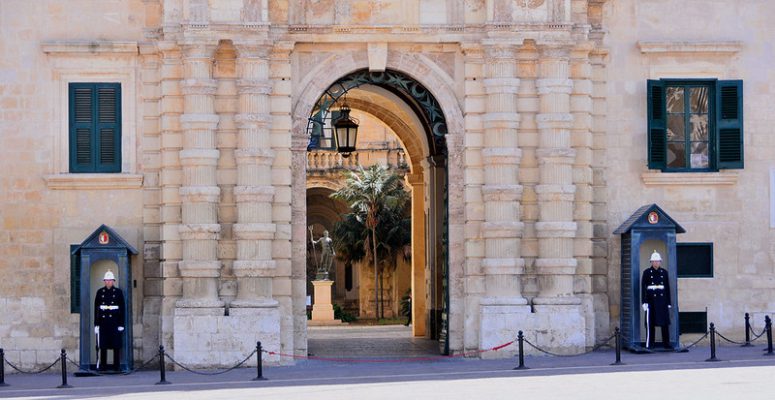
The Maltese government is also using tourism, a major contributor to their economic development, as a means of pushing forward the green economic transition and progress towards sustainable consumption and production and changing climate. The restoration of historical and cultural sites in the country is making this progress possible. One such example is the restoration of the Grand Master’s Palace in Malta. Tourism contributes to the alleviation of poverty in Malta by increasing economic opportunities and generating taxable economic growth which can be used towards poverty alleviation.

While work is still necessary to resolve environmental challenges and the gender employment gap in Malta, the country is well on its way to meeting its 2030 Sustainable Development Goals (SDGs).

– Leah Bordlee
Photo: Flickr

August 17, 2020
https://borgenproject.org/wp-content/uploads/borgen-project-logo.svg 0 0 Kim Thelwell https://borgenproject.org/wp-content/uploads/borgen-project-logo.svg Kim Thelwell2020-08-17 12:20:522024-06-06 00:38:16Progress in Addressing Poverty in Malta
Food & Hunger, Global Poverty, Health, Poverty

Poverty and Obesity: A Paradox Amid COVID-19

poverty and obesity
The fact that both poverty and obesity simultaneously rose amid the COVID-19 pandemic, possibly tipping 130 million people into chronic malnutrition by the end of 2020, may initially come across as surprising. Yet, researchers have long documented the paradox of how impoverished individuals experiencing food insecurity are more likely to suffer from obesity than the wealthy. Poverty and obesity often go hand in hand as signs of food unavailability and a lack of healthy eating, respectively, but these conditions of malnutrition also carry more subtle risk factors like unemployment, lower education levels and limited social networks.

The Problem: Food Access, Not Just Food Availability

Food insecurity manifests itself in many ways beyond undernourishment from an insufficient quantity of food — the prominent of which is unreliable access to nutritious, healthy options. With COVID-19 exacerbating pre-existing inequities and inadequacies in global food systems, poor diets and their resultant boosting of obesity present an urgent problem for vulnerable populations in developing countries. “The pandemic is creating a problem not of food availability, but of food access because people will have less income because of the recession,” explained Maximo Torero, chief economist of the UN’s Food and Agriculture Organization.

UN Data further showed that if the trend of limited food access continues, the world’s hungry will surpass 840 million by 2030 — the very same year 193 countries have set as their target by which they will have eliminated all forms of malnutrition. And with disruptions to agricultural supply chains due to COVID-19, governments face growing pressure to take unprecedented action to tackle the worldwide spikes in food prices if they are to meet this target. It is also no coincidence that nearly all of the 50 countries with the most risk for sustained food-price swings have developing economies, according to Nomura’s Food Vulnerability Index.

Healthy eating emphasizes fresh produce and lean meats, ideally locally-sourced with minimal processing and preservatives. However, the agricultural and meat industries were the first and most affected when governments implemented COVID-19 quarantines and travel restrictions. The successive disruptions meant it was more difficult for farms to receive agriculture inputs of seeds, fertilizer and equipment, further delaying production of healthy eating staples: rice, maize, wheat, vegetables and other produce. Producers of unhealthier, more processed foods don’t face the same problem of financial losses from rotting food. Thus, during this time, those foods are more accessible and affordable at the expense of poorer consumers’ health.

The Effects: COVID-19 and Obesity

Unfortunately, the connection between COVID-19, poverty and obesity works in reverse as well. Obesity is a major risk factor for a more severe infection, resulting in higher hospitalization and death rates once one has caught the virus. Most recently, a number of studies and anecdotes have noted obesity as the predominant risk factor in youth, with cardiologist David Kass concluding “in populations with a high prevalence of obesity, COVID-19 will affect younger populations more than previously reported.” The CDC has incorporated these findings by specifying that obesity is just as significant a risk factor for severe COVID-19 illness as a suppressed immune system or chronic lung disease.

Though researchers have mostly focused on the link between COVID-19 and obesity in high-income countries, it may have more devastating effects in the developing world. Not only does evidence show “over 70% of the world’s 2 billion overweight and obese individuals live in low or middle-income countries,” obesity also leads to higher health care costs and lower work productivity, which go hand-in-hand with greater consumption of cheaper, unhealthy food options. The created feedback loop is referred to as the “double burden of malnutrition.” Moreover, as Kass’s findings suggested, the victims of COVID-19 in developing countries are younger. In India and Mexico respectively, less than 12% and 17% of deaths were of individuals older than 75, and both of these countries report much more deaths of middle-aged and younger individuals than the U.S. and Europe do.

Solutions to Improve Global Food Security

One estimate of how much governmental spending is needed to combat COVID-19’s effects on hunger and obesity was $10 billion, put forth by the International Food Policy Research Institute. However, even this amount may be insufficient when considering that food insecurity will only continue compounding if addressing poverty isn’t a cornerstone of the solutions put forth. The World Food Programme has prioritized this need for financial safety nets and social protection programs until investment in nutrition and expansion of social protections. Their Executive Director David Beasley plans to allocate $1.9 billion of already pledged funding to build food and cash stockpiles as a “life-saving buffer,” protecting the world’s poor from food shortages and food-price hikes. They also requested a further $350 million to set up transportation systems, limiting shortages and disruptions in the agricultural industry from occurring in the first place.

In combination with these correctional measures, governments should adopt a preventative approach to addressing obesity. “One of the most effective ways to address obesity and other non-communicable diseases is by ramping up investments in affordable, quality primary health care,” says Dr. Muhammad Pate, Global Director for Health, Nutrition and Population at the World Bank. “This makes sense both from a health and an economic perspective. Putting more resources on the front lines to detect and treat conditions early, before they become more serious, saves lives, improves health outcomes, reduces health care costs and strengthens preparedness.” With these efforts in place, the paradoxical relationship between poverty and obesity may begin to ease.

– Christine Mui
Photo: PXFuel

August 17, 2020
https://borgenproject.org/wp-content/uploads/borgen-project-logo.svg 0 0 Kim Thelwell https://borgenproject.org/wp-content/uploads/borgen-project-logo.svg Kim Thelwell2020-08-17 07:44:102020-08-17 07:44:10Poverty and Obesity: A Paradox Amid COVID-19
Global Poverty, Poverty

Poverty in Bulgaria

Poverty in Bulgaria
Bulgaria is 
a small nation off of the west coast of the Black Sea. It faced a dramatic government shift in the early 1990s. In 2007, Bulgaria joined the European Union (EU) in hopes of prolonged prosperity. Instead, studies show that Bulgarian citizens are the least happy in the EU. This is the result of many social issues and lifestyle changes over the past couple of decades, but the largest factor that surrounds the dark atmosphere of Bulgaria is its struggling economy. In addition, because of its minimum wage, poverty is still prevalent in Bulgaria.

Economic Growth

After transitioning to an open market system in the early 1990s, Bulgaria has seen extreme growth in its economy. Its GDP has been rising over the last three decades. Additionally, there have been increases in the average salary, improved working conditions and developments in finance technology. Moreover, Bulgaria is currently in a demographic dividend. This means that the majority of its population is of the working-class age and is contributing to the economy through employment. According to the OECD, the “working age” refers to the population of individuals aged 15-64.

Minimum Wage and Poverty in Bulgaria

Bulgaria’s minimum wage is one of the lowest in the European Union at BGN 610 per month, or $350.4 in the United States. Many common jobs reside within low-skilled labor, such as security guards, factory workers or shop assistants. Poverty in Bulgaria reached a prevalence rate of 7.5% in 2017. Based on a population of nearly 7 million people, this means approximately 525,000 Bulgarians were living on less than the U.S. $5.5 each day. For unemployed citizens, the government subsidizes up to 60% of their income. However, it is not always a stable amount and can range from BGN 9 to BGN 74.29 per day (equivalent to U.S. $5.20 and $42.90, respectively).

Solutions

The World Bank is working to reduce poverty in Bulgaria through a plan established and verified in 2019. This plan aims to strengthen the nation’s disaster risk management program, follow efforts to combat climate change, improve air quality and increase access to clean water. Additionally, risk management will help to overcome economic issues and a recession predicted by the World Bank as a result of COVID-19. Even as unemployment rates increase due to COVID-19, the Bulgarian economy is protected by a product that is unlikely to decrease in value in the near future– petroleum. Petroleum is Bulgaria’s top export and brought the nation nearly $2 billion in 2018. As it becomes scarcer, the price will increase, leading the nation into a sustainable economic boost.

Telerik Academy School is combating poverty in Bulgaria from the ground up by offering free courses in computer science for students ages 7-18. This is especially important as Bulgaria becomes more technologically advanced every day and jobs in computer science become more valuable. Telerik’s mission is to instruct computer expertise at a young age. This will help develop and instill creativity, innovation and logic in younger generations. This will pave the way for their success as adults. Along with coding lessons, Telerik offers programs in Game Development and Algorithmic Programming. Since its establishment in 2002, the academy has earned more than 250 medals and awards. Telerik Academy School reached over 12,000 students and plans to instruct 12,000 more by the end of 2024.

The issues surrounding poverty in Bulgaria can not be fixed overnight. However, the country’s long-term economic growth, government transformation and social improvements will rise to the challenge of implementing policies and enacting changes that benefit its citizens. Small nonprofits across the nation assist in fighting poverty in creative ways that enable them to develop sustainably.

– Becca Blanke
Photo: Flickr

August 15, 2020
https://borgenproject.org/wp-content/uploads/borgen-project-logo.svg 0 0 Kim Thelwell https://borgenproject.org/wp-content/uploads/borgen-project-logo.svg Kim Thelwell2020-08-15 12:17:252024-05-29 23:18:49Poverty in Bulgaria
Aid, Global Health, Global Poverty, Poverty

10 Apps That Aid Healthcare in Developing Countries

Apps that aid in healthcare in developing countries It can sometimes be difficult for people in developing countries to access healthcare, specifically those living in poverty. In order to address this problem, healthcare apps are being used to provide greater access. Here are 10 healthcare aid apps that are impacting access in developing countries.

10 Apps That Aid Healthcare in Developing Countries

  1. Peek has its sights set on helping people with vision impairment issues and blindness, a problem exacerbated in developing countries by a lack of resources. Peek can identify people with vision problems. The app then works with healthcare providers to pinpoint an economically feasible way to supply the treatment they need, before allocating the appropriate resources. Currently, Peek is being used by the International Centre for Eye Health at the London School of Hygiene and Tropical Medicine, which is administering a population-based survey of blindness and visual impairments in Cambodia.
  2. SASAdoctor focuses on making healthcare consultations more accessible in Kenya. In the country, only 12% of people are insured. About 8 million are reliant on the National Hospital Insurance Fund, leaving 35 million Kenyans uninsured. Available to all Kenyans with an Android smartphone or tablet (65% of Kenyans have one), SASAdoctor decreases the cost of an in-person consultation for the uninsured and makes it free for those with insurance. Patients will have their medical history, list of medications and other such medical notes in their ‘file’ on the app, so that whoever tele-consults with them will have the information they need to create an informed medical opinion. SASAdoctor can decrease the cost of uninsured visits with a doctor to Kes 495 (the equivalent of $4.66) for a projected 80% of Kenyans who are predicted to have smartphones in the next few years.
  3. iWander allows people to keep track of Alzheimer’s patients. Set with tracking technology that can be discretely worn by the patient, it offers whoever uses the app several options on how to deal with situations involving the patient. Solutions can range from a group calling session to making an emergency medical call or summoning a caregiver. iWander gives families more control over the care of a loved one, which can have a positive impact in countries where healthcare may be less accessible. In the US, the average cost of care for a single person is $174,000 annually. About 7 out of 10 individuals with dementia remain at home to receive care, where 75% of the costs fall to the family to pay. In helping families be proactive instead of reactive to crises, iWander can help in cutting these costs, especially in poorer countries, where many families are struggling to keep up with the high costs of at-home care.
  4. Kenek O2 allows the user to monitor their oxygen and heart rate while they sleep. Kenek O2, built for the iPhone, also requires a pulse oximeter which connects to the phone and retrieves the data to be stored in the app. Together, the cost for these two items is around $100, compared to the price of a regular hospital oximeter and other similar products, which could easily cost more than $500. Having effectively been used in North America, South America, Asia and Africa, Kenek O2 is currently working on developing a special COVID-19 device to watch for early signs of hypoxia, or the deficiency of oxygen reaching tissues.
  5. First Derm is an app that requires a smartphone-connected device, called a dermatoscope. This allows detailed pictures to be taken of skin conditions and lesions to better allow for remote, teleconsultations. In places where doctors are few and far between, and public transport is less reliable, this can make getting a second medical opinion much easier. So far, First Derm has helped in more than 15,000 cases from Sweden, Chile, China, Australia and Ghana, ranging from ages of just 3 days old to 98 years. Of these cases, 70% could be treated without a doctor, most often by over-the-counter treatments available at local pharmacies.
  6. Ada takes user-input symptoms and provides appropriate measures to take as a result, like a personal health assistant. It’s intended to assist those who don’t have the means to seek an in-person consultation right away. The app has been released in several languages, which makes it more accessible. Currently, 10 million people around the world are using Ada for symptom evaluation.
  7. Babylon is intended to mitigate the obstacle of going to see a doctor in person by allowing users to input symptoms or solve common health problems via teleconsultation with a doctor. Babylon specializes in non-emergent medicine, allowing patients to skip a trip to the doctor’s office entirely if their condition allows it. This is beneficial in places where doctors are sparse, or the patient lacks the financial means or a method of transportation in getting to the hospital. Babylon caters to users across the U.S., U.K., Canada, Rwanda and several countries across Asia-Pacific and the Middle East. The app aims to expand to more countries in the upcoming years.
  8. MobiSante, through its ultrasound device, allows versatility in diagnostic imaging by bringing the ultrasound to the patient. This allows quality, diagnostic imaging to be done outside the confines of a hospital or clinic. As a result, it provides more holistic and informed treatment where people may need it most but have previously struggled in accessing a healthcare center with the necessary technology. While having a computer at home with a desk is much less common in developing countries, the world’s increasing reliance on the internet is shifting the status of internet technology from a luxury to a basic necessity. This means that technology such as smartphones are becoming somewhat of a necessity in impoverished countries, making an app like MobiSante effective in using smartphones to make diagnostic imaging more accessible.
  9. Go.Data is a tool released by the WHO. It is specifically for collecting data during global health emergencies. During the Ebola outbreak in Africa, Go.Data was praised for tracing points of contact. The app also tracked infection trends and helped in arranging post-contact follow up.
  10. Mobile Midwife is a digital charting app that stores information in a cloud so that healthcare workers have access to all pertinent patient information. It works even in cases of power outages, or home births where internet connection may be less reliable. This app can help in areas where mother and infant mortality is higher, ensuring that healthcare providers can efficiently access patient information to ensure the best care. It can also cut the extra time it takes to find records that could otherwise make procedures more dangerous for both mother and child.

Bridging healthcare accessibility with smartphone apps isn’t a perfect solution, as it comes with accessibility issues of its own. However, these healthcare aid apps can help people without insurance, or who are physically unable to visit a physician, access health consultations. As a result, more people are provided access to healthcare, empowering a healthier (and more health-conscious) population.

– Catherine Lin
Photo: Flickr

August 13, 2020
https://borgenproject.org/wp-content/uploads/borgen-project-logo.svg 0 0 Jennifer Philipp https://borgenproject.org/wp-content/uploads/borgen-project-logo.svg Jennifer Philipp2020-08-13 13:30:242024-06-06 00:38:1510 Apps That Aid Healthcare in Developing Countries
Page 12 of 27«‹1011121314›»

Get Smarter

  • Global Poverty 101
  • Global Poverty… The Good News
  • Global Poverty & U.S. Jobs
  • Global Poverty and National Security
  • Innovative Solutions to Poverty
  • Global Poverty & Aid FAQ’s
Search Search

Take Action

  • Call Congress
  • Email Congress
  • Donate
  • 30 Ways to Help
  • Volunteer Ops
  • Internships
  • Courses & Certificates
  • The Podcast
Borgen Project

“The Borgen Project is an incredible nonprofit organization that is addressing poverty and hunger and working towards ending them.”

-The Huffington Post

Inside The Borgen Project

  • Contact
  • About
  • Financials
  • President
  • Board of Directors
  • Board of Advisors

International Links

  • UK Email Parliament
  • UK Donate
  • Canada Email Parliament

Get Smarter

  • Global Poverty 101
  • Global Poverty… The Good News
  • Global Poverty & U.S. Jobs
  • Global Poverty and National Security
  • Innovative Solutions to Poverty
  • Global Poverty & Aid FAQ’s

Ways to Help

  • Call Congress
  • Email Congress
  • Donate
  • 30 Ways to Help
  • Volunteer Ops
  • Internships
  • Courses & Certificates
  • The Podcast
Scroll to top Scroll to top Scroll to top