11 Facts About Poverty in Nepal
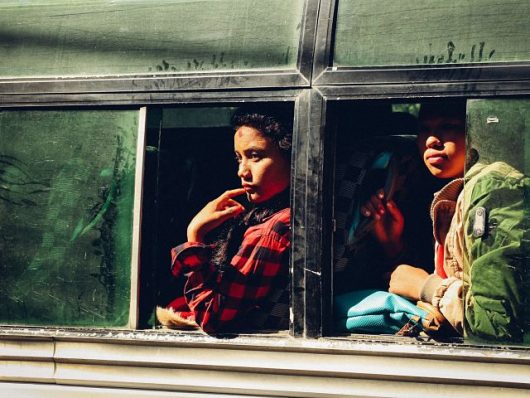
Of the 31 million people living in Nepal, 20.27% or more than six million are living below the poverty line. This makes Nepal one of the poorest countries in the world. Rates of disease, malnutrition and child mortality are high. Fortunately, Nepal has experienced slight economic growth in the past few years. Here are 10 facts about poverty in Nepal:
- Displacement has had a significant impact on living conditions in the country. According to Relief Web, “Between 1996 and 2006, the civil war between government armed forces of Nepal and Maoists left thousands of people dead and many more displaced.”
- Approximately five million people in Nepal are undernourished, with about one million children aged less than 5 suffering from stunting. This is in part caused by high food prices and limited access in rural areas to farming. High prices of food make it unaffordable for people in poverty, which drives hunger.
- Nepal has been the victim of numerous natural disasters. With an already struggling economy and low political stability level, earthquakes in Nepal are another factor in the country’s instability. People lose their homes and their jobs and are forced to find other ways to make a living. Women often become more vulnerable to trafficking in the post-natural disaster.
- Nepal’s government is known for being corrupt. According to the Transparency International 2023 Corruption Perceptions Index, the country ranks 108 out of 180 countries, signifying the massive level of corruption in Nepal’s public sector. Abuse of authority leads to a biased economic system and unfair distribution of resources, perpetuating the issue of poverty in Nepal.
- Poverty in Nepal contributes to high child mortality rates. In 2021, for every 1,000 children born in Nepal, 27 died before their fifth birthday. This can be attributed to the lack of health care and education access in impoverished regions and there are many such regions in Nepal.
- The geography of Nepal influences the country’s ability to mitigate poverty. Nepal is a landlocked and mountainous region, which makes development and transportation of resources difficult.
- A lack of advanced farming methods makes it hard for progress against poverty in Nepal to be made. More than 85% of Nepal’s population relies on agriculture as the primary form of sustenance. However, outdated methods are slowing the farming pace.
- Unemployment and underemployment are significant factors that contribute to the high poverty rates in Nepal. As of 2023, the rate of unemployment in Nepal was approximately 11%, highlighting the large number of citizens who are without jobs. The lack of well-paying job opportunities is a major factor that contributes to poverty in the country.
- Surging housing prices have made it difficult for the impoverished people of Nepal to afford a house. About 10% of urban inhabitants are living in informal settlements. Rates of rural-urban migration have also soared in recent years, further pushing up the price of houses in cities.
- There are many nonprofit organizations, such as Habitat for Humanity, that are working to help the people of Nepal. Habitat for Humanity has specifically focused on the problem mentioned above — the housing crisis in Nepal. Working alongside its partners, the initiative is building 2.3 houses per hour. Further, since its inception in 1977, the organization has served more than 200,000 families in Nepal’s Eastern and Western Regions.
- Save the Children is another nonprofit that has been working in Nepal since 1976. The organization has implemented various programs to improve the lives of Nepalese children. One of these programs is the Adolescents’ Skills for Successful Transitioning (ASST) initiative, which aims to help Nepalese adolescents transition into adulthood with the necessary skills and opportunities required to break out of transgenerational poverty.
Although Nepal is one of the poorest countries in the world, all hope is not lost. Efforts of volunteers and nonprofit organizations, such as Habitat for Humanity, have the potential to make a big difference.
– Amelia Merchant
Photo: Unsplash
Updated: May 30, 2024
