• Link to X
  • Link to Facebook
  • Link to Instagram
  • Link to TikTok
  • Link to Youtube
  • About
    • About Us
      • President
      • Board of Directors
      • Board of Advisors
      • Financials
      • Our Methodology
      • Success Tracker
      • Contact
  • Act Now
    • 30 Ways to Help
      • Email Congress
      • Call Congress
      • Volunteer
      • Courses & Certificates
      • Be a Donor
    • Internships
      • In-Office Internships
      • Remote Internships
    • Legislation
      • Politics 101
  • The Blog
  • The Podcast
  • Magazine
  • Donate
  • Click to open the search input field Click to open the search input field Search
  • Menu Menu

Archive for category: Poverty Reduction

Information and stories about poverty reduction.

Poverty Reduction

The Fight Against Poverty in Mali

fight against poverty in MaliMali ranks 175th out of 188 countries on the Human Development Index. Due to a complex web of social and geographical problems, more than half of the population in Mali lives below the poverty line. The combination of a harsh, unforgiving climate and severe political instability leaves Mali extremely vulnerable to the onset of poverty and food insecurity. However, in response to these conditions, organizations are entering the fight against poverty in Mali through strategies and solutions.

The State of Poverty in Mali

Geographic complications constitute a significant source of poverty in Mali. Agriculture is the number one employer in Mali, yet roughly 65% of Mali’s geographic area is designated as desert or semi-desert. This means that most of the agricultural activity in Mali is restricted to the fertile area near the Niger River. As a result, the country is vulnerable to changes in the climate as well as natural disasters like droughts. Mali’s tenuous agricultural dependence means that food insecurity is a major issue in the country. In fact, malnutrition is the second leading cause of death in children age 5 and below.

Mali’s situation has only grown direr since 2012 when civil war broke out after a coup d’etat by insurgents. In the years since, violence has been a constant. After the initial coup, other insurgent groups like ISIS seized the opportunity to move into a volatile area, further exacerbating Mali’s problems.

Organizations Working to Address Poverty in Mali

There are several organizations working toward poverty eradication in Mali today. From foreign aid agencies to nonprofit organizations and think tanks, diverse groups are working to address poverty in Mali. The United States Agency for International Development (USAID) addresses poverty in Mali on multiple dimensions. This includes agriculture and food security; democracy and good governance; environmental changes; education; global health and climate management. USAID has had particular success employing poverty reduction strategies in the agricultural sphere. Through USAID assistance in 2018, more than 404,000 farmers in Mali were able to apply improved technologies to their agricultural practices.

In 2016, Feed the Future, the U.S. government’s global hunger and food security initiative, started the Innovation Lab for Food Security in Mali. The innovation lab conducts research on things such as the type of fertilizer farmers in Mali use and how potential innovations in agricultural technology can help fight food insecurity.

Innovations for Poverty Action

Innovations for Poverty Action (IPA) is another organization taking action to spur innovations in poverty eradication in Mali. The IPA first opened an office in Mali in 2010. However, the IPA relocated its base from Mali to Burkina Faso after the coup but remains active in Mali to this day. Much like USAID, IPA conducts research on different factors that exacerbate poverty in Mali. IPA is studying innovations in agriculture, global health and other fields to evaluate their potential utility in the fight against poverty in Mali.

The fight against poverty in Mali includes fighting political instability as well. There are several successful innovations in this area. For example, the global cybersecurity company Kaspersky expanded into West Africa in 2020. Kaspersky’s expansion will drastically improve intelligence capabilities against violent insurgent groups. With intervention from foreign aid and collective action to eradicate poverty, Mali’s future is looking brighter.

– Leo Ratté
Photo: Flickr

May 4, 2021
https://borgenproject.org/wp-content/uploads/borgen-project-logo.svg 0 0 Kim Thelwell https://borgenproject.org/wp-content/uploads/borgen-project-logo.svg Kim Thelwell2021-05-04 07:31:432024-05-30 22:23:10The Fight Against Poverty in Mali
Developing Countries, Global Poverty, Poverty Reduction, Water

Improving Water Access In Brazil

Improving Water Access In BrazilThe South American country of Brazil has an abundant water supply. In fact, Brazil’s water supply makes up 20% of the entire water supply of the world. Brazil’s energy sector is significantly dependant on water as the country uses hydropower for 62% of its energy. Irrigation activities to preserve Brazil’s important agriculture industry uses 72% of Brazil’s water supply. Despite an abundance of water, many people in Brazil find it challenging to gain access to reliable water and sanitation. While the wealthier part of Brazil’s population has better access to water and sanitation, the more impoverished part of the population struggles with obtaining these resources. Due to the dire circumstances that disadvantaged people in Brazil find themselves in, organizations are dedicating efforts to improving water access in Brazil.
Water.org Assists

According to Water.org, three million Brazilians lack access to safe water. Lack of access to clean water and sanitation impacts the socioeconomic development of Brazil and also affects people’s health. During the COVID-19 pandemic, safe water access is vital for hygienic measures to prevent transmission of the virus.

Water.org is an organization dedicated to ensuring that people worldwide have access to safe water and sanitation resources. According to Water.org, financing can often be an obstacle to water access. In order to resolve this, Water.org implemented the WaterCredit Initiative loan program. By providing small loans, financial barriers are overcome and people have access to water and sanitation. Thanks to more than 15 years of WaterCredit’s efforts, more than 36 million people in 13 countries have access to safe water and sanitation facilities.

Lower-income communities in Brazil do not receive the same amount of financing as the wealthy. This makes the population even more vulnerable. Using the WaterCredit Initiative, Water.org has been able to provide safe water and sanitation for 107,000 Brazilians. With this success, Water.org plans on continually improving water access in Brazil.

Providing Water in Sao Paulo

The state of Sao Paulo in Brazil is heavily urbanized and susceptible to water shortages. To rectify this problem, the World Bank and partners devised the Sao Paulo Water Recovery Project. The project targeted communities around the five key watersheds of Sao Paulo and aimed to reduce the amount of water wasted and improve upon existing water systems. Furthermore, the project worked closely with water providers in Sao Paulo and was successful in many ways. Certainly, the project’s efforts helped to benefit almost 98,000 people by the project’s close in May 2017. The project was able to save 47 million cubic meters of water annually. The total amount of recovered water amounts to a water supply adequate for a city of 800,000 people, which reveals how successful recovery efforts were.

The efforts of organizations provide long-term solutions to improve living conditions for impoverished people in Brazil. By improving water access in Brazil, the right to water access is upheld and people are able to live better quality lives.

– Jacob E. Lee
Photo: Unsplash

May 1, 2021
https://borgenproject.org/wp-content/uploads/borgen-project-logo.svg 0 0 Lynsey Alexander https://borgenproject.org/wp-content/uploads/borgen-project-logo.svg Lynsey Alexander2021-05-01 04:56:042021-06-04 04:56:23Improving Water Access In Brazil
Global Poverty, Poverty Reduction, Women

A Craft Association Alleviates Poverty in Nepal

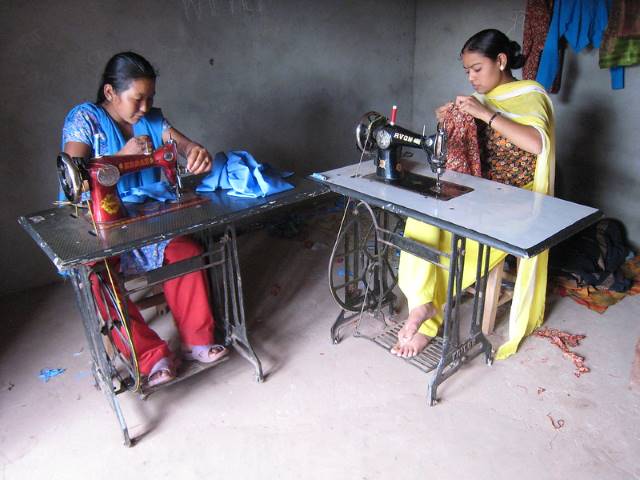
Craft AssociationThe incidence of poverty in Nepal had been dropping before the COVID-19 pandemic. However, the pandemic could increase Nepal’s poverty rate to the levels of more than a decade ago due to a loss of jobs and income. A UNICEF-sponsored survey indicates that, in October 2020, a shocking 42% of families in Nepal had no income at all. Furthermore, in the same month, 45% of people reported job losses. In addition, one in five households surveyed reported being unable to secure adequate food to feed their families. Even people who still have jobs are earning less than before the pandemic. The tourism sector has also been severely hurt by the pandemic and more than half of all households are at risk of returning to poverty. The Association for Craft Producers (ACP) is helping combat poverty in Nepal.
The Association for Craft Producers

Helping to counter the effects of poverty in Nepal is the Association for Craft Producers. The organization founded in 1984 is a not-for-profit, fair trade organization that helps low-income Nepalese craft producers with design, marketing and management services for their craft products. Due to its success, it has grown to roughly 1,000 artisans, 90% of whom are women. The artisans produce beautiful crafts such as ceramic teapots, woven rugs and wooden tables. Nepali Craft Trading Ltd. exports the artisans’ products to 18 different countries. Since 2003, ACP has been certified as a Fair Trade organization. The group abides by the principles of fair trade as outlined by the World Fair Trade Organization to ensure artisans are provided with adequate compensation and benefits for their work.

Benefits for Nepali Artisans

The ACP artisans have access to a number of benefits to help lift them out of poverty and progress. For instance, artisans are provided a clothing stipend, 90 days of paid maternity leave and an allowance for emergencies. The ACP also provides information to the artisans on matters such as health, education and other important development topics. Since many of the women have never earned enough to be able to save money for the future, producers are encouraged to deposit 10% of their pay into an interest-producing account.

To encourage the education and empowerment of girls, ACP provides a monthly allowance for up to three years to producers who ensure their daughters are enrolled and participating in school for a minimum of four consecutive years. Furthermore, the ACP rewards the three best students with support for an additional year. In addition, the ACP provides the producers with funds for retirement. In these ways, ACP encourages financial security while providing outlets for the artisans to sell products.

Environmental Awareness

The ACP also takes specific actions to preserve its local environment at the foot of the Himalayan mountains. The practices include using recycled paper, installing a rainwater treatment plant and a wastewater treatment plant and discouraging the use of plastic bags. The artisans use an environmentally friendly acid for dyeing and water-based pigments for printing instead of oil-based paints. Finally, the artisans have switched to electric firing methods for ceramic products rather than kerosene-based firing. The women artisans remain environmentally conscious while helping to support families and reduce the devastating effects of poverty in Nepal.

Overall, the ACP craft association is supporting artisans in Nepal in several ways in order to ensure that they are able to rise out of poverty and secure better futures.

– Sarah Betuel
Photo: Flickr

April 30, 2021
https://borgenproject.org/wp-content/uploads/borgen-project-logo.svg 0 0 Kim Thelwell https://borgenproject.org/wp-content/uploads/borgen-project-logo.svg Kim Thelwell2021-04-30 06:09:512024-05-30 22:23:35A Craft Association Alleviates Poverty in Nepal
Global Poverty, Poverty Reduction

Digital Agriculture for Poverty Reduction

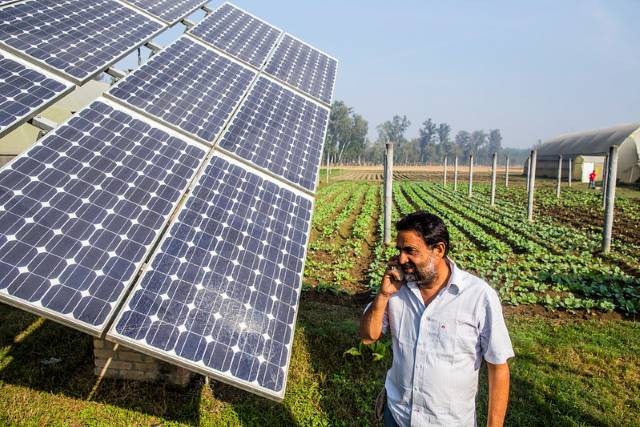
Digital AgricultureDigital agriculture is a movement to digitize aspects of farming and food distribution. This has the potential to create a more sustainable, cost-effective and socially inclusive agricultural sector. Digital agriculture reduces poverty when smallholder farms use technology to increase efficiency, thereby becoming more competitive on the market. The World Bank estimates that by 2030, more than 100 million people could end up in extreme poverty due to the impact of environmental challenges on the agricultural sector. Although technology is not the only solution to ending global poverty, it is one promising way to improve the livelihoods of small-scale rural farmers. Using digital tools can improve crop monitoring, relationships between buyers and sellers, access to information and help develop more precise farming practices.

Smallholder Farms

The U.N. Food and Agriculture Organization (FAO) states that smallholder farms, farms of two hectares or less, utilize 12% of the world’s agricultural land and family-run farms utilize 75% of global agricultural land. In sub-Saharan Africa, smallholder farms are responsible for 80% of the food produced. These small farms face many challenges. Soil erosion, drought and other environmental issues can completely wipe out crops and leave families with no income. In recent years, environmental catastrophes left 13 million people from Kenya, Ethiopia and Somalia with no choice but to rely on humanitarian assistance. In addition to high susceptibility to weather extremes, rural areas have less access to information and affordable internet services. Digital agriculture reduces poverty by alleviating some of these stressors.

E-commerce in Asia

Digital agriculture reduces poverty through already established concepts like e-commerce. Alibaba, the Chinese e-commerce company, started a project in 2014 called Rural Taobao. The project aims to increase efficiency and lower costs of agricultural distribution, similar to how Airbnb and other service apps optimize supply and demand by digitally matching buyer and seller.

Rural Taobao is an online marketplace where farmers can buy products from manufacturers, have those products delivered, and then, distribute their crop yields using the same transportation that delivered the factory items. Essentially, this online platform ensures that trucks going into rural areas do not go back to the cities empty, but instead, go back full of agricultural products to sell.

Central Asia has 10.7 million farmers and a land per capita endowment that is five times higher than China’s. As a result, Central Asia has the potential to be a major exporter of high-quality agricultural goods. A program like Rural Taobao, and E-commerce in general, are ways that digital agriculture in Central Asia can optimize distribution, fulfill its potential as a competitive agricultural market and bring more financial capital into rural areas.

Access to Information in Niger

NOVATECH, a startup in Niger, developed an Interactive Voice Response Platform (IVR) in 2017 called E-KOKARI. The E-KOKARI platform lets agricultural workers use their cell phones to access information about crops, weather forecasts, market prices and other information relevant to farming or agriculture. It is as simple as dialing a number on a cellphone that will take the individual to a navigatable menu. The platform provides advice and information in all of Niger’s primary languages — French, Hausa and Zarma. The information is also available in voice format. About 70% of the adult population is illiterate so access to spoken information is extremely helpful. The number of people with cell phones has grown over the years. In 2016, more than seven million cellphone users existed in a population of 20 million.

E-KOKARI is still in the prototype phase but has a promising future. Developers of the technology interviewed farmers to find out exactly what problems needed addressing and worked to make the technology sustainable. Moreover, the developers ensured that the technology was reproducible for communities in other countries.

Digital Agriculture Reduces Poverty

Digital agriculture reduces poverty because it makes farmers’ lives easier. Similar to other sectors of society, technology can save time, increase productivity, lower costs and increase access to key information. As digital agriculture evolves and becomes more widespread, it is vital that creators pay attention to who the user is and what the user needs. Historically, marginalized groups such as women, differently-abled people and the elderly have greatly benefited from technology but frequently were not part of the production process. It is imperative that creators and producers of digital agriculture incorporate the voices of all potential users.

– Caitlin Harjes
Photo: Flickr

April 24, 2021
https://borgenproject.org/wp-content/uploads/borgen-project-logo.svg 0 0 Kim Thelwell https://borgenproject.org/wp-content/uploads/borgen-project-logo.svg Kim Thelwell2021-04-24 01:31:382021-04-22 19:01:58Digital Agriculture for Poverty Reduction
Global Poverty, Poverty Reduction

SPOTTED: The Clinton Foundation’s Impact

The Clinton Foundation's ImpactThe Clinton Foundation’s impact has been felt for more than 20 years. When the former president left the White House in 2001, he looked toward a vision: “A nongovernmental organization that could leverage the unique capacities of governments, partner organizations and other individuals to address rising inequalities and deliver tangible results that improve people’s lives.” From this vision, the Clinton Foundation was born. Julie Guariglia, director of information and briefings, has been with the Clinton Foundation for 10 years. In an interview with The Borgen Project, she describes the Foundation’s goal as “developing innovative solutions to the world’s worst problems to improve life overall, specifically by creating economic opportunities and improving public health.”
First Mission

The Clinton Foundation’s first mission was the HIV/AIDS crisis in Africa. In 2002, Clinton went to Nelson Mandela hoping to improve education in Africa. However, Mandela explained that if he wanted to help, he had to address the HIV/AIDS epidemic first. After that, the Foundation began its research. The Foundation found a niche in reducing the cost and increasing the accessibility of life-saving HIV/AIDS treatment.

Due to the efforts of the Clinton Foundation, 11.6 million people now have access to HIV/AIDS treatment, including 800,000 children born with HIV/AIDS. The Clinton Foundation ensures all the medicines are transported to the correct destination and are correctly stored at the appropriate temperature.

Clinton Global Initiative

In 2005, the Clinton Foundation established the Clinton Global Initiative (CGI). This initiative brought the world’s leaders together to address global issues and create practical solutions. The CGI has brought together 20 Nobel Prize laureates, hundreds of CEOs, 190 sitting and former heads of state and other major players.  This collaboration is all with the intention of bringing together global leaders to develop and implement innovative solutions to global issues. Members of the CGI have helped more than 430 million people in more than 180 countries.

Guariglia says that CGI “Brings together diverse partners to create powerful solutions by having them come to the table all together to sit down.” With the Ebola crisis in 2014, CGI developed a plan with direct relief programs. Through the collaborative strengths of various participating organizations, CGI was able to secure medical supplies, airplanes for transportation and PPE to send to Africa.

Agricultural Development

The Clinton Foundation also focuses on economic development in Africa and South America. For instance, the foundation supports agricultural development by educating farmers. The farmers are given information about new crops, are able to access loans and can also access seeds for planting. The Foundation also assisted farmers with accessing markets and building warehouses. Overall, the Foundation helped 160,000 farmers improve their livelihoods.

What started as a goal to lower the cost of HIV/AIDS medicines transformed into an NGO with a significant impact in multiple areas. The success of the Foundation is the result of collaboration from multiple players. “The Foundation creates partnerships of great purpose to deliver sustainable solutions that last and transforms communities from what they are to what they can be.” The Clinton Foundation’s impact certainly shows its commitment to its initial vision. Through its efforts, quality of life will improve for people around the world.

– Lauren Peacock
Photo: Flickr

April 17, 2021
https://borgenproject.org/wp-content/uploads/borgen-project-logo.svg 0 0 Kim Thelwell https://borgenproject.org/wp-content/uploads/borgen-project-logo.svg Kim Thelwell2021-04-17 07:42:462021-05-25 07:43:08SPOTTED: The Clinton Foundation’s Impact
Children, Developing Countries, Global Poverty, Health, Poverty Reduction

The Many Ways Peanuts Reduce Poverty

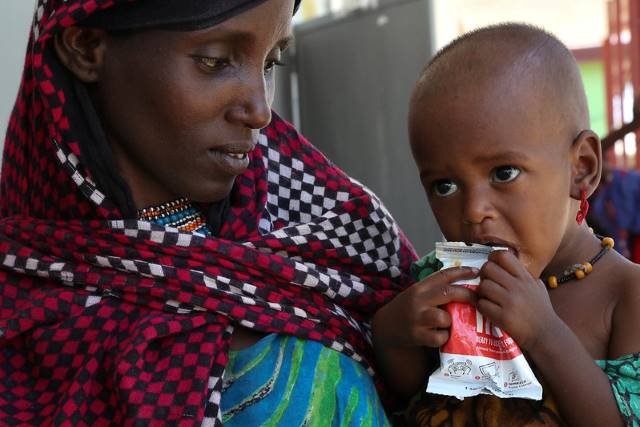
Peanuts Reduce PovertyEvery year, more than three million children under 5 years old die as a result of severe acute malnutrition (SAM), making it the largest killer of young children. In developing countries, including sub-Saharan African countries, Uganda, Malawi and Haiti, malnutrition is a severe issue that pediatricians and scientists are looking for a simple way to solve. Some of these ideas are successfully showing how peanut butter and peanuts reduce poverty and save lives.

Malnutrition

Malnutrition starts in the womb. Therefore, scientists intend to stop malnutrition and anemia in young mothers hoping to give their babies a more nutritional start to life. In Malawi, roughly 50% of all pregnant women and nearly a third of nursing mothers are anemic and in need of a higher calorie diet that can start with peanut butter.

The Power in a Peanut

Peanuts contain more plant protein per ounce than any other nut, making it a powerhouse for nutrition. Only one ounce of peanuts reduces malnutrition by providing an adequate source of niacin and magnesium. Peanut butter is also a good source of fiber and contains other essential nutrients. The nutritional value in peanut butter creates better nutritional and health outcomes, necessitating fewer hospital visits for young children.

Peanuts also contain healthy oils that are “trans-fat-free, cholesterol-free and low in saturated fats.” As a high caloric nut and an impressive source of nutrients, peanuts reduce poverty because the nut addresses malnutrition in malnourished children and young mothers, helping them to gain weight and maintain a balanced diet.

Peanut Butter With a Punch

Peanut butter alone is a good source of nutrition and calories but scientists working to eradicate malnourishment have amped up the standard peanut butter recipes to cater to undernourished bodies.

The most talked-about of these miracle nutritional products is Plumpy’Nut, a nutritional, protein-packed peanut-based paste. Plumpy’Nut comes in portioned plastic wraps that are easy to store and easy to open, making it a resilient food for unstable conditions. Unlike some other ready-to-use therapeutic foods (RUTF), one does not need to mix Plumpy’Nut with water, cutting down the risk of spreading disease.

Nourimamba is a similar peanut-based product that includes extra protein. Packaged in jars, hospitals mostly use Nourimamba to treat severely malnourished children. These jars of sweetened paste also end up in schools as snacks for children.

Dr. Mark Manary founded Project Peanut Butter, an organization in Malawi that helps to feed malnourished children in Sierra Leone, Malawi and Ghana. The organization uses a locally sourced, protein-rich and high caloric peanut butter known as “chiponde” to treat severe malnutrition.

While peanut butter is already a nutritious food, these pastes pack a greater punch in the fight against malnutrition. These products have a long shelf life and require no preparation, making them the ideal snack for undernourished individuals.

Positive Impacts on Poverty

Getting peanut butter into hungry stomachs is the top priority, but in the process, the nut helps uplift developing nations. In addition to addressing malnutrition, these peanut butter products create jobs that can break the cyclical poverty malnourished children are born into.

The Mwayi Wathu Peanut Butter Processing Group, supported by Oxfam and the Catholic Development Commission of Malawi (CADECOM), produces peanuts and peanut butter. This cooperative addresses malnutrition with its products while creating local jobs to stimulate the economy.

Peanuts Reduce Poverty

W. K. Kellogg graciously funded Accesso’s nutritional snack program, which aimed to feed 11 schools in central Haiti. As a result of this initiative, enrollment at the schools increased by 20%. The jobs that the program created allow parents to send their children to school. These families were unable to afford educational endeavors before.

Accesso works with 7,400 local farmers and has tripled the profits of farmers through its agribusiness model. Through this model, farmers strengthened their income and the organization can provide nutritional peanut snacks to more than 4,000 children every single day.

Part of this improved agribusiness model is the spicy peanut butter, Lavi, which holds the promise of opening up new markets for these developing nations. Accesso, the organization that championed the creation of Lavi, aims to expand its business to global markets, especially the United States, where demand for peanuts is high. As the most commonly enjoyed nut by U.S. citizens, more than two-thirds of all nut consumption in the U.S. is peanuts, making it a powerhouse in helping foreign farmers increase their incomes and rise out of poverty.

The benefits of nutritious peanut butter products show how peanuts reduce poverty in developing countries, tackling several concerns at once.

– Veronica Booth
Photo: Flickr

April 16, 2021
https://borgenproject.org/wp-content/uploads/borgen-project-logo.svg 0 0 Yuki https://borgenproject.org/wp-content/uploads/borgen-project-logo.svg Yuki2021-04-16 07:30:032021-04-13 03:21:03The Many Ways Peanuts Reduce Poverty
Charity, Developing Countries, Development, Global Poverty, Poverty, Poverty Reduction

Fighting Poverty in South America

Fighting Poverty in South America
A long history of imperialism, turmoil and instability has manifested itself into modern issues of poverty in South America. Countless grassroots and nongovernmental movements are providing help to the poor in this region. Many funds often drown in the complexities of bureaucratic and organizational structures, unfortunately. One individual is repurposing the term “influencer culture.” This refers to the social leverage that internet users with clout have. Aaron Murphy is creating mini-docuseries for awareness and sharing his personal payment service usernames. He is raising funds at a global scale that he directly pumps into the community. He is fighting poverty in South America through social media and videos.

Aaron Murphy

Aaron Murphy traveled to South America on a backpacking trip to learn Spanish. He now wanders across states in the region — mainly Ecuador, Peru, Colombia and Venezuela — to empower families and communities. His entire journey is available for public access on his social media, specifically his YouTube and Tik Tok accounts. His posts and videos often include an effort to promote awareness along with a call to action. Notably, the content available on these platforms provides a candid view into the everyday life of people living in poverty in South America.

The intent is not to romanticize a serious issue. Instead, he aims to connect with his viewers, sharing the very human reality beyond the understanding of people who live with less. He includes mini-documentaries and conducts interviews with residents. Murphy willfully makes an effort to understand the communities he is in. Murphy has also vocalized part of his videos’ purpose is to remind viewers of the privileges and blessings they experience daily.

Vlogs and Awareness

Murphy’s posts calling people to action have gained large traction recently, especially on Tik Tok. The app’s algorithm works to boost trending videos and topics. His audience is growing along with efforts to support his organization. Murphy provides continuous updates on different projects, giving followers a transparent view of where their proceeds go. His videos also focus on documenting dialogue between individuals and families. He also translates what they say into English subtitles.

Murphy films his videos into vlogs. They cater to a younger audience and have a natural look. One series of videos prompted a wave of global action at the beginning of March 2021. Murphy was following a Venezuelan native community without quality access to housing and food. In the first video and caption, he showed the livelihood of the struggling community. He then urged followers to donate through Paypal and Venmo. Followers raised $12,000 after Murphy posted the video. This gave the Murphslife team the ability to provide the community beds for 112 huts.

The Murphslife Foundation

The Murphslife Foundation accepts funds through Patreon, Venmo, Paypal and Cash App to go towards its efforts fighting poverty in South America. It is a largely unique approach to tackling poverty in South America, though an effective one for convenient participation among younger activist communities. The organization has no connection to any tax-exempt status. Perhaps a testament to its efficacy, the organization is a young and rapidly growing one.

Oftentimes, there is little opportunity to provide direct help for international causes. Initiatives to eradicate poverty in South America have become saturated and commodified in ways similar to that of an enterprise. The nonprofit and not-for-profit organizations affect the people negatively. This takes place, though the organizations are important within the larger picture of a long-term solution to poverty.

It has an association with nationalities and governances, forced through sanctions and other diplomatic complications. Potential donors dull the impact of a donation when dissuaded from giving to charities for these political complications. Murphslife shows how short-term results are also incredibly effective solutions to help those in need. Going forward, hopefully, other organizations and influencers will follow Murphy’s model of fighting poverty in South America. This will help them anchor their support in the fight to end poverty as a whole.

– Danielle Han
Photo: Flickr

April 15, 2021
https://borgenproject.org/wp-content/uploads/borgen-project-logo.svg 0 0 Kim Thelwell https://borgenproject.org/wp-content/uploads/borgen-project-logo.svg Kim Thelwell2021-04-15 20:18:552024-12-13 18:02:27Fighting Poverty in South America
Global Poverty, Poverty Reduction

Technological Advances in Agriculture in Egypt

Agriculture in EgyptImprovement in agriculture is essential to fighting poverty in developing countries. Agricultural growth leads to economic growth which results in employment opportunities and improves food security. Agriculture is a major component of the Egyptian economy. Agriculture in Egypt accounts for 11% of gross domestic product (GDP) and 23% of all jobs. In Upper Egypt, 55% of employment is related to agriculture. In addition, more than half of the population in Upper Egypt is living under the poverty line. Expansion of agriculture through technological innovations can help productivity and alleviate poverty in all areas of Egypt.

Water Conservation

The Nile River provides Egypt with 70% of its water supply. In a 2019 report, measurements determined that agriculture uses more than 85% of the country’s share of the Nile, according to the Egyptian Center for Strategic Studies. However, due to drought, Egypt is “water-poor” because it provides 570 cubic meters of water per person per year. A country is water-poor when people do not have access to a sufficient amount of water, which is less than 1,000 cubic meters a year.

In 2020, to combat the water shortages, a government project that the Ministry of Water Resources and Irrigation and Cairo’s MSA University developed, launched a mobile app that receives data from a sensor buried in the soil to detect moisture levels. This technology allows farmers to tell whether or not their crops need water, preventing excessive watering of crops. This modern irrigation method will lead to reduced water consumption, lower production costs and increased crop productivity, which will improve agriculture in Egypt.

Digital Agriculture

In 2019, the Food and Agriculture Organization (FAO) and the Egyptian government launched a program to enhance agricultural productivity through digital technology. Implementation of digital technology helps farmers access information to better manage crops and livestock and thus help them make better agricultural decisions. Digital technology also helps to enhance food security by reducing production costs and waste. It also increases crop productivity with the availability of accurate data to calculate production activities like estimating the daily needs of irrigation and fertilization.

Information Communication Technology (ICT) applications facilitate the flow of information to farmers, provides services to farmers and expands access to markets. With the help of several research institutions of the Agricultural Research Center, the program converted technical content into digital content that one can access via mobile application. With the adoption of mobile applications, agriculture in Egypt will expand as a result of increased access to resources.

Agricultural Innovation Project

The Ministry of Agriculture and Land Reclamation (MALR)lead the 2020 to 2023 Agricultural Innovation Project (AIP). The initiative aims to promote innovations in technologies to improve several issues in agriculture. These issues include inefficient farming techniques that lower farm output and food production and other inhibitors of processing crops like poor post-harvest facilities and marketing infrastructure. The focus on creating innovative solutions will increase income for small-scale farmers in Upper Egypt.

The project supports digital access as a technological innovation so that farmers can better understand and access information surrounding the market and input supply. In addition, the project works closely to support small-scale farmers by improving market access for smallholders and improving institutional support.

Overall, food insecurity and poverty can reduce over time with the expansion of agriculture in Egypt by means of technological innovations.

– Simone Riggins
Photo: Flickr

April 12, 2021
https://borgenproject.org/wp-content/uploads/borgen-project-logo.svg 0 0 Kim Thelwell https://borgenproject.org/wp-content/uploads/borgen-project-logo.svg Kim Thelwell2021-04-12 07:30:272021-04-09 08:31:48Technological Advances in Agriculture in Egypt
Global Poverty, Poverty Reduction

The SOPPEXCCA Coffee Cooperative in Nicaragua

SOPPEXCCA coffee cooperativeCoffee production in Nicaragua is a steadily maturing industry. The coffee industry in Nicaragua accounts for more than $500 million a year in exports and is responsible for more than 200,000 jobs. Roughly 40,000 coffee farmers and their families rely on the coffee industry as their primary income and support. But, despite contributing the lion’s share, small-scale producers are often left behind with paltry benefits. The Society of Small Producers for Coffee Exports (SOPPEXCCA) engages this issue by supporting farming families in Nicaragua. The SOPPEXCCA coffee cooperative was founded in Nicaragua in 1997 with the intention of improving the lives of its members and communities in the Nicaraguan coffee industry.

Coffee in Nicaragua

The rise of specialty coffee is promising for Nicaragua. Nicaraguan beans are distinctly known for their mild and citrus-like taste and are consequently gaining traction in the global market. Roughly 60% of the nation’s coffee output comes from northern regions like Jinotega where SOPPEXCCA was founded.

Most coffee growers face economic challenges beyond living a humble farming life. The crops require a decent amount of maintenance and are prone to environmental risks. A leaf disease called “la roya” puts 30-40% of coffee plants at risk of destruction and hurricanes destroyed 10-15% of the coffee harvest in 2020. Additionally, many children often have to dedicate school time to the farms due to the sheer amount of work involved in producing coffee.

The SOPPEXCCA Coffee Cooperative

SOPPEXCCA empowers farming communities with long-term solutions that stimulate financial literacy, strategy and growth. By building educational institutions, promoting gender equality, utilizing sustainable solutions and communicating with farmers, the cooperative helps give farmers life skills to improve their economic standing. The cooperative works in accordance with the U.N. Millennium Development Goals, which include eradicating extreme poverty and hunger. Farmers and communities who join SOPPEXCCA are also protected by a number of international securities. This includes Fair Trade certification and Food4Farmers benefits. These efforts are part of SOPPEXCCA’s anti-poverty agenda.

Muchachitos del Cafe

SOPPEXCCA’s youth movement, Children of Coffee, reaches out to younger generations through education. By providing classes, scholarships and building schools, SOPPEXCCA looks to fund programs that help kids who come from farming backgrounds.

Women’s Empowerment

The SOPPEXCCA coffee cooperative is led by Fatima Ismael and boasts a female membership rate of 40%. Ismael took over leadership in 1997 and pointed the cooperative toward a robust plan on a women-centric approach. Participating coffee businesses and entrepreneurs have supported initiatives for improving public health by investing in cervical cancer prevention programs.

The cooperative has also launched a number of movements to support women in the field of coffee agronomics. The coffee-growing industry is generally typified as masculine. But, cooperatives such as La Fondacion entre Mujeres and Las Diosas, within SOPPEXCCA, seek to empower women in roles typically reserved for males. SOPPEXCCA also supports female coffee producers by giving them the tools and knowledge needed to succeed in the industry, such as marketing and management skills.

Empowering Farmers

SOPPEXCCA also equips farmers with the entrepreneurial skills required to participate in the fast-paced global coffee market. In response to la roya, it partnered with a number of crop diversification outlets to help farmers grow safer and more resilient plants such as cacao. The cooperative has started a chocolate factory to help create jobs and support farmers. SOPPEXCCA also connects small-scale coffee producers with large corporations such as Starbucks, allowing them to apply for loans that can jumpstart their business careers.

The Rise of Craft Coffee

Caffeinated beverages are on the rise within the global market and Nicaraguan coffee will likely be one contender among many pioneering trends. Since its establishment, SOPPEXCCA has significantly grown. It started with fewer than 70 men and women coffee producers and since expanded to 650 men and women producers, organized in 15 cooperatives in SOPPEXCCA. By supporting Nicaraguan coffee farmers, SOPPEXCCA supports poverty reduction in the country.

– Danielle Han
Photo: Flickr

April 5, 2021
https://borgenproject.org/wp-content/uploads/borgen-project-logo.svg 0 0 Kim Thelwell https://borgenproject.org/wp-content/uploads/borgen-project-logo.svg Kim Thelwell2021-04-05 06:31:122021-05-11 06:34:14The SOPPEXCCA Coffee Cooperative in Nicaragua
Global Poverty, Nonprofit Organizations and NGOs, Poverty Reduction

How the Roger Federer Foundation Alleviates Poverty

Roger Federer FoundationRoger Federer is one of the most successful tennis players in the world and a humanitarian with a desire to help the less fortunate. In 2003, the Roger Federer Foundation was created with the aim of shaping a brighter future for underprivileged children in southern Africa and Switzerland. Federer believes that education is the most powerful weapon one can have to escape situations of poverty as it has the power to transform lives and propel people into successful and prosperous environments.

The Roger Federer Foundation

Since its creation, the Foundation invested $52 million on education initiatives in 7,000 kindergartens and elementary schools in order to achieve its mission. Its projects both help get more kids into schools but also help improve the quality of education that children get once they attend school. The Foundation aims to give children control of their destinies, where being born into poverty does not restrict one’s life chances.

Achievements in 2020

Despite an unprecedented global pandemic that sent much of the world into lockdown, the Foundation has had huge successes as documented in the 2020 Roger Federer Foundation Annual Report. As many schools across the world closed, many of the Roger Federer Foundation’s poverty alleviation aims also had to be put on hold as they are closely linked with education. However, the Foundation still managed to create an impact by donating $1 million to support 64,000 children in Africa and their families.

In terms of an impact, the Foundation has seen significant results in 2020. In line with its school readiness strategy, almost 10,000 teachers can now support young students in a manner ideal for their age group. Additionally, almost 90% of preschools and feeder schools have a teacher mentoring program in place to ensure teacher development and improve the quality of education. Furthermore, about 80% of these schools prioritize nutritious meals for the students. A particularly impressive result is that 75% of preprimary school level children have successfully developed in all aspects required for their age group.

Such interventions ensure children in situations of poverty have access to quality education, ensuring that they are ready and equipped to attend school and reap the benefits of education from the very beginning. These are just some of the examples of a very long list of successes of the Roger Federer Foundation in alleviating poverty for children and putting them on track for success. The Foundation has set a goal to introduce the school readiness strategy in six countries in southern Africa and up to 3,000 institutions in each country.

The Future

The Foundation works in line with Sustainable Development Goal 4.2, “Equal access to quality preprimary education.” The organization wants to improve not only children’s school readiness but the readiness of schools as well. The overall goal is to grant more than 1.5 million learners a proper start to their education, early on. Federer shows his commitment even further by using his fame to raise funds for the Foundation. In April 2021, Federer announced that he would be auctioning his personal memorabilia to raise funds for the Foundation to continue its educational efforts. Federer is is an inspiring example of a humanitarian sports star.

– Lizzie Alexander
Photo: Flickr

March 30, 2021
https://borgenproject.org/wp-content/uploads/borgen-project-logo.svg 0 0 Kim Thelwell https://borgenproject.org/wp-content/uploads/borgen-project-logo.svg Kim Thelwell2021-03-30 03:43:242021-05-29 03:44:07How the Roger Federer Foundation Alleviates Poverty
Page 20 of 63«‹1819202122›»

Get Smarter

  • Global Poverty 101
  • Global Poverty… The Good News
  • Global Poverty & U.S. Jobs
  • Global Poverty and National Security
  • Innovative Solutions to Poverty
  • Global Poverty & Aid FAQ’s
Search Search

Take Action

  • Call Congress
  • Email Congress
  • Donate
  • 30 Ways to Help
  • Volunteer Ops
  • Internships
  • Courses & Certificates
  • The Podcast
Borgen Project

“The Borgen Project is an incredible nonprofit organization that is addressing poverty and hunger and working towards ending them.”

-The Huffington Post

Inside The Borgen Project

  • Contact
  • About
  • Financials
  • President
  • Board of Directors
  • Board of Advisors

International Links

  • UK Email Parliament
  • UK Donate
  • Canada Email Parliament

Get Smarter

  • Global Poverty 101
  • Global Poverty… The Good News
  • Global Poverty & U.S. Jobs
  • Global Poverty and National Security
  • Innovative Solutions to Poverty
  • Global Poverty & Aid FAQ’s

Ways to Help

  • Call Congress
  • Email Congress
  • Donate
  • 30 Ways to Help
  • Volunteer Ops
  • Internships
  • Courses & Certificates
  • The Podcast
Scroll to top Scroll to top Scroll to top