• Link to X
  • Link to Facebook
  • Link to Instagram
  • Link to TikTok
  • Link to Youtube
  • About
    • About Us
      • President
      • Board of Directors
      • Board of Advisors
      • Financials
      • Our Methodology
      • Success Tracker
      • Contact
  • Act Now
    • 30 Ways to Help
      • Email Congress
      • Call Congress
      • Volunteer
      • Courses & Certificates
      • Be a Donor
    • Internships
      • In-Office Internships
      • Remote Internships
    • Legislation
      • Politics 101
  • The Blog
  • The Podcast
  • Magazine
  • Donate
  • Click to open the search input field Click to open the search input field Search
  • Menu Menu

Archive for category: Poverty Reduction

Information and stories about poverty reduction.

Developing Countries, Global Poverty, Poverty Reduction

How Mobile Money Accounts Can Transform Africa

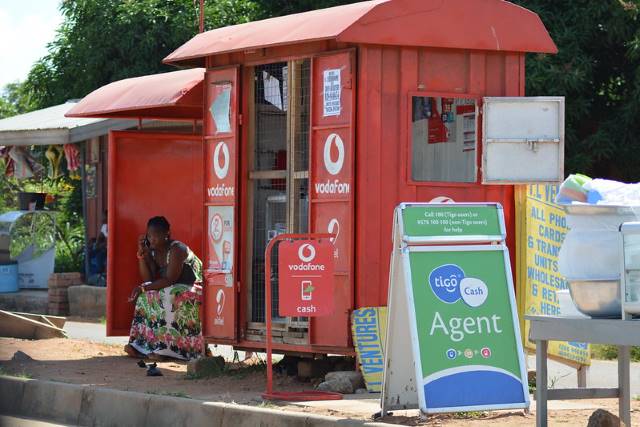
Mobile Money accountsMobile Money refers to digital payments that require no bank account to complete the transaction. A telecom provider, Verizon in the United States, for example, performs the function that a bank account would traditionally carry out. Mobile money accounts are particularly prevalent in emerging markets such as sub-Saharan Africa because individuals and small businesses in these places lack access to formal savings accounts and credit.
Mobile Money in Sub-Saharan Africa

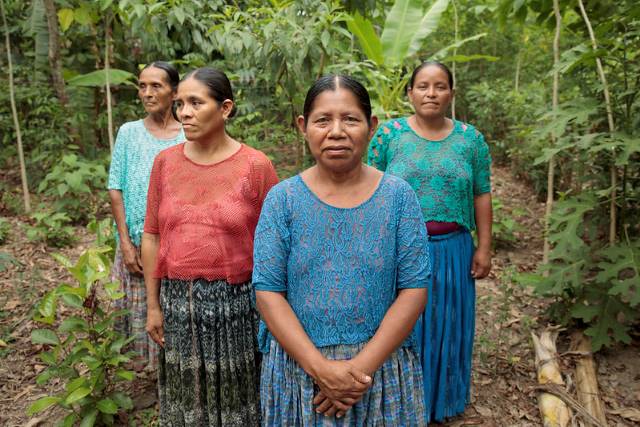
There are more than one billion registered mobile money accounts worldwide and sub-Saharan Africa makes up nearly half of those accounts. The implementation of digital finance has the capability to boost an emerging nation’s GDP by 6% ($3.7 trillion) by 2025. Boosting sub-Saharan Africa’s economy by this amount would be the same as adding an economy the size of Germany to the global market.

COVID-19 Accelerates Mobile Money Usage

African governments have worked to increase the use of mobile money accounts to stimulate the national economy by reducing barriers to sign up. Rwanda implemented lockdown restrictions in response to the COVID-19 pandemic and mobile money transfers doubled within a week after the placement of these restrictions. Other African nations followed Rwanda’s lead and also eased restrictions on mobile money accounts, hoping to accelerate economic growth amid the global crisis.

The Success of Mobile Money in Africa

Roughly one in 10 African adults utilize mobile money accounts, which equates to about 100 million active accounts. This is more than double the number of accounts in the second-biggest region for mobile money, South Asia. MTN, the largest mobile telco in Africa, has 171 million customers, far outweighing leading African banks such as Ecobank and Barclays Africa, which have between 11 million and 15 million customers.

Mobile phone penetration in Africa is on average 80%, whereas banking penetrates approximately 40% of Africa. Telcos have found ways to create client experiences that are attractive to African consumers, with minimal restrictions and time investment necessary to set up mobile money accounts. There are often no transaction fees on bill payments and merchant acceptance is widespread, making mobile money an attractive way for African citizens to build wealth and manage their finances.

How Mobile Money Reduces Poverty in Africa

Studies predict that by 2025, 84% of Africans will have access to a mobile SIM card connection. Furthermore, mobile money payments will be crucial to the success of individuals, businesses and the overall African economy. Mobile payment technology allows people to manage their money securely, regardless of credit history. It also removes the barriers that people typically experience with bank account access. Mobile money essentially allows for financial inclusion. Mobile money transactions have the potential to reduce poverty in Africa and financially include millions of previously excluded people.

A study by the Gates Foundation found that mobile money directly impacts an African household’s ability to deal with shocks and extreme poverty. For example, in Uganda, mobile money increased food security by 45% for households far from a bank. In Kenya, mobile money account holders who experienced a shock had no decrease in consumption level, compared to a 7% decrease in consumption for households without a mobile money account.

The Future of Mobile Money

Mobile money fosters financial resilience and thus reduces poverty levels. Households with mobile money accounts are able to respond to unforeseen events. For example, if there is a flood, a household with access to mobile money can rely on the easy transfer of money from friends and family to support them even if they live far away. Since mobile money account usage increases per capita consumption and savings, it thus reduces the rate of poverty.

Mobile money has long-term impacts on poverty, especially in female-headed households. It has the power to empower millions of women. Digital payment platforms can give women in male-headed households more financial independence and can help them increase their savings.

According to research, increased consumption rates due to mobile money account utilization drove 196,000 households out of extreme poverty in Kenya. The ability of mobile money to lift African households out of poverty is impressive and shows promise for the continent’s future economic development.

– Tatiana Nelson
Photo: Flickr

March 21, 2021
https://borgenproject.org/wp-content/uploads/borgen-project-logo.svg 0 0 Yuki https://borgenproject.org/wp-content/uploads/borgen-project-logo.svg Yuki2021-03-21 07:30:362021-03-21 05:57:15How Mobile Money Accounts Can Transform Africa
Global Poverty, Poverty Reduction

IDB Lab: Including the Traditionally Excluded

traditionally excludedOne of the gravest mistakes made when discussing development initiatives is presuming to know what communities’ most relevant problems are without involving those experiencing them. The members of traditionally excluded communities have the necessary knowledge to not only identify the best solutions to the challenges they face but to articulate and call attention to these challenges in the first place. Including traditionally excluded communities in the innovation process is a key ingredient in tackling some of the biggest development challenges of today. IDB Lab is an innovation lab born out of the Inter-American Development Bank Group that aims to do just this, promoting solutions that have been developed with and for excluded communities.

Incubating Innovation

IDB Lab mobilizes financing, knowledge and connections to support creators of inclusive solutions geared to improve lives in Latin America and the Caribbean. These innovative projects target people who are usually excluded from traditional markets. The projects also target populations made vulnerable by economic, social or environmental factors. Such people often do not get to participate in the decision-making process that influences public and private services designed in their favor. IDB Lab prioritizes the involvement of beneficiaries to ensure that relevant solutions are proposed and implemented.

Since 1993, IDB Lab has deployed more than 2,300 operations across 26 Latin American and Caribbean countries, amounting to more than $2 billion put toward development projects. These have included 161 loans, 144 equity investments and more than 2,000 technical cooperation projects. The creative thinkers who champion these ideas come from universities, non-governmental organizations, private firms, and importantly, excluded populations.

The Process

IDB Lab relies on crowdsourcing so that excluded individuals can voice their challenges as well as their preference and knowledge of solutions. Crowdsourcing is essentially gathering and applying the wisdom of a group, a practice that has become increasingly popular and feasible with the emergence of smartphones and social media.

Crowdsourcing fills knowledge gaps and the people in need of the solutions are engaged in it. IDB Lab follows a seven-step process when crowdsourcing data.

7-Step Crowdsourcing Process

  1. Excluded individuals voice their challenges
  2. The group of excluded individuals ranks these challenges
  3. Creative thinkers supply innovative ideas as solutions
  4. These ideas compete with one another and become solutions
  5. IDB Lab and partners fund the winning solutions
  6. Impactful innovations are generated
  7. The innovations developed ideally solve the problems

Informed Decisions, Effective Solutions

IDB Lab favors interdisciplinary collaboration as opposed to a single-sector approach, recognizing the complexities and varying perspectives present among the challenges faced by traditionally excluded communities. Technology facilitates inclusive communication, thus, the group has a strong tech basis. These technologies also ensure democratic and demand-driven development. Technology also offers efficient tools to tackle international development in inventive ways.

Successful social innovation requires sourcing and employing the knowledge of traditionally excluded populations. The more accurate the understanding of a community’s hardships, the more effective the proposed solutions are going to be. IDB Lab recognizes this. IDB Lab finds those who are experiencing hardship and offers them a voice. Crowdsourcing techniques enable IDB Lab to identify and support the development initiatives that are most relevant, inclusive and impactful.

– Margot Seidel
Photo: Flickr

March 16, 2021
https://borgenproject.org/wp-content/uploads/borgen-project-logo.svg 0 0 Kim Thelwell https://borgenproject.org/wp-content/uploads/borgen-project-logo.svg Kim Thelwell2021-03-16 01:30:062024-05-30 07:56:49IDB Lab: Including the Traditionally Excluded
Developing Countries, Global Poverty, Poverty Reduction

4 Inventions to Help People in Poverty

Help People in PovertyMore than 700 million people globally are living in extreme poverty. Through the use of creativity and innovation, individuals and organizations have come up with inventions to help people in poverty improve their living conditions.

The SOCCKET Ball

In 2019, 770 million people globally did not have access to electricity and most of these people reside in Africa. In 2010, four Harvard undergraduates developed the SOCCKET ball so that impoverished people could have an alternative light source in their homes. The kinetic energy stored in the durable soccer ball is generated through kicking. The ball can then be used to power an LED lamp. During the day, children can kick the soccer ball around for fun. At night, it can then be used as a power source. With 30 minutes of movement, the ball can power an LED lamp for three hours.

The SOCCKET ball requires further revision and development because people have reported durability issues. However, the concept can inspire other innovative energy inventions.

The Wonderbag

Open fire cooking contributes to respiratory diseases and greatly impacts the health of people. Unfortunately, more than three billion people around the world do not have another means of cooking. Open fire cooking also means that girls and women lose a significant amount of time and labor that could be better used for educational and developmental endeavors.

The Wonderbag is a non-electric slow cooker created to help eliminate the need to cook over fires. After bringing a pot of food to the boil and placing it in the insulated Wonderbag, the food will continue cooking for up to 12 hours without additional heat. The Wonderbag has a range of positive benefits. It reduces indoor air pollution by 60% and saves 1,000 hours that would otherwise be lost in unpaid labor.

Evaptainers

Since many impoverished people do not have access to electricity, they usually also do not have refrigerators to store food optimally.

The Evaptainer is a portable refrigerator that can prolong the life of food in warmer climates. The eco-friendly container does not need electricity due to its innovative cooling technology. The Evaptainer can also store medicines like insulin.

Liter of Light

Liter of Light is a global, grassroots movement that uses inexpensive materials to provide solar lighting to impoverished people without access to electricity. It began in 2011 with the aim of providing low-income communities in the Philippines a source of light. Recycled plastic bottles filled with water and bleach are secured into the roof to provide lighting daytime. The bottle lights can be upgraded with micro-solar panels and LED bulbs for low-cost night lighting. Liter of Light has installed more than 350,000 bottle lights in more than 15 countries.

Although poverty continues to be a global issue, people around the world are creating new inventions to help people living in conditions of poverty. These small innovations are working to change the lives of millions, one invention at a time.

– Camryn Anthony
Photo: Flickr

March 11, 2021
https://borgenproject.org/wp-content/uploads/borgen-project-logo.svg 0 0 Kim Thelwell https://borgenproject.org/wp-content/uploads/borgen-project-logo.svg Kim Thelwell2021-03-11 23:33:192021-03-11 23:33:194 Inventions to Help People in Poverty
Global Poverty, Poverty Reduction, Women

How Financial Inclusion Can Fight Poverty

Financial inclusion can fight povertyRoughly 1.7 billion adults around the world are unbanked and most unbanked adults live in developing countries. Unbanked people have limited political, economic and social power and influence. For roughly half of the world’s unbanked who come from the most impoverished 40% of households in their economies, inaccessible financial services compound problems of poverty. Financial inclusion can fight poverty as it opens doors for people to improve their lives. The pace of technological advancement around the world is bringing universal access to financial services closer to fruition.

The Global Unbanked

Unbanked people are not connected to any type of financial institution. The most commonly cited reasons for being unbanked are not having enough money, account expenses, the distance of financial services and insufficient documentation. Nearly half of the unbanked population falls into just seven economies. The highest numbers of unbanked people are in China and India. It can be clearly noted that banking and poverty are closely related.

“Financial tools for savings, insurance, payments and credit are a vital need for poor people, especially women, and can help families and whole communities lift themselves out of poverty,” says Melinda Gates. Without a bank account, people cannot sufficiently save and the cash is not well protected. The digital economy also has the benefit of keeping a clear record of financial activities, which banks can use when underwriting loans. Loans are among the financial tools that are essential to financial growth and stability.

The Gender Gap

Women make up the majority of the unbanked population in most developing countries. Women may face deepened or additional gender-based barriers to account ownership, rooted in financial institutions, governments or society.

Financial institutions often lack products and policies that are gender-inclusive. For instance, women may find it difficult to obtain the identification or the assets needed to open and maintain an account, sometimes due to government-enforced barriers. Additionally, banking-related expenses are also a burden for women looking to enter the formal economy. Finally, the responsibility of unpaid household labor, along with barriers to education, keep many women from earning enough money to access financial services.

The Societal Roles of Women

Women may earn sufficient money but could be part of society that does not allow for them to connect to a financial institution.

For instance, the tradition of men being the head of household and in control of the finances leaves some women with little to no influence in matters of money. Approximately one in 10 women in developing countries are not involved in spending decisions involving their own earnings.

Women’s Empowerment for Poverty Reduction

Women must be part of financial inclusion efforts as they are integral to fighting poverty. Bill Gates explains that women are most likely to be behind the decisions that benefit the family. More women-led businesses and reduced inequalities are ways that an emphasis on financial inclusion for women can further a nation’s development.

Financial Inclusion Using Fintech

An emerging industry is making strides in financial inclusion. Financial technology (fintech) can be described as technological innovations in the processes and products of financial services. Fintech offers solutions to many of the problems at the root of financial exclusion. A fundamental problem is the lack of time or money to travel to distant financial institutions. Fintech has given users the convenience of accessing their accounts and financial services on a mobile device.

Fintech development has been gaining momentum since the COVID-19 pandemic began. Touchless transactions and banking reduce the risk of transmitting COVID-19 and have led many to embrace digital payment, in business and in personal practice. Fintech leaders are proving that underserved communities can be reached through financial technologies. Significantly, this helps foster financial stability for the formerly excluded.

Female-led fintech, Oraan, is working toward financial equality in Pakistan because women make up 48% of the population but only 6.3% of the formal economy. Oraan developed a platform that allows for digital savings groups. Savings groups can help empower women and ensure financial equity as they are well-established financial tools.

The Road to Universal Access

Because financial inclusion can fight poverty, digitized financial services are an effective way to improve access and inclusion. Online banking communities are empowering individuals and opening up opportunities for economic growth. By facilitating conversations about finances, informing underserved groups on the best financial practices and ensuring digital finance infrastructure is accessible, the world can make greater strides toward financial inclusion.

– Payton Unger
Photo: Flickr

March 10, 2021
https://borgenproject.org/wp-content/uploads/borgen-project-logo.svg 0 0 Kim Thelwell https://borgenproject.org/wp-content/uploads/borgen-project-logo.svg Kim Thelwell2021-03-10 08:34:042024-05-30 07:56:45How Financial Inclusion Can Fight Poverty
Developing Countries, Poverty Reduction, Technology

4 Ways Digital Farming Increases Productivity

Digital FarmingThe expansion of the digital age catapults the world into new methods of productivity. Utilized in the sectors of farming and agriculture, technology increases capabilities. Primarily, the introduction of mobile phones for digital farming heightens this change. Expanding internet and digital connection in the developing world has the potential to bring about positive outcomes that will help reduce poverty.
4 Ways Digital Farming Increases Productivity

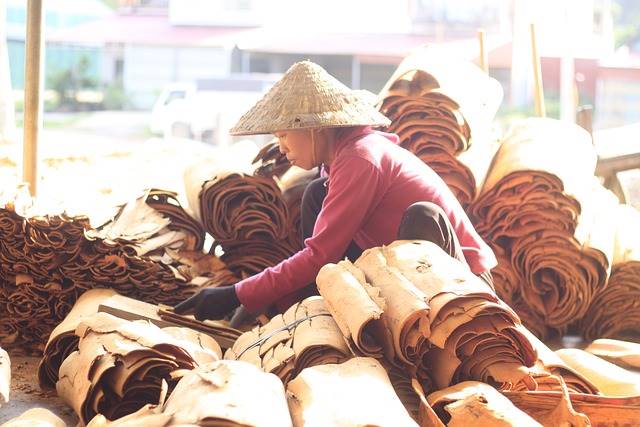
  1. Network Building: Digital technology increases productivity by integrating mobile phones and internet services into the daily practices of farmers. Mobile technology builds networks through which farmers share information about improved practices and ecological data. In Africa, the price of mobile internet dropped by 30% since 2015, allowing more of the general public to utilize these new methods. This increase also required government involvement to establish national strategies and manage communications.
  2. Job Opportunities for Women: In regard to farm production, giving women more access to mobile technology allows productivity to grow by 4%, leveling the playing field between men and women. This provides women with access to knowledge and information regarding the detailed aspects of farming that at one point remained out of reach.
  3. Data Sharing: Implementing new farming technologies requires a commitment to the progression of change. Nations must look long-term to prepare for these changes in production to yield viable results. The costs necessary for production and distribution will decrease through the utilization of networking, where farmers gain the ability to make decisions that are well informed. Higher levels of data available fuel these improvements and streamline investments toward international food production.
  4. Increased Efficiency: Mobile technology will support the growth of efficiency and accuracy through a connected network of farmers. Data indicates that when a developing nation’s internet access increases by 10%, the GDP of this nation may increase by 1.35%, improving the economy. Rwanda has been praised for its work to improve the digital penetration of the economy. Rwanda helped 93% of its population gain access to a 3G network and is one of the fastest-growing African economies.

The Future of Digital Farming

Mobile technologies offer lasting improvements in the agricultural sector but risks still exist. The World Bank acknowledges these risks, such as a lack of cybersecurity, a concentration of service providers and potential job loss because positions will shift. However, the benefits of digital farming in developing countries seem to outweigh the risks. As a result, farmers are able to expand their knowledge and improve their farms. This in turn improves their yields, addresses food security, and most importantly, alleviates poverty. The World Bank states that digital technology should not be seen as the answer to all problems, however. Investments for road improvements, uninterrupted electricity and post-harvest storage facilities are also crucial and should not be overlooked.

– Kate Lucht
Photo: Flickr

March 10, 2021
https://borgenproject.org/wp-content/uploads/borgen-project-logo.svg 0 0 Kim Thelwell https://borgenproject.org/wp-content/uploads/borgen-project-logo.svg Kim Thelwell2021-03-10 00:08:162021-03-10 00:08:164 Ways Digital Farming Increases Productivity
Global Poverty, Poverty Reduction

The Spices Alleviating Poverty in Vietnam

Spices Alleviating Poverty in VietnamAs unexpected heroes, the spices alleviating poverty in Vietnam are everyday seasonings that are saving the Southeast Asian nation. Since 2013, the Vietnamese spice industry has been practicing more sustainable farming and sharing knowledge between agricultural communities, helping to lift more than 80,000 households out of poverty.

The Spice Industry in Vietnam

By improving the spice value chain, the nation’s farmers have seen a 14.5% increase in annual income, improving their standard of living and allowing them the financial freedom to thrive rather than just survive. This is possible due to the increase in global demands for spices including cinnamon, turmeric, star anise, black pepper and cardamom.

With the profitable market that Europe and the U.S. have brought to the Vietnamese spice industry, many expect new regulations for safe production and quality control for the industry. Some spice farmers had to pivot to organic farming to meet these requirements and have since seen a great increase in profits as these Western nations pay higher prices in comparison to China and India.

Regulated Spice Farming

To meet these requirements and appeal to Western markets, farmers follow the guidelines that the Regional BioTrade Project set. Vietnamese farmers now learn how to farm without chemicals like herbicides or preservatives, use special machinery for harvesting and label spices with their correct origins. These practices help to build a sustainability chain to keep the Vietnamese spice industry profitable for the future.

Several organizations have helped the Vietnamese spice industry reach this level of success. The Spice of Life Project, which the Swiss Agency for Development and Cooperation (SDC) and Cordaid funded, has helped thousands of spice farmers in Vietnam by creating the Spice Association to foster relationships between small community farmers and the state. These initiatives also improved irrigation, drying, slicing, processing and packing practices, yielding higher production and quality.

Providing these local farmers with this knowledge is essential to successfully use spices to alleviate poverty in Vietnam. The National Agriculture Extension Center (NAEC) and the Sustainable Trade Initiative (IDH) have introduced a National Sustainability Curriculum and Agrochemical Apps to properly train farmers to produce spices for the global market.

The 3 Essential Spices Alleviating Poverty in Vietnam

  • Pepper: Vietnam has exported pepper to more than 100 countries and territories, making up 60% of the world’s exports. In 2018, Vietnam’s booming pepper industry held the international pepper conference called Vietnam Pepper Outlook. This event intended to allow farmers to connect and share knowledge, expand business connections and suggest ideas for the sector’s sustainable development.
  • Cardamom: This spice grows in a shady, cool environment, making it an ideal source of income for villages located at high altitudes. Due to the income that the spice generates, many households in these higher regions, such as the H’Mong people, were able to raise household income above the government-defined poverty line. People can use cardamom for medicinal, aromatic or culinary purposes but the cardamom market had died off until the mid-1980s when demand rose again. Many small farmers have successfully taken advantage of this rise in cardamom demand, pulling low-income households out of poverty. Farmers are working toward sustainable practices to ensure the success of this spice for years to come.
  • Cinnamon: In 2016, the Nam Det commune’s annual income from cinnamon products was 32 billion Vietnam Dong ($1.4 million). In this Vietnamese commune, people have not only left poverty but they have produced enough income to send their children to school, buy refrigerators and other commodities they once thought of as an inaccessible luxury. Since the Vietnamese spice market has stretched to the West, farmers’ lives have improved immensely. The bark of one cinnamon tree brings in about 300,000 to 500,000 Vietnam Dong ($13-21), a far greater price than what cinnamon farmers received only years ago.

A Poverty Reduction Spice Success Story

Exemplifying cinnamon’s potential is Trieu Mui Pham, a 94-year-old cinnamon farmer that saved her poverty-ridden village, Lao Cai, by planting cinnamon seeds. In 1974, she visited Yen Bai, a village that farming cinnamon had successfully revived. Pham decided to plant cinnamon seeds and waited patiently for years until she could harvest. Today, her cinnamon forest has more than 50,000 trees and her community is prosperous, an inspiring example of spices alleviating poverty in Vietnam.

While the spices alleviating poverty in Vietnam are improving people’s standard of living, spice farming has also helped to restore and protect the environment. Vietnam now focuses on farming and crop exports as opposed to felling trees for profit. Spices are lifting people in Vietnam out of poverty while contributing to the global economy.

– Veronica Booth
Photo: Pixabay

March 5, 2021
https://borgenproject.org/wp-content/uploads/borgen-project-logo.svg 0 0 Kim Thelwell https://borgenproject.org/wp-content/uploads/borgen-project-logo.svg Kim Thelwell2021-03-05 01:30:332021-03-04 06:42:35The Spices Alleviating Poverty in Vietnam
Global Poverty, Poverty Reduction

Tech Platforms Increasing Accessibility in India

accessibility in IndiaAs of 2020, 50% of people in India had access to the internet, a figure growing most quickly in rural regions. In 2019, there were 264 million internet users in rural India compared to the 310 million internet users in urban India. The rapid growth of internet adoption outside of Indian cities can be accredited in part to the initiatives of the Digital India campaign, including efforts to integrate the country’s cloud infrastructure, promote open data platforms, fill connectivity gaps and offer affordable data plans. Overall, internet penetration rates across the country have more than doubled over the last five years. Through the use of technology and the internet, platforms have been created to increase resource, service and opportunity accessibility in India.

The Digital Revolution Increases Accessibility

In a country where 80% of the impoverished live in rural areas, widespread internet availability is vital. More than just a source of entertainment, the internet increases accessibility of products and services that otherwise might not be affordable or available. Recognizing the potential for digital technologies to cut across geographic and economic barriers, numerous private and public organizations have developed platforms designed to increase accessibility in India. Whether connecting buyers to faraway sellers or simply helping individuals locate public toilets, these innovative tech platforms champion access and promote inclusion in India.

Google Toilet Locator

In 2012, more Indian households had a cellphone than a toilet. A lack of access to toilets leads to rampant open defecation with consequences ranging from water pollution to the spread of infectious diseases such as cholera. In a country where technology has grown faster than public services, the government turned to tech for assistance in its campaign to eradicate open defecation and improve waste management. In December 2016, India’s Ministry of Urban Development (MoUD) partnered with Google to introduce a Google Maps toilet finder tool as part of the Swachh Bharat (Clean India) Mission. As the government works to construct millions of toilets around the country, the Google Toilet Locator helps Indians to more easily find them. The app even allows users to leave ratings and reviews for public restrooms.

Tractors-as-a-Service

In September 2018, Aeris Communications partnered with Hello Tractor to launch “Tractors-as-a-Service” in India, The service provides on-demand tractor rentals to Indian farmers. In India, agriculture is an essential source of export earnings, employment and food. Tractors play a crucial role in increasing agricultural productivity but less than 30% of farmers utilize such expensive, high-capacity equipment. Hello Tractor’s software, which can be accessed through mobile and web applications, offers a “pay-as-you-use” model based on time in the field and area covered. The app enables small farmers to reap the benefits of commercial model tractors at lower costs while increasing the profits of tractor owners by allowing them to rent out their machines during idle times.

IndiaMART

IndiaMART is India’s largest online business-to-business marketplace, connecting buyers with suppliers of products and services ranging from pharmaceuticals to industrial machinery to wholesale foods. IndiaMART offers more than 67 million products and services to more than 100 million buyers. Importantly, the platform gives small and medium-sized enterprises in India a place to promote their business. There are about 60 million small and medium-sized businesses in India but only around 10 million of them have any web presence, according to the most recent data. IndiaMART allows these companies to expand their market reach and sell through the platform for a subscription fee.

A thriving e-commerce economy allows for goods and services to reach a consumer base that is less affluent and lives outside of traditional urban markets, thereby increasing market accessibility and enhancing the welfare of rural and lower-income populations.

Unified Payments Interface

In the financial sector, the National Payments Corporation of India developed the Unified Payments Interface (UPI), an instant real-time payment system regulated by the Reserve Bank of India. The platform allows users to access multiple bank accounts from even the most remote locations, routing funds and making payments under one seamless application. Digital finance platforms such as UPI are crucial in promoting financial inclusion and empowering individuals with tools such as loans and savings accounts.

Both private and public digital platforms have been deployed to increase accessibility in India and reach those who may otherwise be excluded from resources, services and opportunities.

– Margot Seidel
Photo: Flickr

March 1, 2021
https://borgenproject.org/wp-content/uploads/borgen-project-logo.svg 0 0 Jennifer Philipp https://borgenproject.org/wp-content/uploads/borgen-project-logo.svg Jennifer Philipp2021-03-01 01:31:132021-02-25 04:44:41Tech Platforms Increasing Accessibility in India
Education, Global Poverty, Poverty Reduction

Efforts to Improve Education in Bangladesh

Read more
February 28, 2021
https://borgenproject.org/wp-content/uploads/borgen-project-logo.svg 0 0 Kim Thelwell https://borgenproject.org/wp-content/uploads/borgen-project-logo.svg Kim Thelwell2021-02-28 01:30:202025-11-02 10:11:37Efforts to Improve Education in Bangladesh
Global Poverty, Poverty Reduction

Government-Approved Hemp Production in Pakistan

Hemp production in PakistanIn September 2020, the Pakistani Government approved industrial hemp production, legalizing hemp and allowing hemp farming in agricultural sectors. Hemp is a type of cannabis plant, used commonly for medicinal purposes due to its cannabidiol (CBD) concentration. Considering the many benefits of hemp production, this landmark decision brings exciting possibilities for many areas in Pakistan. Since the economy of Pakistan has been long in need of a boost, the new approved hemp production and legalization is said to bring economic benefits to the country.

The Economic Benefits of Hemp Production

Officials in Pakistan’s government encouraged hemp legalization and production in efforts to relieve fiscal deficits and Pakistan’s struggling economy. Considering the industrial hemp market is worth about $25 billion globally, Pakistan’s science and technology minister, Fawad Chaudhry, says Pakistan is aiming for a profit of $1 billion over the next three years by joining the global hemp market. Exports in hemp can target CBD oils and cannabis-based products and can be a sustainable cotton replacement during slowdowns within the cotton industry.

A Sustainable Replacement for Cotton

Hemp production in Pakistan is most exciting to the workforce, especially for farmers participating in hemp markets and those working within the cotton industry. Cultivating hemp will create more jobs for the small-scale farmers responsible, but more importantly, become a sustainable replacement for cotton in Pakistan’s markets. As the fourth biggest cotton producer in the world, Pakistan’s cotton production has been declining due to climate change, water scarcity, locust attacks and industrial imbalances such as declining prices and low-grade seeds. The hemp plant’s stalk has strong properties of cellulose-rich fiber which is an effective ingredient in the making of paper, rope, construction and reinforcement materials, due to its strong fiber components. Hemp, therefore, makes for a worthy sustainable replacement to cotton.

Hemp Research Possibilities

For researchers, hemp production in Pakistan is exciting for many reasons. With the new hemp legalization, hemp research is no longer taboo, according to Muhammed A. Qayyum, an advisor in the Pakistani government and the director of Medics Laboratories. With this new allowance, researchers can delve into more potential applications of hemp in medicine and more.

Medicinal Properties of Hemp

Advocates have listed numerous medicinal properties to hemp, more specifically, the chemical cannabidiol (CBD) within the plant. Cannabis is seen as medically beneficial as the cannabinoid compound is said to relieve pain and regulate appetite, mood, memory inflammation, insulin sensitivity and metabolism. Hemp is also a valuable food supplement, incorporated in gluten-free products to increase nutritional value from hemp’s high levels of fiber and proteins.

The Potential of the Hemp Industry in Pakistan

With this new federal approval, Pakistan can enter global markets as a new exporter of CBD with the ability to generate millions of revenue similar to China, the United States and India. Hemp production in Pakistan opens up a wide range of possibilities but also brings thousands of jobs across multiple fields such as farm work, production, marketing, transportation, research and medicine. As a flexible crop, the hemp market can address several demands, from textiles, clothing, home furnishing and industrial oils to cosmetics, food and medicine.  Holding an overall market value of more than $340 billion and 263 million cannabis consumers worldwide, Pakistan’s economy can shift dramatically with the newly approved hemp production.

– Linda Chong
Photo: Flickr

February 26, 2021
https://borgenproject.org/wp-content/uploads/borgen-project-logo.svg 0 0 Jennifer Philipp https://borgenproject.org/wp-content/uploads/borgen-project-logo.svg Jennifer Philipp2021-02-26 06:35:572021-02-26 06:35:57Government-Approved Hemp Production in Pakistan
Global Poverty, Poverty Reduction

Helping Coca Farmers Transition to Cacao

Coca Farmers Poverty traps Colombian coca farmers in an unsustainable, unethical and sometimes dangerous occupation. During the country’s half-century-long civil war, rural communities were built up around the cultivation of coca to be used in the production of cocaine.

The Peace Deal

Militant guerrilla groups such as Revolutionary Armed Forces of Colombia (FARC) were reliable buyers of coca crops as they used the cocaine trade to finance the war with the Colombian government. However, in 2016, a peace deal was agreed upon between the Colombian government and FARC that officially put an end to the civil war in Colombia. The peace agreement included a plan to wean rural communities off of the cultivation of coca by asking them to uproot their own coca plants and then providing them a monthly stipend as well as technical assistance in order to assist them in transitioning from coca to other crops. Due to organizational and financial oversights, however, many coca farmers have not received their full stipends nor have they received the technical assistance to change crops. Despite this, the Colombian government continues to carry out forced coca crop eradication efforts that leave these communities with no viable source of income.

Impoverished Farmers in Colombia

Even though the Colombian civil war is officially over, armed groups still vie for control of the cocaine trade, often employing violent, coercive methods to secure a steady supply of coca from impoverished farmers, putting coca farmers’ families and communities at risk due to the production of coca.

Often struggling to make ends meet, farmers rely on the steady income that coca cultivation provides them, despite their concerns about ethics and danger. With the implementation of the government’s coca replacement program falling flat, coca farmers were given little choice but to continue to cultivate coca crops or watch their families go hungry. Colombian law enforcement officials say 40% of forcefully eradicated coca crops are replanted. Voluntary replacement of coca crops with other crops is much more promising, with replanting rates near zero.

The Voluntary Replacement of Coca Crops

The voluntary replacement of coca crops with cacao allows farmers to provide themselves with a reliable income without having to endanger themselves or contribute to the narcotics industry. The National Federation of Cacao Farmers (Fedecacao) has been helping farmers to make this transition. With yields of up to 800kg per hectare, a cacao farmer can earn up to double the minimum wage of Colombia, making coca cultivation a less attractive alternative due to its illegality and the violence that the coca industry brings about. On top of this, the cacao industry in Colombia is growing with 177,000 hectares devoted to cacao­­, 25,000 of which were transitioned from coca cultivation. The increased production of cacao has resulted in Colombia becoming a cacao exporting country.

Joel Palacios Advocates for Cacao Transition

One particular example of a successful transition from coca cultivation to cacao is taking place in the department of Chocó in western Colombia where 60% of people live below the poverty line. Joel Palacios, a native of Chocó, has been devoted to advocating for the replacement of coca by cacao since 2011. For years, Palacios ran a chocolate training center for coca farmers who desire to grow cacao and turn it into chocolate. Palacios then launched Late Chocó, his own artisanal chocolate company based in Bogotá.

Helping Farmers Transition to Cacao

Stories like that of Palacios show the benefits of working with coca farmers to replace dangerous and illegal crops with more legal, profit-earning alternatives such as cacao. Whereas forcible, nonconsensual uprooting of coca produces inefficient results, the prospect of a steady, legal source of income incentivizes coca farmers to make the transition to cacao on their own.

– Willy Carlsen
Photo: Flickr

February 25, 2021
https://borgenproject.org/wp-content/uploads/borgen-project-logo.svg 0 0 Yuki https://borgenproject.org/wp-content/uploads/borgen-project-logo.svg Yuki2021-02-25 05:41:142021-02-25 05:41:14Helping Coca Farmers Transition to Cacao
Page 21 of 63«‹1920212223›»

Get Smarter

  • Global Poverty 101
  • Global Poverty… The Good News
  • Global Poverty & U.S. Jobs
  • Global Poverty and National Security
  • Innovative Solutions to Poverty
  • Global Poverty & Aid FAQ’s
Search Search

Take Action

  • Call Congress
  • Email Congress
  • Donate
  • 30 Ways to Help
  • Volunteer Ops
  • Internships
  • Courses & Certificates
  • The Podcast
Borgen Project

“The Borgen Project is an incredible nonprofit organization that is addressing poverty and hunger and working towards ending them.”

-The Huffington Post

Inside The Borgen Project

  • Contact
  • About
  • Financials
  • President
  • Board of Directors
  • Board of Advisors

International Links

  • UK Email Parliament
  • UK Donate
  • Canada Email Parliament

Get Smarter

  • Global Poverty 101
  • Global Poverty… The Good News
  • Global Poverty & U.S. Jobs
  • Global Poverty and National Security
  • Innovative Solutions to Poverty
  • Global Poverty & Aid FAQ’s

Ways to Help

  • Call Congress
  • Email Congress
  • Donate
  • 30 Ways to Help
  • Volunteer Ops
  • Internships
  • Courses & Certificates
  • The Podcast
Scroll to top Scroll to top Scroll to top