Strategies to Combat Poverty in Romania
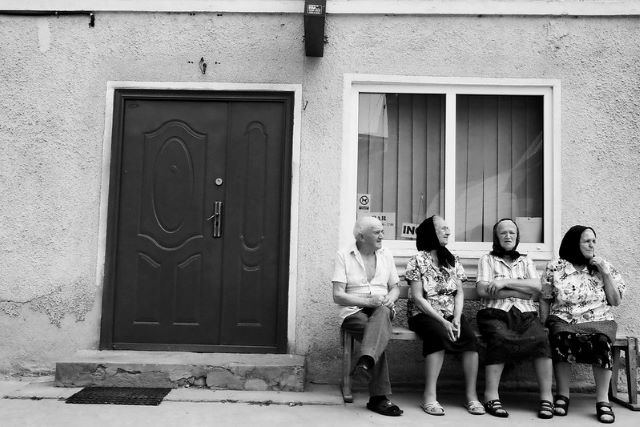 In an effort to combat the nation’s longstanding battle with poverty, the Romanian Government passed 47 measures in 2015/16 to combat poverty in Romania through to 2020.
Poverty in Romania
At the time these measures passed into law, 40.2% of Romanian people were at risk of poverty and social exclusion. Furthermore, absolute poverty in Romania increased from 23.4% in 2008 to 27.7% in 2012. Low educational attainment, intergenerational transmission of poverty and lack of inter-regional mobility all contribute to the integral causes of poverty in Romania.
However, the Romanian government set a substantial and significant new precedent on how the nation combats poverty by adopting The National Strategy and Strategic Action Plan on Social Inclusion and Poverty Reduction for 2015-2020. These measures hope to reduce the many causes of poverty in Romania.
Key Measures:
- Increasing employment rate through labor market activation programs
- Increasing financial support for low-income individuals
- Improving social inclusion of marginalized communities
- Improving the functionality of social services
- Reducing school drop-out rates
- Scaling-up of national health programs
- Integrating social assistance benefits with social services, employment services and other public services.
These measures were an encouraging shift in political focus that revolved around social benefits and a more community-based and integrated approach that generated widespread support. The World Bank supports these measures, commenting that these measures will strongly contribute to narrowing poverty gaps in the country.
Impact of Poverty Reduction Strategy
Since the adoption of these measures, monthly income per person increased by 10% between 2016 and 2017 and by 16% between 2017 and 2018, in part due to the increases in public-sector wages and improved minimum wages and tax cuts. As a result, poverty rates fell from 28.4% in 2014 to 15.8% in 2017.
Currently, the employment rate at 68.8% is approaching the EU 2020 target and is just below the EU average of 72.2%. Additionally, the unemployment rate is one of the lowest in the EU at 4.9%.
Implementation Delays Cause Concern
Although clear steps toward improving Romania’s struggle with poverty have emerged, these measures have received criticism as expectations have determined that many measures could have delayed or minimal results. These concerns were further exacerbated in 2017 when a change in government occurred. The political change delayed implementation and altered the original plan, putting full implementation in jeopardy.
In addition, more legislation is necessary to address the growing condition of the Roma minority group residing in Romania. A whole 78% of Roma are at risk of poverty compared to 35% for non-Roma citizens. Furthermore, 84% of Roma households do not have access to a water source, sewage or electricity. To successfully combat poverty in Romania, the Roma need to be prioritized.
Poverty Reduction Progress
While no single piece of legislation will be the end all be all to combat poverty in Romania, the anti-poverty measures passed in 2015/2016 have shown that a top-down, legislation-focused approach to fighting poverty can lead to progress, poverty reduction and improved social inclusion.
– Andrew Eckas
Photo: Flickr
