• Link to X
  • Link to Facebook
  • Link to Instagram
  • Link to TikTok
  • Link to Youtube
  • About
    • About Us
      • President
      • Board of Directors
      • Board of Advisors
      • Financials
      • Our Methodology
      • Success Tracker
      • Contact
  • Act Now
    • 30 Ways to Help
      • Email Congress
      • Call Congress
      • Volunteer
      • Courses & Certificates
      • Be a Donor
    • Internships
      • In-Office Internships
      • Remote Internships
    • Legislation
      • Politics 101
  • The Blog
  • The Podcast
  • Magazine
  • Donate
  • Click to open the search input field Click to open the search input field Search
  • Menu Menu

Archive for category: Nonprofit Organizations and NGOs

Information and stories about nonprofit organizations and NGOs

Global Poverty, Health, Nonprofit Organizations and NGOs

Friendship: Support To Remote Communities in Bangladesh

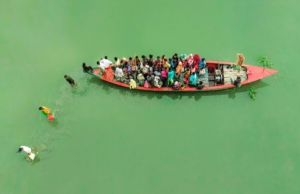
Remote Communities in BangladeshBangladesh is situated in South Asia on the Bay of Bengal. It is the eighth most densely populated country in the world, with a population of more than 175 million in an area of 148,460 sq km. It is a country of striking contrasts: rich in culture and resilience, yet acutely vulnerable to the impacts of changing climatic conditions. Most of the country is situated only nine meters above sea level.

An estimated 3.5 million people in the low-lying delta region face increasing threats from rising sea levels and more intense monsoon seasons. Indeed, in 2022 alone, historic floods devastated northern regions like Sylhet and Sunamganj, displacing millions and severely disrupting transportation, electricity, health care and access to education.

Despite the risks, many of Bangladesh’s neediest communities live in low-lying coastal and riverine areas, lacking sufficient income to live in lower-risk regions. These zones are fertile and agriculturally productive. However, when floods occur, it is children and low-income families who suffer most, facing destroyed homes, lost livelihoods and health crises with little support.

From One Floating Hospital to a National Lifeline

In 2002, Runa Khan founded Friendship, a nongovernmental organization (NGO) with a radical yet simple mission: delivering support to remote communities in Bangladesh with reduced access. The initiative launched a floating hospital on the Jamuna River in northern Bangladesh. This aims to provide essential health services to isolated communities living on “chars”― sandbar islands that vanish and reappear with the tides.

Since then, Friendship has evolved into a wide-reaching, holistic organization. Today, its 5,000 employees ― more than 70% of whom come from local communities ― work to break cycles of poverty and increase resilience to the regional climate crisis. Its integrated approach includes health care, education, disaster preparedness, economic development and clean energy and water access.

Health Care and Remote Communities in Bangladesh

Friendship operates a unique three-tier health care system:

  • Tier 1: Two floating hospitals and two land hospitals bring lifesaving services to remote areas. The Shyamnagar hospital alone provided emergency services to 317 patients in recent years.
  • Tier 2: Two cervical cancer screening centers tackle Bangladesh’s second-most prevalent form of cancer, offering prevention and treatment in areas where such services are rarely available.
  • Tier 3: About 680 Friendship Community Medic-Aides, local women trained in basic medical care, offer antenatal, postnatal and child health services.

Powering Livelihoods and Clean Futures

Friendship’s Sustainable Economic Development program supports long-term resilience. In its innovative solar villages, 291 households, 62 shops, four schools and two mosques are now powered by 24-hour solar energy. This has enabled families to extend working hours, refrigerate food and medicines and improve safety and security at night. Clean water access is another priority. Friendship has also supplied more than 700,000 liters of clean drinking water to hundreds of families, drastically reducing disease.

Meanwhile, the organization’s farmers’ club provides sustainable farming training. It empowers more than 1,400 farmers to grow climate-resilient crops like sweet potatoes and mustard. Romesa Khatun, a club member, began using earthworms to make fertilizer in 2022, selling the product and using it in her vegetable garden. She says that the support of the club and Sherazul Islam, project officer at Friendship’s Sustainable Economic Development Sector, empowered her to embrace innovative farming techniques to support her family, especially when her husband is away for work.

These programs boost food security and provide more adaptive livelihoods to environmental challenges.

Hope from Within

In Bangladesh’s flood-prone coastal and riverine communities, poverty and climate vulnerability often go hand in hand. But through Friendship’s work with remote communities in Bangladesh, hope is taking root. What began as a floating hospital has become a nationwide lifeline. It delivers support to remote communities and uplifts them with health care, education, economic opportunity and climate resilience.

Rather than relying on top-down aid, Friendship invests in people ― training local women as community health workers, equipping youth with education and leadership skills and helping farmers adapt to a changing climate. Indeed, Friendship’s impact shows that locally led, community-focused development can help vulnerable populations chart a path toward safety, dignity and lasting change even in the face of rising waters.

– Holly McArthur

Holly is based in Somerset, UK and focuses on Good News and Global Health for The Borgen Project.

Photo: Pexels

May 26, 2025
https://borgenproject.org/wp-content/uploads/borgen-project-logo.svg 0 0 Lynsey 2 https://borgenproject.org/wp-content/uploads/borgen-project-logo.svg Lynsey 22025-05-26 07:30:022025-05-25 23:04:25Friendship: Support To Remote Communities in Bangladesh
Aid, Global Poverty, Nonprofit Organizations and NGOs

Local Solutions Drive Madagascar’s Poverty Solutions

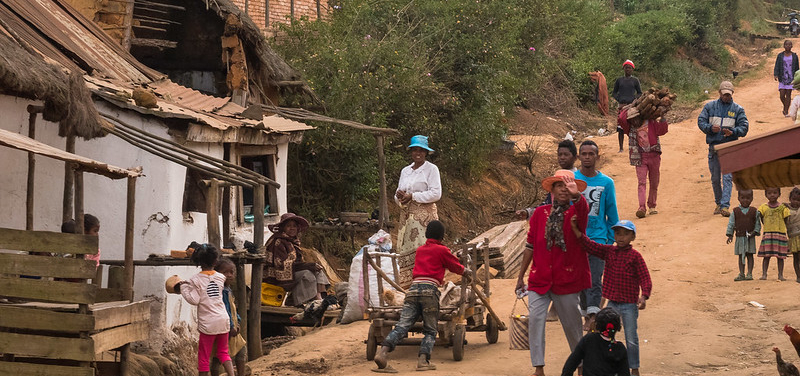
Madagascar's poverty solutionsMadagascar, the world’s fifth-largest island, is renowned for its unique biodiversity and natural resources. Yet, the country faces persistent poverty, with 75% of its population living below the national poverty line as of 2022. Rural areas are particularly affected, with poverty rates reaching 79.9%. Political instability, limited infrastructure and changing weather patterns destabilize the region and exacerbate the situation.

Battling Hunger and Malnutrition

Since 2019, the southern regions of Madagascar have been grappling with severe droughts, leading to famine-like conditions. Approximately 1.3 million people are food insecure, with malnutrition rates among children under 5 doubling in recent years. In response, the World Food Programme (WFP) and UNICEF have collaborated to deliver life-saving nutrition supplies, such as Plumpy’Sup, to malnourished children in remote areas. Innovative methods, including Unmanned Aircraft Systems, have been employed to reach isolated communities.  

Madagascar’s reliance on rain-fed agriculture makes it vulnerable to the harsh climate. Prolonged droughts have devastated crops, leading to food shortages and economic hardship. To combat this, Madagascar’s poverty solutions include programs promoting climate-smart agriculture. These initiatives teach farmers sustainable practices, such as using drought-resistant crops and mulching, to improve food security and protect the environment. 

International Support and Development Projects

The U.S. Agency for International Development (USAID) committed $22.1 million to support Madagascar’s southern regions through projects like Vikina and Harea. These initiatives aim to build resilience, improve food security and promote sustainable farming practices. Additionally, USAID’s Mikajy project focuses on linking biodiversity conservation with sustainable livelihoods. By supporting community-based enterprises and introducing conservation farming, the project helps communities achieve economic growth while preserving natural resources.

In 2023, the World Bank approved a $250 million credit to expand access to social protection for extremely poor households across all 23 regions of Madagascar. The initiative aims to strengthen the national safety net system and improve household resilience to economic and climate-related shocks. In the same year, the World Bank committed an additional $400 million to the Digital and Energy Connectivity for Inclusion in Madagascar Project (DECIM). This program aims to double the country’s energy access from 33.7% to 67% and expand internet connectivity by reaching 3.4 million new users. The investment supports long-term development by promoting digital inclusion, clean energy and infrastructure growth.

Community-Driven Initiatives

Local communities are also taking action in Madagascar’s poverty solutions by preserving their lush forests. Reforestation projects, such as those by Eden Reforestation Projects, aim to restore mangroves and upland forests while providing both environmental benefits and employment opportunities.  In the Makay region, eco-tourism initiatives promote low-impact tourism, generating income for local communities while funding conservation efforts. Microfinance programs, like those supported by Money for Madagascar, empower individuals to start small businesses, fostering economic independence and community development. 

Looking Ahead

By focusing on sustainable development, climate resilience and economic empowerment, Madagascar continues to build a path toward resilience and improved well-being for its people.

– Giovanni Garcia

Giovanni is based in Long Beach, CA, USA and focuses on Good News and Politics for The Borgen Project.

Photo: Flickr

May 21, 2025
https://borgenproject.org/wp-content/uploads/borgen-project-logo.svg 0 0 Precious Sheidu https://borgenproject.org/wp-content/uploads/borgen-project-logo.svg Precious Sheidu2025-05-21 01:30:552025-05-20 01:30:50Local Solutions Drive Madagascar’s Poverty Solutions
Foreign Aid, Global Poverty, Nonprofit Organizations and NGOs

Uneven Growth: Guatemala’s Poverty

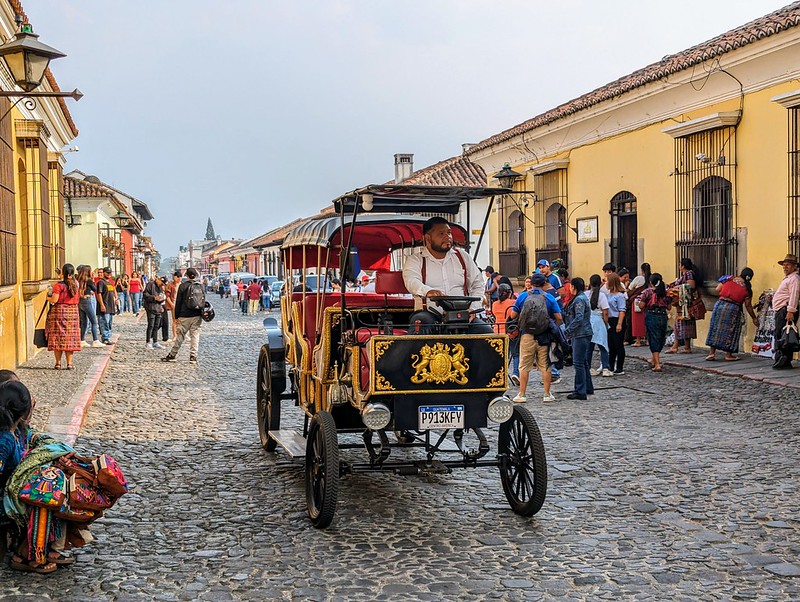
Guatemala’s Uneven Growth Amid Persistent PovertyGuatemala, a land where ancient Mayan temples pierce through lush rainforest canopies, stands at a critical crossroads. Since 2000, Central America’s most populous nation has achieved noteworthy economic growth, boasting the region’s largest economy. According to the World Bank, Guatemala’s GDP was an estimated $108.9 billion. Yet beneath these statistics lies a paradox: for millions of Guatemalans, extreme poverty continues to define daily life. A 2023 national survey reported that 56% of the population lives in poverty, with about 10% surviving on $2.15 or less per person. Despite recent growth, the poverty rate has only dropped by about 3.3%.

The Human Face of Economic Disparity

Guatemala’s poverty shows up in the highest rate of childhood malnutrition in Latin America, limited access to clean water and unequal access to education. Conditions are especially severe for Indigenous communities, particularly descendants of the Maya. According to data from the United Nations (U.N.), approximately 80% of Guatemala’s indigenous people live in some form of poverty; in other words, four out of five people.

In rural villages, residents often lack sanitation, infrastructure and health care. In 44% of rural municipalities, at least three-quarters of residents live below the poverty line. These areas have historically received fewer services than cities like Guatemala City. Structural barriers—such as limited access to skilled jobs or land ownership—have made upward mobility difficult.

Very few of those in extreme poverty have access to sewage systems. Around half of Guatemala’s children are malnourished. In rural areas, the poverty rate stands at 66.3%, compared to about one-third in urban areas. These numbers point to a generational crisis where children grow up without the nutrition or resources to escape poverty.

Disasters and the Cost of Inaction

During the COVID-19 pandemic, Hurricanes Eta and Iota destroyed more than 130,000 hectares of crops, pushing 1.8 million more people into food insecurity. Guatemala sits in the Dry Corridor, where erratic rainfall causes frequent crop failures. The U.N. reported in 2020 that more than 80% of families in this region struggled to meet basic food needs, which has led to a reliance on international food relief and an exodus into Mexico. In 2018, Volcán de Fuego, an active stratovolcano 18 km west of the city of Antigua, erupted, killing more than 200 people and destroying villages. About 43% of farmers in the region lost use of their land.

Corruption and Lack of Investment

Government responses often fall short. Corruption diverts resources away from those in need. Guatemala spends less of its GDP on social services than nearly every other country in the region. Public investment is low and the country has one of the weakest capacities to collect and use revenue for development. A 2014 World Bank report concluded that the country is at the bottom in public spending and ability to mobilize investment.

Faith-Based and International Aid

In many rural areas, churches and nonprofits fill gaps left by the state. Since 2014, Catholic Relief Services (CRS), funded in part by USAID, has distributed more than 40 million school meals through its Aprendizaje para la Vida program. During COVID-19, CRS and Caritas provided meals to 47,000 children in Totonicapán and offered classes to parents on how to prepare nutritious meals. Faith-based organizations also run mobile clinics, build homes and distribute drought-resistant seeds. Programs like Corredor Seco help improve access to clean water and food. NGOs such as Action Against Hunger and Fundación Genesis Empresarial work with the U.N. Food Programme to support local communities.

Looking Ahead

Nearly half the population continues to live in poverty without reliable access to essential services. Guatemala’s path forward depends on systemic reform, stronger governance and continued support from international partners. With collaboration, targeted investment and inclusive policies, there could be a way to break Guatemala’s poverty cycle.

– Max Marcello

Max is based in Pittsburgh, PA, USA and focuses on Business and Politics for The Borgen Project.

Photo: Flickr

May 17, 2025
https://borgenproject.org/wp-content/uploads/borgen-project-logo.svg 0 0 Precious Sheidu https://borgenproject.org/wp-content/uploads/borgen-project-logo.svg Precious Sheidu2025-05-17 01:30:522025-05-16 05:09:01Uneven Growth: Guatemala’s Poverty
Global Poverty, Nonprofit Organizations and NGOs

Generational Poverty in Hong Kong

Generational Poverty in Hong KongHong Kong, a territory of more than 7.4 million people spread across 263 islands, is facing a growing poverty crisis. Data from the Census and Statistics Department reveals that the number of poor households increased by 22.7% in 2024. Although the government lifted pandemic restrictions in 2022, Hong Kong’s economic performance continues to weaken. The monthly income threshold for a four-person household living below the poverty line is approximately HK$20,800 (roughly $2,680). Rent accounts for about 70% of the median household income. Since 2019, housing costs have increased by an average of 3.3% per year and one in every five Hong Kongers is living below the poverty line.

Elderly Workers and Public Housing

Those aged 65 and above are more likely to experience poverty than any other age group. Rapid shifts in market demand and the rise of new technologies have phased out many blue-collar jobs that older workers once held. Some unemployed residents report struggling to afford even public transportation to reach the few jobs they have left. While public housing offers some relief, rent still consumes up to 20% of residents’ monthly income, leaving many unable to afford shelter and proper nutrition. A government response could help alleviate these conditions. However, according to some observers, due to Hong Kong’s alignment with the Communist Party’s United Front policies, anti-poverty efforts remain underprioritized, while the wealth gap continues to widen.

Poverty’s Impact on Children

Poverty disproportionately affects Hong Kongers aged 65 and above, but the territory’s widening wealth gap is placing more children at risk. According to the 2023 Census and Statistics Department data, 222,600 children under age 18 live below the poverty line. Most of these children come from households with four or more members.

Many low-income children cannot participate in school activities due to financial constraints. A sixteen-year-old student, Bianca Zhang Bao-zhi, said she could not afford to join a school sports team due to the HK$2,000-per-term fee. She expressed frustration at the lack of government subsidies, especially since the programs are tied to educational institutions.

Many low-income families feel that the government should be doing more to address poverty among children. The Children’s Rights Association rated the Hong Kong government zero in 2023 for failing to create effective policies that improve conditions for children living below the poverty line.

Strive and Rise Programme, one of the government’s main poverty initiatives for youth, offers mentorship to students from low-income areas. However, the program has had limited impact. Of the 80 children enrolled, only one in four had met with a mentor assigned to them. Local organizations suggest the program is unlikely to produce long-term change.

Save the Children’s Role in Hong Kong

Save the Children is an international organization operating in more than 120 countries with a mission to inspire breakthroughs in the way the world treats children and to achieve immediate and lasting change in their lives.

In Hong Kong, the organization has expanded its work significantly in recent years. Specifically for 2025 to 2027, Save the Children aims to prioritize protection against conflict, climate-related risks and child poverty. Its programs in the region aim to support mental health, education and well-being. Initiatives like Play to Thrive, Heart and Mind and Introducing Social and Emotional Learning to School are active in local schools on Wan Chai Island. These programs serve children from underprivileged communities through structured learning and emotional support activities.

Save the Children is privately funded and often viewed as one of the few large-scale actors working to alleviate poverty in Hong Kong without direct government support.

Firsthand Reflections on Child Advocacy Work

A former volunteer, who asked to remain anonymous, spoke with The Borgen Project and shared insight about their experience: “Save the Children initiatives can differ from nation to nation based on need or focus. All Save the Children programs are known for their humanitarian work. However, Hong Kong is deeply involved in child welfare through education and advocacy initiatives.”

Reflecting on their experience in Hong Kong, the source added, “I worked on the early stages of what is now called the ‘Every Last Child’ initiative. The program worked in advocating for the rights of children within marginalized groups. We often visited schools and orphanages in low-income areas on Wan Chai Island, where Save the Children’s headquarters is located. The activities we did provided educational tools and emotional support for the personal experiences the children were going through.”

The volunteer emphasized the impact of its work, “Do it! The organization has more than 120 offices worldwide, not just in Hong Kong. It is some of the most rewarding work one can do and it will follow you into any career path chosen.”

Looking Ahead

As housing prices continue to rise and the cost of living outpaces wages, poverty remains a persistent issue in Hong Kong. While older generations face increased isolation and job displacement, children in low-income households lack equal access to opportunity. Organizations like Save the Children continue to support vulnerable populations through grassroots programs and school-based initiatives. With sustained attention to education, mental health and youth development, there is hope that current child-focused interventions may contribute to reversing intergenerational poverty in the years to come.

– Mackenzie Inman

Mackenzie is based in Washington D.C., USA and focuses on Global Health for The Borgen Project.

Photo: Flickr

May 11, 2025
https://borgenproject.org/wp-content/uploads/borgen-project-logo.svg 0 0 Precious Sheidu https://borgenproject.org/wp-content/uploads/borgen-project-logo.svg Precious Sheidu2025-05-11 07:30:332025-05-09 13:47:34Generational Poverty in Hong Kong
Global Poverty, Nonprofit Organizations and NGOs, Youth Empowerment

Youth Empowerment Initiatives in Rwanda

Youth Empowerment Initiatives in RwandaIn 1994, extremist Hutus (the majority ethnic group) in Rwanda orchestrated a series of mass murders against the minority Tutsi population. This horrific genocide rocked the international community and left Rwanda in ruins. However, the country has become an incredible example of resilience and renewal three decades later. Central to this transformation has been the effort of different organizations empowering youth in Rwanda. Here are three of the most notable youth empowerment initiatives in Rwanda:

Never Again Rwanda

Never Again Rwanda (NAR) is a grassroots organization “dedicated to peacebuilding and social justice.” Its primary strategy is engaging young people, encouraging them to become agents for peace and valuable community members. NAR has employed several tactics to empower Rwandan youth.

One of these is confidence-building sessions, allowing young people to express their feelings and foster critical thinking skills. This has resulted in several participants running for leadership positions in their respective communities, advocating for social change and making a significant difference in post-genocide Rwanda.

NAR has also financially supported five youth-led organizations dedicated to peacebuilding and socioeconomic resilience. These youth-led initiatives attracted more than 3,000 people and they used creative approaches (poems, art, songs and more) to advocate for political reform.

Finally, NAR has worked to “bridge the gap between youth and social leaders,” through roundtable discussions where young people highlight relevant challenges and work with local government officials to foster solutions. Such transparency and connectedness between the state and the citizens are incredibly rare, proving how motivated youth are to work to make a change in Rwanda.

Youth Connekt Rwanda

The National Strategy for Transformation in Rwanda has noted that youth are its most excellent resource. YouthConnekt, created to tap into that resource, is “a platform designed to connect the youth for socioeconomic transformation.” It was first implemented in 2012 through the joint efforts of the Rwandan government and the United Nations Development Program (UNDP). YouthConnekt focuses on leveraging youth employability and entrepreneurship.

This program has connected thousands of young Rwandans with mentorship, networking, funding and employment opportunities. The initiative also promotes civic engagement, encouraging young people to obtain digital training and get involved in their own local government. YouthConnekt Rwanda has won multiple awards, including the Future Policy Gold Award 2019 for Economic Empowerment of Youth. It has also received endorsement from the African Union. Dozens of professional partners have joined the program, optimizing youth empowerment initiatives in Rwanda.

Young African Leaders Initiative (YALI)

YALI is a program founded by Barack Obama to “invest in the next generation of African leaders.” Most of Africa’s population is below 30 years old, marking a significant need to prepare them for the future. The Rwanda chapter, in particular, describes itself as a “community of young leaders who are passionate about driving positive change in our communities and beyond.”

Through the YALI Regional Leadership in East Africa, the program offers intensive training in entrepreneurship, civic engagement and various soft skills. Participants engage in collaborative activities, attend workshops and make valuable connections. YALI has a robust alumni base that spans Africa. This incredible program serves as a stepping stone for young Rwandans, empowering them to make a positive change in their local communities and beyond.

A Vision for the Future

Despite its dark past, youth empowerment initiatives in Rwanda, such as Never Again Rwanda, YouthConnekt Rwanda and YALI, have helped unlock a brighter future. These programs have helped thousands of brilliant young Rwandans to develop leadership skills, become involved in civics and create change in their local communities.

By empowering the younger generation, Rwanda has made a worthwhile investment in its future prosperity, stability and resilience. The country has not only addressed the wounds of the past but built a foundation for sustainable peace and development. This offers a valuable lesson to underdeveloped nations and post-conflict societies: investing in the youth can yield incredible results.

– Josh Weinstein

Josh is based in Chester Springs, PA, USA and focuses on Good News for The Borgen Project.

Photo: Pexels

May 9, 2025
https://borgenproject.org/wp-content/uploads/borgen-project-logo.svg 0 0 Lynsey 2 https://borgenproject.org/wp-content/uploads/borgen-project-logo.svg Lynsey 22025-05-09 01:30:272025-05-08 09:24:19Youth Empowerment Initiatives in Rwanda
Global Poverty, Natural Disaster, Nonprofit Organizations and NGOs

5 Organizations Helping To Rebuild Myanmar After the Earthquake 

Myanmar After the EarthquakeOn March 28, one of the largest earthquakes to hit Myanmar at a 7.7 magnitude disrupted the daily lives of millions. Twelve minutes after the first earthquake struck, a second earthquake that was 6.4 in magnitude hit Myanmar, compounding the damage already done. Thousands have died, and even more have been injured. 

Military forces control the majority of the territory and some opposing forces, such as the National Unity Government’s People’s Defense Force, have said they would pause all military action in affected areas. Because of the conflict, getting outside aid into the country is not simple. However, this has not stopped several organizations from taking action and bringing aid to the millions in need. Here are five organizations helping to rebuild Myanmar after the earthquake. 

Project HOPE

This organization specializes in global health and works on the ground with local representatives to bring health care aid to countries around the globe. After the Myanmar Earthquake, Project HOPE worked with one of its partners, SAMU, to put mobile medical teams on standby if needed by the government. However, they have already deployed two mobile units with the help of another partner, Community Partners International, which is connecting people in need with medical assistance. 

When a disaster like this occurs, a significant issue many may not think about is the logistics of how life-saving aid is going to make its way into affected areas. Project HOPE’s response team in Yangon is addressing just that, as they are working out supply chain routes that can help aid organizations connect with local communities and bring essentials such as food, clean drinking water, and hygiene kits into affected areas.

Save The Children

This organization focuses on every aspect of an impoverished child’s life and ways to improve it. As children are some of the most vulnerable after the devastating earthquake, Save the Children mobilized 10 on-the-ground teams of around eighty staff members in various fields to help render aid to more than 91,000 people thus far. 

Save The Children understands the need to provide specific care for children that is often overlooked. This is why they have established safe spaces for children in affected areas to play, learn and receive mental health support. Many schools have sustained structural damage after the earthquake and subsequent aftershocks, leaving many children no place to continue their education. Save The Children is working with local organizations and partners to evaluate how they can rebuild and repair these essential spaces.

International Federation of Red Cross (IFRC)

As the largest humanitarian network in the world, the IFRC has unprecedented access to getting fast aid into countries after a disaster strikes. It immediately coordinated with the Myanmar Red Cross Society to establish mobile health clinics to assist with overwhelmed hospitals. As access to working plumbing and clean drinking water is extremely limited in many of the hardest hit areas, they have also been working to distribute water purification and hygiene kits to help ease this burden. 

International Rescue Committee (IRC)

Following the earthquake in Myanmar, the IRC quickly realized hospitals were becoming increasingly overcrowded and that there were not enough workers to go around. To help ease the workload of the hospitals and get help to those unable to reach a treatment center, it mobilized health teams to coordinate with local authorities and started administering medicines and aid to those in need. 

Doctors Without Borders

Founded in 1971 by doctors and journalists, Doctors Without Borders has worked for years to provide impartial medical aid to those in crises. The organization was quick to step in after the 7.7 magnitude earthquake struck Myanmar, providing the highly affected areas with skilled staff members not only in medicine but also sanitation, water, and logistics. 

With how large the impact zones are and how many were affected, Doctors Without Borders sees their current limitations and is pushing for a larger “scale-up” of aid within the country. They are communicating and working with the country’s Ministry of Health to ensure more help is being provided in hard-to-reach areas that have lost contact with officials because of blackouts. 

Looking Forward 

Even before the earthquake struck Myanmar, millions were already in need of humanitarian support. This natural disaster only worsened these conditions and put millions more in need of assistance. These organizations are helping to administer life-saving aid to a country in a state of emergency by providing essential resources, medical services, and labor forces.  

– Collier Simpson

Collier is based in Savannah, GA, USA and focuses on Good News and Global Health for The Borgen Project.

Photo: Flickr

May 8, 2025
https://borgenproject.org/wp-content/uploads/borgen-project-logo.svg 0 0 Lynsey Alexander https://borgenproject.org/wp-content/uploads/borgen-project-logo.svg Lynsey Alexander2025-05-08 01:30:262025-05-08 06:39:075 Organizations Helping To Rebuild Myanmar After the Earthquake 
Charity, Global Poverty, Nonprofit Organizations and NGOs

Sacha Baron Cohen Donates $500K to Charities in Sudan

Sacha Baron Cohen Donates $500K to Charities in SudanSacha Baron Cohen, born in 1970s London, is a British comedian and actor best known for his politically incorrect social satire. His career gained widespread attention in 2006 with the release of Borat: Cultural Learnings of America for Make Benefit Glorious Nation of Kazakhstan. Raised in a devout Jewish household, Cohen often speaks about the importance of Jewish values such as justice, charity and loving-kindness. Judaism teaches that people should treat wealth as a divine gift and use it to help those in need. Cohen reflected these values by donating $500,000 to charities operating in Sudan.

The Crisis in Sudan

The conflict between the Sudanese Armed Forces and the Rapid Support Forces has persisted for two years. It has forced millions to flee their homes and seek refuge in neighboring countries such as Ethiopia, South Sudan and Chad. Furthermore, ongoing violence has disrupted humanitarian efforts and worsened food insecurity. According to the latest Integrated Food Security Phase Classification, about 755,000 people now face famine-like conditions. In Darfur, local reports cite ethnic targeting by armed groups. In March 2025, the Sudanese army regained control of the presidential palace in Khartoum, a development that observers hope will shift the trajectory of the conflict.

IRC and Save the Children

In October 2024, Cohen pledged $500,000 to the International Rescue Committee (IRC) and Save the Children USA. Both organizations provide essential services in Sudan and the surrounding regions. They focus on nutrition, water, sanitation, health care and child protection.

In 2023, Save the Children reached more than 2.4 million people in Sudan. The organization delivered integrated support across food security, education, health care and hygiene. Additionally, the IRC serves displaced populations within Sudan and along its borders, helping families rebuild amid war and hunger. Nearly 500 children have died due to the closure of critical nutrition centers. Cohen’s contribution strengthens these organizations’ capacity to expand their reach.

Cohen’s Statement

In Sacha’s words: “Right now, there are 25.6 million people experiencing hunger in Sudan, a country which is swiftly moving toward the worst famine seen in decades, yet this crisis is receiving alarmingly little attention. This contribution is a small step toward addressing the immense needs in Sudan. I’m pleased to continue to support the IRC and Save the Children, who are delivering essential nutrition, water, sanitation and health services to those most in need, both within Sudan and in neighbouring countries where people are seeking refuge. The Sudanese people urgently need our help and must not be forgotten. I call on friends, colleagues and the general public to join me in contributing whatever you can to this life-saving work. Please consider donating to the IRC and Save the Children.”

Response from IRC Leadership

In response, David Miliband, President and CEO of the IRC, said: “We are deeply grateful to Sacha for this donation and raising awareness about Sudan’s humanitarian crisis. The funds will support the IRC’s lifesaving work in nutrition, water and sanitation and protection for displaced people. Eighteen months of warfare has devastated homes, infrastructure and livelihoods, making Sudan the world’s largest displacement and most severe hunger crisis—yet only half the needed aid has been received. As the disaster continues to spill over into neighboring countries like Chad and South Sudan, the world’s neglect is costing lives. Now, more than ever, influential voices like Sacha’s are crucial to prevent further destruction and loss.”

A Record of Global Giving

Cohen’s support for charities in Sudan follows years of philanthropic engagement. His past contributions funded vaccinations for 287,000 children in Syria, built a maternity hospital in Yemen and supported relief programs in Iraq and Somalia. He also co-founded Stop Hate for Profit, a coalition urging accountability from social media platforms. Cambridge University and the Martin Luther King Center in Atlanta recognized Cohen’s academic work, which explored Black and Jewish cooperation during the U.S. civil rights movement.

Looking Ahead

While conflict continues to displace and endanger millions in Sudan, targeted support from both individuals and institutions could expand access to vital services. Cohen’s donation to charities in Sudan helps reinforce the work of humanitarian organizations and draws global attention to a worsening crisis. As agencies call for broader international support, contributions—both financial and vocal—remain essential in addressing urgent needs and preventing further loss of life.

– Dania Kerim

Dania is based in London and focuses on Celebs for The Borgen Project.

Photo: Flickr

May 6, 2025
https://borgenproject.org/wp-content/uploads/borgen-project-logo.svg 0 0 Precious Sheidu https://borgenproject.org/wp-content/uploads/borgen-project-logo.svg Precious Sheidu2025-05-06 01:30:242025-05-06 00:32:34Sacha Baron Cohen Donates $500K to Charities in Sudan
Global Poverty, Nonprofit Organizations and NGOs, Women and Children

Empowering Widows and Orphans in Nigeria: The Fight Continues

Empowering Widows and Orphans in Nigeria: The Fight Continues“Religion that God our Father accepts as pure and faultless is this: to look after orphans and widows in their distress and to keep oneself from being polluted by the world,” reads James 1:27. This Bible verse inspired Apostle Folorunso Alakija to found the Rose of Sharon Foundation (RoSF). Motivated by faith, Alakija launched the foundation to alleviate the hardships faced by widows, their children and orphans in Nigeria.

The Reality Facing Widows and Orphans

More than 15 million widows, about 21 million children and 17.5 million orphans live in Nigeria. Many in these groups face poverty due to economic hardship, a lack of resources and harmful cultural practices. Gender-based violence (GBV) compounds the difficulties. Around 30% of Nigerian women and girls experience physical, emotional or sexual abuse. Many survivors of GBV—about 55%—do not seek any support to end the violence. Cultural practices, such as widowhood rites, continue to restrict women’s advancement socially, economically and politically.

Folorunso Alakija

Alakija is a Nigerian businesswoman, philanthropist and one of Africa’s highly prominent entrepreneurs. Her endeavors in business cover the real estate, oil exploration and printing industries. Dipping into many hats, she was also a fashion designer and made the “Rose of Sharon House of Fashion” a household name in Nigeria. In collaboration with her husband, they founded the Rose of Sharon Glorious Ministry International and the next step was to tend directly to widows and children. 

RoSF Programs Driving Change

RoSF uses baseline data collection, capacity-strengthening programs, advocacy and community engagement to understand and address the needs of widows and children. In partnership with local governments and international NGOs, the foundation has helped more than 900 widows access microcredit schemes and interest-free loans to expand their businesses. More than 340 graduates have also benefited from RoSF’s programs. Mentorship and educational initiatives have had a life-changing impact. Agbayi Agu, a widow from Lagos, said, “[RoSF] has been a second God to my life… they are the ones who changed my mentality in a time of despair, that I can still forge ahead.”

The Importance of Legislative Protection

Legislation plays a key role in protecting women and promoting equality. Yet, as of 2023, women account for only 3.6% of Nigeria’s House of Representatives and 7.3% of the Senate, far below the global average of 27%. The Violence Against Persons Prohibition (VAPP) Act, passed in 2015, was a landmark achievement. RoSF and other NGOs championed the law, which protects widows from violence, discrimination and harmful practices. Before VAPP, widows endured cruel rites, such as sleeping beside a husband’s corpse to prove innocence, being confined indoors, or undergoing forced head shaving. The Act introduced punishments for perpetrators and offered legal protections for victims and their families.

Threats to Progress and Continued Advocacy

Although the VAPP Act was passed at the federal level, it took nearly 10 years for 35 out of 36 states to domesticate and enforce it. In 2024, Senator Jibrin Isah of Kogi East proposed repealing the VAPP Act, citing “legislative errors” and claiming the law lacked comprehensiveness. In response, RoSF and partners like the Malala Fund and Invictus Africa are working to defend the VAPP Act. Bukky Shonibare, Executive Director of Invictus Africa, advocates for amendments and stricter enforcement, rather than repeal.

Building Toward a Brighter Future

Since its founding, RoSF has grown from serving three widows to reaching nearly 1,000 widows directly, empowering more than 4,200 women overall. Indeed, through vocational training, scholarships and economic support, the foundation is creating opportunities for widows to rebuild their lives. Future goals include expanding NGO partnerships, reducing reliance on self-funding, strengthening social protection laws and rallying policymakers to support widows and orphans in Nigeria.

– Rachael Wexler

Rachael is based in Chicago, IL, USA and focuses on Good News and Global Health for The Borgen Project.

Photo: Flickr

May 2, 2025
https://borgenproject.org/wp-content/uploads/borgen-project-logo.svg 0 0 Precious Sheidu https://borgenproject.org/wp-content/uploads/borgen-project-logo.svg Precious Sheidu2025-05-02 01:30:252025-05-01 09:39:54Empowering Widows and Orphans in Nigeria: The Fight Continues
Global Poverty, Health, Nonprofit Organizations and NGOs

How Living Goods is Saving Lives in Sub-Saharan Africa

Living GoodsSub-Saharan Africa is the region of Africa located south of the Sahara Desert. The area has a population of 1.3 billion and a vivid culture dating back thousands of years. However, a 2019 study showed that 35% of the region’s population lives in poverty. Destitution often leads to adverse health, primarily due to poor living conditions and a lack of complete nutrition, resulting in further exacerbated conditions. Despite all these challenges, many contrasting forces have risen to make the lives of Africans easier. One of these initiatives is Living Goods, a nonprofit that employs community workers to deliver patient healthcare services. It started its operations in Uganda and has since spread its wings to Kenya and Burkina Faso.

The Story of Living Goods

Established in 2007, Living Goods is the brainchild of businessman Chuck Slaughter. In 1987, Slaughter’s interest in creating social impact was sparked by a newspaper article about the microfinance organization Trickle Up. Eager to make a difference, he gained employment in the company as a program officer, visiting India, Nepal and Indonesia, where he saw firsthand how small-scale entrepreneurship could change lives.

After earning his Master’s degree at Yale, Slaughter took his business acumen to the travel industry, launching TravelSmith. This mail-order travel gear company skyrocketed to $100 million value in sales. After the company was bought in 2004, a chance encounter stumbled Slaughter onto The Health Store/CFW shops, a chain of franchised drug stores in Kenya. Intrigued by the idea of bringing healthcare directly to underserved communities, he envisioned a new model that empowered community health workers to deliver essential care right to people’s doorsteps.

Use of Technology

Living Goods integrates its services with technology to provide the best utilities. Each community health worker has access to a mobile app that helps them organize their daily tasks and responsibilities. It also includes information on what treatments to provide, eliminating the need for hefty medical training and allowing the charity to employ as many workers as possible.

The app also allows patients to connect with nearby workers and call on them for a service. This system addresses citizens’ medical needs, especially in countries like Uganda, where the NGO operates, where there is only one doctor for every 25,000 people, far below the recommended ratio of one healthcare professional per 1,000 individuals.

Programs

Living Goods boasts several programs, including vaccinations, healthy pregnancies and emergency response to outbreaks. Using their health app, community workers can track what children need immunizations and who are up-to-date. The software also sends mothers reminders when their children’s vaccinations are expiring. Community workers also help educate parents. After Living Goods’ vaccination program started in 2019, more than 80% of parents stated that they gained new knowledge about immunization from their employees.

Living Goods community health workers regularly go on home visits for pregnant women. They aim to make sure future mothers attend all necessary antenatal check-ups and deliver their babies in healthcare facilities. They play a key role in early pregnancy identification, provide maternal health and nutrition education and enroll women to receive automated text messages with timely, pregnancy-related guidance.

During the Ugandan Ebola outbreak of 2022, Living Goods took many preventive measures to ensure the virus didn’t spread further. The nonprofit conducted specialized training sessions for field staff and community health workers to identify Ebola symptoms and implement prevention strategies. Workers also received SMS notifications every two days, reinforcing key information about the virus. It also gave out protective equipment such as soaps, gloves, aprons and masks to areas facing the highest exposure. Living Goods also created and delivered more than 110,000 leaflets regarding the virus to increase public awareness.

Final Remarks on Living Goods

Living Goods is making a real difference in healthcare across sub-Saharan Africa. The organization helps deliver essential services directly to people’s homes by equipping community health workers with simple digital tools. Its efforts have expanded access to care in areas with limited medical infrastructure. With a focus on practical solutions and local impact, Living Goods is helping build healthier futures in some of the region’s most underserved communities.

– Mustafa Tareen

Mustafa is based in Lahore, Pakistan and focuses on Global Health and Celebs for The Borgen Project.

Photo: Flickr

April 24, 2025
https://borgenproject.org/wp-content/uploads/borgen-project-logo.svg 0 0 Lynsey 2 https://borgenproject.org/wp-content/uploads/borgen-project-logo.svg Lynsey 22025-04-24 01:30:482025-04-24 00:29:19How Living Goods is Saving Lives in Sub-Saharan Africa
Global Health, Global Poverty, Nonprofit Organizations and NGOs

Safer Births Bundle of Care Program: Neonatal Care in Tanzania

Safer Births Bundle of Care ProgramNewborn and maternal mortality remain major global health challenges, particularly in sub-Saharan Africa, where nearly 50% of the world’s perinatal deaths occur. While the global maternal mortality rate stands at 211 deaths per 100,000 live births and the newborn mortality rate at 18 deaths per 1,000 live births, Tanzania faces higher rates—556 maternal deaths per 100,000 and 25 newborn deaths per 1,000 live births. Norwegian-backed nonprofit Laerdal Global Health has partnered with Haydom Lutheran Hospital in Tanzania and Stavanger University Hospital in Norway to address these disparities since 2012. Together, they have worked on solutions through research and innovation to save lives during childbirth.

The Safer Births Bundle of Care Program

The Safer Births Bundle of Care (SBBC) program combines simulation-based training and medical innovations to reduce newborn and maternal mortality. Over a decade and 150 research studies have informed its development. Originally launched across 30 health facilities in Tanzania, SBBC is a collaborative effort involving Laerdal Global Health, UNICEF Tanzania, the Tanzanian Ministry of Health and the President’s Office for Regional and Local Government.

The “bundle” refers to their four-step approach: training innovations, clinical innovations, sustainability and scalability and continuous quality improvement. SBBC’s training innovations showcase the effectiveness of simulation-based training. The SimBegin training program, a combination of online learning and on-site training, trains facilitators to run simulation scenarios, mentors to support the implementation of simulation training and faculty to train new facilitators and mentors.

Essential tools used in training include:

  • NeoNatalie Live. A newborn resuscitation manikin for practical simulations.

  • MamaNatalie. A wearable simulator that helps health care workers practice postpartum hemorrhage management.

  • Moyo Fetal Heart Rate Monitor. For fetal heart monitoring during labor.

  • NeoBeat Heart Rate Meter. Helps assess newborns’ heart rate quickly to distinguish between asphyxia, hypoxia or stillbirth.

  • Upright Bag Mask. A resuscitation tool for nonbreathing newborns.

Recent Findings in Tanzania

In a 2025 study published by the New England Journal of Medicine, researchers observed a 40% reduction in neonatal deaths and a 75% reduction in maternal deaths following SBBC implementation. These outcomes were drawn from data collected across 300,000 mother-baby pairs recorded in the 30 hospitals.

The analysis found that the estimated risk of death during the perinatal period—defined as 22 weeks of gestation to seven days after birth—was 18% lower following the implementation of SBBC. This overall decline was largely driven by a nearly 40% reduction in neonatal deaths within the first 24 hours after birth.

The decline has been linked to training on newborn resuscitation using the NeoBeat heart-rate monitor and the Upright resuscitator. Frequent simulation practice appears to have improved health care workers’ preparedness and efficiency during the “golden minute” after birth, when it is critical to ensure the baby begins breathing independently.

Scaling Beyond Tanzania

Initially rolled out in five Tanzanian regions—Manyara, Tabora, Geita, Shinyanga and Mwanza—the SBBC program now operates in 150 facilities. Its success has gained attention beyond Tanzania’s borders. As of 2025, Nigeria has begun introducing SBBC in the Borno and Gombe states. Ethiopia has also expressed interest in adopting the model.

Looking Ahead

The success of the Safer Births program illustrates the potential of targeted training, low-cost innovations and international cooperation. With continued investment and adaptation across low-resource settings, SBBC could support efforts to lower maternal and newborn mortality rates across the Global South. Programs like these reveal that scalable, evidence-based solutions could drive long-term health outcomes in underserved communities.

– Sandhya Mathew

Sandhya is based in Los Angeles, CA, USA and focuses on Global Health for The Borgen Project.

Photo: Flickr

April 17, 2025
https://borgenproject.org/wp-content/uploads/borgen-project-logo.svg 0 0 Precious Sheidu https://borgenproject.org/wp-content/uploads/borgen-project-logo.svg Precious Sheidu2025-04-17 01:30:422025-04-17 02:09:28Safer Births Bundle of Care Program: Neonatal Care in Tanzania
Page 10 of 60«‹89101112›»

Get Smarter

  • Global Poverty 101
  • Global Poverty… The Good News
  • Global Poverty & U.S. Jobs
  • Global Poverty and National Security
  • Innovative Solutions to Poverty
  • Global Poverty & Aid FAQ’s
Search Search

Take Action

  • Call Congress
  • Email Congress
  • Donate
  • 30 Ways to Help
  • Volunteer Ops
  • Internships
  • Courses & Certificates
  • The Podcast
Borgen Project

“The Borgen Project is an incredible nonprofit organization that is addressing poverty and hunger and working towards ending them.”

-The Huffington Post

Inside The Borgen Project

  • Contact
  • About
  • Financials
  • President
  • Board of Directors
  • Board of Advisors

International Links

  • UK Email Parliament
  • UK Donate
  • Canada Email Parliament

Get Smarter

  • Global Poverty 101
  • Global Poverty… The Good News
  • Global Poverty & U.S. Jobs
  • Global Poverty and National Security
  • Innovative Solutions to Poverty
  • Global Poverty & Aid FAQ’s

Ways to Help

  • Call Congress
  • Email Congress
  • Donate
  • 30 Ways to Help
  • Volunteer Ops
  • Internships
  • Courses & Certificates
  • The Podcast
Scroll to top Scroll to top Scroll to top