• Link to X
  • Link to Facebook
  • Link to Instagram
  • Link to TikTok
  • Link to Youtube
  • About
    • About Us
      • President
      • Board of Directors
      • Board of Advisors
      • Financials
      • Our Methodology
      • Success Tracker
      • Contact
  • Act Now
    • 30 Ways to Help
      • Email Congress
      • Call Congress
      • Volunteer
      • Courses & Certificates
      • Be a Donor
    • Internships
      • In-Office Internships
      • Remote Internships
    • Legislation
      • Politics 101
  • The Blog
  • The Podcast
  • Magazine
  • Donate
  • Click to open the search input field Click to open the search input field Search
  • Menu Menu

Archive for category: Nonprofit Organizations and NGOs

Information and stories about nonprofit organizations and NGOs

Global Poverty, Natural Disaster, Nonprofit Organizations and NGOs

Cyclone Yagi Devastates Asia’s Vulnerable Communities

Cyclone Yagi’s aftermath has left millions in need of urgent assistance, as it caused significant damage across Southeast Asia. Governments, nongovernmental organizations (NGOs) and international organizations have mobilized quickly to deliver both immediate and long-term aid to the affected regions. Efforts focus on providing food, clean water, shelter and medical assistance to those displaced by the storm.

Cyclone Yagi

In September 2024, Cyclone Yagi, one of the strongest typhoons to hit Southeast Asia in the past 30 years, devastated more than 1,200 villages across 106 districts in 15 provinces in Vietnam. It damaged nearly 240,600 homes, 1,530 schools and 570 health facilities. The storm displaced more than 72,000 people and approximately 570,000 people, including 163,020 children, are in need of assistance.

Relief Efforts

In Vietnam, the government’s disaster management units have partnered with local NGOs to set up emergency shelters and distribute essential supplies. The Vietnam Red Cross, alongside the International Federation of Red Cross and Red Crescent Societies (IFRC), is at the forefront of these relief operations. Their teams are providing food, clean water, hygiene kits and emergency shelter to thousands displaced by the floods and landslides. Psychological support is also being offered to help people cope with trauma.

Plan International, known for its work in child protection, focuses on the needs of vulnerable groups, particularly children and women. In collaboration with local authorities, the organization is distributing hygiene kits and ensuring that children who are among the most affected receive psychological support. The organization’s child-friendly spaces within shelters offer a safe environment where children can engage in activities and recover from the disaster’s emotional toll.

Furthermore, in response to the storm’s widespread destruction, international organizations like the United States Agency for Internal Development (USAID) have pledged financial support. USAID has committed $1 million in humanitarian aid to provide immediate relief and support long-term recovery. This funding is helping to ensure that emergency teams can continue to distribute food, water and medicine while also addressing the urgent need for rebuilding homes and infrastructure in affected areas.

Meanwhile, local authorities are working with various international organizations to ensure that aid reaches remote areas, many of which remain cut off due to floodwaters and landslides. The priority is to restore access to clean water, power and health care services in the most affected regions. Long-term recovery plans are being developed, focusing on rebuilding homes, restoring livelihoods and strengthening disaster preparedness for future storms and natural disasters.

Final Note

As efforts continue, humanitarian organizations stress the need for ongoing support and donations to sustain relief operations. With the threat of more rainfall looming, these efforts are crucial to prevent further devastation and to help communities rebuild their lives.

– Trinity Lee

Trinity Lee is based in Bellevue, WA and focuses on Good News for The Borgen Project.

Photo: Flickr

October 15, 2024
https://borgenproject.org/wp-content/uploads/borgen-project-logo.svg 0 0 Lynsey 2 https://borgenproject.org/wp-content/uploads/borgen-project-logo.svg Lynsey 22024-10-15 01:30:232024-11-05 00:46:03Cyclone Yagi Devastates Asia’s Vulnerable Communities
Africa, Global Poverty, Nonprofit Organizations and NGOs

5 NGOs in Malawi Successfully Addressing Poverty

NGOs in MalawiMalawi, a small country in southeastern Africa, faces one of the highest poverty rates in the world, with more than 70% of its population living below the poverty line. This figure highlights the urgent need for sustainable solutions to address the various challenges of poverty, including health, education, agriculture, and clean water access. Several NGOs in Malawi are actively working to alleviate poverty and improve the quality of life for the people.

MBF Lifesaver Clinics

The Medical Benevolence Foundation (MBF) focuses on maternal and child health through its Lifesaver Clinics in Malawi. It operates clinics through local churches and has a large community-based staff. One of its key locations opened in 1937, the Bembeke clinic serves more than 29,000 residents and delivers an average of 43 babies every month. By providing critical health care services, including prenatal care, vaccinations and health education, MBF aims to reduce maternal and infant mortality rates. The organization’s outreach efforts not only enhance access to medical services but also educate local families about health and nutrition, fostering a healthier future for impoverished mothers and their children.

Hope4Malawi

Education is a core pillar of sustainable development, and Hope4Malawi is one of the NGOs in Malawi that focuses on enhancing educational access for children in rural areas. It has made significant investments in building schools and creating essential educational resources, such as libraries and feeding programs. By supporting students from primary school through to university level, Hope4Malawi creates a cultural hub of learning and support. The organization also integrates e-learning opportunities, allowing students to access a broader range of educational materials.

Hope4Malawi intends to build and provide supplies for 12 classrooms and three libraries before 2029 through a partnership with the Ministry of Education. The organization provides sponsorships and additional support that allow students to attend secondary education who would otherwise not be able to. As a result, enrollment and retention rates have increased, creating a generation equipped with the skills and credentials needed for future success.

The Hunger Project

The Hunger Project is one of the NGOs in Malawi that has been active since 1999. The organization addresses poverty through sustainable agriculture and food security initiatives. Recognizing that food insecurity is a significant contributor to poverty, the organization provides training on modern farming techniques and crop diversification. Utilizing the Epicenter Strategy, this organization mobilizes community members against hunger and poverty until they have become self-reliant.

By promoting community gardens and cooperative farming practices, The Hunger Project empowers local farmers to improve their yield and nutrition. The organization has helped reduce malnutrition in Malawi and has provided economy-boosting initiatives to workers, such as beekeeping. The initiative not only enhances food security for families but also fosters economic empowerment, enabling communities to thrive sustainably.

WaterAid Malawi

Access to clean water is a fundamental human right, and WaterAid Malawi is at the forefront of efforts to improve water and sanitation across the country. Working in 14 towns and cities, WaterAid implements projects that provide clean water and educate communities about hygiene practices. This vital work significantly reduces the spread of waterborne diseases, improving overall health outcomes. This organization intends to provide clean water to the most impoverished communities by 2030 through a sustainable development program.

WaterAid works closely with the country’s Water, Sanitation and Hygiene (WASH) sector to provide innovative technology for new toilet and water collection systems. By ensuring access to clean water, WaterAid not only improves community health but also provides individuals with more time to devote to work or studies.

Concern Worldwide

Concern Worldwide has developed an approach to tackling poverty from multiple angles in Malawi. The organization provides food security initiatives, such as Food Systems for Food Security, prenatal care, and vaccination programs, alongside emergency response efforts during crises such as natural disasters. Concern has implemented agriculture programs that incorporate crop diversification, intercropping and other protective methods that prepare communities for unexpected weather fluctuations.

In a three-year program, Concern helped local farms raise annual harvest intake by 72%, improving the security and nutrition of community youth. By addressing immediate needs while also working on long-term solutions, Concern Worldwide helps build resilience within communities. Its lifestyle-focused approach ensures that families can survive as well as prepare for the future of the next generation.

Overall Impact

The work of these NGOs in Malawi illustrates the diverse and integrated approaches necessary to combat poverty in Malawi. By addressing health, education, agriculture, and water access, they demonstrate that sustainable development requires collaborative efforts that engage local communities. The ongoing commitment of these organizations plays a crucial role in improving the quality of life for vulnerable populations in Malawi.

– Lauren Sellman

Lauren is based in Rochester Hills, MI, USA and focuses on Good News and Global Health for The Borgen Project.

Photo: Flickr

October 2, 2024
https://borgenproject.org/wp-content/uploads/borgen-project-logo.svg 0 0 Naida Jahic https://borgenproject.org/wp-content/uploads/borgen-project-logo.svg Naida Jahic2024-10-02 01:30:262024-09-30 22:52:535 NGOs in Malawi Successfully Addressing Poverty
Development, Global Poverty, Nonprofit Organizations and NGOs

TECHO: Harnessing Drone Technology to Combat Global Poverty

TECHOAccording to the World Health Organization (WHO), approximately 2 billion people live beyond the reach of essential medicines and quality health care. However, drone technology is helping resolve this “last mile” problem. In Latin America and the Caribbean (LAC), more than 200 million people face poverty, struggling without access to basic needs such as clean water, housing and electricity. The World Bank estimates that as of 2023, one in four people in these regions lives on less than $6.85 per day, a clear reflection of widespread poverty. While there was a slight 1% decrease in poverty rates between 2022 and 2023, projections indicate that without further intervention, progress may stagnate.

TECHO: Housing and Social Programs

Founded in 1997, TECHO is a nonprofit organization that mobilizes youth volunteers to combat extreme poverty in Latin America and the Caribbean. The organization’s mission includes providing housing, clean water and access to social inclusion programs. In the aftermath of the 2010 earthquake in Haiti, TECHO was among the first groups to initiate reconstruction. Indeed, the organization was able to rebuild 10,000 homes. Currently, with the help of more than 500,000 volunteers, the organization has constructed homes for more than 86,000 families across 19 countries.

Advancements Through Drone Technology

In 2019, TECHO and DroneDeploy collaborated to enhance TECHO’s home rebuilding efforts in Brazil through drone technology. This partnership helped 634 communities by employing drone mapping—a technique involving aerial photography that produces comprehensive 3D visual maps. These maps improve visibility in urban settings, helping identify critical areas needing attention and the optimal approaches for intervention. The use of drones enabled TECHO to accurately assess the number of families living in poverty and in substandard conditions, pinpointing risk areas to prioritize for high-quality housing reconstruction.

Enhancing Urban Planning and Infrastructure in São Paulo

In São Paulo, TECHO aimed to introduce various social inclusion programs targeting poverty eradication and community integration. It expanded its partnership with DroneDeploy to use drones for assessing housing needs, a task complicated by often outdated data. Drones provided a precise count of families requiring improved living conditions and basic services like clean water, sewage and electricity. For instance, initial estimates suggested that a community housed 250 families; however, drone surveys revealed the actual number to be at least 520. This accurate data is crucial for TECHO to allocate sufficient resources to these communities effectively.

Looking Ahead

TECHO’s initiatives in Latin America and the Caribbean aim to address the widespread poverty affecting millions in the region. Indeed, by leveraging drone technology, the organization has been able to precisely assess housing needs. Furthermore, drones have been able to identify the most vulnerable areas for targeted intervention. In São Paulo, drones revealed a significant undercount in the number of families living in poor conditions, allowing TECHO to more efficiently allocate resources. These ongoing efforts underscore the importance of innovative approaches to tackling poverty and improving living conditions across the region.

– Charlotte Johnston

Charlotte is based in London, UK and focuses on Good News and Technology for The Borgen Project.

Photo: Flickr

September 30, 2024
https://borgenproject.org/wp-content/uploads/borgen-project-logo.svg 0 0 Precious Sheidu https://borgenproject.org/wp-content/uploads/borgen-project-logo.svg Precious Sheidu2024-09-30 01:30:172024-09-30 01:03:08TECHO: Harnessing Drone Technology to Combat Global Poverty
Development, Global Poverty, Nonprofit Organizations and NGOs

Sungai Design: Ending River Pollution in Indonesia

Sungai Design: An Approach to Ending River Pollution in Indonesia Aquatic waste accumulation severely affects many developing countries, with river pollution in Indonesia serving as a prime example. The Citarum River, the world’s most polluted, significantly lowers the quality of life for the 9 million people in the heart of Indonesia. A collection of human and industrial waste has driven the river’s bacterial levels to be 5,000 times higher than safe limits and lead concentrations are 1,000 times over the permissible level for consumption, according to the Asian Development Bank. The only uncontaminated water in the Citarum is found 150 meters underground, accessible only to local industries equipped to extract and purify it. Sungai Design, a nonprofit founded specifically to clean Indonesia’s rivers, has been so successful that it is considering expansion to other countries struggling with water pollution.

Addressing the Crisis

Unfortunately, due to the Citarum River’s role as a major water source, many people have to rely on contaminated water, even if indirectly. The river pollutes most waterways, affecting rice fields and farmers’ crops, which animals and people then consume. Consequently, diseases such as cholera and dermatitis have spread widely throughout Indonesia. As these health crises escalate, affecting the population and economy, various organizations have responded by implementing measures to reduce river pollution.

Sungai Design

Based in Bali, Indonesia, Sungai Design evolved from Sungai Watch, a nonprofit dedicated to cleaning Indonesia’s rivers. Sungai Watch developed a system of river dams that intercept trash, which is then cleaned up daily to prevent waste accumulation. Employees sort the collected waste into more than 30 material categories based on type and substance. As waste volumes increased, the organization faced challenges in disposing of it safely without risking its return to waterways, especially the Citarum River. Co-founder of Sungai Watch and Iris Prize winner from The Iris Project, Sam Benchighib, proposed a solution to repurpose the trash rather than simply dispose of it, leading to the creation of Sungai Design.

Sungai Design builds on Sungai Watch’s efforts to clean Indonesia’s rivers by transforming collected trash into eco-friendly furniture. After collecting and sorting the waste, Sungai Design employees create chairs from river plastics. These chairs, available in various colors, are placed throughout Indonesia and sold on the organization’s website. The initiative’s success has expanded to include benches and stools, each chair crafted from the equivalent of 2,000 plastic bags and supplemented with other recycled river debris. This commitment to sustainable products has inspired other nonprofits to go beyond mere disposal and consider repurposing pollution-causing materials.

Sungai Design’s Impact

In Indonesia, 300 floating river dams strategically installed across the country have collected an estimated 2.3 million kilograms of plastic, which Sungai Design repurposes into chairs. This significant effort showcases Sungai Design’s leadership in addressing river pollution. The organization serves as a model for nonprofits confronting environmental crises, demonstrating the value of not only removing trash but also repurposing it to benefit the environment.

Looking Ahead

Removing plastics from the rivers reduces contaminants such as lead and bacteria, which pose serious threats to local communities, their agriculture and livestock. By continuing to build on Sungai Design’s proactive approach, Indonesia can potentially enhance the quality of life for those most affected and promote overall national well-being.

– Nadia Haeryfar

Nadia is based in Ashford, CT, USA and focuses on Technology and Global Health for The Borgen Project.

Photo: Flickr

September 29, 2024
https://borgenproject.org/wp-content/uploads/borgen-project-logo.svg 0 0 Precious Sheidu https://borgenproject.org/wp-content/uploads/borgen-project-logo.svg Precious Sheidu2024-09-29 07:30:252024-09-29 01:58:54Sungai Design: Ending River Pollution in Indonesia
Charity, Global Poverty, Nonprofit Organizations and NGOs

5 Charities Operating in Brazil

Charities Operating in BrazilBrazil, the largest nation in South America, boasts a population of more than 200 million and a GDP of more than $2 trillion. However, despite such a promising economy, it remains an extremely unequal nation in terms of income, with Oxfam citing that the richest 5% of the country have as much income as the remaining 95%. Factors such as lack of access to housing or education have only served to widen the gap between rich and poor. Poverty disproportionately affects women, Afro-Brazilians and Indigenous communities due to wage inequality. Here are five charities operating in Brazil that work to combat the various social problems facing the country.

The Lemann Foundation

Limited access to education is a problem that affects a significant proportion of Brazil’s population; 48% of the nation’s children reach age 10 without ability to read, whilst total illiteracy rates reach as high as 80% in the most deprived areas. The Lemann Foundation combats “learning poverty” by working to ensure children and young people in Brazil have access to high-quality education. It collaborates with more than 15,000 schools, provides teachers and local governments with relevant resources and helps produce online learning material to ensure those in deprived areas are still able to achieve strong academic qualifications. The Lemann Foundation also notes the particular educational exclusion of Indigenous and Afro-Brazilian communities and stresses the importance of quality education in building a progressive and equal society.

The Catholic Agency for Overseas Development (CAFOD)

Founded in 1960 as the official aid department of the English and Welsh Catholic Church, CAFOD’s work in Brazil focuses on providing aid to those dealing with homelessness in São Paulo, the country’s most populous city. With an estimated homeless population of up to 50,000 in 2023, the number of residents sleeping rough has increased by 31% since the COVID-19 pandemic.

The CAFOD combats this by supporting those living in unsanitary housing conditions by ensuring they have access to clean water and basic health care. It also recognises the disproportionate impact poverty has on Indigenous groups in Brazil, so works to ensure these groups have access to education and employment opportunities.

The Favela Foundation

Favelas are slums or impoverished areas often located on the outskirts of Brazil’s larger cities. The Favela Foundation is one of the charities operating in Brazil that focuses its support on the residents of these neighborhoods. The organization raises money for local NGOs that provide educational opportunities such as English lessons, as speaking English can often ensure access to better employment.

Revive International

Founded in 2012, Revive is one of the charities operating in Brazil that works in the North East of the country, focusing on supporting children who have been victims of abuse or trafficking. As poverty and homelessness put young people more at risk of exploitation, Reviva runs safe houses for those in unsafe domestic conditions, alongside a fostering service for younger children to ensure they receive a safe upbringing.

ActionAid

This U.K.-based charity has been working in Brazil for more than 25 years and supports a wide range of communities and initiatives across the country. The organization’s principal goal is the support and protect young girls from exploitation, for example through organizing educational services or sports activities. However, ActionAid also assists those facing other issues, such as providing resources to rural Brazilians in drought-stricken areas to ensure they can still grow food. In total, it has worked with over 300,000 people to help improve lives in the country.

Although the country faces disproportionately high levels of poverty and inequality, these charities operating in Brazil are working to improve the lives of its impoverished citizens. Both local and wide-ranging international organizations provide support within the country to support those dealing with a vast variety of issues such as homelessness, learning poverty, gender-based violence and environmental changes.

– Izzy Tompkins

Izzy is based in Leeds, UK and focuses on Global Health and Politics for The Borgen Project.

Photo: Flickr

September 26, 2024
https://borgenproject.org/wp-content/uploads/borgen-project-logo.svg 0 0 Jennifer Philipp https://borgenproject.org/wp-content/uploads/borgen-project-logo.svg Jennifer Philipp2024-09-26 01:30:572024-09-26 00:47:525 Charities Operating in Brazil
Child Poverty, Global Poverty, Nonprofit Organizations and NGOs

3 Nonprofits Fighting the Effects of Romania’s Orphanage Crisis

Romania’s Orphanage CrisisNicolae Ceausescu was the Communist ruler of Romania from 1965 to 1989. During his time in power, he established radical policies meant to increase birth rates. This meant that many more children were born. However, because of the widespread poverty in Romania, parents could not afford to care for them and had no choice but to send them to state-run facilities. These orphanages were overfilled and left without funding. Hence, the conditions for the children were inhuman and little attention was given to their health or education. By the end of the 1900s, 10,000 Romanian children were living with AIDS and many more were malnourished or diseased. In addition, Romania’s orphanage crisis resulted in long-term issues for those who lived there.
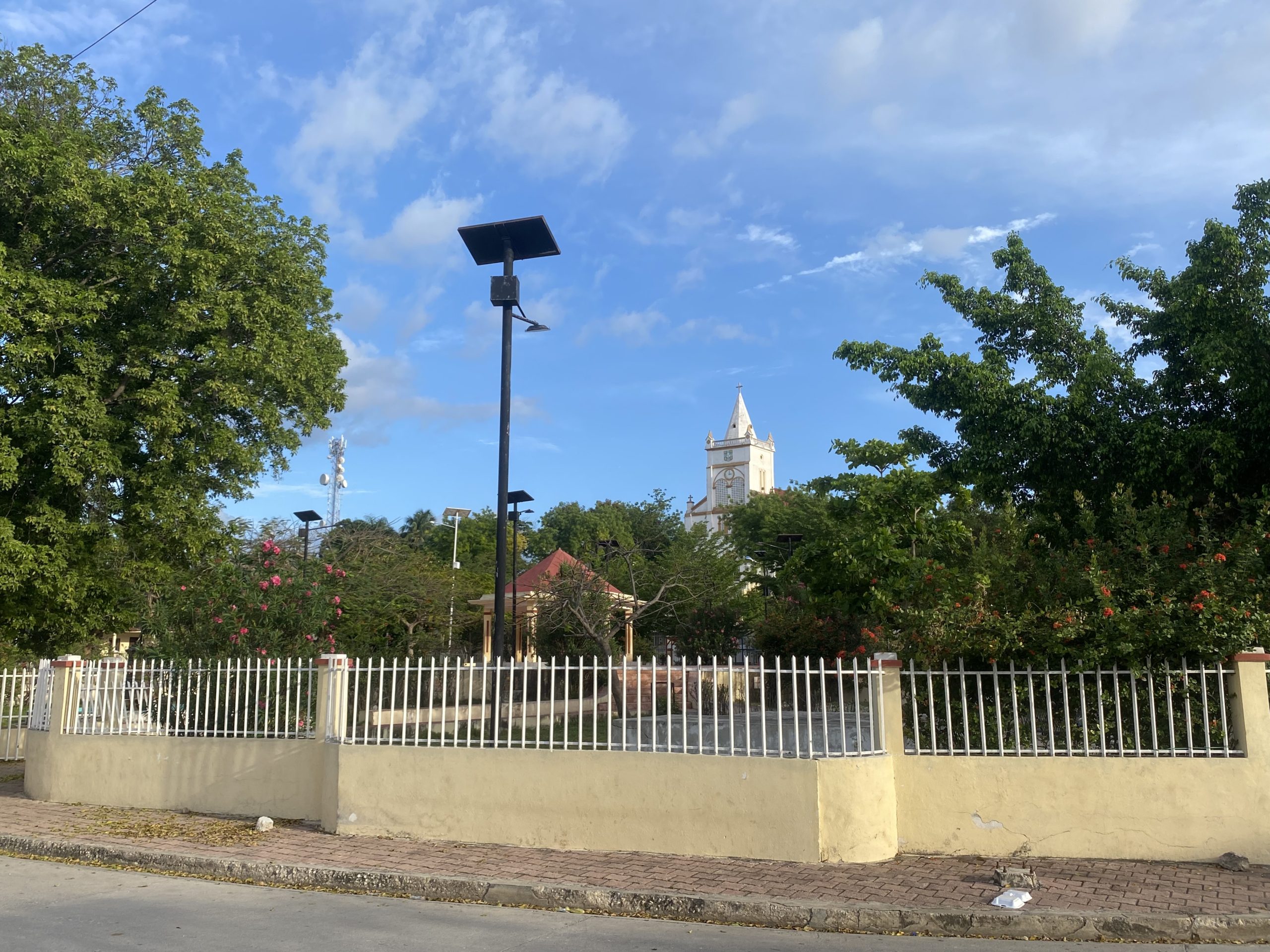
The Bucharest Intervention Project launched a study that found institutionalized children took longer to learn language skills and struggled with executive functions such as memory, reasoning and problem-solving. Their IQs were lower than their peers and they progressively decreased as the children aged. After Ceausescu lost control over Romania and the reality of what was happening in orphanages was made public, many organizations began to reverse the damage done.

COTE Foundation

COTE is a nonprofit based in Iasi, Romania. Its mission is to help vulnerable youth achieve high levels of education, build a community of friends and prepare for the workforce. One of its projects, Together for Education, was implemented in 2014 and continues as of 2024. This program invests in children whose families can’t afford necessities and supports them financially throughout their high school years.

The Grigore Ureche school has 78 children who would not have been able to graduate without the support of COTE. Of these 78 kids, 50 have graduated from 8th grade, 46 have continued to high school and 20 are still receiving financial support during the 2024 school year. To break the cycle of poverty that children in Romania’s orphanage system face, education is a key component and COTE’s work is bringing the country closer to that goal.

Popa Soare

Popa Soare is an organization based in Romania’s capital, Bucharest. It aims to advocate for vulnerable groups, including Romania’s orphanage crisis victims. In 2024, one of Popa Soare’s biggest projects seeks to improve the living conditions of two families living in extreme poverty. The beneficiaries are a single mother facing severe health issues who is raising three children and a 45-year-old woman who cares for her grandchildren in a small, worn-down shelter.

Popa Soare will provide contractors and construction/repair work and provide these families with safe and comfortable living spaces. In the long term, it hopes to build a “social cafe” to provide an area where the community can meet and support one another.

Forgotten Faces

In 2008, a group of Romanian-American teenagers living in Seattle founded the nonprofit Forgotten Faces. Although they were born in the United States, their parents emigrated from Romania. These teens are passionate about addressing Romania’s orphanage crisis and giving back to their ancestral country. However, being based in the U.S. presents challenges in directly supporting disadvantaged children in Romania.

To overcome this, they organize fundraisers at their local church. In the past two years, they have raised $20,000. The funds have been used to provide children and their families with clothing, school supplies and other necessities. They have also funded high school students’ educational field trips and cultural immersion experiences.

– Sophia Manole

Sophia is based in Bellevue, WA, USA and focuses on Good News for The Borgen Project.

Photo: Flickr

September 20, 2024
https://borgenproject.org/wp-content/uploads/borgen-project-logo.svg 0 0 Lynsey 2 https://borgenproject.org/wp-content/uploads/borgen-project-logo.svg Lynsey 22024-09-20 07:30:162024-09-20 00:53:433 Nonprofits Fighting the Effects of Romania’s Orphanage Crisis
Charity, Global Poverty, Nonprofit Organizations and NGOs

HAUP and CORA Supporting The Haitian Community

HAUPHaiti is a low-income Caribbean country with a population of more than 11 million people. More than half of the population lives below the poverty line with little access to necessities. A major historical period that hindered Haiti’s growth was the Duvalier regime from 1957 to 1986. François Duvalier’s and Jean-Claude Duvalier’s corruption drained Haiti of its financial and economic profits. Their extreme violence against many citizens of the Haitian community caused an estimated 30,000 people to die or go missing.

The Haitian Americans United for Progress (HAUP) played a major role in supporting Haitian refugees and the Haitian-American community during the horrors of the Duvalier regime and continues to help immigrants and migrants, whether they are Haitian or not. Coalition for the Recovery of L’Anse-à-Veau (CORA), on the other hand, focuses on directly helping the community of Anse-à-Veau (Ansavo), one of Haiti’s municipalities located in the Nippes department.

HAUP

HAUP is a nonprofit organization based in Queens and Brooklyn, New York, U.S., that was initially established as a volunteer-based organization to help Haitian immigrants and refugees in 1975. In the ’80s, HAUP helped hundreds of Haitian refugees obtain food, shelter, clothing, and employment. Since then, HAUP has expanded into a community center that provides immigration, educational, and health services for refugees and immigrants in New York City, New Jersey, and Connecticut. The nonprofit has distributed 71 baby bags and infant car seats, 20 brand-new strollers for newborn mothers, 47 baby monitors, 30 blood pressure monitors, and more than 400 boxes of diapers and wipes.

Advocating for Immigrants and Migrants

In 1979, HAUP organized a konbit (rally) to gather materials and visit prisons to support Haitian refugees. By 1981, it held a march in Washington, D.C., protesting the U.S. government’s treatment of Haitian refugees and opposing Haiti’s dictatorship. In an interview with The Borgen Project, Mrs. Marie Fouche, recalled her role in organizing these protests: “The political situation in Haiti pushed us to march. I remember horses charging at us while we demanded our rights as Haitians. We said, ‘We don’t want a dictator anymore!'” Fouche also shared how HAUP advocated for Haitian refugees sent to Guantanamo Bay, fighting for their rights and offering assistance.

Events to Unify the Haitian Community

In 1978, HAUP held its first summer camp at P.S. 147 and later hosted camps at Andrew Jackson, Elmhurst, and Sacred Heart Church. In 1985, HAUP officially opened its Information Center. Fouche, a HAUP executive board member for 20 years, reflected on the center: “We had conferences, we had people come from Canada, from Haiti, from everywhere. They delivered a workshop or talked about their books about what was happening in the country. . . And we had books from Haiti, people could come and see them, even foreigners who didn’t know about Haiti could find resources there. So for me, that was a moment of pride.”

HAUP established a senior citizens club and a children’s cultural dance program and provided services for kids with intellectual disabilities. It also sponsored cultural events for the Haitian-American community, allowing them to express their culture and for children to learn more about Haiti. These events included Carnival parties, fundraising galas, children’s festivals, film showings like Gouverneur de la Rosée at Hillcrest High School, and plays such as Filibé by Mercedes Guignard and Bwat Lamayòt by Marika Roumain, produced by Fouche in 1985 and 1995.

CORA

In 2009, Kora, Cosa, and ARCA united to mobilize Anse-à-Velais and supporters of Anse-à-Veau in promoting the development of Anse-à-Veau and its neighboring areas. These groups merged to form CORA. CORA has helped clean the gutters in the lower area of Ansavo after the 2010 flood and provided $1,000 for the committee in charge of the works. It has also supported repairing the city’s electrical network by financially supporting maintenance from Port-au-Prince technicians and using $2,700 to buy two transformers. The nonprofit has also donated resources to institutions in Ansavo, such as 10 wheelchairs to the local hospital and nearby dispensaries and wireless microphones to the Ansavo cathedral.

Educational Programs

CORA’s RenesAnsavo Hospitality and Tourism project, launched in the summer of 2014 and led by Fouche, provided four weeks of training for 30 young adults from Ansavo. Inspired by Ansavo’s upcoming 300th anniversary in 2021, the students were divided into five groups focused on tourism, transportation, food, housing, and more. They attended workshops in the mornings and did fieldwork in the afternoons, such as assessing local restaurants and hotels for tourism opportunities. The project continued in 2015, with CORA following up on the participants’ progress through 2017.

CORA also advocated for school gardens by surveying schools in Petit Goave, leading to the start of a garden in the 2023-2024 academic year. Fouche discussed her work with the program and how her experience gardening for a soup kitchen in Arbor Hill, Albany, helped her with the Ansavo garden. She shared, “I learned from a woman at the soup kitchen… I researched gardening online and taught the children about fruits and vegetables in French, Creole, and English.” Her local and international volunteer work highlights how domestic and foreign aid initiatives can complement each other.

Conclusion

Fouche’s work with HAUP, CORA, and the Albany soup kitchen exemplifies how one can balance helping those in need both locally and abroad. HAUP highlights the importance of community-building and how immigrants in places like America can still influence their home countries, as seen in their protests against Haiti’s dictatorship. It also shows how immigrants can stay connected to their culture by organizing cultural events, such as plays, and creating educational spaces like the Information Center.

CORA exemplifies how to directly assist vulnerable communities abroad by prioritizing education, as seen with the school garden initiative. While both CORA and HAUP have made strides in uplifting the Haitian community, much work remains, and both organizations could benefit from additional support.

– Elisabeth Nwaoskwa

Elisabeth is based in Bellerose, NY, USA and focuses on Good News and World in Focus for The Borgen Project.

Photo: Wikimedia Commons

September 17, 2024
https://borgenproject.org/wp-content/uploads/borgen-project-logo.svg 0 0 Lynsey 2 https://borgenproject.org/wp-content/uploads/borgen-project-logo.svg Lynsey 22024-09-17 07:30:442024-09-17 01:43:10HAUP and CORA Supporting The Haitian Community
Global Poverty, Nonprofit Organizations and NGOs, Women's Empowerment

JUST Empowers Women Entrepreneurs Beyond Credit Barriers

Credit BarriersIn the vast landscape of financial services, the barriers faced by individuals with low incomes and poor credit histories are often insurmountable. Traditional lending institutions rely heavily on credit scores, which can disadvantage those historically marginalized or who have fallen victim to financial setbacks. This systemic issue has contributed to the perpetuation of poverty, especially among minority communities. However, a groundbreaking organization named JUST is rewriting the rules of lending to address these credit barriers, offering a unique approach that makes a tangible difference in the lives of many.

The Traditional Lending Dilemma

For individuals like Leti, a Hispanic woman who experienced a profound personal loss, the conventional financial system can seem both impersonal and inaccessible. After the tragic loss of her child, Leti’s food truck business, once her lifeline, collapsed. As her financial situation worsened, she struggled to secure traditional loans and lacked savings to fall back on. With her prospects dwindling, Leti began cleaning homes to make ends meet.

A New Hope: JUST

Leti’s fortunes took a turn when she discovered JUST, a nonprofit organization dedicated to supporting Hispanic and Black female entrepreneurs. Founded to provide financial assistance without relying on traditional credit scores, JUST operates on a trust and community support model. Its approach has proven effective: it has disbursed more than $21 million in loans with a remarkable 99% repayment rate.

Steve Wanta, CEO and co-founder of JUST, explains that their method represents a departure from the conventional financial system’s reliance on credit scores. “Our financial system in the United States is not designed to trust people, especially those without money,” Wanta asserts. “Credit scores don’t paint an accurate picture of capability for thousands of people who have, in some cases, been penalized by the system or can’t get a foothold in the first place. Building up a longstanding credit history is impossible without that initial foothold.”

Breaking down Credit Barriers

JUST’s innovative model involves assessing individuals based on their potential and character rather than their financial history. When Leti applied for a loan through JUST, the organization met her with an empathetic and supportive process. No one asked for her credit score or scrutinized the failure of her previous venture. Instead, it gave her a $750 loan based on trust and belief in her potential to succeed.

Leti’s experience with JUST showcases the effectiveness of its approach. Before receiving a loan, she cleaned four houses a week, barely making ends meet. After joining the JUST community, she secured the funding to revitalize her business. With support from JUST’s peer coaches and a network of women entrepreneurs who had overcome similar challenges, her cleaning business flourished. What started as a one-person operation has become a successful enterprise, now employing more than 30 people.

Final Note

The success of JUST’s model underscores the power of trust in financial transactions. JUST has created a lifeline for those who might otherwise be excluded from the financial system by offering loans based on character and potential rather than credit scores. This approach supports individual entrepreneurs and fosters community development and economic empowerment.

As Leti’s story demonstrates, providing opportunities to those who might be overlooked can lead to remarkable outcomes. With continued support and innovation, JUST is paving the way for a more inclusive and equitable financial landscape, proving that trust and community can be powerful tools in the fight against poverty.

– Sakshi Bhagat

Sakshi is based in Kolkata, West Bengal, India and focuses on Business and Good News for The Borgen Project.

Photo: Pexels

September 14, 2024
https://borgenproject.org/wp-content/uploads/borgen-project-logo.svg 0 0 Lynsey 2 https://borgenproject.org/wp-content/uploads/borgen-project-logo.svg Lynsey 22024-09-14 07:30:432024-09-14 03:18:41JUST Empowers Women Entrepreneurs Beyond Credit Barriers
elderly poverty, Global Poverty, Nonprofit Organizations and NGOs

The Solutions to Elderly Poverty in Nauru

Elderly Poverty in NauruIn Nauru, the number of citizens aged 55 and older consists of roughly 10% of the total population. The vulnerability of older adults in economically challenged nations like Nauru underscores the importance of international partnerships. Countries such as the United States (U.S.) can play a vital role in collaborating with economically deprived governments to provide necessary support for elderly populations as they transition into their senior years.

In Nauru, 24% of the population lives below the basic needs poverty line, highlighting a persistent issue of elderly poverty. This challenge has been addressed for years through efforts by both the Nauruan government and nonprofit organizations. Given the substantial proportion of elderly individuals in the population, it is crucial to strengthen support systems. These measures not only aim to reduce poverty but also to preserve Nauruan history and cultural heritage, with the help of foreign aid and continued government backing.

Social Protection Programs: Elderly Allowance

Nauru has established Social Protection Programs and activities to support qualified members of its community. Current government initiatives include Birth Claims, Death Claims, Disability Allowance and School Feeding Programs. Additionally, since 2005, the reformed Nauruan government has introduced an elderly allowance aimed at assisting impoverished seniors and providing much-needed financial support for the elderly population.

Eligible members of the community in Nauru receive $50 every two weeks as part of the Elderly Allowance program, supporting individuals aged 60 and above. In 2012, this amount was increased to $75 following efforts by the community to enhance financial support for seniors. However, with an average cost of living in Nauru of $1,000 per month, this assistance falls short of covering basic needs. Additionally, financial aid is not available to those with other income sources or those still on the waitlist, highlighting ongoing challenges in addressing elderly poverty in Nauru.

NIANGO

With only 25 members in 2007, Nauru Island Association of Nongovernmental Organizations (NIANGO) was the only nongovernmental body fighting general poverty in Nauru. NIANGO emphasizes communications, human rights and effective management within Nauru. In addition, the NGO plays a crucial role in facilitating the work of other not-for-profit organizations in Nauru. As one of the most impoverished countries in the world, Nauru depends heavily on foreign aid and organizations like NIANGO work to serve the entire community.

NIANGO functions as a coalition that fosters collaboration among NGOs, offering support in advocacy, information sharing and networking with both international and regional organizations. It also assists in capacity-building activities and institutional strengthening for its members. By amplifying the voices of struggling populations, including older adults, NIANGO helps drive change in Nauru through the mobilization of funds and resources.

Intergenerational Trust Fund for the People of Nauru

The Minister for Finance oversees the Intergenerational Trust Fund (ITF) in Nauru, which receives financial support from countries like Thailand, New Zealand and Australia. Between 2020 and 2021, Nauru received significant funding through the ITF, with cash contributions of $1.8 million from New Zealand and $3.5 million from Australia.

The ITF was initiated in 2009 with the goal of investing in phosphate mining, ensuring that Nauruans would benefit from royalties. Through the support of the ITF, Nauru’s elderly population, along with the broader community, receives financial assistance that helps sustain their livelihoods and improve overall living conditions.

Final Note

While there is still work to be done to address elderly poverty in Nauru, organizations like NIANGO and initiatives such as the ITF are making meaningful progress. The people of Nauru are in urgent need of continued support from governments capable of assisting, such as Australia, New Zealand and China. With increased backing, there is hope that the elderly population can enjoy a higher standard of living in their later years.

– Alena Thomas

Alena is based in Houston, TX, USA and focuses on Good News and Global Health for The Borgen Project.

Photo: Flickr

September 13, 2024
https://borgenproject.org/wp-content/uploads/borgen-project-logo.svg 0 0 Lynsey 2 https://borgenproject.org/wp-content/uploads/borgen-project-logo.svg Lynsey 22024-09-13 07:30:522024-09-13 01:57:38The Solutions to Elderly Poverty in Nauru
Global Poverty, Nonprofit Organizations and NGOs, Youth Empowerment

Youth Programs in Ghana

4 Youth Empowerment Programs in GhanaIn Ghana, youth aged 15 to 35 comprise 38% of the population, while children under 15 account for another 35%. These numbers reveal that younger people comprise a large portion of the population, drawing increased focus on their needs. Unfortunately, many young adults in Ghana struggle with high unemployment rates and limited access to education.

According to the Ghana Youth Barometer 2024 Report, around 42.9% of youth reported the system has begun to worsen, as 88.1% reported issues with limited financial resources. The Youth Opportunity and Transformation in Africa (YOTA) conducted a report that analyzes the perceptions and experiences of Ghanaian youth. Shining light to amplify the voices of the next generation. Restrictions and halts, like COVID-19, have caused issues slowing economic growth leading to job loss and a lack of opportunities. Fortunately, youth programs and organizations are empowering the next generation and lending a hand to strengthen their futures. Here are four youth programs in Ghana. 

Youth Employment Agency  

The Youth Employment Agency (YEA) was formed to tackle the country’s youth unemployment issues and relieve stress from those struggling. Starting as the National Youth Employment Programme (NYEP) in 2005, it transformed into GYEEDA in 2012 and became the YEA in 2015. The Agency aims to open up employment opportunities for youth through various programs like job placement programs and skills training. The YEA created Job Centre Ghana, an initiative to address youth unemployment and open up job placements. The center targets undergraduates and low-skilled workers while aiming to build and enhance those looking for work.

Youth Empowerment For Life – Ghana

The Youth Empowerment For Life officially became a nongovernmental organization in Jan. 2010. Its mission addresses the needs of the youth in Ghana through developmental and intellectual activities. It operates a variety of 22 youth projects reaching around 40,000 people with 10 youth centers. Some of its projects include Youth LIFE, which aims to provide vulnerable out-of-school youth in urban and peri-urban areas with opportunities for social and economic development. The project offers training and assistance so the youth can succeed. Some other projects include Youth Entrepreneurship and Youth Speak along with many others. Its Youth Centres are a tool for social empowerment and a space to share and learn information with one another. As the projects continue to make an impact, so do the youth involved.

Child Research and Resource Centre

Founded in 2004, the Child Research and Resource Centre  (CRRECENT) is a civil society organization focused on child and youth initiatives. Its mission is to create a focused foundation for vulnerable children and young adults to have tools and an environment where they can thrive. Its target population is children (0 to 18 years), challenged youth (19 to 24 years) and adults working with children. It works to meet its goals by researching and implementing. CRRECENT current projects include Girls’ Empowerment and Child and Youth Policy. The projects strive not only to teach but also to make an impact on girls and children from different backgrounds. CRRECENT works with Child Protection Committees, developing School Performance and Improvement Plans (SPIP) and implementing activities that work toward improving school conditions. Asserting that education is key to change.

Youth Bridge Foundation

Committed to youth development, the Youth Bridge Foundation (YBF) is a nonprofit organization focused on providing resources to the youth. YBF has a variety of projects and programs aimed to enhance young adults’ lives and careers. Started in 2017, the Educate to Innovate with STEM was funded by Tullow Oil Ghana Limited. A program aimed at helping students improve their performance in math and science. YBF launched and implemented this initiative to address specific educational challenges. The Initiative not only promotes the project but also a handful of others like Youth Vote and the Duapa Youth Reforestation Project.

Looking Ahead

By 2030, African youth will constitute 42% of the global youth population. The support from these organizations and programs offers hope for the next generation. These youth programs in Ghana not only aim to nurture the youth but also help them achieve their fullest potential.

– Savannah Garza

Savannah is based in New York, NY, USA and focuses on Business and Good News for The Borgen Project.

Photo: Flickr

September 7, 2024
https://borgenproject.org/wp-content/uploads/borgen-project-logo.svg 0 0 Precious Sheidu https://borgenproject.org/wp-content/uploads/borgen-project-logo.svg Precious Sheidu2024-09-07 01:30:442024-09-06 13:22:10Youth Programs in Ghana
Page 14 of 60«‹1213141516›»

Get Smarter

  • Global Poverty 101
  • Global Poverty… The Good News
  • Global Poverty & U.S. Jobs
  • Global Poverty and National Security
  • Innovative Solutions to Poverty
  • Global Poverty & Aid FAQ’s
Search Search

Take Action

  • Call Congress
  • Email Congress
  • Donate
  • 30 Ways to Help
  • Volunteer Ops
  • Internships
  • Courses & Certificates
  • The Podcast
Borgen Project

“The Borgen Project is an incredible nonprofit organization that is addressing poverty and hunger and working towards ending them.”

-The Huffington Post

Inside The Borgen Project

  • Contact
  • About
  • Financials
  • President
  • Board of Directors
  • Board of Advisors

International Links

  • UK Email Parliament
  • UK Donate
  • Canada Email Parliament

Get Smarter

  • Global Poverty 101
  • Global Poverty… The Good News
  • Global Poverty & U.S. Jobs
  • Global Poverty and National Security
  • Innovative Solutions to Poverty
  • Global Poverty & Aid FAQ’s

Ways to Help

  • Call Congress
  • Email Congress
  • Donate
  • 30 Ways to Help
  • Volunteer Ops
  • Internships
  • Courses & Certificates
  • The Podcast
Scroll to top Scroll to top Scroll to top