• Link to X
  • Link to Facebook
  • Link to Instagram
  • Link to TikTok
  • Link to Youtube
  • About
    • About Us
      • President
      • Board of Directors
      • Board of Advisors
      • Financials
      • Our Methodology
      • Success Tracker
      • Contact
  • Act Now
    • 30 Ways to Help
      • Email Congress
      • Call Congress
      • Volunteer
      • Courses & Certificates
      • Be a Donor
    • Internships
      • In-Office Internships
      • Remote Internships
    • Legislation
      • Politics 101
  • The Blog
  • The Podcast
  • Magazine
  • Donate
  • Click to open the search input field Click to open the search input field Search
  • Menu Menu

Archive for category: Nonprofit Organizations and NGOs

Information and stories about nonprofit organizations and NGOs

Global Poverty, Nonprofit Organizations and NGOs, Women's Rights

How Womankind Worldwide Transforms Women Lives in Kenya

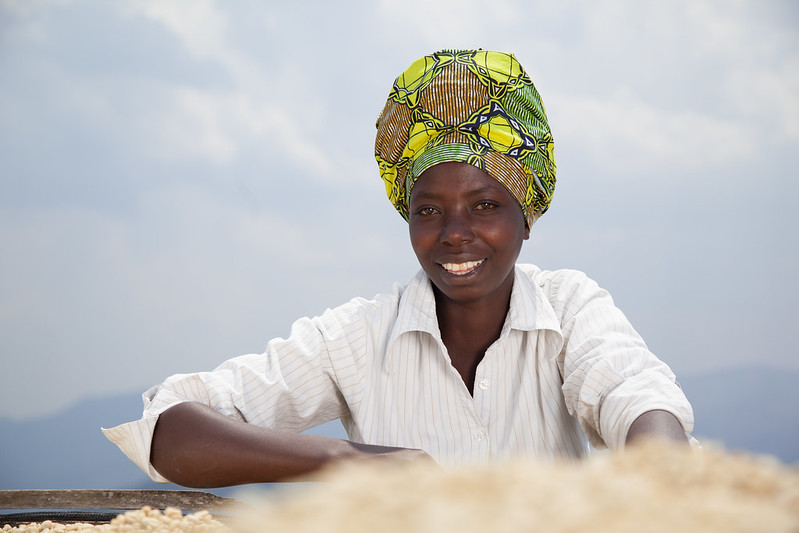
How Womankind Worldwide is Transforming Women’s Lives in KenyaWomankind Worldwide is a women’s rights organization advocating for change through partnerships with organizations worldwide. It envisions a fairer world where women have equal opportunities. The organization works with 28 partners across 13 countries. Womankind Worldwide has supported 18 million women through community organizations. The organization prioritizes improving women’s lives in Kenya as part of its global efforts. For more than 30 years, Womankind Worldwide has collaborated with diverse groups worldwide to combat the oppression of women.

The Context of Women’s Lives in Kenya

Kenya is a lower-middle-income country and women’s employment rate is 60.3% compared to men’s at 70.4%. In Kenya, young women are particularly vulnerable to the threat of poverty because of their limited participation in the economy. Women are disproportionately responsible for unpaid care work therefore limiting their ability to complete paid work. Although the 2010 constitution committed to a more diverse government so that women would be able to make important decisions about their future, this promise has not been fulfilled. Key promises included women and men having the right to equal treatment and having the right to equal protection. 

In 2023, The World Bank Group reported that Kenya stood above Sub-Saharan’s average of 72.6 out of 100 in the Women, Business and the Law Index. In comparison, Kenya’s index was recorded at 80.6. This score increase was a consequence of stopping gender discrimination in employment and the enforcement of domestic violence legislation. Furthermore, the report suggested that women’s lives in Kenya could be further transformed by making 14 weeks of paid maternity leave mandatory and allowing women to be business owners in the same way as men. 

There have been successes in the improvement of women’s rights in Kenya. For example, the 2012 Passage of the Land Act and the Land Registration Act increased women’s rights over their marital property. Moreover, for the first time, the 2015 Passage of the Protection against Domestic Violence Act addressed domestic violence. United Nations (U.N.) Women’s Strategic Plan 2023-2026 outlines U.N. Women Kenya’s plan until 2026. This includes enhancing women’s participation in governance, creating legislative frameworks to promote the inclusion of women in leadership and advocating for accountability for gender-responsive service delivery. 

Womankind Worldwide’s Aim

In July 2024, Womankind Worldwide’s two new Co-CEOs spoke about the future of the organization’s focus on pursuing equality. Writing on the organization’s website after their appointment, Co-CEO Disha Sughand described envisioning Womankind Worldwide growing ‘an aligned supporter base through our ambitious 2030 strategy’. In addition, Co-CEO Diana Njuguna explained how Womankind Worldwide’s mission is to dismantle ‘power dynamics that prevent community-based organizations from taking their rightful place in the movements’. Womankind Worldwide focuses on working in partnership with women’s rights organizations. The organization continues to take steps to establish collaboration as an important part of the fight for equality.

Partners

The Centre for Rights Education and Awareness (CREAW), one of Womankind Worldwide’s partners, was founded in 1999. This nongovernmental organization’s focus is predominantly on women’s rights. CREAW has continuously applied pressure to guarantee equal political participation of women so that the 2010 constitution could be put into action. 

Another partner is Women Challenged to Challenge (WCC), who support the participation of women with disabilities in political, social and economic life. For example, WCC trained 25 service providers from Baringo County in Kenya, which included police officers and teachers. They were trained in how to assist people with hearing impairment. Therefore, women’s lives in Kenya are being transformed by Womankind Worldwide’s support for organizations such as WCC. 

Federation of Women Lawyers – Kenya (FIDA Kenya) offers women and their children free legal aid. Overall, its 1400 women lawyers and advocates have helped more than 3 million women. When they are disproportionately economically disadvantaged, help in the form of legal aid makes a significant difference to women’s lives in Kenya. 

Another organization that partners with Womankind Worldwide and is making a difference in women’s lives in Kenya is the Polycom Development Project (Polycom Girls). This project helps those impacted by sexual violence and exploitation. Polycom provides access to education, sanitation and sports. 

2030 Strategy

In its 2030 strategy, Womankind Worldwide outlines its aims for a future where all genders enjoy equal rights. It creates spaces for learning and exchange to help improve personal and social well-being. Womankind Worldwide identifies goals that include dividing power with its partners through sharing opportunities. Its 2030 strategy also includes guiding the agenda so that its partner’s voices are heard to influence change. Also, Womankind Worldwide generates funding for women’s rights and its partner organizations. 

Looking to the Future

Increasing women’s participation in political leadership is an important part of the future of Kenya. Womankind Worldwide is prioritizing putting the 2010 constitution into action through its partnership with nonprofit organizations. Womankind Worldwide works to increase the visibility of its partners and, specifically, Polycom Girls recognizes this. Its work includes emphasizing Polycom’s work to the United Kingdom (U.K.) government to help empower women. Womankind Worldwide has built partnerships across the world to help improve the rights of women. The organization is committed to opening spaces where women can have a say in what they want to change in the world. Transforming women’s lives in Kenya continues to be a focus of these ongoing partnerships in a move toward a fairer world. 

– Amy Fox

Amy is based in Birmingham, UK and focuses on Good News for The Borgen Project.

Photo: Flickr
September 5, 2024
https://borgenproject.org/wp-content/uploads/borgen-project-logo.svg 0 0 Precious Sheidu https://borgenproject.org/wp-content/uploads/borgen-project-logo.svg Precious Sheidu2024-09-05 07:30:092024-09-04 14:25:40How Womankind Worldwide Transforms Women Lives in Kenya
Global Poverty, Nonprofit Organizations and NGOs, Water Crisis

Kalahari Resorts and Conventions’ Partnership with charity: water

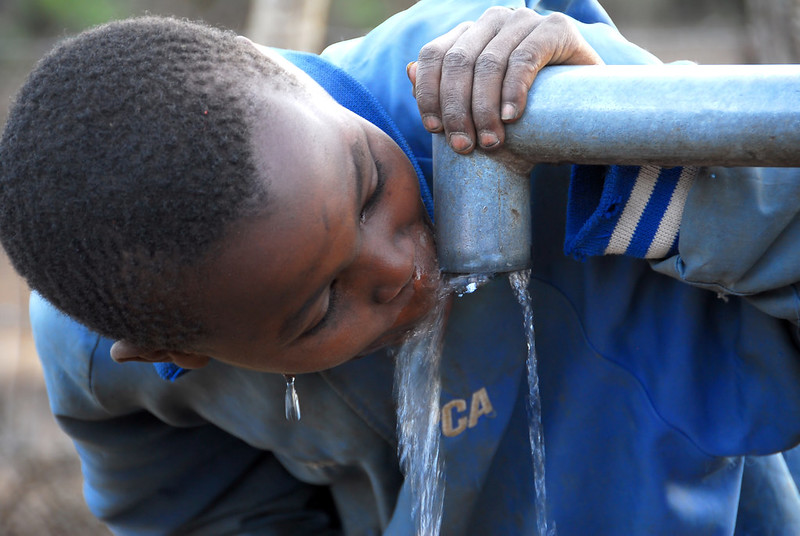
Kalahari Resorts and Conventions' Partnership with charity: waterKalahari Resorts and Conventions’ partnership with charity: water on the Water Colors Life Project, aims to provide clean drinking water to 1 million Africans. Kalahari has pledged to raise $50 million for this cause. Since initiating this partnership, Kalahari has supported dozens of water projects in Madagascar, Zimbabwe, South Africa, Mali, Tanzania, Malawi and Sierra Leone, bringing drinking water to thousands who previously lacked access.
Charity: Water and Kalahari’s Role

Charity: water, founded in 2006, aims to end the global water crisis by ensuring worldwide access to clean water. This nonprofit organization has funded more than 154,000 water projects in 29 countries, including Haiti, Honduras, Niger and Thailand. As of 2024, it has provided more than 18 million people with access to clean water and this number continues to rise.

Kalahari, an African-themed water park and resort, operates four locations across the United States (U.S.), with a fifth under construction. Inspired by founder Todd Nelson’s visit to Africa in the mid-1990s, the park uniquely combines water attractions with African themes. Nelson and his family opened the first location in Wisconsin Dells in May 2000 and have since expanded their operations.

Kalahari has not yet fulfilled its $50 million pledge, but the company is making significant progress toward doing so, with the assistance of charity: water and its resources. This initiative aims to provide Africans with a stable source of clean water, enabling them to focus more on creativity and education. Ultimately, Kalahari’s efforts will have successfully provided water access to one million Africans.

Empowering Rural Communities

Charity: Water reports that 703 million people globally lack access to clean drinking water, often burdening women and children in African rural areas with the daily task of water collection. This task is time-consuming and the water is frequently contaminated, posing serious health risks. To address this crisis, Kalahari Resorts and Conventions has partnered with charity: water to provide clean drinking water to one million Africans, committing $50 million to equip many rural communities with clean water sources. This initiative aims to reduce the time spent on water collection and the incidence of waterborne diseases. Scott Harrison, CEO of charity: water notes that, “Having a reliable water source close to home allows communities to focus on other imperative needs like education, food resourcing and sustainability and arts and creativity.” 

Enhancing Local Economies and Education

Reliable clean water promotes proper hygiene and healthier communities. When women and children are freed from the task of collecting water, they can explore creative avenues and pursue education. For instance, Kalahari’s commitment to this cause supported the installation of a borehole at the Chitungwiza Art Center in Zimbabwe. This not only provides the community with reliable water but also enables artists to use this resource to create and sell art, generating income. Kalahari has purchased authentic African art for display in its resorts. Additionally, access to clean water allows children more time to attend school, where they learn about hygiene and benefit from facilities like clean bathrooms. This shift from laborious water collection to educational opportunities fosters a more productive learning environment.

Implementation and Community Engagement

Charity: Water collaborates with local partners, including NGOs and nonprofits, to strategically plan and implement water projects in communities. These ongoing initiatives involve drilling wells, installing sand filters, building latrines and setting up water purification systems. The organization works closely with community leaders to foster educational programs on hygiene and ensure the sustainability of water resources through ongoing data collection and community engagement. The ultimate goal of charity: water is to reduce the number of people worldwide without access to clean water. Currently, one in 10 people lacks access to safe drinking water, leading to severe health issues. By providing clean water, charity: water aims to enable more children to pursue education and improve their quality of life. This effort is transformative, especially in regions where access to clean water can be life-changing.

Looking Ahead

Kalahari Resorts and Conventions’ partnership with charity: water, is working to provide clean drinking water to one million Africans. With a $50 million pledge, Kalahari is making substantial progress in supporting water projects across several African countries, including Zimbabwe, Tanzania and Sierra Leone. This initiative is not only improving access to clean water but also empowering communities. By reducing the time spent on water collection, a greater focus can be placed on education and economic activities.

– Sabrina Betterly

Sabrina is based in Drums, PA, USA and focuses on Good News for The Borgen Project.

Photo: Flickr

September 4, 2024
https://borgenproject.org/wp-content/uploads/borgen-project-logo.svg 0 0 Precious Sheidu https://borgenproject.org/wp-content/uploads/borgen-project-logo.svg Precious Sheidu2024-09-04 07:30:292024-09-04 14:16:34Kalahari Resorts and Conventions’ Partnership with charity: water
Aid, Global Poverty, Nonprofit Organizations and NGOs

World Vision’s Syria Türkiye Emergency Response

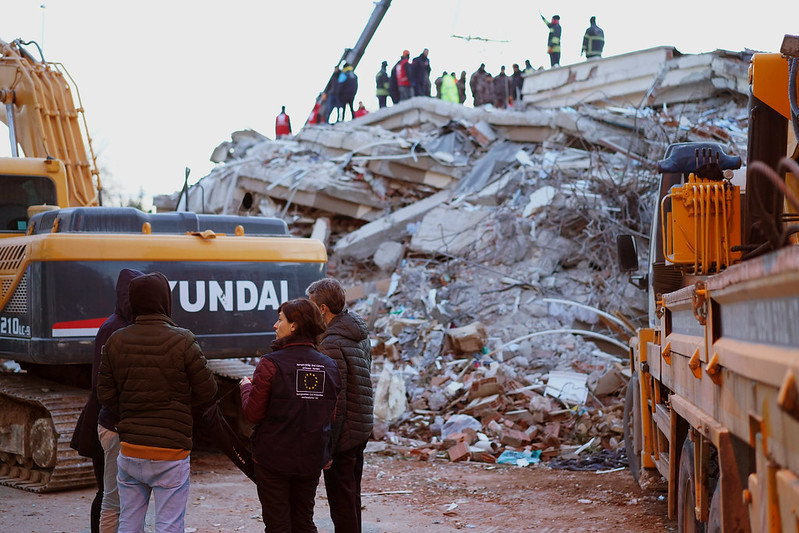
World Vision's Syria Türkiye Emergency ResponseOn Feb. 6, 2023, a major earthquake struck northwestern Syria and southeastern Türkiye. It registered a magnitude of 7.8, followed by a 7.5 magnitude quake about 60 miles southwest. The region experienced hundreds of aftershocks. A total of 11 provinces were affected in Türkiye, according to World Vision. The earthquake impacted an estimated 9.1 million people in Türkiye, with more than 50,000 lives lost, 3 million people displaced and nearly 300,000 buildings destroyed. The country had not faced a similar disaster since 1999 when a 7.6 magnitude earthquake hit Istanbul, killing more than 17,000 people.

Syria lost about 6,000 people to the earthquake, primarily in Idlib and Aleppo. The earthquake destroyed more than 10,000 buildings, including many schools and displaced 265,000 people, forcing them into temporary shelters. Overall, the World Bank estimates the damages at $34 billion for Türkiye and $5 billion for Syria. This disaster has compounded the displacement crisis in Syria, where millions were already displaced due to the ongoing civil war. Furthermore, the World Bank projects that the rebuilding costs could escalate to approximately $100 billion.

Immediate Impact of the Earthquake in Syria

On Feb. 8 and 9, 2023, the World Vision Syria Response team conducted a rapid assessment in Idlib and Aleppo to quickly gauge the immediate needs of those affected by the earthquake. The assessment involved 322 randomly selected participants from 25 different villages. Key findings indicated that the most urgent personal needs were for beds, cooking supplies, blankets, food and clothing. Additionally, 87% of respondents reported safety concerns, primarily due to low lighting, injuries or hazards from collapsed buildings and distress. Regarding shelter, 82% found refuge with family, friends or in camps. In addition, the survey revealed that 94% of participants had damaged homes, with 51% reporting their homes destroyed.

Long-term Economic Impact in Türkiye

The earthquake affected poverty rates in Türkiye. The Borgen Project reached out to a World Vision representative based in Canada, who wishes to be anonymous. When asked about the impact of the earthquake on poverty, the representative confirmed it worsened the situation, explaining, “Especially as these people were already facing a situation of protracted crises, the earthquake led to displacement, which resulted in the loss of capital stock and household wealth.”

Disaster Philanthropy reports that in the earthquake-affected provinces of Türkiye, about 40% of households live below the poverty line, compared to 32% nationwide. This rate could rise to more than 50%. A year after the disaster, many affected areas in Türkiye still lie in ruins. An estimated one in three children remain homeless, living in temporary shelters. As of Feb. 2024, about 660,000 children are still displaced, residing in small tents or metal containers that offer minimal protection from the elements.

In Syria, the ongoing conflict compounds the hardships for children in the wake of the earthquake. In addition to the conflict, they struggle with an economic crisis that has further damaged schools and hospitals. This situation leaves many without access to food and shelter. The United Nations (U.N.) World Food Programme has had to suspend aid in earthquake-affected areas due to the conflict.

World Vision’s Syria Türkiye Emergency Response

World Vision’s Syria Türkiye Emergency Response (STER) has assisted nearly 2.5 million people. It implemented 15 projects in Northwest Syria, addressing needs such as health services, water, sanitation, hygiene (WASH) and rebuilding schools. The organization also implemented psychological support services to aid recovery from trauma, particularly for children. This support has reached more than 1,300 students in schools. A notable case involved a 9-year-old girl who was terrified of returning to school after her house collapsed during her studies. She expressed “I am afraid to go to school. I don’t want the building to fall down when I start studying again”  With the help of World Vision adding mental health support sessions in schools, she has returned to school and is showing considerable improvement.

The anonymous source from World Vision also reports that the organization has assisted 114,064 people in Northwest Syria and 5,937 in Türkiye from the time of the initial disaster to the present. The source also highlighted the enhancement of mental health support, stating, “Following the earthquake, we also provided additional funding to World Vision Syria from private non-sponsorship donations with the goal to reach 9,846 people with psychosocial support.”

Looking Ahead

World Vision has assisted millions through the Syria Türkiye Emergency Response (STER) and other projects, helping citizens of both countries to recover. The Borgen Project inquired about the expected duration of the earthquake recovery efforts. The organization explained that while the initial emergency response has concluded, its focus is now on recovery and building resilience. It shared an excerpt from its strategy plan, which states that it will continue with STER and incorporate it into other projects running from Oct. 2023 until Sept. 2025. This timeline gives the organization an additional 13 months to continue making a difference in the lives of the people in Syria and Türkiye.

– Sabrina Betterly

Sabrina is based in Drums, PA, USA and focuses on Good News for The Borgen Project.

Photo: Flickr

September 4, 2024
https://borgenproject.org/wp-content/uploads/borgen-project-logo.svg 0 0 Precious Sheidu https://borgenproject.org/wp-content/uploads/borgen-project-logo.svg Precious Sheidu2024-09-04 01:30:202024-09-04 00:55:33World Vision’s Syria Türkiye Emergency Response
Advocacy, Global Poverty, Nonprofit Organizations and NGOs

Twaweza: A Mission to Empower Citizen Voices in East Africa

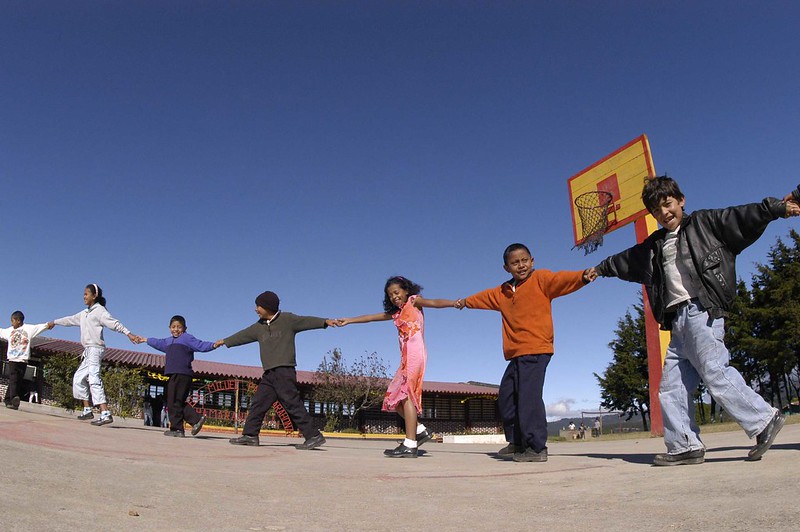
TwawezaIn East Africa, poverty and lack of government accountability are deeply intertwined issues that have long hindered the development of marginalized communities. Twaweza is a pivotal grassroots nongovernmental organization (NGO), founded in 2009, tackling these ongoing challenges head-on. It operates across Tanzania, Kenya and Uganda to empower citizens, enhance children’s learning and foster open and responsive governments. By promoting transparency, collaboration and citizen engagement, Twaweza addresses systemic issues of poverty by ensuring that marginalized communities can hold their governments accountable and demand better services and opportunities.
We Can Make It Happen

Twaweza means “we can make it happen” in Swahili, and its name captures the charity’s commitment to putting citizens at the center of change.  The organization believes in an open society where citizens are informed, engaged and organized to drive positive change in their communities and hold authorities accountable. Twaweza’s mission is centered on three key areas: 

  1. Demonstrating Collective Citizen Action. Between 2019 and 2023, Twaweza held nearly 1,400 community meetings in Uganda and Tanzania, engaging more than 93,000 attendees to identify and address local challenges. In Uganda, Twaweza conducted 233 village-level meetings despite limited legal requirements, while in Tanzania, 303 meetings led to 66 action plans, ensuring local governance remained accountable and transparent. These efforts empower communities to actively participate in decision-making actively, addressing systemic issues through collective action.
  2. Enabling Citizens’ Voices in Decision-Making. Twaweza in collaboration with more than 14 government institutions across Kenya and Uganda to ensure citizens voice informed policy decisions. Collaborations with ministries, especially during COVID-19, led to significant policy changes, such as the removal of mobile money levies in Tanzania and amendments to access information laws in Uganda. These partnerships highlight the critical role of citizen-driven data in shaping national policies and ensuring responsive governance.
  3. Promoting and Protecting Open Civic Spaces. Twaweza influenced 11 key laws, including those affecting media and political freedoms, by working in collaboration with diverse civil society groups. Notable successes include supporting the Tanzania Centre for Democracy in lifting the ban on political rallies and enhancing the capacity of various organizations to advocate for policy changes. Although challenges in strategic litigation led to shifts in focus, Twaweza continues to promote civic participation and protect democratic space through targeted advocacy and capacity-building efforts.

Uwezo – Revolutionizing Education Assessment

Launched in 2009, Twaweza’s Uwezo initiative, meaning “capability” in Swahili, targets the learning crisis in Kenya, Tanzania and Uganda. Uwezo assesses millions of children for basic literacy and numeracy skills through a citizen-led approach.

Volunteers conduct large-scale assessments and provide instant feedback to households, engaging communities in educational advocacy. Uwezo’s findings, revealing that many children lack foundational skills, have influenced policy and highlighted educational inequities. The program also demonstrated adaptability by assessing learning in crisis contexts, such as Uganda’s refugee settlements. UNESCO recognized Uwezo in its 2018 Global Education Monitoring Report.

Sauti za Wananchi – Giving Citizens a Voice

In a region where access to reliable data is often limited, Twaweza’s Sauti za Wananchi, meaning ‘Voices of the Citizens’ in Swahili, emerged as a groundbreaking initiative. Launched in 2013, it is Africa’s first nationally representative mobile phone survey. It gathers real-time, nationally representative data on citizens’ views in Kenya, Tanzania and Uganda. 

The survey, which engages 2,000 participants, led to significant policy impacts, with more than 150 pieces of media coverage and reaching hundreds of policymakers annually. The data collected plays a crucial role in influencing government transparency, policy-making and public debate on issues like education, health and governance. By providing a representative panel and facilitating direct interactions, it amplifies citizen voices, promotes government accountability and drives informed decision-making.

Open Government Partnership

Through its Open Government Partnership (OGP) initiative, Twaweza collaborates with governments. The organization develops and implements action plans that promote transparency, fight corruption and enhance public access to information. Furthermore, it calls on members to enhance reforms in 10 key policy areas over five years to strengthen democracies. The Challenge engages multiple public institutions globally, inspiring policy changes and public debate. With high participation, OGP recognizes outstanding efforts in international forums. Additionally, it boosts global democratic practices and reinforces Twaweza’s advocacy for accountable governance.

Looking Ahead

Twaweza’s work is a powerful reminder of the importance of NGOs for citizen engagement in combating poverty and fostering accountability. Furthermore, the charity is actively helping to create a future where all East Africans can access the services and opportunities they deserve. It stands as a beacon of hope for marginalized communities, demonstrating that through collective action, real change is possible.

– Fatima Naqavi

Fatima is based in London, UK and focuses on Good News for The Borgen Project.

Photo: Flickr

September 3, 2024
https://borgenproject.org/wp-content/uploads/borgen-project-logo.svg 0 0 Precious Sheidu https://borgenproject.org/wp-content/uploads/borgen-project-logo.svg Precious Sheidu2024-09-03 01:30:502024-09-03 01:09:41Twaweza: A Mission to Empower Citizen Voices in East Africa
Charity, Global Poverty, Nonprofit Organizations and NGOs

4 Charities Fighting Poverty in Honduras

Charities Fighting Poverty in HondurasHonduras, located in South America, faces significant challenges related to poverty, inequality and social unrest. According to the World Bank, half of the country’s population is impoverished, with a rate of 51.3% as of 2023. Poverty has left many Hondurans struggling to meet basic needs such as food, education and health care. In response, several charities are fighting against poverty in Honduras, providing essential services and support to the most vulnerable populations.

CEPUDO Honduras

CEPUDO Honduras, one of the charities fighting poverty in Honduras, has empowered communities by providing them with the tools they need to succeed. With a mission to develop communities and eradicate extreme poverty, CEPUDO works closely to provide shelter for those in need> Furthermore, they reduce hunger through monthly aid. The organization also focuses on improving access to education and health care. By working with a network of volunteers and donor organizations (such as Food for the Poor), CEPUDO has created long-lasting change in the communities it serves.

Additionally, CEPUDO Honduras has been involved in numerous projects to cultivate integral communities nationwide. These initiatives focus on essential aspects of basic living, including agriculture, infrastructure, education and access to clean water. The organization has established 26 communities nationwide, building approximately 20 schools and 45 water wells annually. Its mission also extends to health care, where it helps construct clinics and provides medical supplies to hospitals and health centers in Honduras through its partnership with Food for the Poor.

Feed the Children

Feed the Children is an international nonprofit organization that has been active in Honduras for several years, focusing on alleviating child hunger and malnutrition. The organization’s work in Honduras is part of a broader global effort to ensure that no child goes to bed hungry. Feed the Children’s approach in Honduras involves a combination of direct food distribution, educational support and community development programs designed to address the underlying causes of hunger.

In Honduras, Feed the Children operates feeding programs that provide nutritious meals to children in schools and community centers. These meals are often the only reliable source of nutrition for many children, helping to improve their health, concentration and academic performance. Beyond feeding programs, the organization also works to empower 10 different communities in the country by teaching parents and caregivers about ways to generate income and save money, along with providing vocational training. By focusing on the well-being of children, Feed the Children is not only addressing immediate hunger but also contributing to the long-term development of communities in Honduras.

Honduras Hope

New Hampshire-based Honduras Hope is a grassroots organization dedicated to improving people’s lives in rural Honduras through health care, education and community development. Endorsed by the United Federal GiveDirect Campaign as one of America’s best charities, the organization operates in some of the country’s most impoverished and remote areas, where access to essential services is limited or nonexistent. Honduras Hope’s mission is to empower these communities by providing the resources and support needed to overcome the challenges of poverty.

One of the core components of Honduras Hope’s work is its health care initiative. The organization provides a weekly nutrition program for San Jose and Plan Grande young children. In addition to health care, Honduras Hope is deeply involved in education, providing uniforms, school supplies, scholarship support, tutoring and a supervised boarding house for students attending school via long-distance travel. Through the approach above, the organization is helping to lift entire communities out of poverty and create a brighter future for the next generation.

Action Against Hunger

In Honduras, Action Against Hunger implements programs that address acute and chronic malnutrition, ensuring that children and families have the nutrition they need to survive and thrive. The organization also responds to emergencies, such as natural disasters and food crises, by providing food aid, clean water and other essential resources. Additionally, Action Against Hunger is actively involved in advocacy, raising awareness about the root causes of Hunger and pushing for policy changes to help reduce poverty and improve food security in Honduras. Last year, the organization helped more than 150,000 people in Honduras, demonstrating its commitment to eradicating global hunger.

Conclusion

The fight against poverty in Honduras is a strenuous process. However, organizations like CEPUDO Honduras, Feed the Children, Honduras Hope and Action Against Hunger significantly improve the lives of those in need. Through their combined efforts in education, health care, nutrition and community development, these charities provide hope and opportunity to the most vulnerable populations in Honduras.

– Christian Core

Christian is based in Princeville, HI, USA and focuses on Good News for The Borgen Project.

Photo: Flickr

September 1, 2024
https://borgenproject.org/wp-content/uploads/borgen-project-logo.svg 0 0 Lynsey 2 https://borgenproject.org/wp-content/uploads/borgen-project-logo.svg Lynsey 22024-09-01 03:00:022024-08-31 02:51:484 Charities Fighting Poverty in Honduras
Child Poverty, Global Poverty, Nonprofit Organizations and NGOs

4 Charities Combating Child Poverty in Brazil

Child Poverty in BrazilBrazil has the second-highest economy in the Americas. Despite the country having a whopping gross domestic product (GDP) range of $2.17 trillion as of 2023, it is also home to millions of children living in poverty. Vast disparities in wealth and access to essential resources persist, leaving many children and teenagers alike impoverished. Fortunately, several charities are working tirelessly to address these challenges and improve the lives of the most vulnerable children in Brazil. 

ChildFund

Since 1966, ChildFund has been helping impoverished children in Brazil, focusing on improving the lives of children and families in disadvantaged areas. The organization’s efforts center on education, health care and protecting children from violence and exploitation. ChildFund also aims to train community members to monitor water quality and has partnered with multiple programs to implement measures that promote safe water drinking—one of these partnerships accomplished providing clean water to more than 24,000 people in Brazil’s Jequitinhonha Valley.

One of ChildFund’s key initiatives in Brazil is its focus on education and skills training. The organization provides educational support to children, ensuring access to quality schooling and essential resources for success. This includes reducing violence in classrooms and socioeducational activities promoting leadership. Additionally, ChildFund Brazil empowered 8,200 children through its “Taking Care of the First Years of Life” program.

Children of Bahia

Children of Bahia is a nonprofit organization dedicated to supporting children in one of Brazil’s most impoverished regions, the state of Bahia. Established in 2005, the organization provides food, education and health care to children living in extreme poverty. By working directly with local communities, Children of Bahia addresses the needs of the children it serves and provides targeted support where needed most.

The organization also supports projects where children receive meals, access necessary health care and participate in extracurricular activities like the Wednesday Club. In addition to providing direct support, Children of Bahia strengthens families and communities by offering workshops and community development programs. This approach ensures children get the support they need to thrive at home and within their communities.

GlobalGiving

GlobalGiving is an international crowdfunding platform connecting donors with grassroots projects worldwide, including Brazil. The platform supports various initiatives to combat child poverty in Brazil through its platform. These projects are run by local organizations that deeply understand the communities they serve, ensuring that donations are used effectively to create lasting change.

In Brazil, GlobalGiving supports projects that provide education, health care and necessities to needy children. For example, some projects focus on improving rural communities’ access to clean water and sanitation. In contrast, others provide scholarships and educational resources to children who would otherwise be unable to attend school. The organization’s model allows donors to choose specific projects they want to support, providing transparency and ensuring that their contributions make a direct impact.

Compassion International

Compassion International is a well-known organization that works to alleviate child poverty through its child sponsorship programs. The organization provides children access to education, health care and spiritual guidance in Brazil. Compassion’s sponsorship programs connect donors with individual children. It provides them with the financial support needed to attend school, receive medical care and participate in extracurricular activities.

The organization has also served 223 churches to create safe and nurturing environments for the children, for which approximately 69,000 have received aid. In addition to meeting basic needs, Compassion’s programs emphasize the importance of emotional and spiritual well-being. They offer counseling and support to help children overcome the challenges they face.

Conclusion on Charities in Brazil

The work of charities such as ChildFund, Children of Bahia, GlobalGiving and Compassion International demonstrates that the power of collective action. These organizations have sufficiently reduced child poverty in Brazil via education, health care, food and water supply and sponsoring.

– Christian Core

Christian is based in Princeville, HI, USA and focuses on Good News for The Borgen Project.

Photo: Flickr

September 1, 2024
https://borgenproject.org/wp-content/uploads/borgen-project-logo.svg 0 0 Lynsey 2 https://borgenproject.org/wp-content/uploads/borgen-project-logo.svg Lynsey 22024-09-01 01:30:382024-08-31 02:32:234 Charities Combating Child Poverty in Brazil
elderly poverty, Global Poverty, Nonprofit Organizations and NGOs

Organizations Helping Guatemala’s Elderly Population

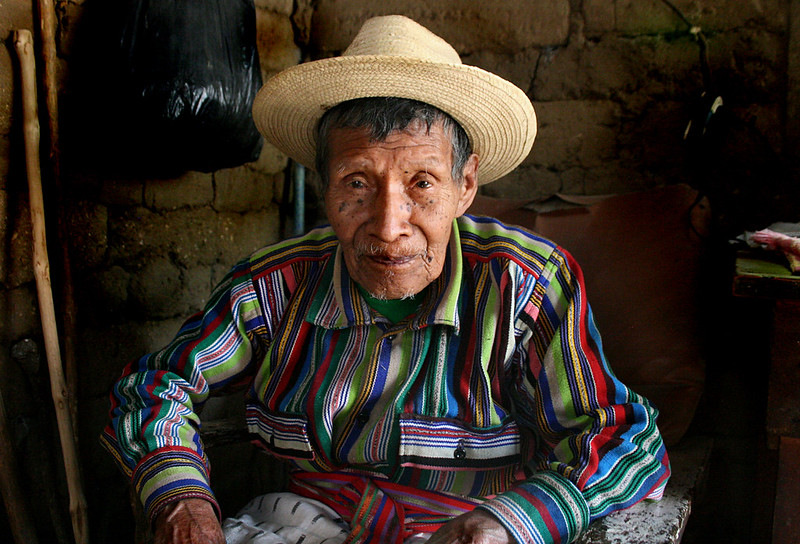
Guatemala’s Elderly PopulationGuatemala has among the highest poverty rates in Latin America and Guatemala’s elderly population is among the most vulnerable. In Guatemala, poverty was estimated at 55.1% of the population in 2023. According to the most recent data, Guatemala has serious public health issues. A third of the population suffers from health problems, such as chronic illnesses, malnourishment and limited access to health care. Nearly 1 million people in Guatemala are 60 years of age or older and a sizable percentage of them experience health issues.

Furthermore, more than 60% of the elderly population in Guatemala live in poverty. These staggering numbers are particularly alarming given the lack of a comprehensive social security system that provides financial stability to the country’s older people. Recognizing this struggle, several organizations and local communities have stepped up to create programs and initiatives that address the economic, medical and emotional needs of older people in Guatemala.

The Pan American Health Organization

In 2018, under the “Take Control of Your Health Initiative,” Don Manuel and other adults from San Jose la Communidad, Mixco, attended weekly health workshops led by trainers trained by the Pan American Health Organization (PAHO). The initiative aims to help participants manage chronic illnesses like hypertension and diabetes. Participants are taught how to control their blood pressure, eat healthier, exercise more, and maintain strong social connections.

World Health Organization (WHO) and PAHO representative Oscar Barreneche noted that the “program empowers older adults to take control of their health and prevent life-threatening complications.” More than 2,000 patients have graduated from the initiative since it started in 2015.

International Volunteers HQ

International Volunteers HQ is another noteworthy organization that has been making a difference since 2007. It stresses the importance of community involvement in supporting elderly individuals. The organization works closely with local leaders and volunteers to identify needy elderly citizens and provide them with tailored support.

One of its essential programs is a home visitation service, where volunteers visit elderly individuals in their homes. The visitors offer companionship, assistance with daily tasks and monitoring their health. This initiative ensures that older people are cared for while strengthening community bonds as younger generations learn the value of caring for older people. In 2023, the organization’s volunteers dedicated 111,149 hours to care for seniors in 27 countries, including Guatemala.

A Brighter Future for Guatemala’s Elderly

Although the challenges facing older adults of Guatemala are significant, the solutions emerging across the country offer hope. Organizations like the PAHO and International Volunteers HQ are leading the way in providing essential services and advocating for the rights of older people. Moreover, local communities are also showcasing that even small grassroots initiatives can substantially impact the lives of older people.

These efforts are not just about providing immediate or short-term relief. They restore dignity, foster a sense of community and ensure that all elderly in Guatemala can live their final years with care, dignity and respect. As these programs continue to expand, they inspire others to follow suit, increasing the prospects of a brighter future for Guatemala’s elderly population.

– Irtija Ahmad

Irtija is based in Slough, UK and focuses on Global Health for The Borgen Project.

Photo: Flickr

August 30, 2024
https://borgenproject.org/wp-content/uploads/borgen-project-logo.svg 0 0 Lynsey 2 https://borgenproject.org/wp-content/uploads/borgen-project-logo.svg Lynsey 22024-08-30 01:30:232025-02-11 04:01:05Organizations Helping Guatemala’s Elderly Population
Food Insecurity, Global Poverty, Nonprofit Organizations and NGOs

Organizations Tackling Food Insecurity in Chad

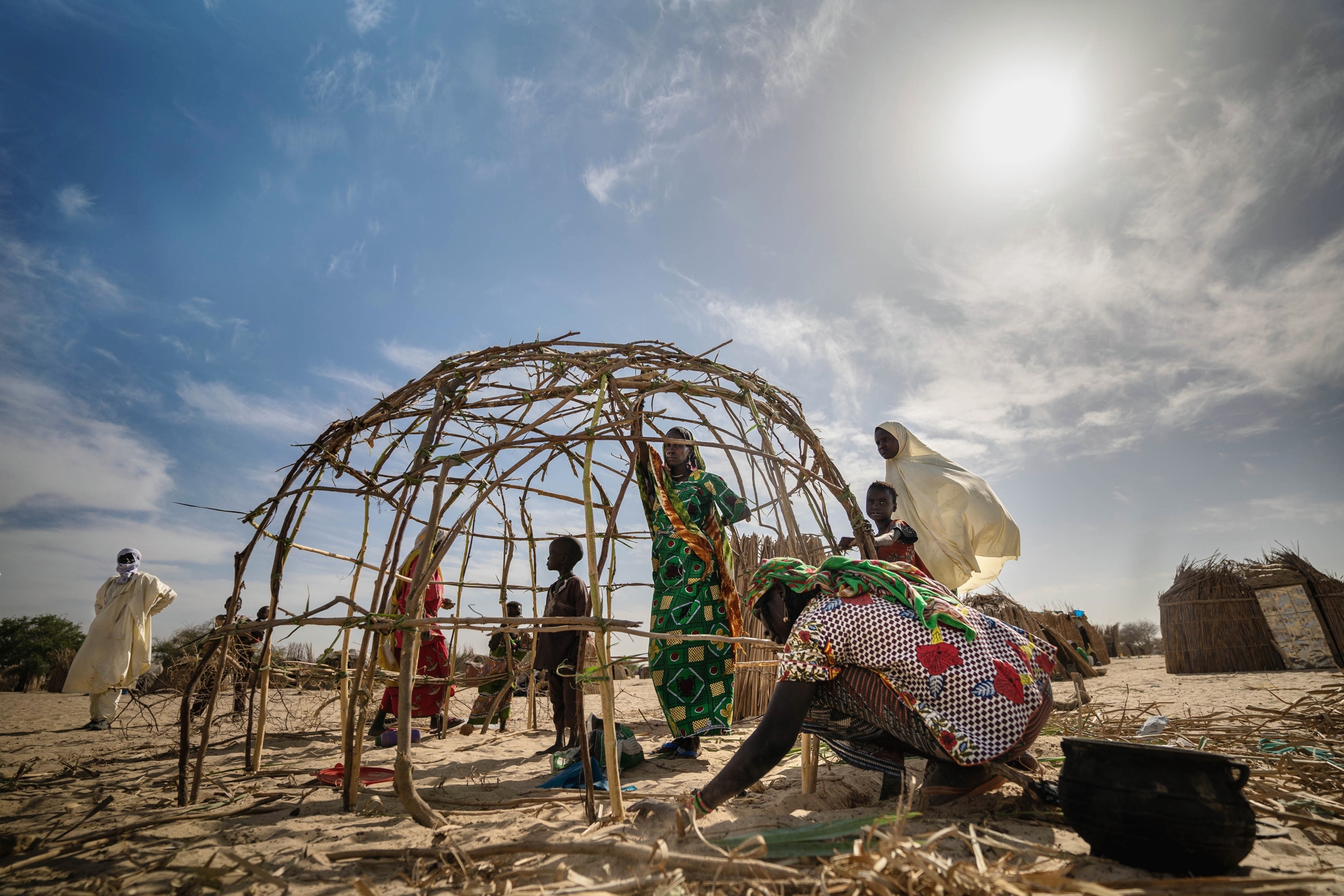
Food Insecurity in ChadChad, a landlocked country in central Africa, faces some of the highest levels of food insecurity and starvation globally. Approximately 42% of its population lives below the poverty line. With a score of roughly 35 on the 2023 Global Hunger Index, Chad has a severe hunger level. The ongoing conflict in Sudan has disrupted trade, driven up food prices and led to below-average market supplies, contributing significantly to the severe starvation in Chad. 

In addition to the extreme poverty faced by its residents, more than 600,000 refugees seeking shelter and security have entered Chad. Already hosting more than one million refugees, the country continues to grapple with widespread hunger and food insecurity despite the substantial refugee influx. However, several organizations are actively working to tackle food insecurity in Chad.

Action Against Hunger

This organization has already assisted more than 520,000 people, yet with a staggering 5.5 million people in need in Chad, many continue to struggle with food insecurity. While Action Against Hunger (AGA) provides food to vulnerable populations, the ready-made supplies are only a temporary solution. To address this issue more sustainably, AGA is teaching communities in Chad how to grow their own crops and manage limited rainfall to enhance local food production.

Concern Worldwide

Concern Worldwide has addressed food insecurity in Chad by implementing programs designed to enhance livelihoods. These initiatives provide participants the tools to achieve sustainable living, acquire new skills, improve crop yields and nutritional quality and generate income through small businesses.

Concern Worldwide’s efforts to build sustainable livelihoods in Chad have reached 62,000 people. The organization has also provided free health services, improved nutritional support and access to clean and safe drinking water to approximately 133,000 vulnerable individuals and people with disabilities.

Additionally, Concern Worldwide launched the Concerted and Inclusive Development in the Lake Province (DECILAC), a pioneering project supported by Facilité G5 Sahel. This project focuses on inclusively investing in food security, strengthening local value chains, enhancing education and mitigating food insecurity in the Lac province.

The World Food Programme

The World Food Programme (WFP) plans to assist 2.5 million people across Chad, including refugees, internally displaced persons (IDPs), returnees and other vulnerable groups. Between June and August 2024, WFP aims to reach more than one million individuals with food, cash and nutritional advice. The organization also focuses on pregnant and breastfeeding mothers facing food insecurity by providing malnutrition treatments and supporting school children with nutritious meals to help combat hunger and promote education.

Final Note

While hunger rates in Chad are high, the efforts of organizations like WFP and Concern Worldwide offer hope for a brighter future. With continued support and intervention, Chad can work toward overcoming these challenges, enabling its people to thrive within their communities and shift from merely surviving to truly living.

– Sadie Virgin

Sadie is based in Newport, Wales, UK and focuses on Good News for The Borgen Project.

Photo: Wikimedia Commons

August 29, 2024
https://borgenproject.org/wp-content/uploads/borgen-project-logo.svg 0 0 Lynsey 2 https://borgenproject.org/wp-content/uploads/borgen-project-logo.svg Lynsey 22024-08-29 01:30:252024-08-29 01:26:52Organizations Tackling Food Insecurity in Chad
Developing Countries, Global Poverty, Nonprofit Organizations and NGOs

Village Enterprise: Equipping Business Owners in Rural Rwanda

Village EnterpriseIt has been 30 years since the tragic 1994 Rwandan genocide, and Rwanda is still reeling from its aftershocks. The conflict, which claimed 800,000 civilian lives and displaced 1.5 million people, left the country’s infrastructure in ruins, with homes, schools and medical centers reduced to rubble. That year, the United Nations (U.N.) reported that the poverty rate in Rwanda peaked at 78%, rendering a significant portion of the population unable to afford necessities. Today, nearly half of all Rwandans live below the poverty line and 16% are in extreme poverty. Yet, despite these grim statistics, hope is on the horizon for sustainable economic growth.

A Strategic Partnership

The Government of Rwanda seeks to eradicate extreme poverty by 2030. A strategic partnership with civil society organizations, such as the U.S.-based NGO Village Enterprise, could support this goal. Village Enterprise specializes in entrepreneurial training in rural Africa, equipping aspiring business owners with the necessary skills and capital to get their ideas off the ground.

In the next few years, its work in Rwanda will offer more than 31,000 participating households training, startup cash ($180 per small business group of target size three households) and business mentoring to support the launch of enterprises like hairdressing, farming and bicycle repair. As such, the program is a critical component of the government’s effort to reduce unemployment and boost the national standard of living.

Village Enterprise’s Poverty Graduation Approach

Village Enterprise’s poverty graduation approach has already shown significant success. This model, designed to lift individuals from extreme poverty and give them the tools to achieve financial independence, is a game-changer. Many beneficiaries, particularly women, who comprise 82% of the program, have reported a substantial increase in income, improved living conditions and a newfound sense of agency.

Celeste Brubaker, Chief of Impact and Innovative Financing at Village Enterprise recounts speaking with program participants indelibly proud of the progress they have made and the lives they have built: “The entrepreneurs often explain how their businesses have empowered them to achieve goals such as improving their diets, sending their children to school or upgrading their homes.” Stories like these underscore the people-centered mission at the heart of the fight against extreme poverty and emphasize its outsize impact.

Bellancile’s story is a testament to the program’s efficacy. Bellancile, 42, of Butare, Rwanda, shares: “I used to believe that a woman eats because her husband works, but now I’m the one feeding my family.” Bellancile’s experience is among many. Since Village Enterprise established its presence in Rwanda in 2021, nearly 14,000 entrepreneurs and 6,000 new businesses have emerged from its entrepreneurial program, with the figures to increase in the next couple of years.

A New and Promising Contribution

On July 17, 2024, the Fund for Innovation and Development (FID), an independent body hosted by the French Development Agency (AFD), issued a $1.3 million grant to Village Enterprise. These funds, combined with a $6.5 million grant awarded to the organization by the United States Agency for International Development (USAID) last year, will cofinance its initial scaling work in Rwanda.

Village Enterprise is also partnering with the Rwandan government to extend the program’s reach, seeking to raise an additional $22 million to establish an outcomes fund, which Brubaker believes will “incentivize service providers who effectively support communities and discourage participation from less effective organizations.” Increasing the organization’s capacity beyond its current operations in four Rwandan districts could enable its entrepreneurial training to serve an additional 125,000 households by 2027.

Navigating the Challenges

Overall, the country’s economic outlook is positive. The World Bank reported a 7.6% growth in gross domestic product (GDP) for the first three quarters of 2023 and anticipates significant gains in the next two years. Village Enterprise’s entrepreneurial program has played a role in the country’s economic recovery. However, challenges persist, including external shocks, limited resources, ineffective sequencing, difficulties in impact measurement and disjointed coordination.

Despite the obstacles, though, Jean Pierre Sibomana, Village Enterprise’s Rwanda Scaling Project Director, points to reasons to be optimistic: “The country is focused on sustaining livelihoods through initiatives like Ejo Heza, a pension program for especially those working in the informal sector, as well as job creation and the development of the education sector… It’s a long journey, but looking at how committed the government is, it presents hope.” Indeed, Village Enterprise’s entrepreneurial training program, bolstered by philanthropic contributions, may prove a linchpin of the government’s efforts to eradicate extreme poverty in the near future.

Maurice Nirere, Village Enterprise’s Senior Manager of Monitoring and Evaluation in Rwanda, recommends other pan-African governments follow suit. He emphasizes the importance of international collaboration, stating that by “putting in place well-designed strategies and anti-poverty policies, [governments can demonstrate] a political willingness to combat poverty and [create] a room to collaborate with international agencies.” This call for global collaboration makes aid agencies and governments part of a shared mission and fosters a sense of shared responsibility.

Looking Ahead

Village Enterprise’s progress in Rwanda has made a tangible impact, changing lives and stabilizing rural areas embroiled in extreme poverty. Emerance of Rulindo, Rwanda, has forged a path to success and independence with the organization’s support. She and her business partners, Lucie and Domithile, are now not merely surviving but providing for their families in ways they never imagined possible. Their tenacity and even the name of their business, “Bright Future,” signal prosperous days ahead for thousands across Rwanda.

– Natalie Kaufman

Natalie is based in Orlando, FL, USA and focuses on Business and Good News for The Borgen Project.

Photo: Flickr

August 27, 2024
https://borgenproject.org/wp-content/uploads/borgen-project-logo.svg 0 0 Lynsey 2 https://borgenproject.org/wp-content/uploads/borgen-project-logo.svg Lynsey 22024-08-27 01:30:512024-08-26 10:15:28Village Enterprise: Equipping Business Owners in Rural Rwanda
Education, Global Poverty, Nonprofit Organizations and NGOs

3 Nonprofits Improving Education in Singapore

3 Nonprofits Improving Education in SingaporeSingapore, one of the wealthiest countries in the world, is often recognized for its top-tier education systems. High test scores, prestigious schools and rigorous math programs are all thoughts that come to mind when thinking about the Singapore education system. However, not everyone is privileged enough to receive this top-notch education in Singapore. About 12% of Singaporean families are low-income families, barely earning enough money to support their families. With this comes the inability to provide high-quality education for children. To help combat this issue, these three organizations are all working to make sure people in poverty are also receiving a good education. 

Project Dignity

Established in 2010, Project Dignity has a mission of giving back “dignity” to lower-class individuals through education and specialized training. The organization provides skills training and employment opportunities for people who are living in poverty. It also welcomes people with learning or physical disabilities. Project Dignity’s Kitchen teaches people the skills needed to work in the food and beverage industry. In addition, other projects focus on educating people and giving unemployed people skills that can potentially help them get employed. Through this service initiative, the organization helps people get employable skills and also gives them confidence in their work and education, helping them escape poverty. 

ReadAble

This organization was founded in 2014 and is focused on literacy and education for children living in poverty. It offers reading and language programs for these children. The organization has volunteer tutors who work with children and develop their reading and writing skills. It aims to encourage children to love learning and have a desire to learn more. This organization helps children with less resources and privilege build the confidence and skills needed to do well academically, giving them a better chance at a brighter future. Essentially, this organization works to provide quality education and assistance with education in Singapore for lower-class children.

South Central Community Family Service Centre

Established in 2013, the South Central Community Family Service Centre helps lower-class families that are struggling to make ends meet. It focuses on assisting adults and children in an educational aspect. It provides many services, including financial aid for school fees, tuition programs and educational workshops for children and even their parents. Its approach ensures that families receive not only the financial support they need but also the mentorship and resources to help their children do well in school. This organization does significant work to help lower-income children receive equal education as all other Singaporean children. Ultimately, this organization strives to make quality education in Singapore accessible to all. 

Looking Forward

While Singapore is often regarded as a country with the best education, not everyone is living this reality. However, Project Dignity, ReadAble and the South Central Community Family Service Centre are all nonprofit organizations working to make every child employable and have a proper education for a job in the future. These organizations all recognize that education is a key variable in helping children escape the poverty cycle. Disparity in education in Singapore is still a critical issue that has very little awareness. 

– Poppy Duggal

Poppy is based in Munich, Germany and focuses on Good News for The Borgen Project.

Photo: Flickr

August 24, 2024
https://borgenproject.org/wp-content/uploads/borgen-project-logo.svg 0 0 Precious Sheidu https://borgenproject.org/wp-content/uploads/borgen-project-logo.svg Precious Sheidu2024-08-24 01:30:162024-08-22 14:30:123 Nonprofits Improving Education in Singapore
Page 15 of 60«‹1314151617›»

Get Smarter

  • Global Poverty 101
  • Global Poverty… The Good News
  • Global Poverty & U.S. Jobs
  • Global Poverty and National Security
  • Innovative Solutions to Poverty
  • Global Poverty & Aid FAQ’s
Search Search

Take Action

  • Call Congress
  • Email Congress
  • Donate
  • 30 Ways to Help
  • Volunteer Ops
  • Internships
  • Courses & Certificates
  • The Podcast
Borgen Project

“The Borgen Project is an incredible nonprofit organization that is addressing poverty and hunger and working towards ending them.”

-The Huffington Post

Inside The Borgen Project

  • Contact
  • About
  • Financials
  • President
  • Board of Directors
  • Board of Advisors

International Links

  • UK Email Parliament
  • UK Donate
  • Canada Email Parliament

Get Smarter

  • Global Poverty 101
  • Global Poverty… The Good News
  • Global Poverty & U.S. Jobs
  • Global Poverty and National Security
  • Innovative Solutions to Poverty
  • Global Poverty & Aid FAQ’s

Ways to Help

  • Call Congress
  • Email Congress
  • Donate
  • 30 Ways to Help
  • Volunteer Ops
  • Internships
  • Courses & Certificates
  • The Podcast
Scroll to top Scroll to top Scroll to top