• Link to X
  • Link to Facebook
  • Link to Instagram
  • Link to TikTok
  • Link to Youtube
  • About
    • About Us
      • President
      • Board of Directors
      • Board of Advisors
      • Financials
      • Our Methodology
      • Success Tracker
      • Contact
  • Act Now
    • 30 Ways to Help
      • Email Congress
      • Call Congress
      • Volunteer
      • Courses & Certificates
      • Be a Donor
    • Internships
      • In-Office Internships
      • Remote Internships
    • Legislation
      • Politics 101
  • The Blog
  • The Podcast
  • Magazine
  • Donate
  • Click to open the search input field Click to open the search input field Search
  • Menu Menu

Archive for category: Nonprofit Organizations and NGOs

Information and stories about nonprofit organizations and NGOs

Economy, Global Poverty, Nonprofit Organizations and NGOs

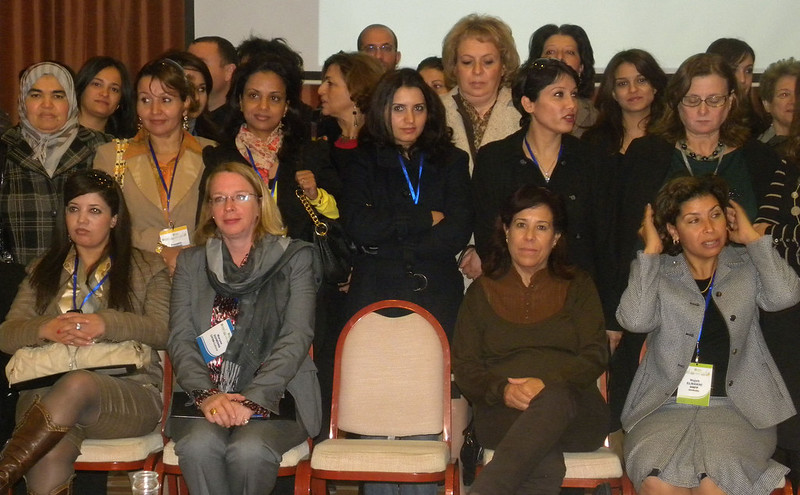
Having An Impact: NGOs In Tunisia

NGOs In TunisiaTunisia, the northernmost African country, is classified as a developing country by the International Monetary Fund (IMF). It boasts a unique culture, characterized by a blend of European and Middle Eastern influences and reveals promising prospects for economic well-being. However, it faces several significant barriers to development. These include a rising debt burden, worsened by the COVID-19 pandemic, which has hindered Tunisia’s ability to borrow from foreign organizations and an alarming youth unemployment rate of 40%. Tunisia is actively working to rectify these ongoing issues and the efforts of nongovernmental organizations (NGOs) play a crucial role in alleviating the common roadblocks faced by developing countries, providing essential assistance globally.

FISTA

The First Step Together Association (FISTA), is one of the NGOs operating in Tunisia, with a primary focus on at-risk youth, in particular those with cognitive impairments and learning disabilities. Since its humble beginnings in 1989, as a reed-built school housing nine children, FISTA has gradually expanded its operations to cover and support the needs of adolescents impacted by learning disabilities outside of just North Lebanon. The work of FISTA is crucial. Youth with learning disabilities are all too often disregarded even in nations not classified as developing countries. 

Another initiative from FISTA, in partnership with UNICEF, is its internship program. This pre-vocational program specifically targets increasing diversity and inclusion in the workforce and empowers those with disabilities or other factors impacting their success to find their footing. The initiative funded a program that engaged eight young individuals in two-month training programs for various trades, including haircutting, mechanical work and restaurant work. Empowering those with disabilities to secure sustainable income is vital in reducing Tunisia’s youth unemployment rate of 40%.

Assen

The Association de Soutien aux Enfants (Children’s Support Association, also known as ASSEN) is an NGO based in Tunisia that supports women and children in the country, particularly by aiding low-income women who aspire to become entrepreneurs. ASSEN focuses on what it calls “micro-projects.” For example, by funding small-scale projects such as building new breeding broilers, ASSEN significantly impacts the economy, aiding a group that might otherwise remain underrepresented. Targeting initiatives like these effectively assists the economy by creating more jobs and enabling those without resources to achieve personal goals and contribute economically.

Islamic Relief Worldwide

Islamic Relief Worldwide (IRW) is an NGO operating primarily in Muslim countries, including a chapter based in Tunisia. Its operations are notably diverse, with programs to assist Tunisian youth through educational initiatives similar to those of FISTA and others focused on supporting the country’s sustainability needs. IRW assists Tunisia in achieving its developmental goals by empowering farmers with the tools and technical knowledge necessary to thrive in the country’s sometimes challenging climate.

In a specific instance, IRW responded to a call for assistance in the Kebili province of Tunisia, a region challenging for farmers due to its climate. When heavy sandstorms in 2017 damaged farmers’ equipment and jeopardized their productivity, IRW intervened. With the organization’s help, 276 farmers received new greenhouses to replace those lost. In a follow-up to this program, 66 farmers received new resources and vocational training to further aid their operations. Supporting Tunisia’s farmers aligns directly with the country’s broader interests and the impact of programs like this from Islamic Relief Worldwide continues to be felt at the moment.

Islamic Relief and Schools

Another example of IRW impacting Tunisia involves its efforts to improve the health and safety of schools in the region. A common challenge faced by Tunisian schools is the lack of access to basic washing facilities, which contributes to poor hygienic standards and the inadvertent spread of diseases such as hepatitis and COVID-19. Additionally, poor infrastructure planning has resulted in many unisex bathrooms, increasing the risk of sexual violence and abuse for many youths. To address these issues, Islamic Relief conducted sessions to stress the importance of hygiene and installed necessary hygiene facilities in schools, benefiting an estimated 75,000 students. Addressing hygiene issues has been a significant game changer, as approximately 100,000 students previously dropped out due to the lack of proper hygienic facilities in schools.

Looking Ahead

NGOs play a pivotal role in addressing Tunisia’s developmental challenges, particularly in areas such as youth unemployment, education and agricultural sustainability. Organizations like FISTA, ASSEN and Islamic Relief Worldwide are implementing targeted initiatives that provide essential support to vulnerable populations, including at-risk youth and low-income women. Through vocational training, micro-projects and improvements in education and agricultural infrastructure, these NGOs in Tunisia contribute significantly to Tunisia’s efforts to overcome its economic hurdles and enhance overall well-being.

– Malik Vega

Malik is based in Miami, FL, USA and focuses on Good News for The Borgen Project.

Photo: Flickr
August 23, 2024
https://borgenproject.org/wp-content/uploads/borgen-project-logo.svg 0 0 Precious Sheidu https://borgenproject.org/wp-content/uploads/borgen-project-logo.svg Precious Sheidu2024-08-23 01:30:282024-08-22 13:27:37Having An Impact: NGOs In Tunisia
Charity, Global Poverty, Nonprofit Organizations and NGOs

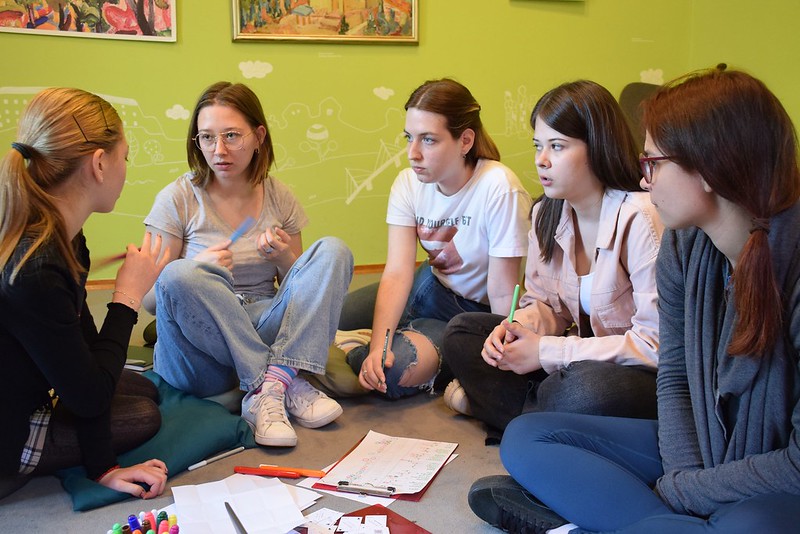
MCIC Leading the Way in North Macedonia

MCICNestled in the heart of the Balkans, North Macedonia is marked by its rich cultural heritage and historical significance. Yet, like many nations in the region, it grapples with significant socioeconomic challenges, including poverty, high unemployment rates and limited access to essential services such as health care and education. Despite these obstacles, several dedicated charities and organizations are making strides to improve the lives of North Macedonians. Through their focused efforts in health care, education and social inclusion, these organizations address immediate needs and lay the groundwork for long-term, equitable development.

MCIC

Established in 1993, the Macedonian Center for International Cooperation (MCIC) promotes sustainable development, civil society and democracy in North Macedonia. The organization implements a wide range of programs for poverty reduction, social inclusion and community development. MCIC’s efforts include supporting small-scale agricultural projects, advocating for improved water management and promoting gender equality and social justice.

By working with local communities and international partners, MCIC helps create opportunities for marginalized groups and contributes to the overall development of North Macedonia. Since its inception, MCIC has established more than 1,300 projects as part of 60 programs in several sectors, including health and education and immediate aid. The organization has also enhanced rural communities’ ability to address internal issues, leading to improved access to drinking water for 250 villages across the country.

SOS Children’s Villages North Macedonia

SOS Children’s Villages North Macedonia is part of the global SOS Children’s Villages network. It provides long-term care, education and family support for children without parental care or those at risk of losing it. The organization has been active in North Macedonia since 1995, focusing on creating a loving home environment for needy children.

The organization offers family-strengthening programs that support vulnerable families in maintaining stability, ensuring children can grow up in a secure environment. SOS Children’s Villages North Macedonia also provides educational support and vocational training, empowering young people to become self-reliant adults. The organization currently supports 330 adults and children, with about 160 young people attending its training.

Red Cross of the Republic of North Macedonia

The Red Cross of the Republic of North Macedonia has been vital to the country’s humanitarian efforts since its establishment in 1945. The organization provides various services, including disaster relief, health and social care and support for vulnerable groups such as the elderly, disabled and refugees. Through its extensive network of volunteers, the Red Cross delivers essential aid during emergencies, conducts blood donation drives and offers first aid training to the public.

The organization also runs various programs promoting health and well-being, such as disease prevention campaigns and mental health support services. In 2022, the Red Cross of the Republic of North Macedonia reached more than 60,000 people with its long-term services and development programs and 1,200 people with its disaster response and early recovery programs.

Project HOPE

Project HOPE has been active in North Macedonia since 1992, focusing on improving health outcomes and building resilient health care systems. The organization works closely with local partners to train health care professionals, enhance medical facilities and ensure access to essential medicines and services. Project HOPE’s efforts include addressing chronic health issues such as cardiovascular diseases and diabetes and supporting maternal and child health programs.

In 2007, Project HOPE, through its Medical Re-Supply Program (SMRP), delivered $97 million “worth of essential medicines and medical supplies throughout the country.” By strengthening the health care infrastructure and empowering medical staff with the necessary skills and resources, Project HOPE is improving health care quality in North Macedonia.

Shaping a Brighter Future

In the face of significant socioeconomic challenges, these organizations exemplify the resilience and dedication needed to foster positive change in North Macedonia. Through their diverse and impactful programs, they are addressing immediate needs and laying the groundwork for long-term, equitable growth across the country. These charities empower individuals and communities by focusing on essential areas such as health care, education, social inclusion and humanitarian aid, paving the way for a more prosperous and inclusive future for all North Macedonians.

– Benjamin DeMarais

Benjamin is based in Rogers, MN, USA and focuses on Business and New Markets for The Borgen Project.

Photo: Flickr
August 20, 2024
https://borgenproject.org/wp-content/uploads/borgen-project-logo.svg 0 0 Lynsey 2 https://borgenproject.org/wp-content/uploads/borgen-project-logo.svg Lynsey 22024-08-20 01:30:492024-08-19 13:11:07MCIC Leading the Way in North Macedonia
Aid, Global Poverty, Nonprofit Organizations and NGOs

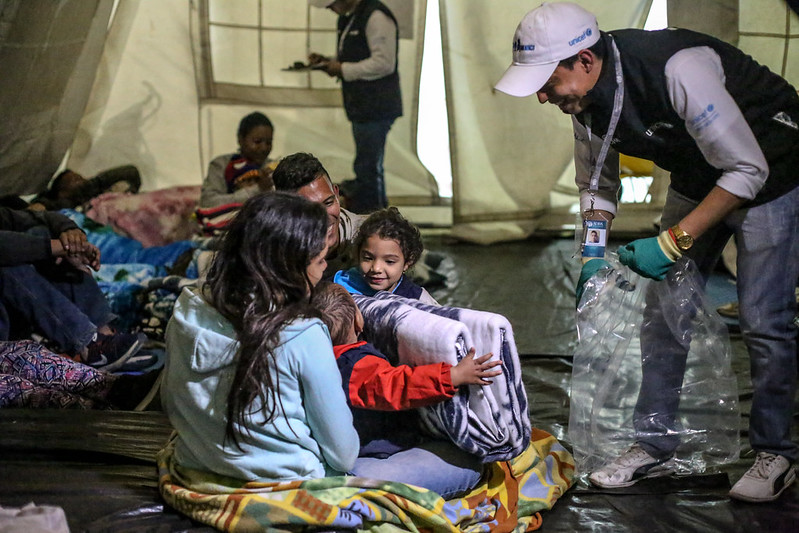
CARE: Addressing the Crisis in Venezuela

CARE: An Organization Addressing the Crisis in VenezuelaIn just a decade, more than 7.7 million people have fled their homes due to the crisis in Venezuela, marking it as one of the largest exoduses in recent Latin American history and one of the largest displacements worldwide. The country struggles with three simultaneous crises: a massive exodus, escalating humanitarian emergencies and intensified crackdowns on government dissent.

Economic Decline

Venezuela, home to the world’s largest oil reserves, has become highly dependent on its fossil fuel income since the discovery, evolving into what is known as a petrostate. As the nation’s reliance on oil increased, political power concentrated increasingly in the hands of an elite minority, which weakened political institutions and led to widespread corruption. However, starting in 2014, oil production began to decline due to inadequate investment and maintenance. Between 2014 and 2021, Venezuela’s Gross Domestic Product shrank by three-quarters, leading to severe economic distress.

CARE’s Involvement in Crisis Management

Since 1945, CARE, a nonprofit organization, has been actively working to address the crisis in Venezuela at a local level and build lasting institutions that support Venezuelan citizens and refugees. Operating in 109 countries, CARE has implemented more than 1,600 development projects aimed at fighting poverty. As of 2024, its work has reached 167 million people. CARE focuses on creating and funding long-term development projects that aim to reduce poverty, rather than merely alleviating immediate needs.

CARE focuses on six main issues: crisis, food and water, health, education and work, climate and equality. The organization addresses these issues through advocacy, innovation, women’s economic justice, strengthening social systems and enhancing local partnerships. In crisis response, CARE aims to deliver gender-focused and localized humanitarian assistance to 10% of people affected by major crises by 2030, impacting at least 50 million people. In Venezuela, CARE is actively implementing crisis response programs to support citizens and refugees affected by the humanitarian crisis.

Regional Refugee Support and CARE’s Response

The crisis in Venezuela has forced approximately 20% of the country’s population to become refugees, with CARE heavily focusing on providing aid to these individuals in surrounding countries. Most Venezuelan refugees find themselves in Colombia, Ecuador and Peru. However, Ecuador curtailed its influx of refugees in 2019 by requiring entry visas from Venezuelan citizens, whereas Colombia has welcomed nearly 1.7 million Venezuelan refugees. Since 2018, CARE has expanded its operations in Latin America, specifically in Ecuador, Colombia and southern Venezuela, to respond to this mass exodus.

CARE offers cash vouchers for food and accommodation, transportation tickets, phone SIM cards and sanitary kits for women. In Colombia, new arrivals also receive legal counseling and information services through CARE. Nearly one million Venezuelans have fled to Peru, where CARE provides food and cash assistance and refurbishes shelters and health clinics. Additionally, CARE collaborates with local partners and leverages international support to help refugee host countries promote long-term integration. This includes providing education, health services, social protection, legal advice and entrepreneurship opportunities.

CARE’s Community and Gender-Specific Initiatives

In Venezuela, CARE organizes awareness campaigns and activities to combat gender-based violence and is initiating efforts to address child malnutrition in Caracas. Currently, CARE operates in Caracas and Miranda, collaborating with intervention partners to support vulnerable families, female-headed households, families with children under 5 and the elderly. It provides water, sanitation, hygiene, food and nutrition security, shelter, sexual and reproductive health education and cash voucher assistance. In all its programs, CARE aims to engage 30% of the community to foster social cohesion.

CARE allocates 90% of its expenses to fund programs like those addressing the crisis in Venezuela, but it has only raised 54% of the funds needed to assist everyone currently in crisis. Spreading these funds across all the countries it serves means that many projects cannot reach everyone it aims to help. CARE encourages people not only to donate but also to speak out about these issues. It provides resources where people can help, attend awareness and fundraising events, organize local events and stay connected with the CARE community.

Looking Ahead

The ongoing crisis in Venezuela has resulted in the displacement of millions and severe humanitarian challenges. CARE continues to play a vital role in supporting Venezuelan refugees and citizens, providing essential services like food, shelter and legal assistance across Latin America. Despite limited funding, CARE remains committed to addressing the crisis, emphasizing the importance of community engagement and gender-specific initiatives to foster long-term recovery and stability.

– Anna Thibodeau

Anna is based in Omaha, NE, USA and focuses on Good News for The Borgen Project.

Photo: Flickr

August 18, 2024
https://borgenproject.org/wp-content/uploads/borgen-project-logo.svg 0 0 Precious Sheidu https://borgenproject.org/wp-content/uploads/borgen-project-logo.svg Precious Sheidu2024-08-18 01:30:322024-08-17 10:33:55CARE: Addressing the Crisis in Venezuela
Africa, Global Poverty, Nonprofit Organizations and NGOs

4 Organizations Helping the People of Tanzania

Helping the People of TanzaniaWith a population of more than 67 million people, the poverty rate in Tanzania in 2022 was around 44%. However, many organizations are helping the people of Tanzania break out of the cycle of poverty. Solutions are being sought for the root causes of poverty for all generations. Below are four organizations focusing on helping the people of Tanzania.

ActionAid

ActionAid is an international non-profit organization working with girls and women living in poverty. The organization focuses on poverty eradication and achieving social justice and gender equality. Additionally, ActionAid has been working with Tanzania since 1997. It has helped children to go to and stay in school, Furthermore, it has provided agricultural training and support to women and girls who are at risk of violence. ActionAid has worked with local communities in Tanzania to develop school systems and encourage more girls to enroll in school and continue with their education. It has provided schools with essential equipment and children’s clubs that teach children about their rights.

In 2016, ActionAid helped more than 2,000 children stay in school. To prevent hunger and famine, staff taught agricultural skills to women and dug new boreholes as well as teaching the local community how to repair them. The organization dug three new boreholes on the island of Mafia, giving 571 people access to clean water.

For women and girls who have experienced violence, ActionAid provides counseling, legal advice and care in specialist shelters. During the COVID-19 pandemic, ActionAid raised awareness in Tanzania about hygiene practices. According to their website, ActionAid distributed over 60 water tanks to schools, markets and public spaces.

Sightsavers

Sightsavers is an international organization that focuses on treating eye diseases. The organization carries out eye operations and distributes treatments when needed. Although the government provides the majority of health care services, most of the country struggles to access them because of the “shortage of staff, essential medicines and adequate equipment.”

Sightsavers has worked in Tanzania to improve eye health care and disease control. It provides regular eye screening, training staff to fill gaps in the national eye care service and reaching out to communities to increase understanding about eye conditions. To control diseases, Sightsavers works with partner organizations to provide medication to communities across the country to help prevent and treat trachoma.

The organization has advocated for disability rights by working with local governments to make schools more inclusive. Additionally, they offer training and paid internships by partnering with local businesses.

WaterAid

WaterAid is an international non-profit organization that aims to make clean water, toilets and good hygiene available for everyone. Around the world, the organization has provided around 30 million people with clean water, 30 million people with good toilets and 27.8 million with good hygiene.

The organization has been helping the people of Tanzania for 40 years. WaterAid has developed a five-year strategy to end water, sanitation and health crises. They align their work with the Government of Tanzania’s Water Sector Development Program and aim to overcome the sector’s key challenges. WaterAid has been working to achieve universal access to health care and sanitation and supporting the nation to eradicate extreme poverty and improve the lives of the poorest in Tanzania.

Tanzania Development Trust

The Tanzania Development Trust is a voluntary organization that helps to provide education for girls, clean water and investments in income generation, with a special focus on sustainable ways to overcome poverty. It works with communities and individuals to ensure that all people have access to education and live healthy and empowered lives. The organization works on three main areas of development: community empowerment, education and access to water. It has installed village water points to reduce the time spent collecting water and to reduce disease. Furthermore, they have set up girls’ hostels which aim to raise achievements in government high schools by improving access to education.

The Tanzania Development Trust has been working towards improving access to sanitation and water facilities in the poorest regions of the country. It has funded projects with cost-effective and sustainable ways to improve water and sanitation facilities such as providing wells, pipelines and pumps for irrigation.

The organization has also invested in programs to help women earn income, such as tailoring workshops and agricultural projects. It provided a women’s group in Muleba with a solar irrigation pump to double their harvests and grow crops all year round. With this pump, they could provide more food to the widows and orphans in the area.

Looking Ahead

Tanzania is working towards reducing poverty through the help of international and domestic organizations. Furthermore, the country is finding sustainable ways to improve the lives of the people of Tanzania. With help from charitable organizations as well as international aid and help from the government of Tanzania, the poverty rate should steadily decrease, leading to a better future for the citizens of Tanzania.

– Kimran Gill

Kimran is based in Leicester, UK and focuses on Celebs and World News for The Borgen Project.

Photo: Flickr

August 16, 2024
https://borgenproject.org/wp-content/uploads/borgen-project-logo.svg 0 0 Naida Jahic https://borgenproject.org/wp-content/uploads/borgen-project-logo.svg Naida Jahic2024-08-16 01:30:052024-08-15 12:54:204 Organizations Helping the People of Tanzania
Global Poverty, Health, Nonprofit Organizations and NGOs

Addressing Health Crisis in Mali: Efforts and Challenges

Transforming Health Access in Mali Mali, an inland sub-Saharan country in West Africa, ranks among the poorest in the world. The country has suffered from ongoing conflicts, notably the 2012 Tuareg rebellion and the subsequent Mali war, alongside challenges such as unemployment, food insecurity and extreme climate variability. As a result, Mali’s health care system has also been severely compromised.

Current Health Crisis in Mali and Barriers

A 2024 UNICEF Health Crisis in Mali report states that 5.4 million people require health assistance and 2.5 million need nutritional support. In a special interview with The Borgen Project recently, an International Medical Corps field operator discussed several challenges in providing health care in Mali. These include a lack of quality infrastructure and medical equipment, insufficient electricity and difficulties accessing remote areas.

UNICEF’s Response

Amid the conflict, UNICEF stepped in to assist, particularly during roadblocks, by deploying community health agents who acted as frontline responders, equipped to combat diseases such as diarrhea, pneumonia and malaria. In 2018, UNICEF achieved significant milestones, including eliminating maternal and newborn tetanus in six regions. Throughout the year, Mali also maintained its polio-free status. It continued to strengthen the national health system’s capacity to deliver life-saving emergency health interventions and services, including vaccination services in the northern conflict-affected regions.

Health Mobile Clinics in Mopti

In the Mopti region, the European Union (EU) and its humanitarian partner Save the Children provide free health care to vulnerable individuals through mobile clinics. Each month, more than 1,500 people benefit from services that include consultations, prenatal check-ups and immunizations tailored for displaced individuals. These clinics treat various diseases and malnutrition and educate patients through sessions that raise awareness about good health practices. These sessions cover COVID-19 prevention, sanitation, vaccinations and more.

Novartis Foundation’s Contribution

Consulting a doctor typically costs around 1,000 CFA, valid for a week, while a prenatal consultation might cost about 2,500 CFA, which is quite expensive. The comprehensive survey on household living conditions (EICVM 2018 – 2019) reveals that 51% of Malians skip health care due to financial reasons.

The Novartis Foundation has significantly transformed health care in the region of Ségou. Covering 13 health areas and reaching a population of 200,000 people across 210 villages, the foundation’s commendable efforts include strengthening health insurance schemes, providing microcredit to women’s saving groups, investing in small businesses, diversifying farmers’ incomes and more.

Strengthening Health Care in Mali: The PACSU Initiative

The government of Mali, with funding from the World Bank, launched a four-year initiative called the Accelerating Progress toward Universal Health Coverage Project (PACSU). This project not only strengthens community health services but also establishes a robust emergency fund allocation system for responding to disasters and crises. Strengthening health infrastructure, ensuring accessibility and promoting economic stability are crucial for Mali’s future. As the world focuses on this nation, a collective effort is necessary to address the health crisis in Mali and solidify its health care system.

– Malaikah Niyazi

Malaikah is based in New Delhi, India and focuses on Global Health for The Borgen Project.

Photo: Flickr

August 15, 2024
https://borgenproject.org/wp-content/uploads/borgen-project-logo.svg 0 0 Precious Sheidu https://borgenproject.org/wp-content/uploads/borgen-project-logo.svg Precious Sheidu2024-08-15 01:30:572024-08-15 00:09:33Addressing Health Crisis in Mali: Efforts and Challenges
Developing Countries, Global Poverty, Nonprofit Organizations and NGOs

The Girl Generation: Organization Helping FGM Survivors in Kenya

The Girl GenerationFemale Genital Mutilation (FGM) carries many risks, perhaps the most unspoken one being the psychological impacts of the often traumatic procedure. Though there is little research on the mental effects on survivors of FGM, it is widely accepted that many women suffer from conditions like depression, anxiety and post-traumatic stress syndrome.

In Kenya, where prevalence rates of FGM are high, various forms of therapy are being used to help girls and women deal with the lasting consequences of FGM on their mental health. Art therapy has been proven to be an effective way of processing the trauma survivors of FGM in Kenya have experienced.

What Is It?

The World Health Organization (WHO) defines FGM as “all procedures that involve partial or total removal of the external female genitalia or other injury to the female genital organs for nonmedical reasons.” There are many serious risks to these procedures, including short-term issues like shock, infection and serious bleeding. Furthermore, long-term issues include urinary problems, complications in childbirth (increasing the likelihood of newborn death) and psychological trauma.

FGM is considered a violation of human rights. It is most often performed on girls and so can also be a violation of the rights of the child. More than 200 million girls and women alive today are survivors of FGM. It is estimated that around 3 million people are at risk annually. In Kenya, FGM remains a significant issue, with a prevalence rate of 15%. While this marks progress from 21% in 2014 to 38% in 1998, more work is needed to reduce the rates further. In the meantime, it is crucial to support survivors of FGM in Kenya.

Lasting Impacts

After undergoing “the cut,” many girls leave education to marry, meaning the number of girls who remain in education is very low. Out of 80.8% of girls in rural areas who attend primary school, only 14.3% enroll in secondary school. FGM perpetuates poverty for girls by obstructing their access to education and pathways out of poverty.

With one-third of Kenyans living below the national poverty line, FGM exacerbates education gaps, excludes women from the workforce and imposes health care costs due to the procedure’s immediate and long-term effects. This prevents the country from achieving full prosperity.

Support for Survivors

The Girl Generation, in partnership with the U.K. Aid, is providing counseling services for survivors of FGM in Kenya. This initiative helps survivors cope with trauma and rebuild their lives. Since 2022, the organization has helped more than 500 survivors in Kenya. The Girl Generation also supports girls who dropped out of school to continue their education. Indeed, this allows them to escape the cycle of poverty.

Summary

Many girls and women remain silenced after experiencing FGM, with their suffering often ignored or dismissed. Art therapy and counseling provide a platform for these women to express their struggles and receive the support they need. The Girl Generation is one organization delivering these services to FGM survivors in Kenya.

– Eryn Greenaway

Eryn is based in East Sussex, UK and focuses on Global Health for The Borgen Project.

Photo: Flickr

August 14, 2024
https://borgenproject.org/wp-content/uploads/borgen-project-logo.svg 0 0 Lynsey 2 https://borgenproject.org/wp-content/uploads/borgen-project-logo.svg Lynsey 22024-08-14 01:30:512024-08-14 01:12:08The Girl Generation: Organization Helping FGM Survivors in Kenya
Advocacy, Global Poverty, Nonprofit Organizations and NGOs

Guardians of Dreams: A Brighter Future for Children in India

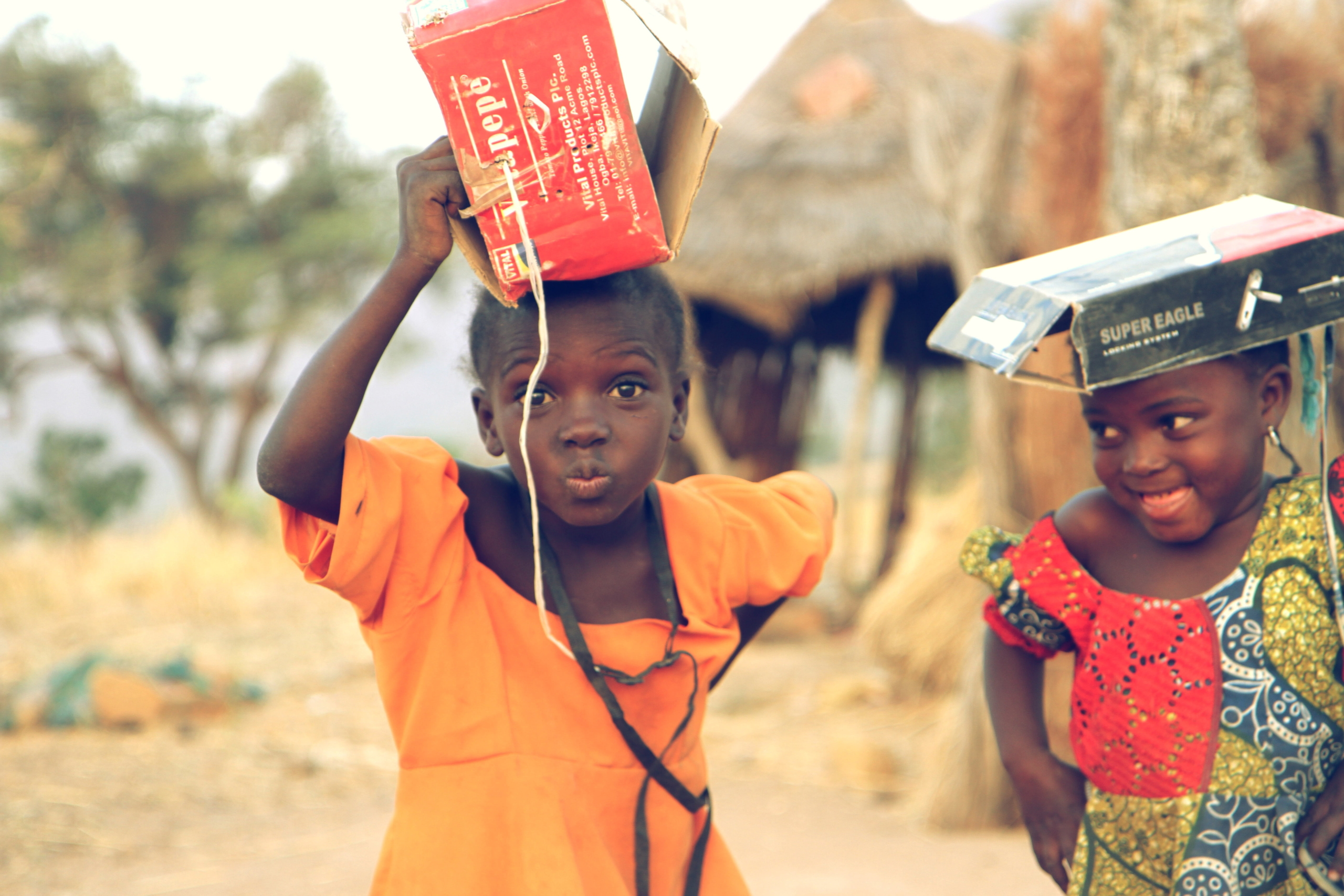
Guardians of DreamsA team of innovative minds based in Bangalore, India, set out nine years ago to enhance the social and physical infrastructures of children’s homes. Since 2015, the nonprofit organization, Guardians of Dreams actively reformed the delivery of childcare institutions, ensuring the essential needs of every child within are effectively provided. The Borgen Project spoke with one of the co-founders, Mekha Thachankary, to discuss the work of Guardians of Dreams and its journey ahead.
A Home of Diverse Backstories

There are nearly 400,000 children across 10,000 children’s homes in India. Within these homes, children come from a variety of environments. Some children come from families that are economically unstable and cannot sustain the essential needs of a child such as nutrition, clothing and health care. Children who have been orphaned, in conflict with the law or been rescued from human trafficking also require a rehabilitative environment. 

Challenges Strung Upon Childcare Homes

Enacted in 2015, the Juvenile Justice Act allows childcare institutions such as children’s homes, orphanages and juvenile justice homes to provide care and protection through specific practices and resources. These resources include 24-hour supervision, education, nutrition and basic amenities like beds and hygiene care. Despite the critical need for these resources, most childcare institutions in India lack the financial capacity to consistently maintain their infrastructures. The COVID-19 pandemic has further strained the childcare sector’s ability to deliver effective services. Additionally, individuals who turn 18 and are legally considered adults must leave these institutions. This forces them to abandon plans for higher education and take the nearest available job. Aftercare is crucial for these young adults to integrate into society successfully. Without life skills training and a reliable support system, they remain vulnerable to a systemic cycle of poverty.

The Beginning of The Story

In 2011, Thachankary began volunteering as an English teacher in children’s homes. Over time, she became acutely aware of the broader challenges these children faced, realizing that teaching English alone was insufficient for providing long-term protection and support. “You start realizing the problem is much deeper,” Thachankary said, as she encountered the complex issues these children dealt with. This realization sparked an initiative to reform children’s homes in India. Many children suffer from malnutrition and inadequate health care, trapping them in a continuous cycle of illness. Additionally, a lack of opportunities for relationship-building has stunted their social skill development. Recognizing these issues, Thachankary concluded that a holistic approach was essential for a brighter future in child welfare.

The Guardians of Dreams

Alongside a team of inspired individuals, Guardians of Dreams was created to support the children and their aspirations going forward. “The whole point of the name Guardians of Dreams for us is to make sure that we’re able to guard their dreams,” Thachankary said. Ensuring the appropriate resources within childcare institutions fosters greater opportunities for young adults. Since 2015, this organization has expanded to helping 450 pre-existing childcare institutions across 6 Indian districts: Kochi, Bangalore, Chennai, Calcutta, Hyderabad and Mumbai. Guardians of Dreams is intent on upgrading the providence of childcare institutions through financial, educational and emotional support. Through a noninvasive technique, Guardians of Dreams builds a relationship with the leaders and workers of the institutions and collaborates to deliver positive development for the children.

A Glimpse Into The Projects

A new three- to five-year program currently rolls out across 10 homes and incorporates a curriculum developed by Guardians of Dreams. This curriculum is crafted in collaboration with subject matter experts, such as nutritionists and hotel management professionals experienced in sanitation care and childcare institutions with established practices. The curriculum acknowledges a variation of domains such as nutrition, mental health, hygiene and more and promotes these guidelines within the homes. Volunteers called ‘embedded managers’ go on-site to train and evaluate. In this newly developed program, the organization provides approximately $2500 to $4000 in grants annually to support enhanced meal plans and mental health coaching. 

A program such as the Scholastics Awards Program provides unrestricted financial support for one year to 10th-and 12th-grade students who demonstrate academic success. So far, it has reached 974 students across three districts, encouraging young adults to pursue their preferred career opportunities without financial strain.

To address financial instability and the lack of facilities at childcare institutions, Guardians of Dreams conducts thorough assessments and executes upgrades, including additional toilets and enhanced dormitory and recreational spaces. This project has successfully revitalized six homes and is currently making progress with more than 300 homes.

The Journey Ahead

The United Nations asserts that childhood deserves special care and attention, establishing a framework that supports a child’s right to a suitable standard of living. Numerous local nonprofit organizations and government-run childcare institutions in India are committed to achieving making this a reality for vulnerable children, but resource shortages can compromise consistency. The efforts of organizations like Guardians of Dreams have significantly improved childcare institutions, benefiting the institutions, members and staff. A notable success story involved assisting a Bangalore childcare home in securing the official license required to operate as an established institution after 16 years. The ultimate measure of success is seeing vulnerable children from any background thrive in a supportive environment.

– Abigail Lobo

Abigail is based in Mississauga, Ontario, Canada and focuses on Good News and Global Health for The Borgen Project.

Photo: Flickr

August 14, 2024
https://borgenproject.org/wp-content/uploads/borgen-project-logo.svg 0 0 Precious Sheidu https://borgenproject.org/wp-content/uploads/borgen-project-logo.svg Precious Sheidu2024-08-14 01:30:432024-08-14 00:59:53Guardians of Dreams: A Brighter Future for Children in India
Global Poverty, Nonprofit Organizations and NGOs, Women's Empowerment

Empowering Girls, One Uniform at a Time: Impact of SHE in Togo

SHE in TogoAround 129 million girls worldwide are not enrolled in school. In Togo, girls spend an average of 2-3 years in school and only 33% attend junior high school. Tuition fees, school supplies and mandated school uniforms are the largest financial barriers preventing impoverished families from sending their girls to receive an education. Studies have shown that providing free uniforms can reduce dropout rates by 16% and absences by more than 35%. In response, the nonprofit organization Style Her Empowered (SHE) has committed to offering free uniforms to support students’ educational outcomes.

How SHE Began With Just a Uniform

Payton Mc Griff, the founder of SHE, was a sophomore at the University of Idaho, United States (U.S.). After reading the novel “Half the Sky,” McGriff learned the shocking truth of the daily oppression women in developing countries face. Hence, she resolved to join the effort to empower young women and break the cycle. In 2017, as part of a class project for her marketing major, she went to Nôtse, Togo, to do field research. Togo was the perfect launchpad for SHE because, though it ranks low on the Human Development Index, the government had reduced tuition rates for girls to incentivize education. Also, most entrepreneurs there are women eager to welcome new programs for girls’ education – Togo had both the need and potential for change.

While there, she saw the reality for many girls, including Elolo, whose family’s financial struggles forced her to quit school so that her brothers could continue. Every girl she interviewed agreed that a required uniform was the greatest obstacle preventing them from attending school. That was where her idea for a uniform that grows was born. With $35,000 in seed money and the help of local sewists and students, the uniform that grows was made a possibility. The dress is designed to fit a girl for up to three years, adjusting six sizes, with adjustable cords along the side and a foot of extra fabric hemmed underneath.

SHE’s Mission and Vision

Today, SHE operates in 20 rural villages in Southern Togo, including Nôtse. In these areas, girls are more likely to drop out of school, with 69% of households living below the poverty line. SHE strives to remove as many financial barriers for young girls as possible to create a world where every girl and woman can survive and flourish. The nongovernmental organization (NGO) focuses on three main areas:

Girls’ Education

SHE’s Holistic Girls’ Education Program provides every student with:

  • SHE uniform that grows
  • Full-tuition scholarship
  • A year’s worth of school supplies
  • Year-round tutoring from SHE’s local team
  • Reusable menstrual health kit
  • Durable, waterproof backpack

The program serves 1,500 girls annually from kindergarten to high school and has helped 6,095 girls since 2017. In 2023, SHE’s students achieved the highest success rates in the NGO’s history, with a 99.1% student pass rate, 40% higher than the national average in 2022.

Women’s Employment

Togo has one of the highest rates of gender inequality in the world and only 20% of Togolese women have completed primary school, leaving 1.6 million women without an education. Seamstress training is one of the most popular careers for women in Togo. However, there are no opportunities for support or growth and laborers are often exploited.

SHE’s Paid-To-Learn Employment Model creates dignified jobs for women employed in Togo. SHE guarantees its 33 Togolese women employees:

  • Salaries 75% above Togo’s minimum wage
  • 10% of the work week devoted to adult learning programs
  • Unlimited paid sick leave, social security benefits, national health care and retirement enrollment
  • Three months of fully paid maternity leave
  • Free child care
  • No more than 40 hour work weeks

Sustainability

Alongside the growing uniform, SHE has developed more sustainable products that help girls, women and the planet. These include:

  1. Reusable Menstrual Pads: Period poverty prevents millions of girls from attending school. Only 35% of girls in Togo continue beyond elementary education, most dropping out when they reach puberty. Hence, 100% of fabric scraps from SHE factories are recycled into reusable menstrual pads crafted by SHE sewists for students who were previously forced to miss school during their period due to a lack of sanitary supplies. In 2021, SHE produced more than 5,000 reusable menstrual pads.
  2. Recycled Plastic Backpacks: SHE’s latest development in 2022 includes the collection of single-use plastic bags fused to make durable, waterproof backpacks for girls, provided through its education program.

Final Remark

SHE demonstrates how effective grassroots organizations are at improving people’s lives in developing countries. The female-founded and female-led charity is an inspiring testament to women coming together to uplift and empower one another.

– Fatima Naqavi

Fatima is from London, UK and focuses on Good News for The Borgen Project.

Photo: PickPik

August 12, 2024
https://borgenproject.org/wp-content/uploads/borgen-project-logo.svg 0 0 Lynsey 2 https://borgenproject.org/wp-content/uploads/borgen-project-logo.svg Lynsey 22024-08-12 07:30:282024-08-11 12:48:23Empowering Girls, One Uniform at a Time: Impact of SHE in Togo
Global Poverty, Nonprofit Organizations and NGOs, Water

Rainwater Harvesting: WOGI’s Southern Madagascar Project

Rainwater HarvestingSouthern Madagascar is facing its worst drought in 40 years, with 70% of the Malagasy people lacking access to clean water for drinking, hygiene and sanitation. This scarcity has caused water prices to skyrocket to 15 times the average price, exacerbating the crisis. Even in schools, 81% of people don’t have access to clean water to drink and wash their hands. In response to this dire situation, Wings of Grace International (WOGI), a nonprofit organization, is helping communities in Southern Madagascar obtain access to clean water through an innovative rainwater harvesting process.

About WOGI

WOGI is a Christian nonprofit organization founded and based in Le Chable, Valais, Switzerland, by Tasmin Keshavjee. Its mission is to identify islands lacking accessible drinking water and distribute tanks to harvest rainwater sustainably. Since 2008, WOGI has placed 1423 water stations on nine different islands worldwide, supplying 1.523 million liters of clean drinking water to remote communities in need.

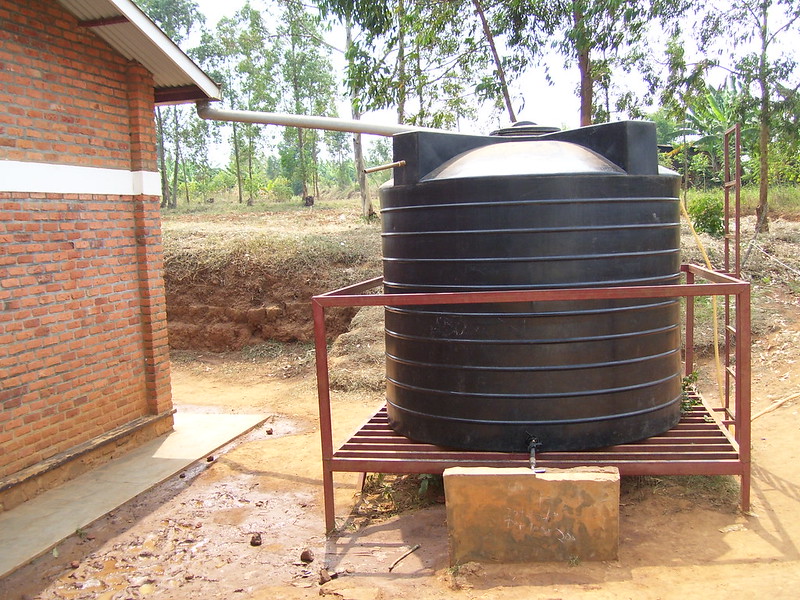
The organization provides free 1000-liter/250-gallon PVC tanks that are designed to last 30-40 years and have proper maintenance. This approach offers a sustainable and cost-effective alternative to purchasing expensive jerry cans of fresh water, which would be prohibitively expensive for people with very limited daily income.

In 2011, WOGI expanded its efforts to help alleviate the water crisis in Southern Madagascar, distributing 184 1000-liter rainwater harvesting tanks. Building on this initial success, WOGI aims to provide an additional 250 tanks to the territory in 2024, reaching more remote communities across the Tulear region.

Rainwater Harvesting Process and Tank Maintenance

WOGI’s rainwater harvesting process is both simple and effective. In unindustrialized areas, rainwater is typically safe to drink without chemical treatment. However, proper maintenance is crucial to ensure water safety. When it begins to rain, the tanks are kept closed for the first 5-10 minutes to avoid contamination from roof dust. A mosquito net is then placed over the intake hole to prevent insects from entering. Each 1000-liter tank is typically shared by about 100 people, providing approximately 10 liters of water per person. In cases where fewer people share a tank, chlorine tablets are added to preserve the water if it has been exposed to heat for multiple days.

WOGI trains locals on proper tank maintenance, including setting tanks on a base of stones and mud, supporting the seal with cement for flood protection and covering empty tanks with banana leaves or a thatched roof to prevent sun damage and interference from children or animals. The tanks are thoroughly cleaned once or twice a year. To ensure ongoing proper maintenance, WOGI has partnered with local organizations, such as the Anglican Church of Madagascar, to oversee the project’s progress.

Impact

The introduction of these tanks has dramatically improved lives in Southern Madagascar. While the amount of water each person receives may seem modest, it represents a significant improvement over previous conditions. Many residents previously had to drink from contaminated puddles or travel long distances for fresh water. Keshavjee recounts: “I’ve seen one man riding a bike to go and fetch water for multiple households in the heat of the day. Apparently, he had to ride about 20 km to reach the water point, fill the jerry cans (at least 10-15) and then make the ride back to deliver them. This was on an old-style bike which had no gears.”

With these tanks, people can now store fresh water during rainy seasons, providing a reliable source of clean water – a luxury they did not have before. Keshavjee adds, “When we distribute tanks, the joy is palpable as they recognize that their lives are going to change dramatically. Occasionally we get a message or some pictures from our leaders to let us know that during a crisis, our tanks have been a huge help.”

Looking Ahead

Despite ongoing drought and water scarcity in Southern Madagascar, WOGI’s rainwater tanks have significantly improved daily lives, reducing water-fetching time and protecting communities from waterborne diseases. Although faith-based, WOGI ensures all community members have access to fresh water, regardless of personal beliefs. The organization remains committed to expanding its reach, with plans to reach more remote areas and reduce the number of people sharing each tank. By providing communities with means to collect and store rainwater, WOGI meets immediate needs while fostering long-term resilience and community development.

– Lauren Thompson

Lauren is based in San Francisco, CA, USA and focuses on Good News and Global Health for The Borgen Project.

Photo: Flickr

August 12, 2024
https://borgenproject.org/wp-content/uploads/borgen-project-logo.svg 0 0 Lynsey 2 https://borgenproject.org/wp-content/uploads/borgen-project-logo.svg Lynsey 22024-08-12 03:00:402024-08-11 12:18:46Rainwater Harvesting: WOGI’s Southern Madagascar Project
Global Poverty, Nonprofit Organizations and NGOs, Volunteer

WeCare: Italian NGO Influencing a Young Generation to Volunteer

WeCareStopping to recognize humanitarian efforts can highlight how, despite ongoing poverty, positive progress is being made. One such example is WeCare, a nonprofit organization based in Italy. It focuses on volunteering projects in South America and Africa, supporting children, families and communities facing extreme poverty.

The nongovernmental organization (NGO) crafts trips that are brilliantly organized, fun, heartwarming and extremely beneficial to the local areas it operates in. When not operating abroad, WeCare continues organizing various charity endeavors, working mainly in Rome and Milan to provide food packs and mental health support to up to 200 families in need.

Ongoing Projects

WeCare currently operates in Ecuador, Rwanda, Cameroon, Argentina and Peru. In each of these countries, the volunteering projects are based in remote destinations with low quality of life and where help is most needed. Groups range from 30 to 80 volunteers and focus largely on building schools, houses and recreational centers for children and families.

For example, its recurring project in Rwanda takes place in Kibaya, one of the most impoverished rural districts of the country. Volunteers work on supporting the only school in the area and improving its infrastructure, facilities and canteen. The projects are very successful and often dozens of houses, playgrounds and classrooms can be built in only a few weeks.

It’s inspiring to see how so much change and improvement can be brought to a community, especially in relation to the well-being of children. This can be seen through WeCare’s large Instagram platform, where it regularly shares videos of the progress made, testifying to the incredible help it carries out.

Influencing a Younger Generation

An important part of WeCare’s identity is that volunteers undergo a team-building experience connected to a religious and spiritual reflection of themselves, learning how to give and become better people as a whole. What is most incredible about this initiative is its impact on younger volunteers. WeCare welcomes volunteers above 40 years old, but it mainly works with teenagers and young adults.

It challenges volunteers, forcing them to cooperate and forge a team bond outside their comfort zones. The result is that these teenagers witness a journey that not only supports vulnerable communities in need but creates long-lasting change by forging them into supportive, reflective and kind human beings.

Impact

WeCare has become a reference point for many families and individuals in countries and regions where it operates. Since its inception, the organization has supported more than 1,350 families. It has also welcomed more than 700 volunteers, giving people the opportunity to contribute to the global fight against poverty and make a meaningful difference in vulnerable communities in Africa and South America.

– Grace Sammartini

Grace is based in Rome, Italy and focuses on Good News and Global Health for The Borgen Project.

Photo: Wikimedia Commons

August 12, 2024
https://borgenproject.org/wp-content/uploads/borgen-project-logo.svg 0 0 Lynsey 2 https://borgenproject.org/wp-content/uploads/borgen-project-logo.svg Lynsey 22024-08-12 03:00:372024-08-11 12:22:40WeCare: Italian NGO Influencing a Young Generation to Volunteer
Page 16 of 60«‹1415161718›»

Get Smarter

  • Global Poverty 101
  • Global Poverty… The Good News
  • Global Poverty & U.S. Jobs
  • Global Poverty and National Security
  • Innovative Solutions to Poverty
  • Global Poverty & Aid FAQ’s
Search Search

Take Action

  • Call Congress
  • Email Congress
  • Donate
  • 30 Ways to Help
  • Volunteer Ops
  • Internships
  • Courses & Certificates
  • The Podcast
Borgen Project

“The Borgen Project is an incredible nonprofit organization that is addressing poverty and hunger and working towards ending them.”

-The Huffington Post

Inside The Borgen Project

  • Contact
  • About
  • Financials
  • President
  • Board of Directors
  • Board of Advisors

International Links

  • UK Email Parliament
  • UK Donate
  • Canada Email Parliament

Get Smarter

  • Global Poverty 101
  • Global Poverty… The Good News
  • Global Poverty & U.S. Jobs
  • Global Poverty and National Security
  • Innovative Solutions to Poverty
  • Global Poverty & Aid FAQ’s

Ways to Help

  • Call Congress
  • Email Congress
  • Donate
  • 30 Ways to Help
  • Volunteer Ops
  • Internships
  • Courses & Certificates
  • The Podcast
Scroll to top Scroll to top Scroll to top