• Link to X
  • Link to Facebook
  • Link to Instagram
  • Link to TikTok
  • Link to Youtube
  • About
    • About Us
      • President
      • Board of Directors
      • Board of Advisors
      • Financials
      • Our Methodology
      • Success Tracker
      • Contact
  • Act Now
    • 30 Ways to Help
      • Email Congress
      • Call Congress
      • Volunteer
      • Courses & Certificates
      • Be a Donor
    • Internships
      • In-Office Internships
      • Remote Internships
    • Legislation
      • Politics 101
  • The Blog
  • The Podcast
  • Magazine
  • Donate
  • Click to open the search input field Click to open the search input field Search
  • Menu Menu

Archive for category: Nonprofit Organizations and NGOs

Information and stories about nonprofit organizations and NGOs

Global Health, Global Poverty, Nonprofit Organizations and NGOs

3 Organizations Fighting Heart Disease in the Philippines

3 Organizations Fighting Heart Disease in the PhilippinesAccording to the World Health Organization (WHO), heart disease accounts for a third of deaths in the Philippines. Known as cardiovascular disease (CVD), it impacts the heart and blood vessels. Following the COVID-19 pandemic, many in the Philippines have seen weakened immune systems, heightening their susceptibility to severe heart disease. Medical experts recognize a strong correlation between poverty and health issues in developing countries, where inadequate living conditions and sanitation can lead to health complications.

These countries often face a shortage of medical professionals. Research from the University of the Philippines highlights a significant gap in its health care system, particularly the low ratio of doctors to the population, which delays CVD diagnoses. To address these ongoing challenges, several organizations are stepping up to help, including the Children’s Heart Foundation, Gift of Life International and the Philips Foundation.

3 Organizations Fighting Heart Disease in the Philippines

  1. Children’s Heart Foundation. Founded in 2000 by a group of volunteers, the Children’s Heart Foundation emerged from a successful fundraising campaign for a young patient with cardiovascular disease (CVD) a year earlier. The nonprofit organization dedicates itself to “helping economically deprived children with heart disease access quality medical care.” Its primary location in Makati City partners with the local Philippines Heart Center to provide financial assistance to patients completing their treatments. Additionally, the Children’s Heart Foundation offers social opportunities for patients to connect with others facing similar health challenges, enhancing their support network.
  2. Gift of Life International. Gift of Life International provides life-saving cardiac care to Filipino children suffering from heart disease. As a global organization, it has received significant requests for aid from the Philippines, particularly in Manila. By partnering with local groups, Gift of Life International has positively impacted more than 3,000 children there, investing $805,000 in its care. The organization’s outreach operates on three fronts: securing donations, handling requests for aid—whether from a country or for an individual child—and facilitating volunteer involvement in ongoing efforts.
  3. Philips Foundation. The Philips Foundation has launched an initiative in the Philippines to combat heart disease by detecting early signs of Cardiovascular Disease (CVD). The foundation aims to reach half a million people in the Philippines, equipping employees to raise awareness about CVD and diagnose it before it becomes fatal. It uses innovative hand-held ultrasound screeners to accelerate the diagnosis process. Additionally, the foundation plans to train 200 teachers in these diagnostic techniques and general heart disease awareness. If successful, this initiative, known as its ‘pilot’ project, could expand further in the Philippines and globally. The Philippines was selected for this major initiative due to its critical need for enhanced heart disease care.

Looking Ahead

Efforts to combat cardiovascular disease in the Philippines continue to expand, bringing hope to many in need of critical care. By providing treatment, financial assistance and early diagnostic tools, dedicated organizations aim to reduce the incidence of heart disease and strengthen the health care system. As these initiatives progress, they pave the way for greater health equity and set a foundation for improved medical support across the country, especially for those most at risk.

– Nadia Haeryfar

Nadia is based in Ashford, CT, USA and focuses on Technology and Global Health for The Borgen Project.

Photo: Flickr

November 10, 2024
https://borgenproject.org/wp-content/uploads/borgen-project-logo.svg 0 0 Precious Sheidu https://borgenproject.org/wp-content/uploads/borgen-project-logo.svg Precious Sheidu2024-11-10 07:30:162024-11-10 02:00:163 Organizations Fighting Heart Disease in the Philippines
Developing Countries, Global Poverty, Nonprofit Organizations and NGOs

Excellent World Foundation and Its Approach to Poverty Alleviation

Excellent World FoundationPoverty remains a significant challenge in Nigeria, a country of more than 200 million people, where more than 80% of the population lives in abject poverty despite the nation’s wealth of natural resources. This situation is especially dire in the Niger Delta States, which include Abia, Akwa Ibom, Bayelsa, Cross River, Edo, Delta, Ondo, Imo and Rivers. The Niger Delta region is vital to Nigeria’s economy, contributing more than 70% of the country’s revenue. However, the communities here face severe poverty and a profound lack of social amenities.

In addition to poverty, the Niger Delta communities grapple with environmental degradation caused by oil spills from the oil and gas industry. This destruction of their surroundings is compounded by other issues, including conflict, insecurity and corruption, which further destabilize the region. The Excellent World Foundation focuses its efforts in these states, aiming to address the region’s challenges.

Efforts

As a grassroots-based organization, the Excellent World Foundation employs a variety of approaches and methodologies to implement its initiatives and engage critical stakeholders effectively. These methods emphasize direct engagement and allow for real-time feedback that supports continuous planning and evaluation. The key approaches include:

  1. Advocacy: Using an aggressive advocacy strategy, the organization reaches out to stakeholders and facilitates the implementation of its activities.
  2. Focus Group Discussions: This tool allows the foundation to engage stakeholders meaningfully, fostering an environment for open dialogue and active participation.
  3. Town Hall Meetings: Through these gatherings, it connects directly with its beneficiaries, ensuring their voices are heard and their concerns are addressed.
  4. Interactive Sessions: These sessions provide further opportunities for personal engagement and immediate feedback.

Impact and Outcomes

In partnership with the Nigerian Petroleum Development Company (NPDC) through the Community Development Board (CDB) of Oil and Mineral Lease (OML) 26 in Delta State, Nigeria, the Excellent World Foundation has previously implemented programs that have empowered more than 20,000 youths. These initiatives provided skill training and starter packs in areas such as welding and fabrication, fashion and design, solar installation, sewing and cake baking, among other trades, directly benefiting youths within the OML 26 communities.

Furthermore, in partnership with PRO-DATA, it has established more than 200 peace clubs, an early warning system, HIV/AIDs clubs and environmental watch in public schools in Nigeria. With funding support from the United States Agency for International Development (USAID), the Excellent World Foundation has established more than 200 Emergency Water Sanitation and Hygiene Group (EWASH) committees, providing essential training in more than 200 communities. Currently, the foundation is implementing “Skools” and digital skills training programs, aiming to reach more than 10,000 beneficiaries across Nigeria, with a focus on student participants.

Conclusion

The Excellent World Foundation has demonstrated a steadfast commitment to addressing poverty and promoting sustainable development in Nigeria, particularly within the Niger Delta and other underserved communities. Supported by partnerships with organizations like USAID and the NPDC, the foundation’s initiatives have positively impacted tens of thousands, equipping them with essential skills and resources to create lasting change.

– Staff Reports
Photo: Flickr

November 10, 2024
https://borgenproject.org/wp-content/uploads/borgen-project-logo.svg 0 0 Lynsey 2 https://borgenproject.org/wp-content/uploads/borgen-project-logo.svg Lynsey 22024-11-10 01:30:252024-11-10 01:46:18Excellent World Foundation and Its Approach to Poverty Alleviation
Child Poverty, Global Poverty, Nonprofit Organizations and NGOs

Sports Programs Fighting Child Poverty in Saint Lucia

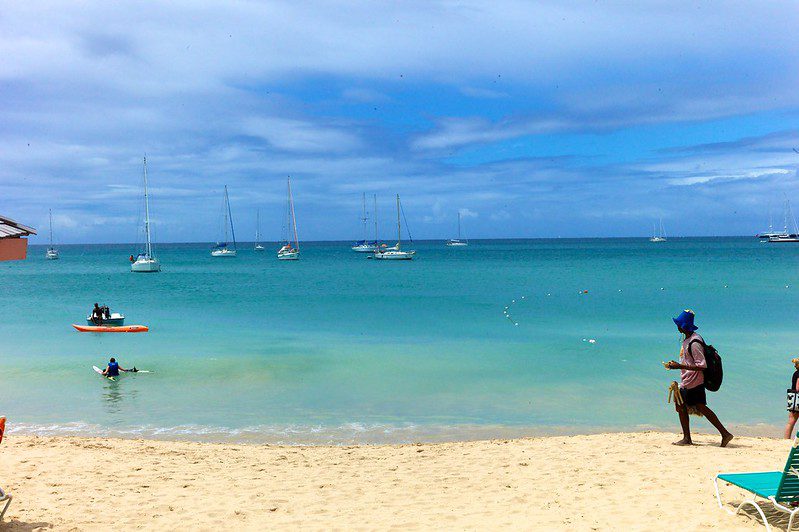
Child Poverty in Saint LuciaAn island country in the Caribbean with about 180,000 people, Saint Lucia sees 25% of its population living in poverty. At the 2024 Paris Olympics, Julien Alfred captured the world’s attention by winning gold and silver in the 100 and 200-meter events, securing Saint Lucia’s first Olympic medals. Alfred stands out, but she’s not the only remarkable athlete from Saint Lucia. Programs like the Special Olympics, United Through Sports and the Saint Lucia Sports Academy are cultivating future athletes. With one-third of the island’s youth living in poverty—higher than the adult rate of 21%—these sports initiatives combat child poverty in Saint Lucia by providing uniforms and equipment, mentorship, community support, educational scholarships and teaching life skills such as teamwork and leadership.

Special Olympics St. Lucia

Since the late 1970s, Special Olympics St. Lucia has provided year-round sports training and competition for children and adults with intellectual disabilities. The program includes five official sports and development programs: Athlete Leadership, Young Athletes, Healthy Athletes and Project UNIFY. In 2023, Special Olympics St. Lucia had 181 registered athletes and participated in the 2023 Special Olympics World Games in Berlin, Germany. Overall, the organization aims to promote physical fitness, courage and community engagement.

United Through Sports

United Through Sports has achieved a 100% increase in school attendance among the 2,000 children they worked with in Saint Lucia and supported 16 of those players in becoming nationally capped athletes, meaning those athletes represented their national team in an international competition. The organization has three sports programs in Saint Lucia. The Youth Rugby Crime Prevention Project uses rugby to channel aggression and teach discipline to youth in high-crime areas. The Young Leadership Project trains older children as leaders and coaches, encouraging them to mentor younger peers. The Female Empowerment Project aims to break stereotypes in sports by encouraging and empowering young girls to participate in traditionally male-dominated sports.

Saint Lucia Sports Academy

When the school opened in 2019, the Saint Lucia Sports Academy became the first and only boarding school in Saint Lucia that emphasized both athletic and educational discipline. The Academy provides students with all the school supplies, tutors and sports equipment necessary to succeed academically and athletically.

Looking Ahead

Sports programs in Saint Lucia are essential for transforming the lives of young athletes by providing support that addresses both their athletic and personal needs. These programs offer critical resources that many young athletes might not otherwise have access to, including training facilities, sports equipment and educational materials necessary for their academic and athletic success. Mentorship plays a pivotal role, guiding young athletes through the challenges of sports and life while fostering a sense of community that instills important values like discipline, resilience and teamwork. By equipping these athletes with the tools they need to overcome child poverty in Saint Lucia, sports programs empower them to achieve success both on the field and in their academic and personal lives.

– Nina Bujewski

Nina is based in San Luis Obispo, CA, USA and focuses on Technology and Politics for The Borgen Project.

Photo: Flickr

November 9, 2024
https://borgenproject.org/wp-content/uploads/borgen-project-logo.svg 0 0 Precious Sheidu https://borgenproject.org/wp-content/uploads/borgen-project-logo.svg Precious Sheidu2024-11-09 01:30:412024-11-09 00:41:31Sports Programs Fighting Child Poverty in Saint Lucia
Global Poverty, Health, Nonprofit Organizations and NGOs

Watsi: Making Life-Saving Surgery Accessible for All

WatsiEach year, 17 million people die from conditions that could be treated with surgery as a result of a lack of access to affordable and quality surgical care. This burden is five times greater than HIV/AIDS, malaria and tuberculosis combined. Additionally, 81 million people face catastrophic financial hardship due to the costs of accessing surgical care, including transportation and other socioeconomic barriers. Women and children are particularly at risk, with one in three women requiring medical or surgical intervention during childbirth, often unable to afford care.

Watsi combines technology and compassion to empower anyone, anywhere, to fund life-changing health care for individuals in the Global South. By connecting donors with those in need, Watsi fosters healthier lives, thriving communities and stronger health systems, profoundly impacting global well-being. With its innovative platform and commitment to radical transparency, Watsi’s global network of best-in-class frontline medical teams provides transformative, high-quality surgery for patients who would otherwise not have access to care or risk being pushed further into a lifetime of poverty.

About Watsi

Watsi is a nonprofit organization committed to making quality health care accessible to everyone by connecting people to fund health care for those in need in low- and middle-income countries (LMICs). The story of Watsi began when cofounder Chase Adams, while serving in the Peace Corps in Costa Rica, saw a mother on a bus asking for donations to fund her son’s surgery. This experience inspired him to create an organization that uses technology to crowdfund life-saving treatments for patients who cannot afford them.

Since then, Watsi has grown to help more than 30,000 patients across 33 countries, raising more than $10 million in donations. The organization partners with local medical organizations in the Global South, ensuring patients receive high-quality care. Watsi’s innovative platform shares individual patients’ stories, enabling supporters from more than 100 countries to fund surgeries and treatments directly. By unlocking $18 million in private capital through crowdfunding, Watsi is helping bridge the health care access gap, creating a more connected and equitable world.

Success Story

A notable success story is that of Caroline, a farmer in Uganda who had been suffering from severe pain due to an ovarian mass. With a simple surgery costing $220, she could be cured, but for Caroline, that price was unattainable. Watsi’s global community and its partner, African Mission Health Care, came together to fund her treatment fully. As a result, Caroline is now healthy and back to farming and providing for her family.

A Call for Action

“We have a once-in-a-generation opportunity to come together to build a world where every person can access the care they need to live a healthy life. Creating a world with health for all and closing the health equity gap requires concerted action and bold commitments, the creation of innovative cross-sector partnerships and a reimagining of how health care is accessed by the world’s most vulnerable communities. Through leveraging Watsi’s innovative health financing platform, we can move farther and faster toward this shared, audacious goal of a brighter, healthier world for all,” stated Mackinnon Engen, Watsi’s Executive Director.

– Staff Reports
Photo: Unsplash

November 7, 2024
https://borgenproject.org/wp-content/uploads/borgen-project-logo.svg 0 0 Lynsey 2 https://borgenproject.org/wp-content/uploads/borgen-project-logo.svg Lynsey 22024-11-07 07:30:082024-11-07 00:13:51Watsi: Making Life-Saving Surgery Accessible for All
Global Poverty, Nonprofit Organizations and NGOs, Women and Female Empowerment

Empowering Women in Nigeria: The Grace Agbonlahor Foundation

The Grace Agbonlahor FoundationIn Nigeria, women and girls face numerous obstacles that hinder their socioeconomic progress, particularly in the informal sector. According to data from Nigeria’s National Bureau of Statistics (NBS), women comprise a significant portion of the informal workforce. Indeed, they often lack access to essential benefits such as health care, pensions and financial services. This makes them more vulnerable to economic shocks and limits their ability to grow their businesses or secure stable incomes.

Furthermore, the gender gap in education remains a pressing issue, with many young girls unable to complete secondary education due to cultural norms, early marriage and financial hardship. This lack of education directly affects their ability to secure formal employment, further entrenching cycles of poverty. The situation is particularly dire in rural areas, where access to education and health care is limited, making it difficult for women and girls to escape poverty.

GAF’s Innovative Solutions and Interventions 

The Grace Agbonlahor Foundation (GAF) is a nongovernmental organization (NGO) dedicated to equipping women and girls in Nigeria with the skills and knowledge they need to thrive. GAF addresses the challenges Nigerian women face through two core programs: the MarketCare program and the Girls in Career Boost (GCB) program.

The MarketCare Program

Inspired by the entrepreneurial spirit of Madam Grace Agbonlahor, this program focuses on empowering market women. It offers:

  • Financial Literacy Training: Program participants receive basic financial education to help them manage and grow their businesses.
  • Health Education and Insurance: GAF provides affordable health insurance and essential health education to participants.
  • Cash Grants: The program offers participants with cash grants to support their businesses and improve their financial resilience.

The GCB Program

The GCB program introduces young girls to Science, Technology, Engineering and Mathematics (STEM) fields, providing:

  • Mentorship from female STEM professionals who guide and inspire girls to pursue non-traditional careers.
  • Hands-on workshops that equip girls with the skills needed to excel in STEM subjects and career fields. This program helps bridge the gender gap in education by encouraging more girls to explore STEM careers and access higher education opportunities.

Impacts and Success Stories

Although GAF is still in its early stages, the MarketCare Program has already enrolled 33 women in its pilot phase. Through partnerships with WellaHealth and First Choice Investment, the program provides women with health education, access to affordable health insurance, financial literacy training and cash grants to boost their businesses. This holistic approach empowers women to achieve financial independence and better health outcomes for themselves and their families.

The GCB program recently launched its foundation phase. At least 10 young girls aged 10-14 will be enrolled in the first cycle of STEM training and mentorship. With support from MidTown Tech Hub and GCB ambassadors (volunteer STEM mentors), these girls will receive tailored mentorship, hands-on training and educational support to inspire them to pursue careers in STEM fields.

Conclusion

The Grace Agbonlahor Foundation is making a tangible difference in the lives of women and girls in Nigeria. Through financial literacy, health education and career mentorship programs, GAF is helping to break the cycle of poverty and promote gender equality. By equipping women and girls with the knowledge and resources they need to succeed, the organization is fostering sustainable development in some of Nigeria’s most underserved communities.

– Staff Report
Photo: Flickr

November 6, 2024
https://borgenproject.org/wp-content/uploads/borgen-project-logo.svg 0 0 Lynsey 2 https://borgenproject.org/wp-content/uploads/borgen-project-logo.svg Lynsey 22024-11-06 01:30:082024-11-06 00:49:49Empowering Women in Nigeria: The Grace Agbonlahor Foundation
Aid, Global Poverty, Nonprofit Organizations and NGOs

Poverty in Venezuela: Foreign Aid as a Lifeline

Poverty in VenezuelaOnce a prosperous country rich in natural resources, Venezuela now faces an alarming poverty crisis. With hyperinflation, food shortages and a collapsing health care system, millions of Venezuelans struggle to meet basic needs. In this challenging landscape, foreign aid has become a crucial lifeline, delivering essential services that the government is increasingly unable to provide.

The Role of Foreign Aid

Venezuela’s economy has spiraled for years, burdened by political turmoil, reliance on oil exports and international sanctions. As a result, more than seven million Venezuelans urgently need assistance. Foreign aid, primarily through nonprofits and international organizations, has become essential, filling the gaps in food security, health care and clean water access. Many Venezuelans depend on foreign aid to survive and keep families together and communities functioning.

World Food Programme

World Food Programme (WFP) World Food Programme is one of Venezuela’s largest humanitarian agencies providing food assistance. Its programs focus on distributing food baskets and providing school meals to fight hunger and malnutrition. WFP has aimed to reach at least 1.5 million children, especially in rural areas, where food scarcity is most severe. By targeting schools, WFP ensures that children receive proper nutrition and are encouraged to continue their education.

International Rescue Committee

The International Rescue Committee (IRC) provides essential health care, emergency support and cash assistance in Venezuela. It works with families to ensure access to lifesaving medicines and health services, which are otherwise too expensive or unavailable. The IRC also collaborates with partners in neighboring countries to assist those fleeing Venezuela, supporting them with food, shelter and legal assistance. The IRC’s focus on holistic support allows it to address immediate needs while helping people stabilize for the future.

Caritas Internationalis

Caritas Internationalis is a Catholic humanitarian organization with a strong local network across Venezuela. It provides food, medicine and clean water to those most affected by the crisis, including families in remote areas. Caritas also has nutritional programs that target malnourished children and pregnant women, who are most vulnerable to the effects of food insecurity. The organization runs soup kitchens, distributes medical supplies and promotes community health initiatives.

Challenges and Gaps in Aid

While these organizations are achieving significant impacts, their challenges are substantial. Political restrictions make it difficult for foreign organizations to operate freely and aid workers often face bureaucratic barriers that delay the delivery of supplies. Additionally, underfunding limits the reach of their programs. Despite their best efforts, organizations like WFP, IRC and MSF often report funding shortfalls, which prevent them from scaling their efforts to meet the growing demand.

A Call to Action

The poverty crisis in Venezuela is one of the most pressing humanitarian issues today, yet it receives limited global attention. Donor countries, private sectors and international institutions need to increase their support for Venezuelan aid. Without sustained and coordinated aid efforts, the situation will only worsen, deepening poverty and further destabilizing the region.

– Yuhan Ji

Yuhan is based in Cambridge, MA, USA and focuses on Good News for The Borgen Project.

Photo: Flickr

November 2, 2024
https://borgenproject.org/wp-content/uploads/borgen-project-logo.svg 0 0 Lynsey 2 https://borgenproject.org/wp-content/uploads/borgen-project-logo.svg Lynsey 22024-11-02 01:30:082024-11-02 02:22:12Poverty in Venezuela: Foreign Aid as a Lifeline
Global Poverty, Humanitarian Aid, Nonprofit Organizations and NGOs

3 Charities Operating in Haiti

Charities Operating in HaitiSince Jan. 2024, gang violence in Haiti has killed at least 3,661 people, reports the Office of the United Nations High Commissioner for Human Rights (OHCHR). Gangs are reportedly recruiting children and destroying Haitian agriculture while committing widespread sexual violence against women. The United Nations (U.N.) World Food Program (WFP) reports that half the population faces acute hunger due to displacement and destruction from the violence. Charitable organizations are playing a critical role in mitigating hunger and poverty in Haiti under these devastating circumstances.

Poverty in Haiti

Haiti ranks as the poorest country in Latin America and the Caribbean and suffers from some of the highest rates of income inequality worldwide, with more than six in 10 people living in poverty. The nation’s history features persistent political instability and significant natural disasters. Agriculture, forestry and fisheries, which constitute a fifth of Haiti’s GDP, employ nearly half of the labor force. However, agricultural productivity faces severe constraints due to inadequate access to technology and credit, along with substandard road and irrigation infrastructure. Additionally, post-harvest losses are considerable, often due to insufficient storage and processing facilities.

3 Charities Operating in Haiti

  1. CARE International. CARE International began its operations in Haiti in 1954 as a global charity focused on addressing the root causes of poverty, particularly gender inequality, which disproportionately drives women into poverty. The organization played a pivotal role during Haiti’s 2010 Cholera outbreak by providing clean water services and supporting local hospitals. Following the devastating earthquake in Aug. 2021, CARE provided food, shelter, hygiene and sanitation assistance. In response to recent violence, the organization has urged the international community to deliver essential humanitarian aid to combat poverty in Haiti and collaborates with local authorities to provide support wherever possible.
  2. Haiti Children. Haiti Children, established in 1994, supports disadvantaged, orphaned and disabled children in Haiti. The organization runs several programs to alleviate poverty and enhance children’s lives. For example, through the Haiti Children Feeding Programme it provides meals to 3,000 children annually. In 2024, Haiti Children distributed 2 million meals and created 141 jobs. The organization underscores the urgency of supporting children, especially following recent reports that gangs are recruiting children amid the ongoing violence.
  3. Haiti Foundation Against Poverty. Founded in 2007, the ‘Haiti Foundation Against Poverty’ aims to dissociate Haiti from poverty by providing health care, education and creating jobs. The charity has launched several projects to reduce poverty in Haiti. A significant initiative is the ‘Hope House,’ a care center for malnourished, injured and orphaned infants and toddlers.

Looking Ahead

Humanitarian aid could be crucial in ending the gang violence across the region. The continued support of charities operating in Haiti is similarly important, to not only directly support the people of Haiti but also to raise awareness of the urgent situation in the country. While the work of charities is incredibly impactful, humanitarian assistance from organizations and countries with more substantial resources could greatly benefit the people of Haiti.

– Joshua Marriott

Joshua is based in Cardiff, Wales and focuses on Technology and Politics for The Borgen Project.

Photo: Flickr

October 28, 2024
https://borgenproject.org/wp-content/uploads/borgen-project-logo.svg 0 0 Precious Sheidu https://borgenproject.org/wp-content/uploads/borgen-project-logo.svg Precious Sheidu2024-10-28 07:30:512024-10-27 12:34:153 Charities Operating in Haiti
Global Poverty, Health, Nonprofit Organizations and NGOs

How the Global Fund Is Addressing TB in India

Tuberculosis in IndiaThe Global Fund is a nonprofit organization founded in 2002. Since then, it has provided treatment to people with HIV, tuberculosis (TB) and malaria around the world. As of the Summer of 2024, the Fund has invested almost $10 billion in TB prevention and treatment for patients worldwide.

The Global Fund has integrated numerous services into primary health care systems that use innovative technologies, such as mobile health solutions, to improve patient tracking and adherence to treatment. Health professionals will use vans with technology like X-rays and diagnosis kits to provide free health treatments in the most remote locations. The Fund has vastly increased community access to medicines, testing and protective equipment like mosquito nets.

The Global Fund and India’s Close Collaboration

The Global Fund utilizes various strategies to combat TB in India, which reported 1.96 million cases or one-third of TB cases globally in 2021. The Fund has worked closely with the Indian government since 2006 and multiple local nongovernmental organizations (NGOs) to implement effective TB screening, treatment and prevention programs. The government of India, especially Prime Minister Narendra Modi, has shown immense support for the initiative to end TB in India by next year.

Success in Perspective

In 2012, the Indian government implemented a law requiring all diagnosed cases of TB to be reported to public health officials. This policy has successfully reduced the number of unreported cases plaguing the country. One untreated case can spread the disease to 15-20 people in a year. Due to the highly infectious nature of TB, it is crucial to catch cases as early as possible.

Furthermore, through its close collaboration with the Global Fund, India has transitioned from having the highest tuberculosis population to becoming an innovative supporter of global health. In 2019, India hosted the organization’s Sixth Replenishment Preparatory Meeting. Today, thanks to the efforts of the Global Fund, India can support other global health care organizations by serving as a primary source of low-cost pharmaceuticals.

JEET

The Joint Effort to Eliminate TB (JEET), a nonprofit organization, partners with the Global Fund and NGOs in India to improve access to diagnoses and treatments across all communities. JEET works closely with community health professionals and hospitals to promote sustainable solutions that will continue to benefit the population in the future. Indeed, by collaborating with various NGOs, including TB Alert India and the NGO TB Consortium India (NTC), the organization can reach the most at-risk populations and manage cases and outbreaks efficiently.

India is among the countries with the highest number of private health care providers. Between 2018 and 2020, JEET expanded the Patient-Provider Support Agency model in more than 100 districts across nine high-TB-risk states. This model ensures widespread access to TB treatment and patient support in the most vulnerable communities.

Impact of the Global Fund on Poverty

In 2023, the Global Fund provided treatment to more than 2.4 million people in India, improving life expectancy in low-income communities. As of 2022, the Fund has reduced TB-related deaths by 36% since beginning its work in various countries. Ultimately, TB has a profound impact on poverty levels and economic productivity in India, highlighting how successful TB control can lead to healthier communities, reduced health care costs and enhanced economic opportunities for affected populations.

Impacted individuals struggle on different levels throughout day-to-day life, making access to treatment life-changing for families reliant on working income. Furthermore, reducing the impact of TB on health care systems leaves more time, staff and funding to address other health issues in low-income communities.

– Lauren Sellman

Lauren is based in Rochester Hills, MI, USA and focuses on Good News and Global Health for The Borgen Project.

Photo: Flickr

October 25, 2024
https://borgenproject.org/wp-content/uploads/borgen-project-logo.svg 0 0 Lynsey 2 https://borgenproject.org/wp-content/uploads/borgen-project-logo.svg Lynsey 22024-10-25 01:30:582024-10-24 12:09:55How the Global Fund Is Addressing TB in India
Development, Global Poverty, Nonprofit Organizations and NGOs

Tourism in Ethiopia: A Promising Path to Poverty Alleviation

Tourism in Ethiopia: A Promising Path to Poverty Alleviation Ethiopia, often called the “Cradle of Humanity,” is rich in cultural heritage, historic landmarks and diverse natural landscapes. From the majestic Simien Mountains to the ancient rock-hewn churches of Lalibela, the country holds immense potential for tourism, which has grown steadily over the years. However, beyond its economic benefits, Ethiopia is actively exploring tourism as a powerful tool to alleviate poverty.

The Role of Tourism in Ethiopia’s Economy

Tourism in Ethiopia has made significant strides, contributing more than 6% to the nation’s Gross Domestic Product (GDP). The sector directly and indirectly employs more than two million Ethiopians, a number that continues to rise as the country attracts more international visitors. Ethiopia experienced a 48% increase in tourism over the past decade due to government efforts to improve infrastructure and market the country as a top destination.

The growth of the tourism sector is especially crucial in rural Ethiopia, where poverty is more pronounced. Tourism is seen as a pathway to economic diversification, providing new income opportunities, especially for women and youth, through job creation in hospitality, guiding, transport services and artisanal handicrafts. But for tourism to effectively reduce poverty, the benefits must flow to the poorest and most vulnerable members of society.

Government Policies

Recognizing the sector’s potential, the Ethiopian government has put in place several policies to align tourism with national poverty alleviation goals. The Growth and Transformation Plan (GTP)  identifies tourism as a key sector in driving economic growth and employment. It encourages investment in rural areas to spread the economic benefits beyond major cities like Addis Ababa. Infrastructure improvements, such as road networks and airports, are also part of the strategy to open up remote areas to tourists, helping locals benefit from tourism revenues.

Another important policy is the Sustainable Tourism Master Plan (STMP), which aims to develop sustainable, eco-friendly tourism that benefits local communities. The plan emphasizes the conservation of the environment and cultural heritage while promoting community-based tourism initiatives that ensure tourism revenue stays within the local economy.

Promoting Pro-Poor Tourism in Ethiopia

Several international organizations, nonprofits and local alliances are working on the ground to promote tourism as a means of poverty alleviation in Ethiopia. The World Bank has invested in projects like the Sustainable Tourism Development Project, which aims to create jobs and increase incomes for people living near key tourist destinations such as the Simien Mountains, Lalibela and Lake Tana. Similarly, the United Nations World Tourism Organization (UNWTO), through its Sustainable Tourism-Eliminating Poverty (ST-EP) initiative, works with the Ethiopian government to promote eco-tourism and community-based tourism projects that can directly benefit impoverished populations.

At a more localized level, the Ethiopian Sustainable Tourism Alliance (ESTA) focuses on empowering rural communities through community-based eco-tourism projects. ESTA provides training in hospitality and entrepreneurship, allowing local people to capitalize on tourism in their regions. These ongoing initiatives help locals set up guesthouses, provide guiding services, or sell handicrafts, ensuring that they can directly benefit from the growing number of tourists visiting the country.

SNV Ethiopia, a nonprofit development organization, also plays a significant role in fostering community-based tourism initiatives. SNV’s projects emphasize the empowerment of local communities, helping them build sustainable tourism businesses that offer authentic cultural experiences to visitors.

Initiatives for Local Communities

Several tourism initiatives have been developed across Ethiopia with a specific focus on alleviating poverty. Community-based tourism projects are among the most promising, particularly in areas like the Simien Mountains, where locals serve as guides, porters and lodge operators. In these projects, tourism provides a direct source of income for the community.

Looking Ahead

Ethiopia’s tourism sector holds immense promise, but challenges such as infrastructure limitations and a lack of community resources still need addressing. Expanding access to rural areas and enhancing local skills could be key to unlocking tourism’s full potential. Ensuring sustainable practices in tourism development can potentially protect Ethiopia’s rich cultural and natural heritage while continuing to foster economic growth. With targeted investments and a focus on inclusive development, Ethiopia is well-positioned to turn tourism into a driving force for poverty reduction and a better future for its citizens.

– Yuhan Ji

Yuhan is based in Cambridge, MA, USA and focuses on Good News for The Borgen Project.

Photo: Flickr

October 21, 2024
https://borgenproject.org/wp-content/uploads/borgen-project-logo.svg 0 0 Precious Sheidu https://borgenproject.org/wp-content/uploads/borgen-project-logo.svg Precious Sheidu2024-10-21 07:30:132024-10-21 02:41:50Tourism in Ethiopia: A Promising Path to Poverty Alleviation
Aid, Global Poverty, Nonprofit Organizations and NGOs

Organizations Providing Aid to Palestine

Aid to PalestineCivilians in Palestine are facing horrific living conditions, lacking adequate housing, food and sanitation. In both the West Bank and Gaza Strip, many Palestinians are struggling with housing shortages, contaminated drinking water, minimal electricity, scarce food supplies and limited medical resources. In hopes of supporting the suffering Palestinians, many nongovernmental organizations (NGOs) are providing aid to Palestine by fundraising and transporting necessary resources. These nonprofits include Islamic Relief, Palestine Children’s Relief Fund and U.N. organizations.

Islamic Relief

Islamic Relief is dedicated to assisting the world’s most vulnerable populations. Founded in 1984 by Hany El-Banna in response to the famine in East Africa, the organization mobilized the Muslim community to support those in need, securing more than $176,000 to fund various poverty-reduction projects. From then on, the organization grew to support many other disadvantaged groups.

Today, it has lifted more than a billion people out of poverty, contributed to the increase in life expectancy and expanded access to education. Islamic Relief is currently partnering with organizations to provide aid to those in Gaza, offering hot meals, clean water, recreational activities and an orphan sponsorship program.

The Palestine Children’s Relief Fund

The Palestine Children’s Relief Fund (PCRF) is a key organization delivering aid to civilians in Gaza and the West Bank. Founded in 1991 by humanitarians in the USA, PCRF focuses on providing health care to ill and injured children who lack access to local medical services. Since its inception, the organization has sent more than 2,000 children abroad for specialized medical care. It has also provided international doctors and nurses to local hospitals at no cost.

UN Organizations

U.N. organizations, such as the United Nations International Children’s Emergency Fund (UNICEF) and the United Nations Relief and Works Agency (UNRWA), also provide aid to the Palestinian people. In Gaza, UNICEF is on the ground, distributing clean water and administering essential vaccines. The organization focuses on the suffering of children in Palestine while advocating for an immediate ceasefire and ensuring the protection and access to resources for all children.

Additionally, UNRWA provides Palestinian families with support services, such as food, water, cash assistance, education and health care. While both U.N. organizations were initially skeptical about the dire situations faced by these disadvantaged groups, rising injury and death tolls, along with the destruction of essential infrastructure, have demonstrated the extreme vulnerability of the Palestinian people and their urgent need for assistance.

Final Note

While the humanitarian crisis in Palestine persists, numerous nonprofit organizations are successfully providing aid to the people of Gaza. Much of this success is due to the countless individuals who recognize the importance of humanitarian efforts in preventing the destruction of a vulnerable population and restoring hope for a better future.

– Sophia Kharal

Sophia is based in San Jose, CA, USA and focuses on Good News and Global Health for The Borgen Project.

Photo: Pixabay

October 19, 2024
https://borgenproject.org/wp-content/uploads/borgen-project-logo.svg 0 0 Lynsey 2 https://borgenproject.org/wp-content/uploads/borgen-project-logo.svg Lynsey 22024-10-19 01:30:192024-10-19 00:44:36Organizations Providing Aid to Palestine
Page 13 of 60«‹1112131415›»

Get Smarter

  • Global Poverty 101
  • Global Poverty… The Good News
  • Global Poverty & U.S. Jobs
  • Global Poverty and National Security
  • Innovative Solutions to Poverty
  • Global Poverty & Aid FAQ’s
Search Search

Take Action

  • Call Congress
  • Email Congress
  • Donate
  • 30 Ways to Help
  • Volunteer Ops
  • Internships
  • Courses & Certificates
  • The Podcast
Borgen Project

“The Borgen Project is an incredible nonprofit organization that is addressing poverty and hunger and working towards ending them.”

-The Huffington Post

Inside The Borgen Project

  • Contact
  • About
  • Financials
  • President
  • Board of Directors
  • Board of Advisors

International Links

  • UK Email Parliament
  • UK Donate
  • Canada Email Parliament

Get Smarter

  • Global Poverty 101
  • Global Poverty… The Good News
  • Global Poverty & U.S. Jobs
  • Global Poverty and National Security
  • Innovative Solutions to Poverty
  • Global Poverty & Aid FAQ’s

Ways to Help

  • Call Congress
  • Email Congress
  • Donate
  • 30 Ways to Help
  • Volunteer Ops
  • Internships
  • Courses & Certificates
  • The Podcast
Scroll to top Scroll to top Scroll to top