Flooding in Sri Lanka: Building Resilience
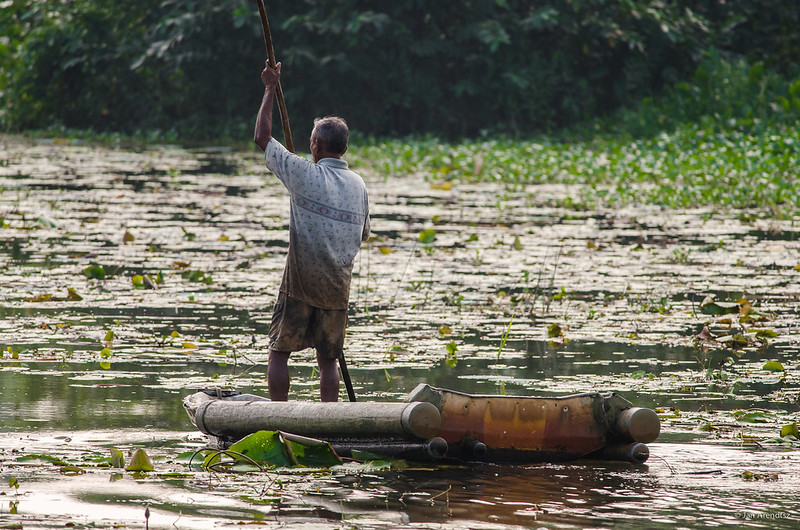 Since 2019, poverty in Sri Lanka has surged, doubling to 25% by 2022. More than 2.5 million individuals now live below the poverty line. Severe flooding, especially in the Colombo region, displaces thousands annually and deepens the cycle of poverty. The projections for major flood events are even more concerning, as they suggest that 34,000 people could be pushed into poverty overnight, with approximately 1,000 of these individuals remaining in poverty a decade later. The latest Yala Monsoon season, which lasts from May to September, displaced communities, destroyed property and claimed lives, highlighting the growing severity of the issue. Addressing this crisis requires immediate, sustainable solutions that reduce poverty and mitigate seasonal floods. Without comprehensive action to combat flooding in Sri Lanka, the nation risks ongoing cycles of impoverishment, displacement and economic instability.
Building Colombo’s Flood Resilience
Colombo, situated within a river basin, faces regular flooding during the monsoon season. However, the city benefits from an extensive network of wetlands, which play a vital role in flood management by absorbing approximately 40% of floodwaters. Wetlands—areas of water-saturated land—serve as natural flood defenses by absorbing excess water and slowing down its flow, which mitigates flood intensity and associated damage. This natural buffer within Colombo helps alleviate the impacts of heavy rainfall and reduces the risks of flooding in Sri Lanka.
Urban expansion, however, has drastically reduced Colombo’s wetland areas, draining and infilling these ecosystems to accommodate growth. The World Bank revealed that Colombo’s wetlands had declined by about 40% over three decades. Wetlands like the Thalangama Wetland, just outside Colombo, suffer from degradation and misuse as dumping grounds. These direct and indirect effects of urbanization intensify Colombo’s vulnerability to flooding.
In response, the government, with support from the World Bank-funded Metro Colombo Urban Development Project, launched the Metro Colombo Wetland Management Strategy in 2016. This initiative prioritizes wetland restoration and integrates these ecosystems into urban planning to prevent further losses. These efforts led Colombo to become the first capital city to earn international Wetland City accreditation from the Ramsar Convention on Wetlands in 2018, which promotes international protection for its wetlands.
Today, Colombo’s wetlands receive stronger protection. According to BBC, efforts to rehabilitate degraded areas, including the Thalangama Wetland, have turned these spaces into biodiverse tourist attractions while maintaining their role as critical flood defenses. The government has also suspended all activities involving the filling or destruction of wetlands in 2018.
Looking Forward
Colombo has successfully revitalized its degraded wetlands, transforming garbage-filled areas into ecosystems that boost biodiversity and protect against flooding. Community-led cleanups and government initiatives, such as the 2016 Metro Colombo Wetland Management Strategy, have enhanced wetlands’ ability to boost environmental resilience and improve urban quality of life. The Ramsar accreditation has curbed further encroachment by raising awareness. However, rapid urban expansion still threatens these ecosystems, BBC reports. Sustained cooperation between residents, authorities, and organizations remains vital to safeguarding these wetlands, which are crucial to Colombo’s sustainability and flood defense.
Asian Development Bank (ADB) report emphasizes the rising frequency of El Niño events, which intensify monsoons and contribute to flooding in Sri Lanka. Restoring and protecting wetlands is just one of many essential steps to strengthen the country’s flood resilience.
– William Pickering
William is based in Nottingham, UK and focuses on Good News and Technology for The Borgen Project.
Photo: Flickr
