USAID Programs in ThailandDisplaced persons seeking refuge in Thailand following a 7.7 magnitude earthquake in Myanmar in March are amongst those facing dwindling American assistance after the United States federal government initiated drastic reductions to the United States Agency for International Development (USAID) programs in Thailand, Myanmar and other countries in need of humanitarian aid. While non-government organizations (NGOs) are working diligently to provide humanitarian assistance to those affected by the second-largest recorded earthquake in Southeast Asia and its hundreds of aftershocks, USAID’s absence is noticeable in the region. 

USAID Cuts Coincide With Devastation in Asia

Myanmar state media reported that, as of April 19, the earthquake killed more than 3,700 people and injured 5,100 in the country, with 114 residents still missing. Thai newspaper Khaosod reported that, as of April 29, 66 people had died, 28 people were missing and nine people were injured.

Refugees from the ongoing civil war in Myanmar have relied on humanitarian assistance and medical care in neighboring Thailand for decades. USAID programs in Thailand bolstered the assistance Thai hospitals could provide those in need. Before the earthquake in Myanmar occurred, the Border Consortium aid group reported that many Thai hospitals helping around 100,000 refugees from Myanmar had to close following cuts to USAID in late February.

On March 28, the region experienced “a level of devastation that has not been seen in over a century in Asia,” according to Marie Manrique, the acting head of the International Federation of Red Cross and Red Crescent Societies in Myanmar. The same day, The U.S. State Department formally notified Congress that it was moving to dissolve USAID.

The Results of USAID Cuts

The earthquake’s epicenter was in Myanmar’s second-largest city, Mandalay; however, 600 miles away, in the Thai capital city of Bangkok, residents felt widespread shaking and saw significant damage to infrastructure, including a skyscraper that collapsed when it was under construction.

While USAID cuts have backtracked in recent weeks due to pushback from Americans and the country’s federal agencies, aid workers report that, with thousands of residents remaining homeless in Mandalay after the destruction, U.S. assistance is lacking.

“The United States only sent a paltry amount of assistance…it sent only three workers, which then, subsequently, were fired,” Francisco Bencosome, a former USAID worker, said. Some workers were notified of their termination while in the earthquake’s disaster zone.

The ongoing poverty crisis in Myanmar, escalating in recent years due to ongoing civil conflict, saw almost doubled rates from 24.8% in 2017 to 49.7% in 2023. In the beginning of 2025, around 19.9 million people, or about 35% of the country’s population, were in dire need of humanitarian assistance; this included 6.4 million children.

The destruction due to the earthquake in Myanmar has exacerbated existing pervasive poverty conditions, resulting in 4.3 million people lacking basic needs such as shelter, nutrition and clean water.

Solutions

After the reduction of USAID programs in Thailand and Myanmar, NGOs have stepped in to address the earthquake in Myanmar. Here are some examples of NGO efforts in Thailand and Myanmar:

  • The Myanmar Red Cross Society: The Myanmar Red Cross Society and its partners successfully delivered eight charter flights and six cargo shipments of aid into Myanmar within the first week of the earthquake’s aftermath, according to the organization. The IFRC is rapidly mobilizing, adapting and delivering critical aid to the hardest-hit areas. The Myanmar Red Cross Society initiated its Emergency Operations Centers after the earthquake. Additionally, it sent out volunteers to search for and rescue those the earthquake affected, while also sending out teams to connect hospitals and clinics with emergency blood donations.
  • UNICEF: UNICEF is on the ground in Myanmar, working with other aid organizations to meet children’s needs. According to UNICEF, the organization and its partners have delivered emergency water, sanitation and hygiene kits, medical kits and nutrition supplies; UNICEF is also delivering essential health and nutrition services through temporary emergency health facilities and mobile clinics.
  • Doctors Without Borders: Doctors Without Borders deployed medical, mental health, logistics and water and sanitation staff to areas that experienced the earthquake. The organization is working to provide support to hospitals with special focus on sanitation, water, infection control and waste management. It also installed a water filtration system and a water tank at the Mandalay General Hospital.
  • Save the Children: Save the Children has launched a “Children’s Emergency Fund” to support adolescents in Myanmar in need of shelter and other basic needs in the aftermath of the earthquake. Aid workers are responding to the urgent, lifesaving needs of children and their families by providing water, food and health care services.
  • United Nations Humanitarian Crisis Relief (UNHCR): The UNHCR has reported that its team is on the ground responding with other UN agencies by providing “medical care, shelter, safe water, hygiene kits and food,” despite dealing with extremely damaged infrastructure and a lack of telecommunications. As of April 23, UNHCR reported that the organization provided critical aid – including core relief items (CRIs) and emergency shelter materials – to 48,354 people who experienced earthquake in Myanmar and Thailand. CRIs include mattresses, blankets, hygiene kits, solar lamps and cooking essentials kits. On April 15, the city of Yangon received more than 40,000 kg of supplies to help 16,000 people from UNHCR, and there was a promise of more supplies in the following weeks.

Looking Ahead

Though USAID downsizes have immobilized necessary American federal assistance in Myanmar and Thailand following the historic earthquake in Myanmar, other aid organizations are using donor funding to make effective strides in alleviating poverty conditions and the ongoing refugee crisis.

Erin Hellhake

Erin is based in Old Bridge, NJ, USA and focuses on Global Health and Politics for The Borgen Project.

Photo: Unsplash

Montserrat Rebuilding EffortsNearly three decades after the Soufrière Hills volcano erupted in 1995, transforming the lush Caribbean island of Montserrat into a disaster zone, the scars remain etched in both the landscape and the lives of its people. Between 1995 and 1997, eruptions buried the capital, Plymouth, in ash and lava, displacing more than two-thirds of the population and rendering vast swaths of land uninhabitable.

Today, Montserrat rebuilding efforts continue to affect thousands of residents, who face persistent poverty, limited resources and the weight of long-term displacement.

The Lingering Impact of the Soufrière Hills Eruption

The volcano’s devastation destroyed key infrastructure, including roads, utilities and government buildings. According to the Montserrat Statistics Department, more than 60% of the island’s population was forced to evacuate permanently. Those who stayed faced the challenge of resettling in the island’s northern part, which had limited infrastructure at the time.

The economic collapse that followed was severe. The World Bank reported that Montserrat’s gross domestic product (GDP) fell more than significantly in the immediate aftermath of the eruptions. As of 2022, about 36% of Montserrat’s residents live below the poverty line.

Montserrat’s Long Road to Recovery and Housing Stability

Housing insecurity remains a major issue in Montserrat’s rebuilding efforts. Many families still live in transitional shelters or informal homes lacking adequate weatherproofing or sanitation. The Post-Disaster Needs Assessment conducted by the United Nations Development Programme (UNDP) in 2021 identified housing rehabilitation and expansion as a top priority.

International aid has played a vital role in tackling these issues. The Joint SDG Fund, in partnership with the Government of Montserrat, supports projects targeting poverty reduction, workforce development and sustainable housing. Similarly, the Montserrat Budget Support Programme, backed by the U.K.’s Foreign, Commonwealth and Development Office, has helped maintain essential services and fund housing projects in the north.

The COVID-19 pandemic deepened economic hardship and food insecurity. In response, the UNDP issued emergency grants to farmers and fishers to support food production during lockdowns. Still, Montserrat rebuilding efforts remain slow. Construction costs, limited access to credit and climate-related risks continue to challenge progress. However, the Former Premier of Montserrat, Joseph Farrell, has emphasized the need for resilient housing models to withstand future shocks.

Despite obstacles, Montserrat’s people have shown resilience. Civic groups, returning diaspora members and entrepreneurs are working to revitalize communities and small businesses. The Montserrat Sustainable Development Plan outlines goals for economic diversification and infrastructure growth. 

A Path Toward Long-Term Recovery

Montserrat’s experience is a stark example of how small island nations face compounded risks from natural disasters, poverty and limited resources. The island’s slow but steady recovery highlights the importance of long-term investment, disaster resilience and community-driven planning.

“The resilience of the Montserratian people is unmatched,” said U.N. Resident Coordinator Didier Trebucq in a recent visit. “But to truly rebuild, we must continue supporting efforts that prioritize equity, sustainability and local leadership.”

While the volcano still lingers beneath the surface, so does the enduring hope of a resilient, more secure Montserrat.

– Giovanni Garcia

Giovanni is based in Long Beach, CA, USA and focuses on Good News and Politics for The Borgen Project.

Photo: Wikimedia Commons

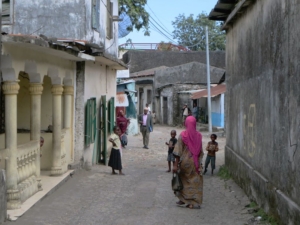
Homelessness in ComorosThe Comoros is a developing country located off the coast of East Africa, consisting of three islands, including Grande Comore, Anjouan and Moheli. Poverty and homelessness have been a large issue for the country for over 10 years, but the country truly focused on reforming development after the 2019 cyclone and the COVID-19 pandemic, causing a growth in poverty rates. Here is more information about homelessness in Comoros. 

The Issue

Homelessness in Comoros tends to stem from a lack of opportunities, which results in an unequal distribution of consumption expenditures. Within the years 2004-2014, supplies and housing conditions saw improvements, with the percentage of people going through hardships dropping from 85% to 75%, but the number of people lacking access to supplies remained high. As educational and job developments began to increase, the Comoros’ homeless faced major setbacks due to a natural disaster and health crisis.

In April 2019, Tropical Cyclone Kenneth hit the Comoros, causing flood damage, contaminated water tanks, loss of power for days and damaged roads limiting travel access. The cyclone resulted in the loss of more than half of the Comoros’ main crop food source, affecting the food supply and livelihoods. The severe damage to homes and land resulted in an estimated 20,000 people experiencing displacement.

Despite the immediate response from supporting organizations, flooded roads and a loss of power supply caused difficulty in moving supplies. The capacity of the Comoros’ Government to respond to a crisis like this is limited, putting a strain on the country as a whole.

Cyclone Kenneth’s impact already affected the homeless, and the people faced further hardship with the arrival of COVID-19, which caused a restraint in job opportunities and increased health issues as the country does not have the services to respond to a national pandemic.

Developments 

Despite the increased hardships, the Comoros’ Government sought immediate support from “UN agencies, the Red Crescent, and local NGOs” to respond to Cyclone Kenneth’s damages. These organizations assisted with food security, shelter, health conditions and education. All schools and government facilities remained closed, so UNICEF provided children with alternative learning opportunities to prevent disruptions in their education. Individuals and families who experienced displacement received nutritional and health supplies along with shelters for protection.

By 2023, the economy had grown, which benefited homelessness in the Comoros, as those individuals and many more depend on agriculture. There was an increase in agricultural prices due to agreeable climate conditions, leading to a decline in inflation, which largely assisted the economy. The inflation percentage in the year 2022 sat at 12.4% and saw a significant decline to 9.2% by 2023.

Although COVID-19 and the cyclone slowed down economic recovery, projects including the El Maarouf hospital, the Galawa hotel and the repairs of roads are in the works. In 2023, an energy law was put in place that “promotes the production of electricity from renewable sources.” As the poverty rate remains at 38.2%, it will likely reduce to 36.2% by 2026 with an expanding and further recovered economy.

US Assistance

The U.S. may not have an embassy located in the Comoros, but the U.S. Ambassador in Madagascar is accredited to the Comoros. The U.S. and the Comoros have had an established diplomatic relationship since 1977, occurring only two years after the Comoros gained independence from France in 1975.

During the 2024 celebration of the long lasting, expanding relationship between the U.S. and the Comoros, the U.S. Ambassador to Madagascar announced USAID programming funds that will go towards “renewable energy, food security and workforce development.” The USAID program will receive $5 million along with $1 million to fund education and better the governments financial needs.

Looking Ahead

The country’s economy is expanding and putting every effort into recovering, which has provided them with critical improvements. Slowly but surely, the homelessness in Comoros is gaining the needed attention to live more safely and healthily.

– Sarina Francis

Sarina is based in Tallahassee, FL, USA and focuses on Global Health for The Borgen Project.

Photo: Flickr

Myanmar After the EarthquakeOn March 28, one of the largest earthquakes to hit Myanmar at a 7.7 magnitude disrupted the daily lives of millions. Twelve minutes after the first earthquake struck, a second earthquake that was 6.4 in magnitude hit Myanmar, compounding the damage already done. Thousands have died, and even more have been injured. 

Military forces control the majority of the territory and some opposing forces, such as the National Unity Government’s People’s Defense Force, have said they would pause all military action in affected areas. Because of the conflict, getting outside aid into the country is not simple. However, this has not stopped several organizations from taking action and bringing aid to the millions in need. Here are five organizations helping to rebuild Myanmar after the earthquake. 

Project HOPE

This organization specializes in global health and works on the ground with local representatives to bring health care aid to countries around the globe. After the Myanmar Earthquake, Project HOPE worked with one of its partners, SAMU, to put mobile medical teams on standby if needed by the government. However, they have already deployed two mobile units with the help of another partner, Community Partners International, which is connecting people in need with medical assistance. 

When a disaster like this occurs, a significant issue many may not think about is the logistics of how life-saving aid is going to make its way into affected areas. Project HOPE’s response team in Yangon is addressing just that, as they are working out supply chain routes that can help aid organizations connect with local communities and bring essentials such as food, clean drinking water, and hygiene kits into affected areas.

Save The Children

This organization focuses on every aspect of an impoverished child’s life and ways to improve it. As children are some of the most vulnerable after the devastating earthquake, Save the Children mobilized 10 on-the-ground teams of around eighty staff members in various fields to help render aid to more than 91,000 people thus far. 

Save The Children understands the need to provide specific care for children that is often overlooked. This is why they have established safe spaces for children in affected areas to play, learn and receive mental health support. Many schools have sustained structural damage after the earthquake and subsequent aftershocks, leaving many children no place to continue their education. Save The Children is working with local organizations and partners to evaluate how they can rebuild and repair these essential spaces.

International Federation of Red Cross (IFRC)

As the largest humanitarian network in the world, the IFRC has unprecedented access to getting fast aid into countries after a disaster strikes. It immediately coordinated with the Myanmar Red Cross Society to establish mobile health clinics to assist with overwhelmed hospitals. As access to working plumbing and clean drinking water is extremely limited in many of the hardest hit areas, they have also been working to distribute water purification and hygiene kits to help ease this burden. 

International Rescue Committee (IRC)

Following the earthquake in Myanmar, the IRC quickly realized hospitals were becoming increasingly overcrowded and that there were not enough workers to go around. To help ease the workload of the hospitals and get help to those unable to reach a treatment center, it mobilized health teams to coordinate with local authorities and started administering medicines and aid to those in need. 

Doctors Without Borders

Founded in 1971 by doctors and journalists, Doctors Without Borders has worked for years to provide impartial medical aid to those in crises. The organization was quick to step in after the 7.7 magnitude earthquake struck Myanmar, providing the highly affected areas with skilled staff members not only in medicine but also sanitation, water, and logistics. 

With how large the impact zones are and how many were affected, Doctors Without Borders sees their current limitations and is pushing for a larger “scale-up” of aid within the country. They are communicating and working with the country’s Ministry of Health to ensure more help is being provided in hard-to-reach areas that have lost contact with officials because of blackouts. 

Looking Forward 

Even before the earthquake struck Myanmar, millions were already in need of humanitarian support. This natural disaster only worsened these conditions and put millions more in need of assistance. These organizations are helping to administer life-saving aid to a country in a state of emergency by providing essential resources, medical services, and labor forces.  

– Collier Simpson

Collier is based in Savannah, GA, USA and focuses on Good News and Global Health for The Borgen Project.

Photo: Flickr

MHPSSEarthquake. Wreckage. Two realities for Myanmar, which on March 28, 2025, experienced the country’s second-worst earthquake. Known as the “Golden Land” due to its many golden temples that offer peace of mind, Myanmar’s mental health services remain under great strain and even more so under the current dilemma.

Effectively, a humanitarian crisis linked with Myanmar’s pre-existing vulnerability to natural disasters, like a 7.7 magnitude quake, coupled with cultural, economic and financial stressors, adversely impacting well-being, as poverty rates near 50% and a new death toll surpasses 3,000. While naturally physically devastating, many often discount or overlook the psychological implications of an earthquake and the relationship between natural disasters and poverty in lower socio-economic countries.

In Myanmar, the emotional recovery for those living on less than $1 a day may take longer than physical reconstruction. An approach that shows promise is addressing mental health and psychosocial needs as a core part of disaster recovery and poverty reduction.

Struggles by the Numbers

Since 2021, Myanmar has faced a worsening military takeover, civil unrest, armed conflict, mass internal displacement and a COVID-19-induced recession.

  • In 2023, poverty rates rose to 49.7% from 24.8% in 2017 (24.4% living in extreme poverty).
  • Women-headed households are 1.2 times more likely to live in poverty.
  • Four of Myanmar’s seven states reported median household incomes dropping by nearly 50%.

These conditions increased national instability and the need for relief in a country facing debilitating humanitarian, bureaucratic, financial and geographical constrictions. Compounded by the crippling March earthquake, the well-being of nearly 55 million people in Myanmar remain at risk, as one in three people continue to suffer from mental health issues related to population shocks. In 2021, post-traumatic stress disorder (PTSD), depression and anxiety made up 46.4% of mental health diagnoses in the country.

Rummaging Through Rubble

Earthquakes disproportionately affect developing countries, as poor infrastructure and a lack of resources often dictate the quality of preparedness and response to natural disasters. Decisions about reducing disaster vulnerability are often made collectively rather than by individuals.

Consequently, such differential impact disadvantages the impoverished, who usually are subjects of lower quality living and decreased socioeconomic opportunity. Although disaster preparedness and prevention can significantly reduce vulnerability, the poor are frequently excluded from decision-making processes due to political marginalization, leading to their interests being overlooked in favor of those with power and influence.

Regarding the relationship between psychological distress and exposure to earthquakes, researchers highlight a direct correlation and even a heightening effect on deteriorated mental health outcomes for vulnerable groups. Specifically, one study demonstrated how a 2006 earthquake increased anxiety, depression and sleep disorders by 8.39%, 10.47% and 7.37%, respectively. Moreover, the earthquake increased loneliness by 10% and decreased motivation, nutritional habits and employment by 10%, 12.37% and 2.11%, respectively. After an earthquake, women, children and the elderly are more likely to develop psychological distress than men.

Low-income households and those in rural areas face higher rates of psychological distress following earthquakes, often without access to treatment or support. An earthquake’s psychological impact can last more than eight years.

MHPSS

Mental Health and Psychosocial Support (MHPSS) programs provide targeted interventions for communities affected by crisis. In Nepal, MHPSS efforts following two major earthquakes in 2015 improved mental health outcomes in 54% of participants within six months. Among those with severe impairments at the start of the program, 89% reported improvements.

MHPSS can indirectly contribute to poverty reduction. By improving mental health and social integration, these programs help increase productivity and reduce health care costs. Research suggests MHPSS interventions may continue playing a significant role in long-term recovery by helping individuals build resilience and restore livelihoods.

Here are some of the key initiatives in Myanmar currently:

  • Minimum Service Package (MSP). Sponsored by WHO, UNICEF and the United Nations (U.N.), the MSP delivers immediate psychological and medical support to vulnerable populations. The program offers standardized MHPSS delivery by integrating psychological care with emergency services and health referrals.
  • National Emergency Health Care Plan for Disasters. This initiative brings together the Ministry of Health, Myanmar Red Cross, Department of Administration and Department of Relief and Resettlement. The goal is to lower financial barriers to care and establish a strong mental health infrastructure before, during and after natural disasters.
  • The Psychological Support Program (PSS). PSS operates at the community level to provide counseling and group support, focusing on trauma recovery and emotional stabilization after crises.
  • Program for Appropriate Technology in Health (PATH). PATH works across several regions in Myanmar to train local health workers, distribute mental health resources and offer basic mental health services to underserved communities.

Moving Forward

Natural disasters have claimed more than 1.23 million lives globally in the past two decades. Myanmar’s March earthquake adds to this toll and the estimated $2.97 trillion global disaster cost. It also highlights the urgent need to address mental health in poverty reduction strategies. As one in eight people worldwide live with a mental health condition, integrating MHPSS into emergency response may help Myanmar’s most vulnerable populations recover and thrive. These ongoing interventions offer not only psychological relief but a pathway toward economic and social well-being.

– Marcus Villagomez

Marcus is based in Galveston, TX USA and focuses on Good News for The Borgen Project.

Photo: Flickr

Disability and Poverty in MicronesiaThe Federal States of Micronesia (FSM) is an island nation in Oceania that gained its independence from the U.S. in 1986 with the signing of The Compact of Free Association. This agreement cemented the FSM as a sovereign nation while ensuring that the U.S. would continue financially assisting their government. Since then, U.S. aid to Micronesia has continued to develop. In 2004, the U.S. signed an Amended Contract with the FSM, which includes “provisions related to governmental relations, immigration, and defense and security matters.” Despite these foreign aid agreements, the net change in Micronesia’s poverty rates have been strikingly negative. Additionally, there is a significant correlation between disability and poverty in Micronesia.

A Quick Look at the Numbers

In 1993, the Household Income and Expenditure Survey showed that 30% of Micronesian households fell below the poverty line, and in 2013, a survey that the World Bank did showed that 41.2% of the population fell under the poverty line. 

This 11.2% increase in poverty rates over the span of only 20 years is not a random phenomenon. In 2003, the Micronesian federal government interviewed citizens from three of the country’s four states, Chuuk, Yap and Pohnpei, in a “Participatory Assessment of Hardship.” This assessment found that “landlessness, increasing drug and alcohol abuse, overcrowded households, and natural disasters” along with “the deterioration of customs and traditions… [and] restrictions brought by traditional beliefs” are the largest factors impacting poverty rates and hardship in the FSM. 

What Does This Have to Do With Disability?

Disability and poverty in Micronesia are intrinsically tied. The largest markets in the FSM’s economy are farming and fishing, but because of the dispersed quality of the country’s geography and population, it is very difficult to make a profit selling produce and goods without commuting. Individuals who are unable to travel are often also unable to make an income. In a testimony taken by the Asian Development Bank, one woman explained: “I decided to start a small farm. The hardest part is finding transportation to bring the produce to sell in the capital. Sometimes I walk from my village to another village just to look for a boat. Sometimes I can’t find one and then my produce gets wasted and rotten.” 

As sustenance farming has become less and less of a reliable way to make a living, those who reside in the rural outer islands have started to move to the country’s few urban hubs, leaving those unable to make the trip behind. Furthermore, Micronesia is in an area that is prone to natural disasters and is extremely vulnerable to the impacts of changing weather patterns and rising sea levels. In the case of a natural disaster, there is not infrastructure to ensure the safety of disabled peoples.

On June 11, 2009, the Micronesian government made the following statement regarding disability and poverty in Micronesia: “The FSM has approximately 10,000 people with some form of disability and the available programs and services for disabled persons are currently very limited. The number of disabled people in the FSM is increasing year after year and the limitation of available services suggests a moral and legal obligation to develop adequate programs to promote and protect their interest and wellbeing.”

Solutions

Although the situation with poverty and disability in Micronesia may seem bleak, there are many organizations and pieces of legislation that are continuing to help provide aid to this vulnerable demographic. One incredible organization to highlight is the Pohnpei Consumer Organization. With branches in all four Micronesian states, they work to support the disabled population and raise awareness about their struggles. One project that they took on was creating a “disaster tool-kit,” in order to provide villages with all of the resources necessary to support the disabled members of their community in the case of natural disaster. With hard work and support from foreign aid, it is more than possible to decrease the impacts of disability and poverty in Micronesia.

– Helena Birbrower

Helena is based in Davis, CA, USA and focuses on Global Health and Politics for The Borgen Project.

Photo: Flickr

disease in the PhilippinesThe Philippines is highly susceptible to natural disasters such as droughts, earthquakes, flooding, cyclones and tsunamis. Natural disasters have a significant impact by displacing people from their homes and destroying agriculture, property and livelihoods. The political and socioeconomic climate of the Philippines exacerbates the damage as natural disasters significantly affect people in vulnerable situations due to lack of resources, income and access to social services and medical treatment. This further aggravates poverty and increases the spread of disease.

There is a correlation between natural disasters and disease in the Philippines. With disaster comes destruction and instability. People flee their homes as disasters decimate infrastructure, entire agricultural fields disappear and those from low incomes are unable to access medical care. Similarly, the disasters alone have direct links to negative health effects such as dengue, diarrheal syndrome, measles, cholera, meningococcal disease and acute respiratory syndrome.

Natural disasters cause disease in the Philippines, particularly impacting the lives of low-income people as they are less likely to obtain access to the resources necessary to rebuild their lives after a disaster or treat diseases caused by these events

Disaster, Disease and Poverty

Research has shown that infectious diseases occur following natural disasters as these circumstances hamper the foundations of many citizens’ lives and the health care system is not stable enough to cope with this. A deficit of clean water, stable housing and health care results in poor living conditions and higher rates of communicable disease.

A study on water-related diseases in the Philippines highlights that unless water availability is imperilled and people are displaced, the spread and risk of water-related diseases are low. Comparatively, following flooding, there is a significantly increased risk of such diseases because contaminated water is dominant – meaning that infections such as dermatitis and conjunctivitis are common. Similarly, following flooding, there is a higher risk of faecal-oral diseases such as paratyphoid fever, poliomyelitis and chlorea.

For those living in poverty in the Philippines, disasters such as flooding heighten the risk of communicable diseases, therefore pushing people into extreme poverty as they do not have the resources to treat such diseases. As a result, this worsens their quality of life.

The Work of Planet Water Foundation

Planet Water Foundation focuses on tackling a lack of clean water in the Philippines. Since 2010, the foundation has installed approximately 430 clean water schemes across the Philippines. This scheme involves the implementation of around 360 AquaTower water filter apparatuses in primary schools, ensuring students and staff can access clean drinking water

The foundation has also provided resources to aid communities during and following natural disasters by ensuring they have the resources to stay healthy and prevent disease. Through the placement of AquaBlock Emergency Water Systems following natural disasters such as flooding and cyclones, locals can secure clean water even amidst natural hazards. The Planet Water Foundation’s disaster responses include the Taal Volcanic eruption, Typhoon Odette and Typhoon Goni.

The implementation of systems that ensure there is sanitary water acts as a preventive measure for communicable diseases that arise from contaminated water that manifests from natural disasters. Correspondingly, this addresses the sanitation gap that low-income people and locals experience which helps them maintain basic hygiene even if they lose shelter because of natural disasters.

– Ella Dorman

Ella is based in Worcestershire, UK and focuses on Global Health for The Borgen Project.

Photo: Flickr

Homelessness in TuvaluTuvalu, a small nation of islands in the South Pacific, has a population of approximately 10,000 inhabitants as of 2023. Often referred to as “the disappearing nation,” Tuvalu faces existential threats from rising sea levels and changing climatic conditions, which profoundly affect housing stability and community resilience. Homelessness in Tuvalu is not just a housing crisis—it is a looming humanitarian emergency. As rising sea levels threaten to submerge entire islands, the risk of displacement grows.

Environmental Vulnerabilities

Tuvalu’s geographical characteristics make it particularly susceptible to natural disasters, which can lead to displacement and homelessness. According to the United Nations Conference on Trade and Development (UNCTAD), in 2006, homelessness levels in Tuvalu were 3.8 times higher than in other developing countries, primarily due to natural disasters, financial hardship and limited opportunities.

The country’s low-lying atolls are increasingly vulnerable to rising sea levels and extreme weather events, exacerbated by climate emergency. These environmental challenges threaten housing stability and have already displaced some communities. In neighboring Pacific regions, entire populations have been forced to relocate due to these environmental threats, foreshadowing the potential risks for Tuvalu.

Economic and Social Factors

Tuvalu’s high cost of living amplifies financial struggles for many families, making it difficult to afford necessities such as food, health care, and education. According to the Asian Development Bank, Tuvalu had an unemployment rate of 7.9% in 2022, further limiting economic opportunities. Additionally, the World Bank reported that in 2019, 3.6% of Tuvalu’s population lived below the international threshold of $2.15 per day, highlighting the financial vulnerability of low-income households.

The government has recognized these economic hardships and is actively addressing the root causes. Efforts include reviewing taxation, price control regulations and the costs of essential commodities and services. Community-driven solutions, such as TANGO, cooperative savings initiatives and grassroots organizations, also significantly alleviate financial hardship, offering localized economic support and alternative income-generating opportunities.

Government and International Initiatives

To mitigate the impacts of natural disasters, Tuvalu has accessed financial assistance through the Pacific Disaster Resilience Program, securing $3 million in January 2020 and an additional $4 million in November 2022. These funds aim to strengthen disaster resilience and support recovery efforts. Furthermore, international partnerships like the United Nations (U.N.) and the Pacific Community continue to aid climate adaptation and community housing projects, ensuring that the people of Tuvalu have the resources to sustain their livelihoods amid environmental challenges.

Conclusion

Homelessness in Tuvalu is deeply intertwined with environmental vulnerabilities, economic pressures and evolving social dynamics. However, the heart of Tuvalu remains its resilient communities, who, despite mounting challenges, continue to foster support networks and advocate for sustainable solutions. Addressing homelessness in Tuvalu requires a collective approach, combining government initiatives, international aid and community-driven strategies to secure a stable and hopeful future for all Tuvaluans.

– Arianna Distefano

Arianna is based in London, UK and focuses on Politics for The Borgen Project.

Photo: Unsplash
Water Scarcity in UruguayUruguay, a republic located in South America, has spent the past several months recovering from a drought that lasted more than three years. The drought was severe, to the point where authorities were mixing seawater with freshwater to try and amend the problem— accidentally rendering it completely undrinkable in the process. While things have gotten much better amid more rainfall and administration changes, water scarcity in Uruguay remains a concern for its citizens due to the construction of data centers. These data centers are projected to use unsustainable amounts of water.

What Is a Data Center?

Most internet netizens are familiar with “the Cloud,” where users can remotely store data instead of keeping it on their devices. This data cannot just be nebulously stored on the internet, though; it has to go somewhere physical to be stored. Data centers are the answer to this, containing warehouses of servers that process and house cloud data along with the machines that help make AI technology work.

These computers need lots of water to stay cool with a typical data center using an average of 300,000 gallons of water a day. Some data centers can even use upwards of a million gallons of water a day. Since the process of cooling down computers heats the water, it cannot be dumped back into the systems where it came from since thermal pollution has been known to destroy entire ecosystems.

This process also has the potential to leave chemicals or other impurities that render the water unfit for human consumption. Many worry that the introduction of this technology in Uruguay could prove catastrophic, given the water scarcity in Uruguay.

The Effect on Uruguay

Water scarcity in Uruguay continues to be a prime concern for its citizens and the announcement of a new data center only further exacerbated these concerns. The initial announcement drew so much controversy that many locals took to the catchphrase “It’s not drought, it’s pillage” amid protests. Experts also worry about the long-term ramifications of data centers posing a drain on Uruguay’s very limited water supply.

While the country is still recovering from the prior drought, the insecurity and ecological decimation it brought can still be felt in many areas. A new proposal for the data center was created, with an emphasis on using air conditioning to cool the computers instead of water. Unfortunately, academics conclude this would be just as damaging environmentally. While it is true the amount of water would be lessened, the air pollution and stress on the electrical grid far outweigh any good proposed by the new solution.

Advancements in Technology

Data centers use large amounts of electricity and water to operate, but this does not have to be a negative thing due to recent advancements. Many data centers have turned to using reclaimed wastewater or sewage, to cool their systems instead of relying on drinkable water. Other companies have proposed the idea of recycling the water used in data centers to create a self-sufficient model of water usage.

Advancements such as these would greatly lessen the impact on drinkable water if implemented in Uruguay. Google, the company building and operating the data centers, has been vocal about not wanting to harm Uruguay through the creation of the data center. On the contrary, Google has offered to collaborate with local universities to provide more technology-focused content in their curriculums in order to bolster Uruguay’s tech business and advancements.

Moving Forward

While Uruguay continues to recover from prior droughts, water scarcity in Uruguay continues to be an issue for it. Many worry that the creation of a data center continues to threaten Uruguay’s water supply. However, recent technological advancements and renewed promises for compromise between Google and the Uruguayan people offer a brighter future moving forward.

– Mackenzie Scott

Mackenzie is based in Indianapolis, IN, USA and focuses on Technology and Solutions for The Borgen Project.

Photo: Flickr

floods in brazilThe 2024 floods in Brazil, specifically in Rio Grande do Sul were considered the worst natural disaster in the region’s history. Heavy rain started to pour in April 2024 and did not stop for 10 days, overwhelming the basins of the Taquari, Caí, Pardo, Jacuí, Sinos, and Gravataí rivers. The water eventually overflowed as it reached the cities and ravaged several municipalities in Porto Alegre.

Floods in Brazil

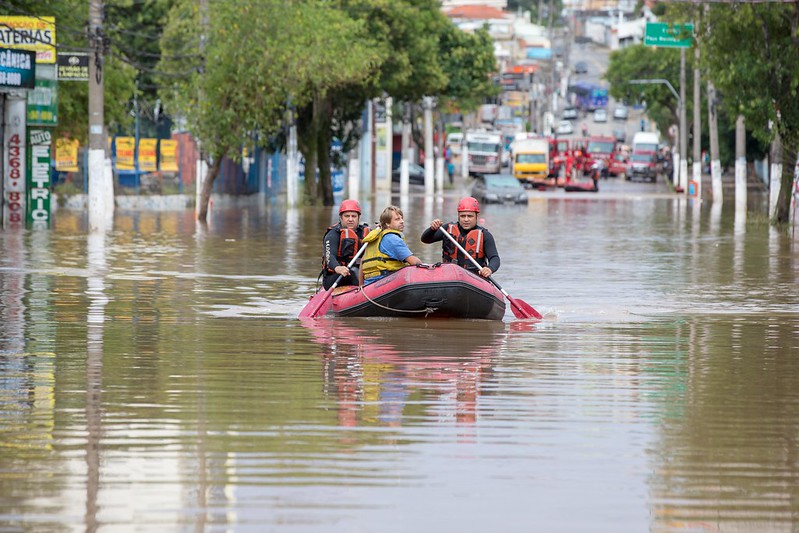
Several neighborhoods and communities in the Rio Grande do Sul had been completely submerged in two weeks. People lost their homes, jobs, possessions, and loved ones, having to find shelter in churches and stadiums or, in the case of more vulnerable communities, under boats and cars. Around 163 people died, almost 600,000 were displaced and more than 65,000 were in shelters.

A recent study by the Metropolis Observatory showed that poorer families were the most affected by the floods in Brazil as they were struggling to rebuild themselves. Neighborhoods like Humaitá, in which the majority of the population earned a minimum wage, suffered the most. Similarly, in the Delta do Jacuí islands, 200 people had to improvise shelter in tents, cars, and under bridges. Floods have always been common in the city and have always affected the low-income population the most.

Volunteers

Alexandre da Silva, who volunteered in Porto Alegre’s shelters, said that it looked like a “war scene.”

“There was a lot of water. There were many volunteers with boats and helicopters—the rescues were non-stop. Hospitals [were full of] with people suffering from hypothermia, fainting and [those] who had ingested a lot of water.”

Overnight, residents from Porto Alegre found themselves in poverty. The unemployment rate could rise from 5.3% to 6.1%, and the investment needed to rebuild the city could cost billions of dollars. Specialists state that, despite a trend of impoverishment in the region, the extent is uncertain.

“People lost their jobs and did not get any compensation. They lost their houses and had no place to stay; they left with just the clothes on their backs because the flood was very fast. Imagine you are in your house and suddenly it starts flooding. Within three hours, the water had taken over”, declared Alexandre.

People Helping

The disaster quickly reached social media as people detailed their stories and asked for any sort of help. What was expected to be a small movement mobilized the entire country. At the time, the most popular content creator was the make-up artist Camila Pudim. In response to the floods and her new-found success, she posted on TikTok to encourage people to donate to Rio Grande do Sul. The video amounted to more than 90 million views, and several other creators followed in her footsteps, promising to donate their content’s revenues to the cause.

The previous 70,000 people in shelters fell to 1,800 by November 2024 in a continuous decline, and efforts are still ongoing towards the complete restructuring of the cities. The Brazilian government has recently authorized the budget to reconstruct 7,500 houses and the regional authorities have allocated 212 temporary residences aimed at providing homes to those awaiting definite housing.

Solidarity Campaign

Additionally, System Fiep organized the Solidarity Campaign, which continues working towards supporting the flood’s victims. Since its beginning in May, it has raised more than 65 tons of donations among them water bottles, food, clothing, bedding, hygiene products, cleaning products and toys.

The state is now implementing a new strategy, “Plano Rio Grande”, for reconstruction, adaptation, and climate resilience – allocating around 2.2 billion reais to the project. The actions taken include the transfers from the Civil Defense to the affected municipalities (which amount to a total of R$148 million), resources for the reconstruction of roads (R$117.7 million), the Volta por Cima social program, which allocated R$251.2 million to homeless and displaced families, and a program for dredging small rivers and streams (R$300 million).

Corporations Involving

SLC Institute, an organization within the agricultural business, helped with equipment, logistics, fundraising, and by donating R$ 500,000 to the Food Bank, an aid campaign. Renner, one of the most popular fast-fashion companies in Brazil, funded boat rentals that, according to its own Public Relations team, made 900 rescues in Porto Alegre and surrounding metropolitan areas. CMPC, a major player in the forest sector, also used trucks, helicopters, and backhoe loaders to assist in rescuing people and animals.

In addition, when combining the efforts, donations from the former and latter organizations summed up to 80,000 pieces of clothing, 75,000 liters of water, 5,000 bedsheets and towels, 14,000 blankets, 14,000 hygiene items, 15 tons of food, 4,000 food bank parcels, dozens of chemical toilets, and 750 mattresses destined to shelters.

– Beatriz Cicci

Beatriz is based in London, UK and focuses on Good News and Politics for The Borgen Project.

Photo: Flickr