Life After the Volcano: Montserrat Rebuilding Efforts
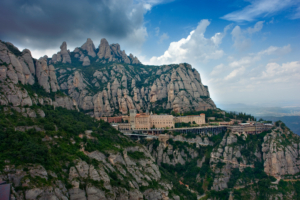 Nearly three decades after the Soufrière Hills volcano erupted in 1995, transforming the lush Caribbean island of Montserrat into a disaster zone, the scars remain etched in both the landscape and the lives of its people. Between 1995 and 1997, eruptions buried the capital, Plymouth, in ash and lava, displacing more than two-thirds of the population and rendering vast swaths of land uninhabitable.
Today, Montserrat rebuilding efforts continue to affect thousands of residents, who face persistent poverty, limited resources and the weight of long-term displacement.
The Lingering Impact of the Soufrière Hills Eruption
The volcano’s devastation destroyed key infrastructure, including roads, utilities and government buildings. According to the Montserrat Statistics Department, more than 60% of the island’s population was forced to evacuate permanently. Those who stayed faced the challenge of resettling in the island’s northern part, which had limited infrastructure at the time.
The economic collapse that followed was severe. The World Bank reported that Montserrat’s gross domestic product (GDP) fell more than significantly in the immediate aftermath of the eruptions. As of 2022, about 36% of Montserrat’s residents live below the poverty line.
Montserrat’s Long Road to Recovery and Housing Stability
Housing insecurity remains a major issue in Montserrat’s rebuilding efforts. Many families still live in transitional shelters or informal homes lacking adequate weatherproofing or sanitation. The Post-Disaster Needs Assessment conducted by the United Nations Development Programme (UNDP) in 2021 identified housing rehabilitation and expansion as a top priority.
International aid has played a vital role in tackling these issues. The Joint SDG Fund, in partnership with the Government of Montserrat, supports projects targeting poverty reduction, workforce development and sustainable housing. Similarly, the Montserrat Budget Support Programme, backed by the U.K.’s Foreign, Commonwealth and Development Office, has helped maintain essential services and fund housing projects in the north.
The COVID-19 pandemic deepened economic hardship and food insecurity. In response, the UNDP issued emergency grants to farmers and fishers to support food production during lockdowns. Still, Montserrat rebuilding efforts remain slow. Construction costs, limited access to credit and climate-related risks continue to challenge progress. However, the Former Premier of Montserrat, Joseph Farrell, has emphasized the need for resilient housing models to withstand future shocks.
Despite obstacles, Montserrat’s people have shown resilience. Civic groups, returning diaspora members and entrepreneurs are working to revitalize communities and small businesses. The Montserrat Sustainable Development Plan outlines goals for economic diversification and infrastructure growth.
A Path Toward Long-Term Recovery
Montserrat’s experience is a stark example of how small island nations face compounded risks from natural disasters, poverty and limited resources. The island’s slow but steady recovery highlights the importance of long-term investment, disaster resilience and community-driven planning.
“The resilience of the Montserratian people is unmatched,” said U.N. Resident Coordinator Didier Trebucq in a recent visit. “But to truly rebuild, we must continue supporting efforts that prioritize equity, sustainability and local leadership.”
While the volcano still lingers beneath the surface, so does the enduring hope of a resilient, more secure Montserrat.
– Giovanni Garcia
Giovanni is based in Long Beach, CA, USA and focuses on Good News and Politics for The Borgen Project.
Photo: Wikimedia Commons
