5 Organizations Helping To Rebuild Myanmar After the Earthquake
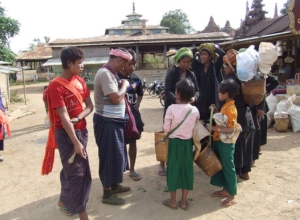 On March 28, one of the largest earthquakes to hit Myanmar at a 7.7 magnitude disrupted the daily lives of millions. Twelve minutes after the first earthquake struck, a second earthquake that was 6.4 in magnitude hit Myanmar, compounding the damage already done. Thousands have died, and even more have been injured.
Military forces control the majority of the territory and some opposing forces, such as the National Unity Government’s People’s Defense Force, have said they would pause all military action in affected areas. Because of the conflict, getting outside aid into the country is not simple. However, this has not stopped several organizations from taking action and bringing aid to the millions in need. Here are five organizations helping to rebuild Myanmar after the earthquake.
Project HOPE
This organization specializes in global health and works on the ground with local representatives to bring health care aid to countries around the globe. After the Myanmar Earthquake, Project HOPE worked with one of its partners, SAMU, to put mobile medical teams on standby if needed by the government. However, they have already deployed two mobile units with the help of another partner, Community Partners International, which is connecting people in need with medical assistance.
When a disaster like this occurs, a significant issue many may not think about is the logistics of how life-saving aid is going to make its way into affected areas. Project HOPE’s response team in Yangon is addressing just that, as they are working out supply chain routes that can help aid organizations connect with local communities and bring essentials such as food, clean drinking water, and hygiene kits into affected areas.
Save The Children
This organization focuses on every aspect of an impoverished child’s life and ways to improve it. As children are some of the most vulnerable after the devastating earthquake, Save the Children mobilized 10 on-the-ground teams of around eighty staff members in various fields to help render aid to more than 91,000 people thus far.
Save The Children understands the need to provide specific care for children that is often overlooked. This is why they have established safe spaces for children in affected areas to play, learn and receive mental health support. Many schools have sustained structural damage after the earthquake and subsequent aftershocks, leaving many children no place to continue their education. Save The Children is working with local organizations and partners to evaluate how they can rebuild and repair these essential spaces.
International Federation of Red Cross (IFRC)
As the largest humanitarian network in the world, the IFRC has unprecedented access to getting fast aid into countries after a disaster strikes. It immediately coordinated with the Myanmar Red Cross Society to establish mobile health clinics to assist with overwhelmed hospitals. As access to working plumbing and clean drinking water is extremely limited in many of the hardest hit areas, they have also been working to distribute water purification and hygiene kits to help ease this burden.
International Rescue Committee (IRC)
Following the earthquake in Myanmar, the IRC quickly realized hospitals were becoming increasingly overcrowded and that there were not enough workers to go around. To help ease the workload of the hospitals and get help to those unable to reach a treatment center, it mobilized health teams to coordinate with local authorities and started administering medicines and aid to those in need.
Doctors Without Borders
Founded in 1971 by doctors and journalists, Doctors Without Borders has worked for years to provide impartial medical aid to those in crises. The organization was quick to step in after the 7.7 magnitude earthquake struck Myanmar, providing the highly affected areas with skilled staff members not only in medicine but also sanitation, water, and logistics.
With how large the impact zones are and how many were affected, Doctors Without Borders sees their current limitations and is pushing for a larger “scale-up” of aid within the country. They are communicating and working with the country’s Ministry of Health to ensure more help is being provided in hard-to-reach areas that have lost contact with officials because of blackouts.
Looking Forward
Even before the earthquake struck Myanmar, millions were already in need of humanitarian support. This natural disaster only worsened these conditions and put millions more in need of assistance. These organizations are helping to administer life-saving aid to a country in a state of emergency by providing essential resources, medical services, and labor forces.
– Collier Simpson
Collier is based in Savannah, GA, USA and focuses on Good News and Global Health for The Borgen Project.
Photo: Flickr
