Uruguay’s Water Crisis
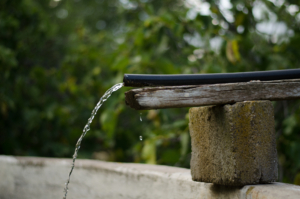 Despite championing itself as the first country to enshrine the right to clean drinking water in its constitution, Uruguay has had a tumultuous relationship with water in the last few years. Uruguay’s water crisis, which began in 2018 and was triggered by severe droughts and a lack of rainfall, combined with poor government management and crisis response, reached a dangerous peak in the winter of 2023. Given Uruguay’s reliance on agricultural exports, this threatened the availability of safe drinking water, public health and economic productivity.
Thankfully, Uruguay’s water crisis ended in August 2023, with heavy rainfall and efforts by the government and international organizations to help replenish depleted supplies. However, this does not mean that policymakers in Montevideo can sit back and relax. On the contrary, efforts to improve infrastructure and protect water sources must be continued so that the country does not find itself in the same situation soon.
Why Was There a Water Crisis in Uruguay?
Many blame climate instability for Uruguay’s water crisis. The “La Niña” weather phenomenon contributed to rising temperatures and worsening droughts, persisting much longer than in the past. However, many argue that the climate emergency alone cannot be blamed. Poor government planning in the wake of these meteorological changes greatly worsened the effects of global warming.
It meant that Uruguay quickly found itself in a very vulnerable position. Water resource exploitation is very high in Uruguay; around 80% of freshwater is dedicated to farming and agriculture, limiting the amount of water for personal use. The government’s priority has been using water for “productive activities- agriculture, irrigation and big industry” and sufficient measures were not taken to prevent Uruguay’s water crisis.
Additionally, there was a historic lack of progress regarding water infrastructure projects. Before the crisis, the most recent reform to the waterways took place in 1987, as there has been a clear lack of political incentives to pursue projects to improve water infrastructure until now. For example, ex-president José Mujica proposed the Casupá Project in 2013, “which would have been able to fulfill 70% of Montevideo’s demand.” However, this program never came to fruition, as successive administrations made no moves to make it a reality.
What Were the Impacts of the Water Crisis?
Uruguay’s water crisis spelled trouble for its citizens, specifically for those living in Montevideo (home to around one-third of the total population). The Paso Severino Reservoir, the capital city’s main water source, reached around 1.7% of its total capacity in July 2023. In response to this scarcity, the State Sanitary Works Administration took water from sources near the River Plate, much more brackish than water from the reservoirs.
Although it was deemed safe, sick people and pregnant women were advised not to drink it. The sodium and chloride levels of the water pumped through the taps “exceeded what the World Health Organization considers safe for human consumption.” Bottled water was available and made exempt from taxes, but these quickly became scarce, partly due to panic-buying. The government provided free bottles to the most impoverished communities in affected areas.
Uruguay’s water crisis also had a significant impact on agricultural production. This sector accounts for around 7% of the nation’s gross domestic product (GDP) and 70% of total exports. The lack of water greatly affects agricultural output, especially between the end of 2022 and the beginning of 2023, “when it declined by 25% on a year-on-year basis.” The lack of water hit soybean production and cattle farming the hardest.
Another significant consequence of Uruguay’s water crisis was the growing political unrest due to poor drinking water quality and negative public perceptions of President Lacalle’s emergency response. Around 60% of the population was affected by the government’s decision to reroute water from rivers for public consumption, with the most vulnerable groups being especially affected. Around 63% of the population condemned the government’s response to the drought, with organized protests and campaigners shouting, “¡No es sequia, es saqueo! — It’s not drought, it’s pillage!”
What Was the Government’s Response?
Short-term solutions were enacted at the height of the drought to address immediate needs. Similarly, the government embarked on a long-term strategy to manage the current emergency and prevent future occurrences. Vowing it is “committed to improving the country’s water infrastructure and resilience to drought,” the government invested $500 million into plans to improve Uruguay’s waterways.
These included renovating sanitation systems, constructing another potable water source for the capital city and more reservoirs and desalination plants. There are also plans to repair damaged pipes to reduce water losses, with reports indicating that around 50% of the state-owned water company’s potable water supplies were lost due to leaks. The company has proposed a plan to reduce this by 25% in the next two decades.
What Role Have International Organizations Played?
During the crisis, the government also called on the Uruguayan Red Cross to help deal with demand and support plans to mitigate the consequences of shortages. The Inter-American Development Bank (IDB) also approved a $200 million loan “to support a program in Uruguay to boost water security and environmental sustainability.”
This loan aimed to improve water resource management and solid waste management to minimize contamination of potential future drinking water sources. Also, the IDB investment helped to improve Uruguay’s crisis responses, boosting resilience to changing weather dynamics alongside government refurbishments of its water systems.
Final Note
President Luis Lacalle Pou announced the end of the water crisis in August 2023 after three years of shortages and drinking water scarcity. This was mostly due to heavy rainfall in the region, which helped to refill water sources that were gravely depleted. However, the repairs to the water systems and programs to improve water security and management will hopefully pay dividends in the future, protecting Uruguay from the same situation.
– Ciara Howard
Ciara is based in Brighton, UK and focuses on Good News and Global Health for The Borgen Project.
Photo: Pxhere
