• Link to X
  • Link to Facebook
  • Link to Instagram
  • Link to TikTok
  • Link to Youtube
  • About
    • About Us
      • President
      • Board of Directors
      • Board of Advisors
      • Financials
      • Our Methodology
      • Success Tracker
      • Contact
  • Act Now
    • 30 Ways to Help
      • Email Congress
      • Call Congress
      • Volunteer
      • Courses & Certificates
      • Be a Donor
    • Internships
      • In-Office Internships
      • Remote Internships
    • Legislation
      • Politics 101
  • The Blog
  • The Podcast
  • Magazine
  • Donate
  • Click to open the search input field Click to open the search input field Search
  • Menu Menu

Archive for category: Legislations and Policies

Cultural Heritage, Global Poverty, Legislations and Policies, Technology

How Kenya is Using Satellite Data to Settle Land Rights

satellite data to settle land rightsIn Kenya’s informal settlements, where more than half of urban residents live without formal land titles, a quiet shift is transforming how land rights are established. Through partnerships between the government and international organizations, Kenya is using satellite imagery and unmanned aerial vehicles (UAVs) to map and formalize land ownership, unlocking economic opportunities for millions of residents who have lived for decades without legal proof of ownership.

Mapping the Unmapped

Kenya’s use of satellite data to settle land rights begins with remote sensing technologies tested in regions like Kajiado County. Researchers developed smart sketch mapping systems combined with UAV technology to capture high-resolution images of informal settlements. According to a study published in the journal Remote Sensing in January 2020, these methods achieved ground sample distances of about six centimeters, offering unprecedented detail for land boundary mapping.

A fit-for-purpose approach used in Makueni County in 2017 showed that field data collection could be quick and affordable. As reported by GIM International, two surveyors collected data for about 40 parcels in six hours using handheld devices displaying satellite imagery on mobile screens. Villagers walked the perimeters of their land while GPS antennas recorded boundary points, creating a participatory process that directly links people to polygons on digital maps.

The KISIP Initiative

The Kenya Informal Settlements Improvement Project (KISIP) is the most comprehensive effort to formalize land tenure in urban areas. Launched in 2011 through a partnership between the Government of Kenya, the World Bank, the Swedish International Development Cooperation Agency and the Agence Française de Développement, KISIP has benefited more than 1.4 million residents.

According to the State Department of Housing and Urban Development, KISIP operates in about 40 counties and focuses on land tenure regularization through planning, surveying and issuing ownership documents.

The project’s second phase, which began in March 2021, targets informal settlements located on uncontested public land. As People Daily reported in July 2025, KISIP2 has prepared more than 1,470 titles in Nyeri County alone, with 540 already issued.

Economic Transformation

The economic impact of secure land tenure goes far beyond property ownership. Title deeds can be used as collateral for bank loans, enabling residents to invest in permanent housing and small businesses. A 2019 Capital Blog article noted that residents of Nyalenda in Kisumu County used their new titles to access bank loans after receiving secure tenure through KISIP.

In November 2024, the Cabinet waived Sh12.3 billion in interest on land settlement loans, demonstrating the government’s commitment to unlocking land-based economic potential. According to Capital FM, the waiver will benefit thousands of settlers in 520 settlement schemes across 26 counties, helping them obtain title deeds and use them as collateral for investment.

Peter Kagai, an 80-year-old farmer from Kamuiri colonial village in Nyeri County, told People Daily that owning a title deed improved his life significantly, allowing him to secure loans to educate his children and invest in his farm.

Technology Meets Community

U.N.-Habitat’s Social Tenure Domain Model tool has proven effective in participatory mapping. In the Kwa Bulo settlement in Mombasa County, more than 1,000 Certificates of Occupancy were issued through participatory enumerations and mapping approaches. According to U.N.-Habitat, perceived tenure security led to increased economic activities, including new retail businesses and construction projects that created employment opportunities for youth.

Looking Forward

Kenya’s use of satellite data to settle land rights represents a model for other developing nations addressing informal land tenure. The combination of affordable satellite imagery, UAV technology and community-led mapping offers a scalable solution that respects local knowledge while providing legally recognized documentation.

As Flying Labs Kenya reported in October 2024, organizations continue expanding drone applications across humanitarian and development sectors, including land tenure mapping in counties like Kajiado.

With its ability to collect data quickly and cost-effectively, the technology is well-suited for large-scale land formalization programs. The success of these initiatives shows that technology-driven solutions, combined with partnerships and community participation, can address historical land injustices and create pathways to economic opportunity. For millions of Kenyans in informal settlements, satellite data and digital mapping tools are becoming essential to securing their future.

– Jawad Noori

Jawad is based in London, UK and focuses on Technology and Politics for The Borgen Project.

Photo: Pexels

November 30, 2025
https://borgenproject.org/wp-content/uploads/borgen-project-logo.svg 0 0 Precious Sheidu https://borgenproject.org/wp-content/uploads/borgen-project-logo.svg Precious Sheidu2025-11-30 03:00:032025-11-29 23:05:02How Kenya is Using Satellite Data to Settle Land Rights
Global Poverty, Government, Legislations and Policies

The MEGOBARI Act

The MEGOBARI ActIn the Georgian language, the word megobari (მეგობარი) means “friend.” In the proposed U.S. federal laws, it stands for the Mobilizing and Enhancing Georgia’s Options for Building Accountability, Resilience, and Independence Act.

The MEGOBARI Act

The primary purpose of the MEGOBARI Act is “to counter the influence of the Chinese Communist Party, the Iranian Regime, and the Russian Federation in the nation of Georgia” and to support Georgia’s constitutionally stated aspirations and the wishes of the overwhelming majority of its citizens to become a member of the European Union (EU) and NATO.

The bill also aims to continue supporting Georgia’s capacity to protect its sovereignty and territorial integrity from further Russian aggression or encroachment and to promote accountability by imposing swift consequences on individuals who directly and knowingly engage in actions or policies that significantly undermine democratic standards. The Act is temporary, set to expire five years after its date of enactment. A total of 16 representatives and two delegates, of which 10 are democrats and 8 republicans, have cosponsored the bill.

Policy and Diplomatic Reevaluation

  • Suspend the U.S.–Georgia Strategic Partnership Commission until democratic standards are met.
  • Review all foreign and security assistance if Georgia shifts away from EU accession.
  • Reduce trade ties with Russia and support global anti-Russian sanctions.
  • Continue backing civil society, democratic values, anti-corruption measures and freedoms of assembly, association and expression.

Reports and Strategy

  • Russian/Chinese Influence Report: Within 180 days, assess Russian intelligence and Chinese involvement in Georgia.
  • Five-Year U.S.–Georgia Strategy: Within 90 days, outline funding, tools and support for civil society and independent media and reassess Georgia’s priority status for U.S. aid.

Sanctions

  • Blocking Euro-Atlantic Integration: Sanctions on officials (and families) engaged in corruption, violence or intimidation.
  • Undermining Security: Sanctions on persons threatening Georgia’s sovereignty and stability.
  • Broader Corruption: Sanctions for significant acts of corruption.
  • Sanction Tools: Visa bans, visa revocations and property or asset blocking in the United States.

Conditional Assistance

  • U.S. aid is contingent on Georgia’s progress toward democracy and Euro-Atlantic integration.
  • If progress is shown, the U.S. will expand exchanges, enhance military cooperation and provide defensive equipment.

The Georgian Parliament’s View on the Act

The Georgian Parliament has strongly opposed the MEGOBARI Act, calling it flawed, biased, hostile and a violation of Georgia’s sovereignty. Some opposition parties, however, view it favorably as genuine U.S. support.

Connection to Poverty

Weak governance, corruption or political instability can reduce economic growth, discourage investment and lower the effectiveness of public services. If implemented well, the accountability and transparency brought by the MEGOBARI Act could lead to better governance of public resources, such as social welfare, infrastructure and essential services, which would help reduce poverty.

The Act also requires a strategy to assess whether Georgia should remain the second-highest recipient of United States funding in the Europe and Eurasia region. Foreign aid or investment tied to the Act might require democratic reforms, potentially directing resources toward underserved areas. Sanctions imposed under the Act do not apply to transactions for humanitarian assistance, including agricultural commodities, food, medicine and medical devices. This ensures that sanctions do not impede critical humanitarian needs.

A major focus of the Act is combating significant corruption in Georgia. While not directly related to poverty reduction, fighting corruption is often a prerequisite for effective economic governance and equitable distribution of resources.

Looking Ahead 

By curbing corruption and fostering stability, the Act has the potential to create conditions where poverty is reduced and opportunities for ordinary Georgians can grow. At its core, the MEGOBARI Act offers a hopeful vision: that a stronger democracy can translate into stronger communities.

– Salome Jincharadze

Salome is based in Tbilisi, Georgia and focuses on Good News and Politics for The Borgen Project.

Photo: Flickr
October 12, 2025
https://borgenproject.org/wp-content/uploads/borgen-project-logo.svg 0 0 Precious Sheidu https://borgenproject.org/wp-content/uploads/borgen-project-logo.svg Precious Sheidu2025-10-12 03:00:192025-11-01 03:08:48The MEGOBARI Act
Food Security, Global Poverty, Legislations and Policies

Poverty, Fragility and the Rule of Law in Cuba

The Rule of Law in CubaPeople have always seen Cuba putting the most vulnerable first. Cuba aimed to achieve a state with no poverty, no unemployment, full literacy, strong education and strong health care. In other words, Cuba aims to be a successful socialist state. However, the socio-economic situation in Cuba today presents an entirely different picture. Today, Cuba is one of the poorest countries in the world with only 1.5% GDP growth between 2016-18, well below the 5% growth needed for sustainable development. The social services system has deteriorated and the employed are not working jobs where they could be most efficient. These factors have all contributed to increased levels of poverty in Cuba. Here is information about fragility and the rule of law in Cuba and how it relates to poverty.

Fragile Rule of Law in Cuba

Fragility of law has contributed significantly to poverty in Cuba. Cuba has high levels of corruption. Systemic failures in enforcing laws ensure that essential resources never reach the people. A lack of transparency has led to people not having any legal recourse to ensure better living and working conditions. The Cuban government also requires any aid coming from international organizations to go through the state agency in charge and work with local actors connected to the state. Therefore, in actuality, international organizations have very little control over how the aid provided is utilized or even where it is allocated. Weak rule of law and limited institutional capacity mean that vulnerable groups (women, people with HIV and the elderly) continue to face stigma and lack equal access to services

Poor Governance and Food Security in Cuba

However, a more pressing issue is bad governance. Poor fiscal policies have led to anemic economic growth and in the last two years the economy contracted from 1.8% in 2022 to -1.9% in 2023.

This contraction is far below the 5% needed for sustainable growth and to create the income needed for the government to provide basic services to the people. Cuba, according to the World Food Program (WHO), spends at least $1.7 billion annually on food imports. This is an increase from $1 billion of food imports in 2017. Weak enforcement of agricultural policies and poor incentives for producers contribute to persistent shortages. It is clear that the needs of the people are not being met. Severe food shortages have led people to rely more on income from outside sources other than the government such as dealing and working on the black market, remittances from outside aid or community networks.

Efforts To Address Poverty

However, there is some hope. Despite restrictions from the Cuban government, organizations such as the World Food Program (WFP) are having some success in providing aid to fight poverty. The WFP has implemented food security programs such as school feeding programs, nutrition education and training for farmers. It also collaborated with local authorities to enhance food systems and social protection mechanisms. These programs have had a noticeable impact on food security in Cuba. The WFP has managed to provide aid to more than 1.3 million people in Cuba through such programs.

Looking Ahead

According to a report by the Cuban Observatory of Human Rights, more than 89% of the Cuban population live in extreme poverty. There is severe inequality, corruption and a lack of basic services that not only increase poverty but sustain it. While there has been some success, without a strong change in policies and an increase in effective governance, the situation is not likely to change. In the end, addressing fragility and the rule of law in Cuba is essential for reducing poverty and ensuring a more equitable future for its citizens.

– Akash Ramaswamy

Akash is based in Mississauga, Ontario, Canada and focuses on Politics for The Borgen Project.

Photo: Pixabay

October 10, 2025
https://borgenproject.org/wp-content/uploads/borgen-project-logo.svg 0 0 Jennifer Philipp https://borgenproject.org/wp-content/uploads/borgen-project-logo.svg Jennifer Philipp2025-10-10 01:30:592025-10-09 03:11:31Poverty, Fragility and the Rule of Law in Cuba
Global Poverty, Legislations and Policies

5 Lawmakers Supporting Global Poverty Through Bipartisan Action

5 Lawmakers Supporting Global Poverty Through Bipartisan Action As the United States (U.S.) political spotlight beams elsewhere, a bipartisan group of lawmakers is quietly advancing global poverty relief through appropriations, legislation and advocacy that deliver transformative impact abroad. Sen. Chris Coons (D-D.E.), Rep. Joaquin Castro (D-T.X.), Sen. Lindsey Graham (R-S.C.), Rep. Brian Fitzpatrick (R-P.A.) and Sen. Jeanne Shaheen (D-N.H.) work across the aisle to sustain investment in global health, food aid and gender equity. Their efforts underscore how U.S. foreign engagement, especially lawmakers supporting global poverty, can reflect both humanitarian values and national interest.

5 Lawmakers Supporting Global Poverty

  1. Sen. Jeanne Shaheen (D-N.H.): Champion for Gender Equity. Since 2023, Shaheen has served as Ranking Member of the Senate Foreign Relations Committee, becoming the first woman to hold the position. She co-sponsored the Global HER Act to permanently abolish the Global Gag Rule and reinstate financing for the U.N. Population Fund (UNFPA). Additionally, in July 2025, Shaheen negotiated with Senators Risch and the administration to secure the release of $75 million in foreign aid, $50 million allocated for Haiti and $25 million for Nigeria, targeted at food and medical help. On April 2, 2025, she convened a Senate Foreign Relations roundtable to examine the ramifications of assistance reductions. She underscored that the cessation of mother and child health programs would undermine advancements in vaccinations, HIV prevention, malaria management, neonatal care and water, sanitation and that USAID’s emergency response framework and significant disease-prevention initiatives were jeopardized.
  2. Sen. Chris Coons (D-D.E.): The Power Player in Foreign Aid. Over the years, Coons has emphasized the importance of critical foreign assistance portfolios, including United States Agency for International Development (USAID), President’s Emergency Plan for AIDS Relief (PEPFAR) and the Global Fund. In early 2025, he proposed a Senate resolution reiterating the strategic role of USAID in national security. On the Senate floor after the 2025 executive freeze of USAID, he cautioned: “Our biggest global competitor…is delighted that we’ve handed them an opportunity to say to communities around the world that we are not a reliable partner.” Coons co-sponsored the Global Child Thrive Act with bipartisan colleagues, demonstrating his enduring commitment to early childhood development internationally. He observed: “With nearly 250 million children in low and middle income countries suffering from poor development…this bill will improve efforts by the U.S. to advance early childhood development policies across the world.”
  3. Rep. Joaquin Castro (D-T.X.): Innovating Aid, Prioritizing Refugees. Castro, a member of the House Foreign Affairs and Intelligence Committees, is a vocal proponent of refugee initiatives and humanitarian innovation. He co-sponsored the Fostering Innovation in Global Development Act, asserting that it reinstates USAID as a preeminent leader in global development via the promotion of evidence-based programs. He also joined Coons and Fitzpatrick in championing the Global Child Thrive Act, declaring: “To help all kids succeed…it’s never been more important that we show that same commitment on a global scale.” Castro has emphasized refugee displacement and human rights, advocating for augmented humanitarian assistance in situations impacting the Rohingya and Venezuelan communities. In a 2017 House Foreign Affairs Committee hearing, Rep. Castro fervently addressed the situation of the Rohingya, emphasizing the humanitarian crisis and the U.S. relief response. Specifically, he noted: “This is an incredible time… in Southeast Asia, the Rohingya have been dispossessed.” Rep. Castro emphasized that the U.S. must do its share to alleviate the severe humanitarian situation that Venezuelans confront at home as they continue to escape tyranny and instability when he co-introduced the AFFECT Human Rights in Venezuela Act in 2022. This act aimed to guarantee that humanitarian assistance was sent directly to Venezuelan migrants and refugees, illustrating Castro’s commitment to aiding displaced individuals.
  4. Sen. Lindsey Graham (R-S.C.): Conservative Bridge-builder on Aid. Graham, a steadfast advocate for international health financing, has justified initiatives such as the Global Fund and PEPFAR based on national security considerations. He referred to foreign aid as “national security insurance” and endorsed letters supporting PEPFAR and USAID for 2024–25. Even amid partisan debates, Graham helped preserve nearly $5.15 billion in PEPFAR funding for fiscal year 2025, resisting efforts that would have weakened the global HIV/AIDS response.
  5. Rep. Brian Fitzpatrick (R-P.A.): Health & Food Security Advocate. Rep. Fitzpatrick has consistently prioritized nutrition and health in foreign aid. As a House Foreign Affairs Committee member, he co-sponsored the Global Child Thrive Act and helped pass it into law. In August 2023, Rep. Fitzpatrick, along with Representatives Blumenauer and Krishnamoorthi, urged the Biden administration to enhance emergency international food assistance, particularly Ready-to-Use Therapeutic Food (RUTF), to address escalating world famine. He stated: “Food insecurity affects hundreds of millions of individuals and families worldwide… Ready-to-Use Therapeutic Food (RUTF) is proven to save the lives of children lacking access to nutrition.” As one of the most active lawmakers supporting global poverty in the House, Fitzpatrick’s bipartisan cooperation reflects a pragmatic approach to international aid.

Looking Ahead

In turbulent policy times, Sen. Coons, Rep. Castro, Sen. Graham, Rep. Fitzpatrick and Sen. Shaheen form a bipartisan group focused on advancing global poverty relief. Their actions demonstrate that addressing global poverty involves not only compassion, but also policy, stability and international engagement. Through appropriations debates, legislation and continued advocacy, these lawmakers support programs that assist vulnerable communities while aligning with U.S. strategic interests and reinforcing the country’s role in global development.

– Ray Bechara

Ray is based in Glasgow, Scotland and focuses on Good News and Politics for The Borgen Project.

Photo: Flickr

September 29, 2025
https://borgenproject.org/wp-content/uploads/borgen-project-logo.svg 0 0 Precious Sheidu https://borgenproject.org/wp-content/uploads/borgen-project-logo.svg Precious Sheidu2025-09-29 01:30:132025-09-28 23:03:595 Lawmakers Supporting Global Poverty Through Bipartisan Action
Developing Countries, Global Poverty, Legislations and Policies, Poverty Reduction

Fragility and Rule of Law in Georgia

Rule of Law in GeorgiaIn Tbilisi and beyond, citizens protest for freedoms as state fragility and decline in the rule of law in Georgia threaten democratic progress. The Georgian Dream party, in power since 2012, has drawn strong criticism for weakening democratic institutions and centralizing authority. Critics warn that these moves encourage authoritarianism and weaken public trust.

The government changed laws that infringe upon freedom of expression, assembly and media. It increased penalties for peaceful protests and imposed new restraints on media outlets. Analysts assert that these restrictions conflict with Georgia’s European goals and harm the rule of law in Georgia.

Poverty and Rule of Law: A Linked Threat

Georgia’s absolute poverty rate fell from about 15.6% in 2022 to nearly 11.8% in 2023, lifting roughly 140,000 people out of poverty. Rural areas dropped to 15.6% poverty; urban areas fell to 9.4%. These gains, however, remain fragile where legal protections weaken.

The United Nations Development Programme (UNDP) reported that poverty could decline to 11.9% by 2027 if Georgia maintains annual GDP growth of 4.8%. However, the report cautioned that fragility in institutions undermines the sustainability of these gains. Here are five key factors weakening the rule of law in Georgia.

  1. Legislative restriction of expression, assembly and media
  2. Enactment of a foreign agents law targeting NGOs and media with foreign funding
  3. Political control over courts and election bodies
  4. Repression of dissent via fines, arrests and excessive force
  5. Frequent election law changes that diminish oversight

The “Foreign Agents” Law

The Georgian Dream party passed a law requiring media outlets and NGOs with foreign funding to register as organizations serving “foreign interests.” Transparency International Georgia said this law paves “a path to dictatorship” by silencing dissenting voices and transparency advocates.

A Project Linking Rule of Law to Poverty Reduction

UNDP, funded by Germany, implemented the Improving Rule of Law and Access to Justice for All – Phase 1 project in Georgia. The project began in January 2023 and concluded in September 2024. It budgeted about $1.63 million USD and worked with courts, civil society and local governments to improve justice access for rural populations, women and persons with disabilities.

As part of the initiative, UNDP supported the Legal Aid Service in establishing mobile legal clinics, trained 250 legal professionals and helped more than 1,500 vulnerable individuals access legal services. The project also organized outreach campaigns that increased awareness of legal rights among marginalized groups.

Electoral System Instability and Human Rights at Risk

Frequent amendments to election laws weaken oversight and favor the ruling party, according to a European Parliament briefing. Critics also report that law enforcement sometimes applies harsh punishments even in peaceful protests. These practices deepen mistrust among citizens.

Looking Ahead

Georgia faces a critical crossroad: if the rule of law in Georgia continues to decay, poverty reduction may stall and democratic institutions may further weaken. Initiatives like UNDP’s legal aid project show that combining justice reforms with poverty interventions can protect vulnerable people. Georgia’s future depends on strengthening rights, reinforcing institutions and ensuring that laws work for all citizens.

– Salome Jincharadze

Salome is based in Tbilisi, Georgia and focuses on Good News and Politics for The Borgen Project.

Photo: Pexels

September 27, 2025
https://borgenproject.org/wp-content/uploads/borgen-project-logo.svg 0 0 Jennifer Philipp https://borgenproject.org/wp-content/uploads/borgen-project-logo.svg Jennifer Philipp2025-09-27 01:30:452025-09-27 02:14:10Fragility and Rule of Law in Georgia
Agriculture, Global Poverty, Legislations and Policies

India’s Forest Rights Act: A Tribal Village’s Success Story

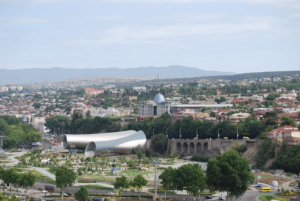
India's Forest Rights ActIndia’s economic growth has lifted millions out of poverty, yet rural and indigenous communities continue to face deep-rooted inequalities. The 2006 Forest Rights Act aimed to address historical injustices by granting land rights to tribal communities, though its impact has been uneven. Pachgaon, a small village in Maharashtra, stands out as a success story. By securing legal rights to their forest land, villagers transformed their economy through a community-run bamboo business—showing how legal recognition and collective action can drive sustainable, inclusive development.

Poverty in India

India, with a population of 1.4 billion, remains a nation of contrasts. About 66% of its people live in rural areas and despite economic growth, 13% still survive on less than $1.90 a day. However, progress is evident—80% of adults now have bank accounts and 92% of children complete primary school, reflecting improved access to financial services and education. Yet, gender disparities persist, with women making up only 20% of the formal workforce, highlighting the ongoing need for more inclusive economic participation.

India’s significant reduction in extreme poverty over the past decade reflects both effective policy interventions and sustained economic growth. The dramatic decline from 16.2% to 2.3% in the national poverty rate—particularly the strong improvements in rural areas—highlights the country’s success in lifting millions out of the harshest conditions. Moreover, the narrowing gap between rural and urban poverty rates suggests a more balanced development approach, helping bridge long-standing regional disparities. While challenges remain, the progress so far offers a strong foundation for further inclusive and equitable growth.

India’s Forest Rights Act

The Forest Rights Act, passed in 2006, is a landmark piece of legislation in India that recognizes the rights of indigenous communities to claim ownership of federally-owned forest land they have traditionally inhabited and depended on. It aims to correct historical injustices by granting legal land titles to forest dwellers who have lived in and protected these areas for generations. 

The Residents of Pachgaon

One community that continues to benefit from the law is the residents of Pachgaon in the Indian state of Maharashtra. Pachgaon’s transformation from a struggling village to a thriving forest-based enterprise is an example of how India’s Forest Rights Act can be successfully implemented. After generations of dispossession under colonial and state control, the local Gond adivasi community used the law to reclaim ownership of 1,006 hectares of forest land in 2012. While many indigenous communities remained unaware of their rights or faced bureaucratic resistance, Pachgaon’s residents—supported by local activists like Vijay Dethe—persistently pursued their claim. Once they secured legal forest rights, the village launched a community-run bamboo business under a gram sabha model, rejecting hierarchy in favor of collective decision-making. 

The Outcome

Pachgaon’s bamboo enterprise has become a cornerstone of the village’s economic revival, generating a profit of 34 million rupees (approximately $400,000) over the past decade—equivalent to around $41,000 per year. This community-run business, established after villagers secured legal rights to 2,500 acres of forest, not only provides steady employment but has also stemmed the tide of migration to urban centers like Gujarat and Karnataka.

Managed democratically by a gram sabha, the profits are reinvested into the community—supporting education, infrastructure and the purchase of additional land for expansion. Even during monsoon seasons, when bamboo harvesting halts, the funds serve to maintain employment through local development projects, ensuring the preservation of economic stability and cultural roots.

The profits have not only provided stable incomes and reduced migration but also funded local development projects, including infrastructure, education and land purchases for business expansion. Pachgaon’s success highlights the transformative power of legal recognition, local leadership and shared ownership in restoring both livelihoods and dignity to tribal communities.

Looking Ahead

While India still faces challenges in achieving equity and full participation for all, examples like Pachgaon demonstrate how legal empowerment and grassroots action can lead to sustainable, locally driven development. As the country continues to grow, scaling such successes could be key to ensuring that progress reaches even its most marginalized citizens.

– Phoebe Guildford

Phoebe is based in Cardiff, Wales and focuses on Good News for The Borgen Project.

Photo: Flickr
August 20, 2025
https://borgenproject.org/wp-content/uploads/borgen-project-logo.svg 0 0 Precious Sheidu https://borgenproject.org/wp-content/uploads/borgen-project-logo.svg Precious Sheidu2025-08-20 03:00:152025-08-19 13:48:42India’s Forest Rights Act: A Tribal Village’s Success Story
Child Soldiers, Global Poverty, Legislations and Policies

Child Soldiers in the Philippines

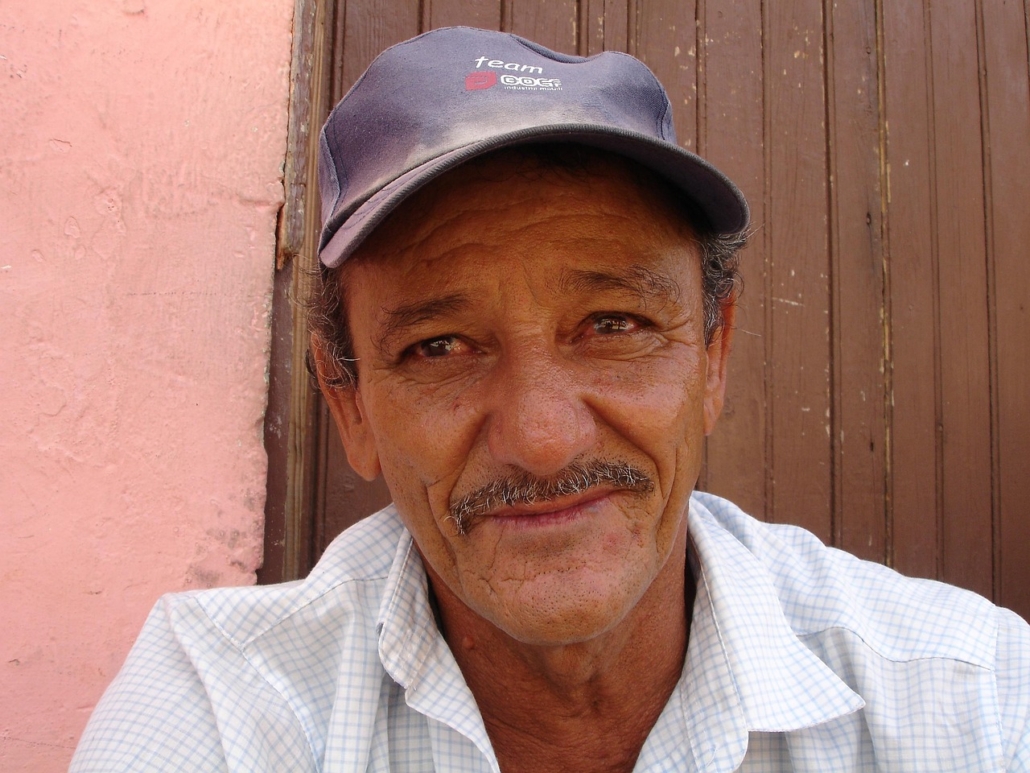
The Child Soldiers in the Philippines Despite widespread agreement that the use of child soldiers must end, the United Nations (U.N.) reported ongoing violations in dozens of countries in 2024. While 173 countries have ratified the Optional Protocol on the involvement of children in armed conflict, grave violations—including the recruitment and use of child soldiers—persist in conflict zones worldwide. Some countries, like the Philippines, have made significant progress in reducing violations. With support from the U.N., the Philippine government nearly halved its total number of violations and took major steps to address the widespread presence of non-state military groups such as the New People’s Army (NPA), the Moro Islamic Liberation Front (MILF) and the Moro National Liberation Front (MNLF) and their use of child soldiers in the Philippines.

Non-State Sanctioned Military Groups

Regardless of the year, the NPA has more often than not been responsible for the highest number of violations, reportedly accounting for 40% and 41% of the total in 2022 and 2024, respectively. The majority of the remaining violations were spread somewhat evenly among the other groups, though the Dawlah Islamiyah-Maute Group and the Armed Forces of the Philippines stand out as repeat offenders. As one may notice, the Armed Forces of the Philippines is a state military force, showing the government is not entirely free from blame; however, this group also showed the greatest reduction in violations, dropping from 21 in 2021 to 12 in 2023. In contrast, the Dawlah Islamiyah-Maute Group more than quadrupled its violations, rising from two to nine.

The Acts

Overall, the most common and consistent violations were killing and maiming, recruitment and attacks on schools, which together made up just under 95% of total violations in 2024; 43% in killing and maiming, 38% in recruitment and 12% in attacks on schools. The remaining 7% consisted of sexual misconduct, abductions and denial of humanitarian access. The acts were generally split evenly between areas, with one standout case of a disproportionate number (53%) of violations taking place in Mindanao, the second largest of the Philippine islands and one of the most populated islands in the world.

Looking Ahead

In 2021, the Armed Forces of the Philippines and the U.N. signed a strategic plan in order to improve conditions and lower the number of violations of child rights. There are now more than 3,100 trained child protection actors throughout the country. Furthermore, some regions have even established a regional reporting system so that civilians can alert authorities to violations. These, along with the 2019 issuance of the child protection policy by the Philippine police, have started great advances in Philippine child rights, with the data supporting the fact that the plan is showing results and reducing the number of child soldiers in the Philippines.

– Seth Christopher

Seth is based in Baltimore, MD, USA and focuses on Politics for The Borgen Project.

Photo: Flickr
July 21, 2025
https://borgenproject.org/wp-content/uploads/borgen-project-logo.svg 0 0 Precious Sheidu https://borgenproject.org/wp-content/uploads/borgen-project-logo.svg Precious Sheidu2025-07-21 01:30:082025-07-20 13:04:51Child Soldiers in the Philippines
Foreign Aid, Global Poverty, Legislations and Policies

New Commitments: G7 Foreign Aid Investment Programs

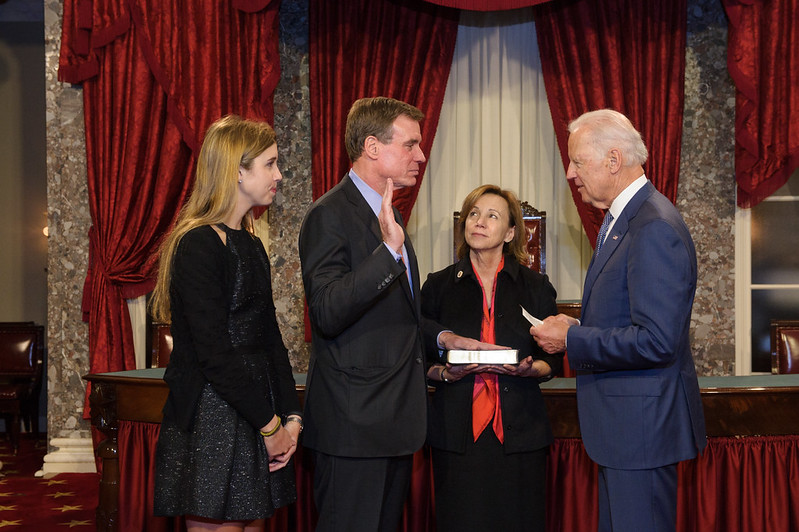
G7 Commits to New Foreign Aid Investment ProgramsAmid a global context of geopolitical conflict and economic uncertainty, G7 leaders announced the establishment of two new projects to finance overseas development and a commitment to advancing a third, launched under Canada’s G7 Presidency in 2018. These initiatives cover contributions to multilateral development banks and mobilizing the private sector. The G7 foreign aid goal is to advance and achieve the Sustainable Development Goals (SDGs) in developing countries.

What is the G7?

In 1975, the United States (U.S.), the United Kingdom (U.K.), France, Italy and West Germany established the Group of Six as a forum for noncommunist global powers to discuss international economic tensions. Since then, there have been additions and removals of member states, and its economic purposes continue to adapt in response to the geopolitical conflicts of the day.

In the 1980s, for example, leaders made efforts to increase engagement with human rights and global stability. Then, the beginning of the 21st century saw the prioritization of human rights and increased attention toward issues including climate change and gender equality. The group has also played a crucial role in uniting multilateral donors for project funding. In 2025, members are the U.S., the U.K., France, Japan, Germany, Italy and Canada, making it the G7.

ODA in the 2025 G7 Summit

Hosted in Kananaskis, Canada, the 2025 G7 summit prioritized Official Development Assistance (ODA) for peace and security, private investment and long-term prosperity through partnerships outside of the group. For 2025, the G7 foreign aid agenda included advancing the International Assistance Innovation Program (IAIP), which launched as a five-year pilot project under the Canadian G7 presidency in 2018. New announcements included the Private Capital Mobilization Initiative (PCMI) and a project to expand innovative financing to multilateral development banks.

The IAIP follows eight principles endorsed by G7 ministers responsible for humanitarian action and development assistance. These include promoting inclusive innovation, investing in locally-driven solutions, taking intelligent risks, using evidence to drive decision-making, seizing learning opportunities, ensuring the impact of innovations, facilitating multilateral collaboration, identifying scalable solutions and integrating proven innovations into larger programming. The 2025 summit announced a commitment of $290 million over a five-year period to promote the mobilization of private investment toward developing countries.

In addition, the PCMI project received an allocation of $101.3 million over five years to address the obstacles to private sector investment. This involves working with organizations such as the Global Infrastructure Facility and Scaling Capital for Sustainable Development (SCALE). Among other goals, the partnership aims to accelerate infrastructure projects and provide targeted support for project planning and de-risking instruments.

Finally, the Innovative Financing at Multilateral Development Banks Project has pledged up to $400 million to multilateral development banks through portfolio guarantees. The initiative focuses on developing countries in the Caribbean and Latin America, licensing the Inter-American Development Bank and the Caribbean Development Bank (CDB) to provide $1.6 billion in new financing to support development. The CDB itself received $200 million to be spent providing essential support for borrowing countries.

Looking Ahead

Though the G7 is an economy-focused coalition of democratic countries, its goals have included strengthening the economies of underdeveloped countries and collaboration with multilateral agencies. Under the Canadian Presidency, the 2025 G7 foreign aid achievements reflected this by mobilizing projects facilitating private sector investment, including guarantees protecting private investors from financial losses when investing in multilateral development banks. With governments slashing ODA budgets, encouraging the involvement of the private sector has the potential to stimulate a new era of investment in the developing world.

– Emily Galán

Emily is based in Edmonton, Alberta, Canada and focuses on Global Health and Politics for The Borgen Project.

Photo: Flickr
July 7, 2025
https://borgenproject.org/wp-content/uploads/borgen-project-logo.svg 0 0 Precious Sheidu https://borgenproject.org/wp-content/uploads/borgen-project-logo.svg Precious Sheidu2025-07-07 07:30:572025-07-07 01:53:21New Commitments: G7 Foreign Aid Investment Programs
Global Poverty, Legislations and Policies

Operation Phakisa Improves Socio-economic Conditions

Operation PhakisaLocated at the southernmost tip of Africa, the Republic of South Africa (RSA) is home to more than 64 million people. With a population of this size, it ranks 24th most populous country globally, according to Worldometer. The World Bank reports that the RSA also ranks among the world’s highest rates of inequality, with 63% of South Africans living in poverty based on the “upper-middle-income country poverty line.”

Investing in Underserved Communities

With the end of apartheid in the late 20th century and the ushering in of democracy, the South African government implemented new legislation and programs geared toward improving the lives and well-being of all citizens. The Neighbourhood Development Partnership Grant (NDPG) was one of these early programs. This grant led to the identification of South African townships as a priority for social and economic redevelopment. 

Since 2006, this program has implemented targeted efforts and initiatives to increase the development of local areas. In 2011, the Urban Networks Strategy emerged to leverage various profitable outcomes. These included: 

  • Tackling unjust spatial development
  • Strengthening strategic spatial planning 
  • Coordinate uses of planning, regulatory and investment tools
  • Integrate and leverage public transport, infrastructure and land and housing investments
  • Target more public resources

As a result of these grants and programs, the South African government has seen significant change in one of its townships, Bara Square, Soweto. Through the NDPG, Bara Square received R36 million for “infrastructure, a new public park and trading facilities for street vendors.” Through this public investment, commuters have access to a safer public environment geared toward developing around people and community needs. 

Launching Operation Phakisa

In 2014, President Jacob Zuma, the former president of the RSA, implemented Operation Phakisa. This initiative established new programs designed to address critical development issues, cultivating an inclusive society for all South Africans. Operation Phaksia’s subdivisions include: 

  • Focus on addressing current priorities
  • Use a phased implementation approach
  • Prioritize the marginalized
  • Integrate, coordinate and continue with current initiatives
  • Ensure cost-effectiveness
  • Dedicate focused human resources

As a result of these objectives, South African communities have seen notable improvements in education. As of September 2016, the program had connected 2,430 schools out of a set target of 3,250, providing them with devices and online access. 

Expanding Access to Digital Education

With the exception of one province, all district officials and thousands of teachers received training and integration support. In terms of educational content and resources, 120 digital titles have been produced for students of all ages across disciplines. Programs like the NDPG and Operation Phakisa illustrate how legislative efforts in environmental infrastructure and education can have significant impacts on the everyday lives and well-being of citizens. These initiatives offer a model for how targeted public investments could break the cycle of poverty and foster more equitable growth.

– McKenzie Rentie

McKenzie is based in Dallas, TX, USA and focuses on Celebs and Politics for The Borgen Project.

Photo: Pixabay

June 30, 2025
https://borgenproject.org/wp-content/uploads/borgen-project-logo.svg 0 0 Precious Sheidu https://borgenproject.org/wp-content/uploads/borgen-project-logo.svg Precious Sheidu2025-06-30 07:30:192025-06-30 01:25:15Operation Phakisa Improves Socio-economic Conditions
Global Poverty, Human Rights, Legislations and Policies

Fragility and Rule of Law in Colombia 

Fragility and Rule of Law in Colombia
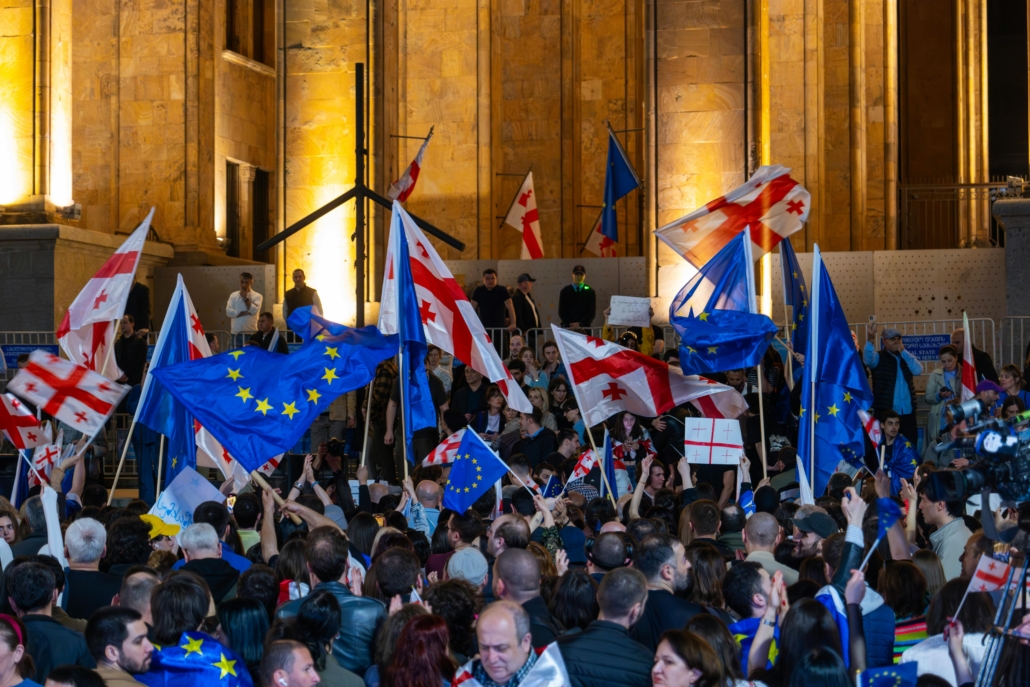
In international relations, the rule of law is a principle of governance that holds all parties, including the government itself, accountable to the same rules. Colombia, however, has faced challenges in fairly upholding this principle, leading to political instability and violence. This article will focus on the fragility and rule of law in Colombia. While significant progress has occurred in recent years, major challenges remain. Overcoming these challenges and strengthening the rule of law will require continued legislative reforms, domestic activism and sustained international support. Although an uphill battle, there is hope for Colombia’s legal system.

Understanding the Roots of the Problem

Colombia has a simple legal structure, featuring a legislative, executive and judicial branch. The country elects a president every four years. A Supreme Court (Corte Suprema de Justicia) establishes legal precedent, and a Constitution serves as the foundation for addressing the fragility and rule of law in Colombia. In theory, everything should function smoothly. However, corruption, dysfunction and inequality plague the judicial system. Several factors have contributed to these conditions:

  1. Armed Conflict: Since the 1960s, civil war among rebel guerrilla groups and right-wing paramilitary groups has ravaged Colombia. Millions have been displaced or murdered, and this five-decade-long conflict significantly weakened legal institutions and fostered criminal activity, particularly in rural areas.
  2. Organized Crime: Human trafficking, drug cartels and illegal economies thrive in Colombia. This activity fuels violence and significantly undermines state authority. 
  3. Government Corruption: Elected officials frequently accept bribes from cartels, rebels and businesses to manipulate the law. These powerful figures are rarely held accountable, perpetuating a cycle of inequality.
  4. Dysfunctional Judicial System: Colombia’s judicial system itself is inherently flawed. Understaffing leads to a majority of crimes going unpunished. Legal professionals often face large bribes or violent threats, hindering their ability to administer justice. Furthermore, most poverty-stricken areas lack access to adequate legal institutions.

Impact on Citizens

The fragility and rule of law in Colombia has had a debilitating effect on its citizens, as one can see through citizens distrust of their government and the widespread poverty that runs rampant. Here is information about how fragility and rule of law in Colombia has increased distrust and poverty.

  • Distrust in Government: The World Justice Project’s 2022 survey reveals some shocking opinions that Colombian citizens hold:
    • Only 22% believe government officials would be held accountable for breaking the law.
    • Only 27% of citizens feel that local government officials are elected fairly.
    • A staggering 88% believe that most or all members of Congress are corrupt.
    • Only 36% believe the judicial system is effective in prosecuting criminals.
    • Over 70% believe most or all legal officials are corrupt.
    • Only 26% feel the police act lawfully, and a mere 25% trust the police.
  • Poverty: Corruption significantly hinders development and exacerbates poverty. In fact, as reported by the U.S. Department of State, Colombia lost more than $115 million (meant for infrastructure) to bribes and kickbacks. This irresponsible usage of resources prevents the government from providing essential services to the public, disproportionately affecting poor citizens that rely on the assistance. Furthermore, according to the World Bank, 39.3% of Colombians lived below the national poverty line in 2022. Put simply, corruption wastes resources that could be used for poverty reduction programs, infrastructure development or education, further entrenching Colombia’s citizens in a cycle of poverty.

Progress Towards Equality

While the situation is challenging, the statistics above actually represent growth compared to previous years, particularly regarding perceptions of corruption. This indicates that, albeit slowly, Colombia is making strides toward stability.

Several factors have contributed to this progress, including legislative reforms and international efforts:

  • International Bar Association’s Human Rights Institute (IBAHRI): This group actively works to restructure the Colombian Judicial System. The IBAHRI has conducted fact-finding missions, provided training to judges and lawyers and advocated for legal reform.
  • Colombian Government: Technology is being implemented to streamline judicial processes. One example is the “Justicia XXI” program, which aims to digitize court records and implement electronic case management systems. 
  • The United States: Since 2017, the United States has donated roughly $1.5 billion to Colombia to assist in “peace accord implementation.” These programs have contributed to the resolution of civil war, reduction of poverty and a crackdown on drugs.
  • The World Bank: The World Bank has provided Colombia with two DPFs. A DPF (or a Development Policy Financing) is a type of loan/grant that aims to support poverty reduction. In Colombia, specifically, the money has gone towards the creation of policy that “improves fiscal sustainability, increases productivity and improves economic/social integration of migrants.” 
  • European Union: The European Union Trust Fund for Colombia, established in 2016, supports projects such as the Land Restitution Unit, which helps victims of armed conflict restore their territory, and the Rural Development Project, which looks to increase living standards in underserved regions of the country.
  • Legislative Reforms:
    • In 2022, Colombia passed Law 2195 to eliminate corruption between the public and private sectors.
    • In 2023, a 10-Year Drug Policy, based on international standards, was introduced to reduce drug trafficking nationwide. 
    • In 2025, Colombia’s Supreme Court will replace four of its nine judges, a decision aimed at ensuring equality in the nation’s highest tribunal.

A Plan for the Future

To maintain this positive trajectory, Colombia will need to continue its anti-corruption campaign by continuing to reform the judicial system, implementing technology and expanding access to justice, particularly in rural and marginalized communities. Furthermore, the country needs to improve security measures, specifically by increasing police accountability and trustworthiness. In doing so, Colombia should be able to combat organized crime, one of the largest issues that the country faces. 

Although domestic reform is critical, Colombia cannot act alone. It will need support from the international community. Currently, the United States, the World Bank and the European Union all provide financial aid, and it would be beneficial for more institutions to follow suit. If Colombia can capitalize on international support, reduce corruption and reform its judicial system, a brighter future is within reach. The fragility and rule of law in Colombia will no longer be a burden, but a testament to peace, democracy and equality.

– Josh Weinstein

Josh is based in Chester Springs, PA, USA and focuses on Politics for The Borgen Project.

Photo: Flickr
March 27, 2025
https://borgenproject.org/wp-content/uploads/borgen-project-logo.svg 0 0 Jennifer Philipp https://borgenproject.org/wp-content/uploads/borgen-project-logo.svg Jennifer Philipp2025-03-27 07:30:292025-03-26 05:58:29Fragility and Rule of Law in Colombia 
Page 2 of 3123

Get Smarter

  • Global Poverty 101
  • Global Poverty… The Good News
  • Global Poverty & U.S. Jobs
  • Global Poverty and National Security
  • Innovative Solutions to Poverty
  • Global Poverty & Aid FAQ’s
Search Search

Take Action

  • Call Congress
  • Email Congress
  • Donate
  • 30 Ways to Help
  • Volunteer Ops
  • Internships
  • Courses & Certificates
  • The Podcast
Borgen Project

“The Borgen Project is an incredible nonprofit organization that is addressing poverty and hunger and working towards ending them.”

-The Huffington Post

Inside The Borgen Project

  • Contact
  • About
  • Financials
  • President
  • Board of Directors
  • Board of Advisors

International Links

  • UK Email Parliament
  • UK Donate
  • Canada Email Parliament

Get Smarter

  • Global Poverty 101
  • Global Poverty… The Good News
  • Global Poverty & U.S. Jobs
  • Global Poverty and National Security
  • Innovative Solutions to Poverty
  • Global Poverty & Aid FAQ’s

Ways to Help

  • Call Congress
  • Email Congress
  • Donate
  • 30 Ways to Help
  • Volunteer Ops
  • Internships
  • Courses & Certificates
  • The Podcast
Scroll to top Scroll to top Scroll to top