Addressing Housing and Urban Poverty in Vietnam
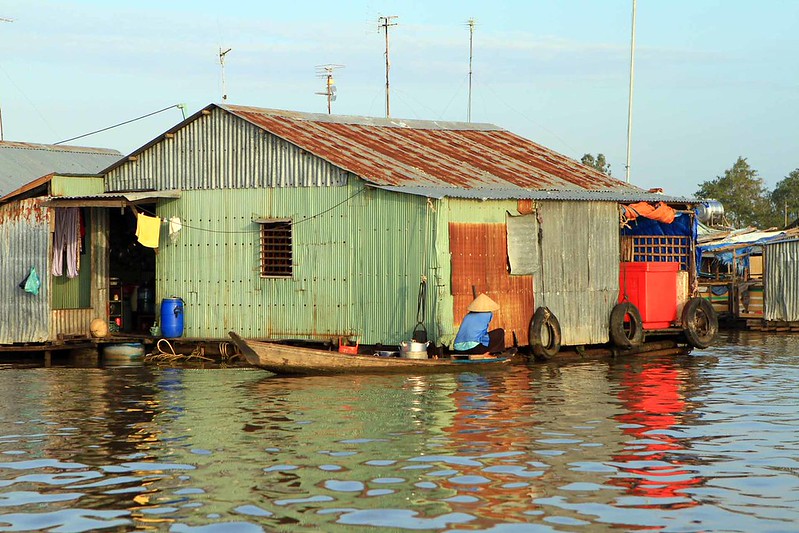 Throughout the 21st century, Vietnam has focused on improving the living standards of its population. More specifically, Vietnam’s government has actively worked to eradicate hunger and reduce poverty. Despite improvements in the right direction, millions of Vietnamese face a new challenge: affordable housing. Without access to affordable housing, rural poverty in Vietnam has increased, leading to street lottery ticket vendors or families forming informal communities or hamlets in big cities. In response to this growing challenge, Vietnam’s government and private organizations are addressing housing and urban poverty created by the lack of affordable housing.
Housing and Urban Poverty in Vietnam
According to the deputy chief of the National Office for Poverty Reduction, Vietnam’s overall poverty rate would drop to around 1.1%. This represents roughly 900,000 to 1.1 million individuals living in poverty in Vietnam. Furthermore, Vietnam has developed a new multidimensional poverty index for the next six years, designed to increase the urban income threshold to VND 2.8 million ($106) and rural income to VND 2.2 million ($84) per person per month. Although these numbers highlight Vietnam’s success in tackling extreme poverty, they often ignore the millions of individuals who cannot afford housing in major urban centers, like Ho Chi Minh City.
Thousands of people in Vietnam cannot afford housing because of two main reasons: excess housing demand and a worsening affordability gap.. The director of the Housing and Real Estate Market Management Department explained that Vietnam would need roughly one million more homes to meet the increased demand. Given the growing population in urban centers, housing and urban poverty in Vietnam are increasing.
Affordability Gap
Furthermore, home prices have outpaced income growth by a significant margin, making it almost impossible for an average Vietnamese citizen to afford housing in major urban centers. Prices in major cities, like Hanoi and Ho Chi Minh City, have risen 5.6% so far this year. This means that, on average, apartment prices are roughly 80 million dong ($3,028) per square meter. In comparison, the average annual salary of a Vietnamese worker is 98.4 million dong. This sizable difference has made it almost impossible for Vietnamese to afford housing.
Addressing the Housing Crisis
To successfully address this challenge, the government, private organizations and other nongovernmental organizations (NGOs) have developed effective strategies and projects to decrease housing costs in Vietnam. The government has pledged to adjust land use fee regulations to ensure fairness and prevent companies from raising prices beyond people’s affordability. Habitat for Humanity International (HFHI) in Vietnam, a nonprofit dedicated to addressing housing and urban poverty globally, in collaboration with local unions and organizations, has developed the Decent Housing, Peaceful Life project. This project has supported the construction and revitalization of existing properties in Vietnam to improve the housing situation of individuals facing difficult circumstances.
Looking Ahead
As Vietnam continues to grow as a nation, the government, companies and NGOs in the country continue to address the different challenges that arise. Indeed, as housing affordability and accessibility worsen in Vietnam, the government, in collaboration with other organizations, is taking steps to ease this pressure and secure affordable, safe housing for millions of Vietnamese in major urban centers.
– Rodrigo Salgado
Rodrigo is based in Boulder, CO, USA and focuses on Good News for The Borgen Project.
Photo: Flickr
