• Link to X
  • Link to Facebook
  • Link to Instagram
  • Link to TikTok
  • Link to Youtube
  • About
    • About Us
      • President
      • Board of Directors
      • Board of Advisors
      • Financials
      • Our Methodology
      • Success Tracker
      • Contact
  • Act Now
    • 30 Ways to Help
      • Email Congress
      • Call Congress
      • Volunteer
      • Courses & Certificates
      • Be a Donor
    • Internships
      • In-Office Internships
      • Remote Internships
    • Legislation
      • Politics 101
  • The Blog
  • The Podcast
  • Magazine
  • Donate
  • Click to open the search input field Click to open the search input field Search
  • Menu Menu

Archive for category: Legislations and Policies

Development, Global Poverty, Legislations and Policies

Transforming Lives in Rwanda’s Progressive Legislation

Rwanda's Progressive LegislationIn recent years, Rwanda’s enacted progressive legislation aimed at significantly improving living standards and reducing poverty. Central to these efforts are the 2023 National Strategy for Transformation (NST1) and the Economic Recovery Fund (ERF), both designed to accelerate economic growth and ensure sustainable development. Here are how these groundbreaking initiatives are not only transforming lives but also setting a powerful example for the rest of the continent.

Economic Rebound of Rwanda

The NST1 is a pivotal framework designed to boost Rwanda’s economic growth and sustainable development. Key initiatives under NST1 include promoting industrialization, creating jobs and enhancing agricultural productivity. These initiatives have significantly contributed to Rwanda’s economic progress, with the World Bank reporting a 7.6% gross domestic product (GDP) increase in the first three quarters of 2023 despite external challenges and inflation control measures.

Moreover, educational reforms have led to universal enrollment in primary schools and substantial improvements in secondary education attendance and completion. Completion rates have increased by 57% in students and if we count late completion, this number jumps to 71%. This multifaceted approach underscores the effectiveness of NST1 in driving Rwanda’s economic and social advancements.

Securing the Future in Rwanda

To secure its upward projection, Rwanda implemented the Economic Recovery Fund (ERF). The Rwandan government’s initiatives under the ERF, particularly its focus on supporting key sectors like tourism, have indeed shown significant results. The first phase of the ERF, which included substantial support for the tourism sector, helped many businesses survive the impact of COVID-19. This support, along with continued funding, allows for more jobs to be created; it is estimated that 1,328 additional jobs will arise from tourist-based activities per million invested. As ERF fulfilled its duties, the second phase of the fund launched $250 million to increase access to finance and to continue the economic recovery that the country still feels.

Protection for Everyday

In 2024, Rwanda introduced the Social Protection Transformation Project (SPTP), a new initiative aimed at enhancing the country’s social protection system. Funded by the World Bank and coordinated by the Ministry of Local Government (MINALOC) and the Local Administrative Entities Development Agency (LODA), the SPTP focuses on strengthening social safety net programs, supporting economic inclusion and improving delivery systems.

The project includes various components such as direct support, nutrition-sensitive programs, public works, early childhood development and skills development. It aims to ensure that vulnerable households have better access to human capital and economic opportunities, thereby improving their overall resilience and well-being.

The Role Model

When compared to other African nations, Rwanda’s approach to social and economic development stands out due to its innovative use of Information and Communication Technology (ICT) in governance and service delivery. Unlike many of its peers, Rwanda has integrated ICT into nearly all facets of public administration, which has streamlined processes and increased transparency. Initiatives such as the Irembo platform allow citizens to access a wide range of government services online, reducing bureaucratic inefficiencies and fostering greater civic engagement.

This digital transformation is a key reason why Rwanda’s model is considered progressive and effective; it not only improves service delivery but also supports data-driven decision-making and policy implementation. Additionally, Rwanda’s focused and comprehensive strategies, like the NST1 and the ERF, have led to measurable successes in poverty reduction and economic growth, further distinguishing its approach from other nations on the continent.

Rwanda’s innovative and effective strategies position it as a potential model for other nations striving for sustainable development and poverty reduction. The country’s success underscores the critical role of community resilience and Rwanda’s progressive legislation in driving economic and social progress. By learning from Rwanda’s experience, other nations can adopt similar approaches to foster inclusive growth and enhance the well-being of their citizens.

– Demi Olin

Demi is based in Huntington, WV, USA and focuses on Good News for The Borgen Project.

Photo: Flickr

July 26, 2024
https://borgenproject.org/wp-content/uploads/borgen-project-logo.svg 0 0 Lynsey 2 https://borgenproject.org/wp-content/uploads/borgen-project-logo.svg Lynsey 22024-07-26 01:30:322024-07-25 07:18:41Transforming Lives in Rwanda’s Progressive Legislation
Global Poverty, Legislations and Policies, Sustainable Development Goals

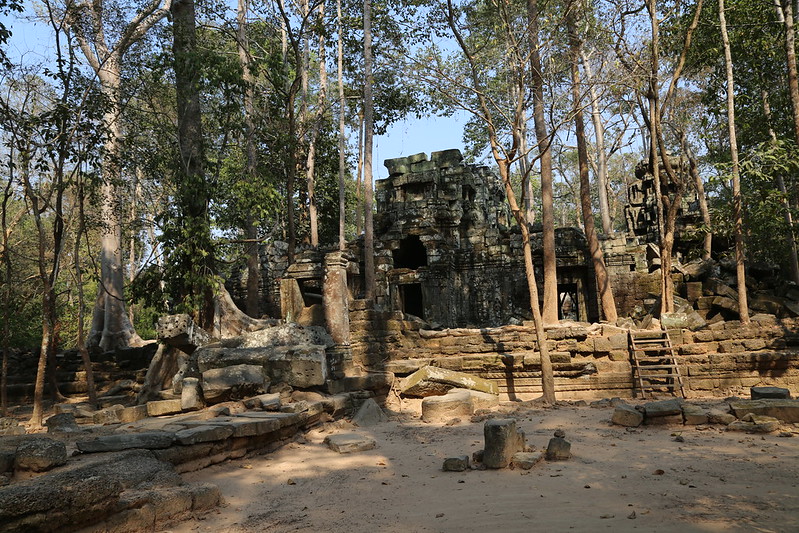
Poverty and Wildlife Conservation in Cambodia

Poverty and Wildlife Conservation in CambodiaIn Cambodia, one of the most biodiverse countries on Earth, poverty and wildlife conservation presents a significant challenge. The rich flora and fauna attract conservationists and researchers, but pervasive poverty threatens both human livelihoods and ecosystem health as Cambodia grapples with illegal logging, poaching and land encroachment.

Community-Based Conservation Initiatives

The integration of sustainable livelihood activities into conservation programs is one promising approach. Empowering local communities through ecologically friendly income-generating activities, such as sustainable agriculture, ecotourism ventures and harvesting nontimber forest products, can alleviate poverty and reduce dependence on destructive practices. Central to these ongoing efforts is community-based conservation, which places local stakeholder involvement at the core of decision-making and resource management. In Cambodia, initiatives like the Community Protected Area concept have succeeded by granting communities rights and responsibilities over specific conservation areas. This approach not only protects biodiversity but also supports sustainable economic development in communities burdened by poverty.

KEO SEIMA REDD+ Project

The KEO SEIMA REDD+ project actively supports biodiversity and communities in the Keo Seima Wildlife Sanctuary, which is one of many forests that collectively make up 40% of Cambodia’s territory. The Wildlife Conservation Society describes REDD+ as an innovative approach designed to cut emissions from deforestation and forest degradation, thus decreasing CO₂ emissions that result from clearing and exploiting forests.

Since its founding in 1895, the Wildlife Conservation Society has partnered with the Royal Government of Cambodia’s Ministry of Environment. In Cambodia, 65% of the population relies on forest resources for their livelihoods. The Keo Seima Wildlife Sanctuary hosts more than 1,000 wild species, including 85 globally threatened ones and serves as both the ancestral and current home of the Indigenous Bunong people. Their unique culture and beliefs are deeply intertwined with the forest. With more than 13 years of protection and support, the program has safeguarded 166,000 hectares and prevented 21 million tons of carbon dioxide emissions.

Enhancing Conservation

New partnerships among conservation organizations, government agencies and private enterprises could enhance the scale and effectiveness of poverty-reduction efforts linked to conservation achievements. Projects like payment for ecosystem services and sustainable tourism enable various stakeholders to collaborate on solutions that benefit both people and wildlife. Moreover, adopting technologies such as remote sensing and data analytics can potentially bolster monitoring and enforcement efforts, thereby reducing illegal activities that threaten biodiversity and human well-being.

Supportive policy frameworks play a crucial role in promoting sustainable development and conservation outcomes. During the implementation of the Cooperation Framework, the United Nations and the Royal Government of Cambodia will engage in annual discussions, co-chaired by the U.N. Resident Coordinator and the Prime Minister of Cambodia. These discussions will provide a crucial platform for the United Nations and the Cambodian Government to identify areas for support and to enhance and broaden their collaboration, aiming to expedite progress towards achieving the Sustainable Development Goals (SDGs) by 2030.

Looking Forward

Cambodia’s commitment to community-based conservation and sustainable development practices promises a brighter future for both its people and its rich biodiversity. Strengthening partnerships and adopting advanced technologies could enhance conservation efforts, including wildlife conservation in Cambodia and bolster economic growth. By aligning these ongoing initiatives with global sustainable development goals, Cambodia aims to achieve a balance between environmental protection and poverty alleviation.

– Honorine Lanka Perera

Honorine is based in Highland, NY, USA and focuses on Good News and Politics for The Borgen Project.

Photo: Flickr

June 14, 2024
https://borgenproject.org/wp-content/uploads/borgen-project-logo.svg 0 0 Precious Sheidu https://borgenproject.org/wp-content/uploads/borgen-project-logo.svg Precious Sheidu2024-06-14 07:30:262024-06-19 02:32:46Poverty and Wildlife Conservation in Cambodia
Page 3 of 3123

Get Smarter

  • Global Poverty 101
  • Global Poverty… The Good News
  • Global Poverty & U.S. Jobs
  • Global Poverty and National Security
  • Innovative Solutions to Poverty
  • Global Poverty & Aid FAQ’s
Search Search

Take Action

  • Call Congress
  • Email Congress
  • Donate
  • 30 Ways to Help
  • Volunteer Ops
  • Internships
  • Courses & Certificates
  • The Podcast
Borgen Project

“The Borgen Project is an incredible nonprofit organization that is addressing poverty and hunger and working towards ending them.”

-The Huffington Post

Inside The Borgen Project

  • Contact
  • About
  • Financials
  • President
  • Board of Directors
  • Board of Advisors

International Links

  • UK Email Parliament
  • UK Donate
  • Canada Email Parliament

Get Smarter

  • Global Poverty 101
  • Global Poverty… The Good News
  • Global Poverty & U.S. Jobs
  • Global Poverty and National Security
  • Innovative Solutions to Poverty
  • Global Poverty & Aid FAQ’s

Ways to Help

  • Call Congress
  • Email Congress
  • Donate
  • 30 Ways to Help
  • Volunteer Ops
  • Internships
  • Courses & Certificates
  • The Podcast
Scroll to top Scroll to top Scroll to top