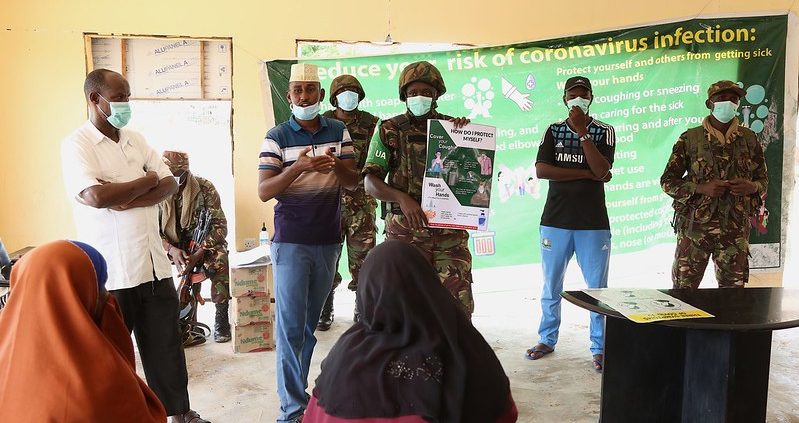
Since its start, COVID-19 has impacted countries worldwide. Citizens have lost jobs, and countries have taken an economic nosedive. Regions already suffering from poverty prior to the pandemic feel the ramifications of COVID-19 most severely. One particular region is Africa. Several organizations are dedicating efforts to providing aid in Africa amid the COVID-19 pandemic.
Action Against Hunger
Action Against Hunger has been providing aid to Africa for more than 40 years to fight hunger and malnutrition. Additionally, the organization works to improve nutrition, water, sanitation, hygiene, mental healthcare and support and emergency response. In 2019 alone, the organization reached 17 million people in need. In the previous year, Action Against Hunger joined the Disasters Emergency Committee (DEC) as one of the 14 charities committed to providing aid during major humanitarian disasters.
Meril Cullinan, senior communications officer at Action Against Hunger, describes the motivation behind the continued aid in Africa throughout the pandemic: “According to the United Nations, the number of people globally suffering from acute food shortages could nearly double in the next year due to COVID-19 and its economic impacts; in East Africa, food insecurity could double in just the next three months.” In addition to Africa, Action Against Hunger has provided support to the only hospital for those in quarantine in Somalia and has treated 31,000 people suffering from malnutrition across 60 healthcare facilities in Yemen.
Amref Health Africa
Amref Health Africa originated in 1957 under the name “Flying Doctors of East Africa.” At the time, the nonprofit used airplanes to deliver healthcare to communities in need. Over time, Amref Health Africa expanded into what it is today—an aid and advocacy organization with a devotion to providing West, East and southern African citizens, particularly women and girls, with quality health services and training for healthcare workers. Services include maternal healthcare, newborn and child healthcare, and information on sexual and reproductive health and rights.
In 2019, the nonprofit reached five million people in need across 40 countries in Africa. Amref has assisted in stopping deadly outbreaks within Africa, such as Ebola and cholera; “The whole Amref Health Africa family is working towards [sic] the ambitious goal of achieving Universal Health Coverage (UHC) by 2030.” The focus of Amref Health Africa’s response to COVID-19 has been training healthcare workers, providing access to clean water and proper sanitation, strengthening testing and laboratories and mitigating the secondary impacts of the pandemic.
Successes so far include building water and sanitation infrastructure in six African countries, training 3,000 healthcare workers through the mobile phone application LEAP, expanding COVID-19 testing throughout Africa and advocating for access to crucial services during the lockdown. Camilla Knox-Peebles, chief executive of Amref Health Africa, describes the response to providing aid during COVID-19: “As well as launching new initiatives to support communities affected by COVID-19, we have adapted our existing programmes to ensure they can continue.”
Motivation
Motivation began in 1989 after two students, David Constantine and Simon Gue, entered a competition to design a wheelchair for people with disabilities in developing countries. After their prototype won, they went on to build an actual wheelchair, and the rest is history. Motivation has been building wheelchairs fit for various terrains and conditions in developing countries, particularly East Africa, ever since. The organization also provides training to technicians and clinicians on how to select the proper equipment for particular needs and geographic areas. The 2019-2020 impact report has revealed that the organization serviced 6,918 people, trained 312 families and facilitators, supported 68 wheelchair and outreach services and gave 8,816 people an assistive technology product.
Motivation’s aid in Africa has had to adapt to the COVID-19 climate and its safety precautions. Virtual support has replaced face-to-face programs. The organization has also found ways to deliver food, medical supplies and hygiene products to those in need. Anna Reeve, communications manager at Motivation, says that “We are finding ways to offer training and support remotely as much as we can. And we’re are working to ensure that disabled people’s needs are not forgotten in this crisis. Our teams are in touch with beneficiaries and partners by phone and text messages to share advice.”
Looking Ahead
The entire world has felt the effects of the COVID-19 pandemic. While many parts of the world are in lockdowns, many people are without food, supplies, medical services and other crucial resources. Thankfully, organizations exist that have a dedication to using modern technological advances to continue supporting developing regions. COVID-19 aid in Africa is essential in order to keep up the progress that has taken decades to achieve. Organizations like Action Against Hunger, Amref Health Africa and Motivation are demonstrating the ways the world’s citizens can continue to help each other in times of need.
– Sage Ahrens-Nichols
Photo: Flickr


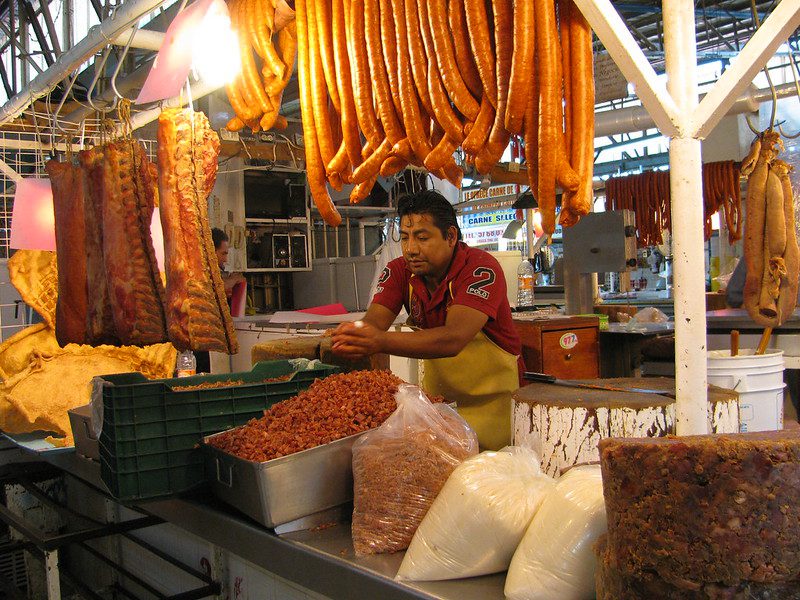
 The British Government has led successful campaigns to get citizens to rethink the food they throw away. The British charity, Waste and Resources Action Programme (WRAP), works with larger businesses and local communities to use resources efficiently and sustainably. Charities like FareShare are combating food waste by redistributing food to hungry people in the U.K. For about 25 years, the organization has been keeping communities fed by
  It is an indisputable fact that everyone needs food for survival. Even further, everyone needs enough nutritious food to truly thrive. That being true, the reality is that not everyone gets enough high-quality, nutritious food yet significant amounts of food are thrown away daily. This dilemma is present globally and Israel is no exception. Food waste and food insecurity in Israel is a growing problem, but one organization, Leket Israel, is working to address both.
 Ireland is mostly known for its lush greens, beautiful castles and vibrant culture. However, hunger in Ireland is a persistent problem that is not often discussed. While the Great Famine in the 1800s comes to mind for those thinking of Ireland’s hunger crisis, it is imperative to note that hunger still exists in the nation. Here are three things to know about hunger in Ireland.
 In the effort to reduce poverty around the world, scientific innovations and technological solutions are welcomed. Developments in technological capabilities provide new potential approaches to reducing poverty. One such development that has received increased attention is the emergence of lab-grown meat as an alternative source of food for populations in developing countries. Lab-grown meat has only emerged as a potential solution quite recently, and even at this young stage of development, there are many who argue both for and against its potential effectiveness and applicability in the effort to reduce poverty.
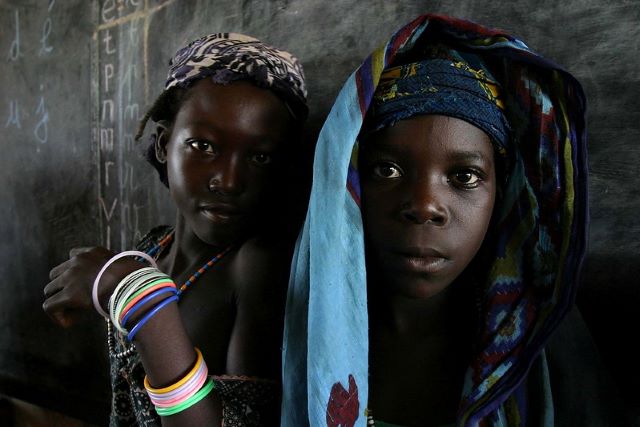 One year after repatriation efforts began, refugees from the Central African Republic are returning home. Although repatriation operations began in November 2019, the return of refugees from the Central African Republic was delayed by the COVID-19 pandemic. Enhanced health and safety precautions made their return possible. The United Nations Refugee Agency, a U.N. agency responsible for protecting refugees, organized the implementation of health and safety precautions. Measures included the use of masks and temperature screening. Handwashing stations were also installed to prevent the spread of disease.